This Is How To Change Hydrangea Flower Color In Oregon Gardens
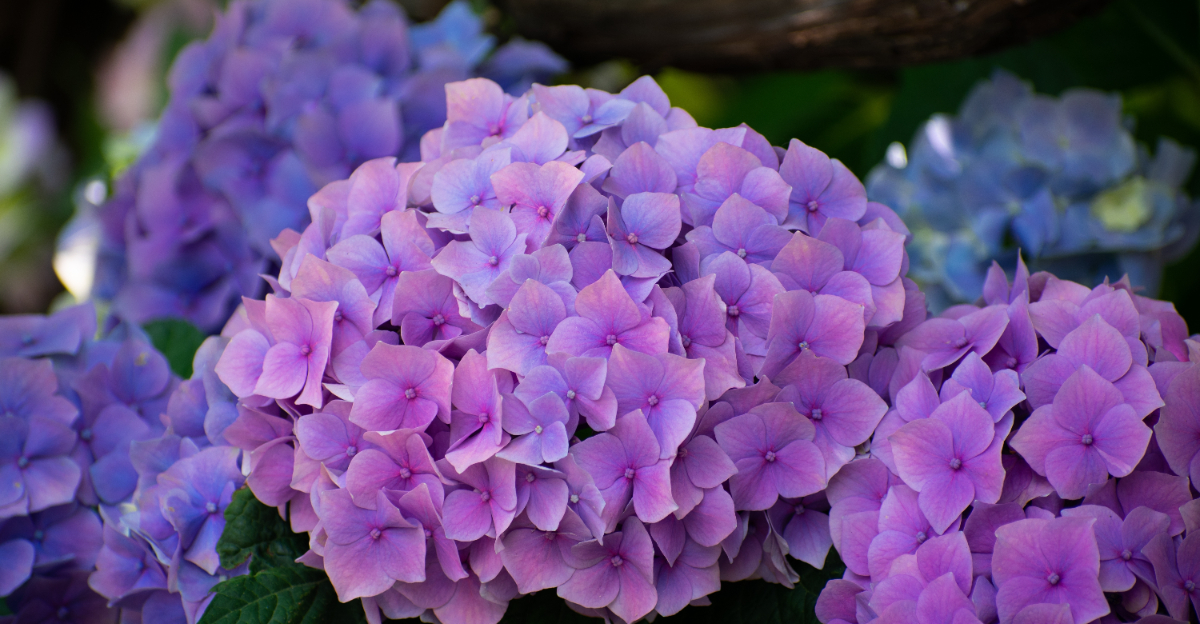
Few garden tricks feel as satisfying as changing the color of your hydrangeas. In Oregon, where soil tends to lean naturally acidic in many areas, those classic blue blooms often show up on their own.
But with a few simple adjustments, you can shift shades and create anything from soft pinks to deep purples right in your own yard.
It all comes down to what’s happening in the soil. Hydrangeas respond to pH levels in a way most plants don’t, which means small changes can lead to big visual results.
That gives you a surprising amount of control once you understand how it works. The process isn’t complicated, but it does take a bit of patience and consistency.
Get it right and your hydrangeas can look completely different from one season to the next, adding a whole new layer of interest to your garden.
1. Test Your Soil pH
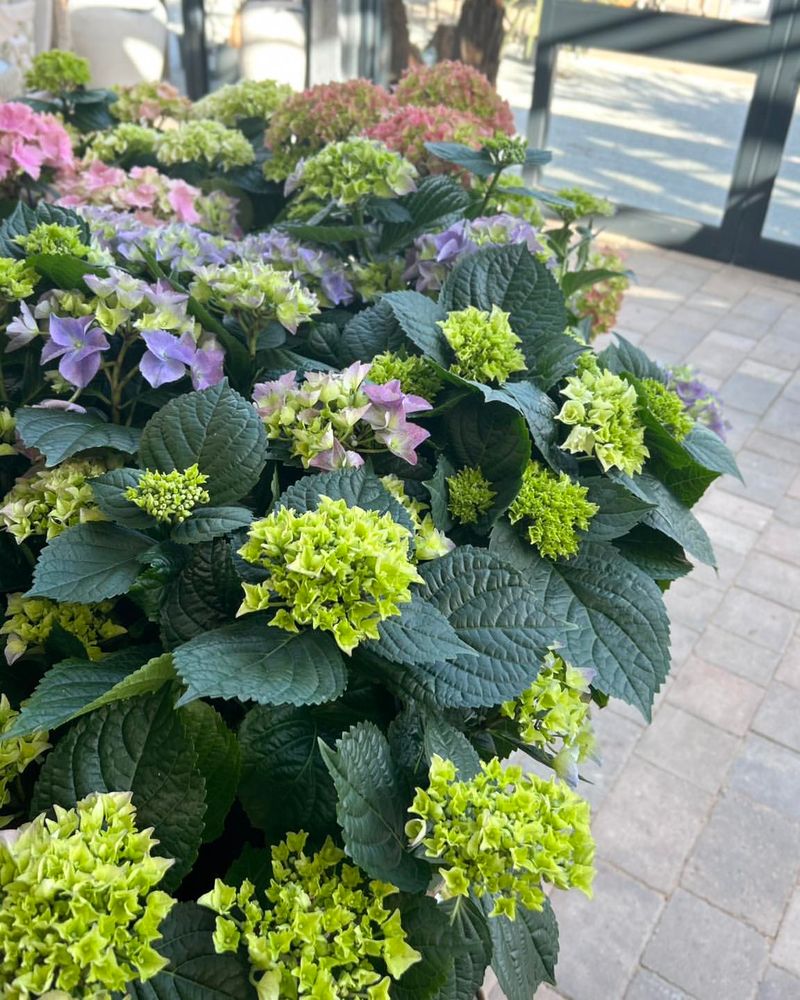
Before you touch a single bag of fertilizer or soil amendment, you need to know what you are working with. Soil pH is a measure of how acidic or alkaline your soil is, and it has a huge effect on what color your hydrangea blooms will be.
In Oregon, soil pH can vary quite a bit depending on where you live.
Coastal areas often have naturally acidic soil, while some inland regions around the Willamette Valley can lean more neutral or slightly alkaline. Knowing your starting point saves you time, money, and frustration.
A simple soil test kit from your local garden center will give you a reading in just minutes.
You can also send a sample to Oregon State University Extension Service for a more detailed analysis. Look for a pH reading between 4.5 and 6.0 for blue blooms, or above 6.0 for pink blooms.
Testing in early spring or late fall gives you the best window to make changes before the growing season kicks off.
Most bigleaf hydrangeas, which are the most common type grown in Oregon gardens, respond well to pH changes. Testing your soil first means you will not over-apply amendments and risk harming your plants.
It is a small step that makes a big difference in your results.
2. Lower pH For Blue Blooms
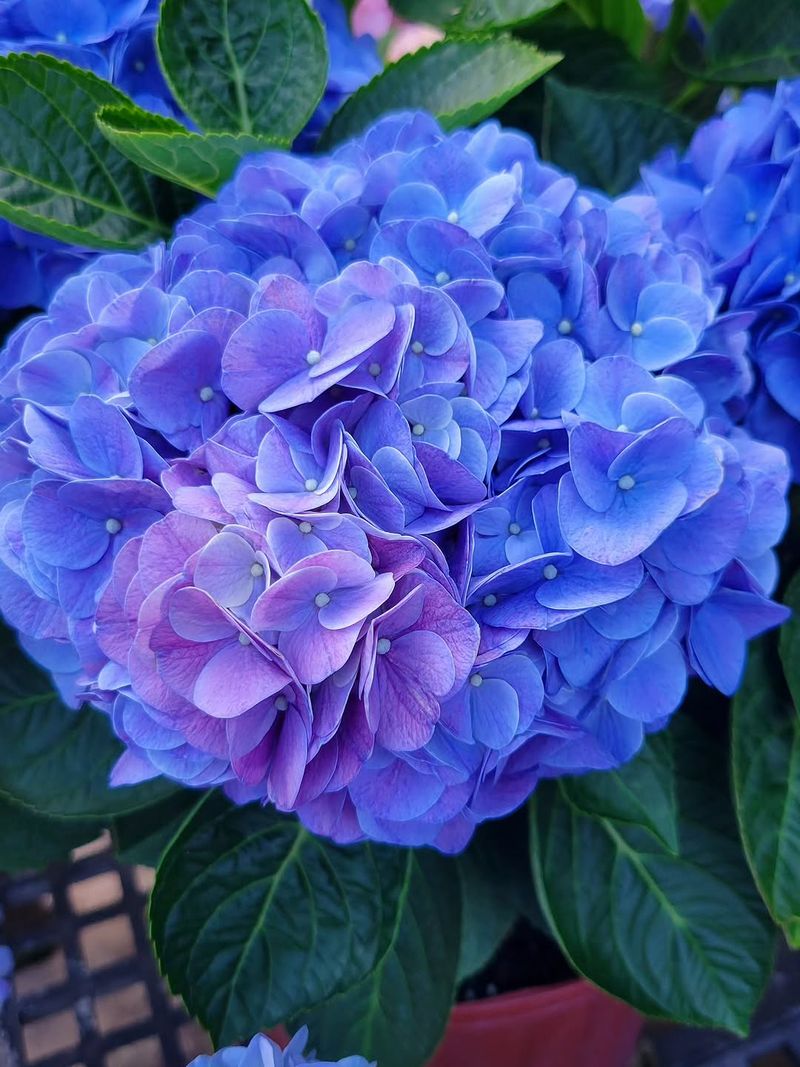
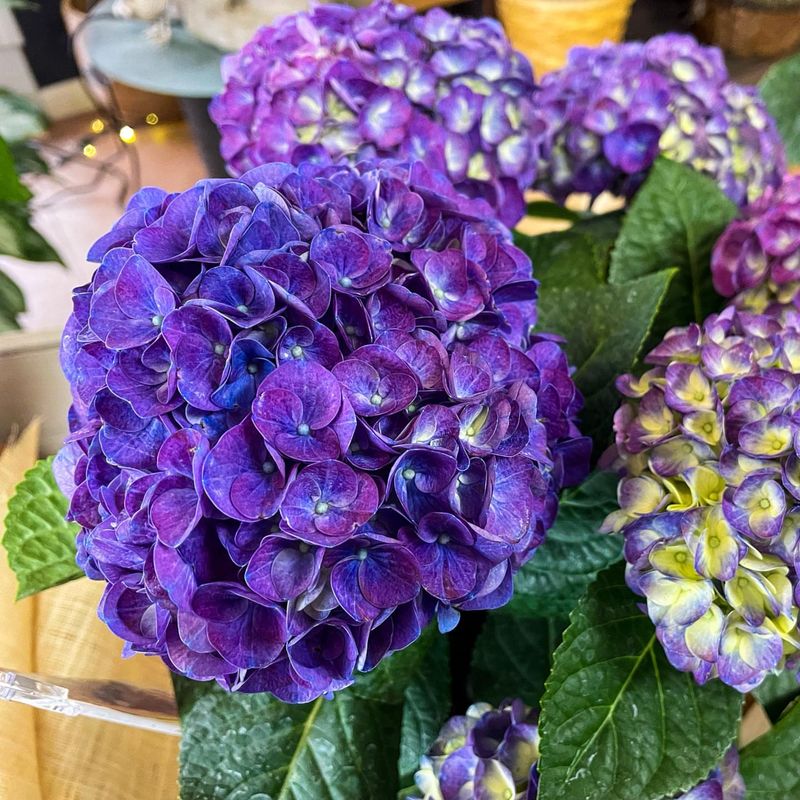
Want those stunning, deep blue hydrangea flowers that look like they belong on a magazine cover? The trick is getting your soil pH below 6.0, ideally somewhere between 4.5 and 5.5.
When the soil is acidic enough, aluminum becomes available to the plant, and that aluminum is what actually turns the flowers blue.
Oregon’s coastal gardens often already have slightly acidic soil, which gives those gardeners a head start. But even if your soil is too neutral, you can bring the pH down with the right amendments.
The key is to make changes gradually rather than all at once.
Elemental sulfur is one option that works slowly and naturally over several months. Aluminum sulfate works faster and is a popular choice for gardeners who want quicker results.
Either way, always follow the package directions and test your soil again after a few weeks to check your progress.
Timing matters too. Applying amendments in early spring gives the soil time to adjust before the flower buds start forming.
In Oregon’s mild climate, spring comes early, so getting started in late February or March is a smart move. With patience and the right approach, those brilliant blue blooms are absolutely within reach for any Oregon gardener willing to put in a little effort.
3. Raise pH For Pink Blooms
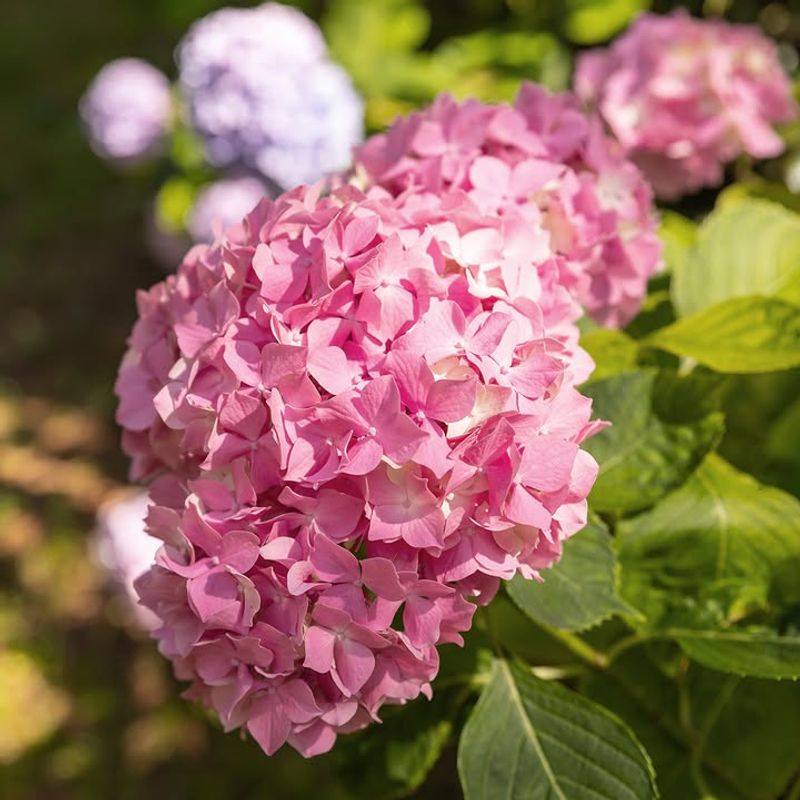
Pink hydrangeas have a warm, cheerful charm that can brighten up any corner of an Oregon garden. To get those rosy blooms, you need to raise your soil pH above 6.0, which reduces the availability of aluminum to the plant.
Without aluminum, the flowers shift toward pink or even red shades.
Inland Oregon gardens, especially those in areas with drier summers like the Rogue Valley or Eastern Oregon, sometimes already have more neutral or slightly alkaline soil. If that sounds like your yard, you may already be halfway there.
A quick soil test will confirm whether you need to make any adjustments at all.
If your soil is too acidic for pink blooms, adding garden lime is the most straightforward fix. Dolomitic limestone is a popular and widely available option that raises pH while also adding calcium and magnesium to the soil.
Both of those nutrients are great for healthy hydrangea growth.
Apply lime in the fall so it has all winter to break down and blend into the soil before spring planting season. Retest your soil in early spring to see how far the pH has moved.
Keep in mind that it may take more than one season to reach your target level. Consistent effort pays off, and those pink blooms will be well worth the wait for any Oregon gardener.
4. Use Aluminum Sulfate For Blue
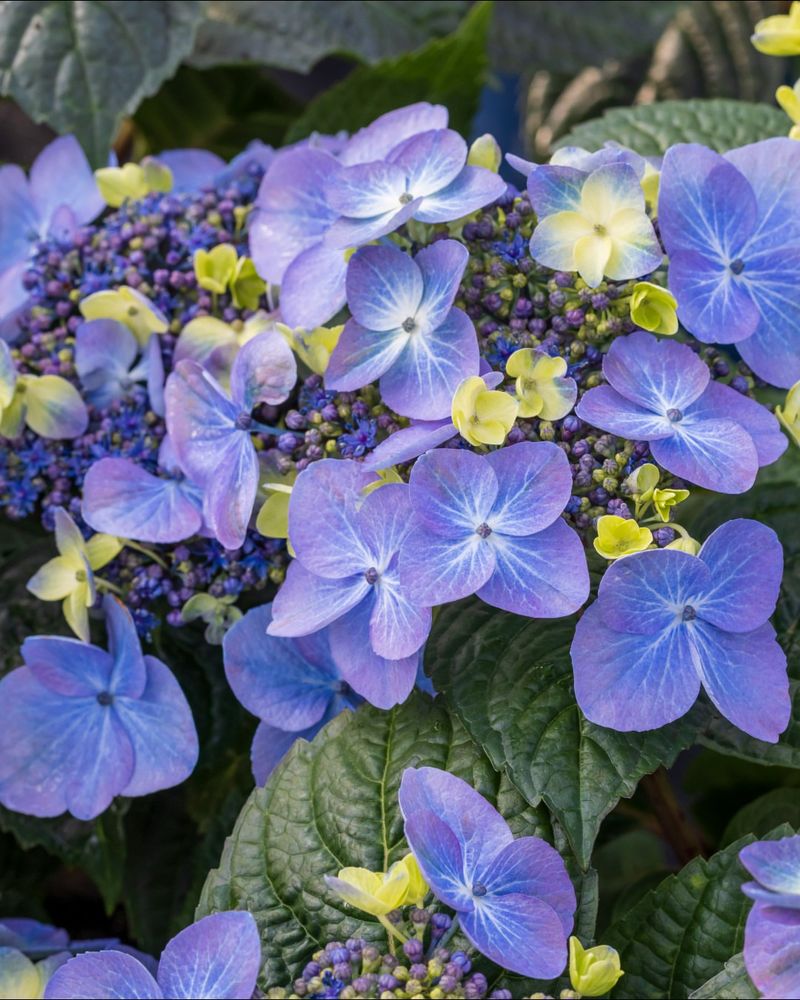
Aluminum sulfate is one of the fastest-acting tools an Oregon gardener can use to push hydrangea blooms toward blue. It works by lowering soil pH and directly increasing aluminum availability in the soil at the same time.
That double action makes it especially effective for bigleaf and mountain hydrangeas.
You can find aluminum sulfate at most garden supply stores throughout Oregon. It typically comes as a granular powder that you dissolve in water and apply around the base of your hydrangea plant.
A common starting rate is about one tablespoon per gallon of water, applied several times throughout the growing season.
One important caution: do not overdo it. Too much aluminum sulfate can actually harm your plant’s roots and stunt growth.
Always follow the label instructions carefully and test your soil before and after applying to make sure you are staying in a safe range.
For best results in Oregon gardens, begin applying aluminum sulfate in early spring before new growth appears. Repeat applications every few weeks during the growing season if needed.
Be patient, because color changes can take a full growing season or even two to fully show up. The results, though, can be truly spectacular.
Those rich, jewel-toned blue blooms are one of the most eye-catching sights in any Pacific Northwest garden during the summer months.
5. Add Lime For Pink
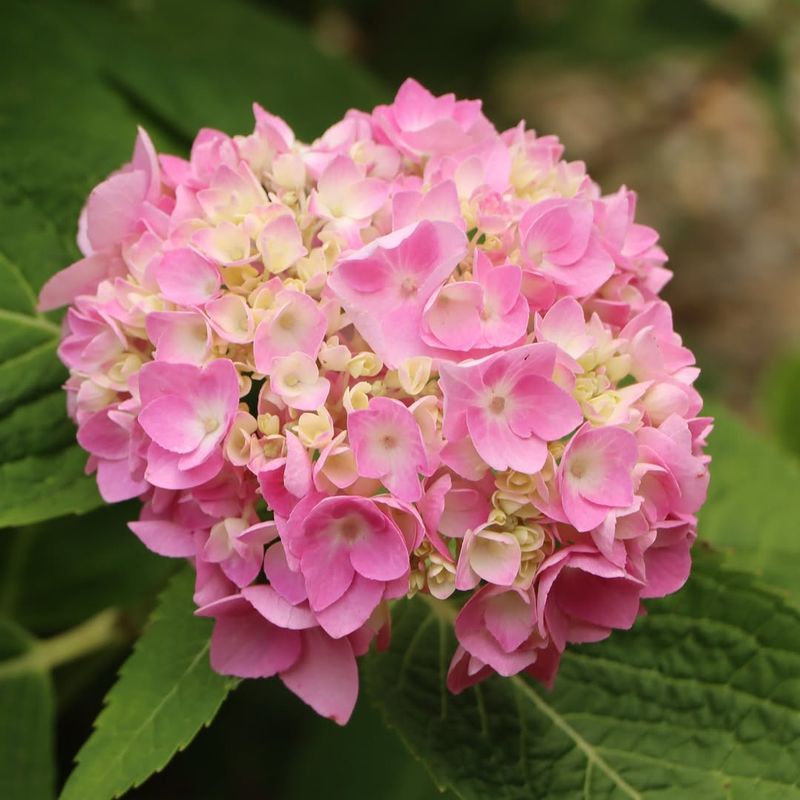
Garden lime is the go-to amendment for Oregon gardeners who want to encourage pink hydrangea blooms. It works by raising the soil pH, which limits how much aluminum the plant can absorb.
Less aluminum means the flowers lean pink, red, or even a warm mauve depending on the variety.
Dolomitic limestone is the most popular form of garden lime for this purpose. It breaks down slowly, which means it gives you a more stable and long-lasting pH shift compared to faster-acting options.
That steady release is actually a good thing when you are trying to maintain a consistent bloom color season after season.
Spread the lime evenly around the drip line of your hydrangea plant, which is the area directly under the outermost branches. Water it in well after applying so it starts moving into the soil.
In Oregon’s rainy climate, especially west of the Cascades, winter rainfall will help work the lime deeper into the ground naturally.
Avoid applying lime too close to the main stem of the plant to prevent any chance of root irritation. A soil test in spring will show you whether your pH has reached the right level.
If you need to apply lime again, wait at least two to three months between applications. Steady and measured adjustments always lead to better, longer-lasting results in Oregon hydrangea gardens.
6. Adjust Soil Gradually
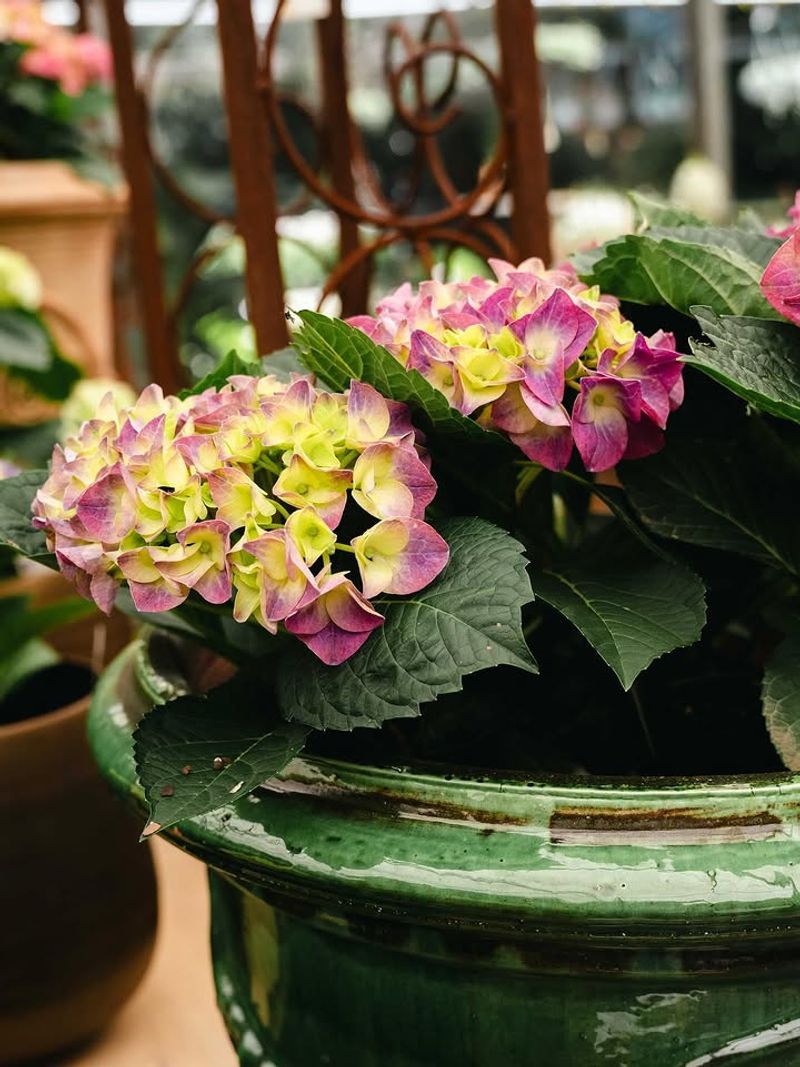
Here is something a lot of first-time hydrangea color-changers get wrong: they try to shift the soil pH too fast. Drastic changes can stress your plants and actually make it harder to achieve the color you want.
Slow and steady is always the smarter approach when it comes to adjusting soil chemistry.
Oregon’s soil can be complex, especially in areas with heavy clay or volcanic soils common in parts of the state. These soil types can resist pH changes more than sandy or loamy soils.
That means you may need to apply amendments more than once before you see a noticeable shift in your pH readings.
A good rule of thumb is to aim for a pH change of no more than 0.5 to 1.0 units per season. That keeps the process manageable and gives your hydrangea roots time to adjust along with the soil.
Test your pH every four to six weeks during the growing season to track your progress.
Keep a simple garden journal to record your pH readings, what amendments you applied, and when. This makes it much easier to spot patterns and fine-tune your approach over time.
Many experienced Oregon gardeners say that the gradual method not only produces better bloom colors but also results in healthier, more vigorous plants overall. Good things really do come to those who are willing to be patient with the process.
7. Maintain Consistent Moisture
Water might not seem like it has much to do with hydrangea flower color, but it plays a bigger role than most people realize. Consistent soil moisture helps the amendments you apply move through the soil evenly and reach the root zone where they do their best work.
Dry soil slows down the whole process.
Oregon west of the Cascades gets plenty of rainfall in the fall and winter, but summers can be surprisingly dry. During those dry months, regular watering becomes essential for keeping your hydrangeas healthy and your soil amendments active.
Aim for deep, infrequent watering rather than shallow, frequent sprinkles.
Mulching around your hydrangea plants is one of the best things you can do to hold moisture in the soil.
A two to three inch layer of bark mulch or wood chips keeps the soil from drying out too quickly and also helps moderate soil temperature.
In Oregon’s warm summer valleys, that temperature buffer can make a real difference.
Avoid overhead watering if possible, since wet foliage can lead to fungal issues on hydrangea leaves. A soaker hose or drip irrigation system delivers water right to the root zone without wetting the leaves.
Consistent moisture also helps stabilize your soil pH over time, which means your bloom color stays more predictable season after season. It is a simple habit that supports everything else you are doing in your Oregon hydrangea garden.