This Is How To Fill Your Oregon Garden With Plants That Really Do Something
Pretty plants are nice, but plants that actually work are even better. I didn’t always think that way.
I used to plant whatever looked good at the garden center. Then I realized some plants do a lot more than just sit there and look nice.
In Oregon gardens, the right plants can attract pollinators, improve soil, block weeds, cool your yard, and even save water. Once I started planting with purpose, everything felt easier.
You don’t need a huge yard or a perfect setup to make this happen. Small spaces can still be powerful when the right plants are chosen.
Even one smart swap can make a noticeable difference.
This approach helps your garden work with nature instead of against it. And the best part?
You still get beauty, color, and a space you actually enjoy spending time in.
1. Plants That Attract Oregon Pollinators
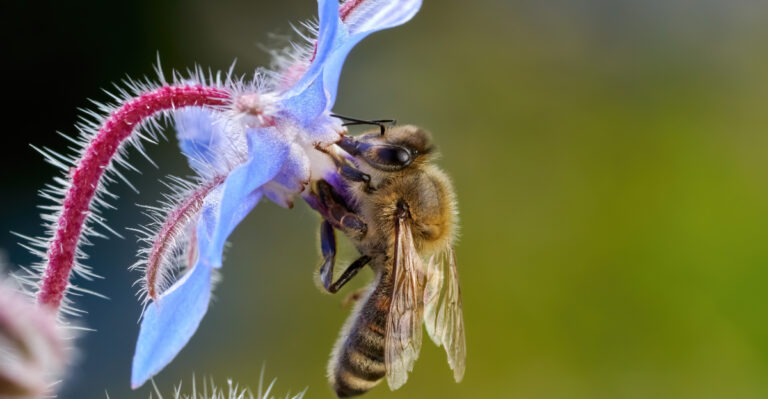
Your garden becomes a vital food source when you plant species that feed bees, butterflies, and hummingbirds throughout Oregon’s growing season.
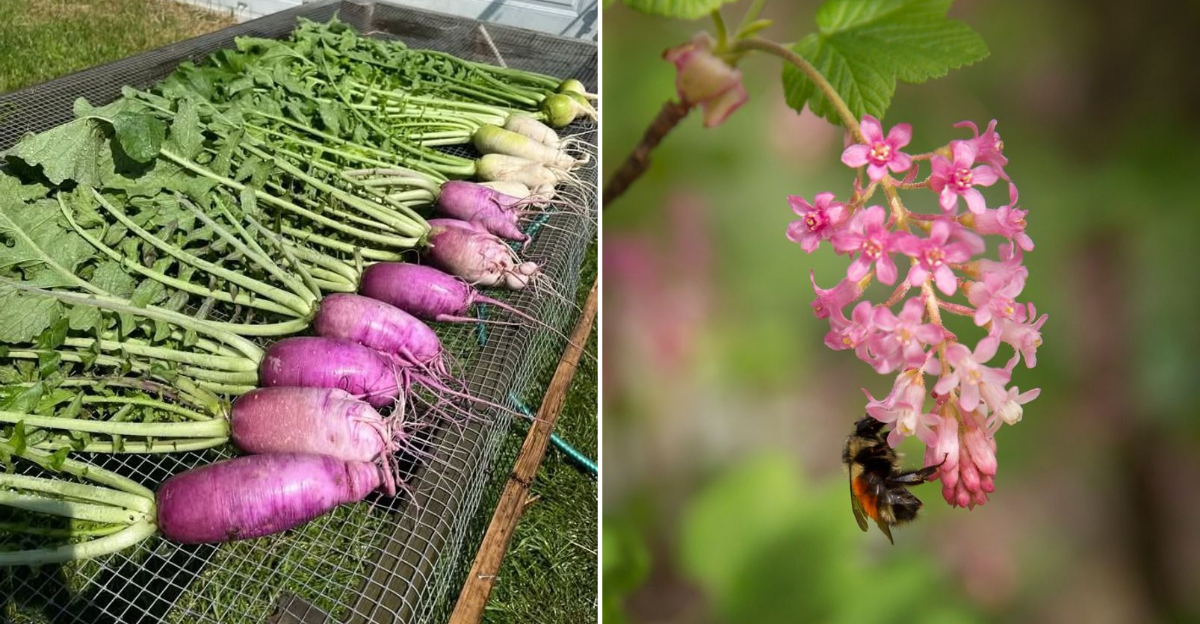
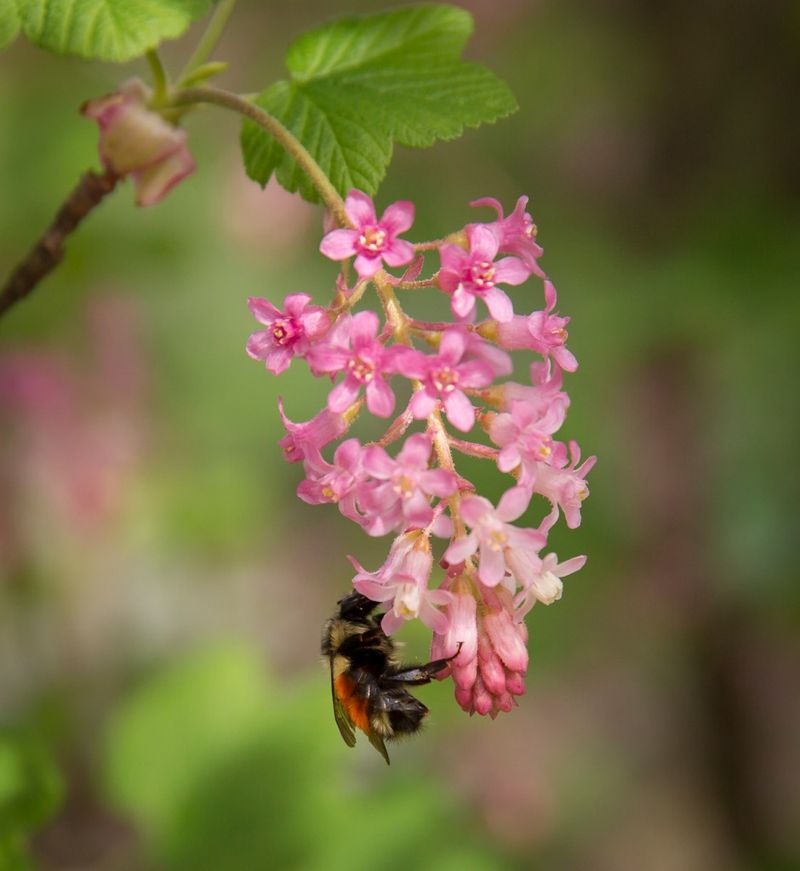
Native salal, Oregon grape, and red-flowering currant bloom early, providing nectar when pollinators emerge from winter dormancy.
These shrubs adapt well to both Willamette Valley gardens and coastal areas, requiring minimal care once established.
Perennials like asters, goldenrod, and penstemon extend the bloom season into fall, giving pollinators energy before winter. Plant these in clusters rather than single specimens to create visible targets for foraging insects.
Spacing them 18 to 24 inches apart allows each plant room to spread while maintaining dense flower coverage.
Avoid hybrid varieties bred for doubled petals, as these often lack accessible pollen and nectar. Single-flowered varieties work better for pollinator support.
Skip pesticide use during bloom periods, since chemicals harm the beneficial insects you’re trying to attract.
Consider bloom timing when selecting plants. Early bloomers support queen bumblebees establishing colonies, while late-season flowers help butterflies prepare for migration or overwintering.
Combining plants with different bloom times creates a pollinator buffet from March through October, maximizing your garden’s ecological impact across Oregon’s diverse microclimates.
2. Low-Water Plants For Oregon Summers
Summer drought hits Oregon gardens hard, especially east of the Cascades and in southern valleys where rainfall drops to near zero between June and September.
Lavender, Russian sage, and sedum store water in their leaves and roots, thriving with minimal irrigation once their root systems establish.
These Mediterranean-adapted plants handle Oregon’s dry summers beautifully while adding color and texture to your landscape.
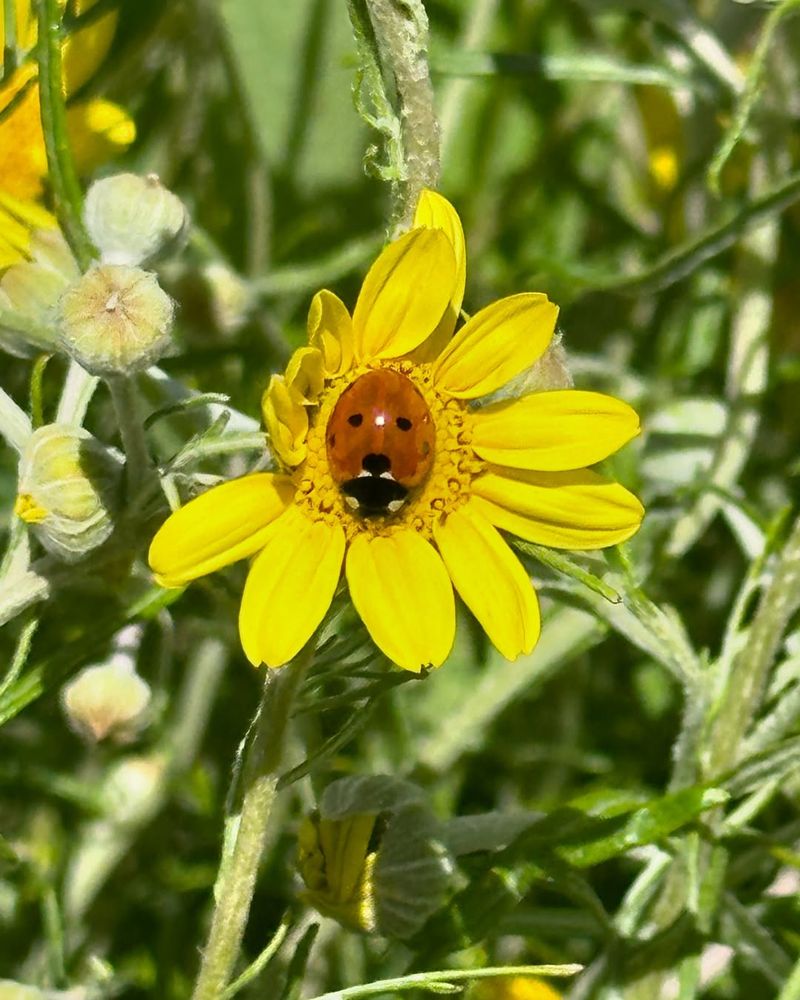
Native Oregon sunshine (Eriophyllum lanatum) and yarrow tolerate extended dry periods better than most ornamentals. Plant them in well-draining soil, as winter wetness causes more problems than summer drought for these species.
Adding a two-inch layer of mulch around their base helps retain moisture during establishment but isn’t necessary after the first year.
Group plants by water needs rather than scattering drought-tolerant species throughout thirsty flower beds. This zoning approach lets you reduce irrigation in entire sections of your garden, cutting water bills and maintenance time.
Place low-water plants in sunny, exposed areas where other species struggle.
Timing matters when establishing drought-tolerant plants. Fall planting gives roots months to establish before summer heat arrives, reducing first-year watering needs significantly.
Spring-planted specimens need consistent moisture through their first summer, defeating part of their water-saving purpose until year two.
3. Native Plants That Support Wildlife
Oregon’s native plants evolved alongside local wildlife, creating food webs that support everything from songbirds to beneficial insects.
Serviceberry produces berries that feed cedar waxwings and robins, while its flowers provide early-season nectar.
The shrub adapts to various Oregon soil types and tolerates both sun and partial shade, making it versatile for different garden situations.
Sword ferns and inside-out flowers create shelter layers where ground-feeding birds like towhees forage for insects. These shade-tolerant natives thrive under Douglas-firs and bigleaf maples, filling spaces where lawn grass struggles.
Their dense foliage also provides nesting material and cover from predators.
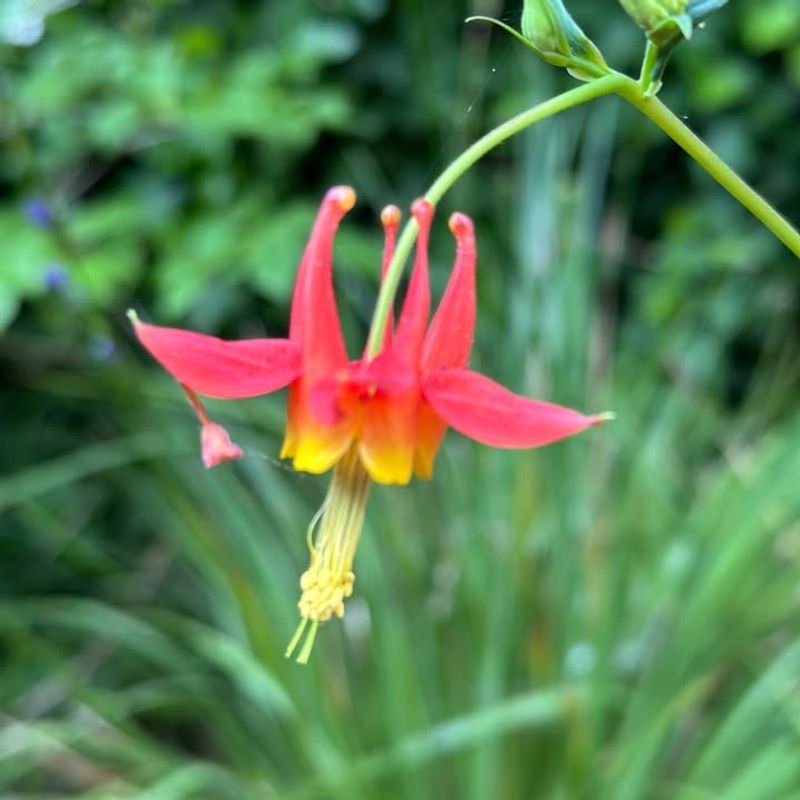
Red columbine and coral bells attract hummingbirds with their tubular flowers, offering nectar from April through July. Plant them in mixed borders where their delicate blooms contrast with bolder foliage plants.
Both species self-seed moderately, gradually expanding their presence without becoming invasive.
Native plant gardens require less intervention than ornamental landscapes because local insects recognize these species as food sources.
Caterpillars that feed on native oaks and willows become protein for nesting songbirds, creating a cycle that supports higher wildlife populations.
Pesticide-free management becomes easier when your plant choices align with regional ecology, as natural predators control pest populations more effectively.
4. Plants That Improve Soil Health
Legumes like clover and vetch partner with soil bacteria to convert atmospheric nitrogen into plant-available forms, naturally fertilizing your garden.
Crimson clover works particularly well as a winter cover crop in western Oregon, growing during rainy months and adding nitrogen when you turn it into soil in spring.
This process reduces fertilizer needs for subsequent crops while improving soil structure.
Comfrey’s deep taproots mine nutrients from subsoil layers, bringing potassium and other minerals to the surface. Its leaves decompose quickly when cut and used as mulch, releasing nutrients near plant roots.
Growing comfrey in permanent beds near vegetable gardens provides continuous organic matter without spreading aggressively.
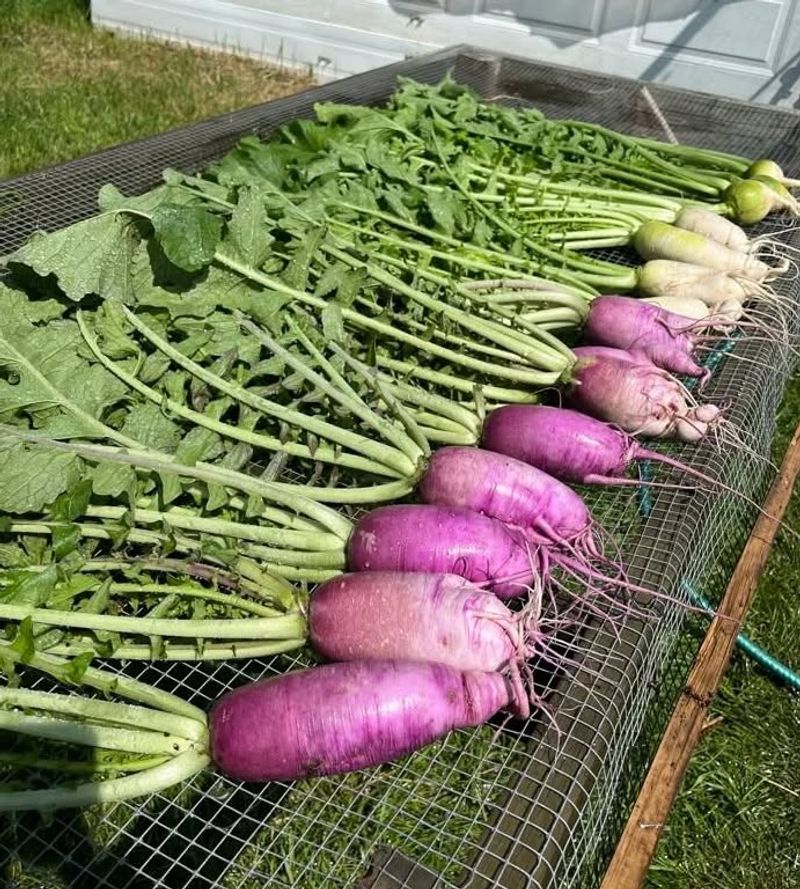
Daikon radishes break up compacted clay soils common in Willamette Valley gardens. Plant them in fall, and their thick roots penetrate hardpan layers before winter freezes kill the plants.
The decaying roots leave channels that improve drainage and aeration, making spring planting easier.
Mycorrhizal relationships form when you grow diverse plant species, as different plants host different beneficial fungi. These fungi extend root systems effectively, helping plants access water and nutrients beyond their physical root zones.
Avoiding soil disturbance and maintaining plant diversity encourages these partnerships, gradually building soil health without purchased amendments or intensive labor.
5. Easy Edible Plants That Produce Well
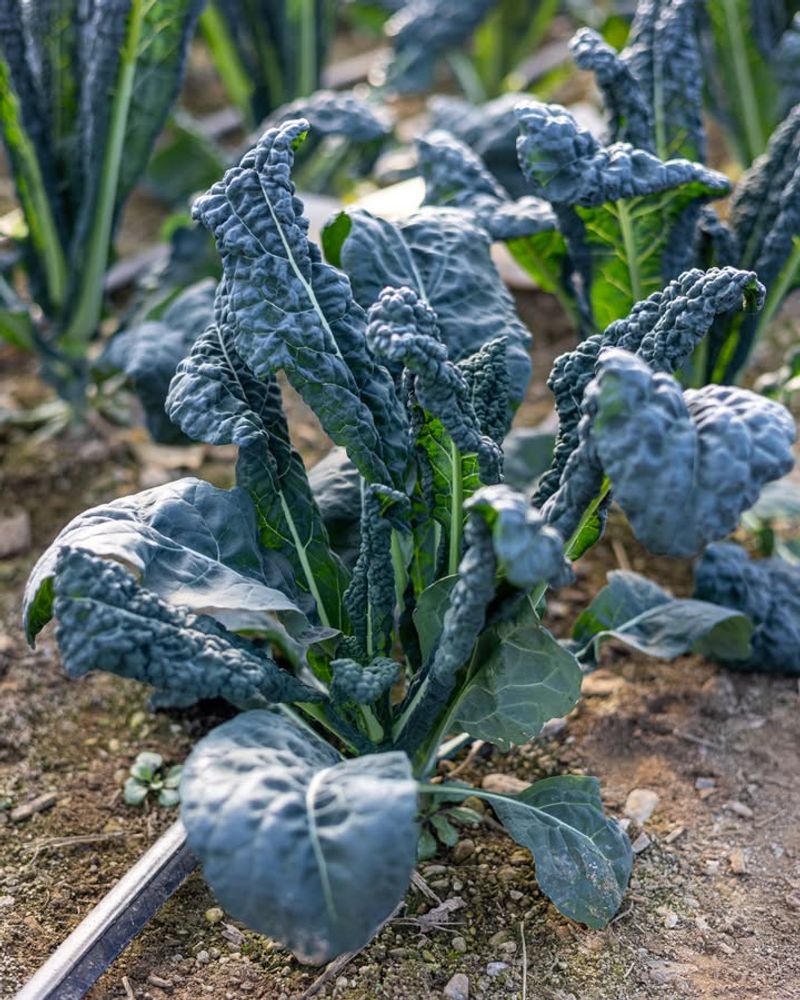
Kale thrives in Oregon’s cool, moist climate, producing leaves from fall through spring when many other vegetables struggle.
Varieties like Lacinato and Red Russian handle frost beautifully, often tasting sweeter after cold snaps.
Plant seedlings in late summer for winter harvests, spacing them 18 inches apart to allow full development.
Berry crops like marionberries and blueberries produce heavily in Oregon’s acidic soils with minimal pest pressure.
Marionberries yield abundantly on second-year canes, requiring only annual pruning and consistent moisture during fruit development.
Blueberries need acidic soil conditions but reward you with years of production from the same plants.
Garlic planted in October matures by July, requiring almost no attention beyond initial planting and spring weeding. Choose hardneck varieties for Oregon gardens, as they handle winter cold better and produce flavorful scapes in spring.
Harvest when lower leaves brown but upper leaves remain green for the best storage quality.
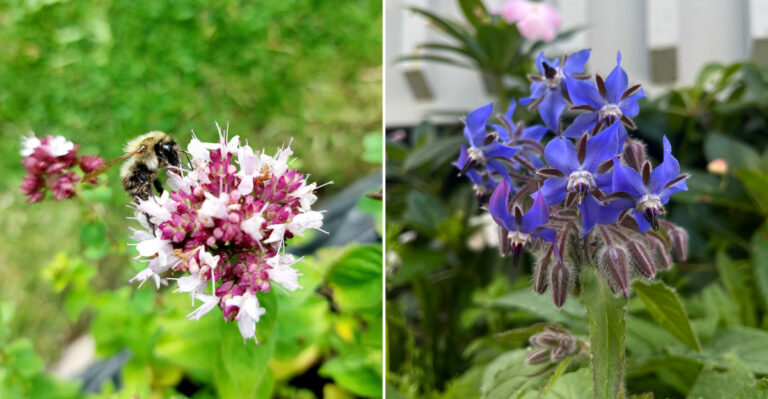
Herbs like oregano, thyme, and sage become permanent fixtures in Oregon gardens, returning year after year with increasing vigor. Mediterranean herbs prefer well-drained soil and tolerate summer drought once established.
Harvest regularly to encourage bushier growth, and cut plants back by one-third in early spring to maintain compact shapes and prevent woody stems.
6. Plants That Prevent Erosion In Oregon Rain
Oregon’s winter rains can wash away topsoil on slopes and unprotected ground, but deep-rooted plants stabilize soil effectively.
Native Cascade Oregon grape spreads through underground rhizomes, creating dense root networks that hold soil in place during heavy downpours.
Its evergreen foliage also reduces raindrop impact, slowing water movement across slopes.
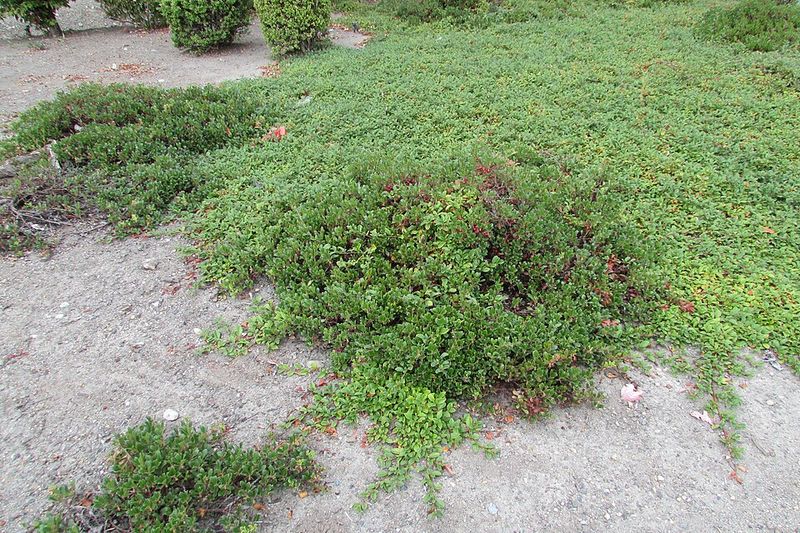
Kinnikinnick forms low mats of woody stems that bind soil particles together while tolerating poor, rocky conditions.
This native groundcover works particularly well on dry slopes where other plants struggle, establishing slowly but persisting for decades once rooted.
Space plants 18 to 24 inches apart for eventual full coverage.
Sedges and rushes stabilize wet areas prone to erosion, with fibrous root systems that trap sediment and slow water flow. Plant them along drainage swales or at the base of slopes where runoff concentrates.
These grass-like plants tolerate seasonal flooding while remaining attractive during dry summer months.
Combining different root types creates the most effective erosion control. Woody shrubs provide deep anchoring roots, while perennials and groundcovers fill spaces between larger plants with fibrous root masses.
This layered approach mimics natural plant communities, maximizing soil stability across various slope conditions and moisture levels common throughout Oregon’s diverse topography.
7. Shade Plants For Oregon Tree Areas
Dense conifer shade challenges many gardeners, but Pacific Northwest natives evolved under these conditions and thrive where lawn grass fails.
Western bleeding heart produces ferny foliage and pink heart-shaped flowers in spring, going dormant by midsummer as tree canopies fill in.
Plant it with evergreen ferns to maintain visual interest after its foliage disappears.
Salal tolerates deep shade under cedars and hemlocks, slowly spreading to form attractive evergreen groundcover. Its leathery leaves resist damage from dripping water and falling needles, maintaining good appearance year-round.
Salal also produces edible berries that birds relish, adding wildlife value to shaded areas.
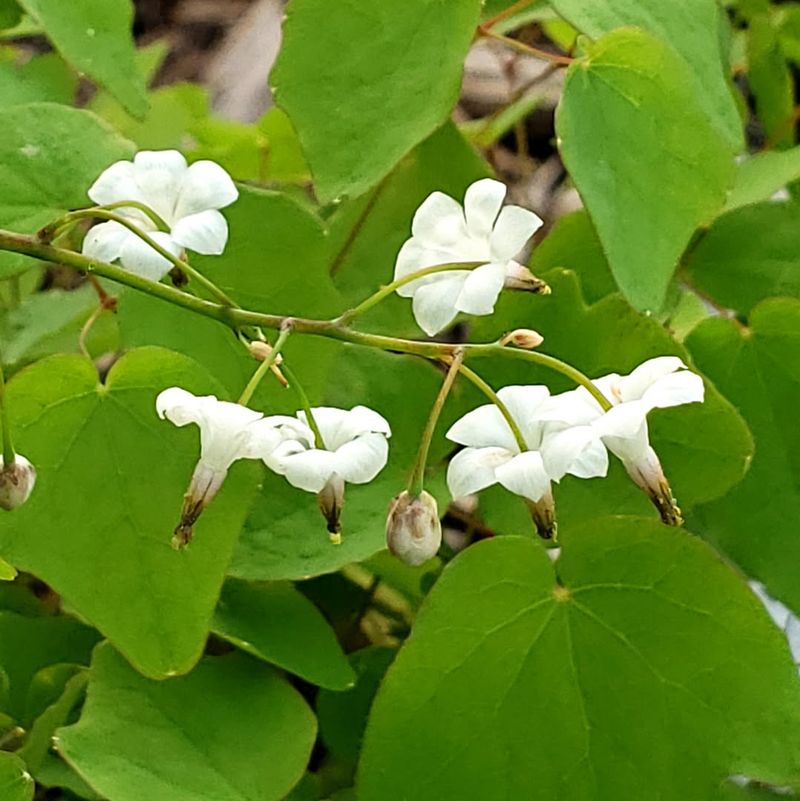
Inside-out flower brightens dark spaces with white blooms held above maple-shaped leaves, blooming in late spring when little else flowers in heavy shade.
This native perennial self-seeds moderately, gradually filling bare patches under trees without aggressive spreading.
It combines well with sword ferns for a naturalistic woodland appearance.
Amending soil under established trees damages roots and often proves futile as tree roots quickly reclaim nutrients.
Instead, choose shade-adapted plants that tolerate competition and dry conditions common beneath mature trees.
Mulching with compost improves soil gradually without disturbing roots, helping new plants establish while feeding beneficial soil organisms that support both trees and understory plants.
8. Plants That Block Weeds Naturally
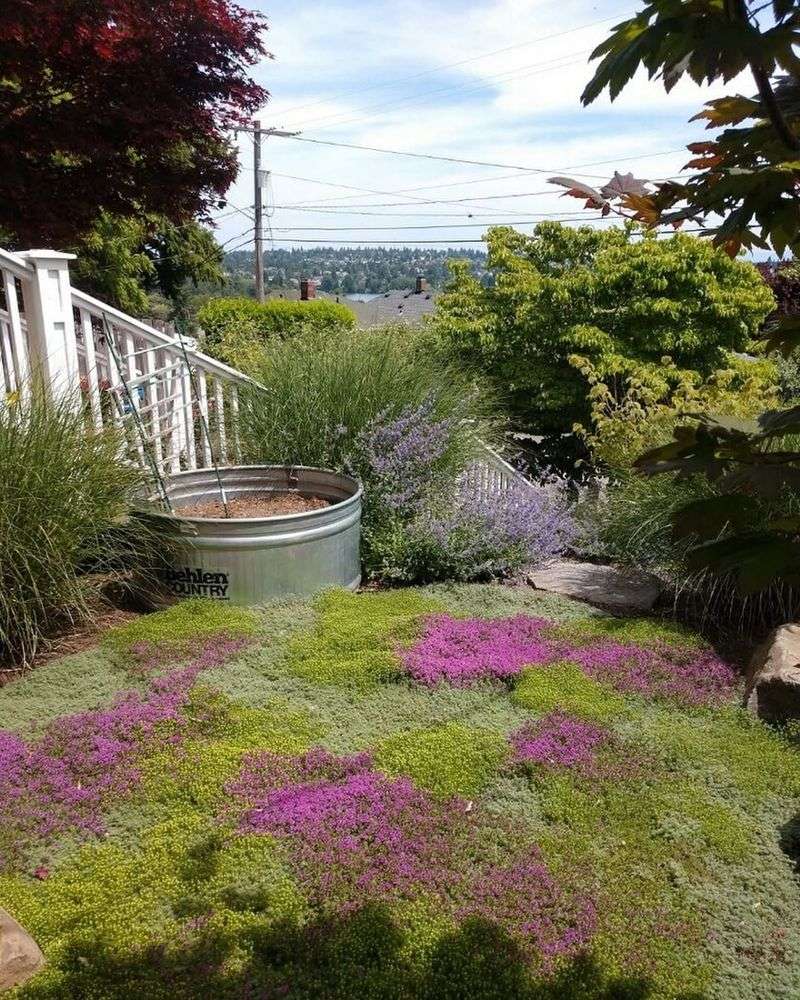
Dense groundcovers outcompete weeds by occupying space and blocking light before weed seeds germinate. Creeping thyme forms tight mats that prevent weed establishment while tolerating foot traffic in pathways and between stepping stones.
Its tiny leaves release fragrance when brushed, adding sensory appeal to functional plantings.
Sweet woodruff spreads quickly in shaded areas, creating weed-suppressing carpets under trees and shrubs where maintenance access is difficult.
This European native naturalizes well in Oregon gardens without becoming invasive, dying back in winter and returning reliably each spring.
Its white flowers brighten dark corners in May and June.
Ajuga fills bare ground rapidly with glossy leaves and blue flower spikes, particularly effective on slopes where weeding is awkward. Choose varieties carefully, as some spread more aggressively than others.
Bronze-leaved forms add color contrast while performing the same weed-blocking function as green varieties.
Mulching around groundcovers during establishment prevents weeds from gaining footholds before plantings fill in.
A two-inch layer of arborist chips or shredded bark suppresses annual weeds while slowly decomposing to improve soil.
Remove perennial weeds like bindweed and thistle before planting groundcovers, as these persistent species push through even dense plantings and become nearly impossible to remove once groundcovers establish.
9. Cold-Hardy Plants For Oregon Winters
Winter temperatures vary dramatically across Oregon, from mild coastal areas to cold interior valleys where temperatures drop below 10°F. Hellebores bloom in January and February, providing color when little else flowers.
These evergreen perennials tolerate deep shade and compete well with tree roots, making them valuable for difficult spots.
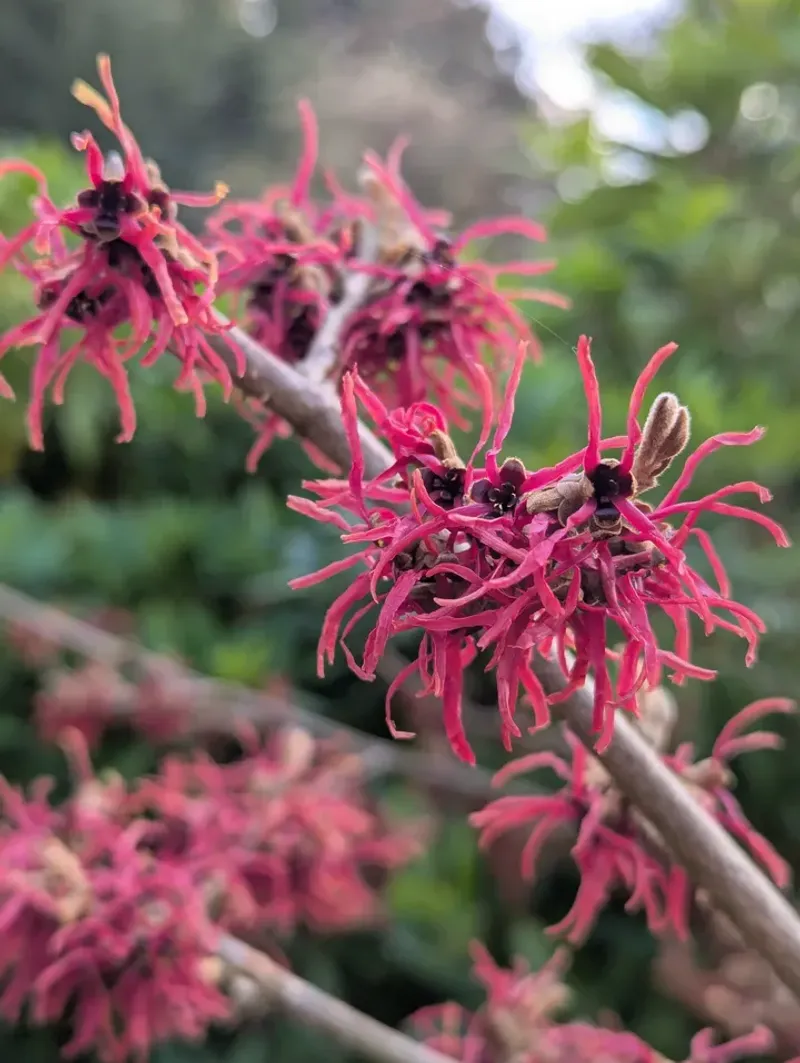
Witch hazel blooms on bare branches in late winter, producing fragrant yellow or orange flowers that withstand freezes without damage. This large shrub adapts to various soil types and grows slowly, eventually reaching 10 to 15 feet.
Plant it where you’ll see it from windows during its winter display.
Evergreen sedges maintain attractive foliage through Oregon winters, providing structure when perennials die back. Bronze-colored varieties like Carex comans add warm tones to winter landscapes, contrasting with darker conifers and bare deciduous branches.
These tough plants tolerate both wet winters and dry summers once established.
Protecting marginally hardy plants becomes easier when you understand your specific microclimate rather than relying solely on zone maps.
South-facing walls, evergreen windbreaks, and overhead tree cover create warmer pockets where tender plants survive cold snaps.
Conversely, low-lying areas collect cold air and experience harder freezes than slopes just a few feet higher, affecting which plants thrive in different parts of your property.