This Is How To Grow Blueberries In Containers In Ohio For Bigger Harvests
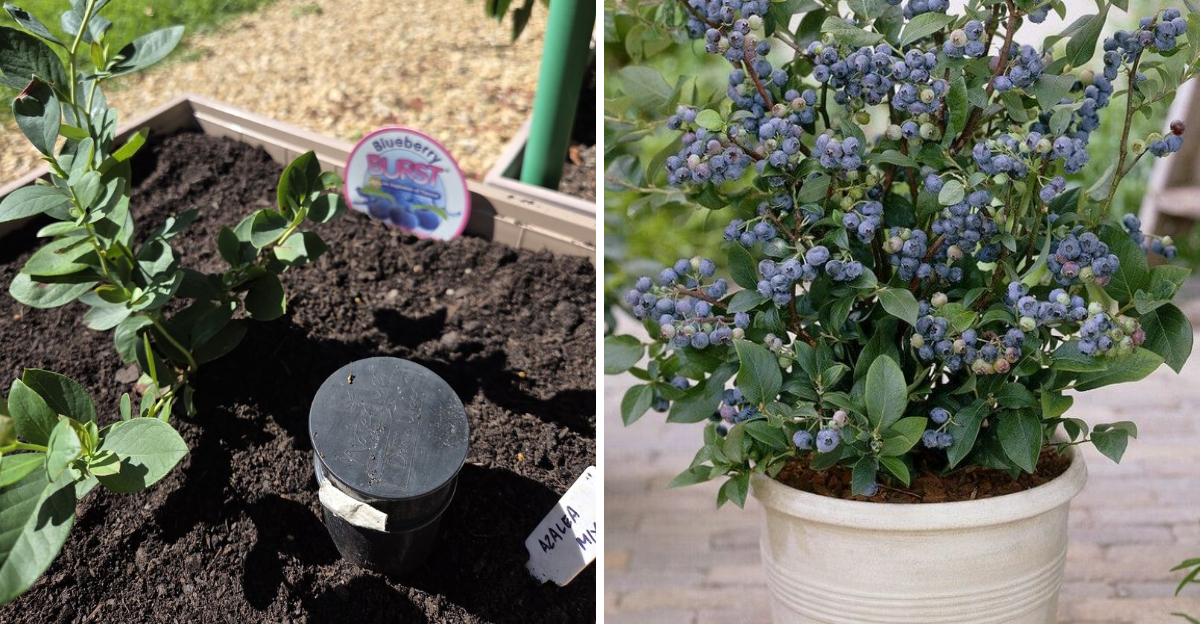
Growing blueberries in Ohio can feel like trying to fit a square peg in a round hole. These plants love acidic, well-drained soil, while many Ohio yards serve up heavy clay and soil that leans too alkaline.
That is not exactly a recipe for overflowing berry bowls. But here is the good news: containers can turn the whole thing around.
By growing blueberries in pots, you get to call the shots. You control the soil mix, drainage, moisture, sunlight, and even where the plants spend the season.
Whether you are working with a patio, balcony, small backyard, or a stubborn patch of clay-heavy ground, container growing lets you stack the deck in your favor.
With the right setup and a little patience, those healthy bushes can reward you with plump, sweet berries summer after summer.
1. Lock In The Perfect Acidic Soil
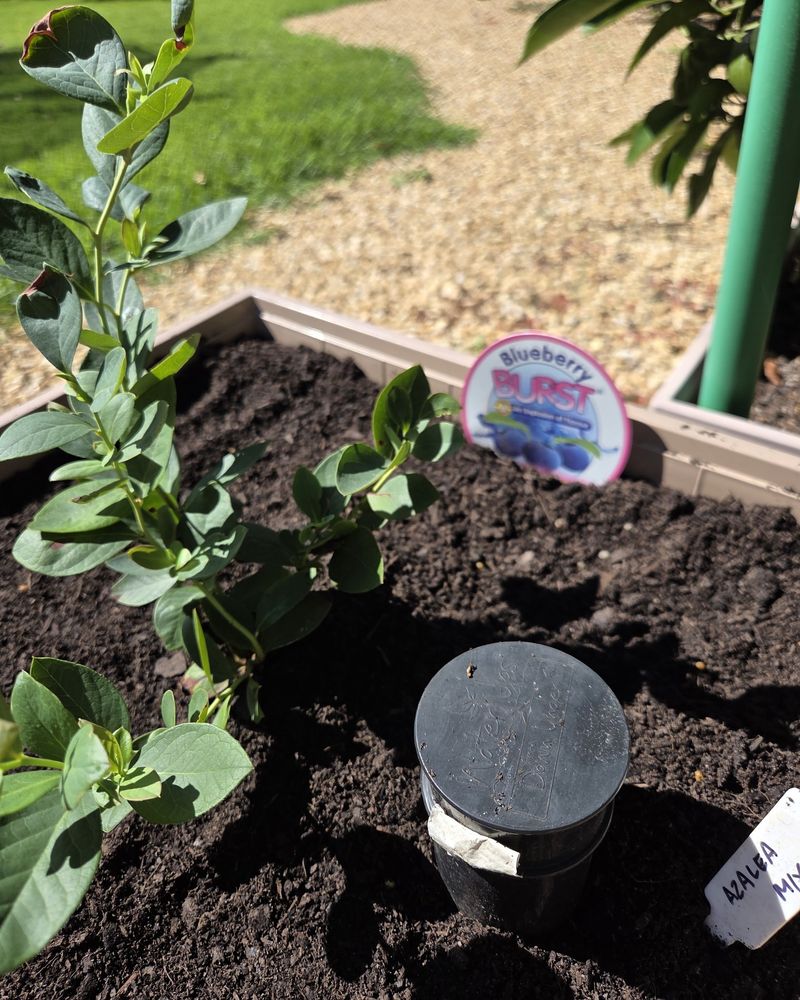
Soil pH is the single biggest factor standing between you and a bucket full of blueberries. Ohio State University Extension notes that blueberries grow best in moist, well-drained soil with a pH between 4.5 and 5.0, along with high organic matter content.
Most native Ohio soils simply do not meet that standard because they tend to run too alkaline, especially in areas with heavy clay.
That is exactly why containers are such a smart move for Ohio gardeners. You get to build the perfect growing environment from scratch, filling your pots with a custom mix that blueberries will absolutely love.
A popular and effective approach is combining peat moss, pine bark, and an acidic potting mix designed for acid-loving plants like azaleas or rhododendrons.
Perlite can also be added to help with drainage and root breathing room. Pine bark in particular is a go-to ingredient because it breaks down slowly, holds moisture well, and keeps pH in the right zone over time.
Avoid using standard garden soil or compost-heavy mixes, which can push pH too high.
Once your mix is in place, your job is not finished. Soil pH can shift over time as water and fertilizer move through the container.
Testing your soil pH every season using an inexpensive soil test kit or meter helps you catch any drift before it starts affecting plant health. If pH creeps up, sulfur amendments can help bring it back down.
Staying on top of this one detail makes a bigger difference than almost anything else in your container blueberry setup.
2. Plant The Right Blueberry Varieties
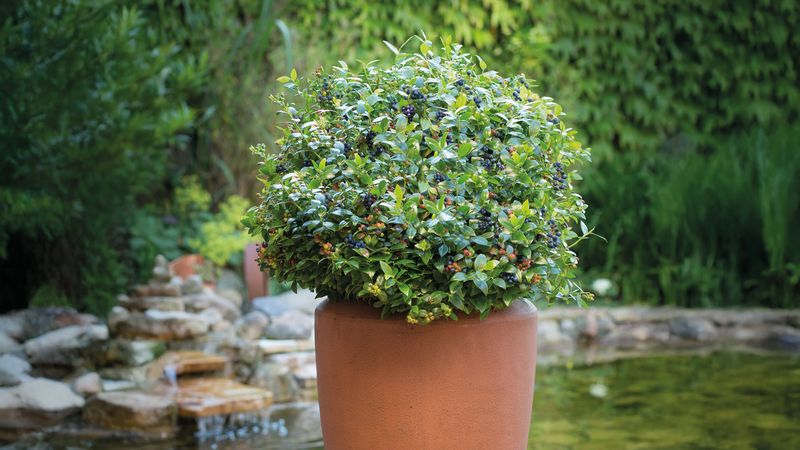
Not every blueberry bush is going to perform the same way in an Ohio garden, so picking the right variety from the start saves a lot of frustration. Northern highbush blueberries are the type most recommended for Ohio home gardens, and for good reason.
They are hardy enough to handle Ohio winters, productive enough to reward patient gardeners, and widely available at local nurseries.
Popular highbush cultivars that do well in Ohio include Bluecrop, Patriot, BlueJay, and Draper. Bluecrop has been a reliable standard for decades, known for its consistent yields and adaptability.
Patriot is a strong choice for colder parts of the state and handles wet soil conditions better than some other varieties.
Your Ohio Garden Changes Every Week. Your Plan Should Too.
Gardening in Ohio changes quickly throughout the season. Every Friday you’ll receive a simple weekly plan showing exactly what to plant, prune, fertilize, harvest, and protect so you never miss the right timing.
One of the best strategies for bigger harvests is planting more than one compatible variety. Cross-pollination between two or more different highbush varieties significantly improves fruit set, meaning more berries per plant.
Even if a variety is labeled as self-pollinating, adding a second compatible bush nearby tends to produce noticeably larger and more plentiful fruit.
If container space is tight, look into dwarf or half-high varieties like Northblue, Polaris, or Top Hat. These stay more compact while still producing real, flavorful berries.
They are especially well-suited to smaller pots or balcony setups where a full-size highbush bush might feel crowded.
Whichever variety you choose, buying from a reputable nursery that carries disease-free, certified stock gives your container garden the strongest possible head start right from planting day.
3. Go Big With Your Containers
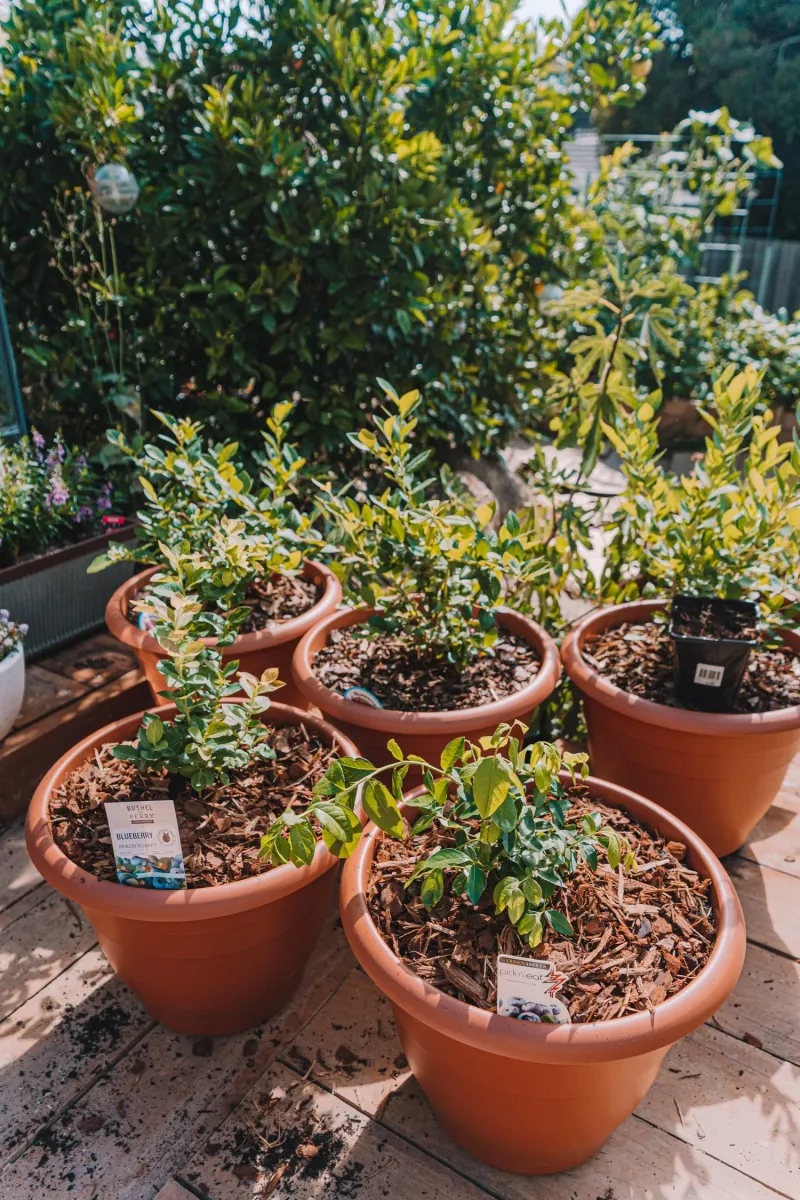
Bigger really is better when it comes to container blueberries, and skimping on pot size is one of the most common mistakes new growers make. A container that is too small restricts root growth, dries out faster, and limits how much fruit the plant can support.
Aim for a pot that is at least 18 to 24 inches wide and equally deep, though going even larger will give your plant more room to spread out and establish a strong root system.
Half-barrel style planters are a favorite among serious container blueberry growers. They hold a generous volume of soil, stay stable in wind, and look great on a patio or deck.
Fabric grow bags in large sizes are another solid option because they allow air pruning of roots, which encourages healthier, more branching root development over time.
Material choice matters more than most gardeners realize. Dark plastic containers can absorb heat and raise soil temperatures to levels that stress blueberry roots during hot Ohio summers.
Lighter-colored containers, ceramic pots, or wood planters tend to stay cooler and regulate temperature more evenly through the season.
Drainage is non-negotiable. Ohio State University Extension emphasizes that blueberries need moist but well-drained conditions, and a container without adequate drainage holes will lead to waterlogged roots and struggling plants.
Check that every pot you use has multiple drainage holes at the bottom, and consider elevating containers slightly on pot feet or bricks to allow water to flow freely after heavy summer rainstorms. That simple step protects your plants all season long.
4. Keep Moisture Steady At All Times
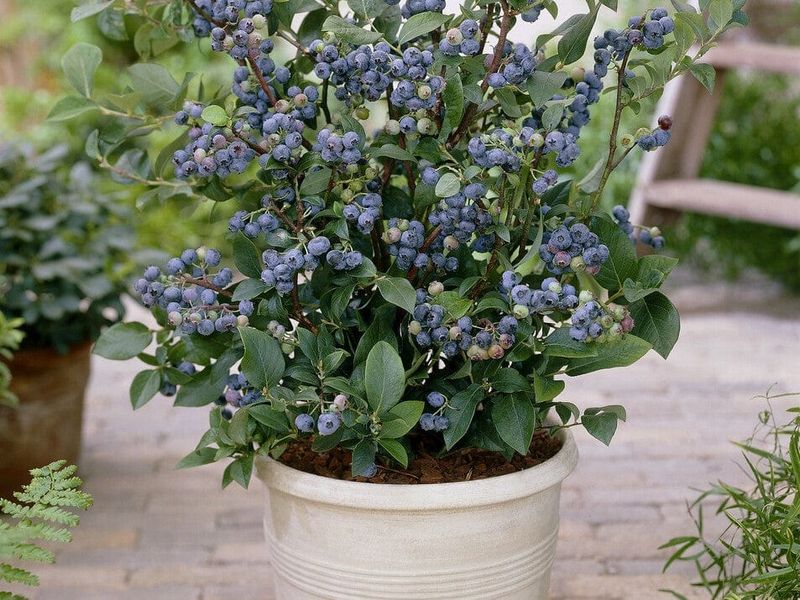
Container plants dry out much faster than in-ground plants, and blueberries are especially sensitive to uneven watering. During hot Ohio summers, a container can go from perfectly moist to bone dry within a day or two, especially if the pot is sitting in direct sun.
Checking soil moisture daily during peak summer heat is a good container gardening practice.
The goal is to keep the soil evenly moist without letting it become waterlogged. Ohio State University Extension makes this point clearly: blueberries prefer moist conditions but cannot tolerate having their roots sitting in standing water.
Overwatering is just as damaging as underwatering, so let the soil guide you rather than sticking to a rigid watering schedule.
Mulching the top of your container is one of the most effective tools for managing moisture. A two to four inch layer of pine bark mulch or pine needle mulch laid over the soil surface slows evaporation dramatically, keeping roots cooler and reducing how often you need to water.
Pine-based mulches have the added bonus of contributing to soil acidity as they break down, which is a welcome side effect for blueberry growers.
Drip irrigation or soaker hose setups work beautifully for container blueberries if you want a more hands-off approach. These systems deliver water slowly and directly to the root zone, reducing runoff and keeping moisture distribution even.
Whatever method you use, consistent watering from spring through harvest is one of the most direct ways to support bigger, juicier berries at picking time every year.
5. Give Your Plants Full Sun Power
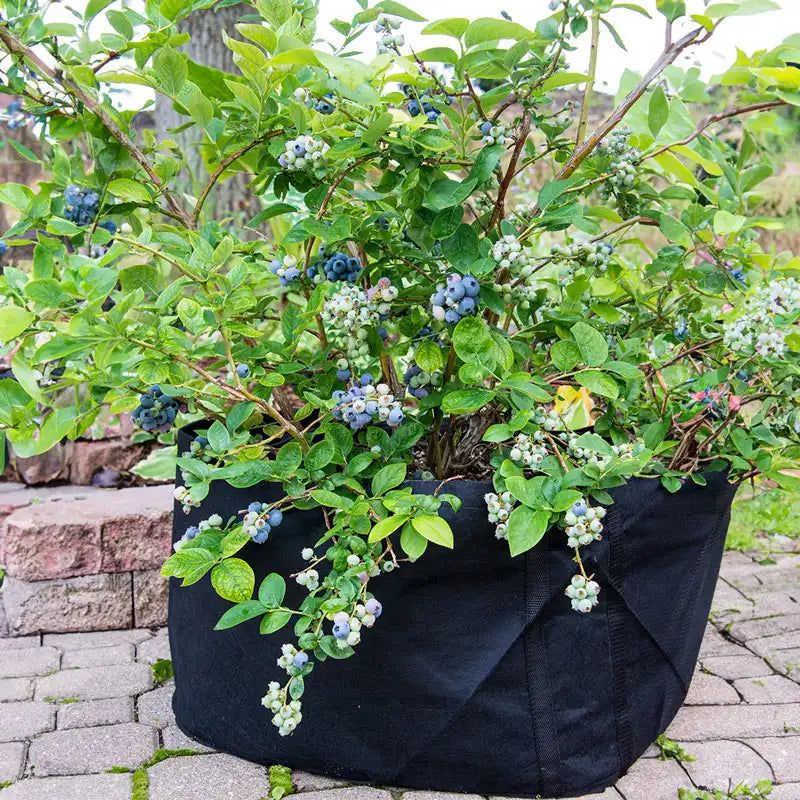
Sunlight is pure fuel for blueberry plants, and the more they get, the better your harvest is going to be. Blueberries produce their best crops when they receive full sun, meaning at least six to eight hours of direct sunlight each day.
Shaded or partly shaded plants tend to grow slowly, flower less, and produce smaller berries with lower overall yields.
One of the biggest advantages of growing blueberries in containers is exactly this: you can move the pots. If your yard has a shady corner and a sunnier spot near the driveway or along a south-facing fence, simply roll or carry your containers to where the light is strongest.
That kind of flexibility is something in-ground gardeners simply do not have.
Placement also affects airflow. Good air circulation around the plants helps reduce the risk of fungal problems like mummy berry, which can be a concern in Ohio’s humid summers.
Avoid tucking containers into tight corners where air stagnates, and try to give each plant a little breathing room between pots.
During the hottest stretch of Ohio summer, some afternoon shade can actually prevent heat stress, particularly for the soil and roots inside dark-colored containers.
A spot that gets strong morning sun and a bit of relief in the late afternoon often works very well for container blueberries in Ohio’s climate.
Watching how light moves across your yard at different times of day, then positioning your containers accordingly, is one of those small adjustments that pays off with noticeably stronger growth and heavier fruit loads come harvest season.
6. Prune Hard For Bigger Berries
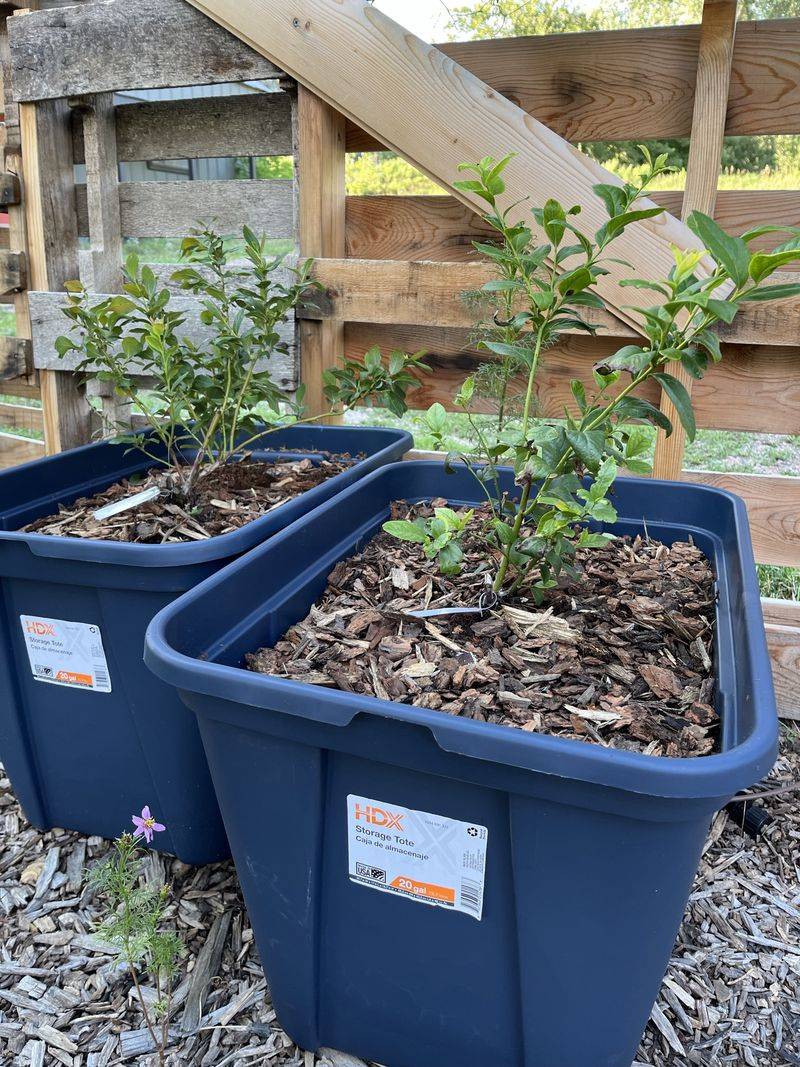
Pruning might feel counterintuitive at first. Cutting branches off a plant you have worked hard to grow can seem like a step backward, but with blueberries it is actually one of the most powerful tools for boosting harvest quality.
Ohio State University Extension points out that the best blueberries are produced on canes that are two to four years old, while older canes tend to decline in productivity and generate smaller fruit.
Over time, a blueberry bush left unpruned becomes crowded with woody old canes that take up energy without delivering much in return.
Pruning clears out that clutter, sending the plant’s resources toward vigorous young growth that will carry the next season’s best berries.
For container plants, this is especially important because the root zone is limited and every bit of energy counts.
Late winter or very early spring, just before new growth begins, is the ideal time to prune blueberries in Ohio. Look for canes that are thin, crossing, damaged, or noticeably older with thick, grayish bark.
Remove those first. Then step back and assess whether the center of the plant is too crowded.
Opening up the canopy improves light penetration and airflow, both of which contribute to better fruit development.
Beginners should not be intimidated by this process. Start conservatively if you are unsure, removing only the most obviously weak or crowded growth in the first year.
You will get more comfortable with each passing season, and your plants will reward you with increasingly impressive harvests as the renewal cycle takes hold and strong new canes take center stage.
7. Build Strong Plants Before Harvests
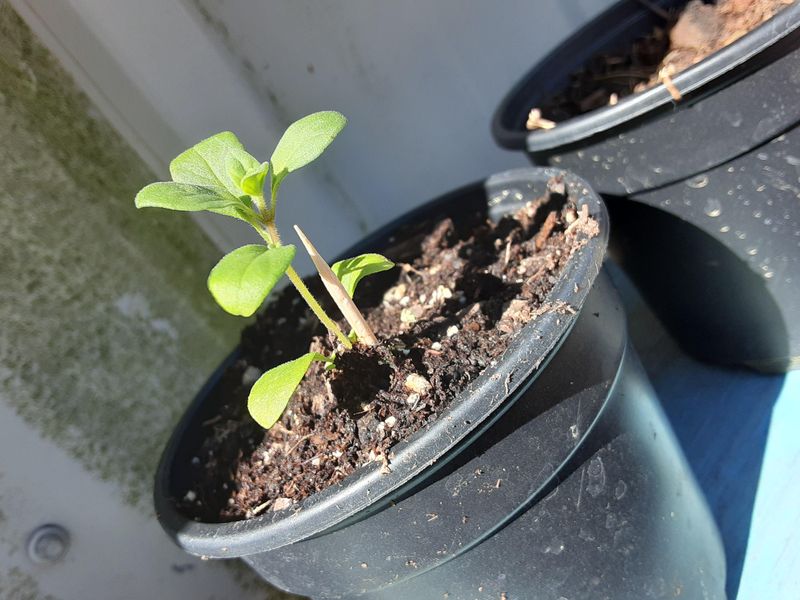
Patience is genuinely one of the most valuable tools in a blueberry grower’s toolkit. Fresh gardeners sometimes expect a new plant to flood them with berries in the first or second season, and when that does not happen, they wonder what went wrong.
The truth is that blueberries are long-term investments, and Ohio State University Extension confirms that full production can take several years after planting to fully develop.
Most blueberry plants begin producing small harvests in their second or third year, with yields climbing steadily from there.
Full production, the kind where you are filling bowls and sharing bags of berries with neighbors, typically develops around six to eight years into a plant’s life.
That timeline sounds long, but the rewards are absolutely worth it for gardeners who stick with the process.
One of the smartest things you can do in the first year, and sometimes the second, is remove the flower buds as they appear.
It feels a little painful to pinch off those promising little blossoms, but doing so redirects the plant’s energy away from fruit production and toward building a deep, healthy root system and strong branch structure.
A plant that skips fruiting in year one almost always outperforms a plant that was allowed to fruit too early.
Think of it like training for a big race. The first year is about building the foundation, not crossing the finish line.
Feeding your container blueberries with an acidic fertilizer such as ammonium sulfate in early spring also supports steady growth during these establishment years.
Give your plants the time they need, and they will reward you with impressive harvests for decades to come.