This Is How To Grow Gorgeous Fuchsias In Oregon This Spring
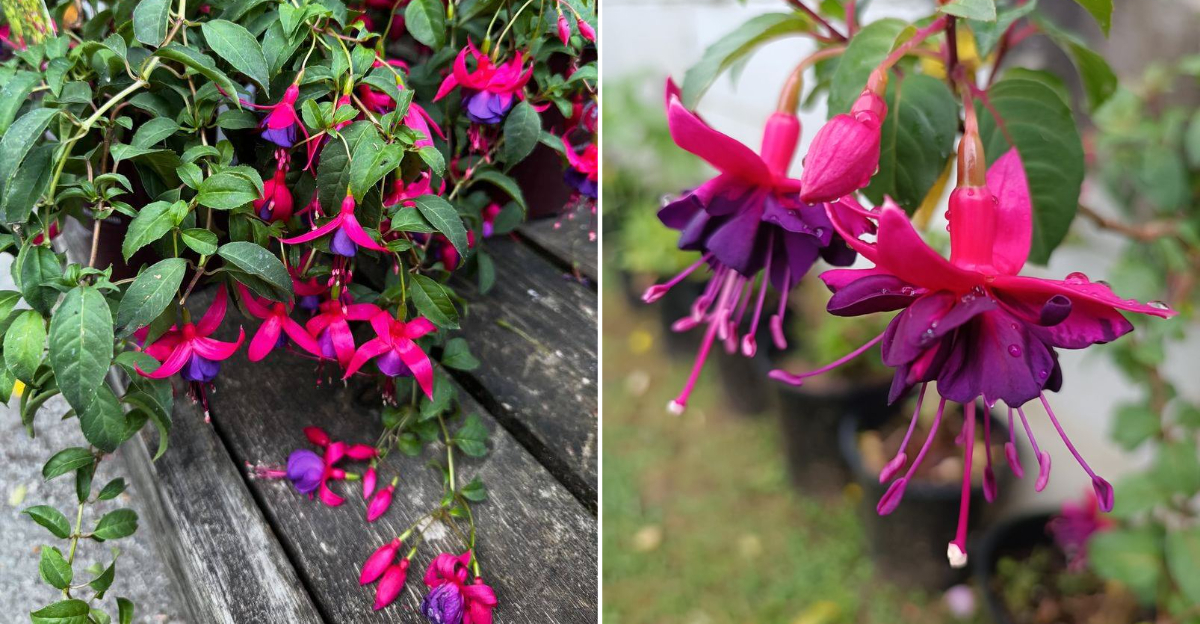
If there is one flower that truly loves Oregon’s cool, gentle spring, it is the fuchsia. With their dangling, jewel like blooms and nonstop color, fuchsias bring instant charm to shady patios, porches, and garden beds.
They look delicate, almost fairy tale like, yet many varieties are surprisingly tough and perfectly suited to the Pacific Northwest climate.
The secret to truly gorgeous fuchsias is not luck, it is timing, soil, and a few simple care tricks that make all the difference.
Get it right, and your plants will reward you with lush growth and waves of blooms that last deep into the season. Plant hardy garden fuchsias in rich, well drained soil, keep roots cool with mulch, and give bright shade for steady growth.
A strong spring start sets the stage for months of vibrant color and healthy, thriving plants.
1. Choose The Right Fuchsia Variety
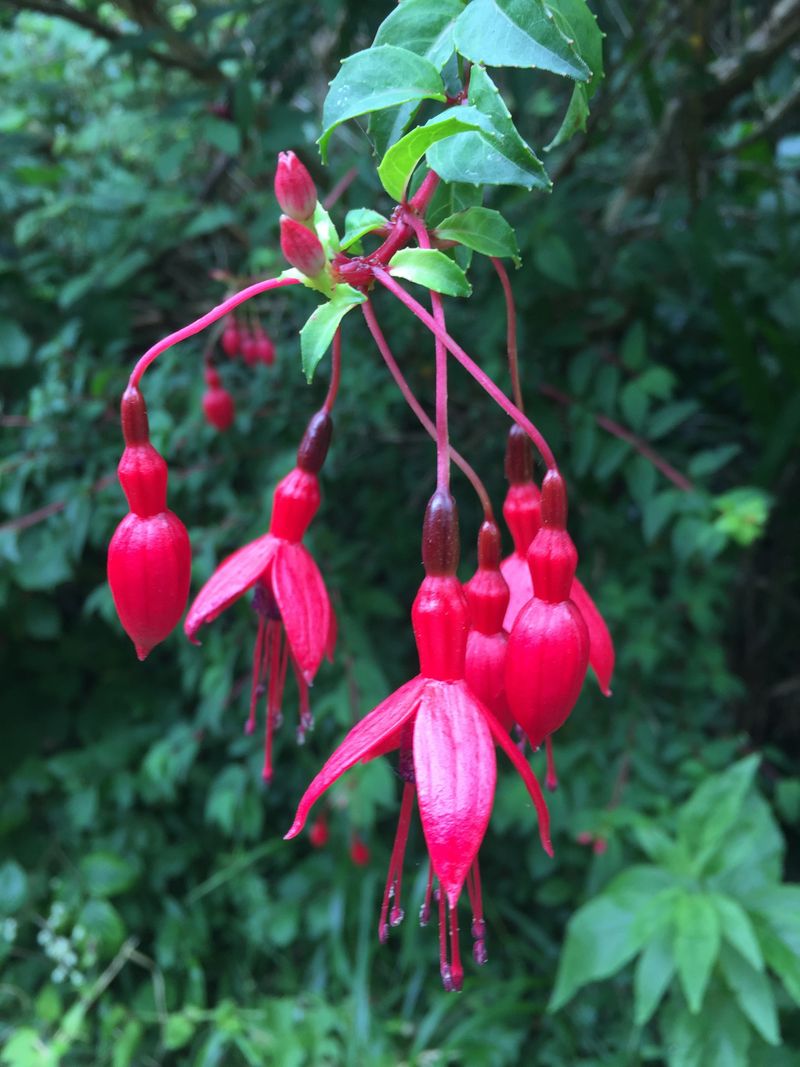
Selecting the right fuchsia variety sets the foundation for your spring gardening success. Hardy fuchsias like ‘Riccartonii’ can survive Oregon winters outdoors, while tender varieties need protection or winter storage.
Upright types work beautifully in garden beds, while trailing varieties create stunning displays in hanging baskets.
Consider bloom size and color when planning your garden palette. Single-flowered varieties often attract more hummingbirds, while double-flowered types provide fuller, showier displays.
Popular choices for Oregon include ‘Gartenmeister Bonstedt’ with its coral-orange blooms and ‘Mrs. Popple’ featuring vibrant red and purple flowers.
Your growing space influences variety selection significantly. Compact cultivars fit well in small containers on patios, while vigorous growers can fill larger landscape areas.
Some varieties bloom earlier in spring, while others peak in summer, so mixing different types extends your flowering season.
Local nurseries in Oregon often carry region-tested varieties that perform reliably in our climate. Staff can recommend options based on your specific microclimate, whether you garden near the coast with cooler temperatures or inland with warmer conditions.
Starting with proven varieties increases your chances of growing healthy, blooming plants that return year after year in your garden.
2. Pick The Ideal Planting Location
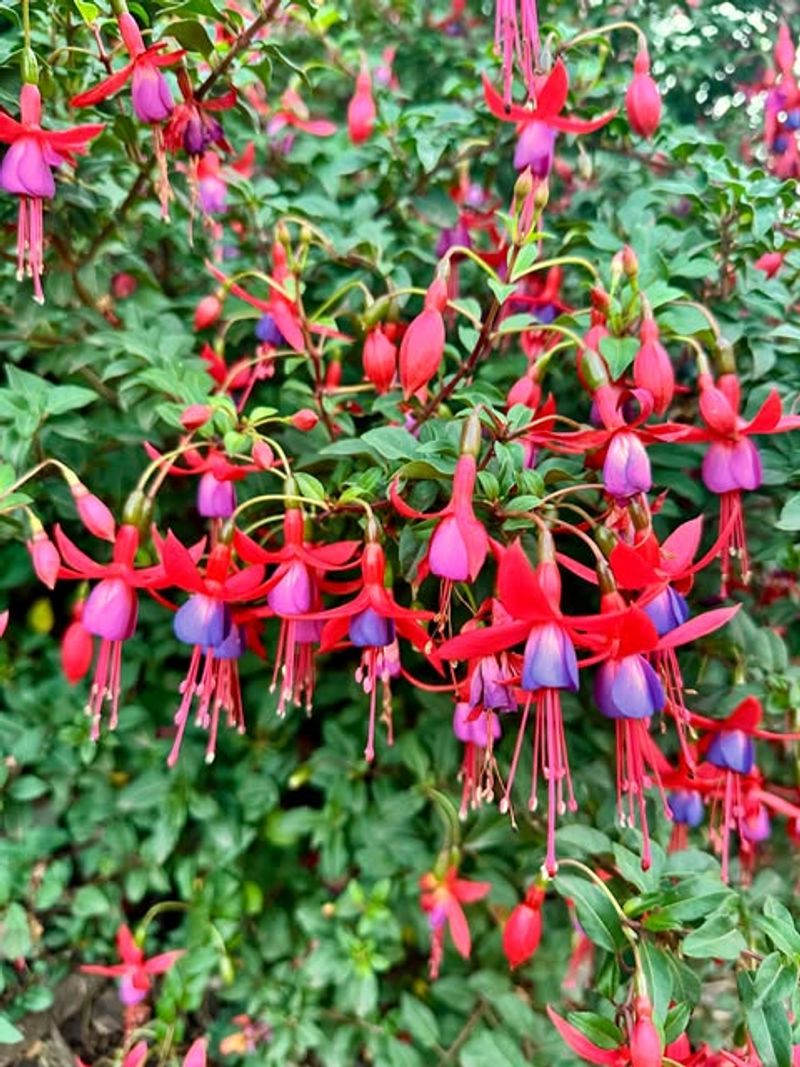
Finding the perfect spot makes all the difference for fuchsia health and bloom production. These plants prefer filtered light or morning sun with afternoon shade, especially during Oregon’s warmer spring days.
Too much direct sunlight can scorch leaves and reduce flowering, while deep shade may limit blooms.
Wind protection ranks high on the priority list for fuchsias. Their delicate stems and flowers can suffer damage from strong breezes common in many Oregon locations.
Planting near fences, buildings, or larger shrubs provides natural windbreaks that keep plants looking their best.
Microclimates within your yard offer different growing conditions worth exploring. North-facing walls stay cooler and shadier, ideal for heat-sensitive varieties.
East-facing locations provide gentle morning light without harsh afternoon heat. Coastal gardeners enjoy naturally cooler, foggier conditions that fuchsias love, while inland gardeners may need shadier spots.
Elevation and drainage also factor into location choices. Avoid low-lying areas where cold air settles on frosty spring mornings or where water pools after rain.
Slightly elevated beds or slopes provide better air circulation and drainage. Container gardening offers flexibility to move plants as seasons change, letting you adjust their exposure to sun and weather throughout spring and beyond.
3. Prepare Soil For Optimal Growth
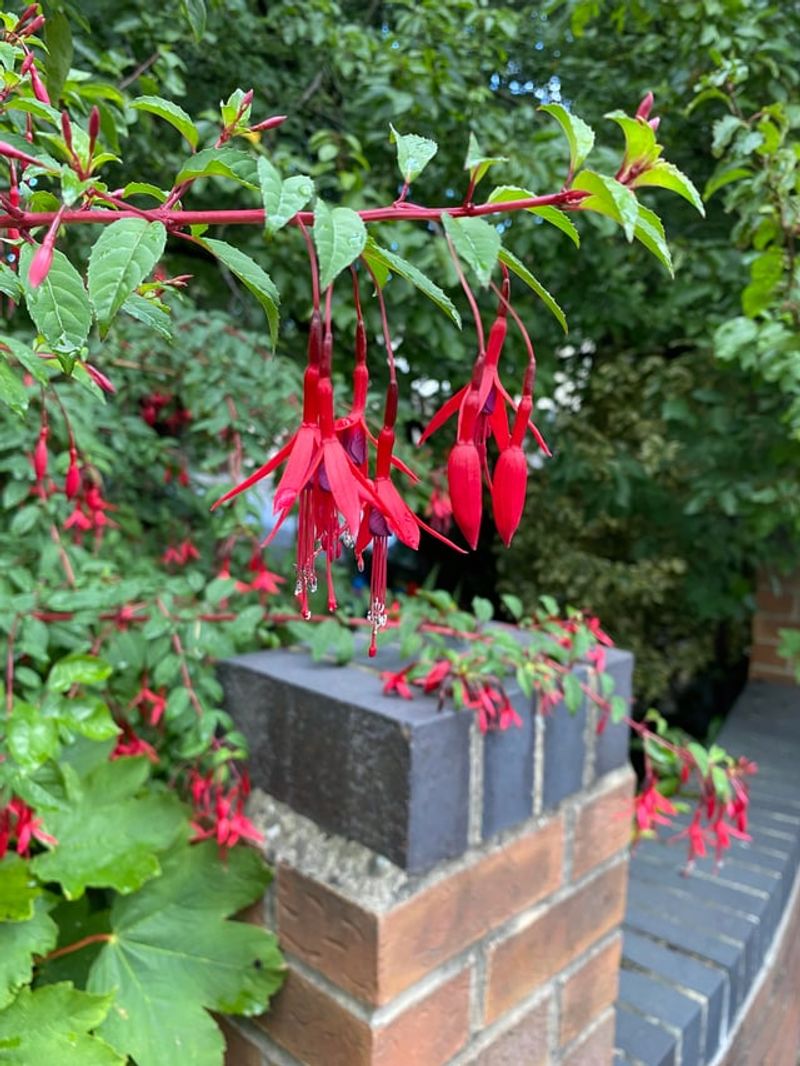
Soil preparation creates the foundation for vigorous fuchsia growth and abundant blooms. These plants prefer rich, well-draining soil with plenty of organic matter.
Oregon’s native soils vary from heavy clay in the Willamette Valley to sandy loam along the coast, so amendments often help.
Start by testing your soil’s drainage. Dig a hole about 12 inches deep and fill it with water.
If water drains within a few hours, drainage is adequate. Slower drainage means you’ll need to incorporate more amendments or consider raised beds.
Mix generous amounts of compost into your planting area, aiming for about one-third compost to two-thirds existing soil. Aged bark mulch, leaf mold, or well-rotted manure also improve soil structure.
These amendments increase drainage in clay soils while helping sandy soils retain moisture and nutrients.
Fuchsias grow best in slightly acidic to neutral soil, which fortunately matches Oregon’s naturally acidic conditions. Adding lime usually isn’t necessary unless soil tests show extreme acidity.
A two to three-inch layer of mulch after planting helps maintain soil moisture and temperature while suppressing weeds. Avoid piling mulch against stems, which can encourage rot.
Proper soil preparation reduces future problems and gives your fuchsias the best possible start this spring.
4. Plant Fuchsias Properly
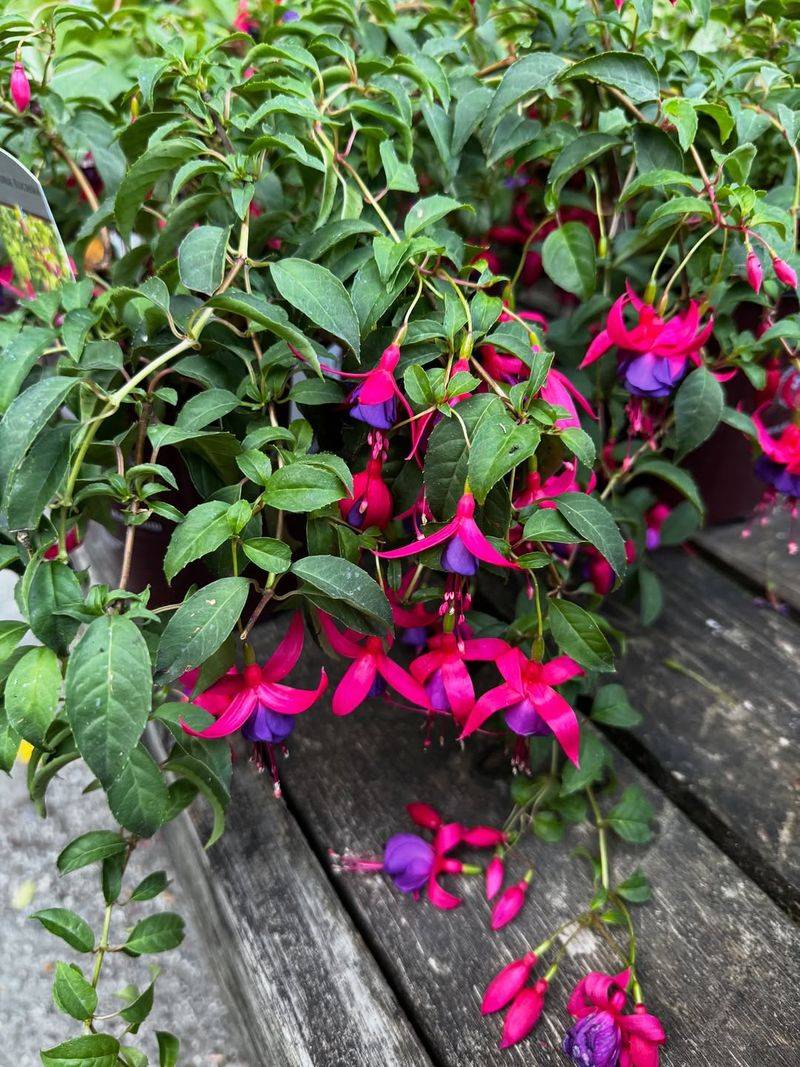
Proper planting technique sets your fuchsias up for healthy establishment and long-term success. Wait until after the last frost danger passes in your area, typically mid-April to early May for most Oregon locations.
Coastal regions may plant slightly earlier, while higher elevations need more patience.
Dig holes twice as wide as the root ball but the same depth. Planting too deep can cause crown rot, while shallow planting exposes roots.
Gently loosen roots if they’re circling the pot, encouraging them to spread into surrounding soil.
Space plants according to their mature size, typically 12 to 24 inches apart for most varieties. Upright types need less space than spreading cultivars.
Proper spacing allows air circulation that helps prevent fungal diseases common in Oregon’s moist spring climate.
Water thoroughly after planting to settle soil around roots and eliminate air pockets. Create a shallow basin around each plant to direct water to the root zone during future waterings.
For container plantings, use pots with drainage holes and quality potting mix rather than garden soil.
Consider planting depth carefully for hardy varieties you want to overwinter. Setting them slightly deeper than they grew in the nursery pot can protect the crown during cold snaps, improving winter survival rates across Oregon gardens.
5. Water Thoughtfully For Spring Growth
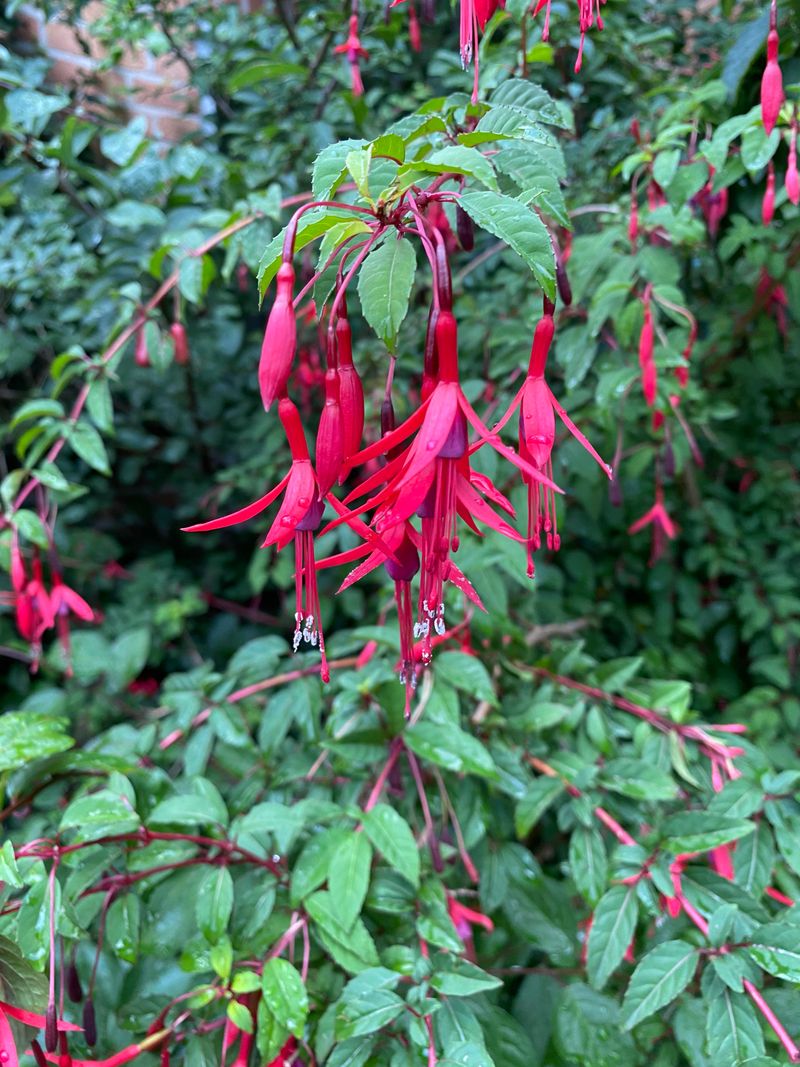
Consistent moisture keeps fuchsias thriving through Oregon’s variable spring weather. These plants dislike both drought and waterlogged conditions, so finding the right balance matters.
Check soil moisture by inserting your finger about two inches deep—if it feels dry, it’s time to water.
Spring rainfall in Oregon varies considerably by location and year. Coastal areas receive more precipitation, while inland valleys may experience drier periods.
Supplement natural rainfall when needed, especially for newly planted fuchsias still establishing root systems.
Water deeply but less frequently rather than giving shallow, daily sprinkles. Deep watering encourages roots to grow downward, creating more drought-tolerant plants.
Early morning watering allows foliage to dry before evening, reducing disease risk in our humid climate.
Container-grown fuchsias need more frequent watering than ground-planted ones since pots dry out faster. Check hanging baskets daily during warm spells, as they can dry surprisingly quickly.
Self-watering containers or adding water-retaining crystals to potting mix can help maintain consistent moisture.
Avoid overhead watering when possible, as wet foliage promotes fungal problems. Drip irrigation or soaker hoses deliver water directly to roots while keeping leaves dry.
Mulch helps retain soil moisture and reduces watering frequency, particularly valuable during Oregon’s occasional dry spring stretches.
6. Feed For Continuous Blooms
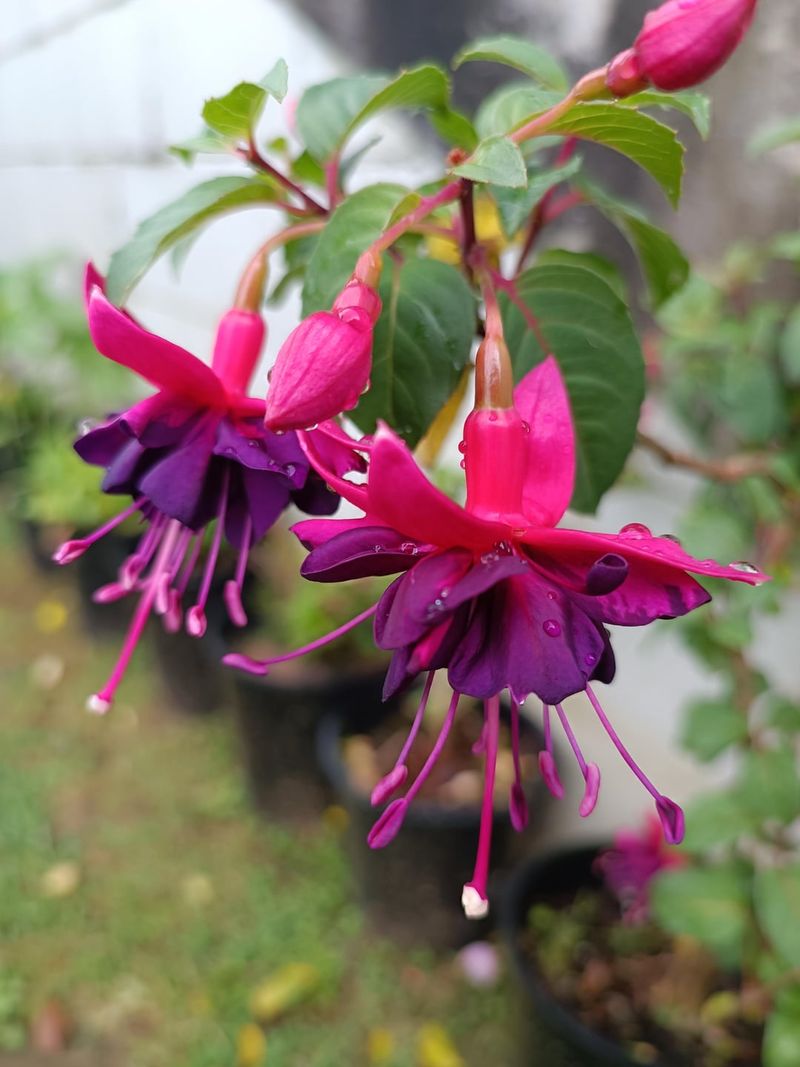
Regular feeding fuels the prolific blooming that makes fuchsias so desirable in spring gardens. These heavy feeders benefit from consistent nutrition throughout their growing season.
Start fertilizing about two weeks after planting, once roots begin establishing in their new location.
Balanced fertilizers work well for fuchsias, with formulas like 10-10-10 or 20-20-20 providing equal parts nitrogen, phosphorus, and potassium. Some gardeners prefer bloom-boosting formulas slightly higher in phosphorus.
Organic options include fish emulsion, seaweed extract, or compost tea applied regularly.
Liquid fertilizers applied every two weeks during active growth give reliable results. Dilute according to package directions, as over-fertilizing can damage roots and reduce flowering.
Slow-release granular fertilizers offer convenience, requiring less frequent application while providing steady nutrition.
Container-grown fuchsias need more frequent feeding than garden-planted ones since nutrients wash through potting mix quickly with regular watering. Weekly half-strength applications often work better than full-strength bi-weekly feeding for potted plants.
Watch your plants for signs they need adjustment. Pale leaves may indicate nitrogen deficiency, while few flowers despite healthy foliage might mean too much nitrogen and not enough phosphorus.
Reduce or stop fertilizing in late summer as plants prepare for dormancy, helping them harden off before Oregon’s fall weather arrives.
7. Prune And Pinch For Bushier Plants
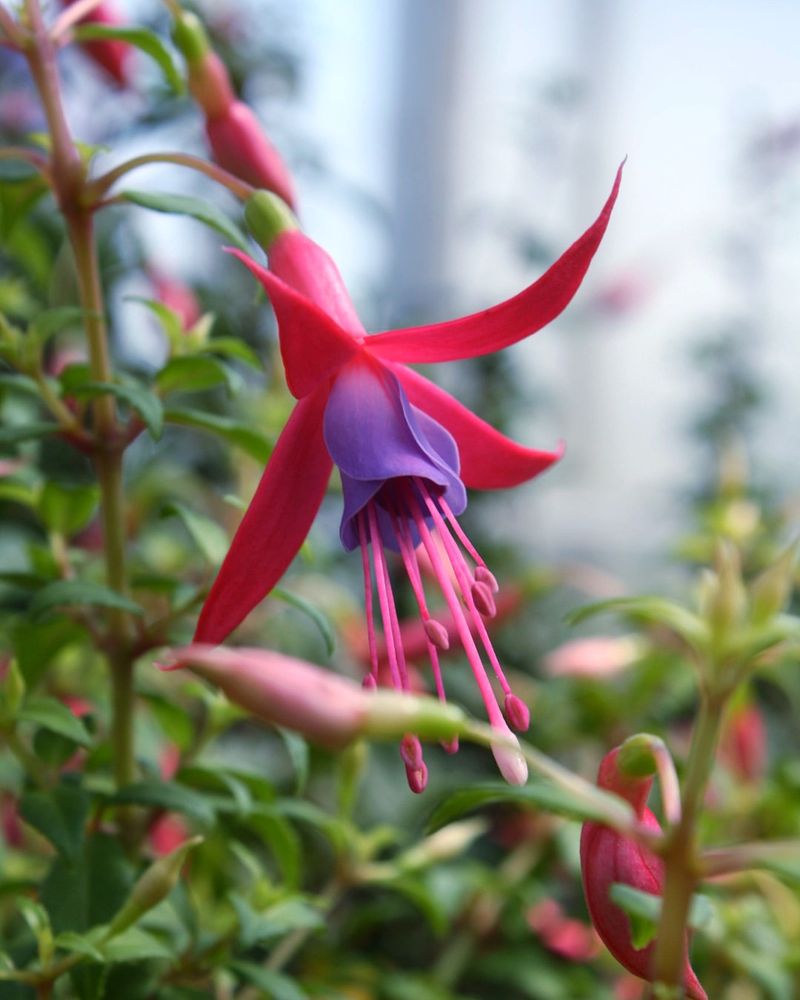
Strategic pruning and pinching create fuller, more attractive fuchsias with better flower production. Pinching involves removing the growing tip of a stem, encouraging the plant to branch and become bushier.
Start pinching young plants when they have three or four sets of leaves.
Spring pruning of established plants removes winter damage and shapes growth for the season ahead. Cut back frost-damaged stems to healthy wood once danger of hard freezes passes.
Hardy varieties often die back to the ground in Oregon winters but resprout vigorously from the crown in spring.
Remove diseased, or crossing branches to improve air circulation and plant appearance. Clean cuts heal faster and reduce disease entry points.
Sterilize pruning tools between plants to prevent spreading problems through your garden.
Continue pinching growing tips throughout spring to maintain compact, bushy growth rather than leggy, sparse plants. Each pinch delays flowering slightly but results in more bloom-producing branches.
Stop pinching by early summer to allow flower buds to develop for peak bloom season.
Deadheading spent flowers keeps plants looking tidy and encourages continued blooming. Fuchsias typically drop spent blooms naturally, but removing them prevents seed formation that diverts energy from flower production.
Regular grooming sessions let you inspect plants for problems while keeping them attractive throughout Oregon’s growing season.
8. Manage Pests And Diseases Naturally
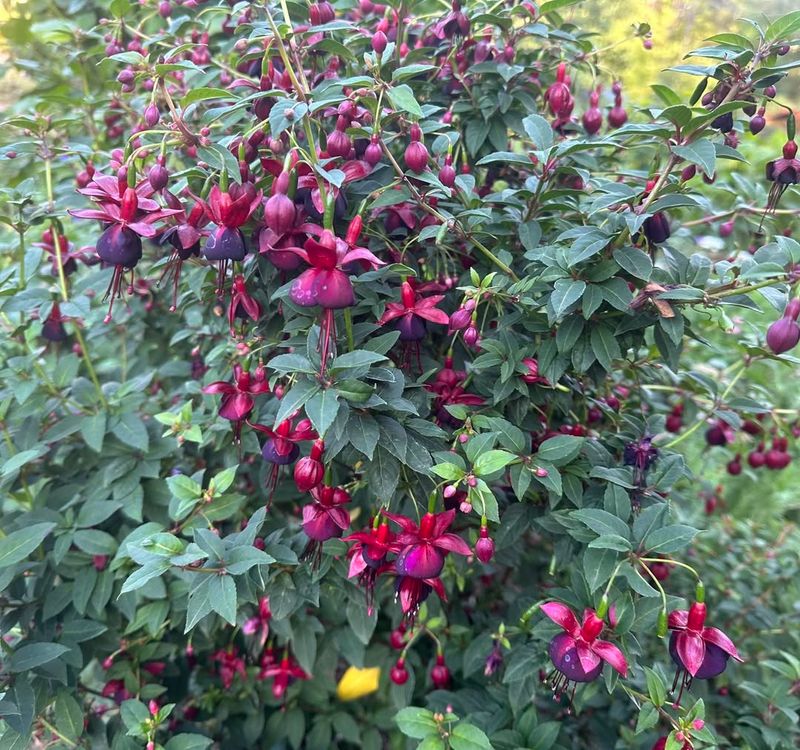
Preventing and managing common fuchsia problems keeps plants healthy and blooming beautifully through spring. Oregon’s mild, moist climate creates ideal conditions for certain pests and diseases.
Regular monitoring helps catch issues early when they’re easier to address.
Aphids rank among the most common fuchsia pests, clustering on new growth and flower buds. A strong spray of water often dislodges them, or insecticidal soap provides effective control.
Encourage beneficial insects like ladybugs that naturally control aphid populations in your garden.
Whiteflies sometimes plague fuchsias, especially in protected locations with limited air movement. Yellow sticky traps help monitor and reduce populations.
Neem oil or horticultural oil sprays can control severe infestations while remaining relatively safe for beneficial insects.
Fuchsia rust appears as orange spots on leaf undersides, spreading in Oregon’s humid spring conditions. Remove affected leaves promptly and improve air circulation around plants.
Avoid overhead watering and thin dense growth to reduce humidity around foliage.
Botrytis blight causes gray mold on flowers and stems during wet weather. Remove affected plant parts immediately and dispose of them away from your garden.
Spacing plants properly and watering at soil level rather than overhead helps prevent this fungal problem from taking hold in your Oregon fuchsia collection.