This Is How To Make Your Spider Plant Bushier In Ohio Homes
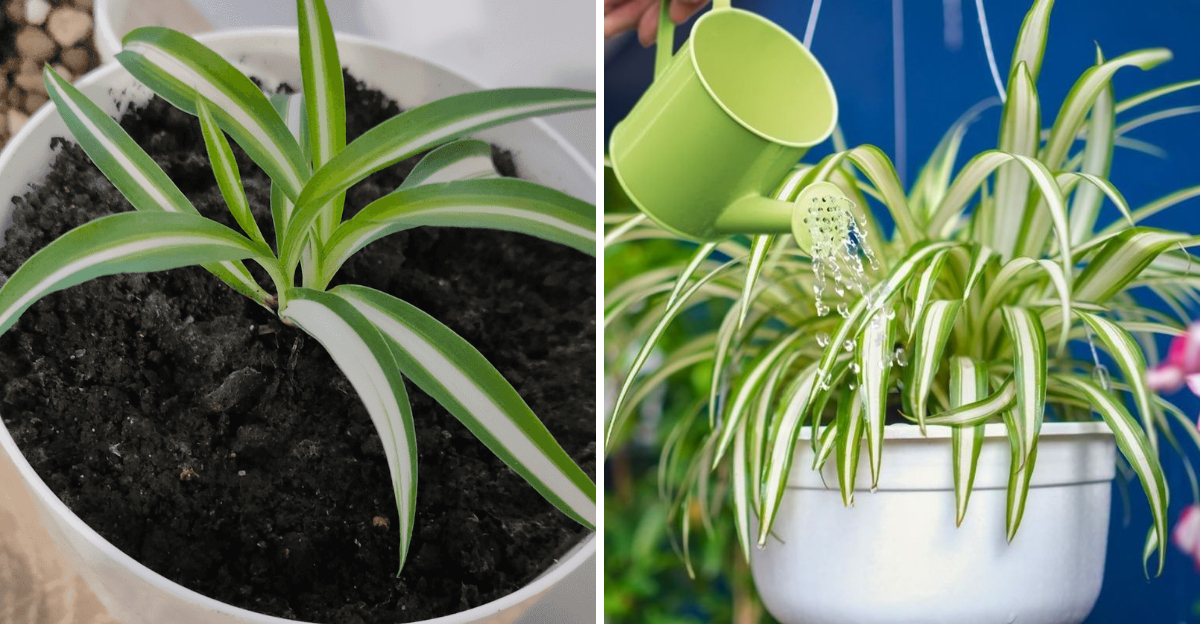
Thin, leggy spider plants can steal the lush look you want in your Ohio home. You watch long bare stems stretch out while leaves lose their rich, full shape.
A bushier plant does not come from luck. Small changes in how you care for your plant can transform everything.
The light you choose, the way you trim, the pot you use, and the nutrients you provide all shape how full your spider plant becomes.
With the right steps, you can turn a sparse plant into a thick green centerpiece that brightens your space. Strong roots, balanced watering, and smart seasonal care help you keep growth dense and vibrant all year.
Avoid the common mistakes that lead to thin leaves and weak offshoots. Give your spider plant what it truly needs and watch it reward you with fuller, healthier growth right in your Ohio home.
1. Start With Bright Indirect Light For Fuller Growth
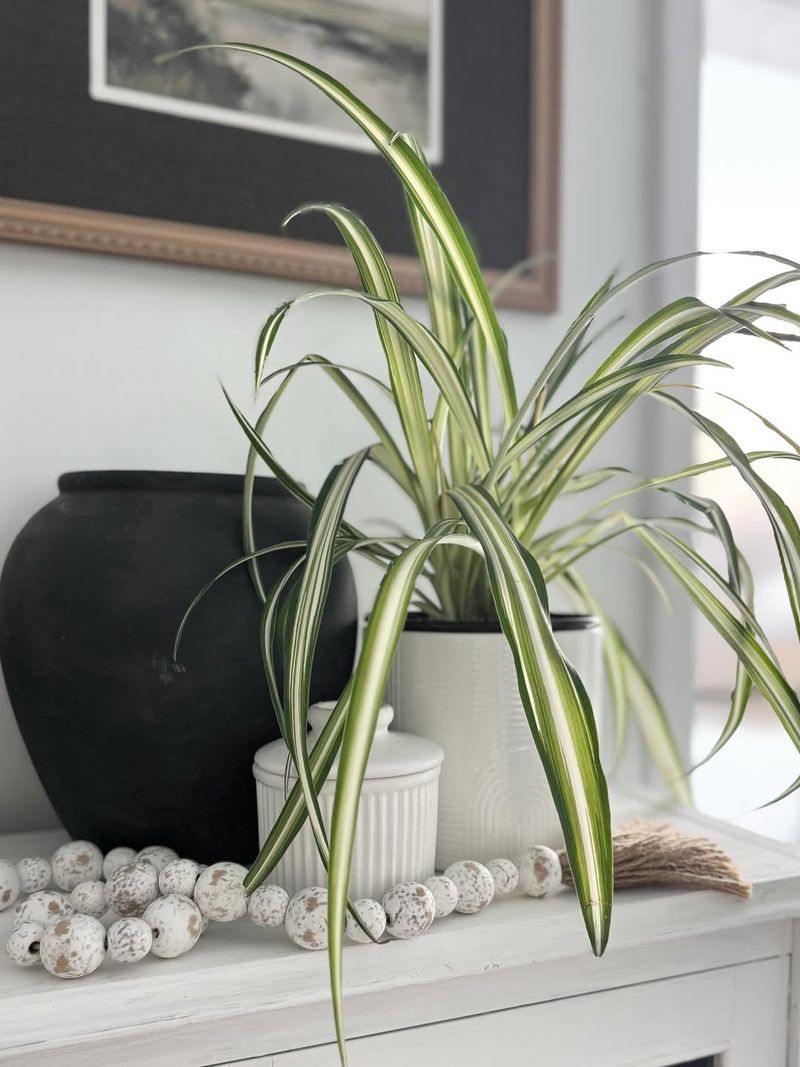
Light makes all the difference when you want a spider plant that grows thick and full rather than stretched out and sparse. These plants naturally thrive in bright conditions without direct sun exposure, which means placing them near east-facing windows or bright north light in your Ohio home works well.
When light levels drop too low, especially during Ohio’s shorter winter days, your plant will stretch toward any available light source and produce fewer leaves along its stems.
Moving your spider plant closer to a window can trigger noticeable new growth within just a few weeks. The key is finding that sweet spot where the plant receives plenty of brightness without the harsh afternoon sun that can scorch those delicate striped leaves.
South and west windows work too if you filter the light with a sheer curtain or position the plant a few feet back from the glass.
During Ohio winters, when natural light becomes scarce and days are short, your spider plant may slow its growth or start looking less dense. Supplementing with a basic grow light for a few hours each day can keep growth active and encourage the plant to fill out rather than go dormant.
Consistent bright indirect light year-round supports the kind of bushy, compact growth that makes spider plants so attractive in any room of your home.
2. Prune Strategically To Trigger New Shoots
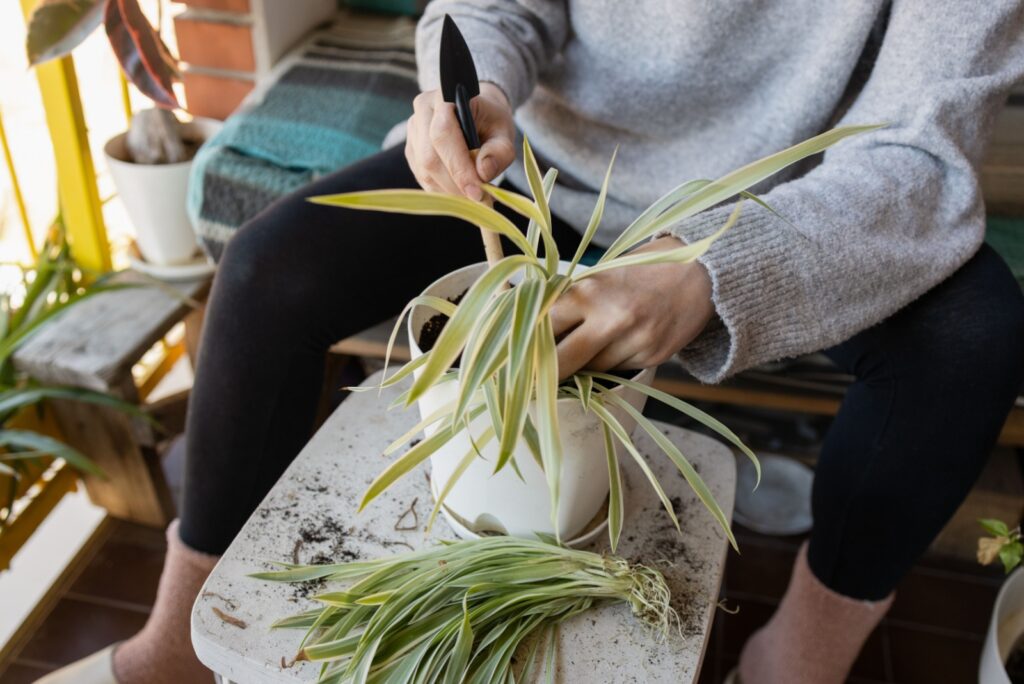
Cutting back your spider plant might feel counterintuitive when you want it to look fuller, but strategic pruning can encourage the plant to produce new growth from the base. When you trim away older, leggy stems or leaves that have turned brown at the tips, the plant redirects its energy into creating fresh growth closer to the center.
This results in a denser, more compact appearance over time.
Focus on removing any leaves that look damaged, yellowed, or excessively long and sparse. Use clean, sharp scissors or pruning shears to make cuts close to the soil line without damaging the crown of the plant.
This type of targeted pruning can encourage new leaf growth from active growth points, which will emerge from the center and fill in gaps.
Ohio homes often experience dry indoor air during heating season, which can cause brown leaf tips that make the plant look scraggly. Trimming these damaged tips not only improves appearance but also stimulates the plant to focus energy on healthy tissue.
Prune during the active growing season in spring and summer for the best results, and you should see new shoots appearing within a few weeks. Regular light pruning throughout the year keeps your spider plant looking its best and encourages that bushy growth you want.
3. Repot When Roots Become Crowded And Tight
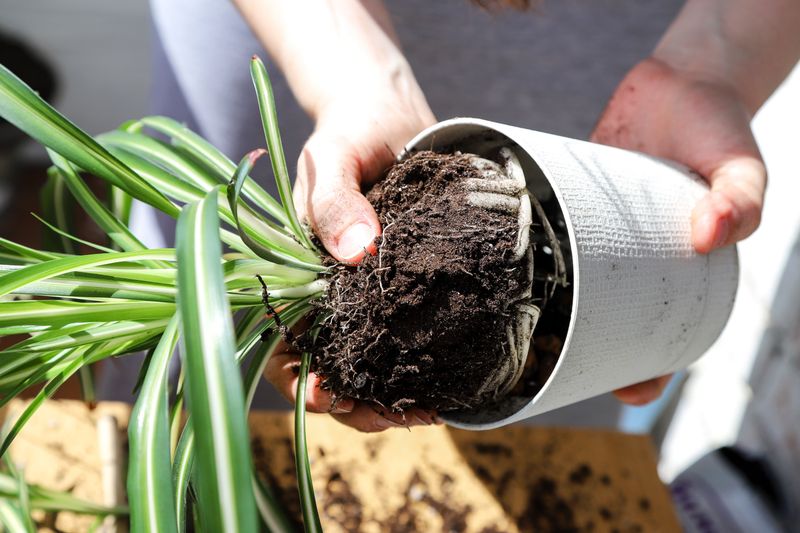
Spider plants grow surprisingly fast and their thick, fleshy roots can quickly fill a pot, which eventually limits how much the plant can expand above the soil. When roots become tightly packed with little room to grow, the plant slows down its leaf production and starts looking less vigorous.
Checking the drainage holes at the bottom of the pot can tell you if roots are circling or poking through, which means it’s time for a larger home.
Repotting into a container that’s about two inches wider in diameter gives the roots room to spread and supports more robust foliage growth. Choose a pot with good drainage and use fresh, well-draining potting mix to give your plant a nutrient boost along with extra space.
Spring is the ideal time for repotting in Ohio, right when your plant naturally wants to grow more actively as daylight increases.
After repotting, your spider plant may take a week or two to adjust before showing new growth, but once established, you’ll notice fuller, healthier leaves emerging from the center. The extra root space allows the plant to take up more water and nutrients, which directly translates to bushier growth above the soil.
If your plant has been in the same pot for more than two years, it’s almost certainly ready for an upgrade that will help it reach its full potential.
4. Feed Lightly During Active Growing Months
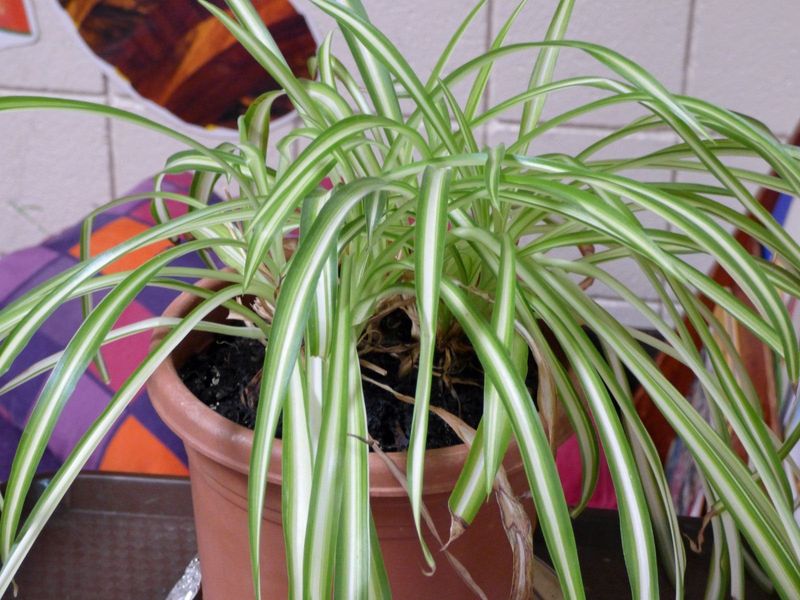
Fertilizer provides the nutrients spider plants need to produce lush, vibrant foliage, but these plants prefer a light touch rather than heavy feeding. During the active growing season from April through September in Ohio, a diluted liquid houseplant fertilizer applied once a month gives your plant just enough nutrition to support fuller growth without overwhelming it.
Too much fertilizer can actually cause brown leaf tips and reduce the bushy appearance you’re working toward.
Mix your fertilizer at half the strength recommended on the package label, as spider plants are sensitive to salt buildup from concentrated nutrients. Water the plant thoroughly before applying fertilizer to prevent root burn, and make sure excess water drains completely from the pot.
This gentle feeding schedule encourages steady leaf production and helps the plant develop a dense, compact form.
During Ohio’s fall and winter months, when growth naturally slows due to reduced light and cooler indoor temperatures, you can skip fertilizing altogether or reduce to once every two months. Spider plants need less feeding during their slower winter growth period, and pushing them with fertilizer when they’re not actively growing can cause more harm than good.
When spring arrives and you resume regular feeding, you’ll notice your plant responding with fresh new leaves and a fuller overall appearance that makes the careful feeding schedule worthwhile.
5. Rotate The Plant For Even Balanced Growth
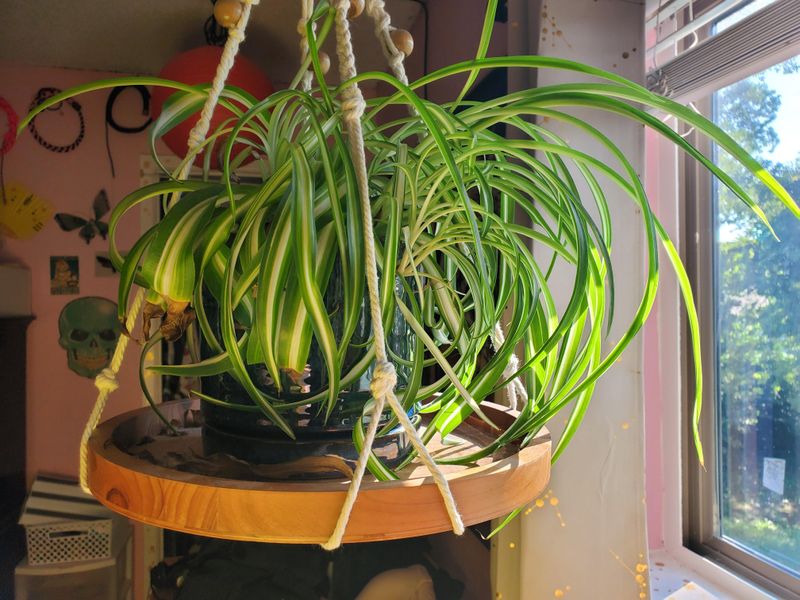
Plants naturally grow toward their light source, which means a spider plant left in one position will develop more growth on the side facing the window while the back stays sparse. Rotating your plant a quarter turn every week or two ensures all sides receive equal light exposure, which promotes balanced, even growth all the way around.
This simple habit makes a noticeable difference in how full and symmetrical your plant looks.
Ohio homes often have limited window space, especially during winter when you’re trying to maximize light for your houseplants. By rotating regularly, you help every part of your spider plant develop equally instead of having one dense side and one thin side.
The plant will naturally fill in gaps and produce new leaves from all angles when it receives consistent light from different directions.
Set a reminder on your phone or rotate your plant each time you water to build this into your care routine. You’ll quickly notice how the plant responds by growing more uniformly and looking fuller from every angle.
This technique works especially well for spider plants in hanging baskets, where you want the foliage to cascade evenly all around rather than growing heavily on just one side. Regular rotation combined with adequate light creates the lush, balanced appearance that makes spider plants such attractive additions to any Ohio home.
6. Trim Runners To Redirect Energy Back To The Plant
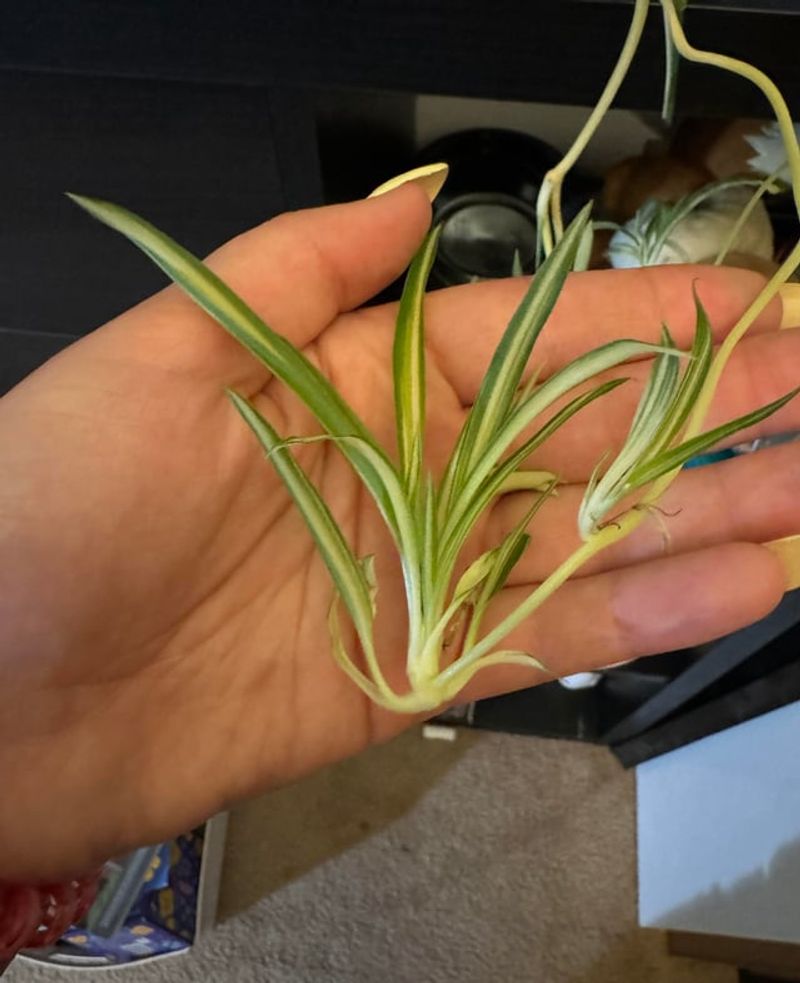
Those long stems with baby plantlets dangling from your spider plant might look charming, but they require significant energy to produce and maintain. When your goal is a bushier main plant rather than a collection of babies, trimming off these runners can help the plant focus more energy on leaf growth at the base.
The plant will respond by focusing its resources on foliage growth instead of reproduction, resulting in a fuller, more compact appearance.
Use clean scissors to cut the runners close to where they emerge from the main plant, and you can root these babies in water or soil if you want to start new plants. Otherwise, simply discard them knowing you’re helping your original plant become denser and healthier.
Many spider plants produce runners year-round, especially when they’re happy with their growing conditions, so checking for new ones monthly keeps your plant focused on bushy growth.
Ohio homes with bright light often trigger heavy runner production, which can leave the main plant looking sparse if you let too many develop at once. By removing runners as they appear, you’ll notice the plant putting out more leaves from its center and sides, creating that full look you want.
Some people like keeping one or two runners for visual interest while removing the rest, which still allows the plant to concentrate most of its energy on becoming bushier and more vigorous overall.
7. Water Consistently But Never Let Soil Stay Soggy
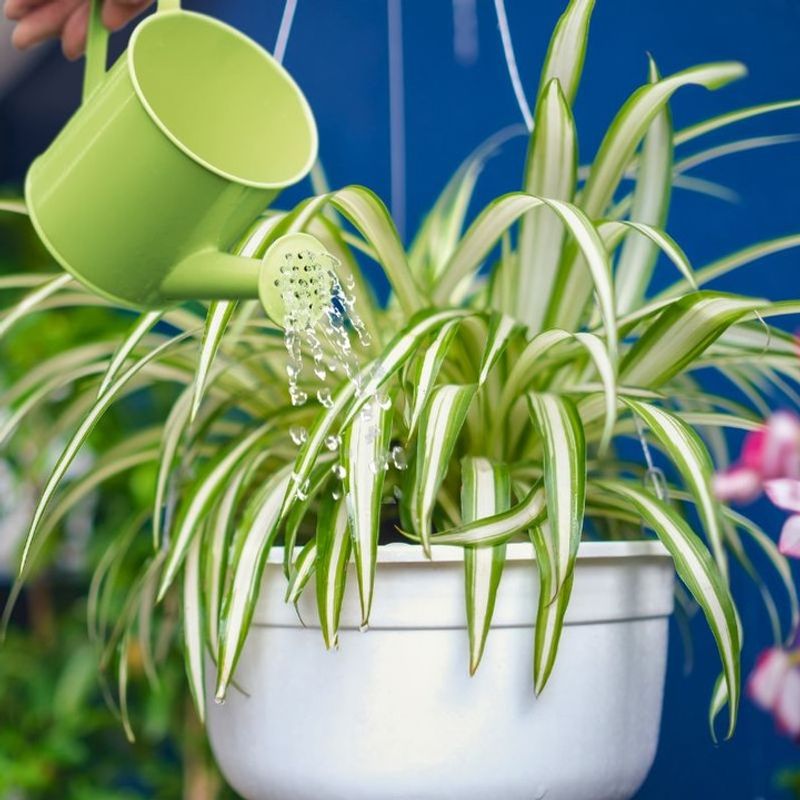
Watering habits directly impact how well your spider plant grows, and finding the right balance between too much and too little makes all the difference for bushy, healthy foliage. These plants prefer their soil to dry out slightly between waterings, which means checking the top inch or two of soil before adding more water.
When soil stays consistently soggy, roots can’t function properly and the plant will struggle to produce new growth no matter what else you do right.
Ohio’s indoor humidity levels change dramatically between summer and winter, which affects how quickly soil dries out. During heating season, dry indoor air may increase moisture loss, but watering should still be based on soil dryness rather than a fixed schedule.
In summer, especially in air-conditioned homes, soil may stay moist longer and require less frequent watering.
Stick your finger into the soil before watering, and if it feels dry an inch down, it’s time to water thoroughly until excess drains from the bottom. Empty any water that collects in the saucer after about fifteen minutes to prevent roots from sitting in moisture.
Consistent watering that allows slight drying between sessions encourages strong root growth, which supports fuller foliage above. Avoid letting the soil become bone dry for extended periods, as this stresses the plant and can cause leaf tips to brown, but also resist the urge to water on a strict schedule without checking soil moisture first.
8. Refresh Soil To Restore Nutrients And Root Health
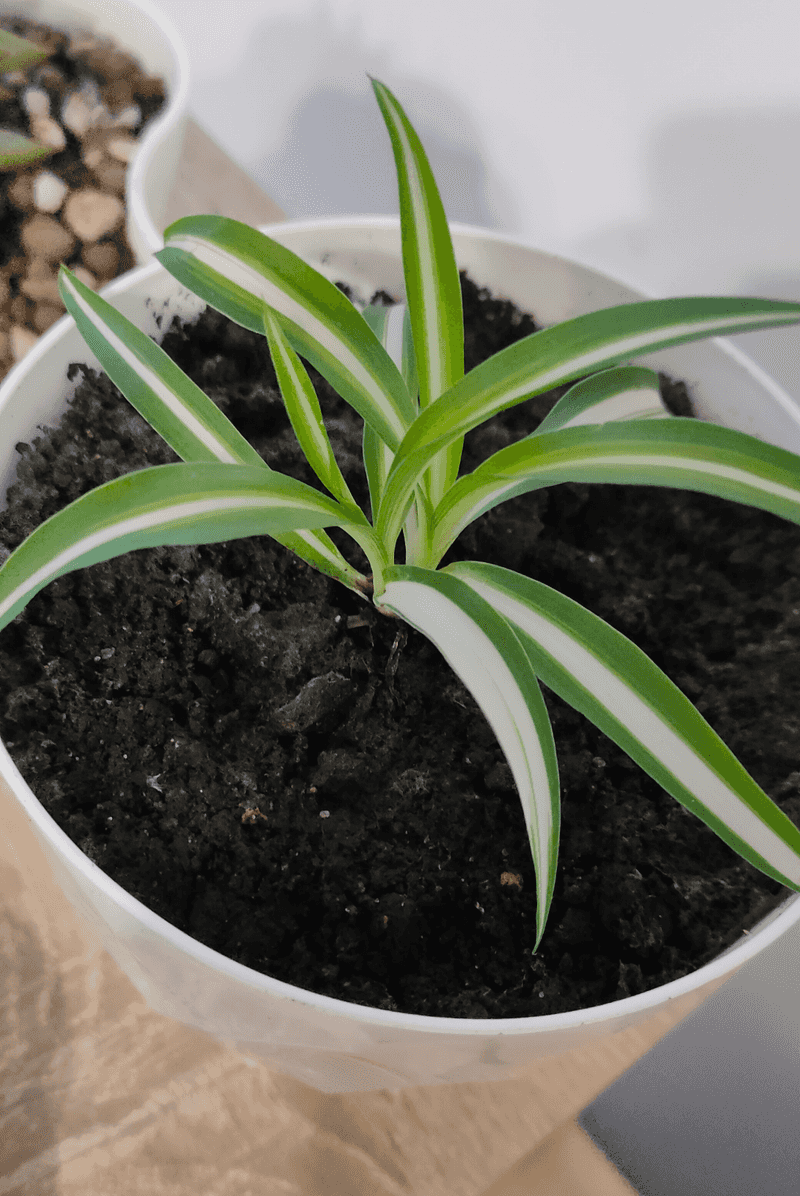
Even without repotting into a larger container, refreshing the top few inches of soil in your spider plant’s pot can provide a significant boost to growth and fullness. Over time, potting mix breaks down, becomes compacted, and loses its nutrient content, which means the plant has less access to what it needs for producing lush foliage.
Removing the top layer and replacing it with fresh potting mix restores nutrients and improves soil structure without the stress of a complete repot.
Carefully scoop out the top two to three inches of old soil, being mindful not to damage any roots near the surface. Fill the space with fresh, well-draining potting mix formulated for houseplants, and water thoroughly to help settle the new soil.
This simple refresh can be done annually and works especially well for spider plants that don’t yet need a larger pot but could benefit from a nutrient boost.
In some Ohio homes, hard water can cause mineral buildup in potting soil over time, which shows up as white crusty deposits on the soil surface and can interfere with nutrient uptake. Refreshing the top layer removes these accumulated salts and gives your plant a cleaner growing environment.
You’ll often see renewed vigor and fuller growth within a few weeks as the roots access fresh nutrients and improved soil conditions. This maintenance step costs very little but makes a real difference in keeping your spider plant looking its absolute best year after year.