This Is How To Revive Winter-Damaged Azaleas Before Spring Blooms Begin In Pennsylvania
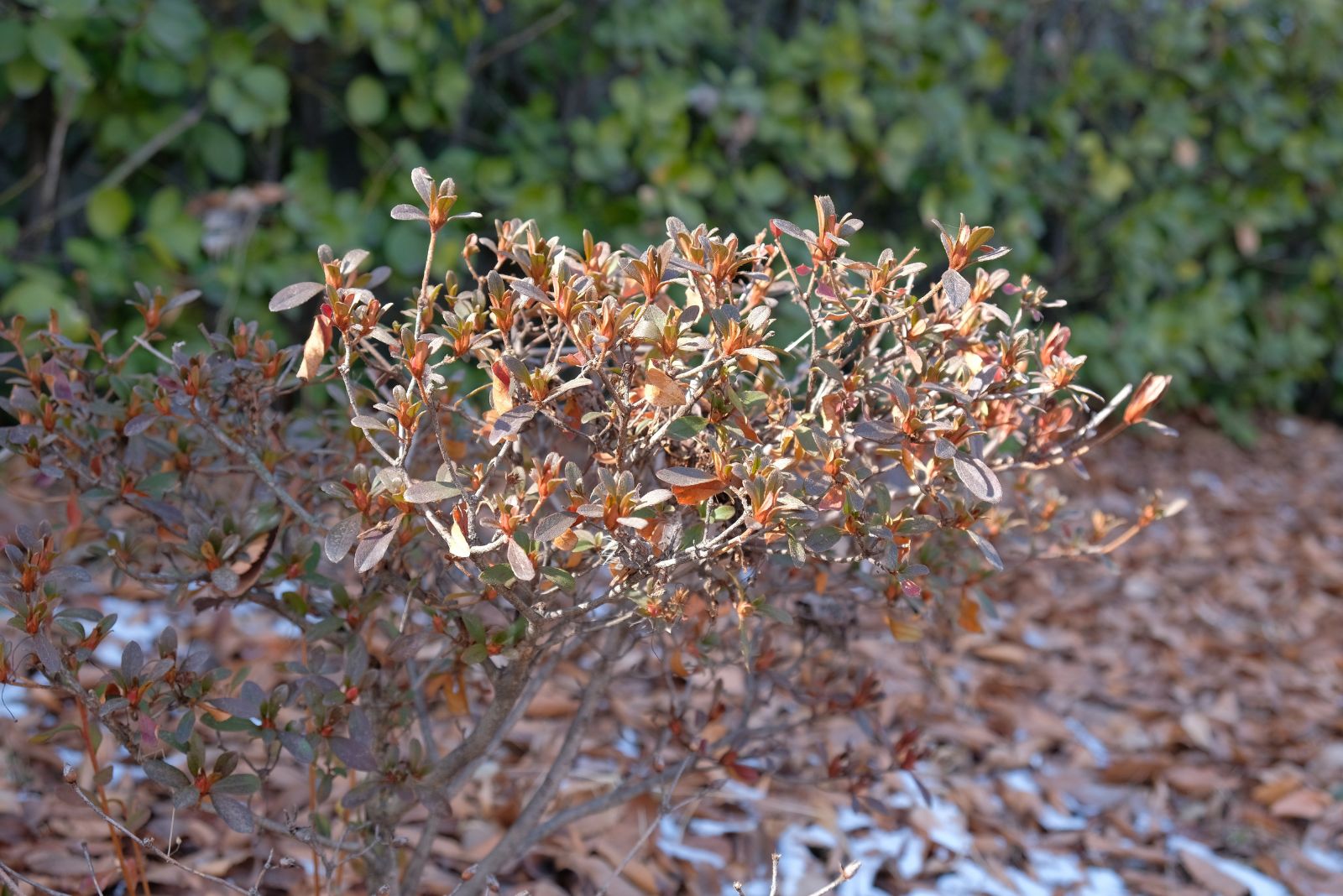
Winter in Pennsylvania can be tough on azaleas. Freezing temperatures, icy winds, and heavy snow can leave branches brittle, leaves browned, or buds damaged.
For gardeners who love vibrant spring blooms, seeing their azaleas look tired or broken can be frustrating. Fortunately, there are ways to help these plants recover before the growing season begins.
Assessing the damage is the first step. Dry or broken branches need careful pruning, while stressed plants benefit from proper watering and mulch to protect roots.
Adjusting soil nutrients and gently cleaning up debris also gives azaleas a fresh start. By taking action before buds begin to open, you can encourage strong growth and more abundant blooms.
With a little effort and attention, winter-weary azaleas can bounce back beautifully. Pennsylvania gardeners who act early can revive their plants, restore their shape, and ensure their gardens are bursting with color when spring arrives.
1. Wait Until The Worst Cold Has Passed
Patience is one of the most powerful tools a gardener has, especially in Pennsylvania.
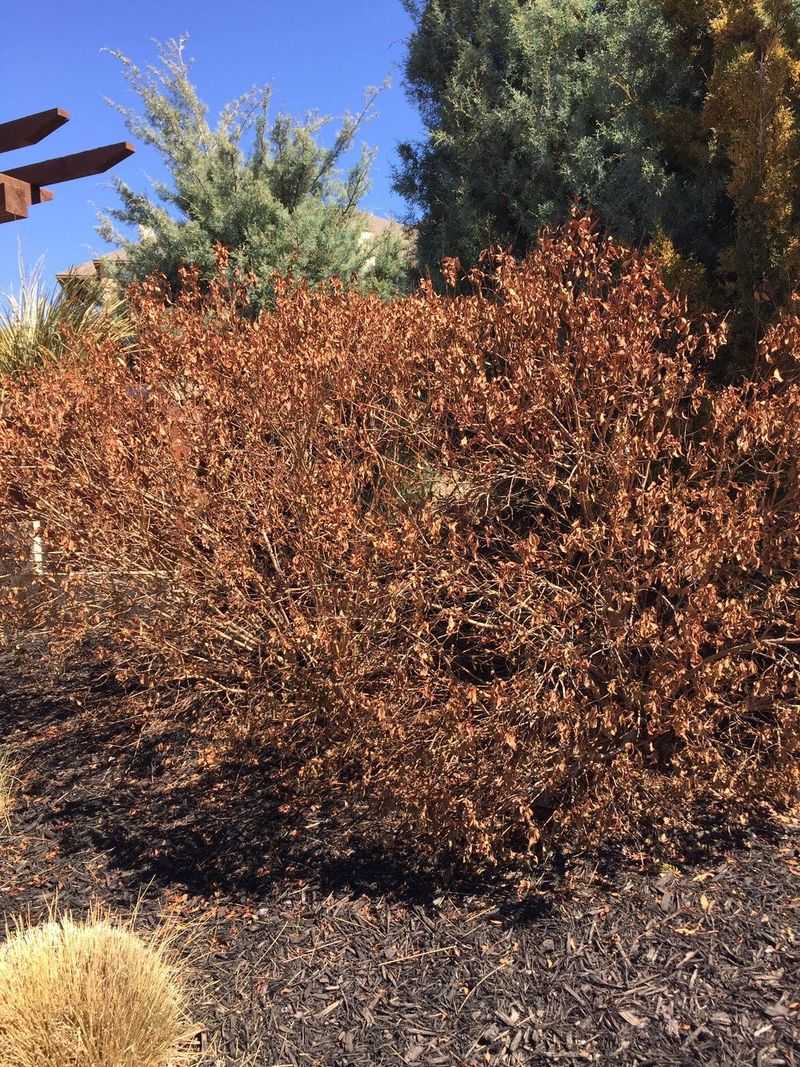
When you spot brown, curled leaves on your azaleas after a rough winter, the urge to grab your pruners and start cutting is completely understandable. But acting too fast can actually make things worse.
Pennsylvania winters are unpredictable. A warm stretch in late January or early February can trick you into thinking the worst is over, only for another hard freeze to roll in and cause even more stress to your plants.
Pruning too early exposes fresh cuts to that cold air, which can lead to added damage on stems that were otherwise healthy.
The smartest move is to wait until late winter, when severe freezes become unlikely in your area of Pennsylvania. A light frost here and there is totally fine.
What you want to avoid is cutting back your azaleas right before a hard overnight freeze hits.
Here is something that surprises a lot of people: damaged leaves almost always look worse than the actual stems underneath.
Those brown, crispy leaves might look alarming, but the branches holding them could still be perfectly alive and ready to push out new growth in spring.
So before you do anything else, give your azaleas a little time. Step back, let the worst of winter pass, and resist the urge to rush.
A few extra weeks of waiting can mean the difference between a plant that thrives and one that struggles all season long. Good things come to gardeners who wait, especially in Pennsylvania.
2. Check For Live Wood Before Pruning
Before you cut a single branch, you need to know what is actually alive. Skipping this step is one of the most common mistakes homeowners make when trying to rescue their azaleas after a Pennsylvania winter.
It is quick, easy, and can save you from accidentally removing healthy growth you did not even know was there.
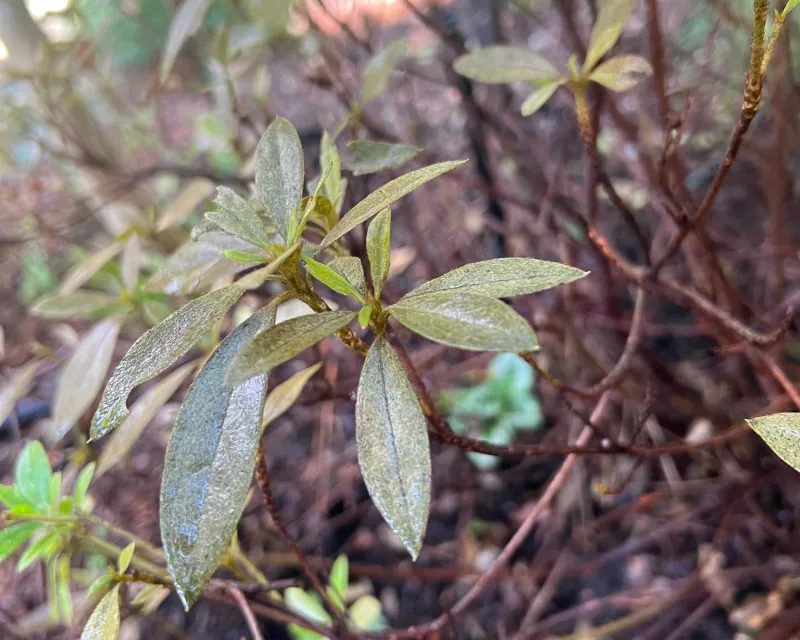
Here is the trick: use your fingernail to gently scratch the surface of a branch. Just a light scrape is all it takes.
If you see green tissue underneath the bark, that branch is alive. Green means go. That branch has living cells and will likely push out new leaves once the weather warms up.
If the tissue underneath looks brown and feels dry or brittle, that branch is no longer viable. It will not recover, no matter how much water or fertilizer you give it. Those are the branches you want to remove.
Work your way through the plant slowly, checking each branch one by one. You might be surprised to find that many branches you thought were gone are actually still living.
Pennsylvania winters can cause azalea leaves to look terrible while the stems underneath stay perfectly healthy.
Only remove branches that are clearly and completely beyond recovery. When in doubt, wait a little longer.
Sometimes a branch that looks questionable in February will surprise you with new buds by late March or April.
Taking a few extra minutes to assess each branch carefully will give your azaleas the best possible start as spring approaches across Pennsylvania.
3. Prune Carefully And Protect Those Flower Buds
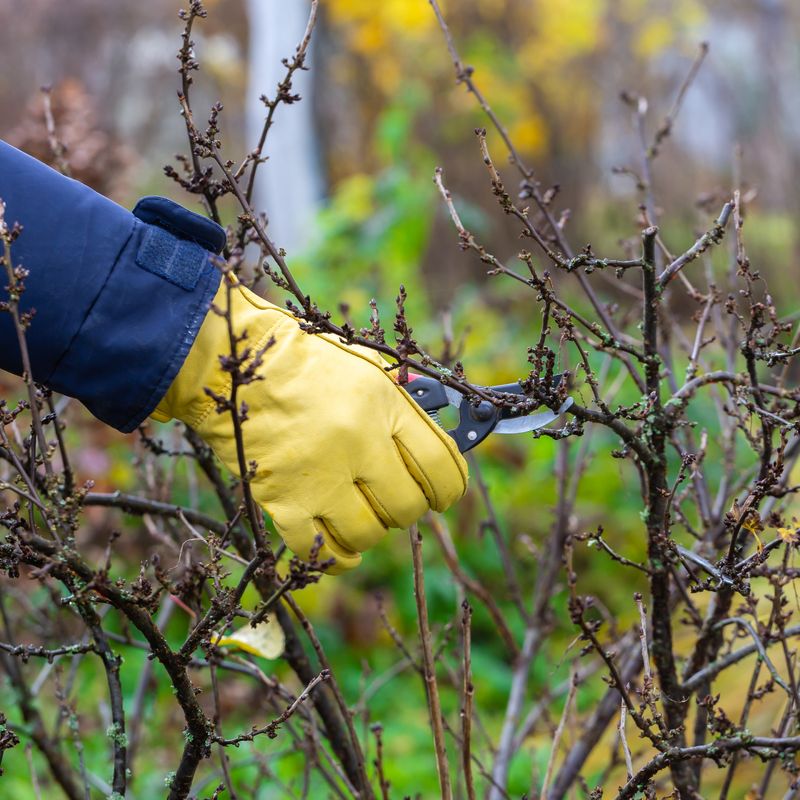
Azaleas bloom on old wood. That one fact changes everything about how you should approach pruning in late winter.
Unlike some other shrubs that can handle a heavy trim before the season starts, azaleas set their flower buds on the previous year’s growth. Cut those off and you will be waiting an entire year for blooms to return.
Keep that in mind every single time you pick up your pruners. The goal right now is not to reshape the plant or tidy up its silhouette.
The only thing you should be removing before spring bloom is wood that is clearly no longer living or branches that are broken and hanging awkwardly.
Always use clean, sharp pruners. Dull blades crush the stem instead of making a clean cut, which stresses the plant and creates openings for disease.
Wipe your blades with rubbing alcohol between cuts, especially if you are moving from one plant to another. This simple habit keeps problems from spreading through your Pennsylvania garden.
When you make a cut, aim just above a healthy bud. This encourages the plant to direct its energy toward that bud and push out new growth right where you want it. Avoid cutting into thick, healthy stems just to make the plant look neater.
Major shaping and heavy pruning should always happen after your azaleas finish flowering in spring.
That timing gives the plant the whole growing season to set new buds for next year. Rushing the process before bloom time is a shortcut that costs you a full season of color.
4. Remove Winter-Burned Leaves Gradually
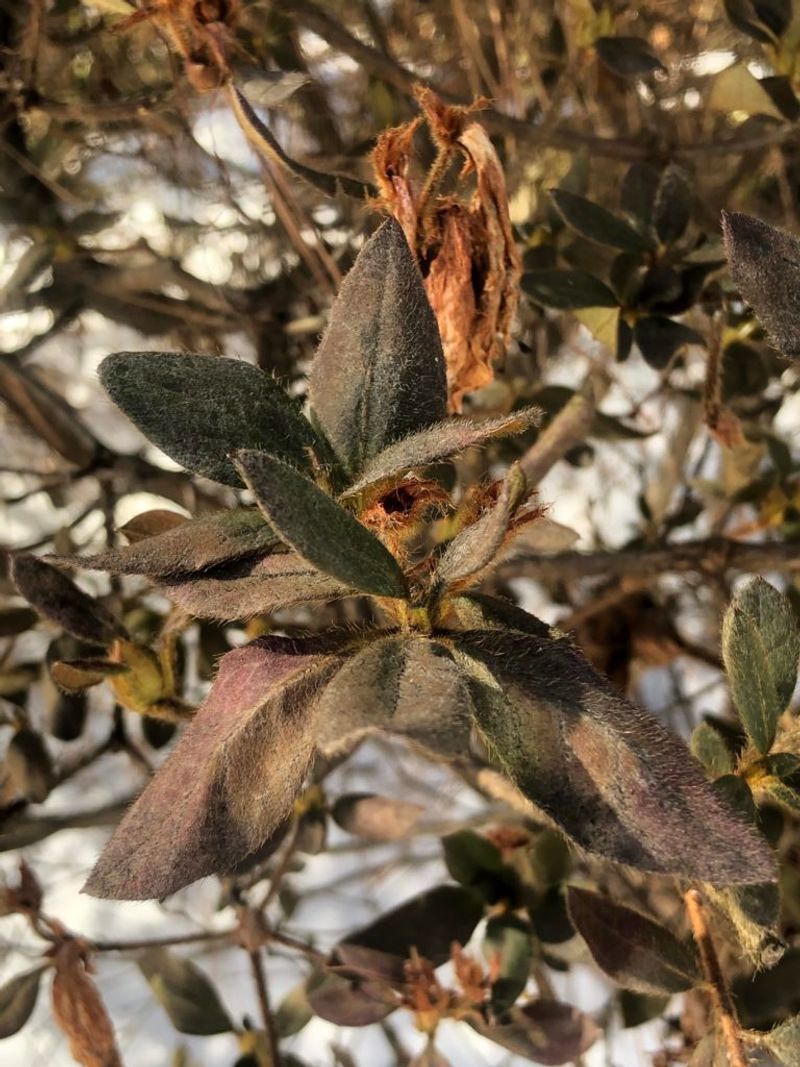
Wind burn is one of the most common complaints Pennsylvania azalea growers have every single spring.
Those brown, curled, papery leaves that cling to your shrubs after a cold winter can make even a healthy plant look like it is on its last legs. The good news is that most of the time, the damage is mostly cosmetic.
You can lightly trim or remove these burned leaves to tidy up the appearance of your plants. Use your fingers or a pair of small scissors to gently pull away the worst of the brown foliage.
Work slowly and carefully so you do not accidentally knock off any healthy buds hiding nearby.
The key word here is gradually. Do not strip the plant bare trying to get rid of every single damaged leaf at once.
Removing too much foliage too quickly puts extra stress on the plant right when it needs to be conserving energy for spring growth.
New leaves will come in on their own as temperatures rise. By mid to late spring, most Pennsylvania azaleas that looked rough in February will be covered in fresh green foliage and bright blooms.
Nature has a reliable way of handling the cosmetic stuff if you give it a little time. Think of winter-burned leaves as the plant’s way of protecting itself.
Evergreen azaleas hold onto their leaves through winter, and some leaf damage is simply part of that trade-off in a Pennsylvania climate. A little patience and a light touch are really all you need to handle this step well.
5. Refresh The Mulch Around Your Azaleas
Pennsylvania winters are famous for their freeze-thaw cycles. One week the ground is frozen solid, the next it thaws out, and then it freezes again.
This back-and-forth puts serious stress on shallow-rooted plants like azaleas, which have most of their roots sitting just a few inches below the surface.
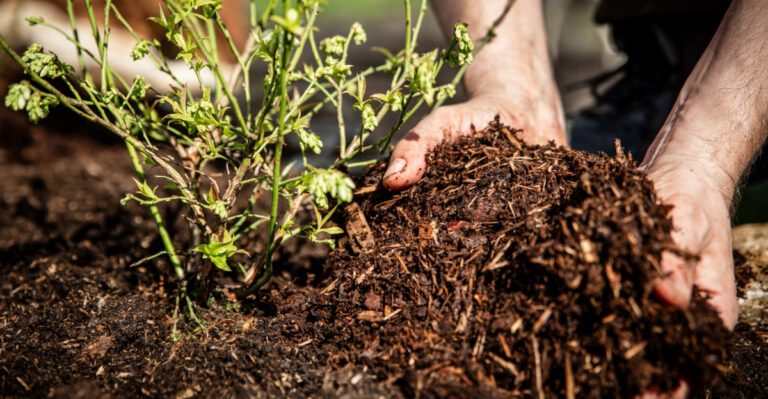
Refreshing the mulch around your azaleas is one of the simplest and most effective things you can do to help them recover.
A fresh layer of mulch acts like a blanket for the soil, helping to regulate temperature, hold in moisture, and protect those fragile roots from the last few cold snaps of the season.
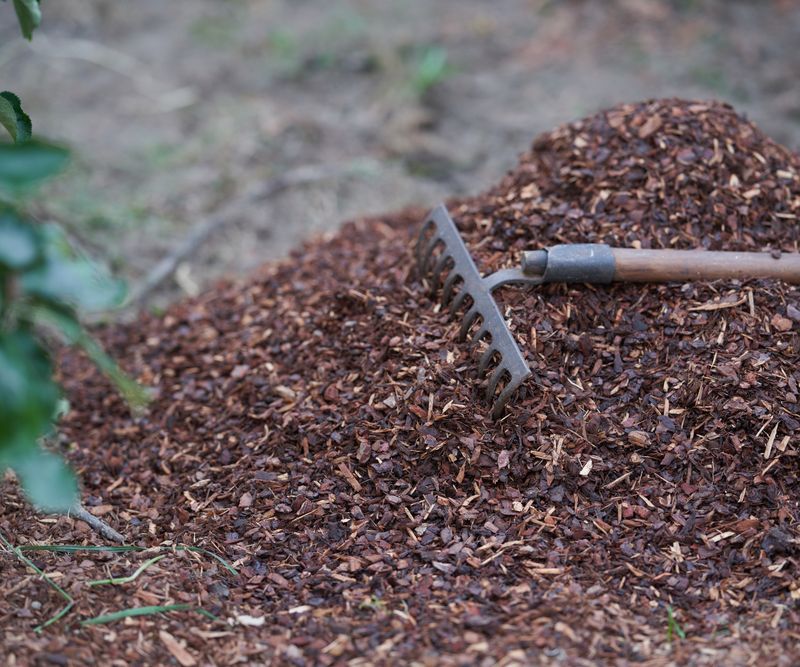
Aim to apply about two to three inches of mulch around each plant. Shredded bark, wood chips, or pine needles all work great for azaleas and are easy to find at garden centers throughout Pennsylvania.
Spread the mulch out to the drip line of the plant, which is roughly where the outermost branches hang over the ground.
One important detail: keep the mulch a few inches away from the base of the stem. Piling mulch right up against the trunk traps moisture and can cause rot over time. You want a small gap of bare soil right around the base of the plant.
Fresh mulch also gives your garden beds a neat, finished look heading into spring, which is a nice bonus. More importantly, it gives your azaleas a stable, protected environment to start pushing out new roots and shoots as the soil begins to warm up across Pennsylvania.
6. Water During Dry Late-Winter Periods
Most people do not think about watering their plants in late winter, but evergreen azaleas actually need moisture even during the cold months. Unlike deciduous shrubs that go fully dormant, evergreen azaleas keep their leaves all winter long.
Those leaves continue to lose moisture through a process called transpiration, even when temperatures are low.
When Pennsylvania winters bring dry stretches without much snow or rain, your azaleas can become stressed from lack of water.
This makes them far more vulnerable to wind damage and cold injury than they would be if they were properly hydrated going into the coldest stretches of the season.
Check the soil around your azaleas during any dry period in late winter. Stick your finger a couple of inches into the ground.
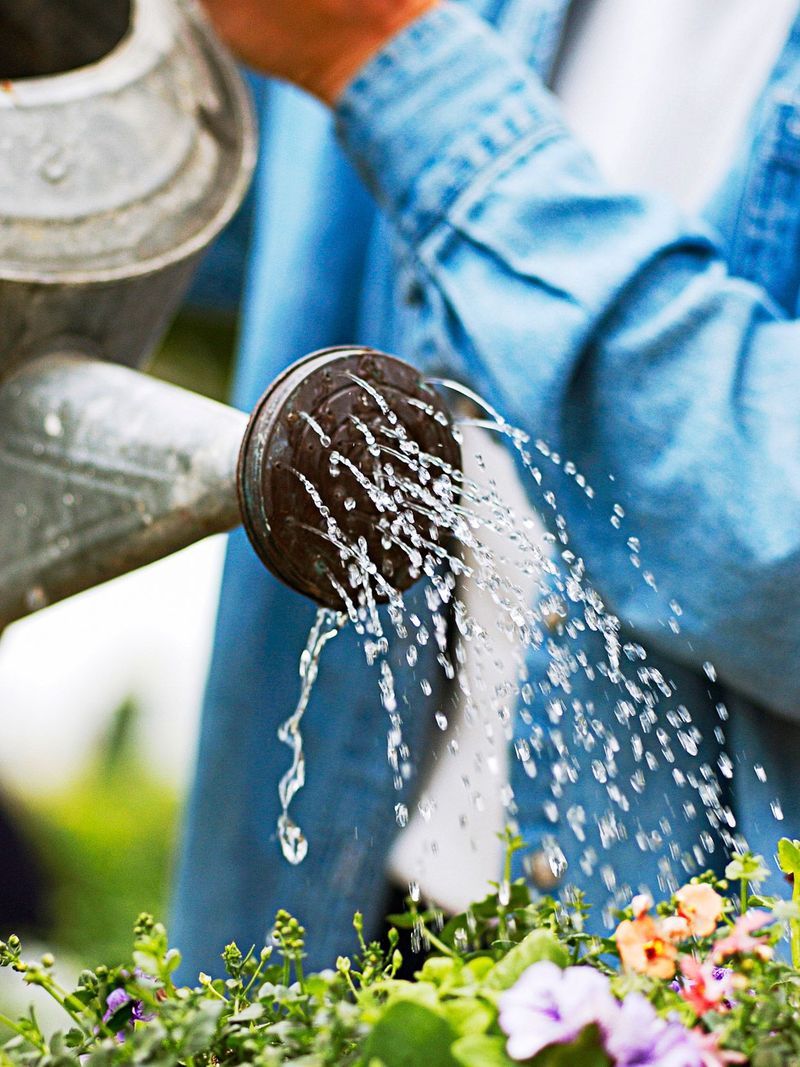
If the soil feels dry and is not frozen solid, go ahead and give your plants a slow, light watering. You do not need to drench them.
A gentle soak is plenty. Timing matters here. Try to water on a mild day when temperatures are above freezing.
Watering when the ground is frozen does not help and can actually cause runoff that goes nowhere useful. Early afternoon is a good time so the water has a chance to soak in before nighttime temperatures drop.
Proper hydration heading into spring gives your azaleas the moisture reserves they need to start pushing out new growth and flower buds. Across Pennsylvania, late winter dry spells are more common than most gardeners realize.
Staying on top of watering during those quiet weeks can make a real difference when bloom time finally arrives.