This Is How To Start A Garden Journal In Ohio That You’ll Actually Use

You plant something in spring, feel sure you’ll remember it, then by July you’re standing in the yard trying to figure out what worked and what didn’t. That mix of guesswork and déjà vu shows up in almost every Ohio garden at some point. Seasons move fast here, and small details slip through the cracks.
A garden journal keeps those details from disappearing. Planting dates, late frosts, surprise growth, even the plants that quietly struggled. It turns scattered notes into something you can actually use next season, especially with Ohio’s shifting weather.
Most people start one with good intentions and drop it just as quickly. The difference comes down to how you set it up from the beginning, and a few small choices that make it easy to stick with once the season gets busy.
1. Pick A Format You Won’t Abandon After A Week
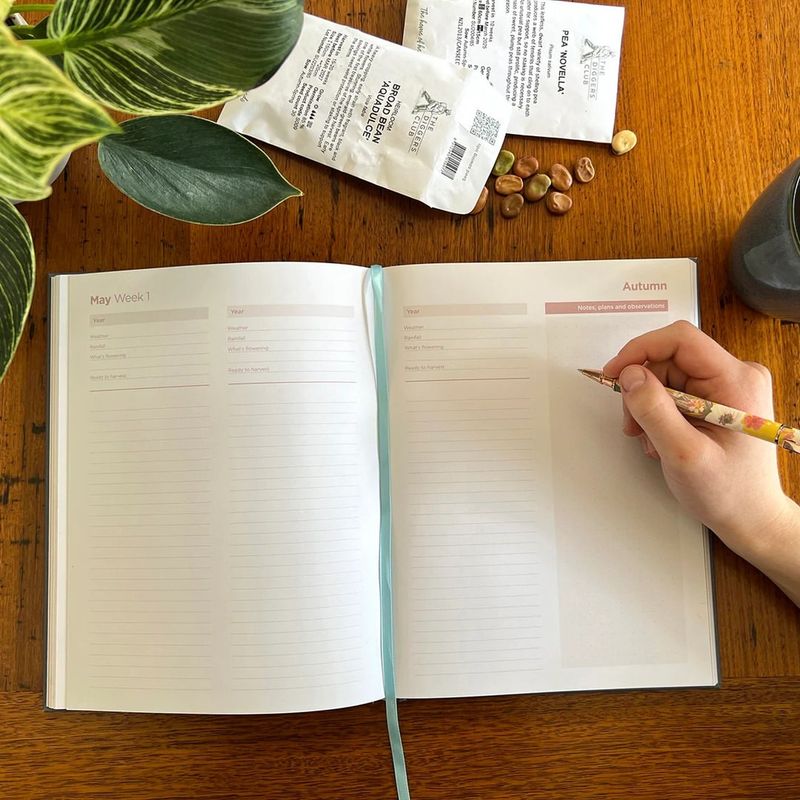
Nobody needs a leather-bound journal with gold edges to record when they planted beans. Seriously, the fancier the notebook, the more likely it’ll sit unused because you’re afraid to mess it up.
Your garden journal should feel approachable, like something you can grab with dirty hands without worrying about ruining it.
Think about how you actually function in your garden. If you’re always on your phone anyway, maybe a simple note-taking app or spreadsheet works better than paper.
Some Ohio gardeners swear by voice memos recorded right in the garden, then transferred to a document later. Others prefer a waterproof notebook that can handle our humid summers and surprise rain showers.
The key is matching the format to your habits, not what looks pretty on Instagram. A cheap spiral notebook from the dollar store that you actually use beats an expensive journal gathering dust on your shelf.
You can always upgrade later once you know what information matters most to you.
Consider keeping your journal wherever you’ll see it regularly. Maybe that’s by your back door, in your potting shed, or tucked into your gardening basket.
Location matters almost as much as format because out of sight really does mean out of mind. Test different approaches during your first season in Ohio and don’t feel locked into one method forever.
2. Start Before Ohio’s Growing Season Sneaks Up On You
Waiting until you’re already planting can leave you playing catch-up. In Ohio, timing shifts more than people expect.
Southern areas like Cincinnati usually warm up earlier, while northern parts near Lake Erie tend to stay cooler longer into spring. That gap can be a couple of weeks, sometimes more, which changes when planting really begins.
Even nearby towns can vary slightly depending on elevation, wind exposure, and how quickly the soil warms up after winter.
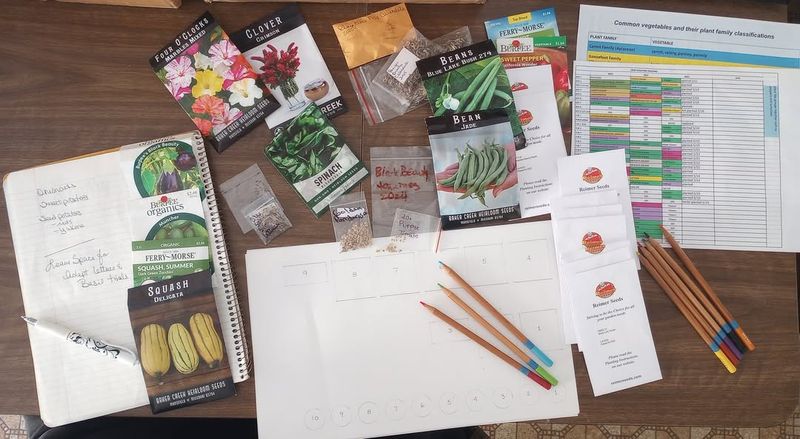
Getting your journal set up in late winter gives you breathing room before things pick up. March is a great time to sketch out your space, list what you want to grow, and think through how everything will fit together.
Having that written down makes it easier to move into planting without second-guessing every step.
Those early weeks are also when local details matter most. Frost dates vary across Ohio, with northern regions often seeing later last frosts than central or southern areas.
Writing down your county’s average range gives you a starting point you can adjust based on the year.
Starting early means you can follow the season as it unfolds. You’ll notice when the first warm stretches arrive, how quickly the soil dries out, and when early weeds start showing up.
Over time, those notes reflect how your specific spot behaves, not just what a general calendar suggests.
3. Lock In Your Planting Dates First
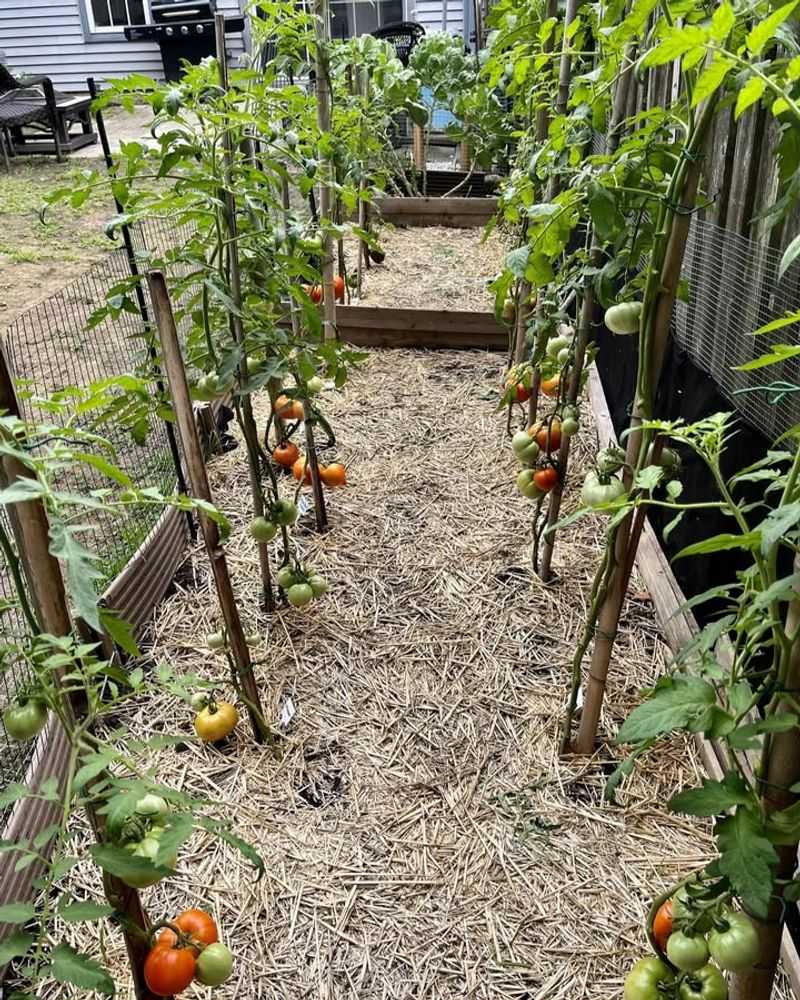
Your memory is not as good as you think it is. Come next February, you absolutely will not remember whether you planted those tomatoes on May 10th or May 24th, even though it feels unforgettable right now.
Writing down exact planting dates creates a timeline you can reference and improve upon each year.
Record the date for everything that goes into your Ohio garden, from seeds started indoors to transplants moved outside to direct-sown crops. Include the variety names too because not all tomatoes or beans perform the same way.
This detail matters when you’re trying to figure out why something succeeded or flopped.
Pay special attention to succession planting dates if you’re growing crops like lettuce, radishes, or beans multiple times per season. Ohio’s weather can make timing tricky, and having records helps you fine-tune when to plant rounds two and three.
You’ll start noticing patterns, like how that second lettuce planting always bolts faster than the first.
Don’t forget to note weather conditions on planting days too. Was the soil still cold and wet?
Had you experienced several warm days beforehand? These context clues help explain why seeds germinated quickly or sat stubbornly in the ground.
Over time, your journal becomes a personalized planting guide tailored specifically to your Ohio garden’s unique conditions and microclimates.
4. Track Ohio Weather Like It Actually Matters
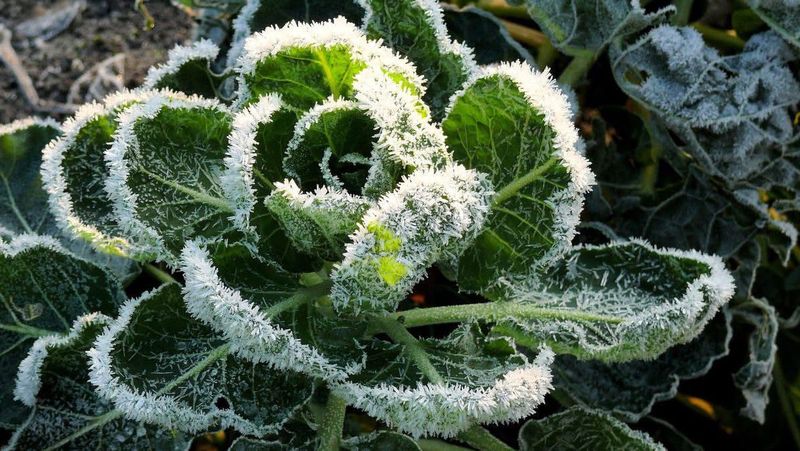
Weather plays a major role in how a garden performs, yet most people only notice it when something goes wrong. Ohio conditions can shift quickly, with late frosts followed by warm spells in a short stretch of time.
Keeping basic weather notes helps you see what’s actually happening in your garden beyond general impressions. It also helps explain those seasons that feel “off” but are hard to describe without something written down to look back on.
You don’t need a weather station or detailed measurements. Simple observations are enough for most gardeners.
Write down unusually hot or cool stretches, heavy rain, dry periods, or those late spring freezes that can still catch Ohio gardens off guard. Even a quick note like “hot week” or “steady rain” can be useful later.
Over time, these short entries start to build a clearer picture of how your local weather behaves.
For a bit more detail, tracking weekly highs and lows along with approximate rainfall can add helpful context. This becomes useful when comparing seasons.
A slower-growing crop might line up with a cooler, wetter month rather than something you did differently.
Link those notes back to plant performance. Did tomatoes show signs of stress after a dry stretch?
Did lettuce bolt during a sudden warm spell? Over time, these connections make it easier to spot patterns and adjust how you manage your garden in Ohio.
5. Write Down What Thrives (And What Struggles)
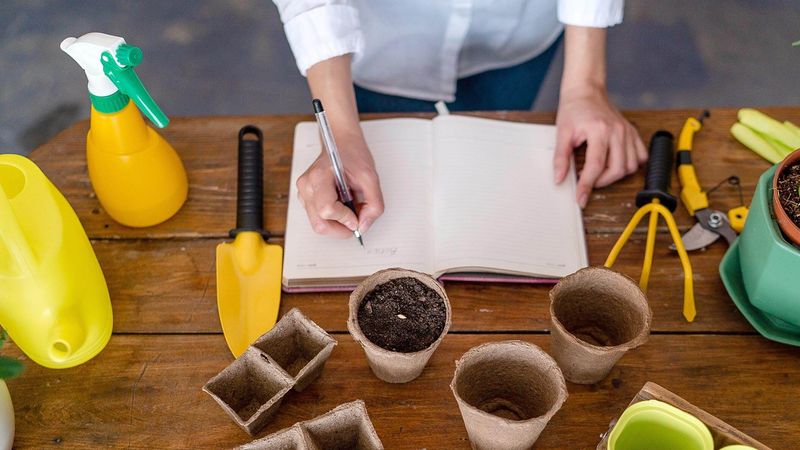
Success teaches you what to repeat, but failures teach you what to avoid. Both deserve equal space in your garden journal because they’re equally valuable information.
Ohio’s variable conditions mean a plant that thrives one year might struggle the next, so tracking performance helps you spot true winners versus lucky flukes. Sometimes it’s not the plant at all, but a shift in weather, soil moisture, or timing that changes the outcome.
Create simple rating systems that work for you. Maybe it’s stars, numbers, or just words like “amazing,” “okay,” or “never again.” Rate things like productivity, disease resistance, flavor, and how well varieties handled Ohio’s specific challenges.
A tomato might produce plenty of fruit but lack flavor, while another yields less and tastes far better. Writing that down helps you make better choices next season.
Be specific about why something succeeded or failed. “Cucumbers did great” doesn’t help much later. “Marketmore cucumbers produced well despite powdery mildew, planted in full sun on east side” gives you something you can actually use. Always include variety names since different types can perform very differently in Ohio gardens.
Don’t forget to track how plants perform as the season goes on, not just the final result. Some start strong and fade, while others take time to get going.
These patterns matter when planning next year and deciding what’s worth growing again.
6. Notice Bloom Times Before You Forget Them
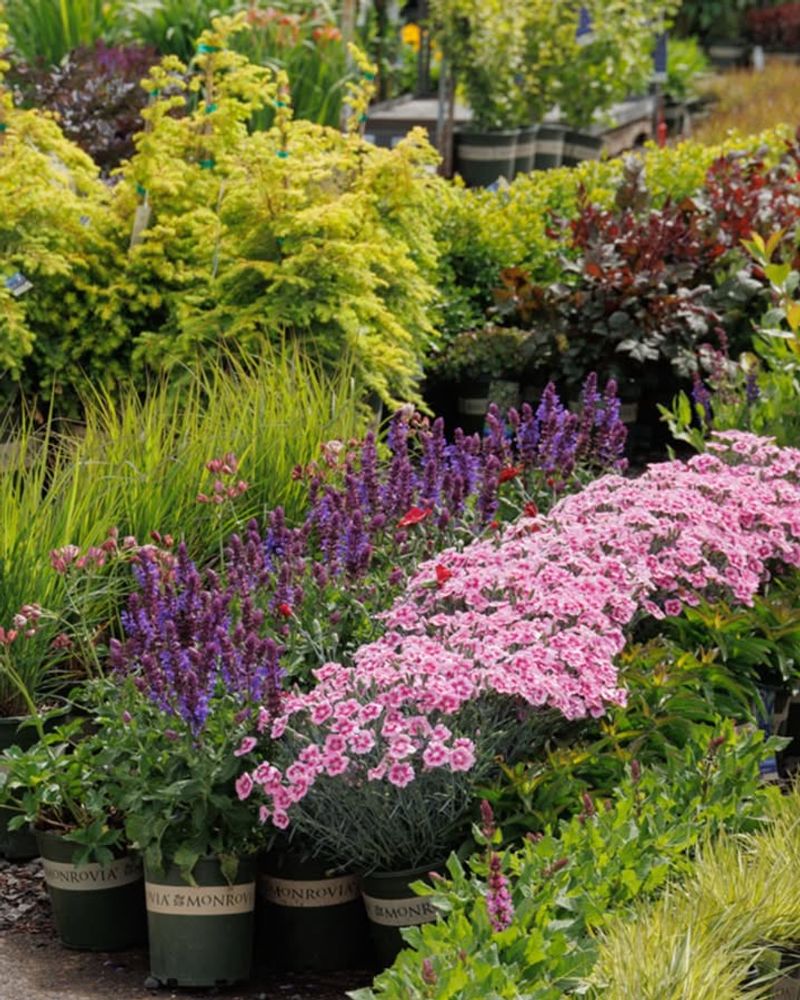
Flowers bloom, you enjoy them, then you completely forget when it happened. This might not seem important until you’re trying to plan a garden with continuous color or figure out why your pollinator garden had a two-month gap with nothing blooming.
Recording bloom times creates a flowering calendar unique to your Ohio garden.
Note when perennials first show buds, when they reach peak bloom, and when flowers fade. This information helps you fill gaps in future years and set realistic expectations.
Maybe those coneflowers you thought bloomed all summer actually only look good for six weeks. Understanding true bloom times prevents disappointment and helps with better planning.
Track annual flowers too, especially if you’re succession planting for continuous color. When did those zinnias from the first planting start blooming versus the second planting three weeks later?
How long did each planting look good before declining? This timing information helps you plan better flower rotations throughout Ohio’s growing season.
Include information about pollinators visiting different blooms. Which flowers attracted the most bees, butterflies, or hummingbirds?
When were these visitors most active? Connecting bloom times with pollinator activity helps you create a garden that supports beneficial insects throughout the season, which ultimately helps your vegetable garden too.
These observations become increasingly valuable as you develop your Ohio garden over multiple years.
7. Catch Problems Early And Write Them Down
Problems rarely announce themselves with fanfare. Usually, you notice something small, think you’ll remember it, then suddenly the whole plant is covered in aphids or fungus.
Recording problems when they first appear helps you catch patterns and respond faster in future seasons.
Document pest appearances with dates and which plants they targeted. Did cucumber beetles show up in early June like clockwork?
Were tomato hornworms worse this year than last? Ohio has its share of garden pests, and knowing when they typically arrive helps you monitor for them proactively instead of discovering damage after it’s done.
Track disease issues the same way. Note symptoms, which plants were affected, weather conditions at the time, and what treatments you tried.
Powdery mildew, for example, appears regularly in Ohio gardens, but timing and severity vary. Your records might reveal it always hits your squash in late July, allowing you to take preventive measures earlier next year.
Include solutions that worked and those that flopped. This saves you from repeating ineffective treatments and helps you quickly reach for methods that actually solve problems.
Maybe hand-picking Japanese beetles worked fine, but that spray you bought did nothing. Future you will appreciate having this information written down instead of wasting time and money relearning these lessons in your Ohio garden.
8. Keep It Simple So You Actually Stick With It
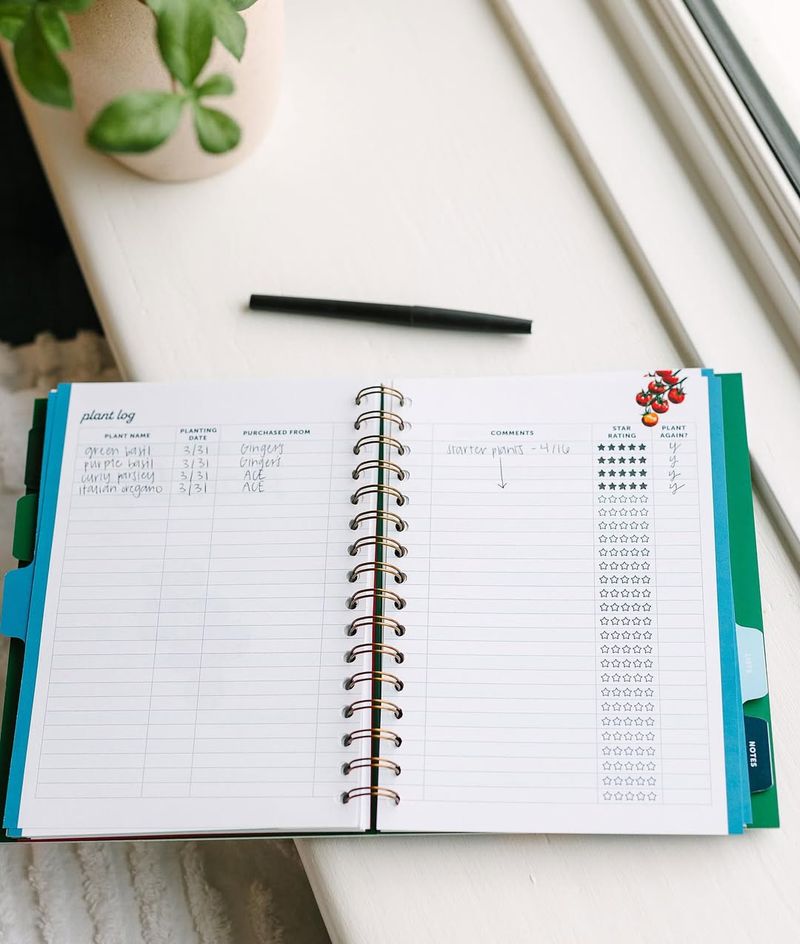
Complicated systems fail. If your journaling method requires 20 minutes of detailed data entry after every garden visit, you’ll quit by mid-June when life gets busy.
The best garden journal is one you actually use consistently, even if the entries are brief and imperfect. Simple notes done regularly will always be more useful than detailed entries you never keep up with.
It should feel easy to pick up and use, not something you have to talk yourself into doing each time.
Give yourself permission to keep notes short and simple. Sometimes “planted beans, north row” is enough information.
You don’t need to write essays about every garden activity. Quick bullet points capture what matters without turning journaling into something that feels like work instead of part of your routine.
Build habits by attaching journal entries to activities you already do. Maybe you jot notes while drinking morning coffee, or you keep the journal by the back door and write one thing before coming inside.
Linking journaling to something familiar makes it easier to stick with, even on busy days.
Review your journal now and then, but don’t get caught up in trying to make it perfect. The goal is keeping useful notes about your Ohio garden over time.
Some weeks you’ll write more, other weeks less, and that’s fine. What matters is having enough to look back on when the next season rolls around.