This Is How To Support Oregon Spring Growth Without Overfeeding
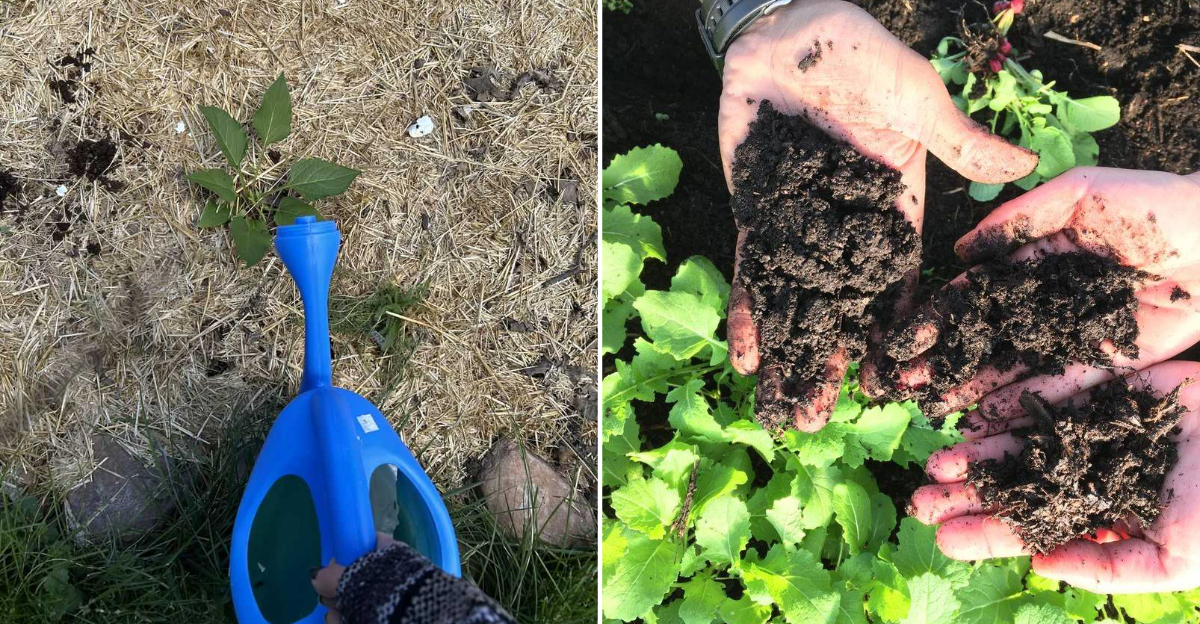
When spring starts waking up Oregon gardens, it’s tempting to reach for the fertilizer and give everything a generous boost.
Fresh leaves are popping out, perennials are stretching upward, and the whole garden looks ready to take off. More nutrients should help everything grow faster, right?
Not always. Many plants already have plenty of energy stored after winter dormancy, and piling on fertilizer too early can actually cause problems.
Instead of steady, healthy growth, you might end up with weak stems, floppy foliage, or plants that focus on leaves instead of flowers.
Spring growth is less about feeding heavily and more about supporting plants as they get moving again. A few simple steps can encourage strong roots, balanced growth, and healthier plants without overwhelming them.
With the right approach, your garden can wake up naturally and build strength for the busy growing season ahead.
Start With Healthy Soil
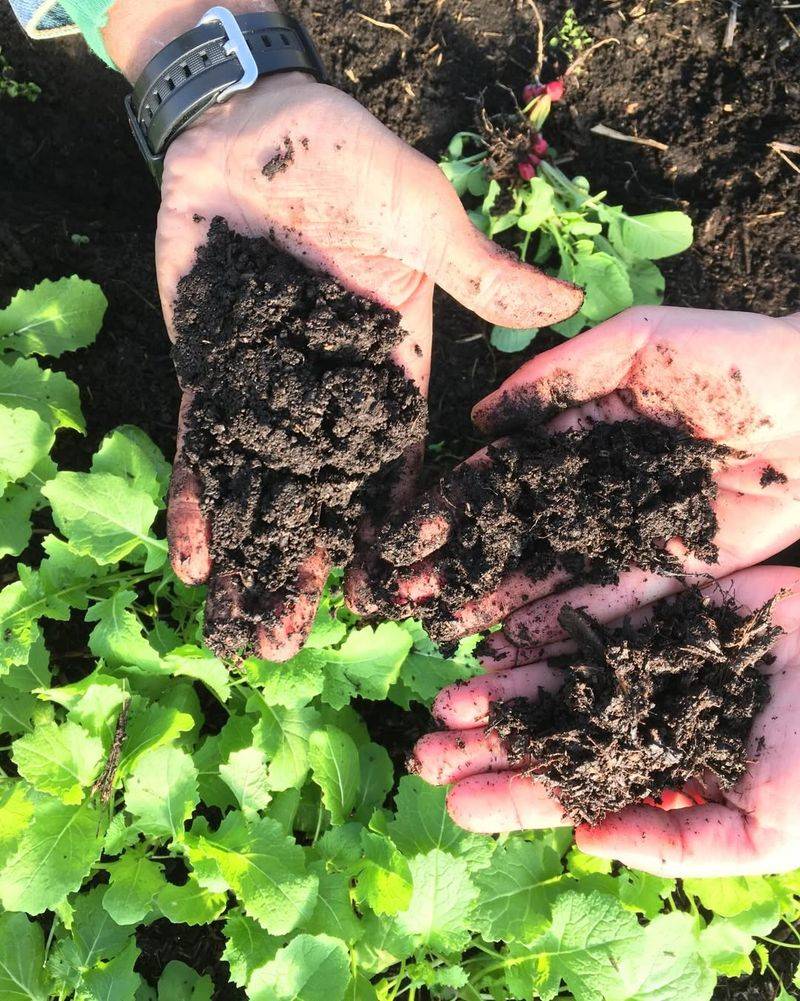
Good soil is the foundation of everything that grows. Before you reach for any fertilizer, take a moment to understand what your soil actually needs.
A simple soil test can tell you the pH level and which nutrients are already present. Many Oregon gardeners are surprised to find their soil has plenty of nutrients already, which means adding more could do more harm than good.
Soil tests are inexpensive and easy to find at local garden centers across Oregon, including stores in Salem and Medford. You can also send a sample to the Oregon State University Extension Service for a detailed report.
Once you know your soil’s condition, you can make smart choices instead of guessing.
Oregon’s natural soil varies a lot by region. Coastal areas tend to have more acidic soil, while eastern Oregon soil can be more alkaline.
Knowing your soil type helps you pick the right amendments. Healthy soil holds moisture well, drains properly, and supports strong root systems.
When roots are healthy, plants can absorb nutrients more efficiently. Starting with a soil check every spring sets your whole garden up for success without wasting money on products you do not even need.
Use Compost Instead Of Heavy Fertilizer
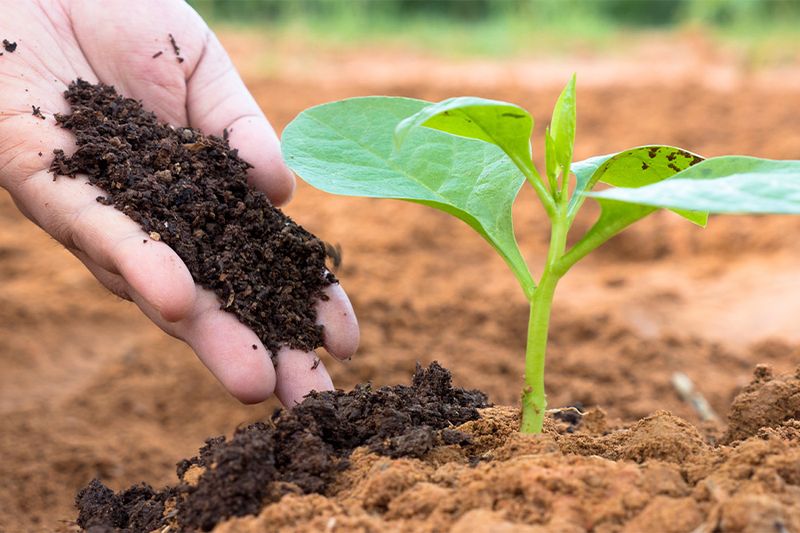
Reaching for a bag of strong chemical fertilizer might feel like the fastest fix, but compost is often the smarter choice. Compost feeds your plants slowly and steadily, which is exactly what spring growth needs.
It also improves soil texture, helping roots breathe and spread more easily. That gentle, consistent nutrient release means plants are less likely to get overwhelmed.
Making your own compost is easier than most people think. Kitchen scraps like vegetable peels, coffee grounds, and eggshells break down beautifully alongside yard waste.
Oregon’s mild, wet spring weather actually speeds up the composting process. If you do not have a compost pile yet, bagged compost from a local garden shop works just as well.
Spread a two-to-three-inch layer of compost over your garden beds in early spring, right before planting season kicks off. Work it lightly into the top few inches of soil.
You do not need to dig deep. This simple step adds organic matter, encourages helpful soil microbes, and gives plants a steady food source for weeks.
Gardeners in the Willamette Valley have used compost for generations because it works so well with Oregon’s naturally rich growing conditions. Skip the heavy chemical fertilizers and let compost do the quiet, effective work instead.
Feed Plants At The Right Time
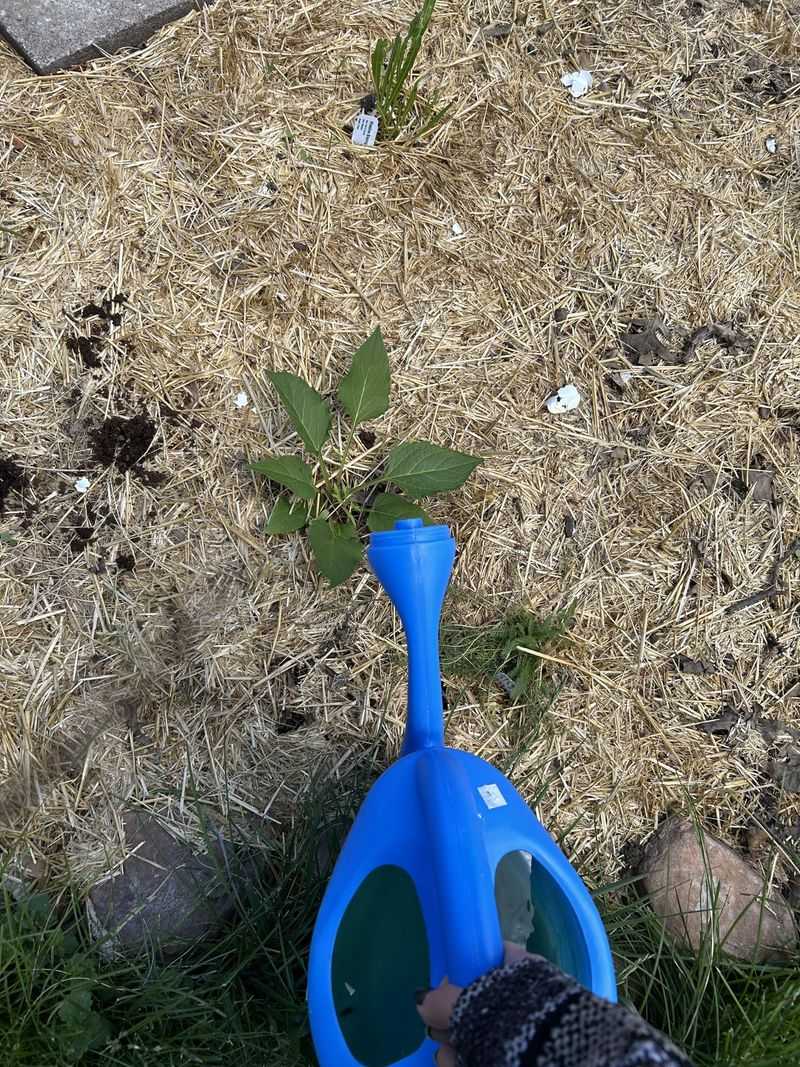
Timing matters more than most people realize when it comes to feeding plants. Applying fertilizer too early in Oregon’s spring means nutrients sit in cold, wet soil before plants are ready to use them.
That leads to runoff, waste, and sometimes even root damage. Plants need to be actively growing before they can absorb nutrients properly.
A good rule of thumb is to wait until soil temperatures reach around 60 degrees Fahrenheit. In Oregon, that usually happens somewhere between mid-April and late May, depending on your location.
Gardeners in the warmer valleys around Roseburg may hit that window earlier than folks in higher-elevation areas around Ashland or La Grande. A simple soil thermometer, available at most garden stores, takes the guesswork out of it completely.
Watching your plants is another helpful clue. When you start seeing new leaves unfurling and fresh green shoots pushing up from the ground, that is your signal that feeding time has arrived.
Feeding plants when they are already in growth mode means they can actually use what you give them. Nutrients get absorbed efficiently, roots stay strong, and you avoid the waste that comes from feeding at the wrong moment.
A little patience in early spring pays off with healthier, more vibrant plants all the way through summer.
Choose Slow-Release Nutrients
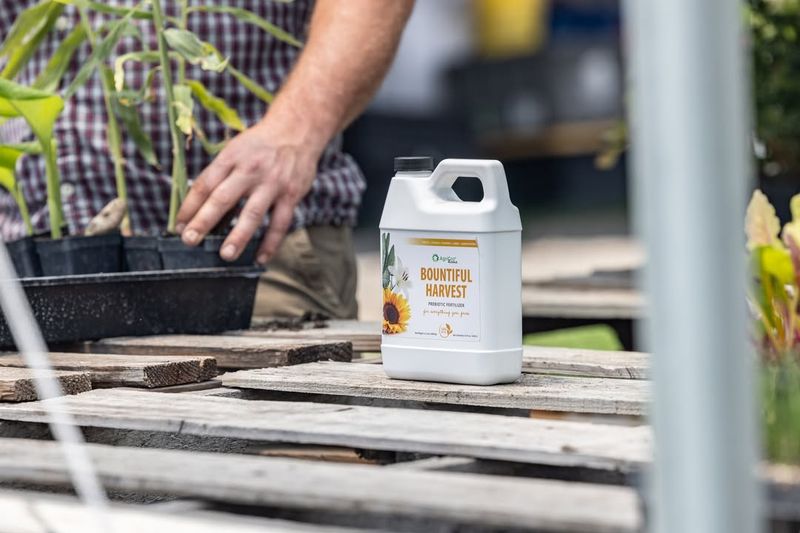
Not all fertilizers work the same way. Fast-release fertilizers dump a big dose of nutrients into the soil all at once, which can overwhelm plant roots and lead to nutrient burn.
Slow-release options, on the other hand, break down gradually over weeks or even months. That steady drip of nutrients matches the pace of natural spring growth much better.
Look for fertilizer bags labeled “slow-release” or “controlled-release” at your local Oregon garden center. These products often contain coated granules that break down based on soil temperature and moisture levels.
Since Oregon spring weather is naturally cool and wet, slow-release formulas work especially well here. They release more nutrients as temperatures warm up, syncing perfectly with your plants’ growing season.
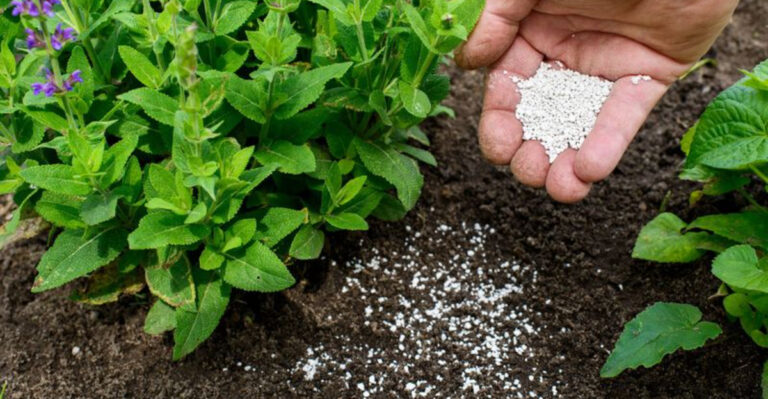
Organic options like bone meal, feather meal, and kelp meal also act as slow-release nutrient sources. These are great choices for gardeners who prefer to keep things natural.
Bone meal adds phosphorus for strong roots, while kelp meal supports overall plant vitality. Many Oregon gardeners mix two or three of these organic sources together for a balanced approach.
The key benefit is control. You feed plants consistently without flooding them with more than they can handle.
Slow-release nutrients reduce the risk of overfeeding while still giving every plant exactly what it needs to thrive through the season.
Watch For Signs Of Overfeeding
Plants are pretty good at communicating when something is wrong. Knowing what to look for can save your garden before a small problem becomes a big one.
Overfeeding is more common than most gardeners expect, especially in spring when everyone is excited to get growing. The good news is the warning signs are easy to spot once you know what you are looking for.
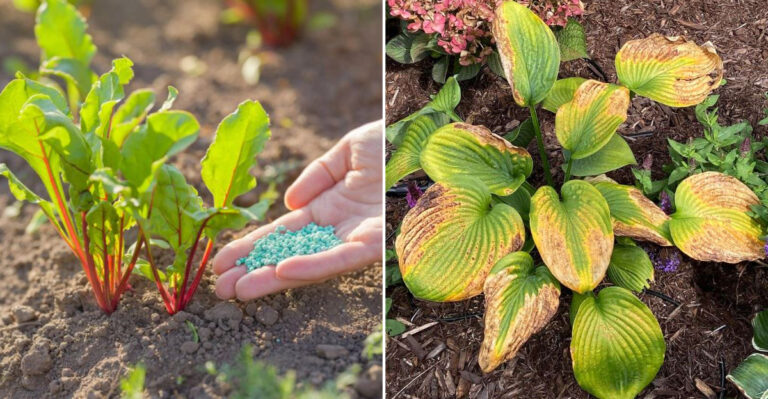
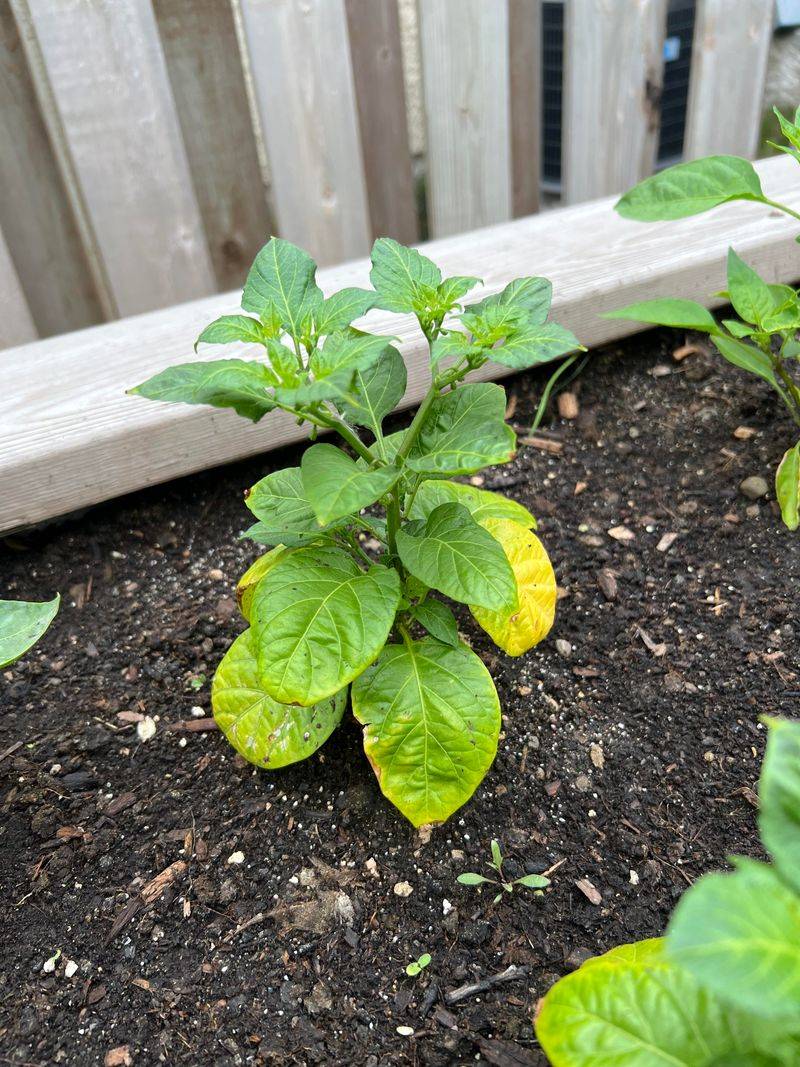
Yellowing leaves are one of the first clues. When a plant gets too many nutrients, especially nitrogen, the leaves can turn yellow or look washed out even though the plant is being fed regularly.
Brown, crispy leaf tips are another red flag, often caused by fertilizer salts building up in the soil. You might also notice unusually lush, soft, floppy growth that falls over easily, which means the plant grew too fast without building strong structure.
Stunted or twisted new growth can also point to a nutrient imbalance. If roots are damaged from over-fertilizing, the plant may look wilted even when the soil has enough moisture.
Gardeners across Oregon, from the coast to the high desert, should check their plants weekly during spring. If you spot any of these signs, stop fertilizing immediately and water the soil deeply to flush out excess nutrients.
Catching overfeeding early makes it much easier to help your plants bounce back strong.
Water To Help Nutrients Absorb
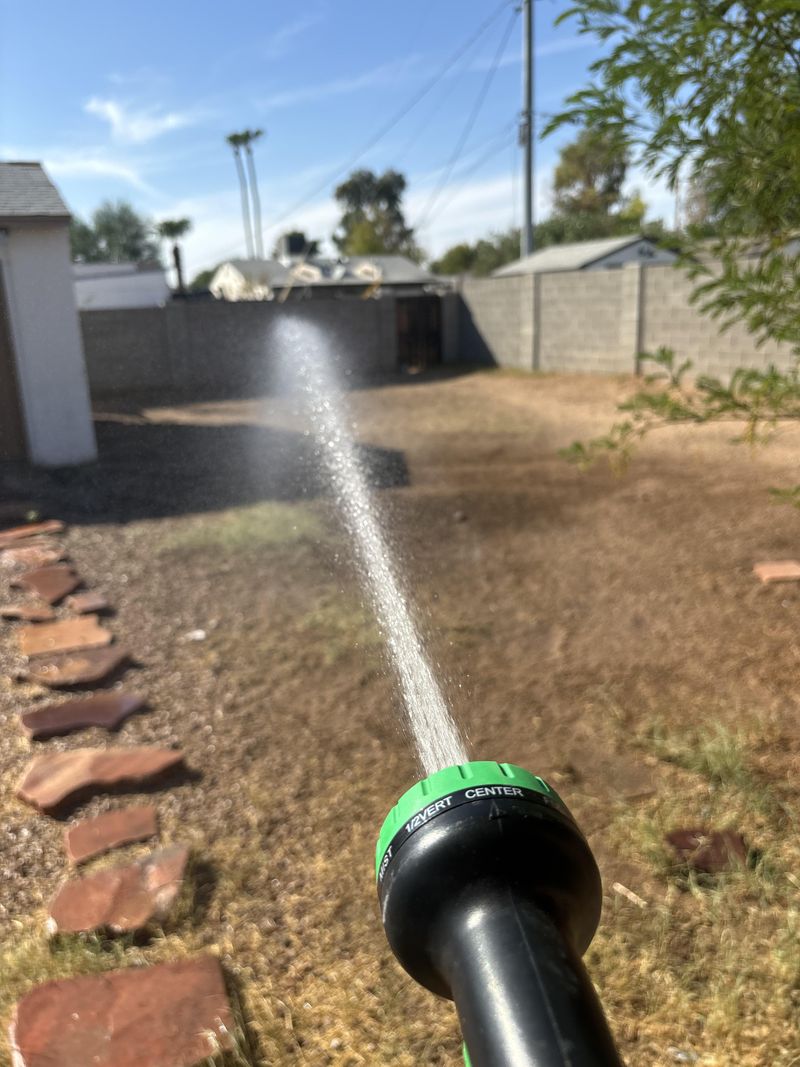
Fertilizer alone cannot do its job without water. Water is what moves nutrients from the soil into plant roots, and without enough of it, even the best fertilizer just sits there doing nothing.
Proper watering habits are just as important as what you feed your plants, especially during Oregon’s unpredictable spring season when dry spells can sneak in between rainstorms.
After applying any type of fertilizer, water the area thoroughly. This helps dissolve the nutrients and push them down to where the roots can reach.
It also prevents fertilizer granules from sitting on the surface, where they can burn leaves or wash away before doing any good. Watering after feeding is a simple step that dramatically improves how well your plants respond.
Be careful not to overwater either. Soggy soil can wash nutrients away before roots absorb them, and it can also encourage root rot.
Oregon’s spring rains often provide a good baseline of moisture, so check the soil before adding more water. Stick your finger about two inches into the ground.
If it feels moist, hold off for a day or two. If it feels dry, water slowly and deeply rather than giving a quick surface splash.
Deep watering encourages roots to grow downward, which builds stronger, more resilient plants that handle Oregon’s summer dry season much better.
Let Spring Growth Happen Naturally
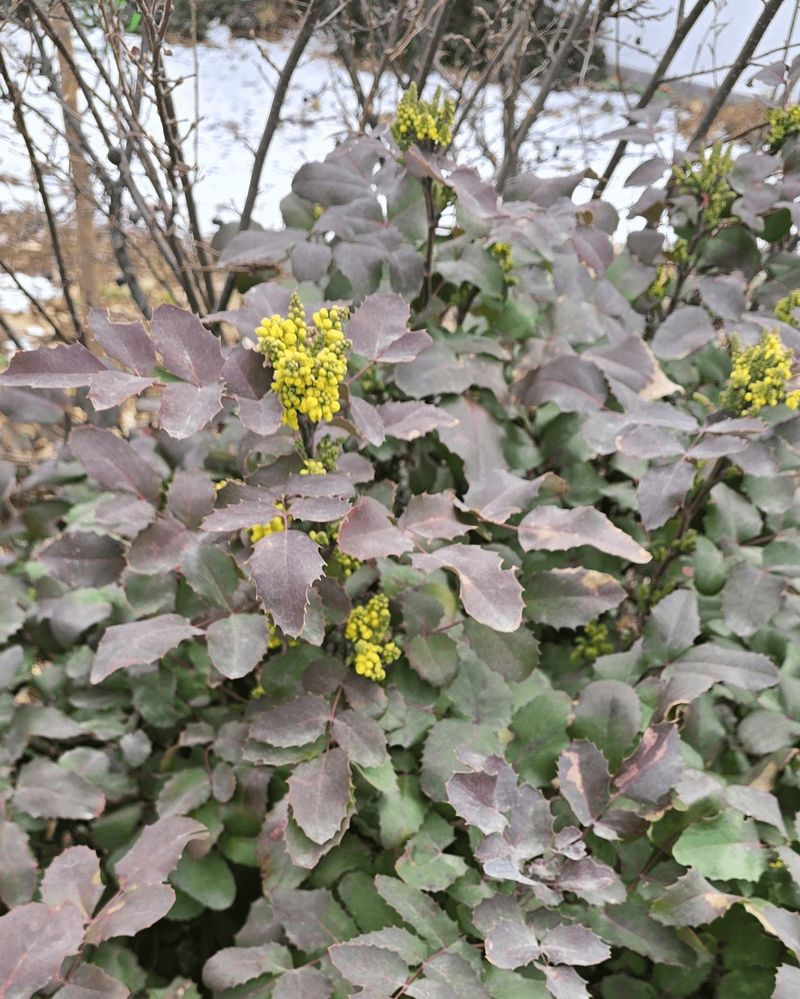
Sometimes the best thing a gardener can do is step back and trust the process. Oregon’s spring season brings its own natural gifts: longer days, warming soil, increased rainfall, and a surge of biological activity underground.
Soil microbes wake up, earthworms get busy, and decomposing organic matter starts releasing nutrients on its own. Plants are built to respond to these seasonal cues without needing a lot of extra help.
Overfeeding often comes from the desire to speed things up or make plants grow bigger faster. But pushing plants too hard in spring can actually make them weaker in the long run.
Rapid, forced growth tends to produce soft, vulnerable tissue that is more prone to pests and disease. Letting plants grow at their own pace builds tougher cell walls and stronger root systems that last through summer and beyond.
Try reducing how often you fertilize and see how your plants respond. Many Oregon gardeners who scale back their feeding routines are amazed at how well their gardens do on their own.
Native plants especially thrive with minimal intervention since they evolved alongside Oregon’s natural soil and climate. Add compost, water wisely, test your soil, and then give your garden a little breathing room.
Nature has been growing things in the Pacific Northwest long before fertilizer bags existed, and it is still pretty good at the job.