This Is How Too Much Sun Can Damage Arizona Gardens
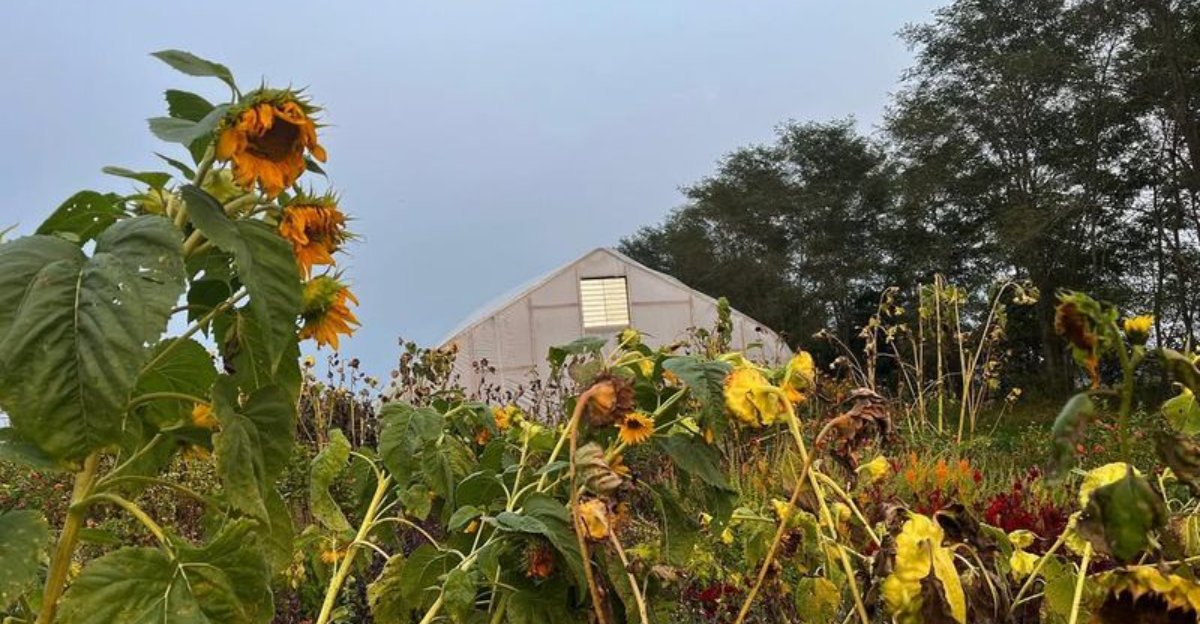
Arizona sunshine is powerful, and while plants need light to grow, too much sun can quietly cause serious damage.
Strong heat, dry air, and intense rays can stress plants faster than many gardeners expect. More sun does not always mean healthier plants. In fact, it can do the opposite.
Leaves can scorch, soil can dry out, and flowers can fade before they ever reach full bloom. Texas isn’t the only state dealing with sun stress, Arizona gardens feel it even more.
Small changes can protect your plants and improve results. A little shade can go a long way.
From choosing the right plant placement to improving soil moisture and using smart watering methods, Arizona gardeners can reduce sun damage without giving up bright outdoor spaces.
When you understand how sunlight really affects your garden, you can grow stronger plants, save water, and enjoy healthier growth all season long.
1. Leaf Scorch And Sunburn On Foliage
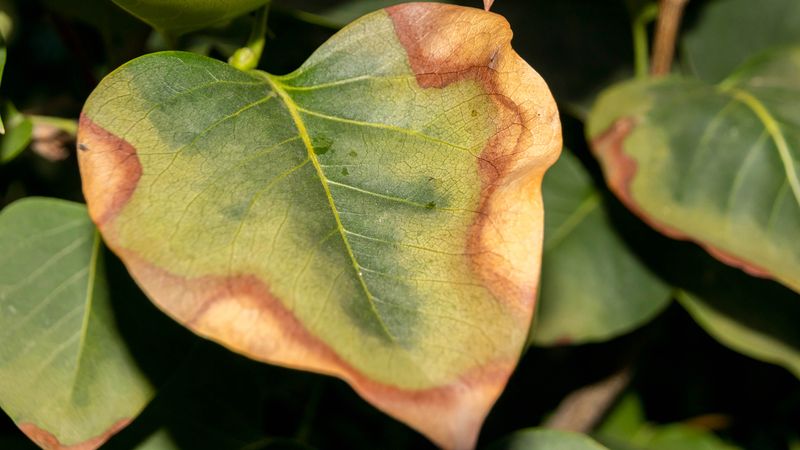
Leaf scorch happens when the sun’s rays become so intense that plant leaves literally get burned, similar to how human skin reacts to too much sun exposure. You will notice brown, crispy edges on leaves or bleached-out spots that look almost white or tan.
This damage occurs because the plant cannot move water fast enough from its roots to its leaves to keep up with the moisture loss from extreme heat.
In Arizona, where summer temperatures regularly climb above 100 degrees, this becomes a common sight in gardens across Phoenix, Tucson, and other cities throughout the state.
The problem gets worse when plants are suddenly exposed to full sun without proper adjustment time. Young seedlings and plants recently moved from shaded nursery conditions are especially vulnerable.
Even desert-adapted plants can suffer when the sun is particularly brutal during June and July. The damage is not just cosmetic either.
Scorched leaves lose their ability to make food through photosynthesis, which weakens the entire plant over time.
Protecting your Arizona garden from leaf scorch requires strategic planning. Consider using shade cloth during the hottest parts of summer, especially over sensitive plants like tomatoes, peppers, and leafy greens.
Plant taller, sun-tolerant species on the south and west sides of your garden to create natural shade for more delicate plants. Morning sun is gentler than afternoon sun, so positioning matters greatly.
Water deeply in the early morning to help plants build up moisture reserves before the heat peaks.
Mulching around plants also helps keep soil cooler and reduces water evaporation, giving roots better access to the moisture leaves desperately need during scorching Arizona afternoons.
2. Soil Moisture Evaporation And Dryness
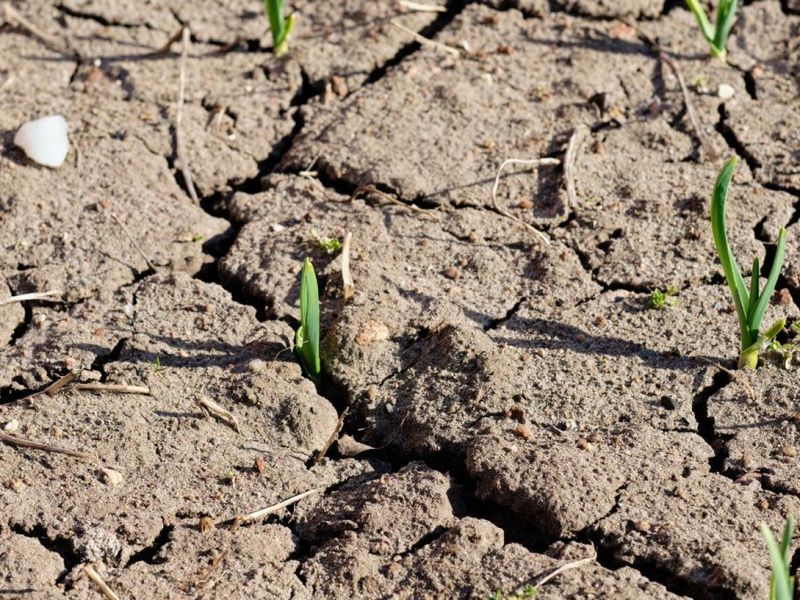
Intense Arizona sunshine does not just affect the leaves you can see above ground. It also creates havoc below the surface by rapidly evaporating moisture from the soil.
When the sun beats down relentlessly on exposed dirt, water disappears much faster than plants can absorb it. This leaves roots struggling in dry, compacted soil that cannot support healthy growth.
The cycle becomes especially vicious during Arizona summers when temperatures soar and humidity drops to single digits in many areas.
Exposed soil in your garden can lose moisture at an alarming rate. Within hours of watering, the top few inches of soil can become bone dry again.
This forces plant roots to work overtime trying to find water deeper in the ground. Shallow-rooted plants suffer the most because they simply cannot reach down far enough.
Vegetables, annual flowers, and newly planted shrubs are particularly at risk. The constant stress of searching for water weakens plants and makes them more susceptible to pests and other problems.
Combating soil moisture loss requires a multi-layered approach in Arizona gardens. Apply a thick layer of organic mulch like wood chips, straw, or shredded bark around your plants.
This acts as a protective blanket that shields soil from direct sun exposure and dramatically slows evaporation. Aim for at least three to four inches of mulch depth.
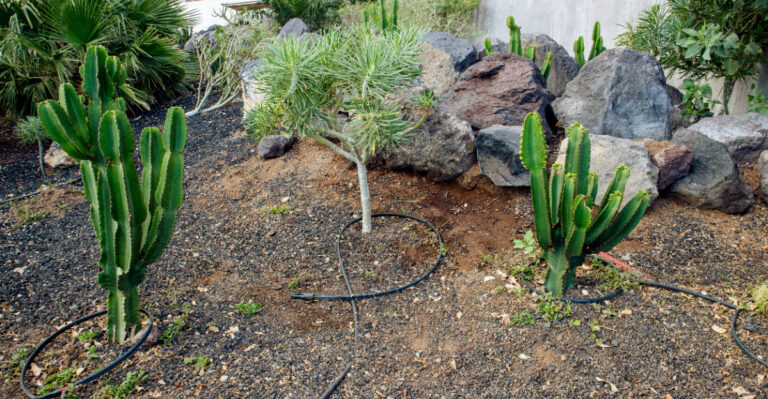
Drip irrigation systems work better than sprinklers because they deliver water directly to root zones with minimal waste. Consider adding compost to your soil to improve its water-holding capacity.
Grouping plants with similar water needs together also helps you manage irrigation more efficiently across your garden space.
3. Root Stress From Overheated Soil
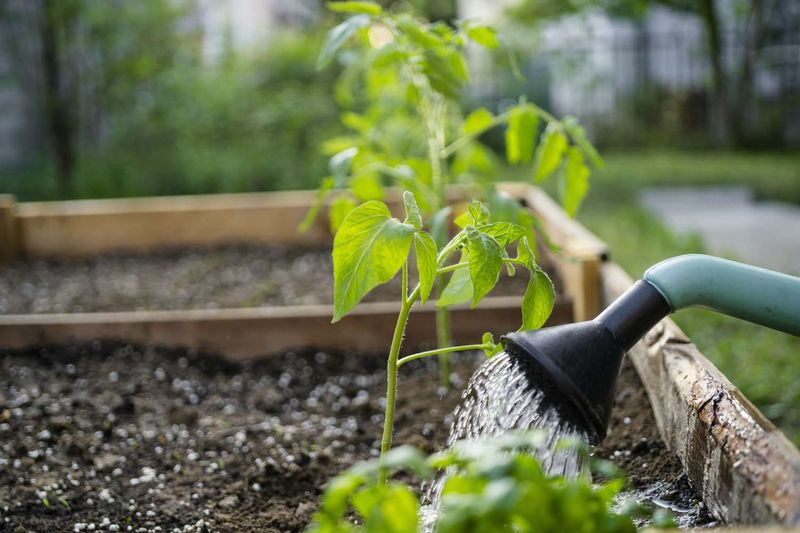
Most gardeners focus on protecting leaves and stems, but roots face their own battle against excessive Arizona sunshine. When soil temperatures climb too high, roots experience stress that can seriously impact the entire plant.
Soil surface temperatures in Arizona can reach 140 to 160 degrees Fahrenheit during summer afternoons. At these temperatures, fine root hairs that absorb water and nutrients start to suffer damage.
The hotter the soil gets, the harder it becomes for roots to function properly, creating a domino effect throughout the plant.
Overheated soil also disrupts the beneficial microorganisms and fungi that help plants absorb nutrients. These tiny helpers cannot survive in extremely hot conditions, which means plants lose important underground allies.
Root growth slows or stops completely when soil temperatures exceed optimal ranges. For most vegetables and flowers, soil temperatures above 85 to 90 degrees Fahrenheit at root depth cause problems.
In Arizona, unprotected garden soil easily surpasses these thresholds during the long summer season from May through September.
Keeping root zones cooler requires thoughtful garden management throughout Arizona. Mulch becomes your best friend again, as it insulates soil and can lower temperatures by 10 to 20 degrees compared to bare ground.
Light-colored mulches reflect more heat than dark ones. Planting ground covers between larger plants creates a living mulch that shades soil naturally.
Raised beds can actually make the problem worse because they heat up faster than in-ground gardens, so consider insulating the sides or choosing in-ground planting instead. Watering in early morning helps cool the soil before afternoon heat arrives.
Strategic placement of hardscaping like pavers or stones should be reconsidered, as these materials absorb and radiate tremendous heat that bakes nearby soil and roots.
4. Increased Water Requirements And Waste
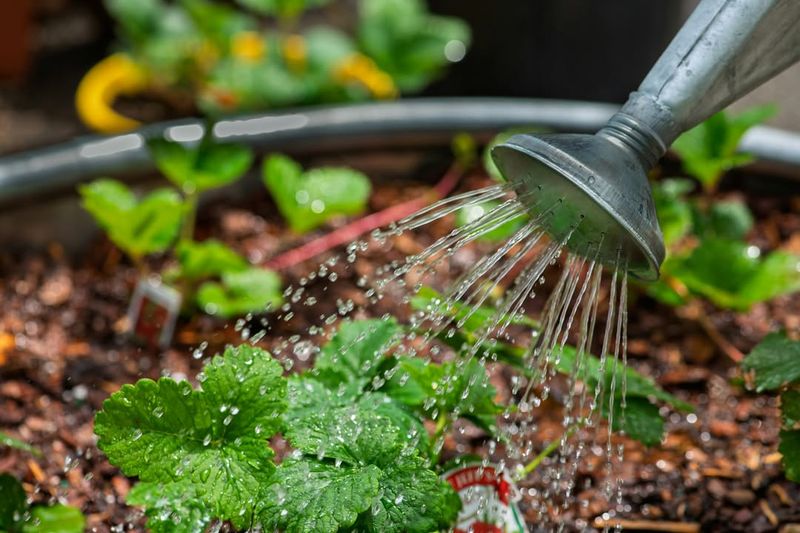
Gardens in Arizona demand significantly more water than those in cooler, cloudier climates, and excessive sun exposure makes this challenge even more difficult. Plants transpire moisture through their leaves as a cooling mechanism, similar to how humans sweat.
When the sun blazes overhead for 14 hours a day during summer, transpiration rates skyrocket. This means plants need far more water just to maintain basic functions.
What would be adequate watering in Seattle or Portland becomes completely insufficient in Scottsdale or Mesa. The water bills tell the story as Arizona gardeners struggle to keep plants hydrated.
The problem extends beyond just needing more water. Much of what you apply gets wasted through evaporation before plants can use it.
Overhead watering during hot parts of the day loses a huge percentage to evaporation before droplets even reach the ground. Water that does reach the soil surface often evaporates quickly rather than soaking down to roots.
This wasteful cycle frustrates gardeners and strains water resources in a state where conservation matters greatly. Arizona faces ongoing water supply challenges, making efficient garden irrigation more important than ever.
Reducing water waste while meeting plant needs takes smart strategies tailored to Arizona conditions. Water during the coolest parts of the day, ideally between 4 AM and 8 AM when evaporation rates are lowest.
Install drip irrigation or soaker hoses that deliver water directly to root zones with minimal loss. Group plants by water needs so you are not overwatering drought-tolerant species while trying to satisfy thirsty ones.
Use moisture meters to check soil wetness before watering rather than following a rigid schedule.
Consider transitioning parts of your garden to native Arizona plants that evolved to thrive with minimal water. Adjust watering amounts seasonally since plants need less during cooler months.
5. Fading And Bleaching Of Flowers
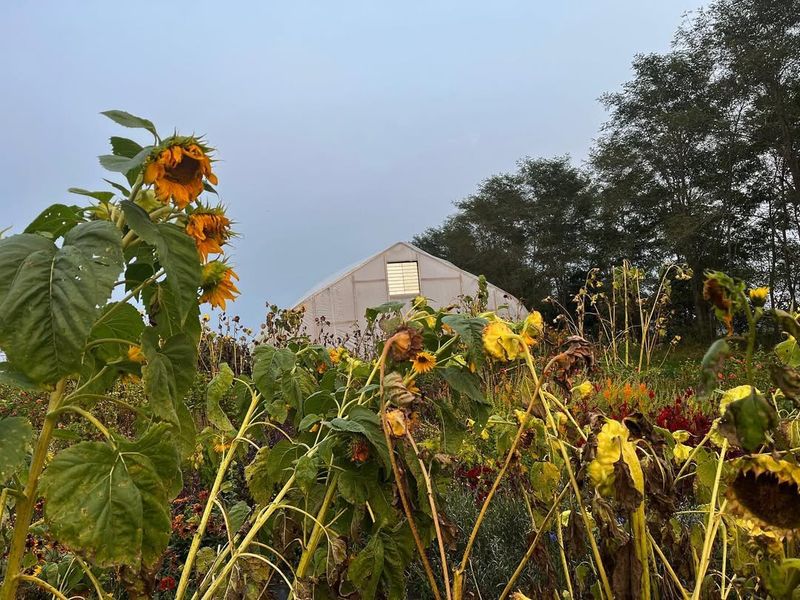
Nothing disappoints a gardener more than watching beautiful blooms fade to washed-out versions of their former glory. Excessive sun exposure causes flower petals to lose their vibrant colors much faster than normal.
The same ultraviolet rays that fade your patio furniture and car paint also break down the pigments in flower petals. What should be deep purple petunias become pale lavender within days.
Bright red roses turn pinkish and papery. This happens throughout Arizona gardens, especially during the intense sun periods of late spring and early summer when the sun angle is high and days are long.
The bleaching effect varies by flower type and color. Darker, richer colors like deep reds, purples, and blues tend to fade faster than lighter shades.
Delicate petals suffer more than thick, waxy ones. Flowers that naturally grow in woodland or partially shaded environments struggle the most under the relentless Arizona sun.
Beyond just looking less attractive, faded flowers often have shorter bloom periods because the sun stress ages them prematurely. Your flowering plants may bloom for days or weeks less than they would in gentler conditions.
Preserving flower color in Arizona gardens requires protective measures and smart plant choices. Afternoon shade makes a tremendous difference, so position flowering plants where they receive morning sun but are shielded during the brutal 2 PM to 6 PM window.
Shade cloth with 30 to 50 percent coverage works wonderfully for container gardens and raised beds. Choose flowers known to hold their color well in heat, such as desert marigolds, lantana, and zinnias that have been bred for hot climates.
Deadhead faded blooms promptly to encourage fresh flowers. Keep plants well-watered and healthy since stressed plants fade faster.
Consider planting flowers in locations near walls or fences that provide natural afternoon shade while still allowing sufficient light for blooming.
6. Stunted Growth And Development Issues
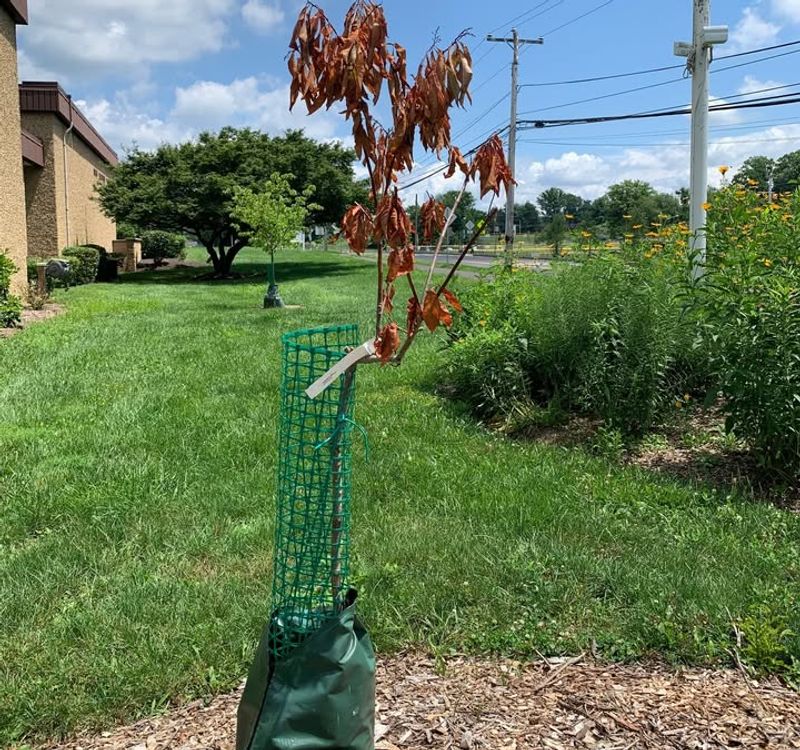
When plants experience constant stress from too much sun, their growth patterns change in ways that can permanently affect their size and productivity. Instead of putting energy into growing taller, producing more leaves, or setting fruit, stressed plants go into survival mode.
They focus all their resources on just staying alive rather than thriving. In Arizona gardens, this manifests as plants that remain small, produce fewer vegetables or flowers, and never reach their expected mature size.
A tomato plant that should grow five feet tall might stop at two feet. Bean plants that should produce abundant pods might give you just a handful.
The science behind this involves how plants allocate their limited resources. Under excessive sun stress, plants close the tiny pores in their leaves called stomata to prevent moisture loss.
While this saves water, it also stops them from taking in carbon dioxide needed for photosynthesis and growth. Simultaneously, overheated roots cannot absorb nutrients efficiently, leaving plants undernourished.
Young plants are especially vulnerable because they have not yet developed extensive root systems or protective mechanisms. Transplants often experience shock and stunted growth when moved into full Arizona sun without gradual adjustment.
Encouraging proper growth despite Arizona sun requires creating optimal conditions from the start. Harden off seedlings and transplants gradually by exposing them to increasing amounts of sun over seven to ten days before planting them in their permanent location.
Provide temporary shade for the first few weeks after transplanting to reduce shock. Choose planting times wisely; many vegetables do better when planted in late summer for fall and winter harvest rather than trying to grow through the brutal summer.
Use season extenders like cold frames or row covers in reverse during extreme heat periods. Feed plants with appropriate fertilizers to ensure they have the nutrients needed for growth, but avoid over-fertilizing which can cause additional stress in hot conditions.
7. Weakened Plant Immunity And Pest Vulnerability
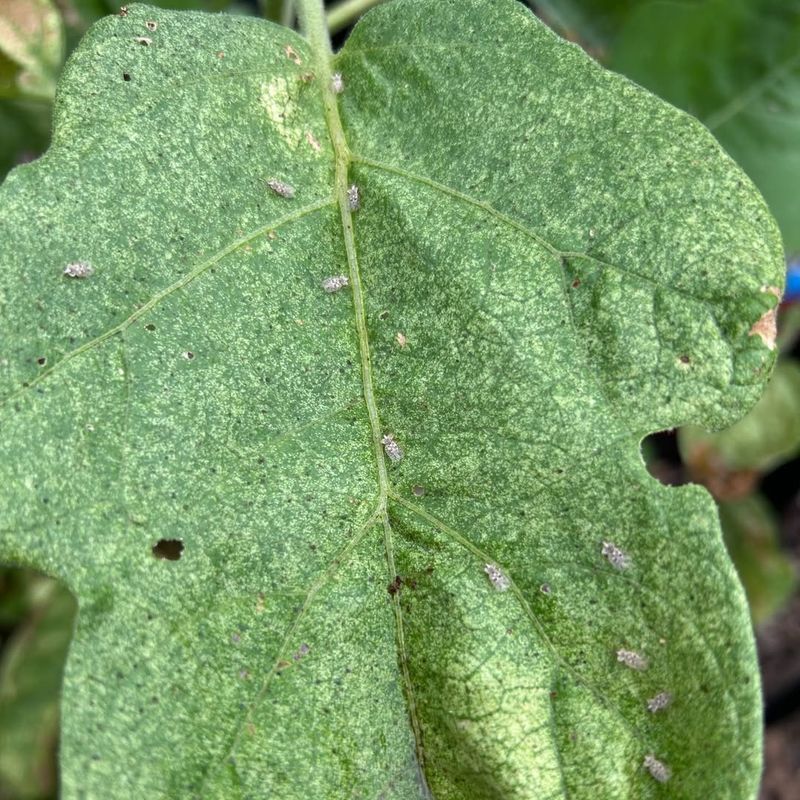
Sun-stressed plants become easy targets for pests and diseases that would not normally pose serious threats. When plants struggle under excessive heat and sun exposure, their natural defense systems weaken significantly.
They produce fewer of the chemical compounds that repel insects or resist fungal infections. It is similar to how humans get sick more easily when run down and exhausted.
In Arizona gardens, this means that plants already battling intense sun often face additional attacks from spider mites, whiteflies, aphids, and various diseases that take advantage of weakened defenses.
The relationship between sun stress and pest problems creates a vicious downward spiral. Stressed plants emit chemical signals that actually attract certain pests.
Spider mites, in particular, thrive in hot, dry conditions and multiply rapidly on sun-stressed plants. They can devastate a garden in days once they establish themselves.
Meanwhile, leaves damaged by sun scorch create entry points for fungal and bacterial infections. Plants lack the energy to heal wounds or fight off invaders when they are already using all their resources just to survive the heat.
Arizona gardeners often notice pest problems escalating during the hottest months when sun stress peaks.
Building plant resilience against both sun stress and pests requires an integrated approach. Start with proper plant selection by choosing varieties bred for heat tolerance and pest resistance.
Healthy, well-watered plants naturally resist pests better, so maintain consistent moisture levels without overwatering. Inspect plants regularly for early signs of pest problems when they are easier to control.
Beneficial insects like ladybugs and lacewings help control pest populations naturally. Avoid using broad-spectrum pesticides that harm beneficial insects along with pests.
Provide adequate nutrition through compost and appropriate fertilizers so plants have resources to maintain their defenses.
Reduce overall stress through shade, mulch, and proper watering as discussed in previous sections, since a plant under less stress naturally fends off problems more effectively in Arizona gardens.