This Is The Best Time To Plant Kiwi In Texas
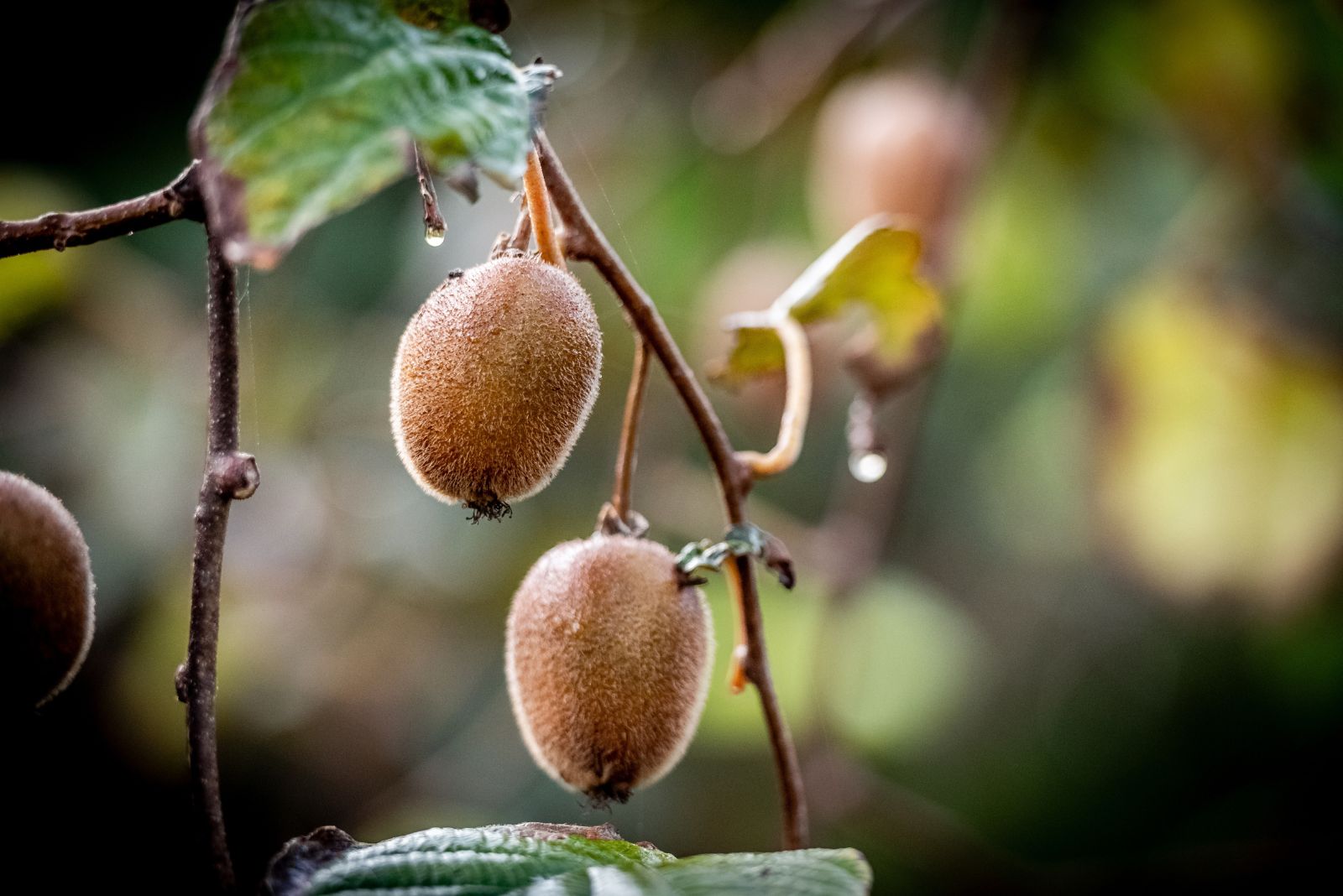
Growing kiwi in Texas might sound unusual, but with the right timing, this unique fruit vine can thrive and produce surprisingly well. Kiwi plants are vigorous growers that need a strong start, warm soil, and enough time to establish before intense summer heat arrives.
Planting at the right moment helps roots settle, encourages steady growth, and improves the chances of healthy vines that can handle Texas weather.
Plant too early and cool soil may slow development, while planting too late can expose young plants to stressful heat before they are ready.
Finding that perfect window makes all the difference for long term success. With proper timing and a little care, kiwi vines can reward you with lush growth, attractive foliage, and the potential for delicious fruit in the seasons ahead.
A well timed planting gives your Texas garden something unique, productive, and truly eye catching to enjoy year after year.
1. Why Timing Matters For Growing Kiwi In Texas?
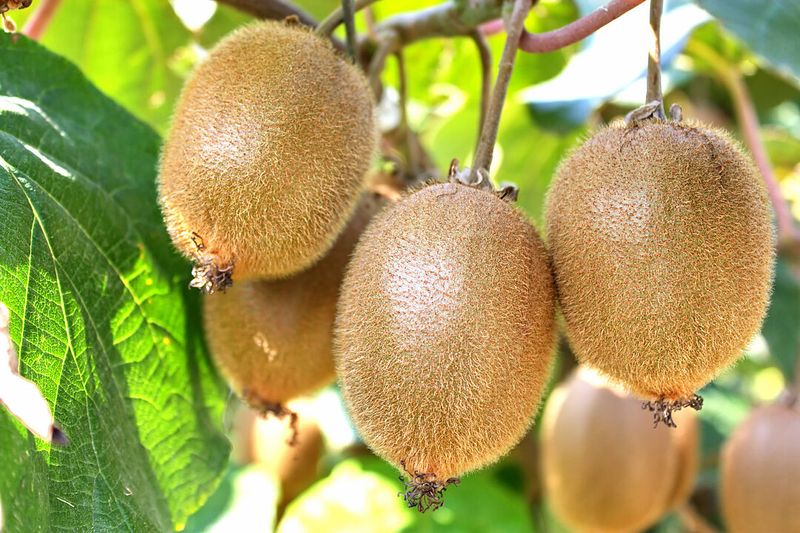
Texas weather can be harsh and unpredictable, which makes timing absolutely critical when planting kiwi vines. These plants need a gentle introduction to their new home, not a baptism by fire under the scorching summer sun.
When you plant at the right time, your kiwi gets weeks or even months to develop a strong root system before facing extreme temperatures.
Planting too early exposes tender young vines to late frosts that can damage new growth. Waiting too long means your plant arrives just as summer heat ramps up, forcing it to fight for survival instead of focusing on root establishment.
Think of it like moving to a new city – you want time to settle in before tackling big challenges.
Kiwi vines are vigorous growers once established, but they need that initial adjustment period. In Texas, this means catching the sweet spot between winter cold and summer heat.
The soil temperature matters just as much as air temperature because roots need warmth to grow but not so much heat that they become stressed.
Different varieties have different cold requirements too, which we’ll cover later. Hardy kiwi can handle more cold than fuzzy varieties, but both need careful timing in Texas.
North Texas gardeners face different conditions than those in South Texas, so your specific location within the state plays a major role.
Getting the timing right sets your kiwi vine up for years of healthy growth and fruit production. Miss that window, and you might spend the whole first season just keeping your plant alive.
The good news is that once you know the ideal planting period, success becomes much more likely across all regions of Texas.
2. The Ideal Planting Window In Texas
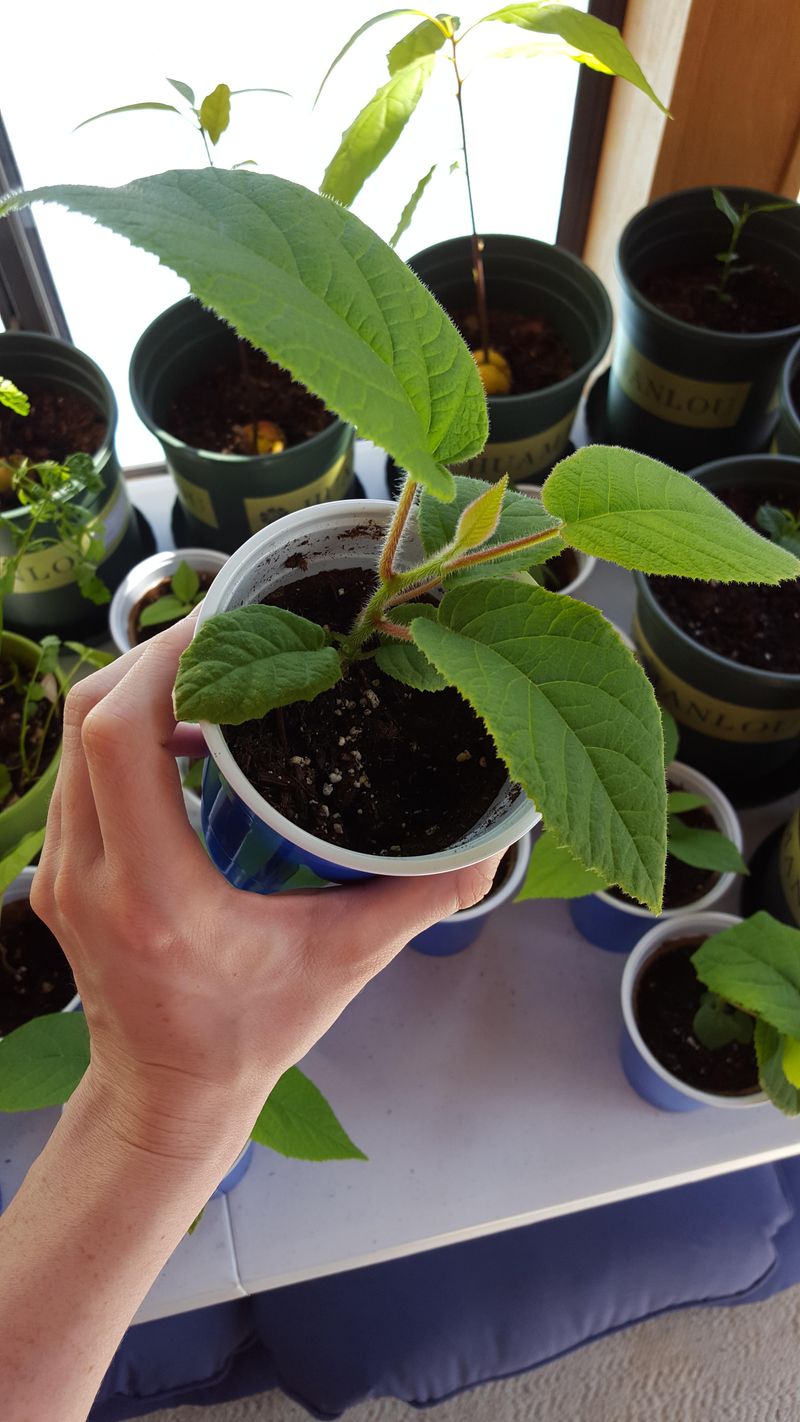
Late February through March represents the golden window for planting kiwi vines throughout most of Texas. This timeframe gives your plants the best possible start because temperatures are mild and the soil is warming up nicely.
Your kiwi vine gets several weeks to establish roots before summer arrives with its intense heat and drought conditions.
Soil temperature becomes just as important as air temperature during this period. Kiwi roots grow best when soil reaches around 50 to 60 degrees Fahrenheit, which typically happens in late winter across Texas.
You can check soil temperature with an inexpensive thermometer from any garden center.
In South Texas, you might even start planting in mid-February since spring arrives earlier in those regions. Central Texas gardeners should aim for late February to early March.
North Texas residents might want to wait until mid-March to avoid late frost surprises that can damage tender new growth.
This planting window also coincides with increased rainfall in many parts of Texas, which helps newly planted vines establish without requiring constant watering. Natural spring rains do much of the work for you, reducing the burden on your garden hose and water bill.
Another advantage of this timing is that nurseries and garden centers stock their best selection of fruit plants during early spring. You’ll find healthier specimens and more variety options compared to planting later in the season.
The plants are fresh from growers and haven’t been sitting in containers through harsh weather.
Avoid planting after April in most Texas locations because summer heat arrives quickly and young vines struggle. That initial establishment period is crucial, and planting during the ideal window gives your kiwi the best chance to thrive in the challenging Texas climate.
3. Choosing The Right Kiwi Variety For Texas
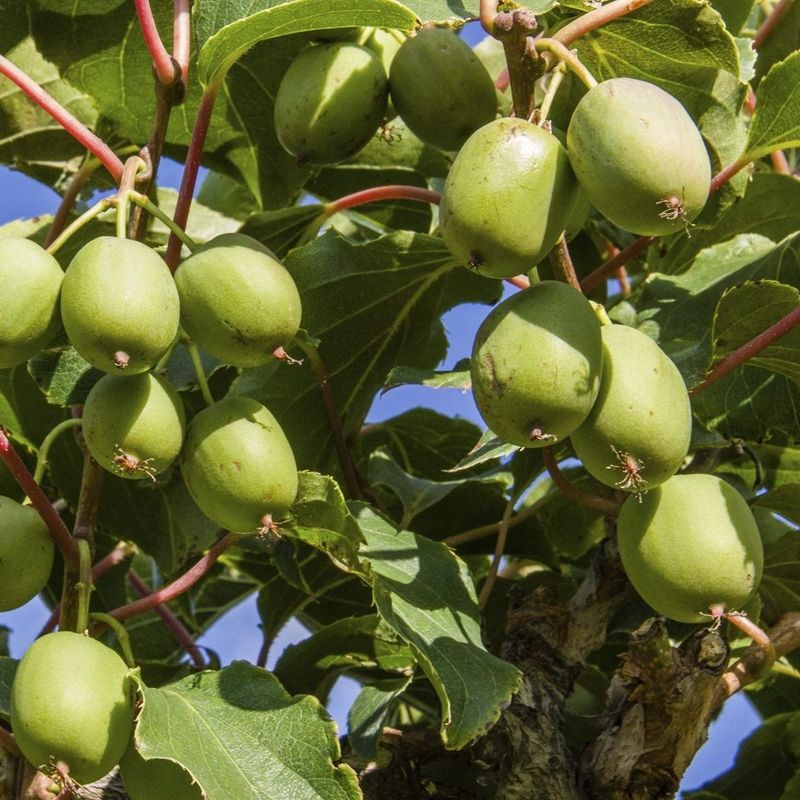
Not all kiwi varieties can handle Texas conditions, so selecting the right type makes a huge difference in your success.
Hardy kiwi, also called Actinidia arguta, tolerates heat better than traditional fuzzy kiwi and produces smooth-skinned, grape-sized fruits that taste incredibly sweet.
These varieties often perform better across most Texas regions because they handle temperature swings more gracefully.
Fuzzy kiwi, the kind you see in grocery stores, can grow in Texas but requires more attention and works best in North Texas where cooler winters provide adequate chill hours.
These plants need a certain amount of cold weather each year to produce fruit properly. Without enough chill hours, your vine might grow beautifully but never bear fruit.
North Texas gardeners have the most flexibility because cooler winters support both hardy and fuzzy varieties. Central Texas works well for hardy kiwi but can be challenging for fuzzy types unless you choose low-chill varieties specifically bred for warmer climates.
South Texas gardeners should stick with hardy kiwi or specialty low-chill varieties developed for subtropical conditions.
Heat tolerance varies significantly between varieties too. Some hardy kiwi cultivars handle intense summer temperatures better than others.
Look for varieties described as heat-tolerant or suitable for southern growing zones when shopping for plants in Texas.
One critical factor many beginners overlook is that kiwi vines need both male and female plants to produce fruit. Most varieties require one male plant for every six to eight female plants.
The male provides pollen but doesn’t produce fruit itself, while females bear the actual kiwi. Some nurseries sell self-fertile varieties, but these are less common and often produce smaller crops.
Check with local Texas nurseries or extension offices for variety recommendations specific to your county. They can suggest proven performers that handle your local climate conditions and soil types effectively.
4. Best Growing Conditions For Successful Establishment
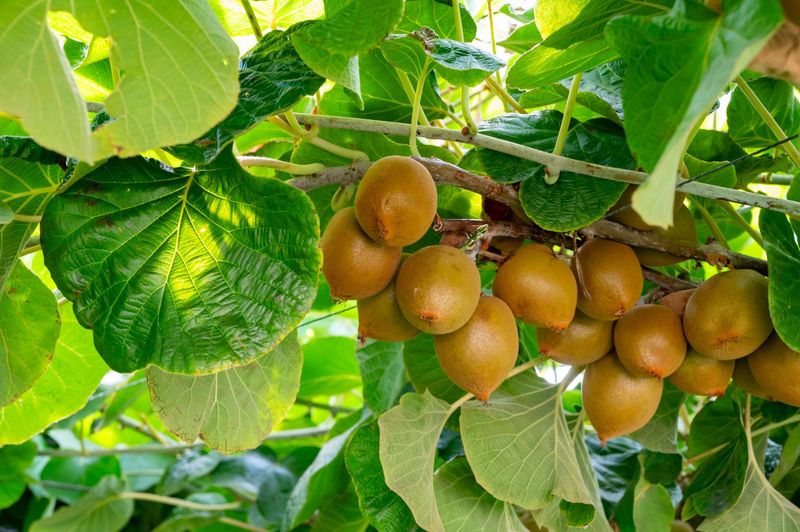
Sunlight requirements for kiwi vines are flexible, which works well for Texas gardens with varying conditions.
Full sun produces the most fruit, but partial shade during the hottest part of the afternoon actually helps plants in South and Central Texas survive brutal summer temperatures.
Aim for at least six hours of direct sunlight daily, preferably morning sun rather than intense afternoon rays.
Soil quality matters tremendously for kiwi success in Texas. These vines prefer well-drained, fertile soil that’s slightly acidic with a pH between 5.5 and 7.0.
Texas soils vary widely across the state, from alkaline clay in some areas to sandy loam in others. Testing your soil before planting helps you make necessary amendments.
Adding compost or aged manure improves soil structure and provides nutrients that support vigorous growth. If your soil drains poorly, consider planting in raised beds or mounds to prevent root rot.
Kiwi vines hate soggy feet and will struggle in heavy clay that stays waterlogged. Watering during the establishment period requires consistency without overdoing it. Young plants need regular moisture to develop roots but can’t tolerate standing water.
Water deeply once or twice weekly during dry spells, adjusting based on rainfall. Once established after the first growing season, kiwi vines become more drought-tolerant but still appreciate consistent moisture during fruit development.
Perhaps the most important growing condition is providing a strong support structure right from the start. Kiwi vines grow vigorously and can become quite heavy with foliage and fruit.
Install a sturdy trellis, arbor, or fence before planting so roots aren’t disturbed later. The support should be at least six feet tall and capable of holding substantial weight.
Space plants about ten feet apart along your trellis system to allow for mature spread. Proper spacing improves air circulation, which reduces disease problems in humid Texas climates.
5. Common Planting Mistakes To Avoid
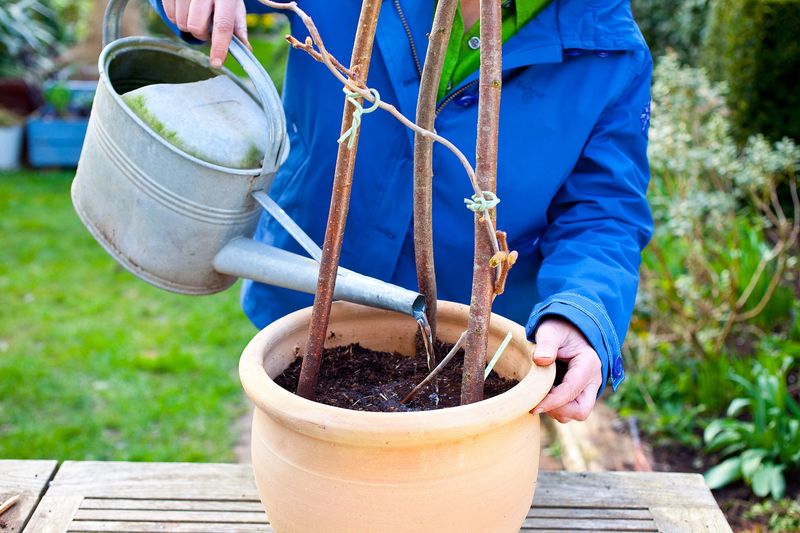
Waiting too long to plant ranks as the most common mistake Texas gardeners make with kiwi vines. Planting in late spring or summer when temperatures are already climbing puts unnecessary stress on young plants.
They spend all their energy trying to survive rather than establishing the root system needed for long-term success. Always stick to that late February through March window for best results in Texas.
Poor drainage causes more kiwi failures than almost any other factor. These vines absolutely cannot tolerate waterlogged soil, yet many Texas gardeners plant in heavy clay without improving drainage first.
If water puddles in your planting area after rain, you need to either amend the soil heavily or choose a different location. Raised beds solve this problem effectively.
Overwatering newly planted kiwi is surprisingly easy to do, especially when gardeners panic during hot weather. While young vines need consistent moisture, they don’t need daily watering unless conditions are extremely dry.
Too much water encourages shallow root growth and increases the risk of root diseases. Check soil moisture before watering – if it’s still damp an inch below the surface, wait another day.
Forgetting to plant a pollination partner frustrates many gardeners who wonder why their beautiful vine never produces fruit. Remember that most kiwi varieties require separate male and female plants.
The male won’t bear fruit, but without it, your female vines won’t either. Plant at least one male for every group of female vines.
Inadequate support structures cause problems as vines mature and become heavy. Installing a flimsy trellis or trying to add support later damages roots and limits growth.
Build strong support before planting, using sturdy posts and heavy-gauge wire or wooden beams. Your structure should last for decades because kiwi vines are long-lived perennials.
Skipping soil testing leads to pH problems that limit nutrient availability. Texas soils often lean alkaline, while kiwi prefers slightly acidic conditions. Simple amendments can fix this, but only if you know what you’re starting with.
6. What To Expect After Planting
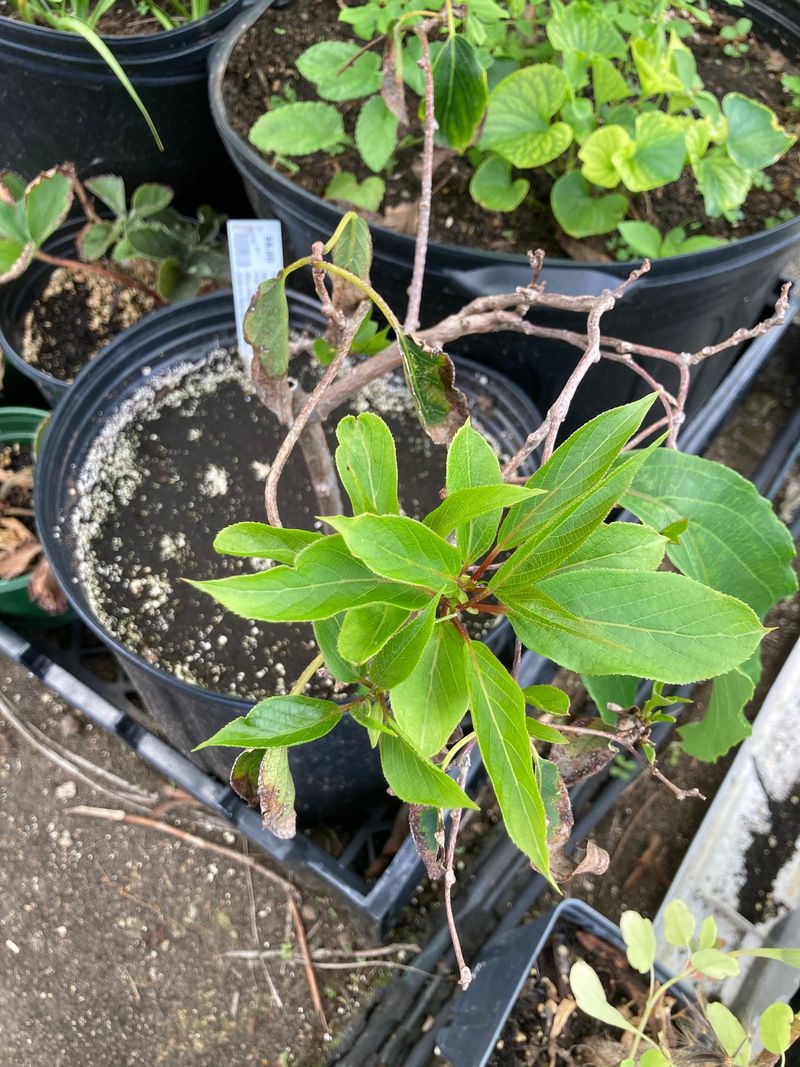
Patience becomes your most valuable asset after planting kiwi in Texas because these vines take time to reach full production. During the first growing season, your plant focuses entirely on root development and establishing itself in its new location.
You’ll see moderate vine growth, but don’t expect fruit yet. This establishment period is completely normal and necessary for long-term success.
By the second year, growth accelerates dramatically as roots spread and the plant gains strength. Vines can grow several feet during the growing season, quickly covering your trellis structure.
You might see a few flowers, but most varieties won’t produce significant fruit until the third or fourth year after planting. Hardy kiwi often fruits slightly earlier than fuzzy varieties.
The wait feels long, but once kiwi vines start producing, they can continue for twenty years or more with proper care. That initial investment of time pays off with decades of fresh fruit right from your Texas garden.
Most mature vines produce anywhere from 50 to 100 pounds of fruit annually, depending on variety and growing conditions.
Seasonal care requirements change as your vine matures. Spring brings pruning time when you remove dry wood and shape the plant to fit your trellis.
Summer requires consistent watering during fruit development, especially during typical Texas droughts. Fall is harvest season, usually from late summer through October in most Texas regions. Winter allows for major pruning when vines are dormant.
Fertilizing supports healthy growth and fruit production. Apply a balanced fertilizer in early spring as new growth begins, then again in early summer.
Avoid fertilizing after July because late-season growth doesn’t harden off properly before winter, making vines more susceptible to cold damage.
Watch for common pests like spider mites and Japanese beetles, though kiwi generally has fewer pest problems than many fruit crops. Proper spacing and good air circulation prevent most disease issues in Texas gardens.