This Is The Best Time To Transplant Tomato Seedlings Into Bigger Pots In Ohio
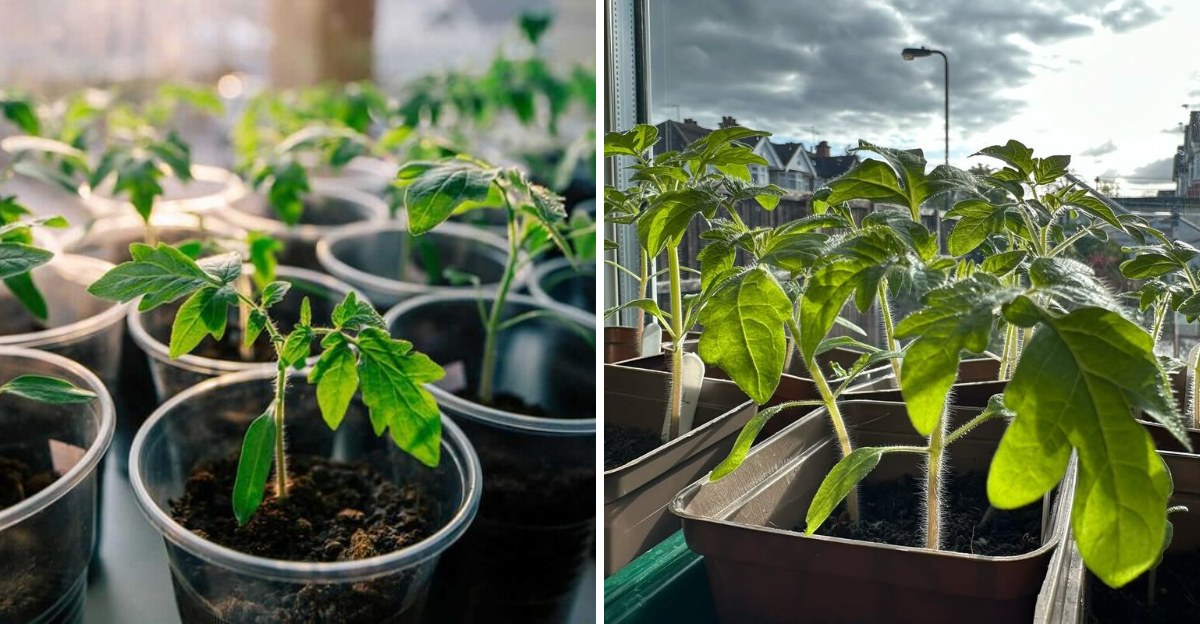
Ohio tomato growers, that tiny seedling in your window is about to make a big decision. Stay cramped too long and growth slows down.
Move up at the right moment and roots explode with strength. Most gardeners guess when to transplant into larger pots and that guess often costs them healthier plants later.
There is a clear sign your tomatoes give when they are ready for more space, and it shows up fast this time of year. Catch it early and your plants grow thicker stems, deeper roots, and better balance before heading outside.
Ignore it and you may fight weak growth all season. If you want indoor tomatoes that look sturdy, not stretched and floppy, this timing trick can change everything for your spring garden.
1. Watch For True Leaves, Not Just Height
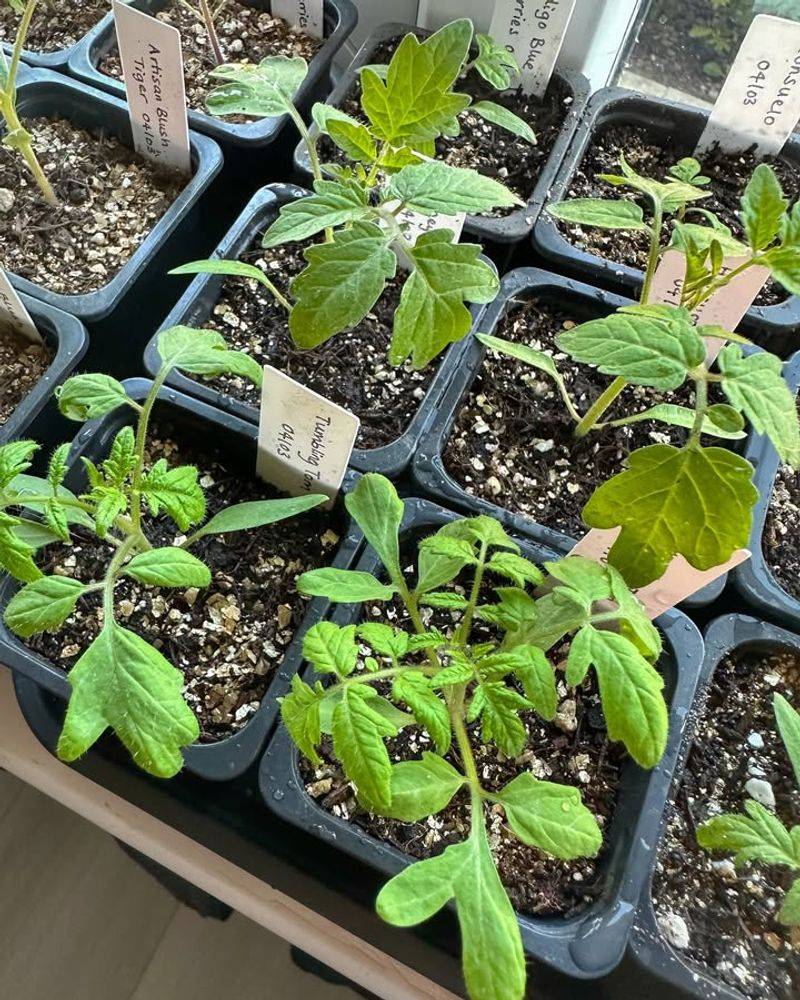
You walk past your seed tray under the basement grow lights and notice the little green shoots standing taller each day. Some gardeners assume height means the seedlings are ready for transplanting, but that assumption leads to weak plants.
The real signal comes from counting leaves, not measuring inches.
True leaves look different from the first pair of seed leaves, which are smooth and oval. Once your tomato seedlings develop one to two sets of true leaves with serrated edges, they have enough energy reserves and root development to handle the stress of transplanting.
Rushing this step when plants only show their first cotyledons can shock them and slow growth for weeks.
Ohio gardeners often start seeds indoors six to eight weeks before the last frost, which means your seedlings spend considerable time under lights. During that window, watching leaf development rather than stem length keeps you on track.
Crowded trays under limited light can cause leggy growth, making seedlings look ready when they are not.
After you transplant seedlings with true leaves established, you typically notice stronger stems and faster root expansion. That early patience pays off with plants that transition smoothly into larger containers and eventually into your outdoor garden beds across northern, central, or southern Ohio.
2. Transplant Before Roots Become Crowded
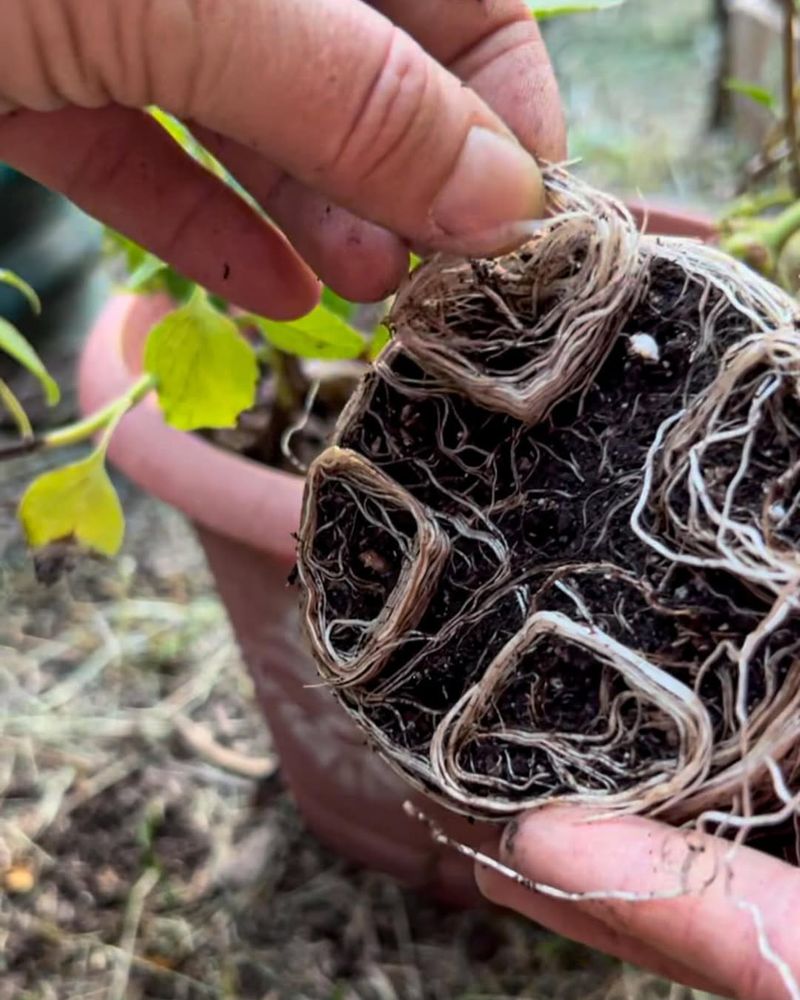
Peeking underneath your seed tray, you spot white roots poking through the drainage holes. Check for circling roots inside the cell, which is the true sign of root binding and confirms the seedlings have outgrown their starting cells. Waiting too long after roots emerge from the bottom can lead to root-bound plants that struggle to establish once moved.
Root systems develop quickly once true leaves appear, and tomato seedlings are especially vigorous. When roots circle around the inside of a small cell, they form a tangled mass that has trouble spreading outward even after transplanting.
This crowding limits nutrient uptake and water absorption, weakening the plant before it ever sees sunlight outdoors.
In Ohio, where indoor growing windows stretch from late February through early April depending on your region, checking root development every few days keeps you ahead of the problem. Gently tipping a seedling out of its cell reveals whether roots are just reaching the edges or already wrapping around themselves.
Transplanting right when roots begin to fill the container but before they spiral ensures a smooth transition.
After moving seedlings into larger pots at this stage, you usually see rapid new growth within a week. The roots spread freely into fresh potting mix, and the stems thicken as the plant channels energy into building a strong foundation for outdoor planting later in spring.
3. Time Potting Up With Ohio’s Indoor Growing Window
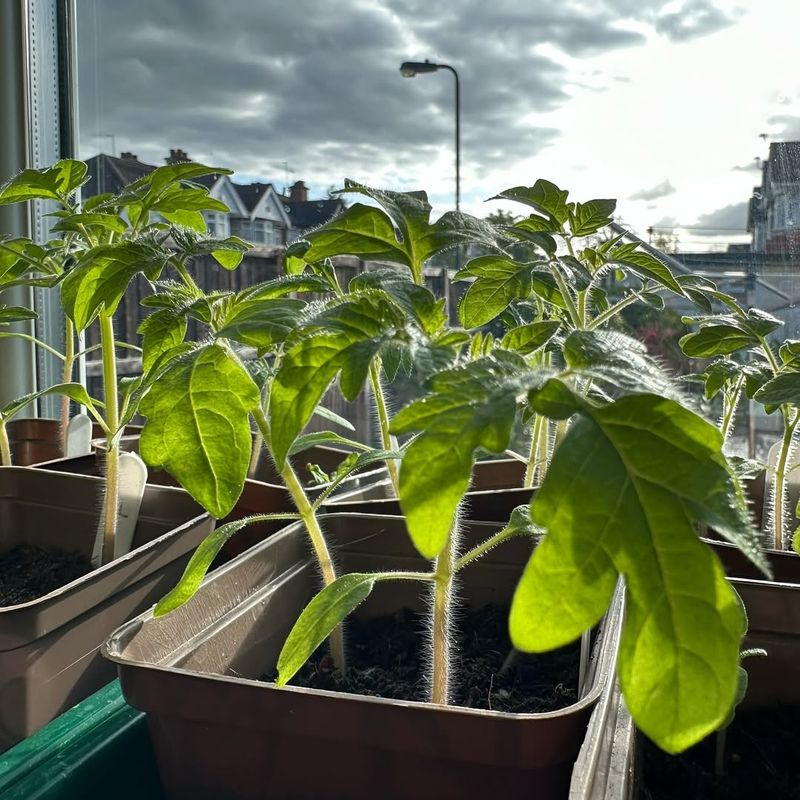
Your calendar reminds you that Ohio’s last frost dates vary widely depending on where you live. Northern Ohio gardeners often face frost until mid-May, while southern Ohio growers can plant outdoors by late April.
Central Ohio falls somewhere in between, and this regional difference shapes your entire indoor growing schedule.
Starting tomato seeds indoors six to eight weeks before your expected last frost gives seedlings enough time to mature without outgrowing their containers. If you transplant into bigger pots too early, you end up with large plants that have nowhere to go while cold weather lingers.
Transplanting too late leaves seedlings cramped and stressed right when they should be building strength.
Planning backward from your local last frost date helps you map out the ideal potting-up window. Most Ohio gardeners transplant seedlings into larger containers about two to four weeks after germination, depending on light and temperature, which aligns with true leaf development and root expansion.
This timing leaves enough indoor growing time for roots to fill the new pot before hardening off begins.
After you match your transplanting schedule to Ohio’s spring climate, you avoid the frustration of plants that are either too small or too large at outdoor planting time.
Seedlings reach the garden at the perfect size, with robust root systems ready to handle the transition into soil and full sun.
4. Choose The Right Pot Size For Strong Roots
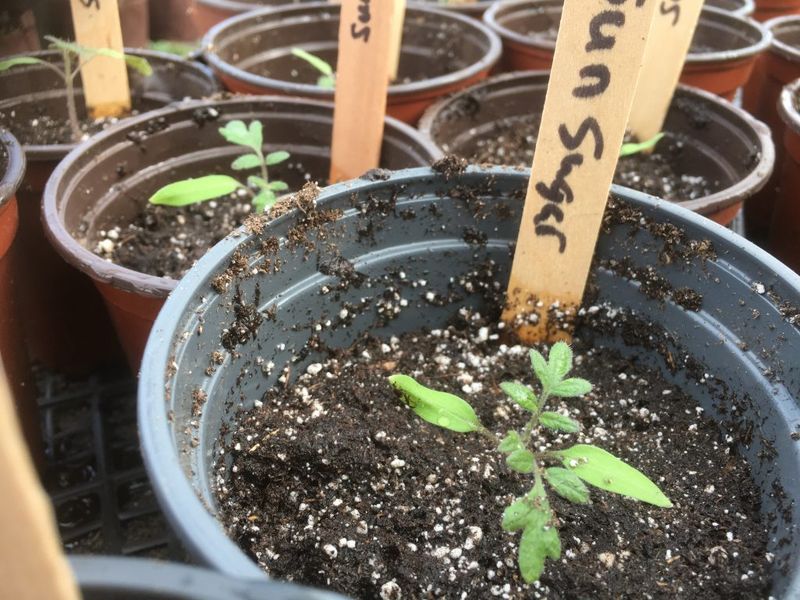
Standing in front of your stack of empty containers, you wonder whether to use three-inch pots or jump straight to gallon-sized containers. Pot size matters more than many gardeners realize, because tomato roots need enough space to grow without being overwhelmed by excess soil that stays too wet.
Transplanting seedlings from small cells into pots that are three to four inches in diameter gives roots room to expand while keeping soil moisture manageable. Containers that are too large hold more water than young roots can absorb, creating conditions that encourage fungal issues and slow growth.
Containers that are too small force another round of transplanting, which adds unnecessary stress.
Ohio gardeners working in basements or spare rooms often prefer intermediate pot sizes because they fit neatly under grow lights and on shelving. A three- or four-inch pot provides enough space for roots to develop over the three to four weeks remaining before hardening off begins.
If your outdoor planting date is delayed by a late frost, you can always move plants into 4–5 inch or 1-quart containers if needed without major disruption.
After you pot up seedlings into appropriately sized containers, you typically notice faster growth and greener foliage. The roots spread evenly through the new soil, and the plants respond with thicker stems and more leaf sets, preparing them for the rigors of outdoor life in Ohio gardens.
5. Bury Stems Deeper For Stronger Tomato Plants
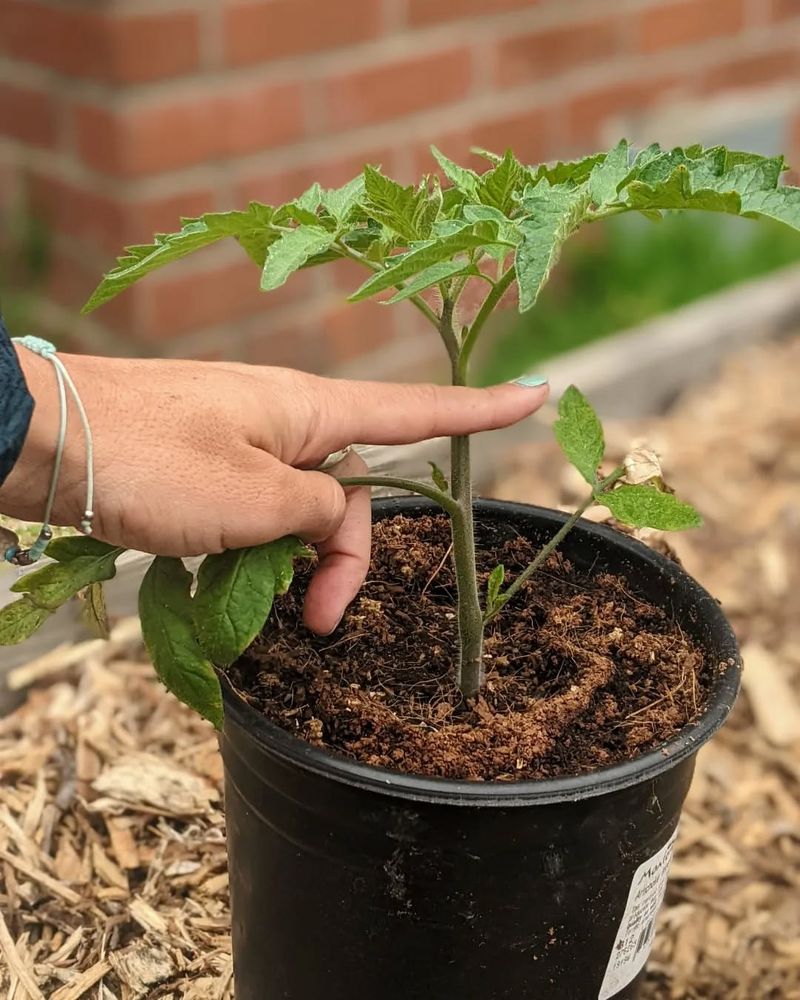
Holding a leggy seedling in your hand, you notice the long, pale stem stretching from the soil line to the first set of leaves. Many gardeners worry that burying part of the stem will harm the plant, but tomatoes have a unique ability to grow roots along any buried portion of their stems.
Transplanting your seedlings deeper than they sat in their original cells encourages additional root development along the buried stem. This technique transforms a tall, spindly seedling into a stronger plant with a more extensive root system.
The extra roots improve water and nutrient uptake, making the plant more resilient once it moves outdoors.
Ohio indoor growing conditions, especially limited natural light from windows, can cause seedlings to stretch as they search for more light. Even under grow lights, some varieties naturally grow taller than others.
Burying the stem up to the first set of true leaves compensates for legginess and gives the plant a fresh start in its new container.
After you transplant seedlings with buried stems, you usually see the plants stiffen and stand more upright within a week. New roots emerge along the buried section, anchoring the plant and boosting its overall vigor.
This simple step makes a noticeable difference in plant health and productivity later in the season across all regions of Ohio.
6. Water Immediately After Transplanting
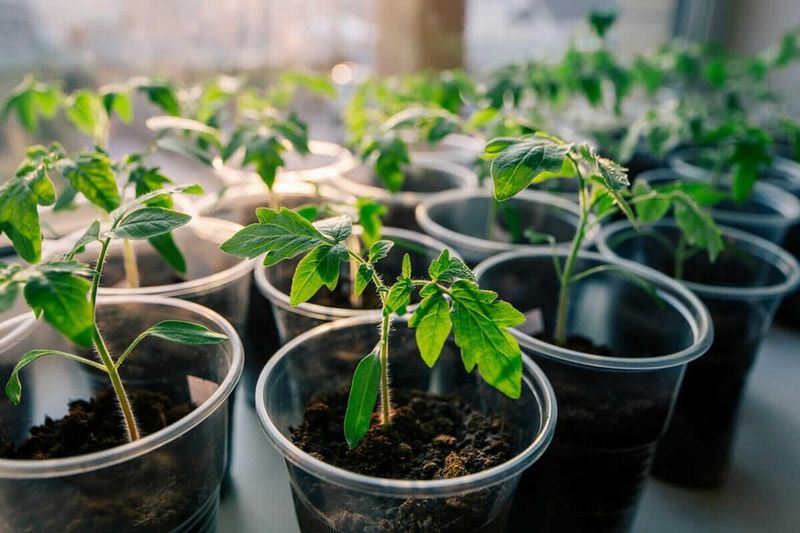
Your freshly transplanted seedlings sit in their new pots on the potting bench, and you reach for the watering can. Watering right after transplanting is not optional, because it settles the soil around the roots and eliminates air pockets that can cause roots to dry out.
Roots need direct contact with soil particles to absorb water and nutrients, and air gaps interrupt that contact. Watering thoroughly after transplanting ensures the potting mix surrounds every root, giving the plant immediate access to moisture.
This step also helps reduce transplant shock, which can slow growth and weaken seedlings during a critical development phase.
Ohio gardeners working indoors often use watering cans with narrow spouts to control the flow and avoid washing soil away from the stem. Watering until you see moisture draining from the bottom of the pot confirms that the entire root zone is saturated.
After the initial watering, allowing the top inch of soil to dry slightly before watering again prevents overwatering and encourages roots to grow deeper.
After you water newly transplanted seedlings, you typically notice them perk up within a few hours. The leaves regain their firmness, and the stems stand straighter as the roots begin to settle into the new potting mix.
This immediate care sets the stage for strong growth over the remaining weeks indoors before your Ohio garden is ready for outdoor planting.
7. Provide Extra Light After Potting Up
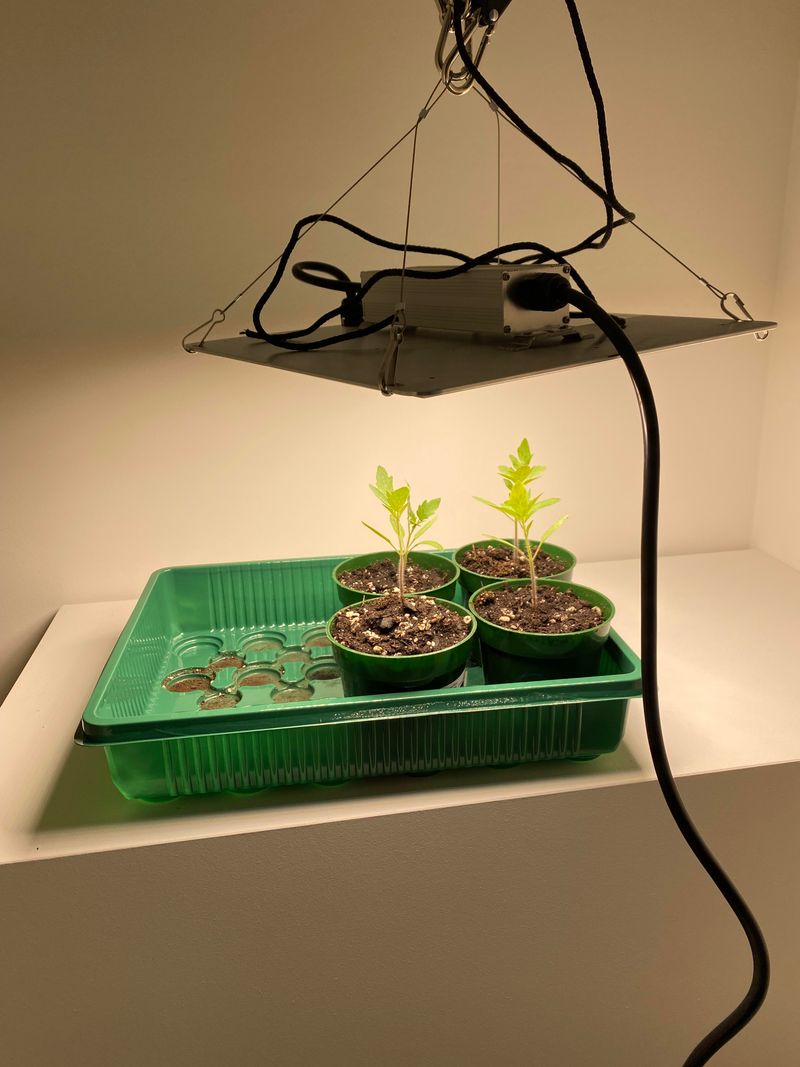
Your seedlings sit under the grow lights, but after transplanting you notice some of them leaning toward the light source. Transplanting stresses plants temporarily, and they need consistent, strong light to recover quickly and resume vigorous growth.
Light intensity and duration directly affect how well tomato seedlings rebound from transplanting. Providing 14 to 16 hours of light each day keeps plants compact and encourages photosynthesis, which fuels root development and new leaf production.
If light levels drop or the duration shortens, seedlings stretch and weaken, undoing the benefits of transplanting into larger pots.
Ohio gardeners relying on basement or garage setups often adjust grow light height: two to three inches for fluorescent or shop LEDs; high-output LEDs are usually kept 6–12 inches away. As seedlings grow taller in their new pots, raising the lights or lowering the plants keeps the light intensity consistent.
Window-grown seedlings benefit from rotation every few days to prevent one-sided growth and ensure even development.
After you provide extra light following transplanting, you usually see seedlings resume active growth within a few days. New leaves emerge at a steady pace, and stems thicken as the plants build the strength needed for outdoor conditions.
This attention to light management keeps your tomatoes on track for a successful transition into Ohio gardens when spring weather finally arrives.
8. Avoid These Common Potting-Up Mistakes
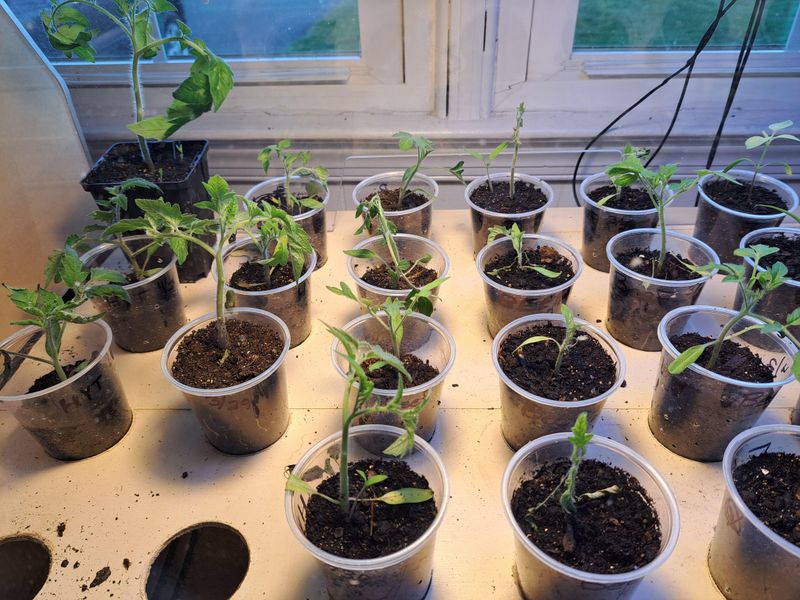
You stand at your potting bench, ready to transplant, but a few common mistakes can turn this straightforward task into a setback. Learning what to avoid helps you give your seedlings the best chance at thriving through the rest of their indoor growing period.
One frequent error is using garden soil instead of potting mix. Garden soil compacts in containers, limiting air flow to roots and causing drainage problems.
Potting mix stays loose and light, providing the structure tomato roots need. Another mistake is handling seedlings by their stems instead of their leaves, which can crush delicate tissue and damage the plant.
Ohio gardeners sometimes transplant on a sunny afternoon when temperatures rise, causing seedlings to wilt quickly. This matters mainly for outdoor transplanting; indoor potting is less affected by time of day.
Overfilling pots with soil leaves no room for watering, while underfilling exposes roots to air and drying. Filling containers to about an inch below the rim creates the right balance.
After you avoid these pitfalls, you typically see seedlings recover faster and grow more vigorously. Plants transplanted with care develop strong root systems and healthy foliage, setting the stage for productive outdoor growth once Ohio’s spring weather stabilizes and your garden beds are ready for planting.