This Is The Best Way To Grow Marsh Marigolds In Ohio
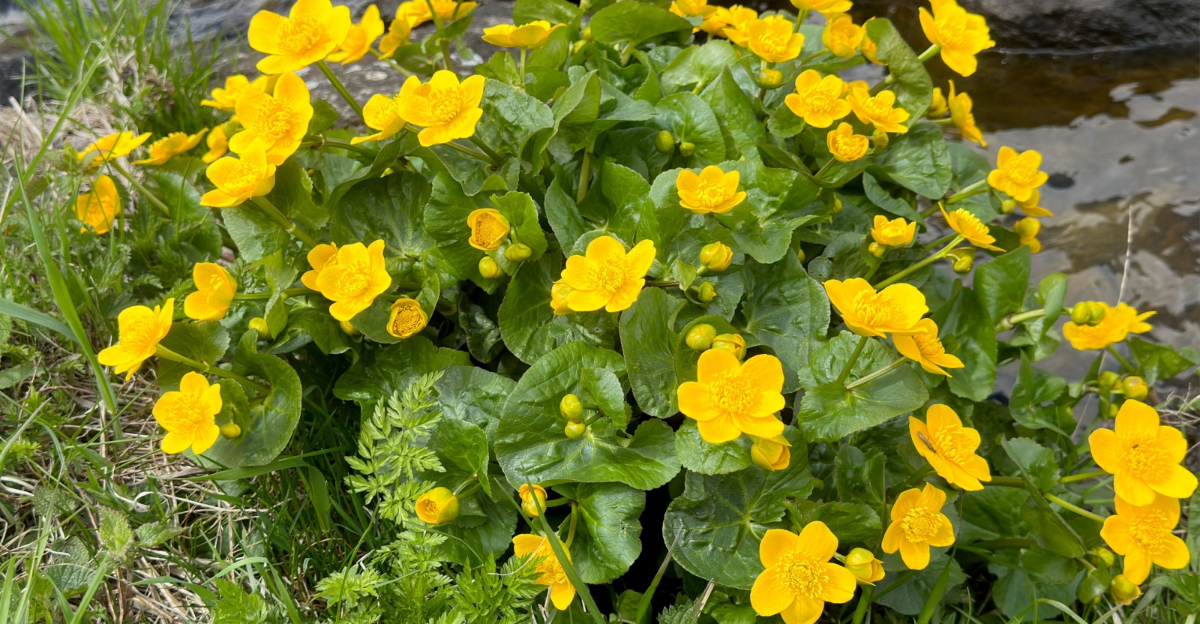
Long before most garden plants wake up, a flash of bright yellow begins appearing across Ohio’s wet woodlands and stream edges. Marsh marigolds rise from cold, soggy soil and burst into bloom while winter still lingers in the air, lighting up the landscape like tiny pools of sunshine.
In the right garden setting, these native wildflowers can create the same striking effect. Their glossy green leaves and cheerful early blooms transform damp corners of the yard into something far more vibrant just as spring begins.
Many gardeners struggle with low spots that stay wet after snowmelt or spring rain. Marsh marigolds thrive in exactly those conditions.
When planted where moisture lingers and shade softens the midday sun, they return every year with a burst of color that feels like the true beginning of spring in Ohio.
1. Choose A Moist Spot With Partial Shade
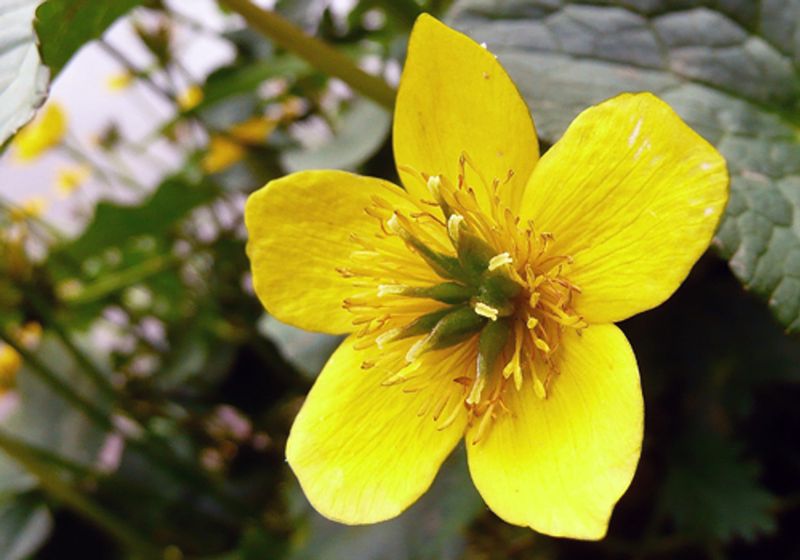
By early April, marsh marigolds begin appearing across Ohio woodlands wherever the ground stays damp and muddy. They cluster near stream banks, seep areas, and low woodland pockets where water collects and the tree canopy filters the sunlight.
That natural setting tells you exactly where to plant them in your own yard.
Marsh marigolds, known botanically as Caltha palustris, perform best in spots that receive partial shade, especially in the afternoon when Ohio’s spring sun can be surprisingly intense. A location that gets morning sun and afternoon shade is often ideal.
Full sun can work if the soil stays consistently wet, but partial shade reduces moisture stress and keeps the foliage looking lush longer into the season.
Ohio State University Extension notes that native wetland plants like marsh marigolds are naturally adapted to the moist, shaded edges of Ohio’s woodland ecosystems. Choosing a location that mirrors those conditions gives your plants the best possible start.
Look for the low spots along your property’s north or east-facing slopes, beneath deciduous trees near a water feature, or along a shaded fence line where water tends to pool after rain. Matching the plant to the place makes all the difference.
2. Plant Marsh Marigolds In Rich Wet Soil
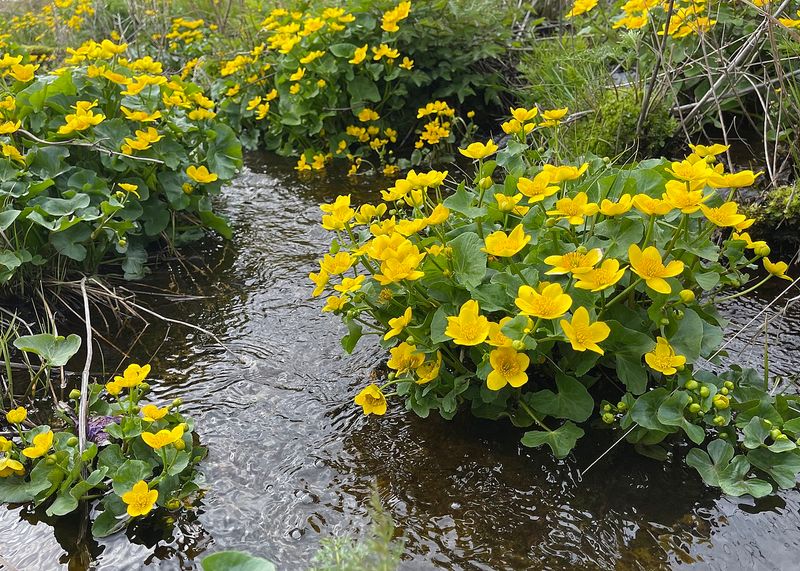
Gardeners who have tried planting marsh marigolds in average dry garden soil often notice the plants struggle to establish and rarely produce the bold bloom display they hoped for. The reason is straightforward: marsh marigolds evolved in nutrient-rich, consistently wet soils along stream banks, floodplain edges, and wet meadows.
Giving them something close to that environment in your Ohio garden is the key to strong, reliable performance.
Aim for soil that is high in organic matter and retains moisture well without becoming stagnant. Mixing generous amounts of compost or leaf mold into your planting area helps create the spongy, rich texture marsh marigolds love.
A slightly acidic to neutral soil pH, roughly between 6.0 and 7.0, suits them well. Heavy clay soils common in many parts of Ohio can actually work in your favor here, since clay holds moisture longer than sandy soils.
Avoid adding commercial fertilizers heavily, as overly rich nitrogen levels can push leafy growth at the expense of blooms. The University of Wisconsin Extension recommends focusing on organic matter amendments rather than synthetic fertilizers for native wetland perennials.
Building the right soil foundation before planting saves a lot of extra effort down the road and sets your marsh marigolds up for years of healthy growth.
3. Give Plants Consistent Moisture All Season
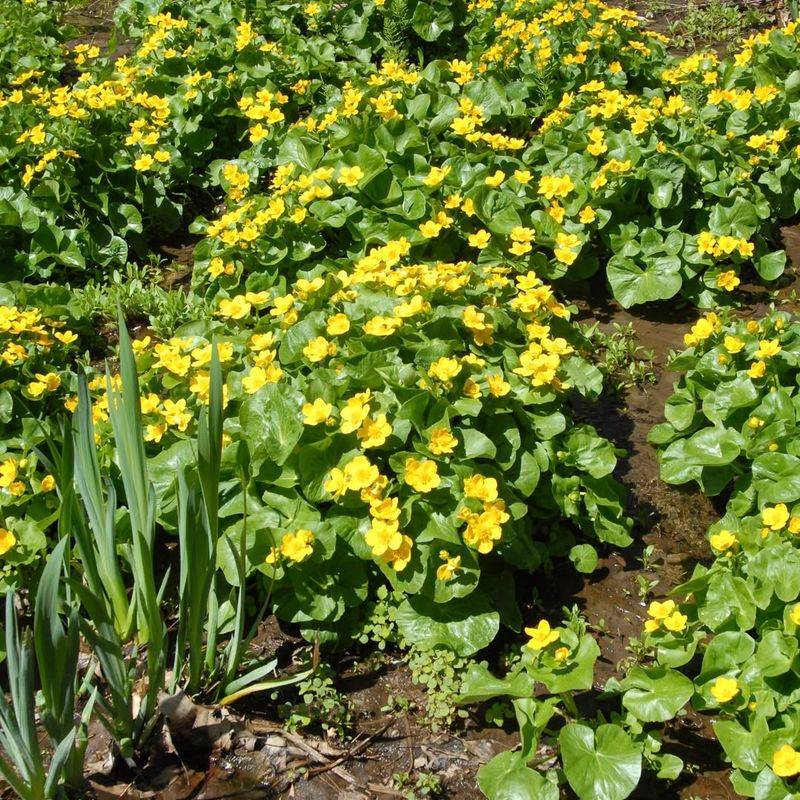
One of the most common reasons marsh marigolds underperform in Ohio home gardens is inconsistent watering. During dry stretches in late spring, the soil around these plants can dry out faster than gardeners expect, especially in raised beds or areas away from natural water sources.
Keeping the soil consistently moist from planting time through summer dormancy is one of the most important things you can do for these plants.
Marsh marigolds are naturally found in environments where their roots are almost always in contact with wet or saturated soil.
Stream banks, marshy depressions, and pond margins rarely dry out completely, and that steady moisture supply is what fuels the plant’s vigorous early growth and flower production.
In Ohio gardens, you may need to supplement rainfall with regular watering during dry April and May periods when the plants are actively blooming.
A simple soaker hose laid along the planting area works beautifully for keeping moisture levels steady without wetting the foliage unnecessarily.
Checking soil moisture a few inches below the surface every couple of days during dry spells helps you stay ahead of stress.
Native plant resources from the Lady Bird Johnson Wildflower Center confirm that Caltha palustris strongly prefers consistently wet conditions and will reward that care with a more extended, more vivid bloom display each spring season.
4. Use Marsh Marigolds In Rain Gardens And Pond Edges
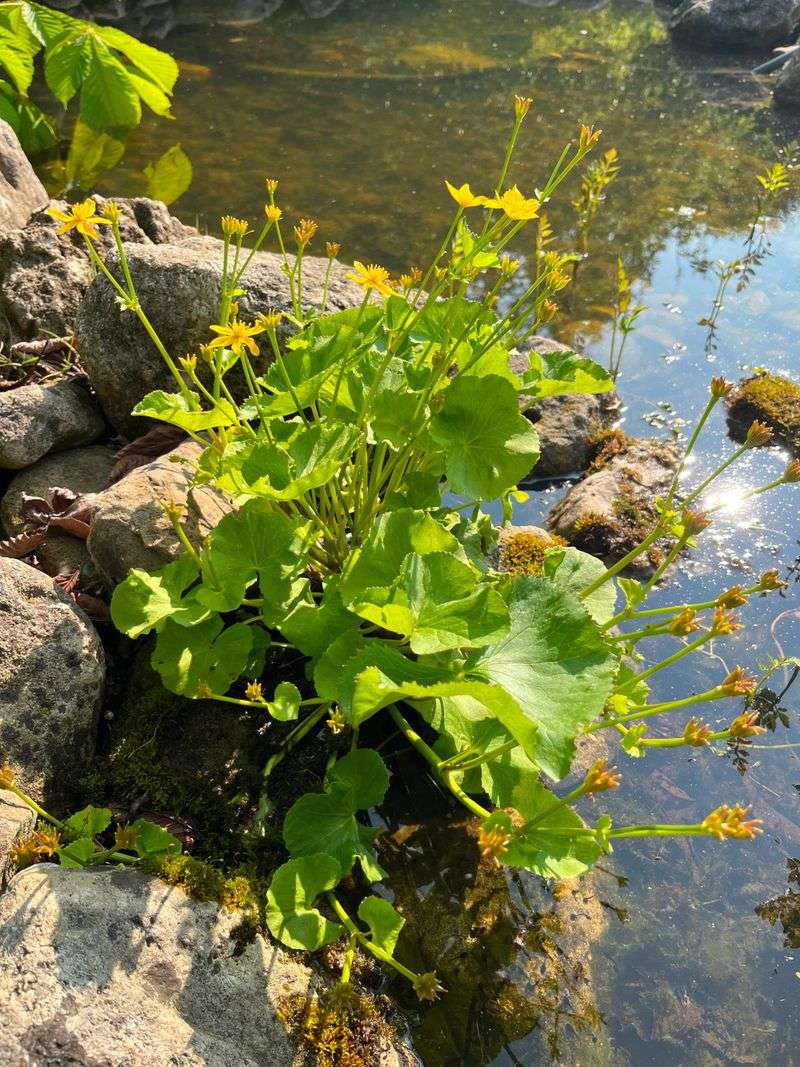
Rain gardens have become increasingly popular across Ohio as homeowners look for smart, eco-friendly ways to manage stormwater runoff from driveways, rooftops, and lawns.
These shallow planted depressions are designed to collect and slowly absorb rainwater, and marsh marigolds are one of the best native plants you can use in them.
Their tolerance for periodic flooding followed by slightly drier conditions makes them a natural fit for the wet-dry cycle a rain garden goes through.
Along pond edges, marsh marigolds create a soft, colorful transition between the water and the surrounding garden. Their roots help stabilize muddy banks while their cheerful yellow flowers attract early bees and other pollinators that are just emerging after Ohio’s cold winter months.
Planting them at the water’s edge, where their roots can reach consistently moist to occasionally saturated soil, mirrors the natural stream bank habitat they prefer.
Ohio State University Extension encourages the use of native wetland plants in rain garden designs because they are adapted to local soil and climate conditions and require far less maintenance once established.
Spacing plants about one to two feet apart along a pond margin or rain garden edge gives them room to spread while still creating a full, lush look within a season or two.
The visual payoff in spring is absolutely worth the initial planning effort.
5. Plant Early In Spring For Strong Growth
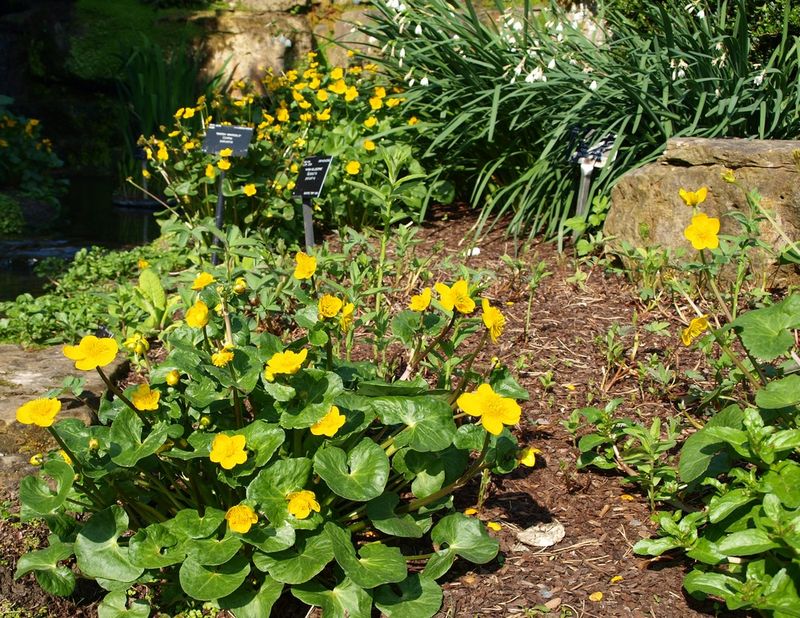
Seasoned Ohio wildflower gardeners will tell you that timing matters enormously with marsh marigolds. Early spring, as soon as the ground thaws and nighttime temperatures stay consistently above freezing, is the prime window for getting these plants into the ground.
Marsh marigolds are among the very first wildflowers to emerge each year, and planting them early takes advantage of the cool, moist conditions they love most.
When you plant in early spring, the roots have time to settle into the soil before the warmer days of late May arrive. Established roots are far better at pulling up the consistent moisture these plants need during their peak blooming period.
Nursery-grown transplants are the easiest option for most Ohio gardeners, and they should be planted at the same depth they were growing in their containers to avoid burying the crown too deeply.
Spacing transplants about twelve to eighteen inches apart gives each plant enough room to develop without crowding its neighbors right away.
According to guidance from the Missouri Botanical Garden, Caltha palustris establishes most reliably when planted during cool, moist spring conditions rather than during the heat of summer.
Ohio’s April weather, with its mild temperatures and frequent rain, creates nearly ideal establishment conditions. Getting plants in the ground early means you may even catch a few blooms in that very first season.
6. Divide Clumps To Keep Plants Healthy
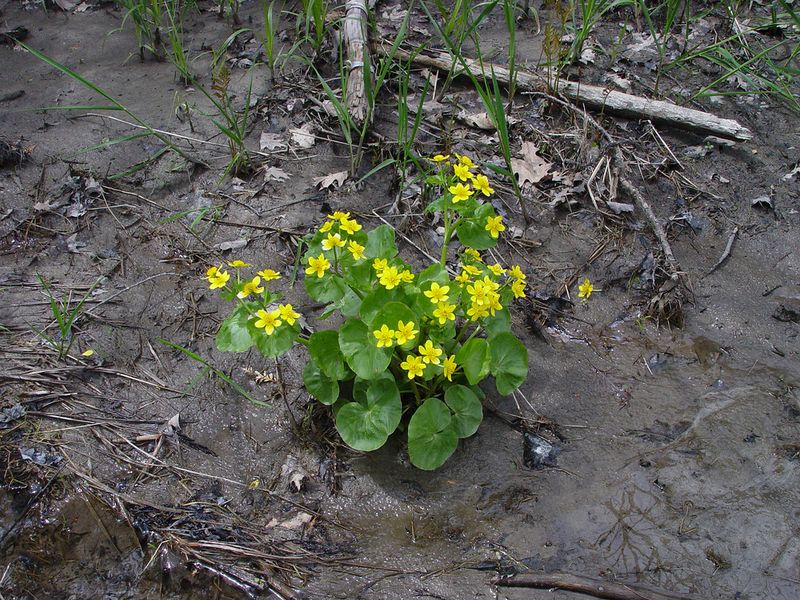
After a few years in a happy spot, marsh marigold clumps grow impressively full and dense. That lush growth is a sign that your plants are thriving, but it also signals that the time for division is approaching.
Dividing established clumps every two to three years keeps individual plants vigorous and encourages fresh, productive growth rather than a crowded tangle of roots competing for nutrients and moisture.
Early spring is the best time to divide marsh marigolds in Ohio, just as new growth is beginning to push up from the crown. At that stage, the plants are easy to see and handle, and the cool moist weather helps divided sections recover quickly.
Use a sharp spade or garden fork to lift the entire clump, then gently separate it into sections, making sure each division has a healthy portion of roots and several growing points attached.
Replant divisions immediately into prepared moist soil, water them in thoroughly, and keep the soil consistently damp for the first few weeks while the new sections establish.
Extra divisions make wonderful additions to other wet spots around your Ohio property or thoughtful gifts for fellow gardeners.
The University of Minnesota Extension notes that regular division is one of the simplest ways to maintain the long-term health and flowering performance of perennial wetland plants like Caltha palustris.
7. Protect Roots With Natural Mulch
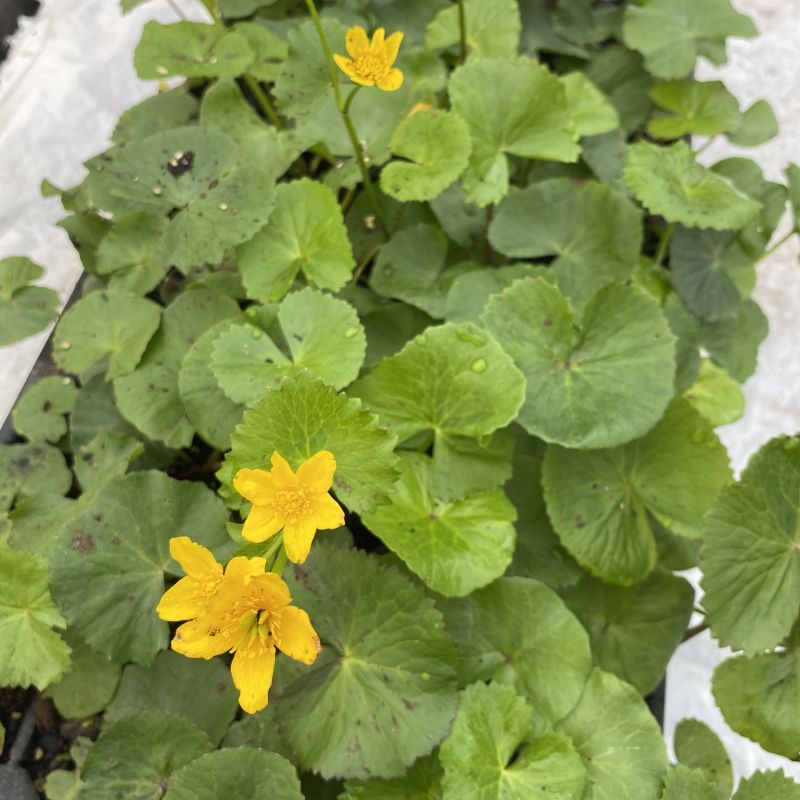
Ohio’s spring weather can be unpredictable, swinging from warm sunny days back to cold snaps that catch gardeners off guard.
Those temperature fluctuations can stress shallow-rooted perennials like marsh marigolds, especially in the weeks right after planting when the roots have not yet spread deeply into the surrounding soil.
A layer of natural mulch around your plants acts as a buffer against those swings and helps keep the root zone stable.
Shredded leaves, wood chips, or straw all work well as mulch for marsh marigolds. Apply a two to three inch layer around the base of the plants, keeping the mulch pulled back slightly from the crown to prevent moisture buildup directly against the stem.
Beyond temperature protection, mulch does an excellent job of slowing surface evaporation, which means the soil stays moist longer between rain events or watering sessions.
In woodland garden settings, a thick layer of leaf litter mulch closely mimics the natural forest floor environment where marsh marigolds thrive in the wild.
Ohio State University Extension recommends organic mulches for native plant gardens because they break down gradually, adding organic matter back into the soil and improving its texture over time.
That slow decomposition process feeds the soil ecosystem and creates the rich, moisture-retentive growing medium that marsh marigolds reward with their best performance.
8. Let Plants Naturalize In Wet Areas
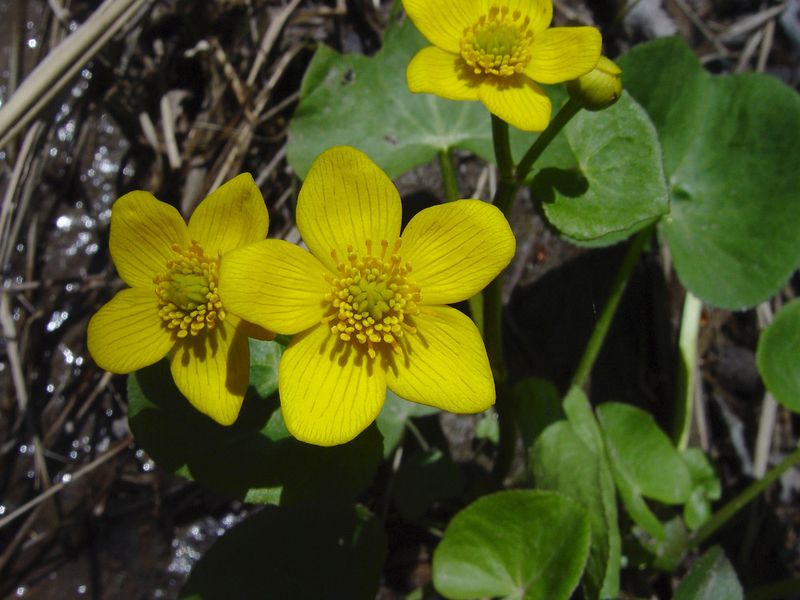
One of the most rewarding things about growing marsh marigolds in Ohio is watching them gradually claim a wet corner of the garden as their own. Given the right conditions, these plants spread slowly by seed and by the gentle expansion of their root clumps, eventually forming wide, lush patches that look as though they have always been there.
That naturalized look is part of what makes marsh marigolds so appealing for woodland and water garden designs.
To encourage naturalization, simply let some of the seed heads mature and drop naturally after the flowers fade in late spring. Seeds need moist soil and some light to germinate successfully, so a bare, damp area near the parent plant gives them a good chance of sprouting the following spring.
Avoid heavy mulching directly over areas where you want seeds to establish, since a thick layer can prevent germination.
Over time, a well-placed colony of marsh marigolds along a pond edge, stream bank, or wet woodland path becomes a self-sustaining feature that requires very little ongoing care.
The Ohio Department of Natural Resources recognizes Caltha palustris as a native Ohio species, and naturalized patches provide genuine ecological value by supporting early-season pollinators and stabilizing wet soil.
Few garden moments are more satisfying than seeing a thriving, self-renewing patch of native wildflowers you planted yourself.