This Is The Best Way To Grow Peppers In Ohio’s Short Season
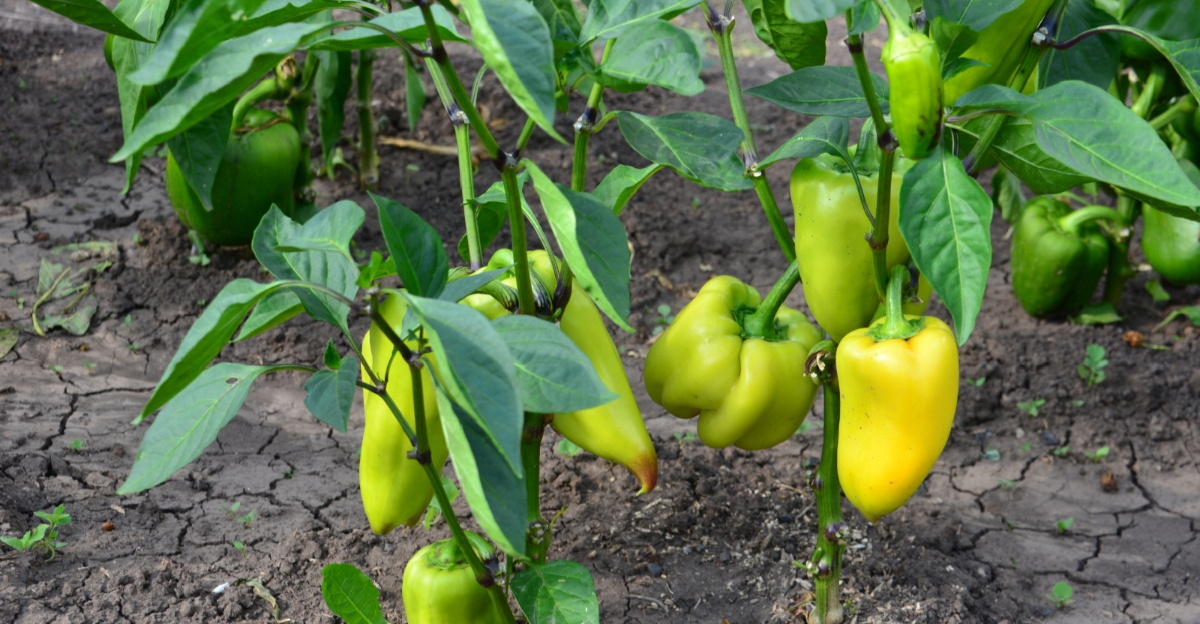
Ohio’s summer can feel way too short for growing peppers, but you don’t have to settle for tiny yields or sad little fruits.
With the right approach, you can get big, colorful peppers that actually taste like summer, right from your backyard.
It’s all about picking the right varieties, getting your timing right, and giving your plants a little extra love so they can make the most of every warm day. By working with the season instead of wishing it were longer, you’ll be surprised at how much you can grow.
Follow these tips, and soon your garden will be bursting with peppers ready for stir-fries, salads, or just snacking straight from the vine.
1. Start Pepper Seeds Indoors For A Head Start
Walk into almost any Ohio garden center in late May, and you will notice the pepper transplants are already tall, leafy, and nearly ready to flower. That head start did not happen by accident.
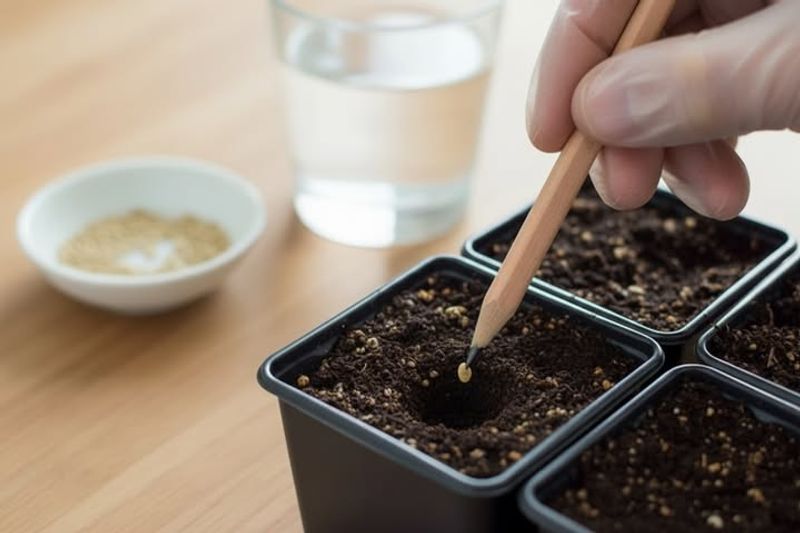
Ohio State University Extension recommends starting pepper seeds indoors eight to ten weeks before the last expected frost date, which in most parts of Ohio falls somewhere between late April and mid-May.
That means getting your seeds into trays as early as late February or early March. Peppers are notoriously slow to germinate and even slower to mature compared to other vegetables.
Starting them indoors gives them the warm, sheltered conditions they need to sprout and grow strong before outdoor temperatures are even remotely safe for transplanting.
Keep your seed-starting mix consistently moist and maintain soil temperatures between 70 and 80 degrees Fahrenheit for the best germination rates. A heat mat placed under your trays can make a big difference, especially in cooler Ohio homes during winter months.
Using a grow light for 14 to 16 hours a day will keep seedlings compact and healthy rather than leggy. By the time your Ohio garden is ready for planting, your pepper seedlings will already have a solid foundation for a productive season.
2. Choose Fast Maturing Pepper Varieties
Not every pepper variety is built for Ohio’s growing conditions. Some peppers need a long, hot summer to fully mature, and in Ohio, that kind of extended warmth simply is not guaranteed.
Choosing varieties bred for shorter seasons is one of the smartest moves an Ohio gardener can make before the season even begins.
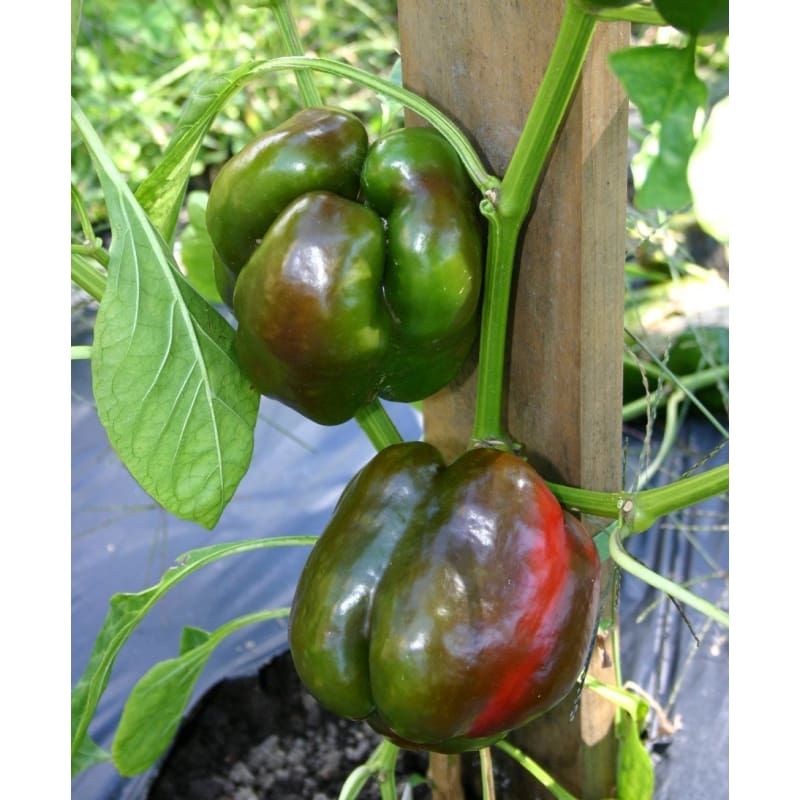
Bell peppers like ‘King of the North’ and ‘Ace’ are popular choices because they mature in around 60 to 70 days. Jalapeños and banana peppers are also great options, often reaching maturity in about 60 days from transplant.
These shorter timelines give your plants a real fighting chance of producing ripe fruit well before Ohio’s first fall frost typically arrives in late September or October.
Seed catalogs from companies that specialize in northern or short-season growing are excellent resources for finding varieties suited to Ohio vegetable gardens. Look for phrases like “early maturing,” “short season,” or “65 days or fewer” on seed packets.
According to horticulture guidance from university extension programs, selecting regionally appropriate varieties is one of the most effective ways to boost success in cooler climates. A little extra research at planting time can pay off with a much bigger, better harvest come late summer.
3. Warm The Soil Before Transplanting Seedlings
Peppers are tropical plants at heart. They thrive in warm conditions and genuinely struggle when their roots are sitting in cold, wet soil.
In Ohio, even after the last frost has passed, soil temperatures can linger well below the 65-degree Fahrenheit threshold that peppers need to grow actively and absorb nutrients efficiently.
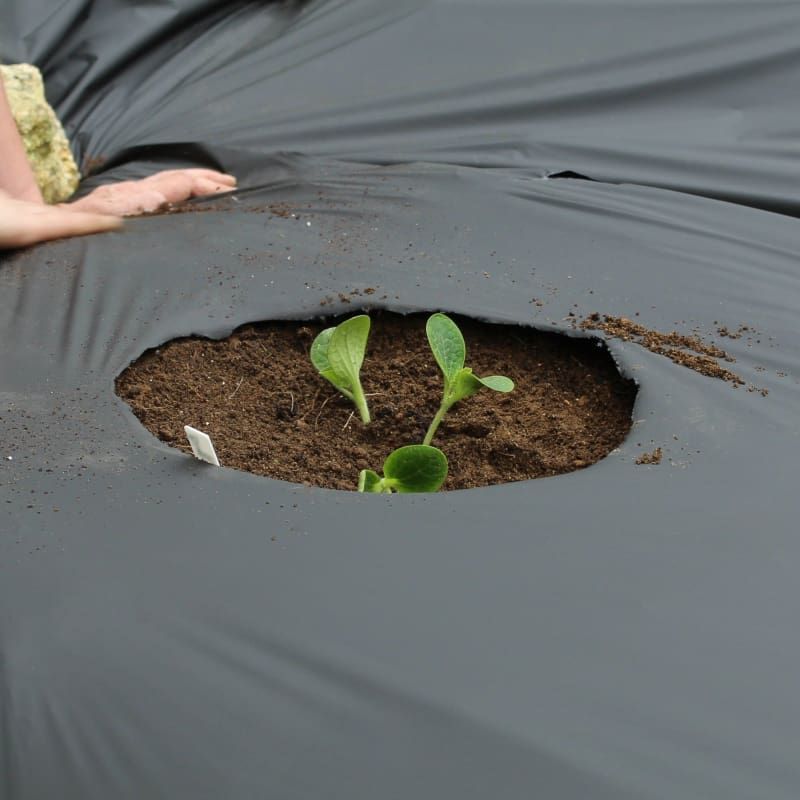
One of the most effective ways to prepare your beds is to lay black plastic mulch over the soil one to two weeks before transplanting. Black plastic absorbs solar heat and transfers it directly into the soil, raising temperatures noticeably faster than bare ground.
Ohio State University Extension has noted that this technique can significantly improve early-season plant performance in Ohio vegetable gardens.
Clear plastic mulch actually warms soil even faster than black, though it can also encourage weed growth underneath. Many Ohio gardeners prefer black plastic for its dual purpose of warming and weed suppression.
You can also use a soil thermometer to check that your beds are consistently warm enough before you commit your seedlings to the ground. Transplanting into cold soil stresses young plants and slows their growth, sometimes setting them back by weeks.
Taking a few extra days to warm your beds properly is a simple step that delivers a strong payoff throughout the growing season.
4. Plant Peppers In Full Sun For Strong Growth
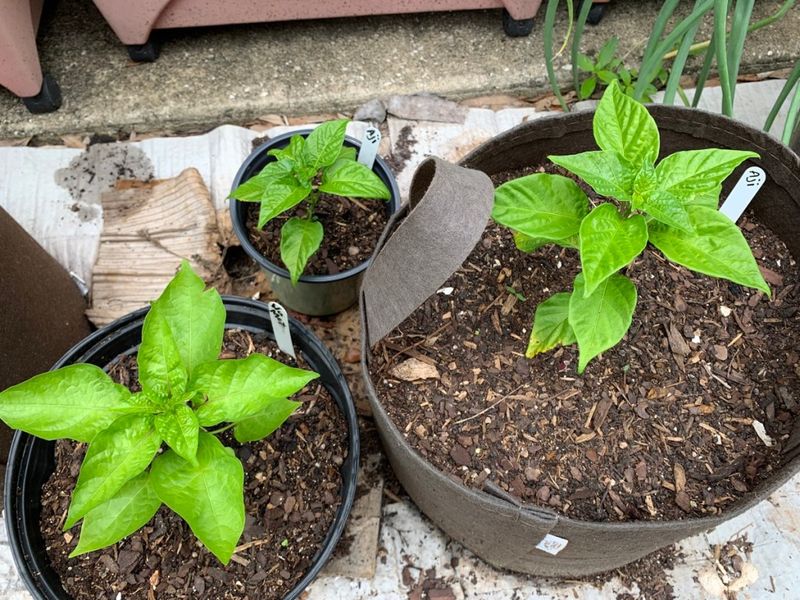
Sunlight is basically fuel for pepper plants. The more direct sun they receive each day, the better their chances of producing a full, flavorful harvest before Ohio’s season winds down.
Peppers need at least six to eight hours of direct sunlight daily, and in a state where summer days can sometimes turn cloudy or cool, every hour of sunshine counts.
When choosing a spot in your Ohio garden, look for the sunniest location available. South-facing beds that are sheltered from strong north winds are ideal.
Avoid planting near tall trees, fences, or structures that cast shade during peak sun hours in the morning or early afternoon. Even partial shade can reduce fruit set and slow the ripening process considerably.
Beyond just warmth, sunlight drives photosynthesis, which fuels flower development and fruit production. Plants grown in full sun tend to develop stronger stems, more compact growth, and better resistance to certain fungal diseases that thrive in cool, damp, shaded conditions.
Ohio vegetable gardens that receive abundant sun throughout July and August give pepper plants the best possible opportunity to flower heavily and set lots of fruit. According to university horticulture resources, consistent, direct sun exposure is one of the most reliable predictors of a productive pepper harvest in northern growing regions.
5. Use Mulch To Keep Soil Warm And Moist
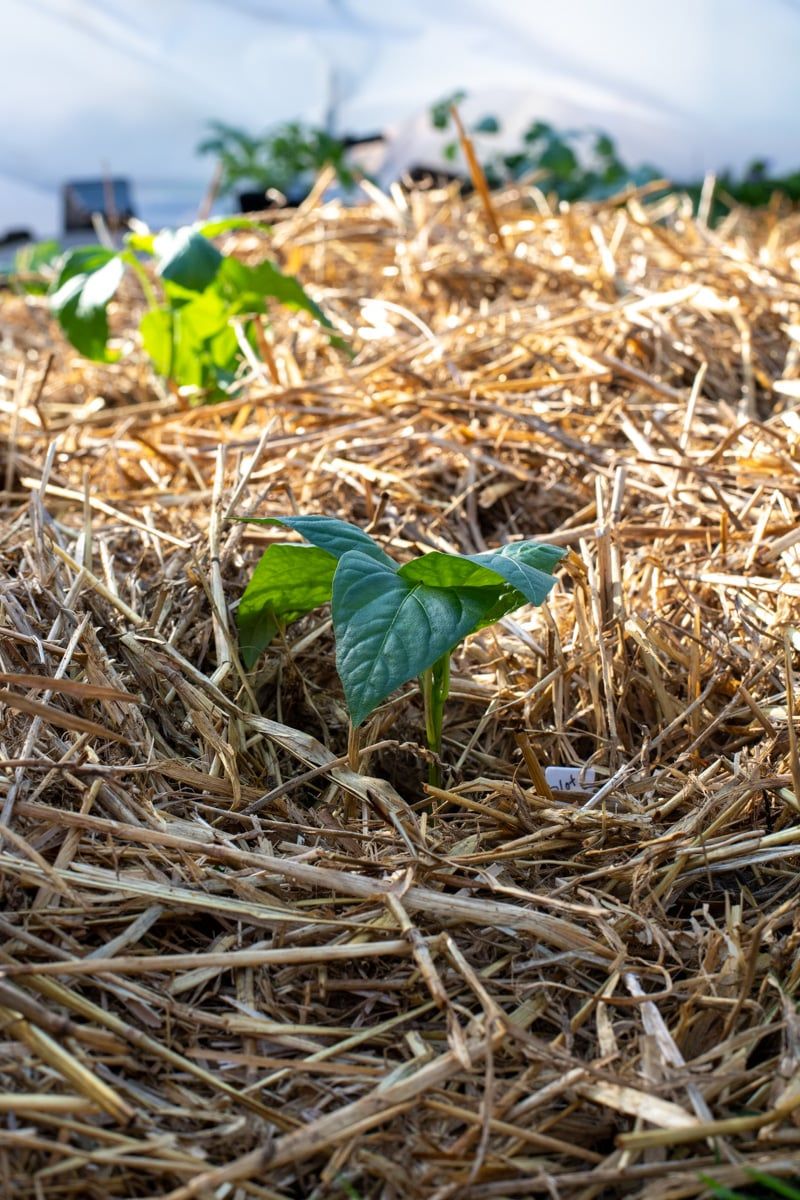
Once your pepper plants are in the ground and growing, mulch becomes one of your most valuable gardening tools. A two to three inch layer of organic mulch spread around the base of each plant works quietly but powerfully to improve growing conditions throughout the season.
It holds moisture in the soil, reduces the need for frequent watering, and helps keep soil temperatures stable even on cooler Ohio nights.
Straw, shredded leaves, and wood chips are all popular mulch choices among Ohio vegetable gardeners. Each type breaks down slowly over the season, adding organic matter back into the soil as it decomposes.
That gradual breakdown improves soil structure and feeds beneficial soil microbes, creating a healthier root environment for your pepper plants over time.
Mulch also does an excellent job suppressing weeds, which compete with peppers for water and nutrients. Fewer weeds mean less time spent on maintenance and more energy directed toward fruit production.
Ohio State University Extension recommends consistent soil moisture for peppers, noting that uneven watering can lead to problems like blossom drop and poor fruit development. Keeping the soil evenly moist through proper mulching is a straightforward, low-cost strategy that consistently improves results in Ohio gardens season after season.
6. Feed Plants Regularly For Bigger Harvests
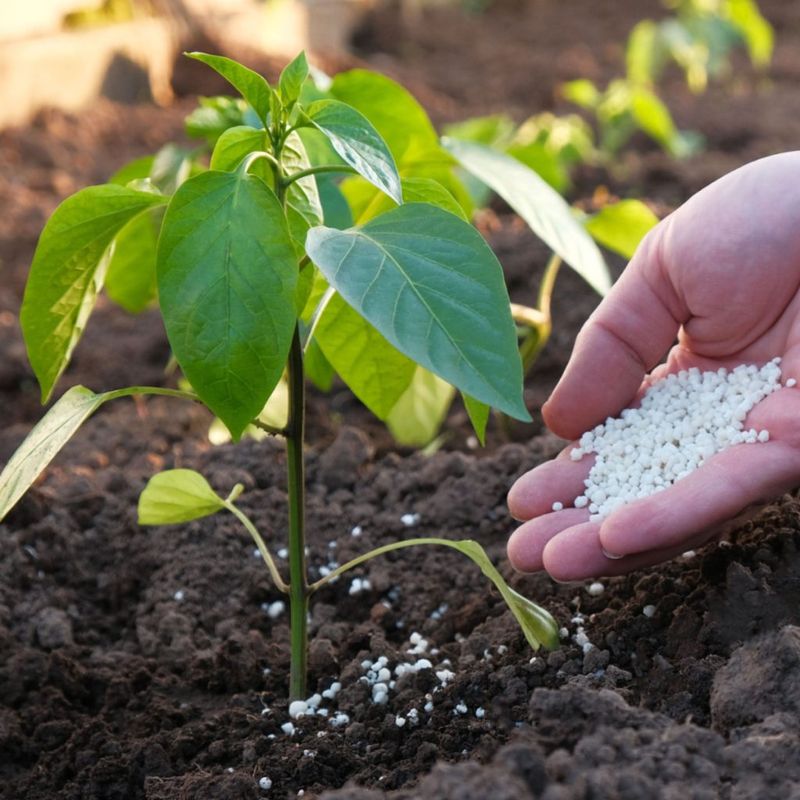
Healthy, productive pepper plants are hungry plants. They need a steady supply of nutrients throughout the growing season to support strong stems, lush foliage, abundant flowers, and well-developed fruit.
In Ohio vegetable gardens, where the growing window is already limited, giving plants the right nutrients at the right times can noticeably increase your total harvest before frost arrives.
Before planting, a soil test is the smartest first step. Ohio State University Extension offers soil testing services and recommends testing every few years to understand your garden’s specific nutrient needs.
Most Ohio soils benefit from a balanced fertilizer worked into the bed at planting time. As your plants begin to flower and set fruit, switching to a fertilizer lower in nitrogen and higher in phosphorus and potassium encourages better fruiting rather than excessive leafy growth.
Side-dressing with a granular fertilizer every four to six weeks during the growing season keeps nutrients available without overwhelming the plants. Liquid fertilizers can also be applied every two weeks for a quicker nutrient boost during peak production.
Avoid over-fertilizing with nitrogen, which pushes plants to grow lots of leaves at the expense of fruit. Balanced, consistent feeding throughout the season is the most reliable path to bigger, more productive pepper plants in an Ohio garden.
7. Protect Young Plants From Cool Spring Nights
Spring in Ohio has a way of keeping gardeners on their toes. Even after the official last frost date has passed, unexpected cold snaps and chilly nights can roll in and stress young pepper plants that have just been transplanted into the garden.
Peppers are particularly sensitive to temperatures below 55 degrees Fahrenheit, and prolonged cold can slow growth, cause blossom drop, or set plants back significantly.
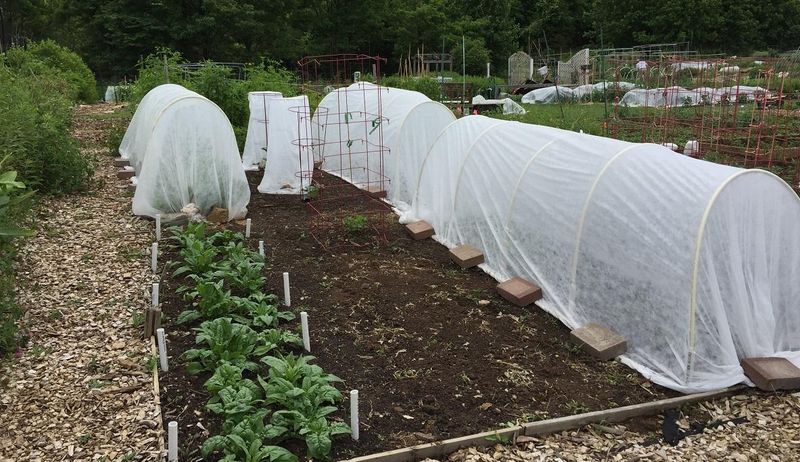
Row covers made from lightweight spunbonded fabric are one of the most practical tools for protecting transplants during unpredictable Ohio spring weather. These covers trap warmth close to the plants without blocking sunlight or airflow.
They can raise temperatures around plants by several degrees on a cold night, which is often just enough to prevent stress damage. Most Ohio gardeners keep row covers on hand throughout May and into early June just in case.
Wall-O-Waters, also called season extenders, are another popular option. These teepee-shaped plastic water tubes absorb heat during the day and release it slowly at night, creating a small warm microclimate around individual plants.
Using either of these protective tools during the first few weeks after transplanting gives your pepper plants the stability they need to establish strong roots and begin growing vigorously in Ohio’s unpredictable early-season conditions.
8. Harvest Often To Encourage More Peppers
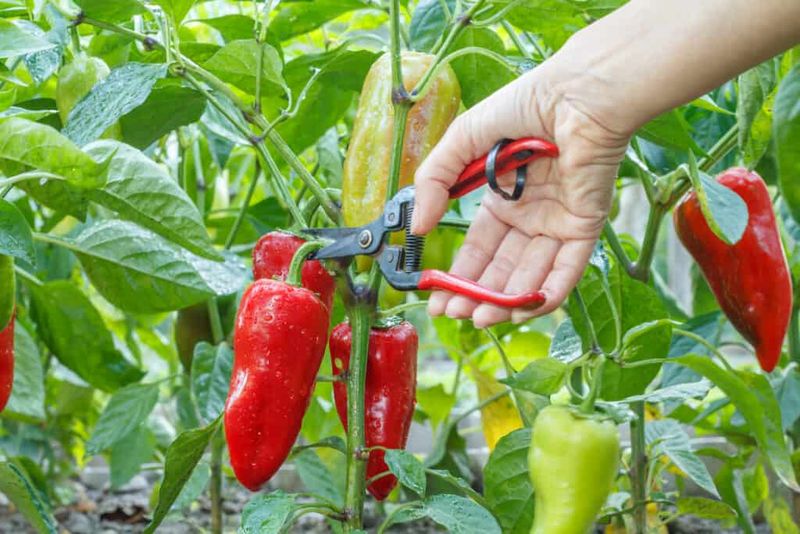
There is something deeply satisfying about pulling a fully ripe pepper off a plant you grew yourself. But here is a tip that surprises many first-time pepper growers: picking your peppers regularly, even before they fully change color, actually encourages the plant to produce more fruit.
Leaving too many mature peppers on the plant at once signals to it that reproduction is complete, which slows down new flower and fruit development.
In Ohio, where the growing season is already shorter than growers in warmer states enjoy, keeping plants in active production mode is especially important. Harvesting every few days during peak season removes the energy burden of holding large, heavy fruits and redirects that energy toward new blossoms and developing peppers.
Green bell peppers, for example, can be picked at full size before they turn red, which frees the plant up to set more fruit.
Use clean garden scissors or pruning shears to cut peppers from the plant rather than pulling them, which can damage stems and branches. Regular harvesting also gives you a chance to inspect plants closely for signs of pest activity or disease.
Ohio vegetable gardeners who make harvesting a consistent weekly habit throughout August and September tend to end the season with noticeably higher total yields than those who let fruit linger on the vine too long.