This Is The Biggest Mistake Ohio Gardeners Make With Peonies In Spring
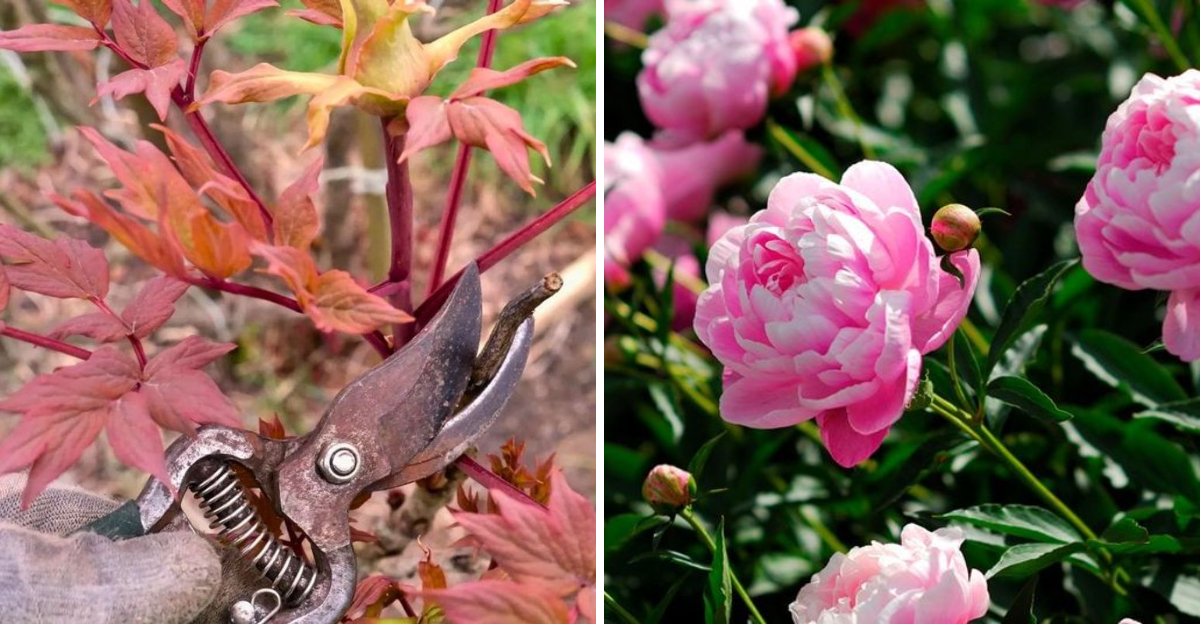
You’re excited – spring is finally here, and your peonies are starting to peek out of the ground. The garden feels alive again, and you want to do everything right so your flowers can shine.
You check your plants, admire the green shoots, and wonder what you should do first.
Many Ohio gardeners make a simple mistake that can ruin months of growth and beautiful blooms. They mean well, thinking they’re helping the plant get ready for spring.
You don’t want that for your garden. The step that can wreck your peonies every spring? Pruning before the time is right.
1. Stop Trimming Peonies Too Early
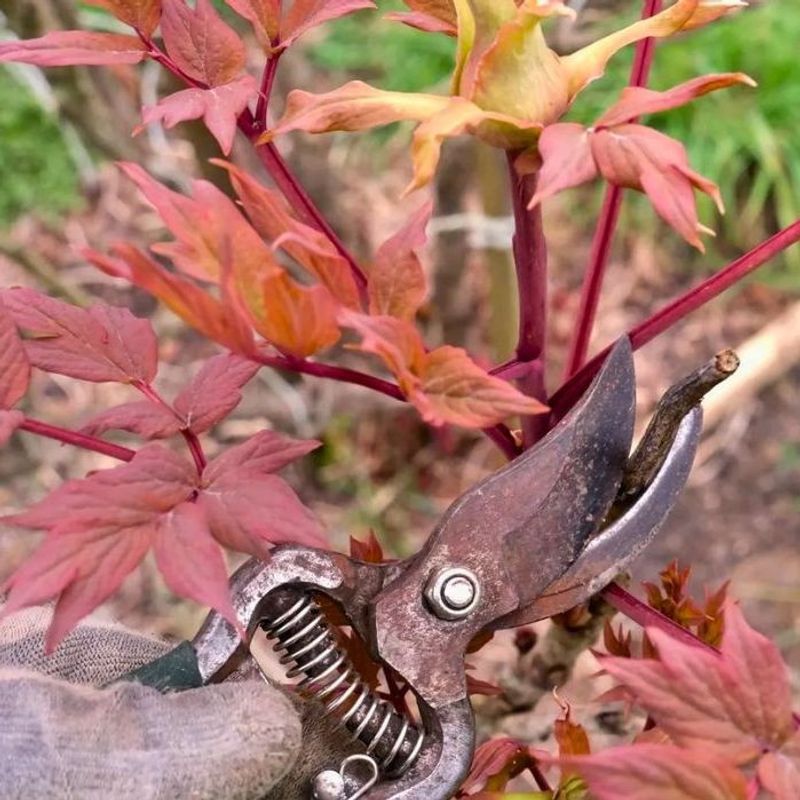
Grabbing your pruning shears the moment spring arrives might feel productive, but with peonies, early trimming is one of the fastest ways to lose your blooms before they even start. Many Ohio gardeners head outside in late March or early April, see old stems poking up, and cut everything back without realizing those stems still have developing buds attached.
Peonies store energy in their roots over winter and push that energy up through the stems in early spring. If you cut too soon, you interrupt that process and remove the very buds that would have become flowers in May or June.
Ohio State University Extension recommends waiting until you can clearly see red or pink shoots emerging from the soil before doing any cleanup work around your plants.
A good rule of thumb for Ohio gardeners is to hold off on trimming until late April at the earliest, once new growth is clearly visible and established. Trim old stems down to about two to three inches above the soil line, being careful not to damage the fresh shoots nearby.
Patience here pays off with a full, gorgeous display of blooms that make your Ohio garden the envy of the neighborhood every single spring.
2. Keep Old Leaves Until New Shoots Are Ready
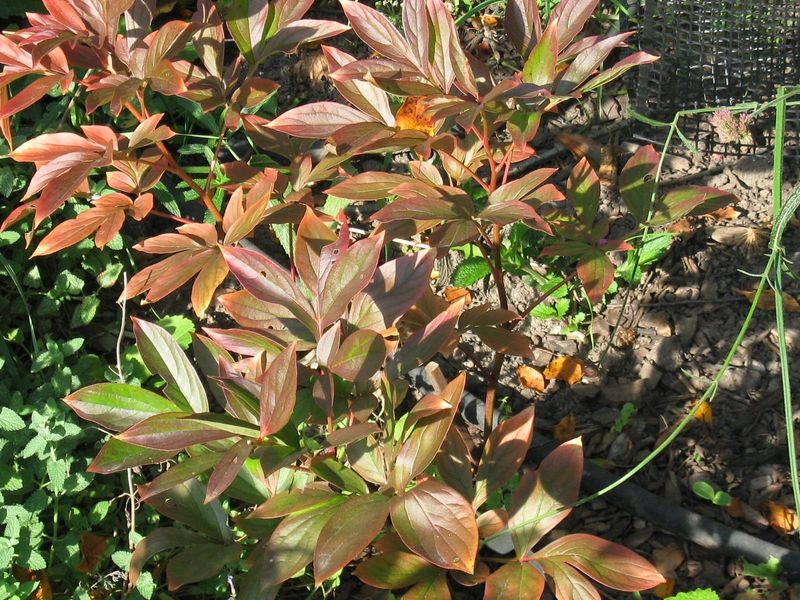
Old peony foliage looks messy after a long Ohio winter, and the urge to clean it all up right away is completely understandable. Here is the thing though, those dried leaves and stems actually serve a purpose when temperatures are still swinging up and down the way they do across Ohio every March and April.
Late frosts are a real concern for Ohio gardeners, and the old foliage around peony crowns acts like a natural insulating blanket. It traps a small amount of warmth around the base of the plant and shields those tender new shoots from sudden cold snaps that can damage or set back early growth.
Removing it too soon leaves young shoots exposed and vulnerable.
The smart approach is to leave the old foliage in place until your new shoots are at least two to three inches tall and the threat of hard frost has passed for your part of Ohio. Ohio typically sees its last frost sometime between mid-April and mid-May depending on your region, so check local frost date guides before clearing out the old growth.
Once new shoots are sturdy and the weather has stabilized, you can safely remove the old material and tidy up the bed without any risk to your plants.
3. Plant Peonies At The Right Depth
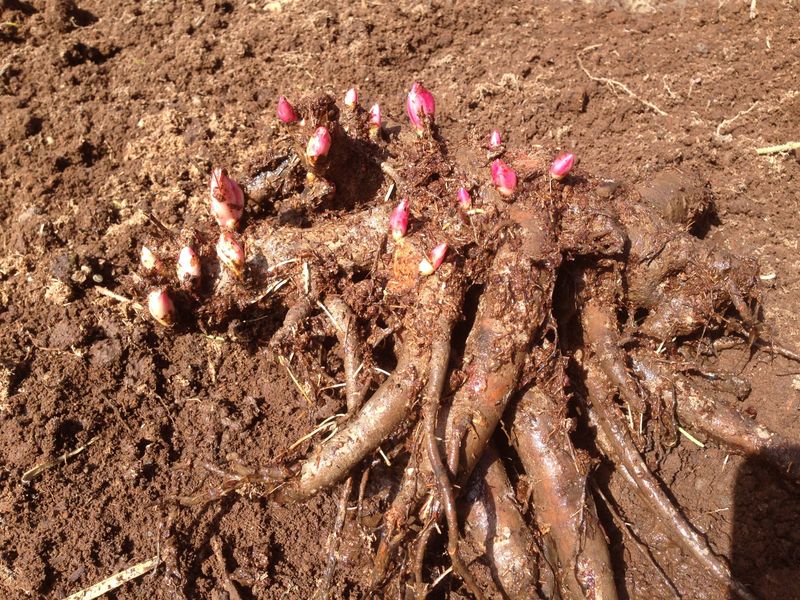
Planting depth might be the single most misunderstood factor in peony care, and it trips up Ohio gardeners more than almost anything else. Peonies have growth buds called eyes, and those eyes need to be positioned just 1.5 to 2 inches below the soil surface to bloom reliably.
Plant them deeper than that and you will likely get a lush, leafy plant that never produces a single flower.
This mistake is surprisingly common in Ohio gardens because new gardeners often assume that deeper planting means better protection, especially with Ohio’s cold winters. The opposite is true for peonies.
Their eyes need to be close to the surface to receive the right temperature cues that trigger blooming each spring. Planting too deep essentially confuses the plant and keeps it in a permanent vegetative state.
When planting or transplanting peonies in your Ohio garden, use a ruler or your finger to measure carefully. Dig a wide, shallow hole, set the root so the eyes face upward and sit no more than two inches below the surface, then backfill gently.
If you have an established peony that has never bloomed, it may have settled too deep over time and could benefit from being carefully lifted and repositioned at the correct shallow depth for better results.
4. Give Peonies Full Sun For Strong Growth
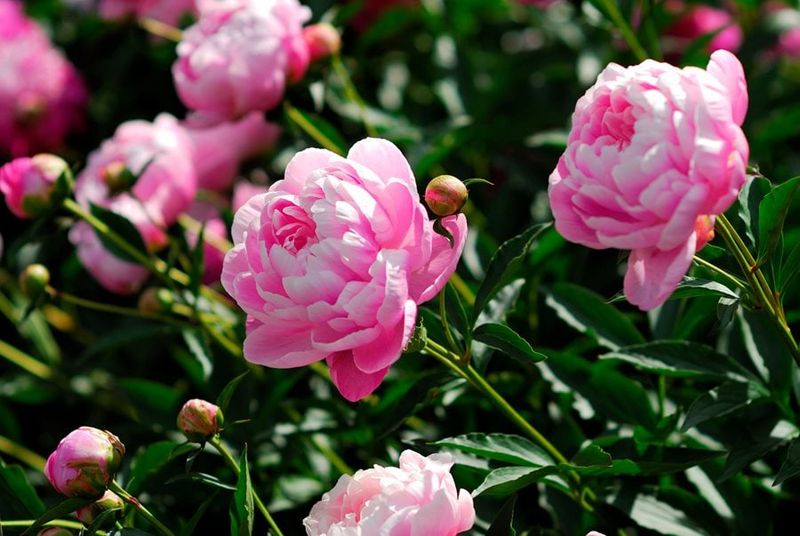
Sunlight is not optional for peonies. These plants are sun lovers through and through, and Ohio gardens that offer shady spots under trees or along north-facing fences are simply not the right home for them.
Peonies need at least six hours of direct sunlight every single day to build the energy required for strong stems and abundant flowers.
When peonies grow in too much shade, the results are pretty obvious. Stems become weak and floppy, leaves stay damp longer and attract fungal problems, and flower production drops off significantly or stops altogether.
Ohio gardeners sometimes blame soil or pests for these symptoms without realizing the real culprit is simply a lack of sunshine reaching the plant.
Choosing the right location before you plant is the easiest solution. Look for a spot in your Ohio yard that gets unobstructed morning sun and at least partial afternoon sun.
Morning sun is especially valuable because it dries dew off the leaves quickly, reducing the risk of fungal diseases like botrytis that are common in Ohio’s humid spring conditions. If your existing peonies are struggling in a shady spot, consider relocating them in early fall to a sunnier location where they can finally reach their full potential and reward you with the blooms they are capable of producing.
5. Use Supports Before Blooms Get Heavy
Anyone who has grown peonies in Ohio knows the heartbreak of waking up after a rainstorm to find those beautiful, heavy blooms face-down in the mud. Peony flowers are big, dense, and surprisingly heavy, and the stems, while sturdy in dry weather, simply cannot hold them upright once they are fully open and wet from rain or morning dew.
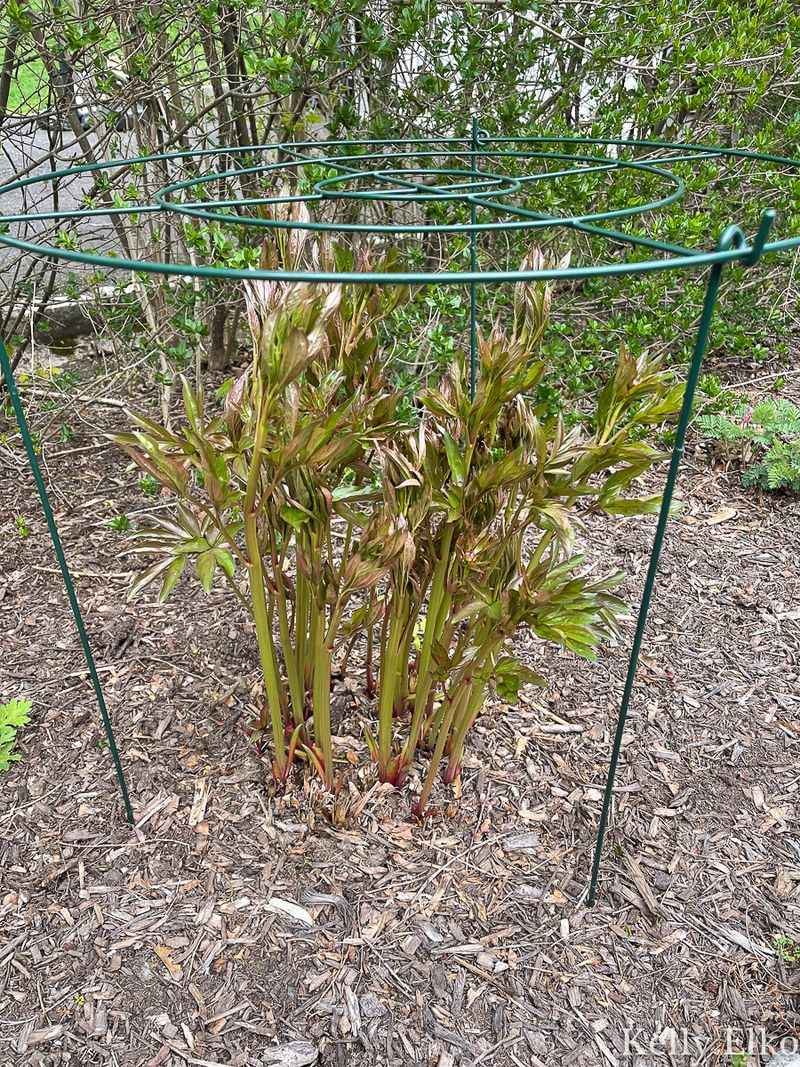
The key is installing supports before the plants need them, not after they have already flopped over. Peony hoops or ring supports are the most popular and practical option for Ohio gardeners.
They are circular wire frames on legs that you push into the soil around the plant while stems are still short in early spring. As the plant grows up through the ring, it naturally gets the support it needs without any awkward staking or tying.
Put your supports in place when stems are about six to eight inches tall, which in Ohio usually means sometime in April depending on your location. By the time blooms open in May or June, the plant will be fully supported and standing tall even through Ohio’s unpredictable spring storms.
This one simple step protects weeks of growth and keeps your flowers looking their absolute best from the moment they open until the last petals fall.
6. Fertilize Carefully To Protect Flowers
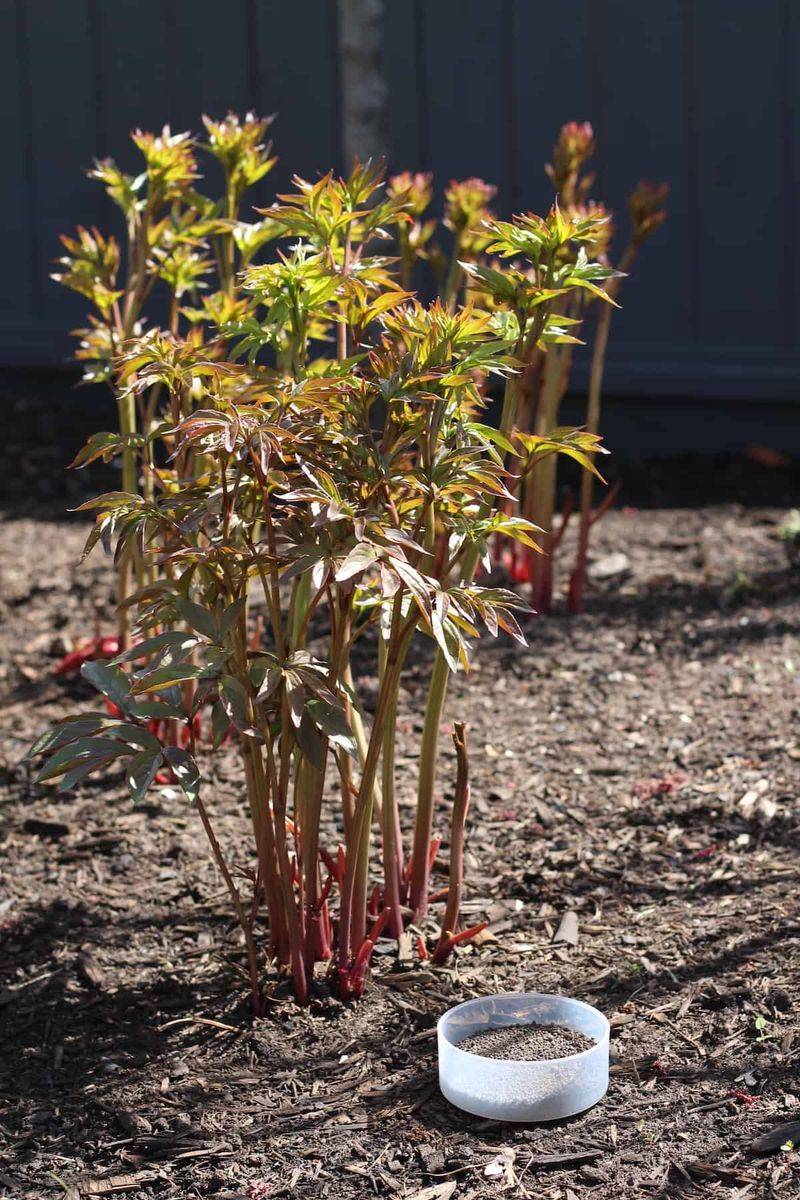
Fertilizing peonies sounds straightforward, but getting it wrong is one of the more common reasons Ohio gardeners end up with big leafy plants and almost no flowers. The biggest mistake here is reaching for a high-nitrogen fertilizer, which is the type most commonly used on lawns and vegetables.
Nitrogen pushes lush green growth, but for peonies, too much of it means the plant puts all its energy into leaves and skips the blooming process almost entirely.
What peonies actually need is a balanced or low-nitrogen fertilizer applied at the right time. A balanced granular fertilizer like a 10-10-10 blend, or one formulated specifically for flowering perennials, works well for Ohio gardens.
Apply it in early spring when you first see shoots emerging from the soil, working it gently into the surface around the plant without disturbing the roots or shallow eyes.
A second light application right after blooming is finished can help the plant rebuild its energy stores for next year. Avoid fertilizing late in the season because it can encourage tender new growth that gets damaged by Ohio’s early fall frosts.
Less really is more when it comes to feeding peonies. A simple, consistent approach with the right fertilizer type will produce far better results than heavy feeding with the wrong product ever could.
7. Maintain Proper Spacing Between Plants

Crowding peonies together might seem like a way to create a fuller, more impressive garden display, but it actually works against you in several important ways. Peonies need room to breathe, and when plants are packed too closely together in an Ohio garden, airflow between them drops significantly, creating the kind of damp, stagnant conditions that fungal diseases absolutely thrive in.
Proper spacing also reduces competition for nutrients and water in the soil. When roots from neighboring peonies overlap and compete, individual plants end up weaker, with fewer and smaller blooms than they would produce if they had adequate space to spread out.
Ohio State University Extension generally recommends spacing peony plants at least three to four feet apart to allow for healthy mature growth without overcrowding.
If your existing peonies have been growing in the same spot for many years and seem to be declining in bloom quality, overcrowding combined with root competition could be a contributing factor. Fall is the best time in Ohio to carefully divide and replant overcrowded clumps, giving each division enough fresh space and soil to recover and perform well the following spring.
Giving peonies the room they need from the start saves a lot of effort later and keeps plants looking vibrant and productive for many seasons to come.
8. Ensure Soil Drains Well Around Peonies
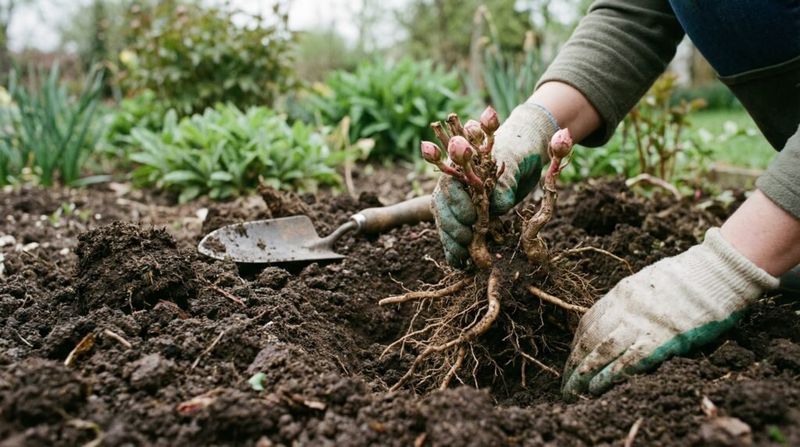
Ohio has a lot of heavy clay soil, and while many plants can tolerate it, peonies are not big fans of sitting in waterlogged ground. Poor drainage around peony roots causes a whole range of problems, from weak early growth in spring to crown rot that can seriously set back an otherwise healthy plant over time.
Checking your soil drainage before planting is a step many Ohio gardeners skip but really should not.
A simple way to test drainage is to dig a hole about a foot deep, fill it with water, and watch how quickly it drains. If the water is still sitting there an hour later, your soil drains too slowly for peonies.
Mixing in compost, aged bark, or perlite helps break up heavy Ohio clay and improves water movement through the soil so roots stay moist but never soggy.
Raised beds are another excellent option for Ohio gardeners dealing with persistent drainage issues. Elevating the planting area by even six to eight inches above the natural grade makes a noticeable difference in how quickly excess water moves away from the roots.
Mulching around plants with two to three inches of organic material also helps regulate soil moisture levels, keeping things from swinging between too wet and too dry as Ohio spring weather shifts from week to week.