This Is The Biggest Spring Planting Mistake Ohio Gardeners Make
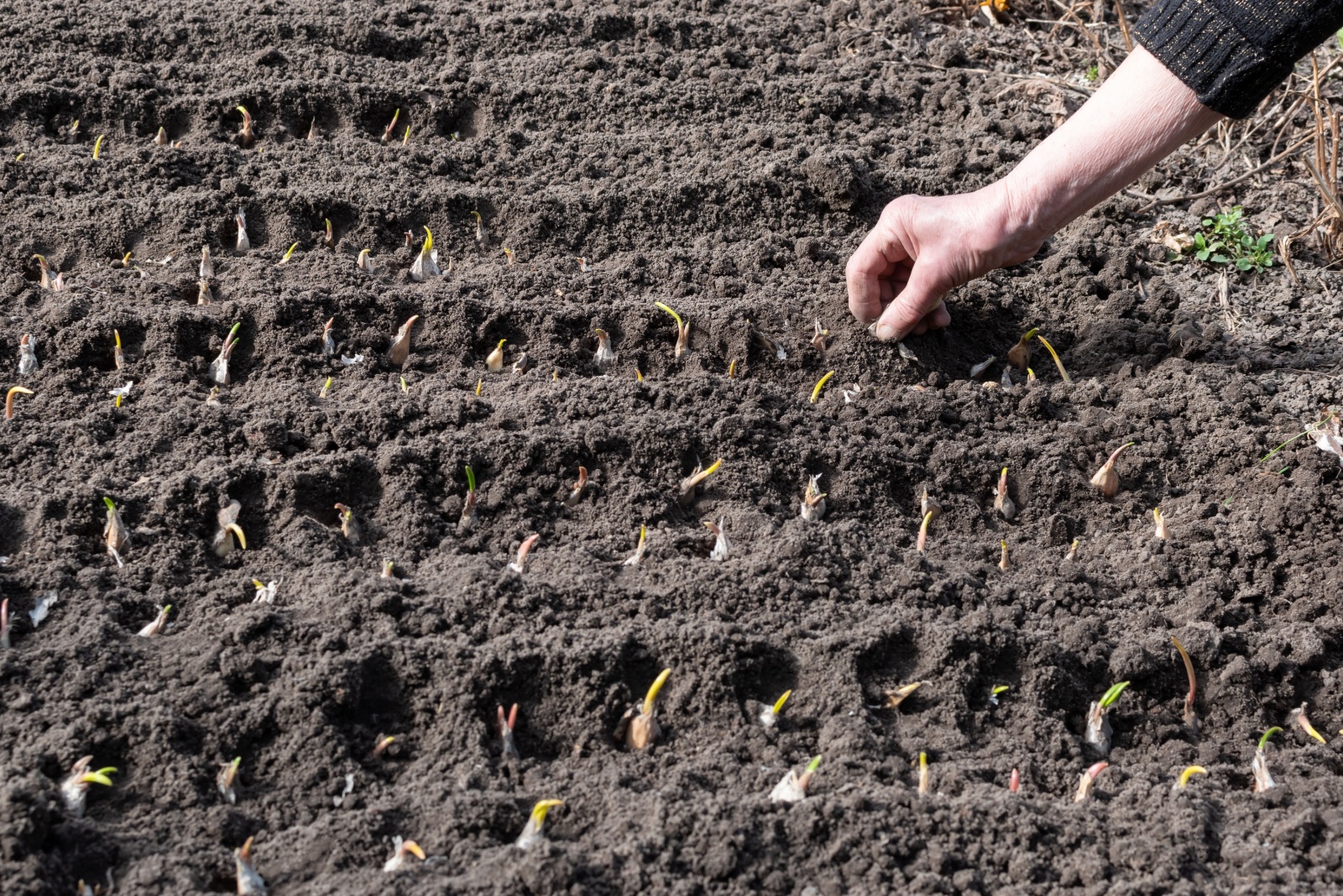
Spring in Ohio has a way of making everything feel urgent. One warm stretch, one sunny weekend, one trip to the garden center, and suddenly it seems like the whole yard should be planted at once.
That is where trouble starts for a lot of gardeners. What looks like the perfect moment can be surprisingly deceptive, and one common misstep has a habit of causing frustration long before the season hits its stride.
The damage is not always obvious right away either. At first, everything can seem perfectly fine.
Then the setbacks start showing up, and by that point, many gardeners wish they had taken a different approach from the beginning. The frustrating part is how easy this mistake is to make.
The good news is that once you know how to avoid it, spring planting gets a lot less risky and a whole lot more rewarding.
1. A Few Warm Days Do Not Mean Ohio Soil Is Ready
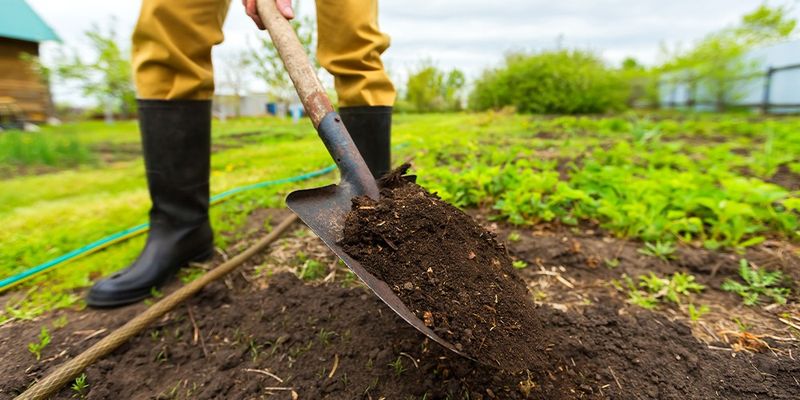
Picture this: it is a sunny Saturday in late March, the air feels almost summer-like, and your neighbor is already out planting tomatoes. It is hard not to feel like you are falling behind.
But that warm breeze you are feeling has almost nothing to do with what is happening six inches underground.
Ohio soil holds onto winter cold long after the air warms up. The ground absorbs heat slowly, especially after a wet or snowy winter.
A few days of mild temperatures barely scratch the surface, and the soil beneath can still be sitting at 40 degrees Fahrenheit or colder.
Cool-season crops like lettuce, spinach, and peas need soil temperatures of at least 40 to 45 degrees Fahrenheit to germinate reliably, according to Ohio State University Extension. Warm-season crops like tomatoes, peppers, and squash need soil consistently at 60 degrees or warmer.
Planting before those thresholds are met means seeds and roots are starting in conditions that work against them from day one.
Checking the forecast is not enough. Watching the soil is what actually matters.
A basic soil thermometer, available at most garden centers, takes the guesswork out of the equation and keeps excitement from turning into disappointment.
2. Cold Wet Soil Can Stall Roots Before Plants Ever Take Off
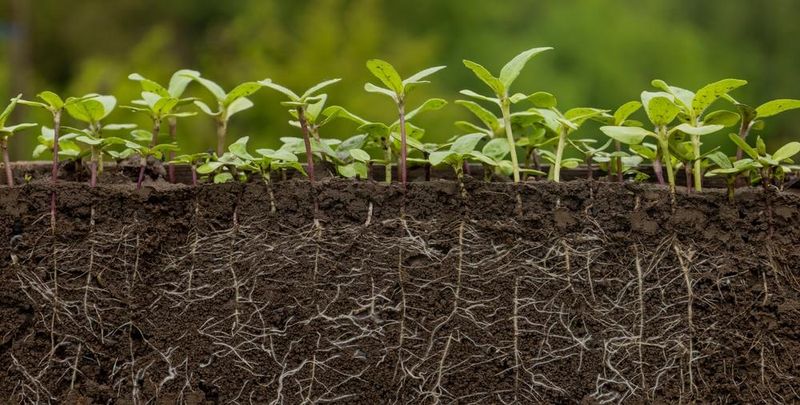
Underground, the story of a struggling plant starts quietly. You plant on a hopeful afternoon, water everything in, and wait.
But what happens beneath the soil surface in cold, saturated conditions is not the strong root development you are hoping for.
Roots need warmth to grow and expand. When soil temperatures are too low, root cell activity slows significantly.
The plant cannot take up water or nutrients efficiently, even if both are present in the soil. Growth stalls, and the plant just sits there looking okay on the outside while quietly falling behind on the inside.
Soggy soil adds another layer of trouble. Waterlogged conditions reduce the oxygen available around roots.
Without adequate oxygen, roots can begin to suffer even before any visible symptoms appear above ground. Young transplants are especially vulnerable because their root systems have not yet spread wide enough to handle stress.
What gardeners often notice is a plant that simply does not grow for weeks after planting. It does not look terrible, but it does not look thriving either.
That slow start can affect the plant’s overall vigor for the entire growing season. Giving roots warm, well-drained soil from the beginning is the single best investment a spring gardener can make.
3. Early Planting Can Leave Seeds Sitting Still Instead Of Sprouting
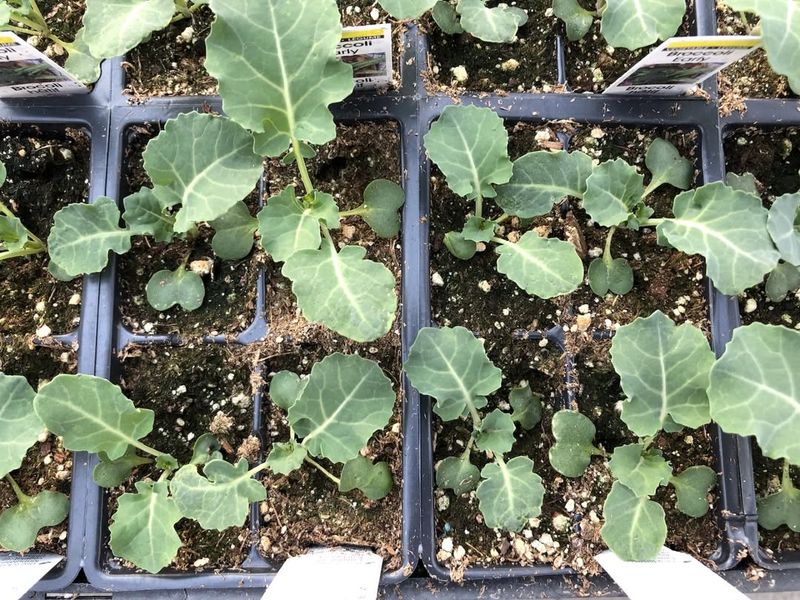
Seed packets make everything sound so simple. Sow half an inch deep, keep moist, and watch them sprout.
What the packet often does not mention is that soil temperature matters just as much as planting depth, and cold Ohio spring soil can turn a promising seed bed into a waiting game that goes nowhere.
Seeds are triggered to germinate by a combination of moisture and warmth. When soil is too cold, that trigger never fully fires.
Bean seeds, for example, prefer soil temperatures of at least 60 degrees Fahrenheit for reliable germination. Corn needs 50 degrees minimum, and warm-season crops like cucumbers and melons do best at 65 degrees or above, according to Ohioline resources from Ohio State University Extension.
Seeds planted into cold soil do not simply wait patiently for better conditions. They sit exposed to soil fungi, insects, and moisture fluctuations that can reduce germination rates or cause seeds to rot before they ever sprout.
Uneven germination is another common result, leaving patchy rows that are frustrating to manage.
Waiting until soil temperatures match the crop’s needs is not overthinking it. It is the practical move that leads to strong, even stands of seedlings rather than bare patches and replanting headaches later in the season.
4. Tender Transplants Struggle When Spring Soil Stays Soggy
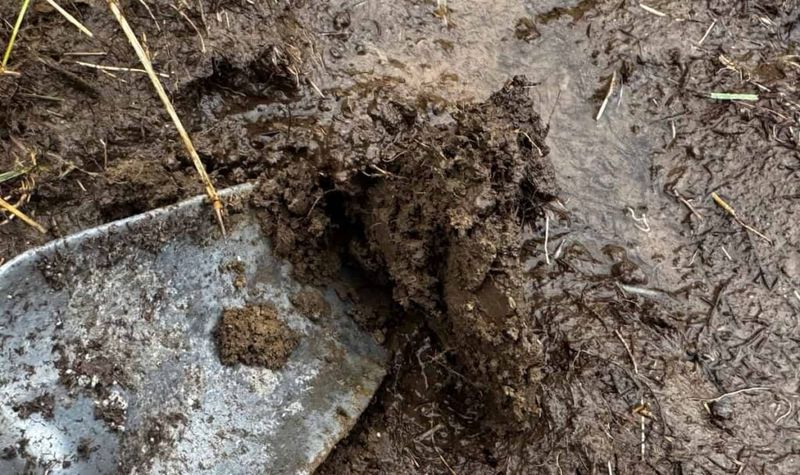
Walking out to the garden after a week of April rain to find your transplants looking pale, droopy, or just plain unhappy is a familiar experience for many Ohio gardeners. The instinct is to wonder if they need more water or more sun.
Often, the real problem is the opposite: too much water already in the soil.
Soggy spring soil is a serious stressor for young transplants. Annuals, vegetables, and herbs that were started indoors in warm, controlled conditions are suddenly sitting in cold, oversaturated ground.
Their roots, which were used to well-draining potting mix, now have to navigate soil that holds water like a sponge.
Excess moisture around roots limits oxygen availability. Without oxygen, roots cannot function properly, and the plant cannot move water and nutrients upward even when both are technically present.
The plant looks thirsty even though the ground is soaked, which confuses many new gardeners into watering more and making the problem worse.
Before setting transplants in the ground, squeeze a handful of garden soil. If it stays in a tight ball and water drips out, it is too wet to plant.
The soil should crumble apart after you squeeze it. That simple check takes seconds and can save weeks of watching transplants struggle to recover from a rough start.
5. Late Frosts Can Undo An Early Planting Rush Fast
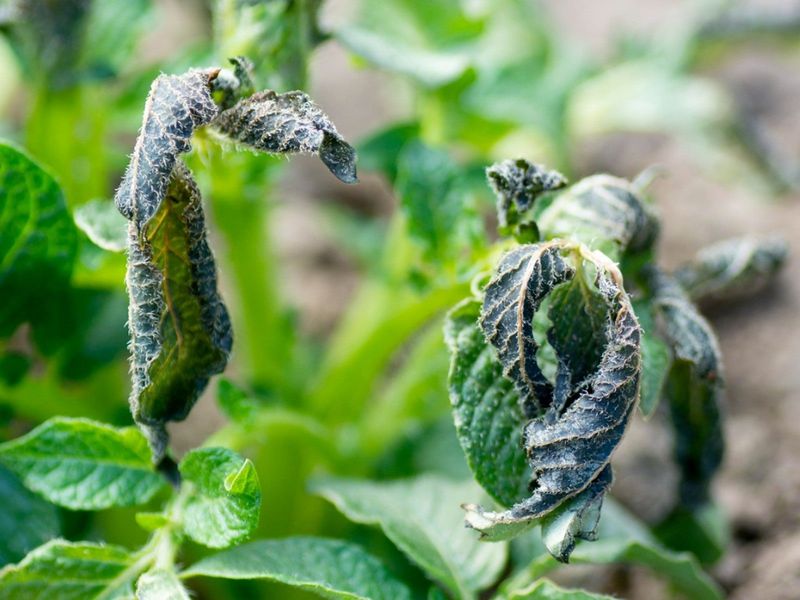
A warm afternoon in early April can feel like a green light. The forecast looks decent, the soil has dried out a bit, and the urge to plant is nearly impossible to resist.
Then the temperature drops to 28 degrees overnight and everything planted last weekend is in serious trouble.
Late frosts are a well-documented reality in Ohio. According to Ohio State University Extension, the average last frost date varies across the state, ranging roughly from late April in northern Ohio to mid-April in central Ohio and early April in the southern part of the state.
Those are averages, which means late frost events after those dates happen regularly.
Tender crops like tomatoes, peppers, basil, and cucumbers have no tolerance for freezing temperatures. Even a brief frost can damage leaf tissue, stunt growth, or set a plant back by several weeks.
Gardeners who plant during an early warm stretch often find themselves scrambling to cover plants, dragging out old bedsheets, or simply accepting the loss.
Watching the ten-day forecast and knowing your local average last frost date are two habits that cost nothing and save a great deal of frustration. Planting after frost risk has genuinely passed means your plants go into the ground once and stay there, growing strong from the start.
6. Heavy Ohio Clay Makes Early Spring Planting Even Riskier
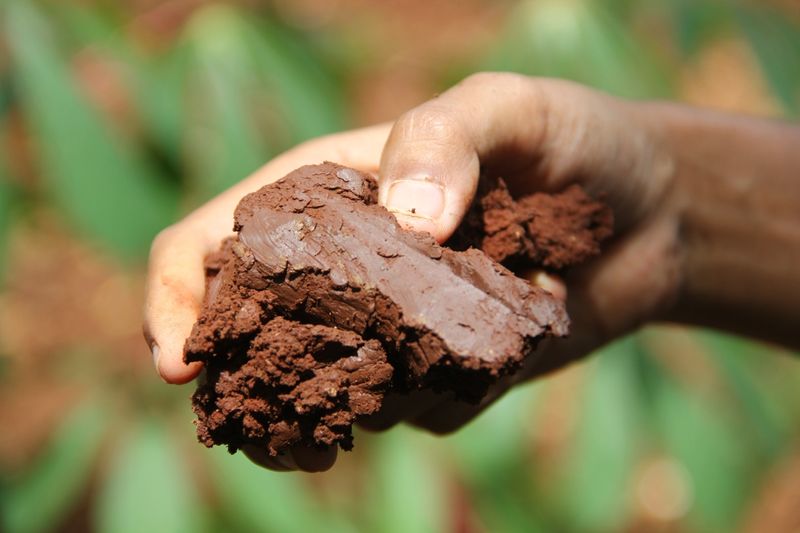
Not all soil is created equal, and Ohio gardeners dealing with heavy clay have an extra reason to hold off on early planting. Clay soil is widespread across much of Ohio, particularly in the central and western regions, and it behaves very differently from looser, sandier soils when spring arrives.
Clay particles are extremely fine and pack tightly together. This structure holds water for much longer than other soil types, which means clay stays wet and cold well into spring even after the surface appears to have dried out.
Walking on it or working it too early can compact it further, damaging the soil structure and making drainage worse over time.
Planting into clay that has not warmed or dried adequately creates a dense, airless environment around roots. Seeds and transplants placed in compacted, waterlogged clay struggle to establish and may show little to no growth for weeks.
The clay can also form a hard crust around seedlings as it dries unevenly, making it difficult for sprouts to push through.
Gardeners with clay-heavy soil benefit from waiting a bit longer than general planting guides suggest. Adding compost over time improves clay soil structure significantly.
But in early spring, patience is the most effective tool available. Letting clay soil warm and drain before planting pays off with noticeably better results season after season.
7. Strong Starts Depend On Soil Temperature Not Just Air Temperature
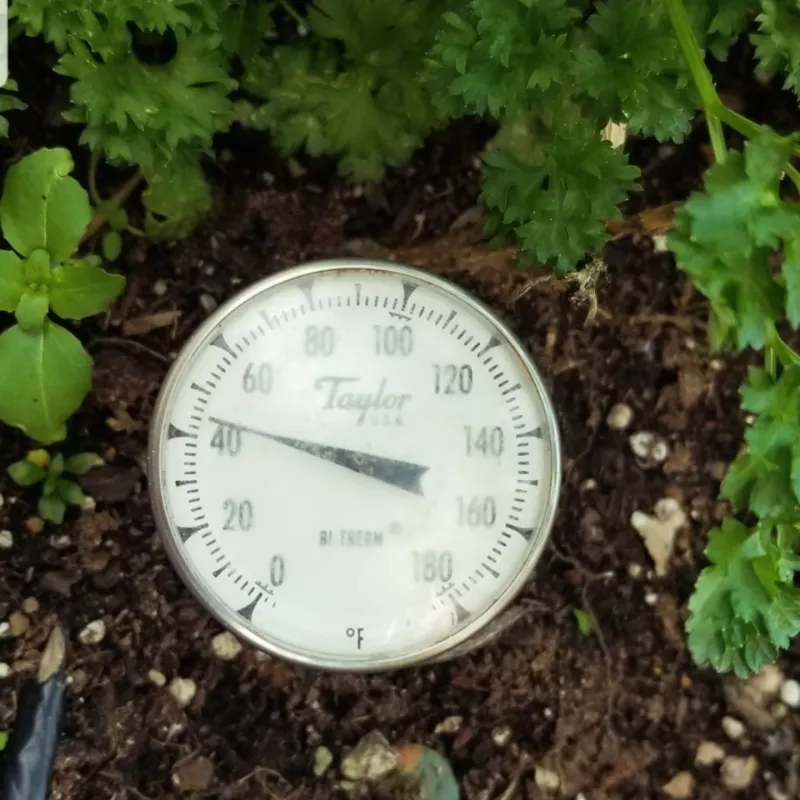
Standing in the garden on a 65-degree afternoon, it is easy to assume the ground beneath your feet is just as warm. That assumption catches a lot of Ohio gardeners off guard every spring.
Air temperature and soil temperature are two very different measurements, and plants respond to what is happening in the ground, not what the thermometer on the porch says.
Soil warms up gradually as spring progresses. After a cold winter, it can take weeks of consistently warm days for soil temperatures to climb to levels that support good germination and root growth.
A single warm week is rarely enough, especially in Ohio where cold snaps can interrupt warming trends and push soil temperatures back down.
Checking soil temperature is straightforward. A basic soil thermometer costs around ten to fifteen dollars at most garden centers or online.
Push it four inches into the ground, which is the root zone where germination actually happens, and take readings at the same time each morning for a few days. Morning readings give the most accurate picture of actual soil conditions.
Ohio State University Extension recommends waiting until soil temperatures are consistently in the right range for your specific crop before planting. That guidance is based on how plants actually function, not just how the weather feels.
Trusting the thermometer over the forecast leads to stronger plants and fewer replanting setbacks.
8. Waiting A Little Longer Can Lead To Healthier Faster Growth
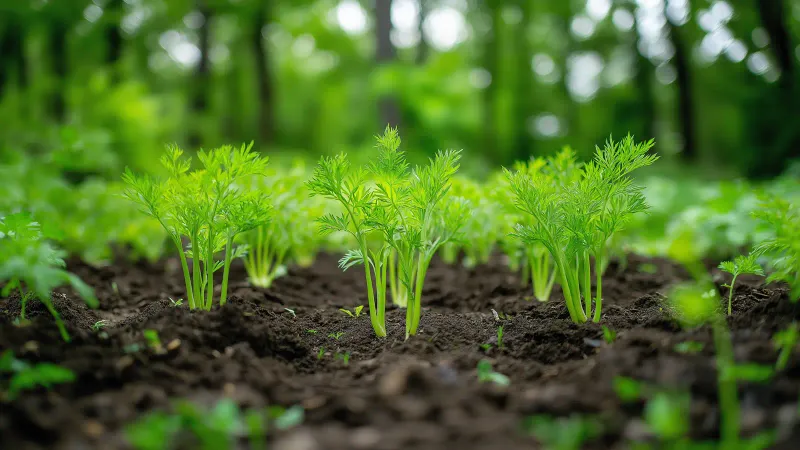
Here is something that surprises a lot of gardeners the first time they experience it: a tomato planted in warm, well-drained soil in mid-May can easily catch up to and outperform a tomato planted in cold, wet soil three weeks earlier. Patience in spring gardening is not just a virtue.
It is a genuine strategy that delivers measurable results.
When soil conditions are right, roots establish quickly. Plants take up water and nutrients efficiently from day one.
Growth is steady and visible rather than stalled and uncertain. The energy a plant would have spent simply surviving poor early conditions gets redirected into developing strong stems, healthy foliage, and eventually a productive harvest.
Waiting also reduces the need for replanting, which saves both time and money. Every transplant that has to be replaced after a late frost or a soggy spell is a cost that a little extra patience could have prevented.
Seed packets are inexpensive, but the time spent starting over is not.
Ohio gardeners who build the habit of checking soil temperature, respecting local frost dates, and reading their soil before planting tend to have more consistent success year after year. Spring enthusiasm is a great thing.
Channeling it into smart preparation rather than rushed planting is what turns a hopeful garden into a genuinely productive one.