This Is The Most Common Lilac Pruning Mistake In Ohio
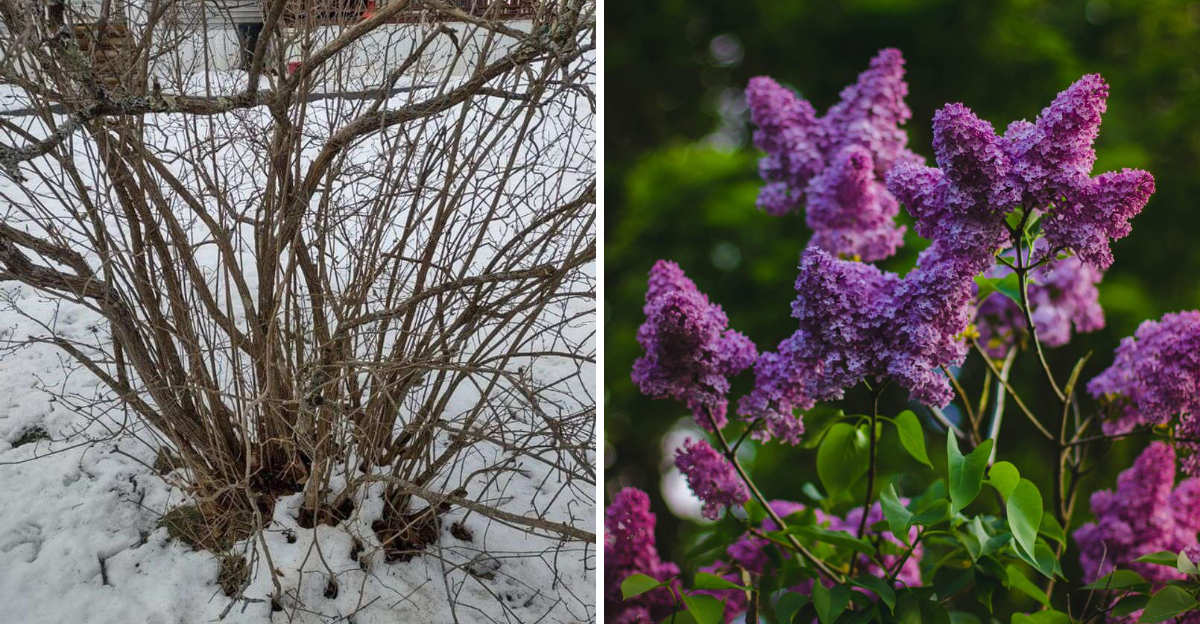
Lilacs bloom, fragrance fills the air, spring feels complete, then something slowly goes wrong. A once full, flower covered shrub begins to look tall, woody, and strangely bare at the base.
Blooms grow fewer, stems look tangled, and the plant loses that lush, romantic shape Ohio gardeners love. Many blame age, weather, or soil, yet the real cause often comes down to one simple pruning mistake repeated year after year.
Timing and technique matter far more than most people realize, and a wrong cut at the wrong moment can quietly reduce future flowers while forcing weak, uneven growth.
Lilacs follow a precise growth rhythm, and pruning outside that window can remove next season’s buds before they ever get a chance to form.
Before you reach for the pruners again, it helps to know the single mistake that keeps so many Ohio lilacs from reaching their full blooming potential year after year.
1. Early Spring Pruning Removes This Year’s Flower Buds
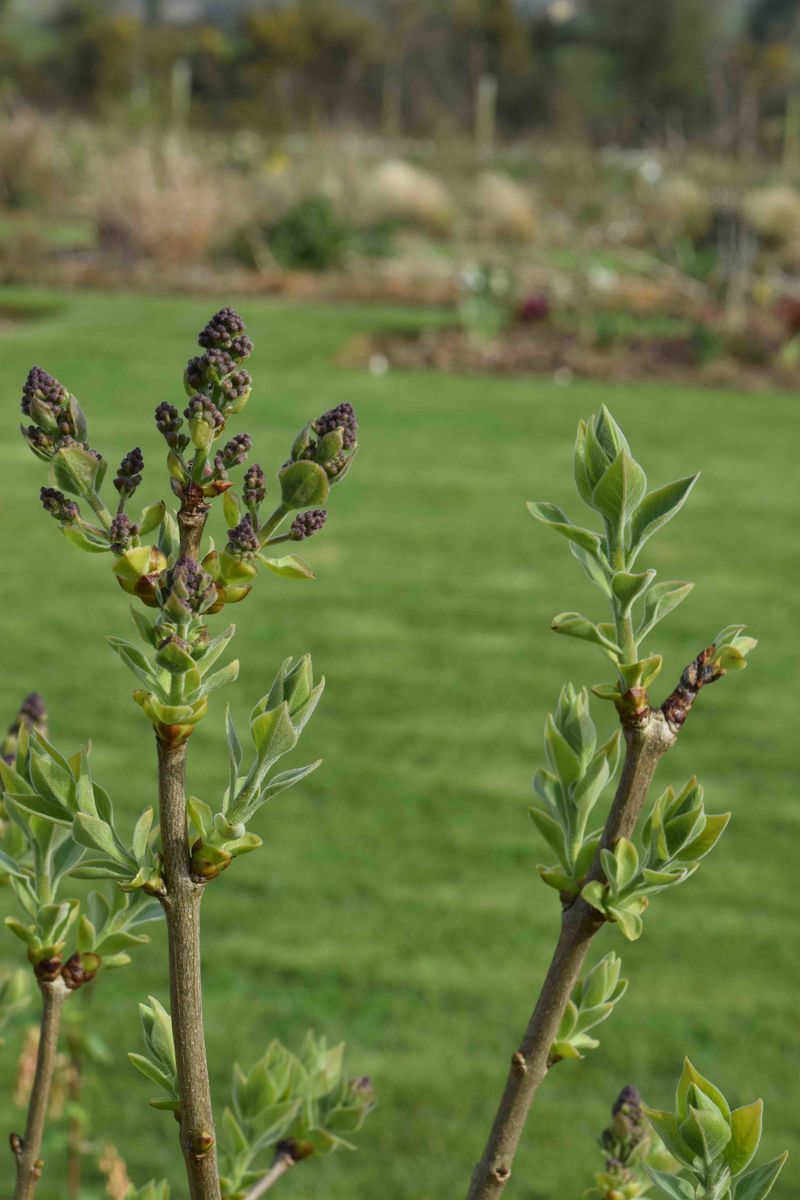
Many Ohio gardeners grab their pruning shears in March, eager to clean up the yard after a long winter. Lilac branches look shaggy and overgrown, and it seems logical to trim them back before the growing season begins.
Unfortunately, those bare branches already hold this season’s flower buds, formed during the previous summer and fall.
Lilacs develop their blooms a full year in advance. After flowering in late spring, the shrub immediately begins forming next year’s buds along the stems.
By late summer, those buds are fully developed and simply wait through winter for warm weather to trigger opening. When you prune in February or March, you’re cutting off branches loaded with these dormant buds.
Each snip removes dozens of potential flower clusters. Even light shaping can eliminate a significant portion of the bloom display.
The shrub will grow new leaves and shoots, but those fresh stems won’t produce flowers until the following year. This is why early spring pruning results in a healthy-looking lilac with little to no fragrance or color in May.
Recognizing that buds are already present on bare branches helps explain why timing matters so much. Ohio’s unpredictable spring weather can make it tempting to prune early, but patience protects your blooms.
Waiting until after flowering preserves the current season’s display and allows you to shape the shrub without sacrificing next year’s buds.
2. Lilacs Bloom On Old Wood Not New Growth
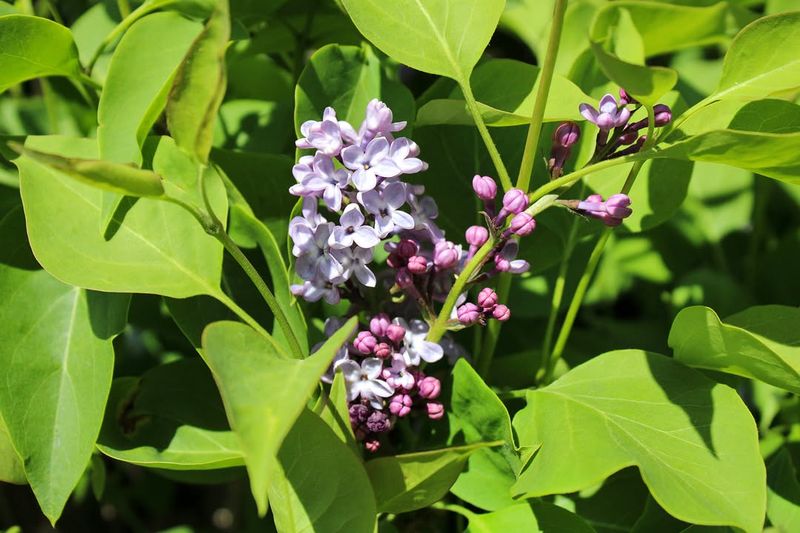
Understanding how lilacs produce flowers is essential for proper pruning. Unlike some shrubs that bloom on new stems grown the same season, lilacs are old-wood bloomers.
Their flowers develop exclusively on branches that grew during the previous year or earlier. This growth habit directly determines when you can safely prune without losing blooms.
Old wood refers to stems that have been on the plant for at least one full growing season. These mature branches have had time to develop flower buds during late summer and fall.
New growth, by contrast, emerges in spring and remains vegetative throughout its first season. It won’t form flower buds until the following summer, meaning it can’t bloom until the year after that.
This pattern repeats annually. After lilacs finish blooming in late May or early June across Ohio, they shift energy into producing new shoots and forming buds on existing wood.
By midsummer, next spring’s flower buds are already set. Pruning after this point removes future blooms, but pruning before bud formation allows the plant time to develop new flowering wood.
Many gardeners mistakenly assume that cutting back lilacs will encourage fresh flowering growth, similar to roses or certain perennials. But with old-wood bloomers, heavy pruning simply removes the flowering potential for one or even two years.
Recognizing this fundamental difference helps you time your pruning correctly and maintain consistent annual blooms without frustration.
3. Bare Branches In Late Winter Mislead Many Gardeners
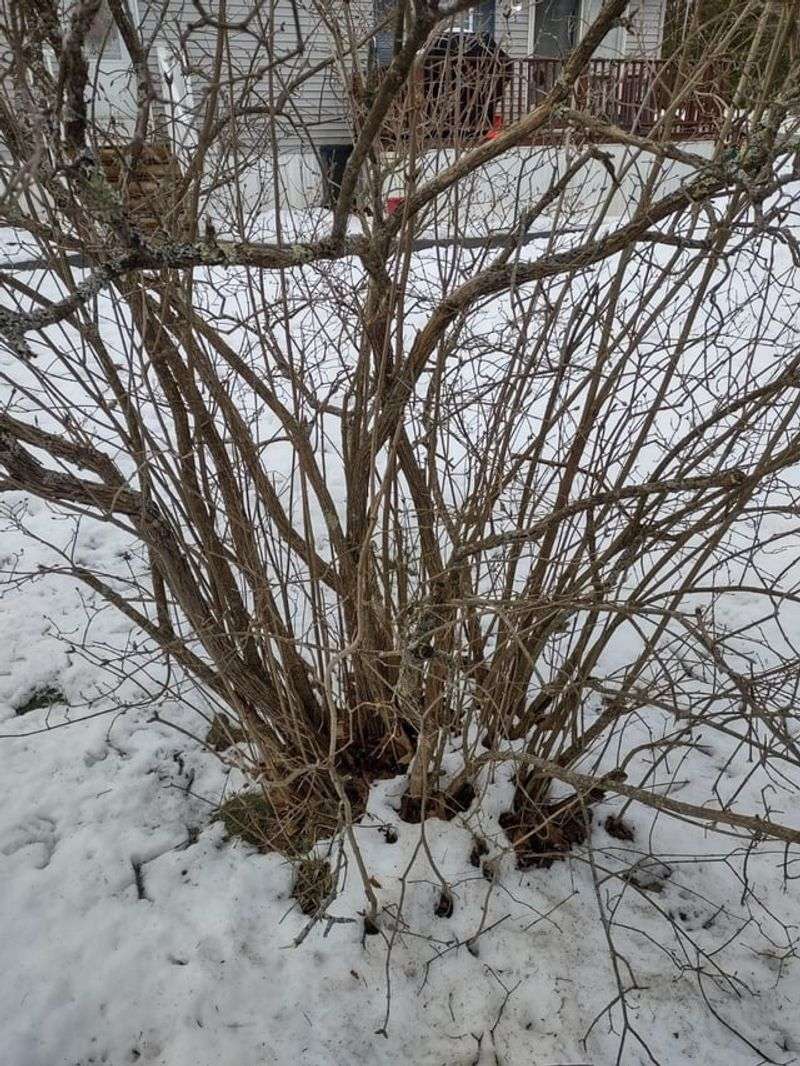
Late winter in Ohio brings a landscape of bare branches and gray skies. Lilacs stand dormant, their woody stems exposed and their structure clearly visible.
For many gardeners, this dormant period looks like the ideal pruning window. The shrub appears ready for maintenance, and conventional wisdom suggests pruning before spring growth begins.
This visual cue is deceptive. While the shrub looks inactive, those bare branches are actually loaded with dormant flower buds waiting for warmer temperatures.
The buds are small and tight, often difficult to spot without close inspection. They blend into the bark and don’t show the swelling or color that makes them obvious later in spring.
The clean, leafless structure makes it easy to see where cuts should go, which adds to the appeal of winter pruning. You can assess the overall shape, identify crossing branches, and plan your cuts without foliage blocking the view.
This clarity tempts gardeners to act immediately, especially during the first warm days of March when outdoor work becomes more comfortable.
However, pruning during dormancy removes the very buds you’re trying to protect. By the time those buds swell and become visible in April, it’s often too late to reverse the damage.
Recognizing that dormant doesn’t mean unprepared helps shift your timing. Instead of pruning when the shrub looks ready, wait until after it shows you its flowers.
That brief post-bloom window is your safe opportunity.
4. February And March Pruning Reduces Spring Flowers
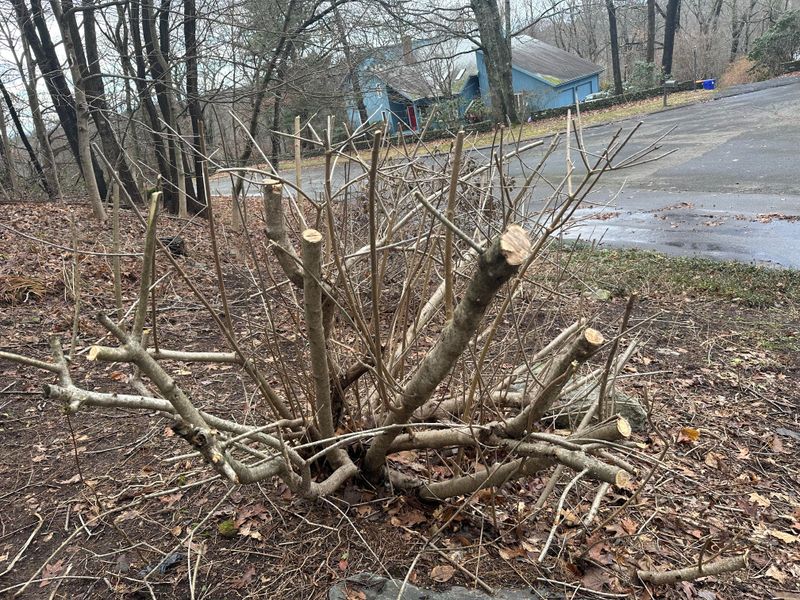
Ohio’s late winter weather can be unpredictable, with occasional warm spells that make outdoor work appealing. February and March often bring days when temperatures climb into the 40s or 50s, creating perfect conditions for yard cleanup.
Gardeners naturally use these windows to tackle pruning projects, and lilacs often make the list because they’re visible, accessible, and seem overdue for attention.
Pruning during these months directly reduces your spring flower display. Every branch you remove carries multiple flower buds that would have opened in May.
Even selective thinning cuts eliminate significant bloom potential. If you prune heavily to control size or shape, you might remove nearly all the flowers for that season.
The timing problem is particularly frustrating because the damage isn’t immediately obvious. The shrub looks fine after pruning, and new growth emerges vigorously in April.
By the time May arrives and neighboring lilacs burst into bloom, yours remains green and leafy but flowerless. The mistake becomes clear only when it’s too late to correct it for that year.
Ohio’s climate typically brings lilac blooms in mid to late May, depending on spring temperatures. Pruning should wait until after that bloom period ends, usually early to mid-June.
This narrow window allows you to shape the shrub while preserving both the current year’s display and next year’s bud formation.
Resisting the urge to prune during those tempting late winter warm spells protects your blooms and ensures consistent annual performance.
5. Prune Only After Bloom For Best Results

The single most important rule for lilac pruning is timing: prune immediately after flowering finishes. In Ohio, this typically means late May through mid-June, depending on when your particular shrub blooms and how long the flowers last.
This post-bloom window gives the plant maximum time to develop new growth and form next year’s flower buds before summer ends.
Once the last flowers fade and petals drop, you have roughly two to three weeks to complete your pruning. During this period, the shrub hasn’t yet initiated bud formation for next year, so your cuts won’t remove future blooms.
The plant is also entering its active growth phase, meaning it will quickly heal pruning wounds and produce fresh shoots to fill in gaps.
Waiting until after bloom requires patience, especially if your lilac looks overgrown or unruly in early spring. But this timing protects both the current season’s flowers and next year’s display.
You get to enjoy the fragrant blooms before making any cuts, and the shrub has a full growing season to recover and prepare for the following spring.
Mark your calendar or set a reminder for early June to ensure you don’t miss this window. If you prune too late in summer, after bud formation begins, you’ll reduce next year’s blooms.
If you prune too early, you lose this year’s flowers.
The post-bloom period is your safe zone for shaping, thinning, and controlling size without sacrificing flowering performance.
6. Use Proper Technique To Protect Next Year’s Buds
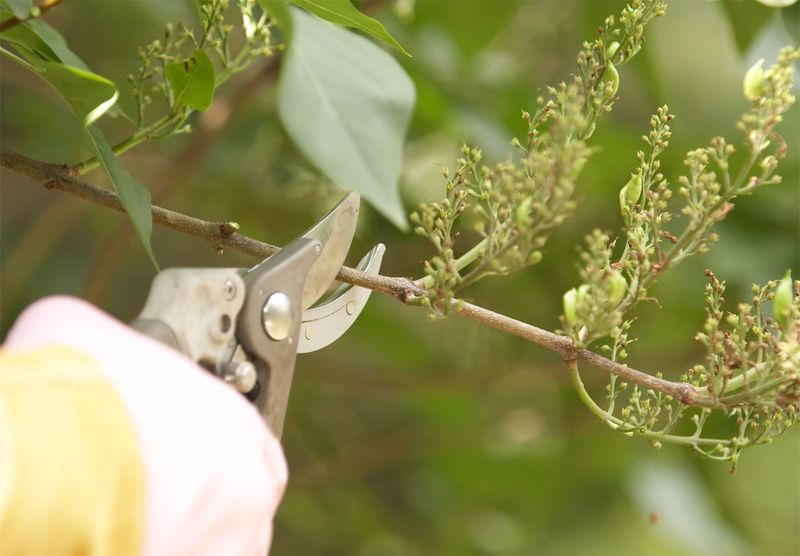
Correct timing is only half the equation. Using proper pruning technique ensures you maintain the shrub’s natural shape while protecting its flowering potential.
Lilacs respond best to selective thinning rather than shearing or heading cuts. Thinning removes entire branches at their base, opening up the interior and improving air circulation without drastically altering the plant’s form.
Start by identifying the oldest, thickest stems at ground level. These mature canes often produce fewer flowers and can be removed completely to encourage fresh growth from the base.
Cut them as close to the ground as possible, leaving no stubs. This renewal approach gradually replaces old wood with vigorous new stems over several years.
Avoid shearing or hedge-trimming lilacs. These techniques remove branch tips where flower buds form, reducing bloom density and creating dense outer growth that shades the interior.
Sheared lilacs develop a formal, unnatural appearance and often produce fewer flowers. Instead, use bypass pruners or loppers to make individual cuts, preserving the shrub’s graceful, arching habit.
When thinning, step back frequently to assess your progress. Remove no more than one-third of the total growth in a single season to avoid stressing the plant.
Focus on crossing branches, damaged wood, and spent flower clusters. This selective approach maintains flowering wood throughout the shrub while improving overall health and appearance.
Proper technique combined with correct timing keeps Ohio lilacs blooming reliably year after year without sacrificing their natural beauty.
7. Restore Overgrown Lilacs With Renewal Pruning
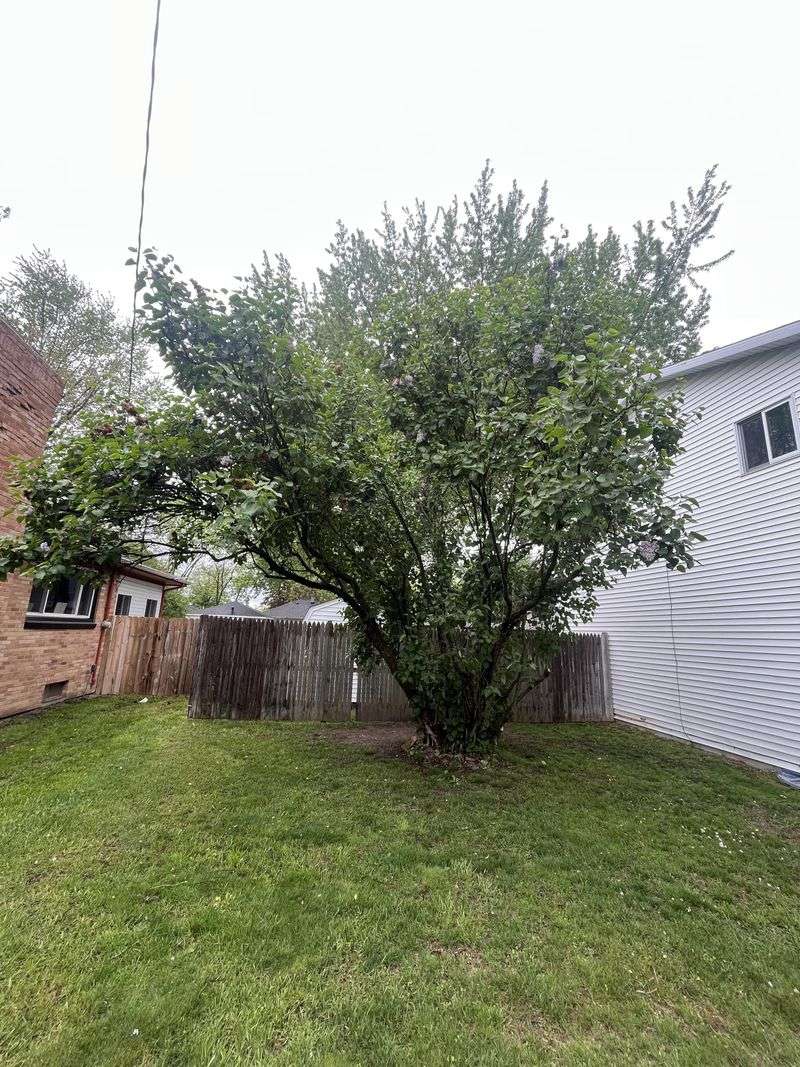
Older lilacs sometimes become overgrown, with thick tangled stems, reduced flowering, and an unkempt appearance. Many Ohio gardeners inherit these neglected shrubs or simply let them grow unchecked for years.
Renewal pruning offers a solution that gradually rejuvenates the plant without shocking it or eliminating blooms entirely.
Renewal pruning involves removing one-third of the oldest, largest stems at ground level each year for three consecutive years. This phased approach allows the shrub to replace old, unproductive wood with fresh, vigorous growth while maintaining some flowering each season.
In the first year, identify and cut the thickest, most crowded stems. The remaining stems will bloom normally.
In the second year, remove another third of the oldest remaining stems. By this point, new shoots from the previous year’s cuts will be growing strongly from the base.
These young stems won’t flower yet, but they’re developing the structure that will support future blooms. The untouched stems continue to flower, ensuring you don’t lose the display entirely.
By the third year, remove the final third of the original old stems. The shrub now consists primarily of younger wood in various stages of development.
Some stems are mature enough to flower, while others are still establishing. This mixed-age structure provides consistent blooms and a healthier, more attractive plant.
Renewal pruning requires patience but transforms overgrown lilacs without the drastic appearance of cutting the entire shrub to the ground at once.
8. Avoid This Mistake For Fuller Healthier Blooms

Preventing the most common lilac pruning mistake comes down to changing your mindset about timing. Instead of viewing late winter as pruning season for all shrubs, recognize that lilacs follow their own schedule.
Training yourself to wait until after bloom takes discipline, especially when the shrub looks overgrown in March and neighboring plants are getting pruned.
Keep a simple calendar note or garden journal entry reminding you to prune lilacs only after flowering. When you see the last petals drop in late May or early June, that’s your signal to act.
Have your tools ready and set aside time during that narrow window. If you miss it, resist the temptation to prune later in summer when bud formation has begun.
Educate family members or lawn care services who might prune without understanding lilac-specific timing. Many well-meaning helpers trim shrubs during spring cleanup, inadvertently removing flower buds.
Clear communication prevents accidental bud removal and protects your blooms. If you hire professionals, specify that lilacs should only be pruned after flowering.
Consistent correct timing results in fuller, more reliable blooms year after year. Your lilacs will reward proper care with abundant fragrant flowers each May, transforming your Ohio landscape with color and scent.
The brief wait after bloom is a small price for spectacular spring performance.
By avoiding early pruning, you preserve the flowering potential built into every branch and enjoy the reliable beauty that makes lilacs such beloved garden plants across the state.