This Is The Native Ohio Tree Blue Jays Depend On
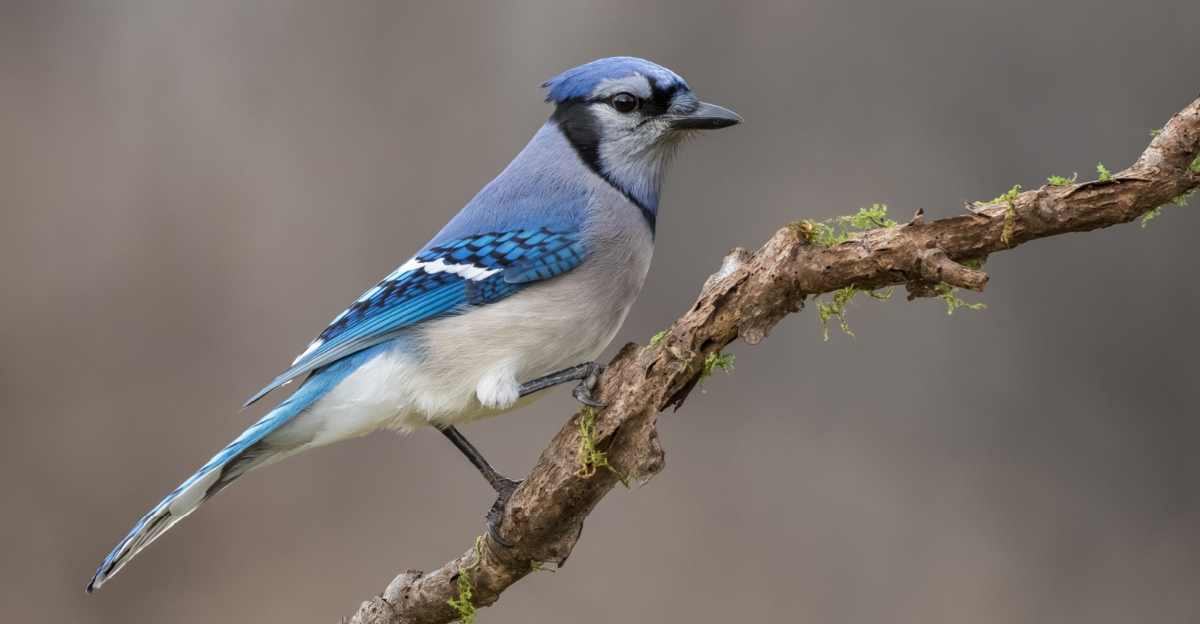
Blue jays rank among the most striking and intelligent birds in Ohio, yet their survival ties closely to a single native tree woven deep into the region’s natural landscape. This tree offers far more than shade.
It provides rich food, sturdy nesting sites, and reliable shelter through harsh winters and shifting seasons. As natural habitats shrink and urban spaces expand, this quiet partnership grows even more vital for maintaining healthy blue jay populations.
Many Ohio yards lack this powerful ecological anchor, missing the life and movement it supports. The flash of blue wings and sharp calls often reveal its presence nearby, shaping the rhythm of local wildlife.
At the center of this connection stands the Native Oak Tree, a cornerstone species that nourishes blue jays and sustains the living fabric of Ohio’s landscapes.
1. Turn Your Yard Into A Blue Jay Magnet With Native Oak Trees
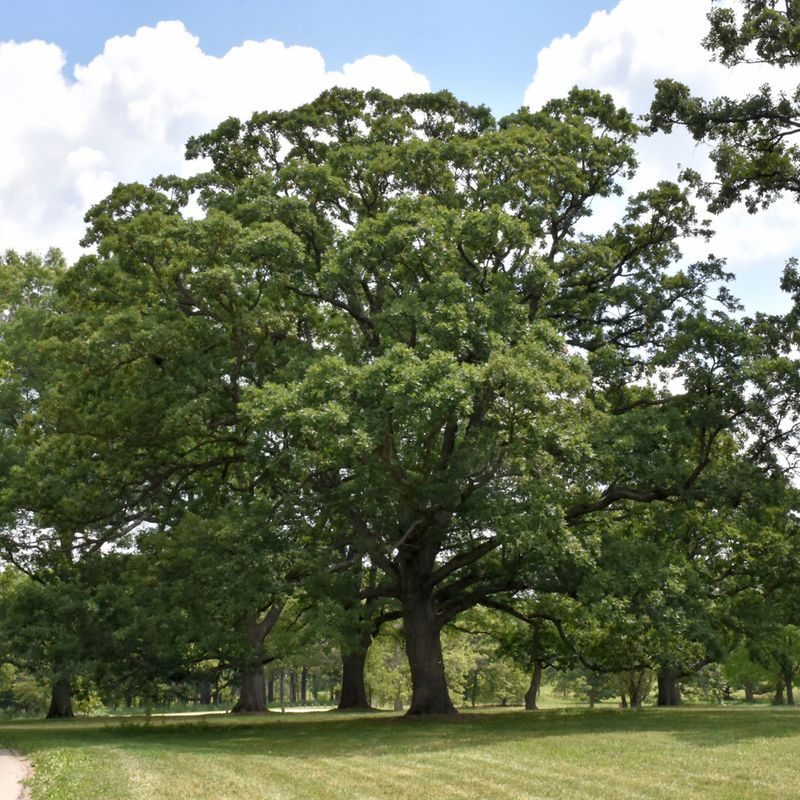
Planting a native oak tree in your Ohio yard creates an instant wildlife attraction that blue jays simply cannot resist. These trees produce acorns in abundance, offering a reliable food source that brings blue jays back season after season.
Unlike ornamental trees that provide little ecological value, native oaks support entire ecosystems right in your backyard.
White oak, red oak, and bur oak varieties all thrive in Ohio’s climate and soil conditions. Each species produces slightly different acorn crops at varying times, which means planting multiple oak types extends the feeding season for blue jays.
The trees also grow strong, spreading canopies that provide excellent perching spots where blue jays can survey their territory.
Young oak trees begin producing acorns within 20 years, though some varieties start even sooner. Once established, these trees can live for centuries, supporting generations of blue jays and countless other wildlife species.
The investment you make today in planting a native oak creates lasting habitat value that benefits your entire neighborhood’s ecosystem for decades to come.
2. Grow Oaks That Produce Reliable Acorns
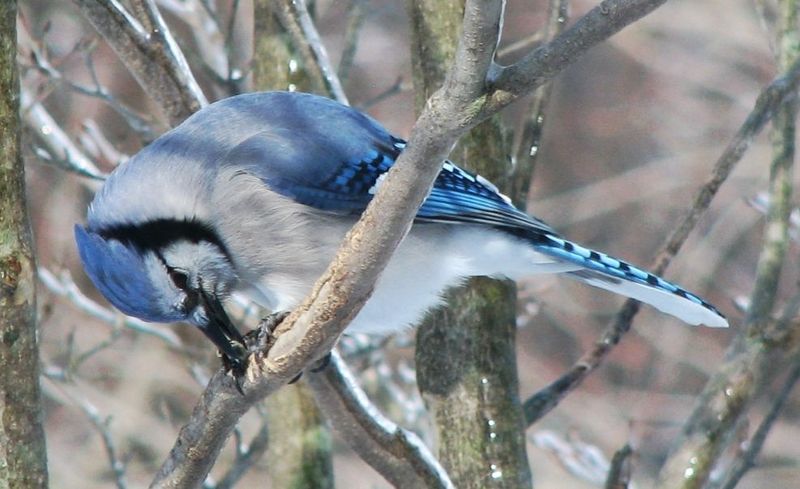
Acorn production follows natural cycles that blue jays have learned to depend on throughout Ohio’s woodlands and residential areas. Native oak trees produce these nutritious nuts with remarkable consistency, though crop sizes vary from year to year based on weather patterns and tree health.
Blue jays recognize productive oak trees and return to them annually, often traveling considerable distances to reach their favorite feeding spots.
White oaks produce sweeter acorns that mature in a single season, making them a preferred food source for blue jays in fall. Red oak group trees take two years to mature their acorns, which means these trees often have crops at different stages simultaneously.
This staggered production creates a more reliable food supply across your landscape.
The nutritional value of acorns makes them essential for blue jay survival, providing fats and proteins needed for energy and health. A single mature oak can produce thousands of acorns in a good year, feeding dozens of blue jays and other wildlife.
By growing native oaks, you’re essentially operating a natural bird feeder that never needs refilling.
3. Support Winter Survival With Oak Food Sources
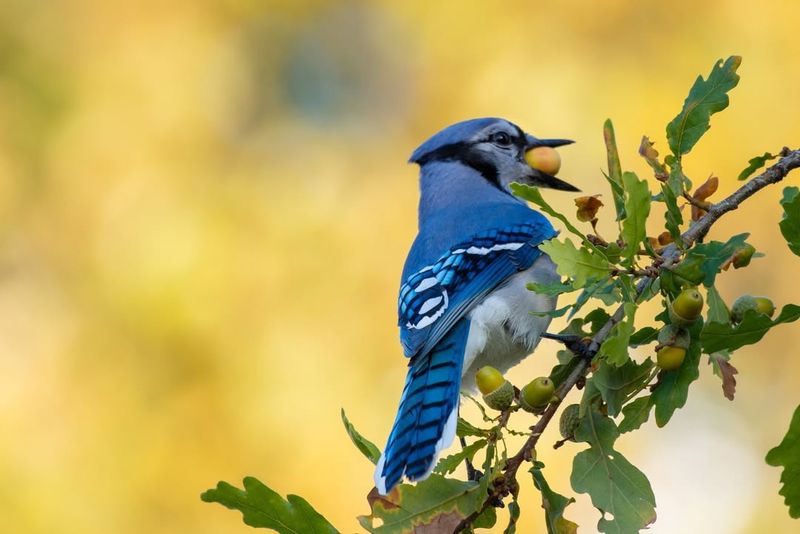
Winter food scarcity challenges all Ohio birds, but blue jays have developed a clever survival strategy centered entirely around oak trees. During autumn, blue jays frantically collect and cache acorns throughout their territory, burying them in the ground for later retrieval.
This behavior, called scatter-hoarding, allows blue jays to survive harsh Ohio winters when insects and other food sources become unavailable.
A single blue jay may hide thousands of acorns each fall, tucking them into soil, leaf litter, and tree crevices across several acres. Their remarkable memory helps them relocate many of these hidden acorns months later when snow covers the ground and temperatures plunge.
Oak trees essentially provide blue jays with a self-service pantry that remains accessible throughout the coldest months.
Native oaks drop their acorns at precisely the right time for blue jay winter preparation. The birds begin caching behavior in September and continue through November, matching perfectly with oak acorn maturity in Ohio.
Without native oak trees providing this critical winter food source, blue jay populations would struggle to maintain their numbers through difficult seasons.
4. Use Oak Trees To Create Safe Nesting Areas
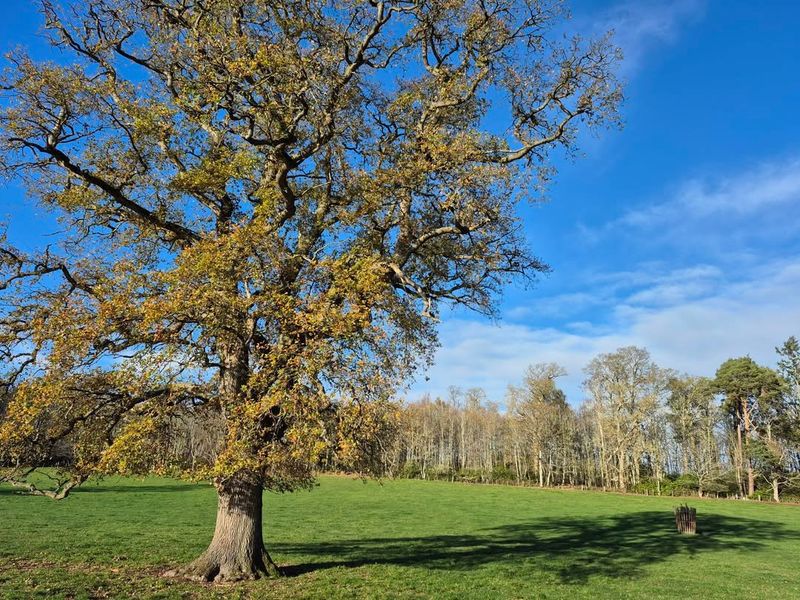
Dense branching patterns and sturdy limb structures make mature oak trees ideal nesting locations for blue jays across Ohio landscapes. These trees grow thick networks of horizontal and vertical branches that create protected spaces perfect for nest building.
Blue jays construct their nests using twigs, roots, and bark strips, wedging them securely into oak branch forks where they remain stable through spring storms and wind.
The rough bark texture of oak trees provides excellent grip for blue jay feet, making it easier for parent birds to land and take off while feeding their young. Thick foliage that develops on oaks during nesting season offers concealment from predators like hawks and owls.
The leaves also provide shade that keeps nests cooler during hot Ohio summers.
Oak trees grow to substantial heights, which blue jays prefer for nest placement, typically choosing locations 10 to 25 feet above ground. This elevation offers safety advantages while remaining accessible for the birds.
The strong wood of oak branches supports nest weight without bending or breaking, even when multiple chicks grow large enough to crowd the nest structure together before fledging.
5. Attract Insects Blue Jay Chicks Need From Oaks
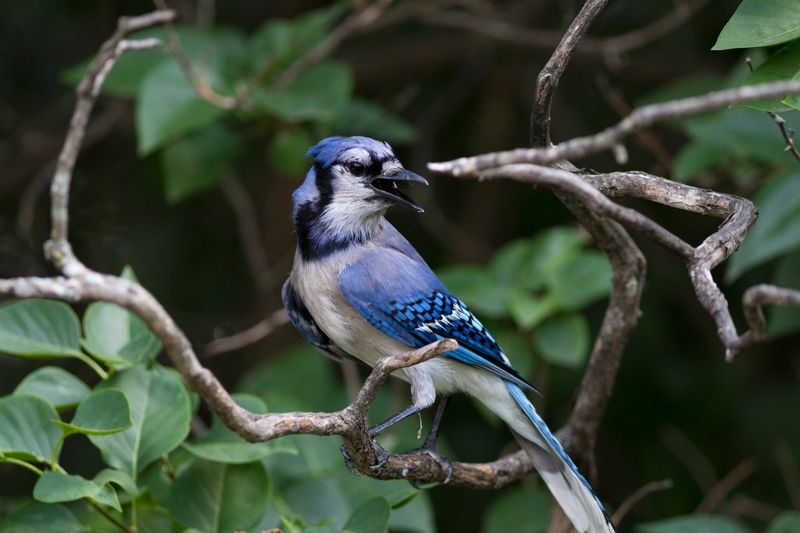
Adult blue jays eat primarily plant material, but their growing chicks require protein-rich insects for proper development. Native oak trees support more insect species than any other tree genus in North America, with some research documenting over 500 different caterpillar species feeding on oak leaves.
This incredible biodiversity creates a natural feeding ground that blue jay parents exploit when raising their young in Ohio.
Caterpillars represent the most important insect food for blue jay chicks, providing concentrated protein and fat needed for rapid growth. Oak trees host massive caterpillar populations each spring, precisely when blue jays are feeding their nestlings.
Parent birds make hundreds of trips daily from oak branches to the nest, delivering fresh caterpillars to hungry chicks.
Beyond caterpillars, oak trees attract beetles, spiders, and other invertebrates that supplement blue jay chick diets. The leaf litter beneath oak trees also harbors ground-dwelling insects that adult blue jays hunt while foraging.
By planting native oaks, you’re creating a complete food web that supports blue jays from egg to adult, ensuring successful reproduction in your Ohio landscape year after year.
6. Build Long Term Habitat With Native Oaks
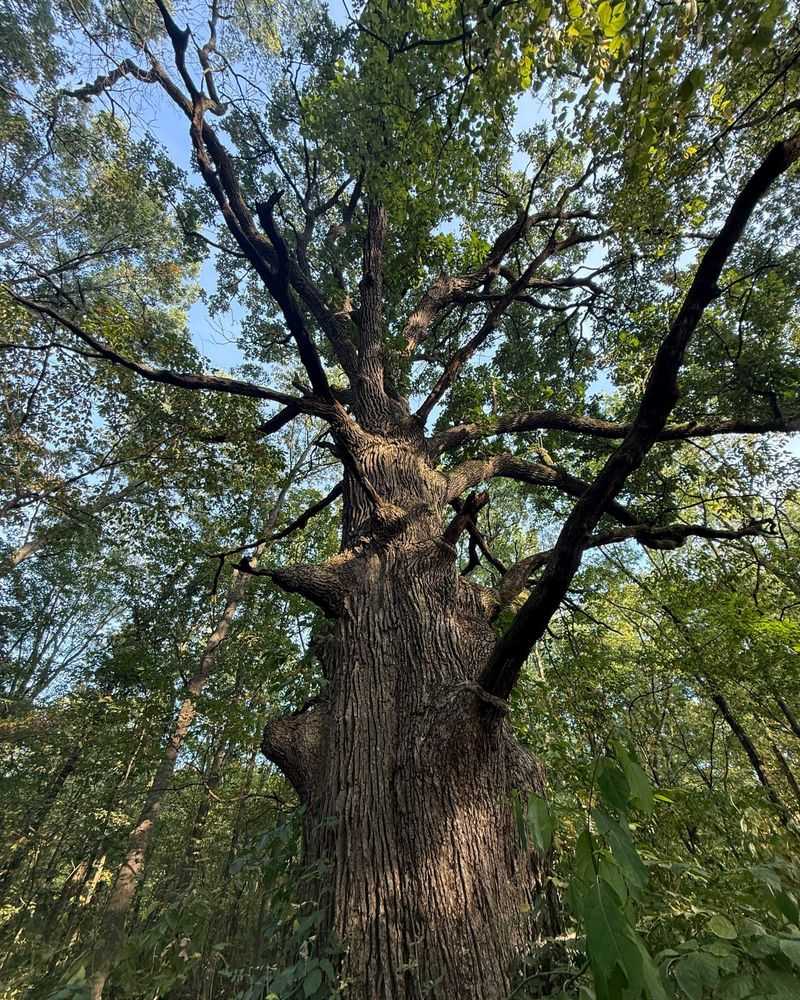
Native oak trees represent one of the best long-term investments any Ohio landowner can make for wildlife habitat. These trees live for centuries when properly sited and cared for, creating stable ecosystems that support blue jays and countless other species across multiple generations.
Unlike short-lived ornamental trees that require replacement every few decades, oaks become more valuable to wildlife as they age.
Mature oaks develop complex branch structures, thick bark with crevices, and substantial canopy coverage that younger trees cannot provide. These features increase in ecological value over time, supporting larger and more diverse wildlife communities.
Blue jays that nest in your oak trees may return to the same tree for their entire lives, establishing territories they defend and maintain year after year.
The root systems of native oaks extend deep into Ohio soil, making these trees remarkably resilient to drought, storms, and environmental stress. This durability ensures your wildlife habitat remains intact through changing conditions.
When you plant an oak tree today, you’re creating habitat that will benefit blue jays and other wildlife for the next 200 years or more, leaving a living legacy.
7. Let Blue Jays Help Spread Oak Forests Naturally
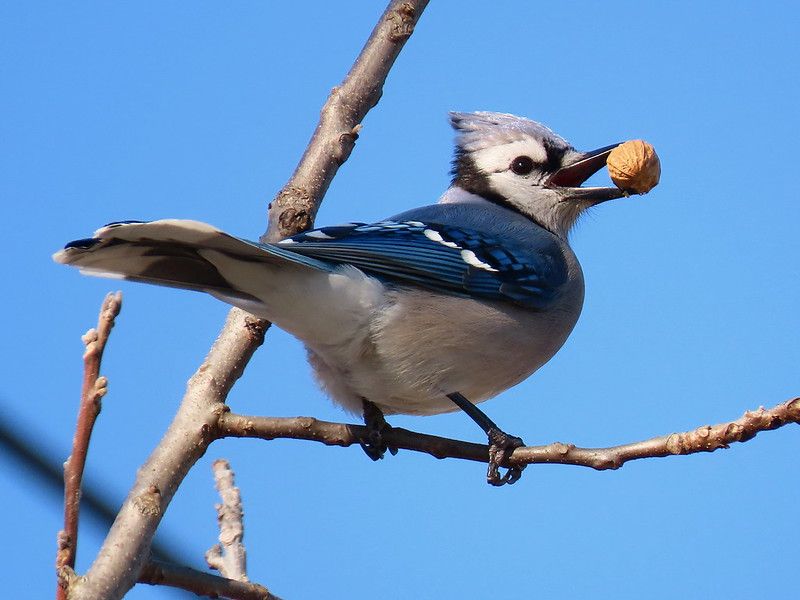
Blue jays function as essential tree planters throughout Ohio, inadvertently creating new oak forests through their acorn caching behavior. When blue jays bury acorns and forget their locations, those acorns often germinate and grow into new oak trees.
Research suggests blue jays may be responsible for planting thousands of oak trees across their lifetimes, making them critical partners in forest regeneration and expansion.
The distances blue jays carry acorns before caching them help oak trees colonize new areas far from parent trees. Birds often fly a mile or more with acorns, depositing them in locations where oaks might never naturally spread.
This behavior has helped oak forests recover from historical clearing and expand into suburban areas across Ohio where homeowners have allowed natural processes to unfold.
Blue jays preferentially select larger, healthier acorns for caching, which means they’re planting the best genetic material available. The burial depth blue jays choose for acorns happens to be ideal for germination, giving these cached nuts excellent survival rates.
By encouraging blue jays in your Ohio landscape, you’re participating in natural forest regeneration that benefits entire ecosystems.
8. Strengthen Ohio Wildlife With Native Oak Trees
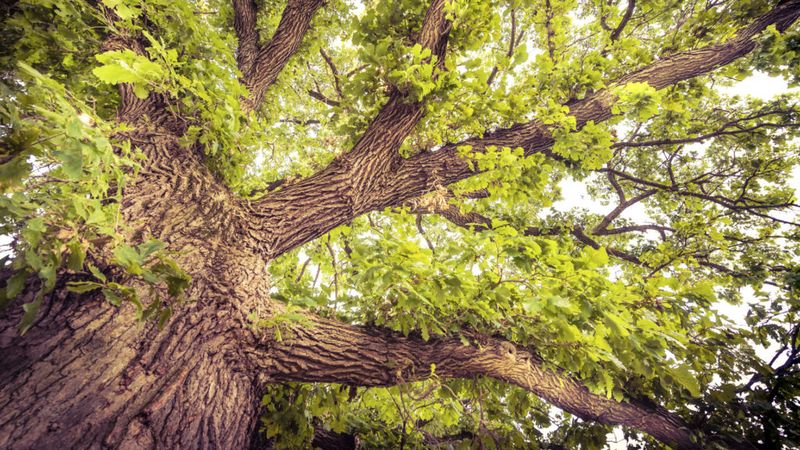
Native oak trees function as keystone species in Ohio ecosystems, supporting far more than just blue jays. These trees provide food, shelter, and nesting sites for dozens of bird species, mammals, and insects that create balanced, healthy wildlife communities.
When you plant a native oak, you’re strengthening the entire ecological web in your neighborhood, not just helping one bird species.
Woodpeckers excavate cavities in mature oak trees that later provide nesting sites for other birds and small mammals. Squirrels depend on oak acorns just as heavily as blue jays, creating dynamic interactions between species.
Native bees and other pollinators benefit from oak flowers in spring, while leaf-shredding insects provide food for countless predator species throughout the growing season.
The ecological benefits of native oaks extend beyond wildlife to include soil health, water filtration, and air quality improvement across Ohio landscapes. These trees reduce stormwater runoff, sequester carbon, and cool neighborhoods through shade and transpiration.
By choosing native oak trees for your property, you’re making a decision that benefits blue jays while simultaneously improving environmental quality and supporting broader conservation goals throughout your community and region.