This Is The Raised Bed Soil Mix Ohio Gardeners Need This March
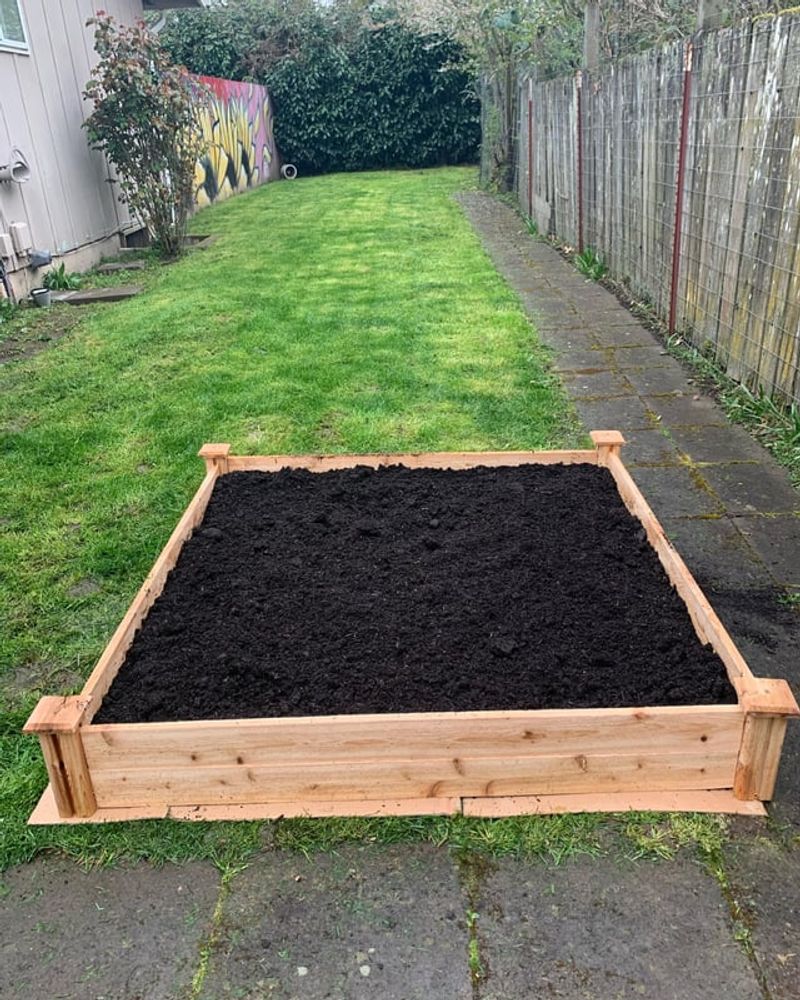
Cold soil, muddy boots, and longer days signal one thing across Ohio. Garden season is waking up.
Many gardeners rush to plant the moment snow disappears, yet the real secret to a heavy harvest starts below the surface. The right soil turns small seedlings into powerhouse plants loaded with vegetables, while poor soil leads to weak growth, yellow leaves, and disappointing yields.
Strong soil fuels deep roots, steady nutrients, and resilient plants that handle spring swings and summer heat. March gives a powerful head start for building rich, living soil before planting time arrives.
A simple, proven mix can transform ordinary dirt into a fertile bed that supports vigorous growth and fewer problems.
Build the foundation now and plants reward that effort with stronger growth, better flavor, and bigger harvests from the first pick to the final fall crop.
1. Fuel Raised Beds With Compost-Rich Soil
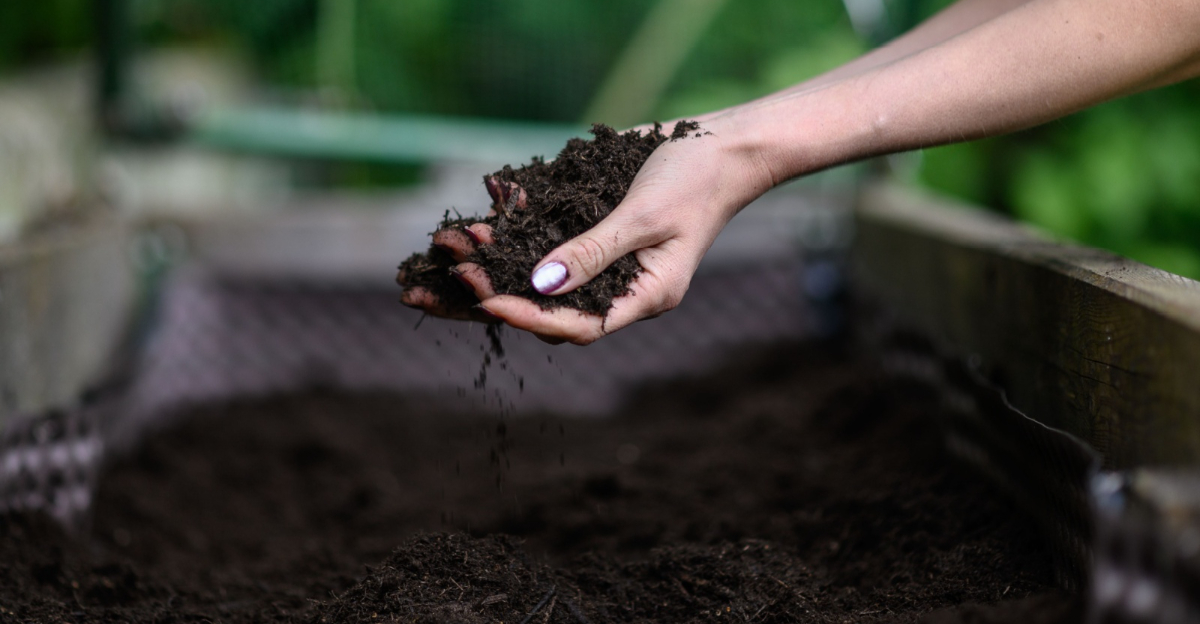
Compost transforms ordinary soil into a thriving ecosystem for vegetables. Adding generous amounts of finished compost brings beneficial microbes, improves nutrient availability, and creates the kind of soil structure that roots love to explore.
Ohio State University Extension recommends compost as a cornerstone ingredient for any raised bed mix.
When you incorporate compost, you’re doing more than just feeding plants. You’re building a living soil that holds moisture during dry spells yet drains well after heavy rains.
Compost also helps buffer pH swings and provides a slow, steady release of nutrients throughout the growing season.
Look for compost that’s fully broken down, dark, and crumbly with an earthy smell. Avoid anything that’s still hot, smells sour, or contains visible chunks of undecomposed material.
Many Ohio gardeners make their own, but quality bagged compost or bulk deliveries from local suppliers work just as well.
Plan to mix compost deeply into your beds this month. March gives you time to let everything settle and meld before planting starts in earnest.
Your vegetables will reward you with vigorous growth, strong root systems, and healthier harvests all season long.
2. Use The 50/50 Soil And Compost Mix
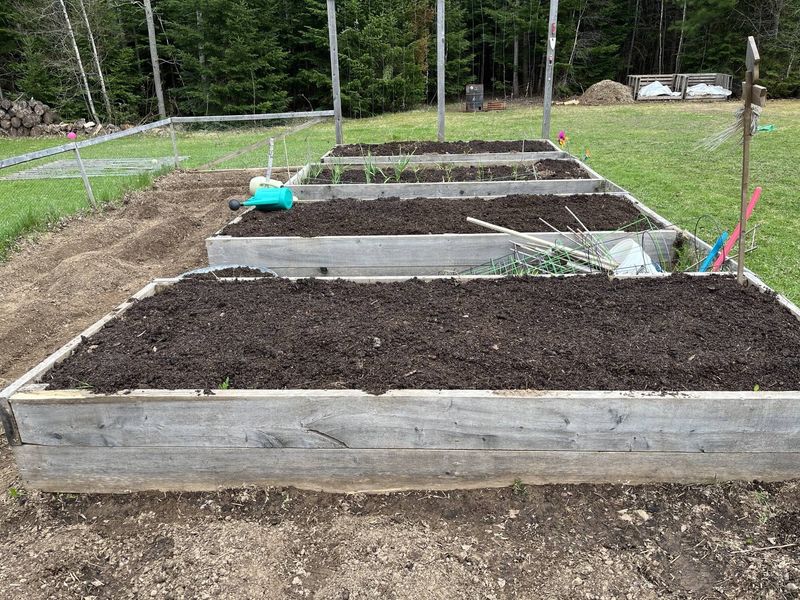
Mixing equal parts quality garden soil and compost creates a solid foundation for raised beds. However, many Ohio gardeners improve drainage and root growth by also adding peat moss, coconut coir, or another aerating material.
This creates a balanced soil that holds moisture, drains well, and supports healthy root development throughout the growing season.
Garden soil provides weight and stability, helping anchor plant roots and retain moisture. Compost lightens the mix, improves drainage, and delivers nutrients.
Together, they form a medium that’s neither too heavy nor too fluffy, striking the perfect balance for raised bed success.
When shopping for soil, choose products labeled for vegetable gardens rather than generic fill dirt. Avoid anything that clumps hard when dry or turns to sticky mud when wet.
Quality matters here because you’re building a growing environment that needs to last the entire season.
Measure your bed volume before buying materials so you know exactly how much you need. A standard four-by-eight bed that’s one foot deep requires about 32 cubic feet of mix.
Blend your soil and compost thoroughly in March, giving everything time to integrate before you start planting.
3. Skip Pure Topsoil To Prevent Compaction
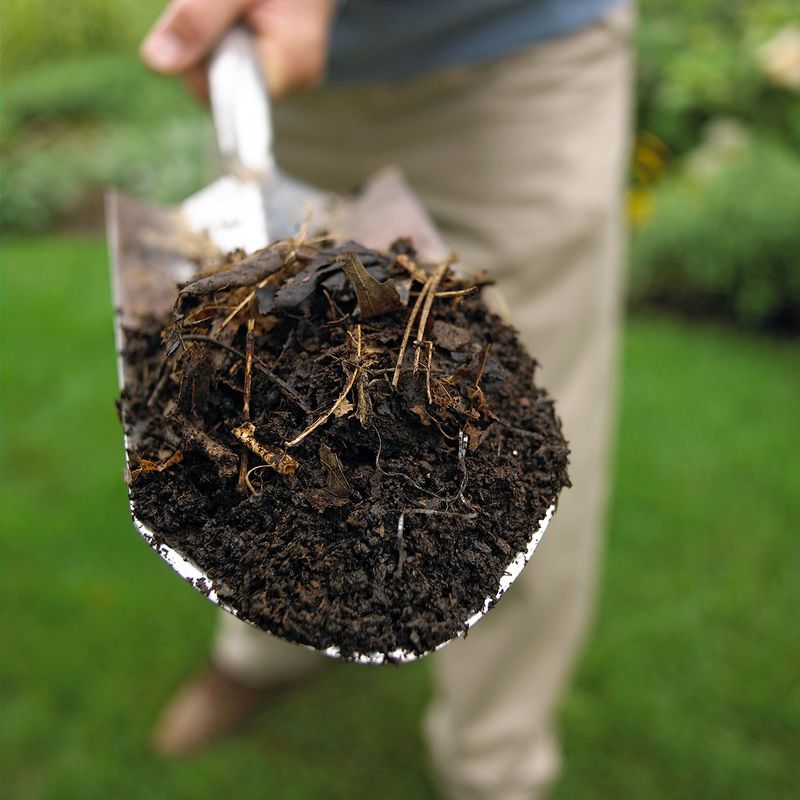
Pure topsoil seems like a logical choice for raised beds, but it often causes more problems than it solves. Topsoil by itself tends to compact over time, especially after repeated watering and rainfall.
Once compacted, it restricts root growth, reduces drainage, and makes it harder for plants to access oxygen and nutrients.
Ohio clay soils are particularly notorious for compaction issues. Even topsoil products marketed as premium can settle into a dense, heavy mass that vegetable roots struggle to penetrate.
Tomatoes, peppers, and root crops especially need loose, well-aerated soil to develop properly.
Instead of relying solely on topsoil, think of it as just one component in a more complete mix. Blending it with compost, as mentioned earlier, prevents compaction while still providing the mineral content and substance that pure compost lacks.
This combination stays loose and workable throughout the growing season.
If you already filled your beds with straight topsoil in past years, don’t worry. You can amend it this March by working in several inches of compost across the top.
Mix it thoroughly into the existing soil, and you’ll notice an immediate improvement in texture and drainage.
4. Load Beds With Organic Matter For Growth
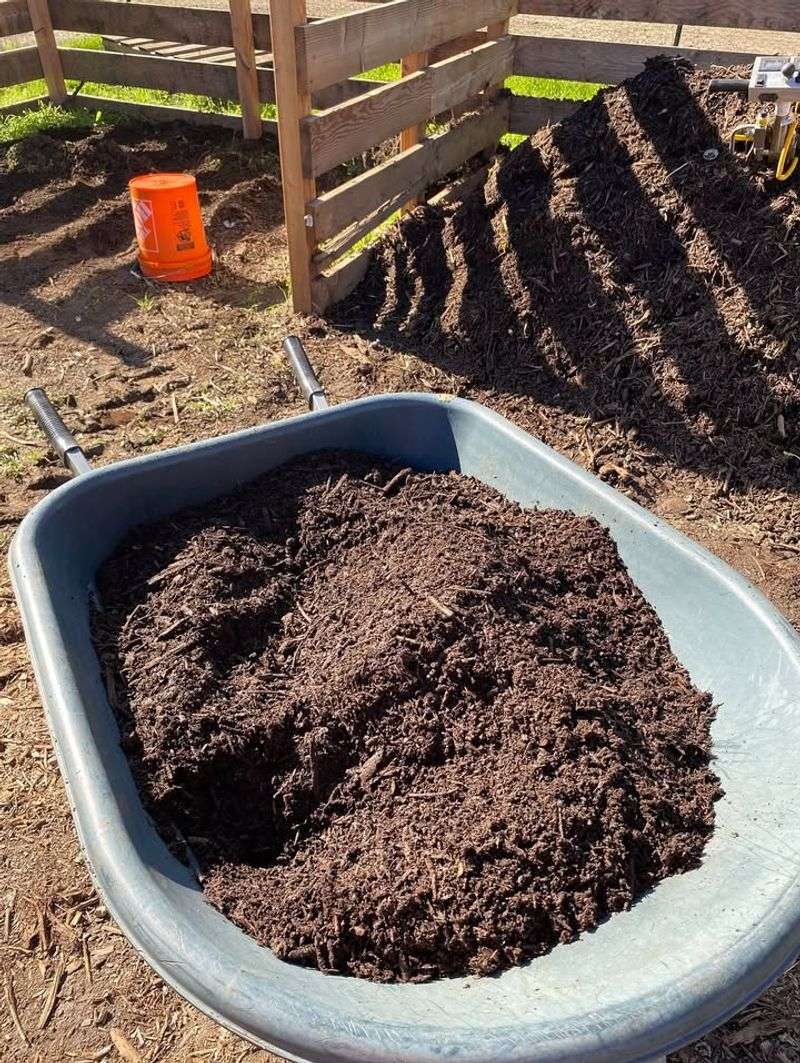
Organic matter is the secret ingredient that separates thriving gardens from struggling ones. It includes compost, aged manure, shredded leaves, and other decomposed plant materials that enrich soil and support plant health.
Ohio State University research consistently shows that gardens with high organic matter content produce stronger plants and bigger yields.
When you pack your beds with organic matter, you’re building a reservoir of nutrients that releases slowly over months. This steady supply means plants get what they need exactly when they need it, without the boom-and-bust cycles that come from synthetic fertilizers.
Organic matter also improves soil structure dramatically. It creates tiny pore spaces that hold both air and water, giving roots the perfect environment to expand and thrive.
In Ohio’s variable spring weather, this buffering effect helps plants handle both wet spells and dry periods with less stress.
Aim for at least 25 to 30 percent organic matter by volume in your raised bed mix. You can achieve this by combining compost with other amendments like aged manure or leaf mold.
Adding a fresh layer each spring maintains fertility and keeps your soil in peak condition year after year.
5. Balance Soil pH For Ohio Vegetables
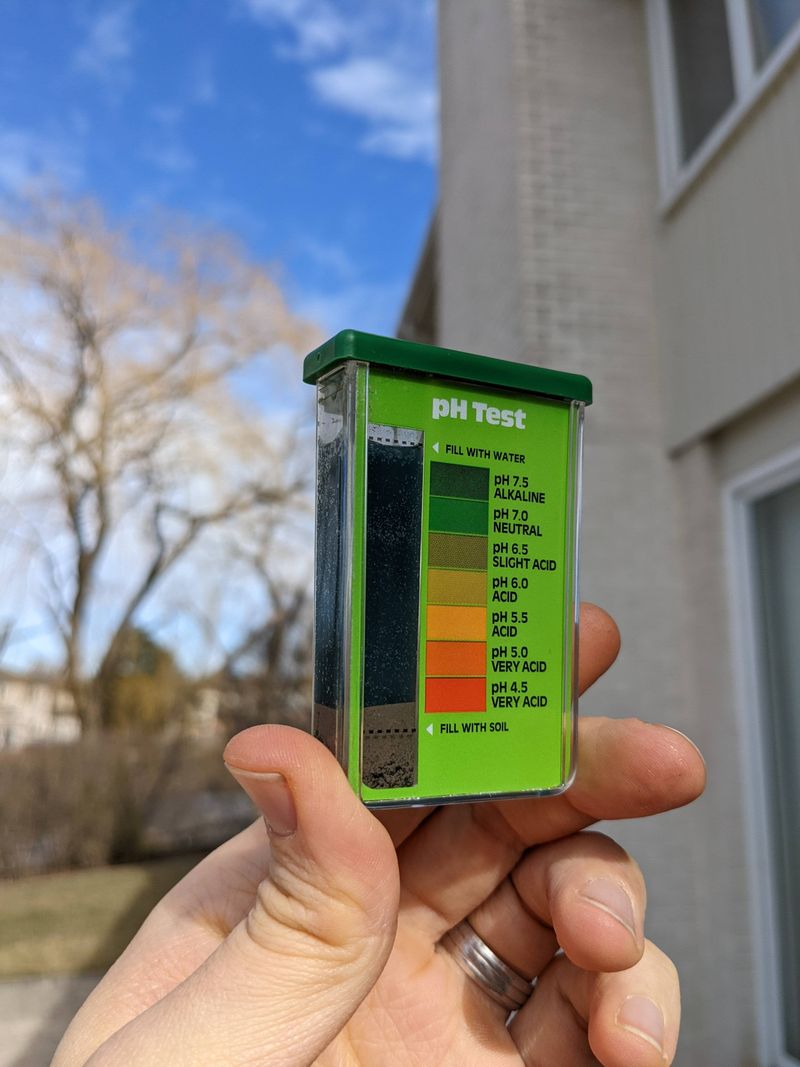
Soil pH affects how well plants can absorb nutrients, even when those nutrients are present in abundance. Most vegetables prefer a slightly acidic to neutral range, between 6.0 and 7.0 on the pH scale.
Ohio soils vary widely in pH depending on location and soil type, which makes testing an important step before planting.
Testing your soil pH is simple and inexpensive. Home test kits are available at any garden center, or you can send a sample to your county extension office for detailed analysis.
March is the ideal time for testing because it gives you weeks to make adjustments before planting begins. For best results, Ohio gardeners should test their soil every 2–3 years through a county extension office to monitor nutrient levels and pH.
If your soil tests too acidic, adding lime raises the pH gradually. Choose garden lime or dolomitic limestone, and follow package directions carefully since overliming causes its own set of problems.
If your soil tests too alkaline, sulfur or compost can bring it down into the optimal range.
Balanced pH ensures that nutrients like nitrogen, phosphorus, and potassium remain available to plant roots. When pH drifts too far in either direction, plants can’t access these essentials even though they’re technically present in the soil.
Getting this right now pays dividends all season long.
6. Build Loose Soil That Drains And Feeds Roots
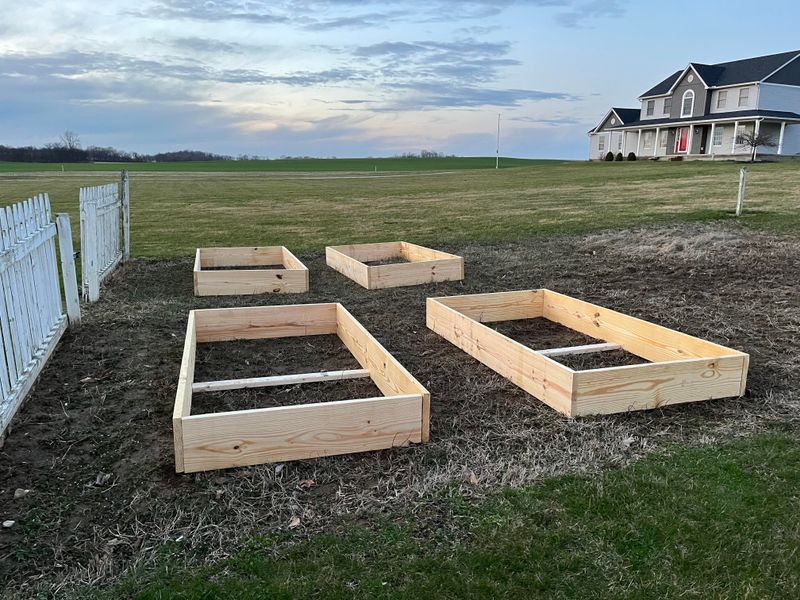
Loose, well-draining soil allows roots to spread freely and access nutrients throughout the entire bed. When soil drains properly, excess water moves away quickly, preventing root rot and fungal diseases that plague poorly drained gardens.
At the same time, good soil holds enough moisture to keep plants hydrated between waterings.
Creating this balance starts with the right ingredients. The 50/50 soil and compost mix naturally promotes drainage while maintaining moisture retention.
Avoid adding sand unless you’re also incorporating plenty of organic matter, since sand alone can actually worsen drainage in clay-heavy mixes.
Raised beds themselves help with drainage by elevating the root zone above ground level. This natural advantage works even better when you fill beds with a properly blended mix.
Ohio’s spring rains can be intense, and good drainage prevents waterlogged conditions that stress plants and invite disease.
Test your soil’s drainage by watering thoroughly, then checking how quickly it soaks in. Water should disappear within a few hours, not pool on the surface or run off the sides.
If drainage seems slow, work in more compost or consider adding a layer of coarse organic matter at the bottom of the bed.
7. Prepare Beds Early For Strong Spring Starts
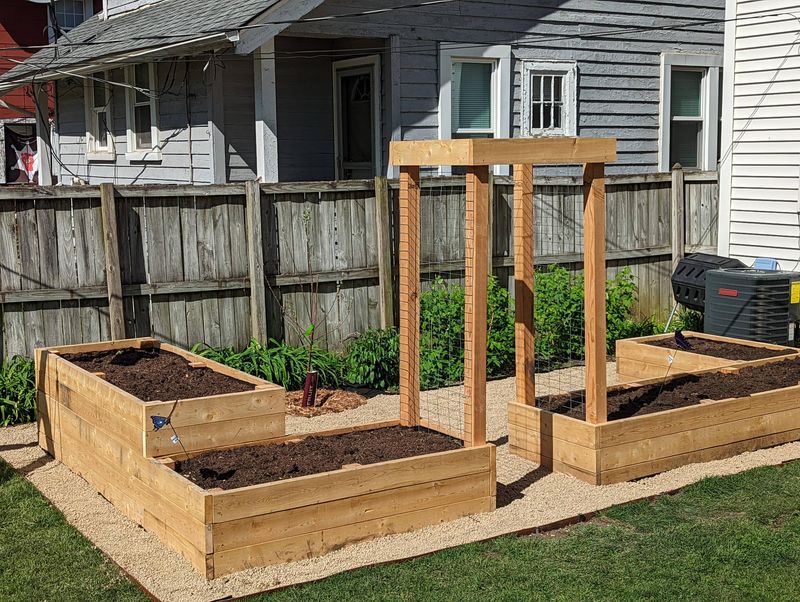
March preparation gives your raised bed soil time to settle, warm up, and develop the biological activity that plants depend on.
In much of Ohio, only work your soil when it is crumbly and not waterlogged. Turning or mixing wet soil can damage structure and lead to compaction that hurts root growth later in the season.
Waiting until the last minute means planting into cold, unsettled soil that hasn’t had a chance to mature.
Start by clearing any winter debris, old mulch, or plant residue from your beds. Remove weeds while they’re still small and easy to pull.
Then add your fresh soil and compost mix, working it in thoroughly and breaking up any clumps or compacted areas.
Once your beds are filled and mixed, water them lightly and let them sit for at least two weeks before planting. This settling period allows soil particles to nestle together naturally, creating a stable structure that won’t sink dramatically after the first few waterings.
It also gives soil microbes time to colonize the new organic matter.
Ohio’s unpredictable March weather actually works in your favor here. Freeze-thaw cycles help break down any remaining clumps and improve soil texture naturally.
By mid-April, when it’s time to plant tomatoes and peppers, your beds will be perfectly primed and ready to support vigorous growth from day one.
In most parts of Ohio, the last frost typically occurs between mid-April and mid-May depending on location, so warm-season crops like tomatoes and peppers should only be planted outdoors after frost danger has passed.
8. Follow This Proven Raised Bed Soil Formula
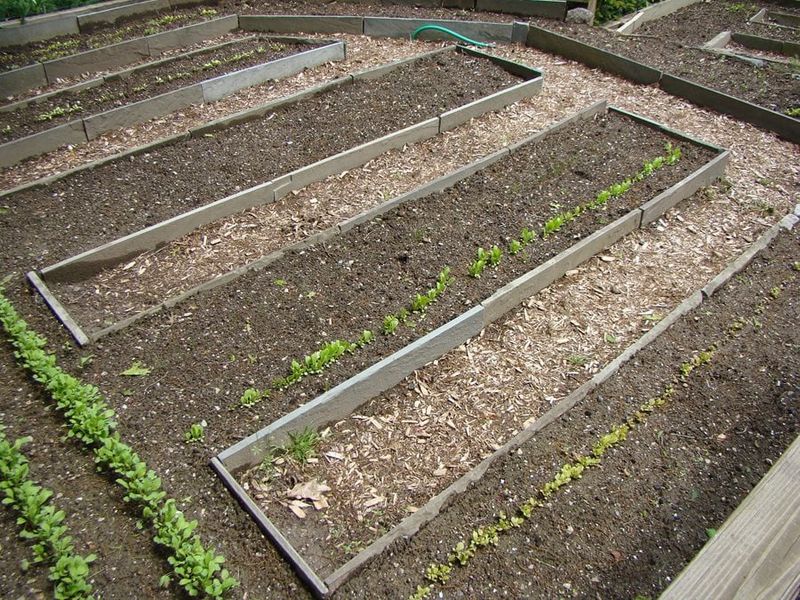
Here’s the simple formula that Ohio gardeners can rely on year after year. Start with equal parts quality garden soil and finished compost as your base, then adjust with additional aerating material if needed for better drainage and root growth.
Mix thoroughly until you can’t distinguish one from the other. That’s your base, and it works beautifully for nearly every vegetable you’ll want to grow.
For extra fertility, you can add a handful or two of organic fertilizer per cubic foot of mix. Choose a balanced formula or one specifically designed for vegetables.
Work it in evenly so nutrients distribute throughout the bed rather than concentrating in spots.
If your beds are brand new, fill them to within two inches of the top. Soil will settle over the first few weeks, and you can top off with a thin layer of compost later.
For established beds, remove the top two to three inches of old soil each spring and replace it with fresh compost to replenish nutrients and organic matter.
This formula follows key raised bed principles recommended by Ohio State University Extension, including high organic matter, good drainage, and balanced soil structure. It’s proven, reliable, and adaptable to different garden sizes and budgets.
Follow it this March, and you’ll set yourself up for a productive, healthy garden that delivers fresh vegetables all season long.