This Is What Deer Eat In Michigan Yards During Late Winter
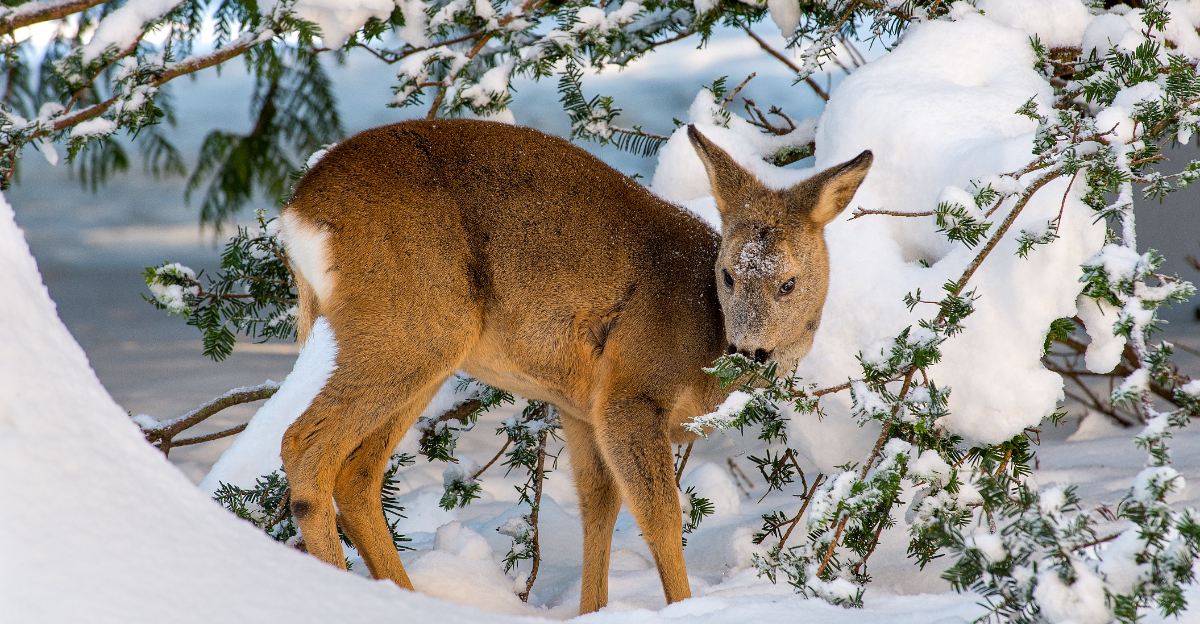
When late winter tightens its grip on Michigan, food sources in the wild become scarce, and deer begin searching far beyond their usual feeding grounds. With snow covering much of the landscape, your yard can quickly turn into an easy buffet.
Shrubs, evergreens, and any remaining greenery suddenly become appealing targets for hungry visitors trying to make it through the coldest stretch of the year.
Many gardeners are surprised by how quickly damage can appear, especially when plants seemed untouched just weeks earlier.
Understanding which plants deer are most likely to browse during this lean season gives you the opportunity to prepare instead of react.
Their feeding habits are not random, and recognizing patterns can help you make smarter choices about protection and plant selection.
By learning what attracts them most before spring growth begins, you gain a valuable advantage and can take steps now to safeguard your garden from costly and frustrating damage.
1. Arborvitae (Thuja occidentalis)
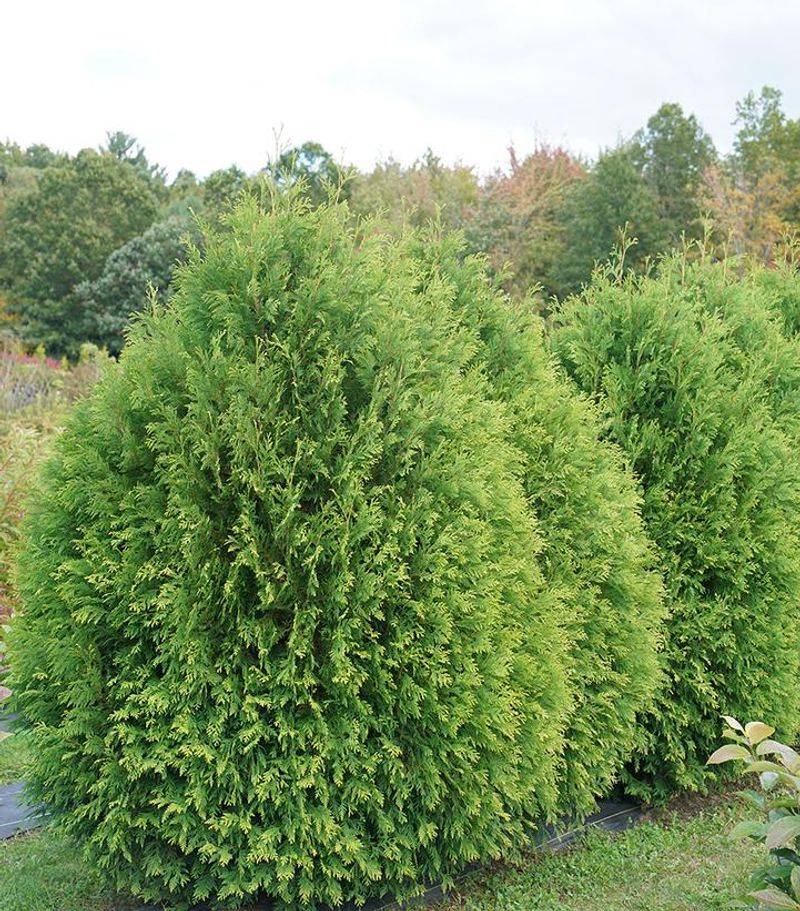
If you have arborvitae lining your yard, chances are deer have already noticed. This evergreen shrub is one of the most heavily browsed plants in Michigan during late winter, and it is easy to understand why.
When snow buries grass and most other plants, arborvitae stands tall and green, basically advertising itself as a free buffet.
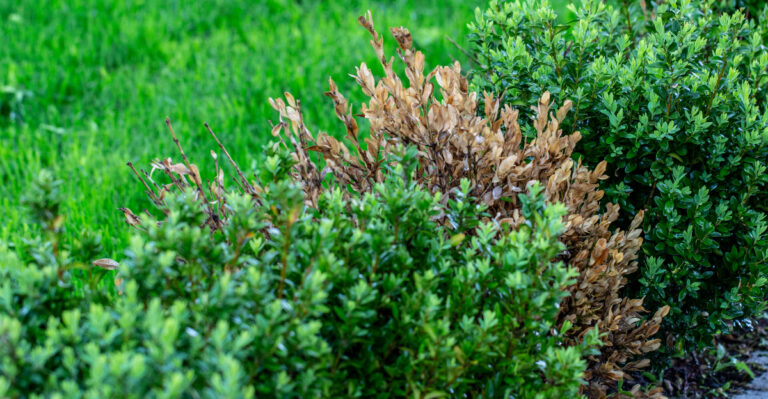
Deer target the lower branches first, stripping the soft, scale-like foliage right off the stems. The damage usually appears as ragged, brown patches along the bottom third of the plant.
Homeowners often walk outside after a cold snap and find their once-full shrubs looking noticeably bare and chewed on one side.
What makes arborvitae so appealing to deer is its evergreen nature. It holds moisture and nutrients through even the coldest months, making it a reliable food source when everything else is frozen or buried.
Michigan gardeners who plant arborvitae as privacy screens often find their carefully shaped hedges looking uneven by March.
Protecting these plants with deer netting or burlap wraps before December gives you the best results. Some gardeners apply deer repellent sprays to the foliage every few weeks through winter.
Physical barriers tend to work better than repellents alone, especially during harsh winters when deer are most persistent and hungry.
2. Yew (Taxus spp.)
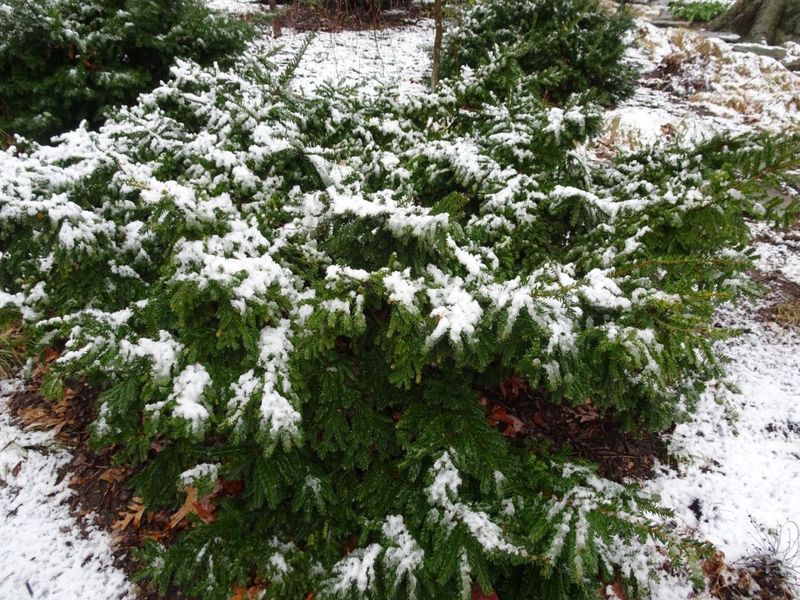
Here is something that surprises a lot of people: deer regularly browse yew shrubs even though yew is toxic to horses, cattle, and many other animals.
Deer have a unique tolerance for the compounds found in yew foliage, which means your ornamental yews are absolutely not safe just because they are poisonous to other creatures.
In late winter across Michigan, yew becomes a go-to food source because it stays green and accessible above the snowline. Deer will strip branches clean, leaving stubby, rough stems where lush green growth used to be.
The damage can look dramatic, especially on foundation plantings that homeowners have carefully maintained for years.
Yew shrubs are slow growers, so significant browse damage can set a plant back by several seasons. Recovery depends on how much foliage was removed and whether any green growth remains on the branch.
If deer strip a branch completely back to woody material with no green left, that branch is unlikely to recover well on its own.
Wrapping yews in burlap or installing a simple wire cage around smaller shrubs before winter arrives can make a big difference. Deer repellent products applied to the foliage also help reduce browsing, though they need reapplication after rain or snow.
Staying consistent with protection efforts through February and March is especially important.
3. Apple Trees (Malus domestica)
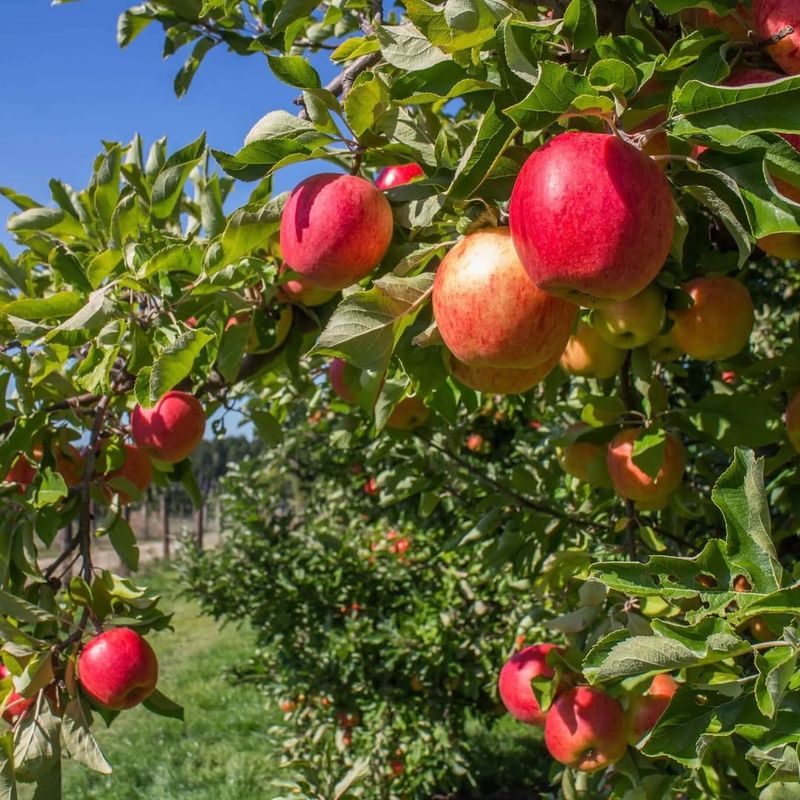
Young apple trees in Michigan yards are like a winter treat for deer. When the ground freezes and food gets scarce, deer shift their attention to the tender buds, small twigs, and smooth bark of young fruit trees.
A single night of deer activity can leave a young apple tree looking rough and ragged before spring even begins.
Bud browsing is especially damaging because those buds hold all the potential for spring growth and fruit production. When deer nip off the buds in February or March, the tree loses its ability to leaf out and bloom normally that season.
Repeated browsing over multiple winters can seriously weaken a young tree and reduce fruit yields for years.
Bark feeding, sometimes called antler rubbing in fall, becomes a different kind of problem in late winter when deer gnaw at the smooth bark of young trunks.
This strips the protective outer layer and can expose the tree to cold injury and fungal issues once spring arrives. Circular damage around the entire trunk is particularly serious for a young tree.
Tree tubes, wire cages, or sturdy fencing placed around young apple trees before winter starts offer solid protection. Some orchardists in Michigan wrap the lower trunks with hardware cloth to prevent bark damage.
Checking your trees regularly through late winter helps you catch any new damage early and respond before it worsens.
4. Red Twig Dogwood (Cornus sericea)
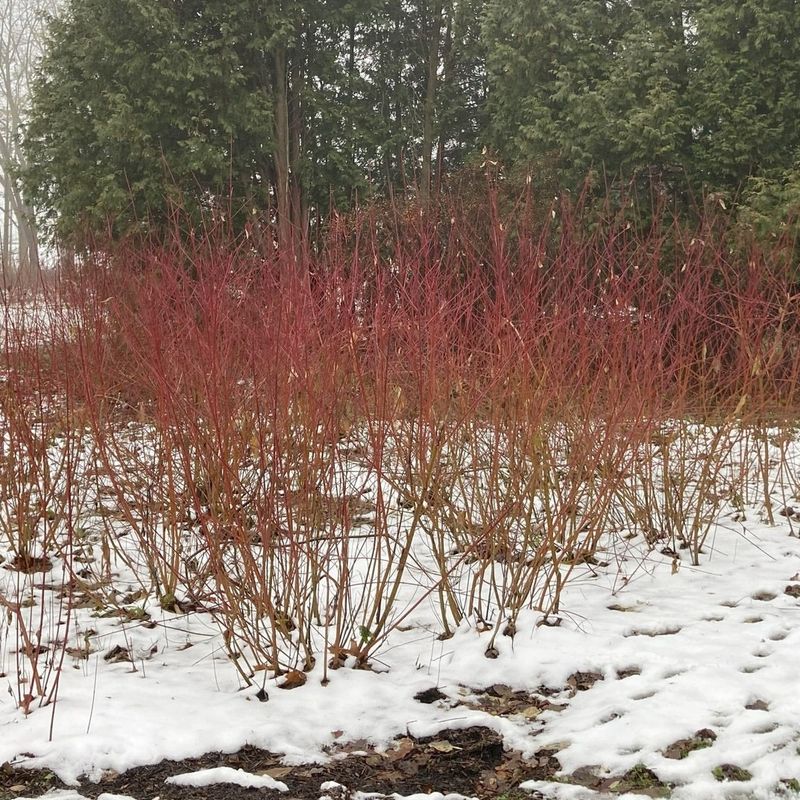
Red twig dogwood is a Michigan native that puts on a beautiful winter show with its vivid red stems, but deer have been fans of this shrub long before gardeners ever started planting it in yards.
Out in the wild, this is a natural winter browse species, meaning deer actively seek it out when other food sources get buried under snow.
The tender tips of the branches are the main target. Deer snap off the ends of twigs cleanly, leaving blunt, angled cuts across the shrub.
Heavy browsing can reduce the overall size of the plant significantly over a single winter, especially on younger or smaller shrubs that have not yet developed thick, woody stems.
One upside is that red twig dogwood is genuinely resilient. It grows vigorously and can often bounce back from browse damage with fresh new growth once spring temperatures rise.
Gardeners who notice significant twig loss in late winter can encourage recovery by cutting the plant back hard in early spring, which stimulates dense new growth from the base.
That said, repeated winter browsing year after year can exhaust the plant and slow its overall vigor.
Protecting red twig dogwood with deer netting or fencing during the worst months of winter, typically January through March in Michigan, gives the plant a better chance to thrive and maintain its signature colorful display through the cold season.
5. Maple Saplings (Acer spp.)
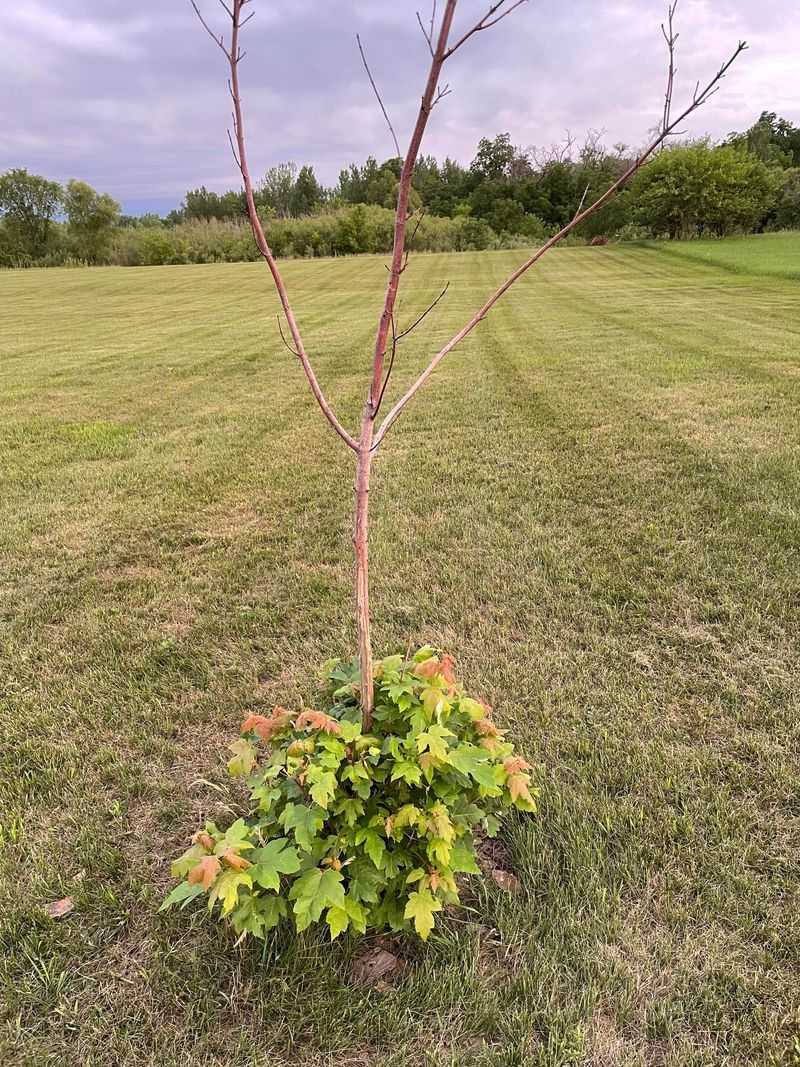
Walk through any Michigan yard or woodland edge in late winter and you will likely spot young maple saplings with their tips nipped off clean.
Deer have a real fondness for the swelling buds and tender young shoots of maple seedlings and small saplings, especially as late winter stretches on and stored food sources become harder to find.
The buds of maple trees are packed with sugars and nutrients that make them highly attractive to deer during the lean months of February and March.
Deer reach up and bite the branch tips off, sometimes stripping several feet of growth from a young tree in a single visit.
The cuts are usually clean and angled, which is a telltale sign of deer versus other types of plant damage.
For young maples trying to establish themselves in a yard or landscape, repeated bud browsing can be a real setback.
The tree loses its leading shoot, which forces side branches to take over and can create a bushy, multi-stemmed form rather than the straight, single-trunk shape most gardeners want.
Over several winters, this kind of browsing shapes the tree in ways that are hard to correct later.
Protecting young maples with tree tubes, wire cages, or deer fencing during their first few winters in the ground makes a significant difference in long-term form and health.
Repellent sprays applied to branch tips can also reduce browsing pressure when used consistently throughout winter.
6. Oak Seedlings (Quercus spp.)
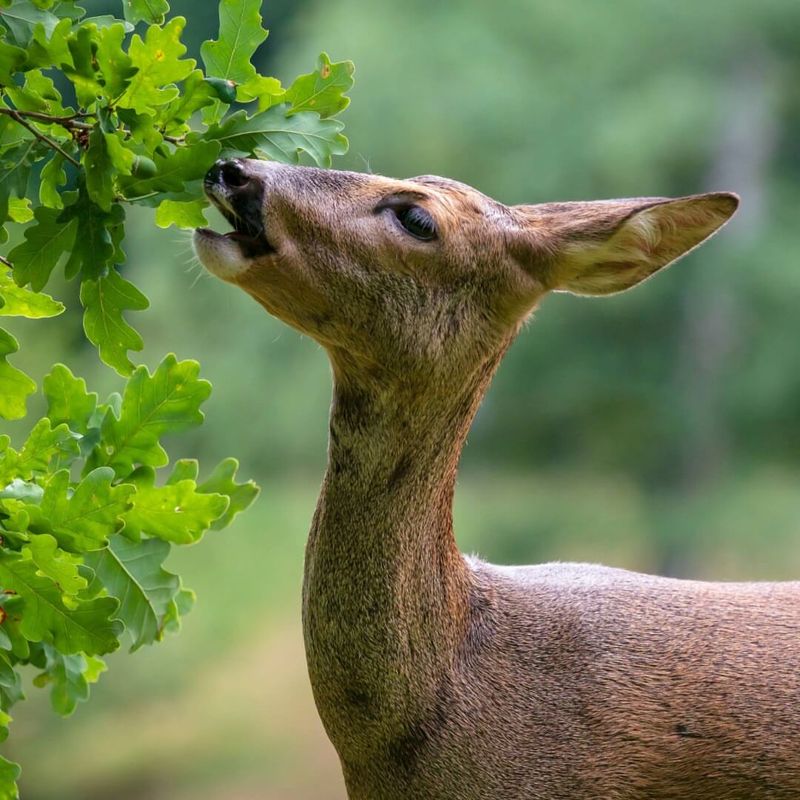
Oak seedlings growing along suburban woodland edges in Michigan face a tough challenge every winter. Deer browse young oaks regularly during the cold months, targeting the small twigs and buds that these seedlings produce.
It is one of the main reasons why oak regeneration can be so slow in areas with high deer populations.
Young oaks are especially vulnerable because they grow slowly compared to other tree species. A deer that nibbles the leading shoot off a two-year-old oak sapling can set that plant back by a full growing season or more.
When this happens repeatedly, the seedling may stay small and shrubby for years rather than developing into a proper tree with a single strong trunk.
In Michigan yards near natural areas, it is common to find oak seedlings that have sprouted from acorns only to be browsed back to near ground level each winter.
Some of these plants persist for years in a stunted, multi-stemmed form, never getting the chance to grow beyond deer reach. It can be frustrating for homeowners who want to grow oaks for shade or wildlife value.
Simple protection methods work well for young oaks. Tree tubes placed over individual seedlings shield them from browsing while also creating a warm microclimate that speeds up growth.
Wire cages work well too, especially for seedlings already a foot or two tall. Getting protection in place before the first hard freeze gives young oaks the best start possible.
7. Burning Bush (Euonymus alatus)
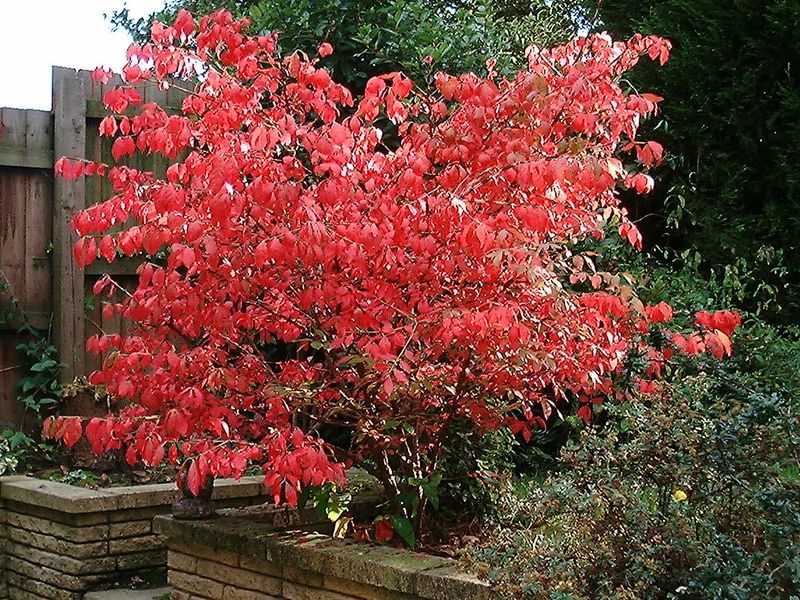
Burning bush is not at the top of a deer’s wish list, but when preferred food runs low in late winter, deer will absolutely browse it. Think of it as the plant deer turn to when the pantry is nearly empty.
In Michigan yards with heavy deer pressure, burning bush shrubs often show noticeable twig browsing by February or March.
Deer tend to target the outer branch tips, snapping off the small twigs and any remaining dried buds they can find. The damage is usually less dramatic than what you see on arborvitae or yew, but it can still alter the shape of a carefully maintained shrub.
Repeated browsing over multiple winters gradually reduces the plant’s overall fullness and density.
The good news is that burning bush is a tough, resilient plant that tolerates significant pruning and browse damage. It tends to push out new growth vigorously in spring, which can mask much of the winter damage by early summer.
Gardeners who keep their shrubs healthy with good soil and adequate moisture generally see better recovery after deer browse.
Worth noting: burning bush is considered an invasive species in some parts of Michigan and the broader Midwest, so many local gardeners are replacing it with native alternatives.
If you are already dealing with deer pressure on your burning bush, it might be a great opportunity to consider swapping it out for a native shrub that is both deer-resistant and ecologically beneficial to your local wildlife.
8. Rose Bushes (Rosa spp.)
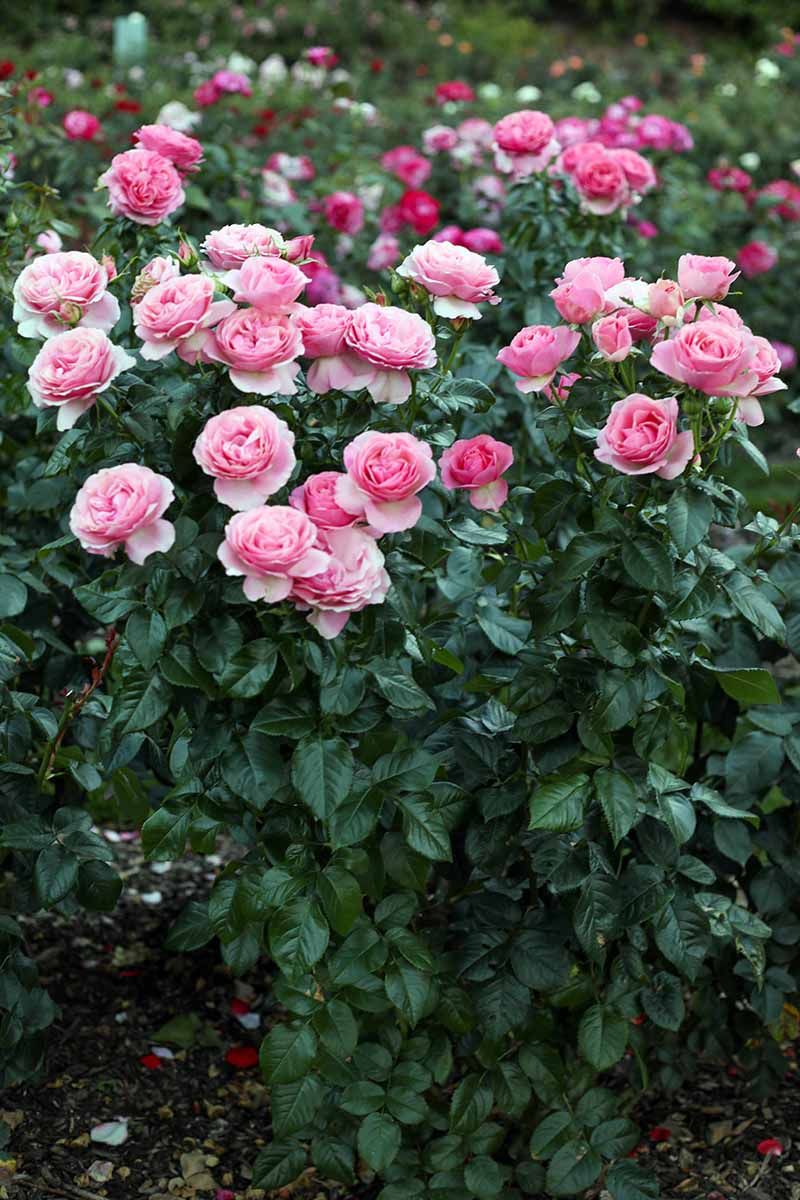
Rose gardeners in Michigan know the frustration of heading outside in late winter and finding their carefully tended canes chewed down significantly.
Deer have no fear of thorns when they are hungry, and late winter is exactly when hunger drives them into yards to browse rose bushes with impressive persistence. The thorns that deter most animals barely slow deer down at all.
Deer eat the soft tips of rose canes and any swelling buds they can reach, which removes the growth points that would have produced the season’s first blooms.
Heavy browsing in February and March can delay flowering significantly or reduce the number of blooms a plant produces that summer.
For gardeners who enter rose shows or simply love a full spring bloom, this kind of damage is genuinely disappointing.
Cane browsing also leaves open wounds on the plant that can invite fungal issues once wet spring weather arrives. Clean cuts made by sharp pruning shears heal much more efficiently than the ragged tears left by deer feeding.
Some gardeners do a light cleanup pruning in early spring to remove the roughest damage and help the plant start the season cleanly.
Wrapping rose beds with deer netting or surrounding them with chicken wire fencing before winter offers the most reliable protection. Repellent sprays applied to the canes every few weeks can reduce browsing pressure as well.
Combining both methods gives your roses the strongest defense through Michigan’s long, cold winter months.
9. Hydrangea (Hydrangea spp.)
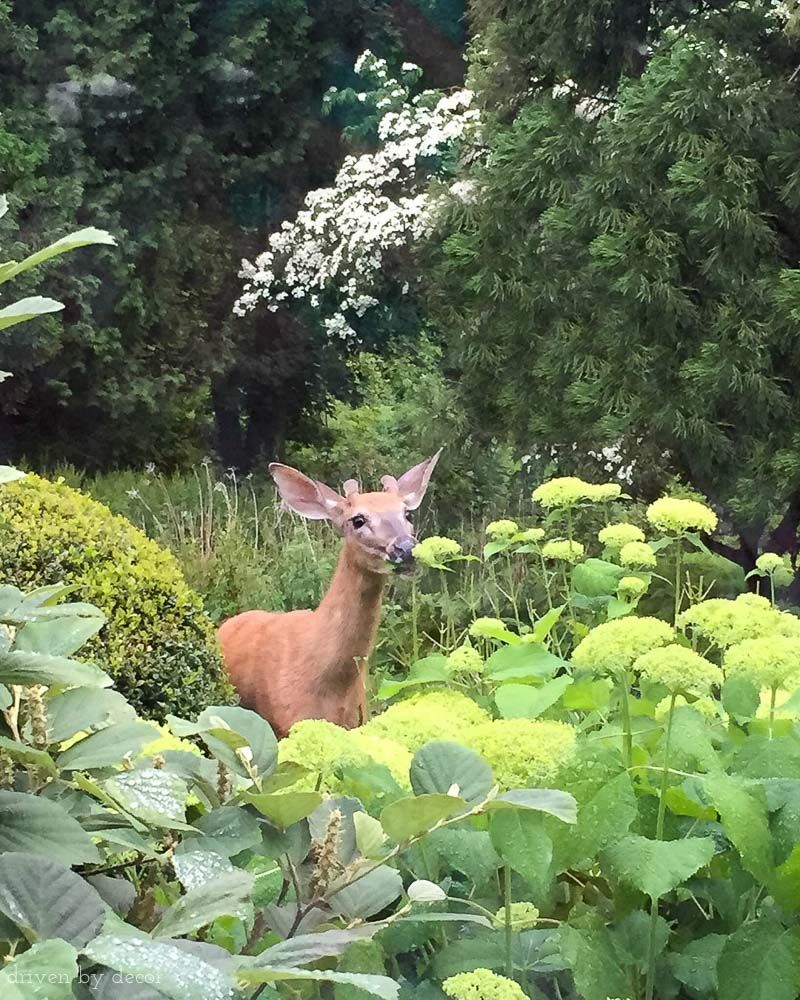
Hydrangeas are a beloved staple in Michigan gardens, but deer have developed quite a taste for them during the lean weeks of late winter.
While deer tend to browse hydrangea more heavily in summer when the foliage is lush, winter bud browsing is a real and common problem that many gardeners overlook until they notice fewer blooms come summer.
The buds that form on hydrangea stems in late winter hold the entire summer flowering potential for many varieties, especially the popular bigleaf types.
When deer nip those buds off in February or March, the plant simply cannot replace them in time to flower that season.
Gardeners are often puzzled when a healthy-looking hydrangea produces almost no blooms, not realizing that winter deer browsing was the cause all along.
Panicle hydrangeas and smooth hydrangeas bloom on new growth, so they recover more easily from winter browse damage than older-wood bloomers.
But even these tougher varieties can suffer reduced vigor if deer browsing is heavy and repeated over several winters. The plant spends energy regrowing what was removed rather than putting that energy toward strong flowering.
Surrounding hydrangea beds with deer netting before winter is the most effective prevention strategy. Some gardeners build simple wooden or wire frames around their hydrangeas and drape netting over the top.
Repellent sprays work as a secondary measure, particularly on the stem tips where buds are most concentrated and most vulnerable to hungry deer.
10. Serviceberry / Juneberry (Amelanchier spp.)
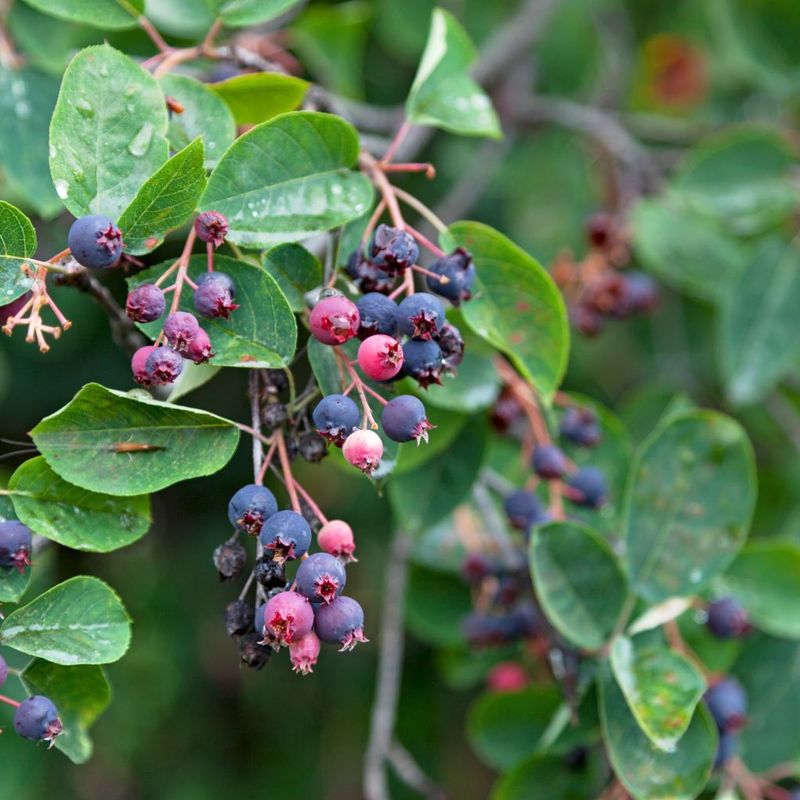
Serviceberry, also called Juneberry, is a Michigan native that wildlife absolutely adores, and deer are no exception. Out in the wild across the Great Lakes region, this shrub and small tree is a natural part of the winter deer diet.
When serviceberry grows in a yard or landscape planting, deer treat it exactly the same way they would in a forest, browsing it freely and without hesitation.
Twig browsing is the main form of damage, with deer snapping off branch tips and removing the small buds that would otherwise develop into spring flowers and early summer fruit.
Serviceberry is one of the first native plants to bloom in Michigan spring, and that early flowering is what makes the berries available so early in summer.
Losing those flower buds to winter browsing means less fruit for both the gardener and the birds that rely on it.
The plant itself is genuinely tough and recovers well from moderate browsing, which is part of what makes it such a successful native species. It pushes out new growth readily in spring, and a lightly browsed plant can often look nearly normal by early summer.
However, heavy browsing year after year does reduce the plant’s overall size and flowering capacity over time. Young serviceberry plants benefit most from winter protection.
Wire cages or deer fencing around newly planted specimens give them time to establish strong root systems and grow tall enough to put most of their branches above typical deer browse height, usually around five to six feet.