This Is What Experienced Oregon Gardeners Do Before Spring
Spring in Oregon does not just arrive, it rolls in with rain, surprise cold snaps, and that first stretch of brighter days that makes every gardener itch to get outside.
Experienced growers know the real magic happens before the tulips pop and the seed packets come out. Late winter is where the groundwork gets laid.
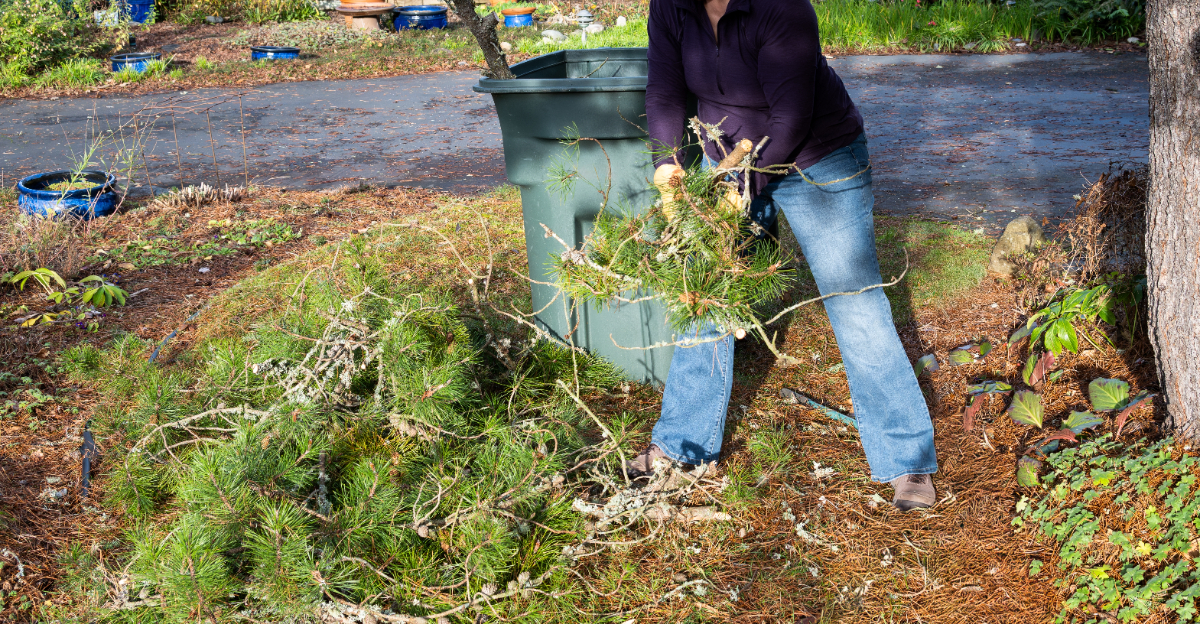
While the soil is still damp and the air carries that crisp edge, seasoned Oregon gardeners are already a few steps ahead. They are sharpening pruners, cleaning up storm tossed branches, and checking beds for drainage issues after months of steady rain.
They top off mulch, refresh compost, and quietly prepare their soil so it is ready the moment temperatures rise.
It might not look glamorous, but this early effort makes all the difference. When spring finally bursts onto the scene, their gardens do not scramble to catch up.
They take off strong, healthy, and full of momentum, proving that the smartest growing season starts long before the first bloom appears.
1. Check For Winter Damage Early
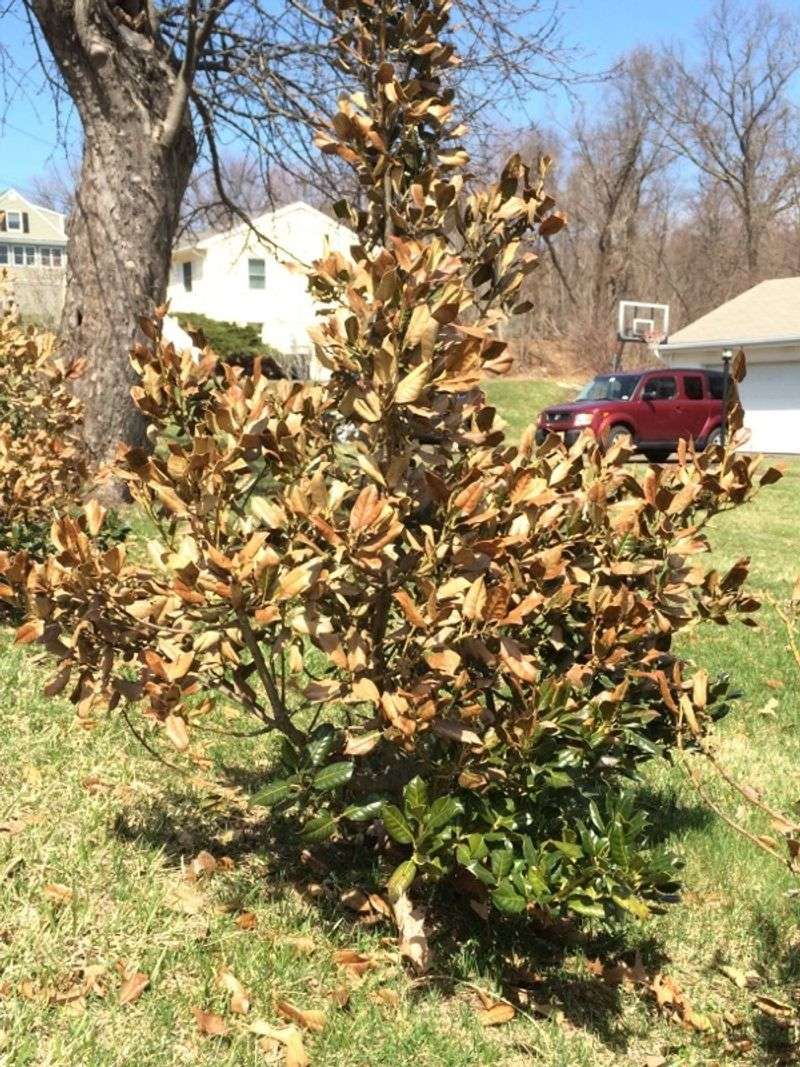
Walking your garden after a wet Oregon winter can feel a little like doing a damage report. Frost, heavy rain, and windstorms can stress even the toughest plants.
Getting outside early, before new growth really kicks in, helps you spot problems before they get worse.
Look for broken branches, split bark, and stems that feel mushy or hollow. Some plants may look rough on the outside but are still alive underneath.
Scratch the bark lightly with your fingernail. If you see green, the plant is still going strong.
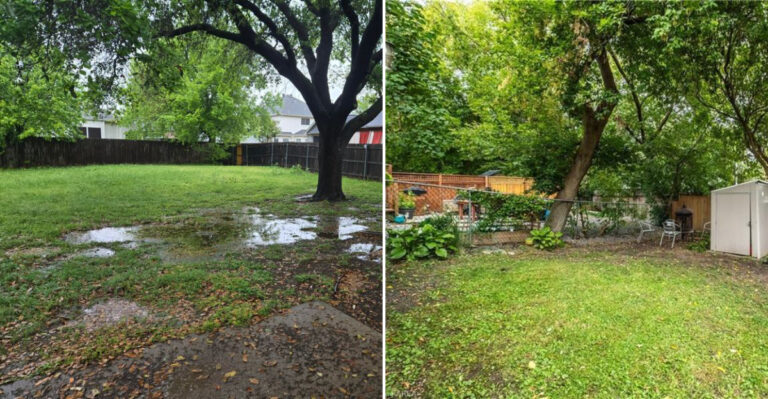
Pay close attention to roses, fruit trees, and any plants near downspouts or low-lying areas where water collects. Oregon’s wet winters can cause root rot in poorly drained spots.
Mark anything that looks questionable with a small flag or stake so you can revisit it in a few weeks.
Early checks also help you plan ahead. If a shrub did not survive, you have time to order a replacement before the busy planting season begins.
Catching damage now saves you time, money, and frustration later in the season.
2. Prune With Purpose Not Panic
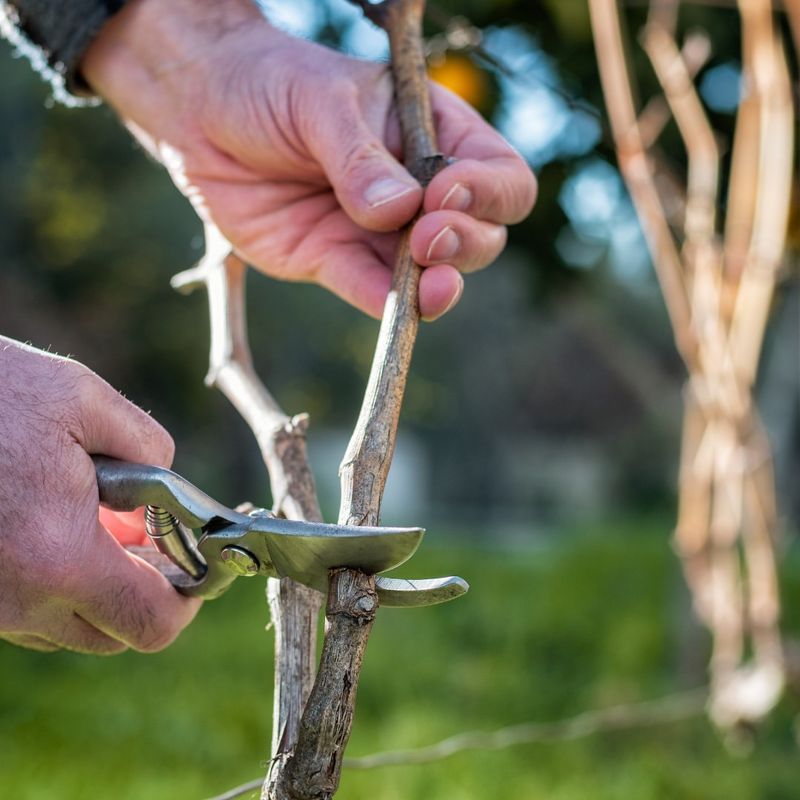
Grab your pruners, but take a breath first. Pruning is one of the most powerful things you can do for your garden, but rushing into it without a plan can actually set your plants back.
Experienced Oregon gardeners know that timing and technique matter just as much as effort.
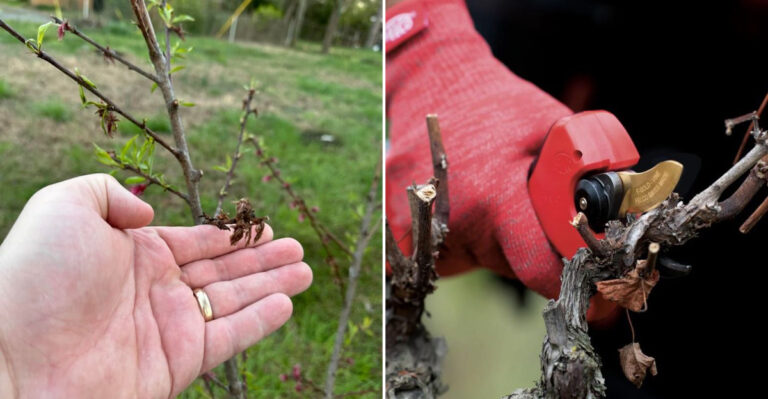
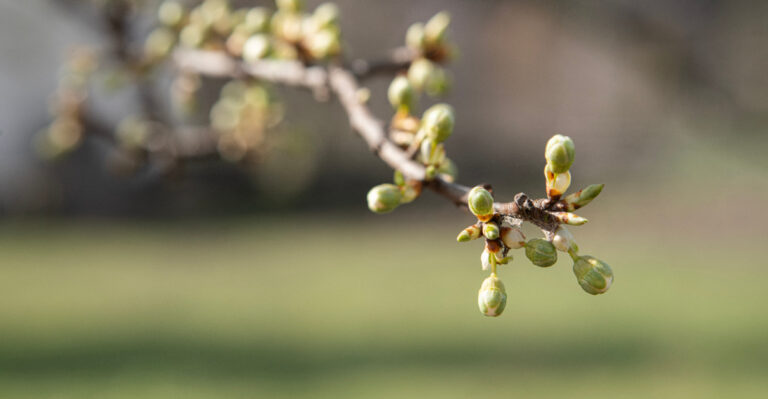
Most shrubs and fruit trees benefit from pruning in late winter, right before new buds start to swell. This is when plants are still resting, which means they can heal cuts faster.
Avoid pruning spring-blooming shrubs like forsythia or lilac right now, since their flower buds formed last fall.
Always use clean, sharp tools. Dull blades crush stems instead of cutting them cleanly, which invites disease.
Cut just above a bud that faces outward, so new growth heads away from the center of the plant. Remove any crossing branches and anything that looks diseased or crowded.
Oregon’s mild but wet winters create perfect conditions for fungal problems, so good airflow through the center of your plants is especially important here. A little thoughtful pruning now sets up your garden for strong, healthy growth all season long.
3. Test Soil Before Feeding
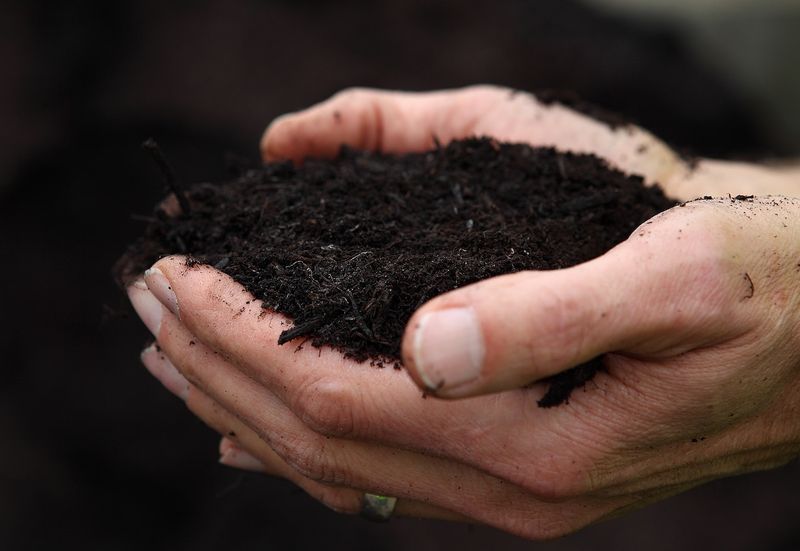
Most gardeners reach for fertilizer the moment spring arrives, but experienced Oregon growers know better. Feeding your soil without knowing what it needs is a bit like cooking a meal without a recipe.
You might get lucky, but the results are unpredictable.
Oregon soils vary a lot depending on where you live. Gardeners in the Willamette Valley often deal with heavy clay that holds moisture but drains poorly.
Those in eastern Oregon face drier, sandier conditions. A simple soil test tells you your pH level, nutrient content, and what amendments your garden actually needs.
You can pick up a basic test kit at most local nurseries or through Oregon State University Extension, which offers affordable testing services. Results usually come with specific recommendations, which takes the guesswork out of fertilizing.
This saves you money and protects nearby waterways from nutrient runoff.
Most vegetables prefer a pH between 6.0 and 7.0. If your soil is too acidic, adding lime helps.
If it needs more nutrients, compost is always a safe and effective choice. Testing first means every dollar you spend on soil amendments actually goes to work for your plants.
4. Clean Up Without Overdoing It
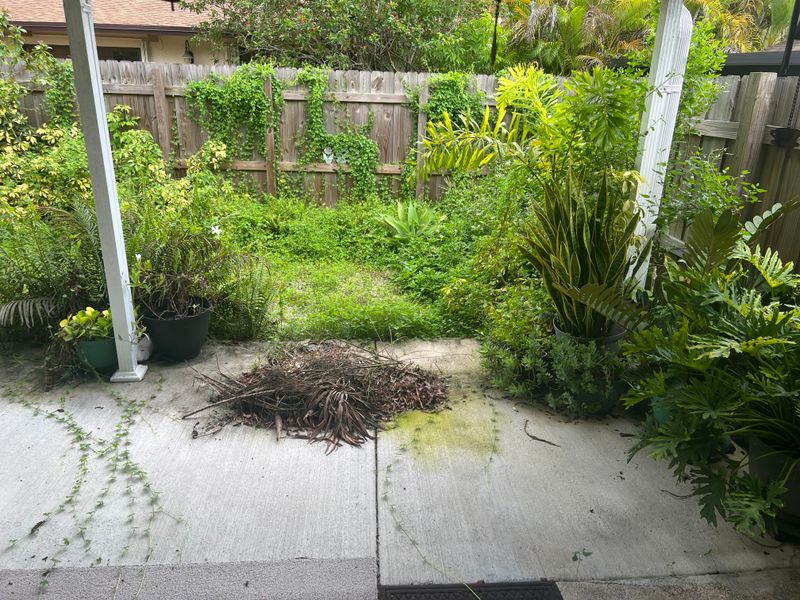
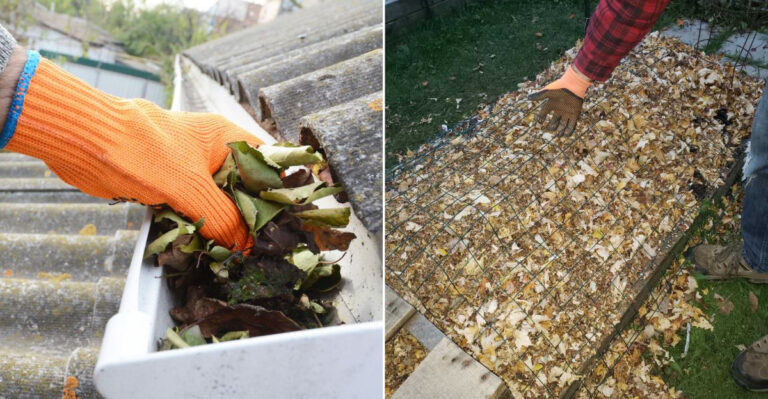
There is something satisfying about clearing out all the dead leaves and old stems from your garden beds.
But experienced Oregon gardeners have learned to hold back a little. A completely bare garden can actually do more harm than good.
Many beneficial insects, including native bees, spend the winter inside hollow stems and leaf piles. Clearing everything too early can remove the shelter they depend on.
A good rule of thumb is to wait until daytime temperatures are consistently above 50 degrees Fahrenheit before doing a full cleanup.
Start by removing anything that is clearly diseased or rotting. Old tomato vines, for example, can harbor blight spores that will cause problems again next season.
Bag diseased material and put it in the trash rather than the compost pile.
Leave sturdy stems from ornamental grasses and perennials a little longer. They provide structure in the garden and shelter for helpful insects.
Rake lightly around the base of plants to improve airflow without disturbing the soil too much. Oregon’s early spring rains can compact bare soil quickly, so keeping some ground cover in place protects your garden’s structure and health throughout the season.
5. Divide Overgrown Perennials
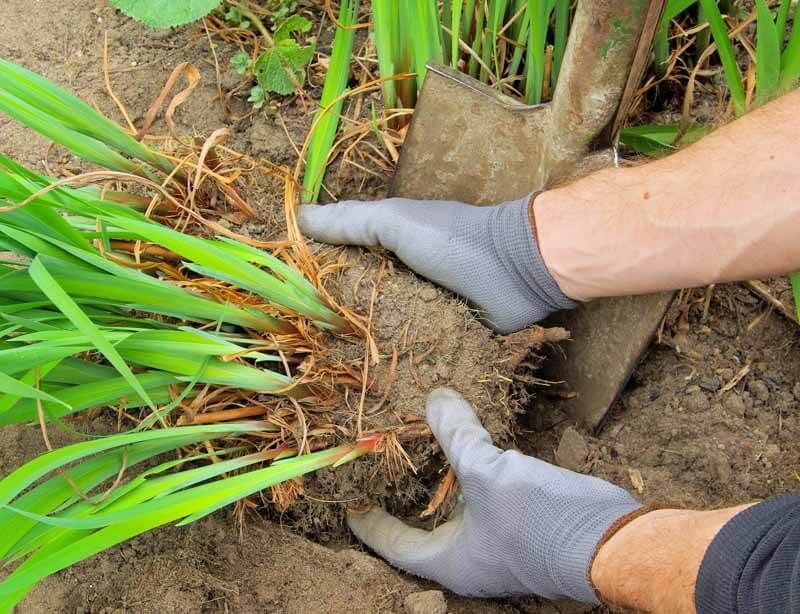
Perennials are some of the hardest-working plants in any Oregon garden. But over time, they can get crowded and start to underperform.
Dividing them every few years gives them fresh energy and keeps your garden looking its best without spending a dime on new plants.
Late winter and early spring, right when you start to see the first tiny shoots poking up, is the perfect window for dividing most perennials. Plants like hostas, daylilies, coneflowers, and ornamental grasses respond really well to being split and replanted.
Use a sharp spade or garden fork to lift the entire clump out of the ground. Pull or cut it into smaller sections, making sure each section has healthy roots and at least a few shoots.
Replant the divisions at the same depth they were growing before and water them in well.
Oregon’s spring rainfall usually makes watering easier after dividing, but keep an eye on new transplants during any dry spells. You will often end up with extra divisions, which makes great gifts for neighbors or fellow gardeners.
Sharing plants is one of the best parts of gardening in a community-minded place like Oregon.
6. Mulch Before The Heat Hits
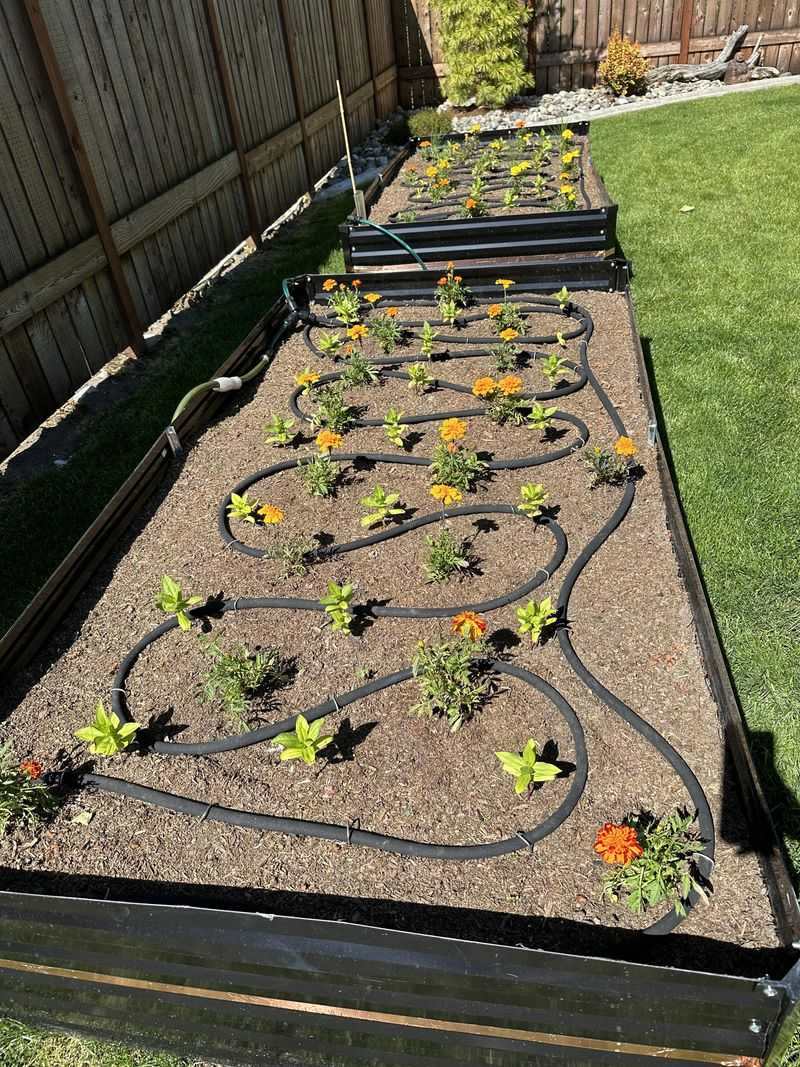
Mulch might not be the most exciting topic, but Oregon gardeners who use it consistently swear by the results. Applying a fresh layer before warm weather sets in gives your garden a major head start.
It locks in moisture, suppresses weeds, and keeps soil temperatures stable as the season shifts.
Aim for a layer about two to three inches deep around the base of trees, shrubs, and perennial beds. Keep mulch a few inches away from plant stems and tree trunks to avoid trapping moisture against the bark, which can lead to rot and pest problems.
Oregon offers plenty of great mulch options. Bark dust is popular in the Pacific Northwest and is widely available.
Wood chips from local tree services are often free and work well in pathways and around trees. Compost used as mulch adds nutrients while it breaks down, which is a double benefit.
Applying mulch in late winter or early spring, before weeds germinate and before summer heat arrives, is the smartest timing. Once weeds get established, they are much harder to manage.
A good layer of mulch does a lot of the hard work for you, quietly protecting your garden through the whole growing season.
7. Watch The Forecast Closely
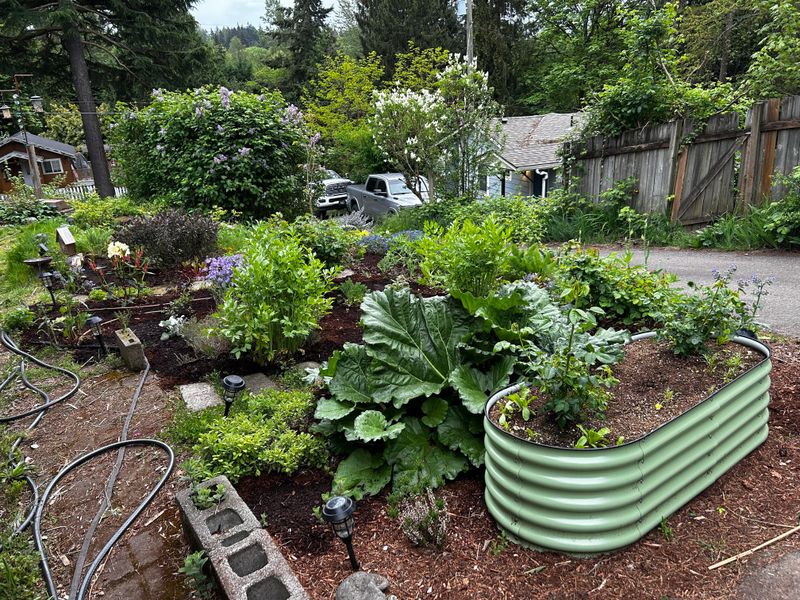
Oregon weather has a reputation for being unpredictable, and experienced gardeners here know not to trust a sunny February day too quickly.
A warm spell in late winter can trick both gardeners and plants into thinking spring has fully arrived, but cold snaps can return fast.
Watching the forecast closely before planting or moving plants outdoors is one of the smartest habits you can build.
Most of Oregon still sees frost well into March and sometimes April, especially in higher elevations and inland valleys like around Eugene or Medford.
Keep an eye on overnight lows. Even if daytime temperatures feel mild, a dip below 32 degrees can damage tender new growth.
If a cold snap is coming, cover vulnerable plants with frost cloth or old bedsheets to protect them overnight. Remove the covers during the day so plants can breathe and get sunlight.
Oregon State University Extension and local weather services offer detailed regional forecasts that are more useful than national apps for gardening decisions. Knowing your specific frost dates for your part of Oregon is also incredibly helpful.
Planting on the right schedule, based on real data, means fewer setbacks and a stronger start to your growing season every year.
8. Prep Tools Before Planting Begins
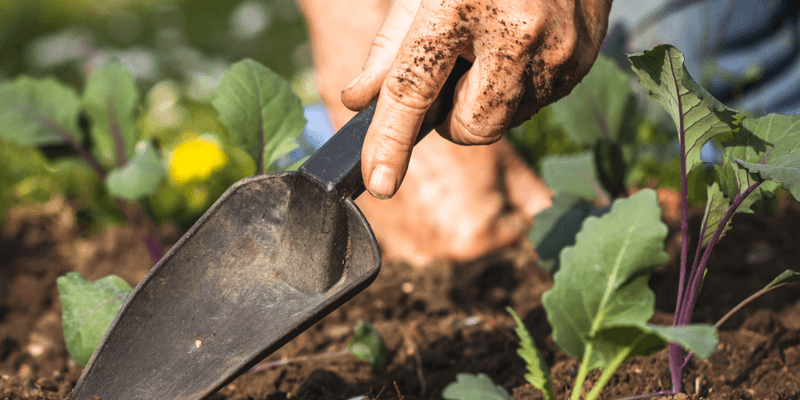
Before the planting rush begins, experienced Oregon gardeners take time to get their tools ready. It sounds simple, but dull, rusty, or dirty tools make every garden task harder than it needs to be.
Sharp tools cut cleanly, which is better for plants and easier on your hands and wrists.
Start by gathering everything you have, including pruners, shovels, trowels, hoes, and rakes. Wipe off any soil and rust with a dry cloth or steel wool.
Use a metal file or whetstone to sharpen blades on pruners and spades. A few minutes of sharpening makes a noticeable difference when you are out in the garden.
Disinfecting your tools is just as important, especially in Oregon where damp conditions can spread fungal and bacterial diseases between plants. Wipe blades with rubbing alcohol or a diluted bleach solution after cleaning.
Let them dry completely before storing or using them.
Check handles for cracks or splinters and sand them smooth if needed. Apply a light coat of linseed oil to wooden handles to keep them from drying out.
Storing tools in a dry shed or garage protects them from Oregon’s rainy season. Well-maintained tools last for decades and make every gardening task more enjoyable from the very first day of planting.