This Is What Happens In Spring When Illinois Gardeners Do Not Cut Back Perennials
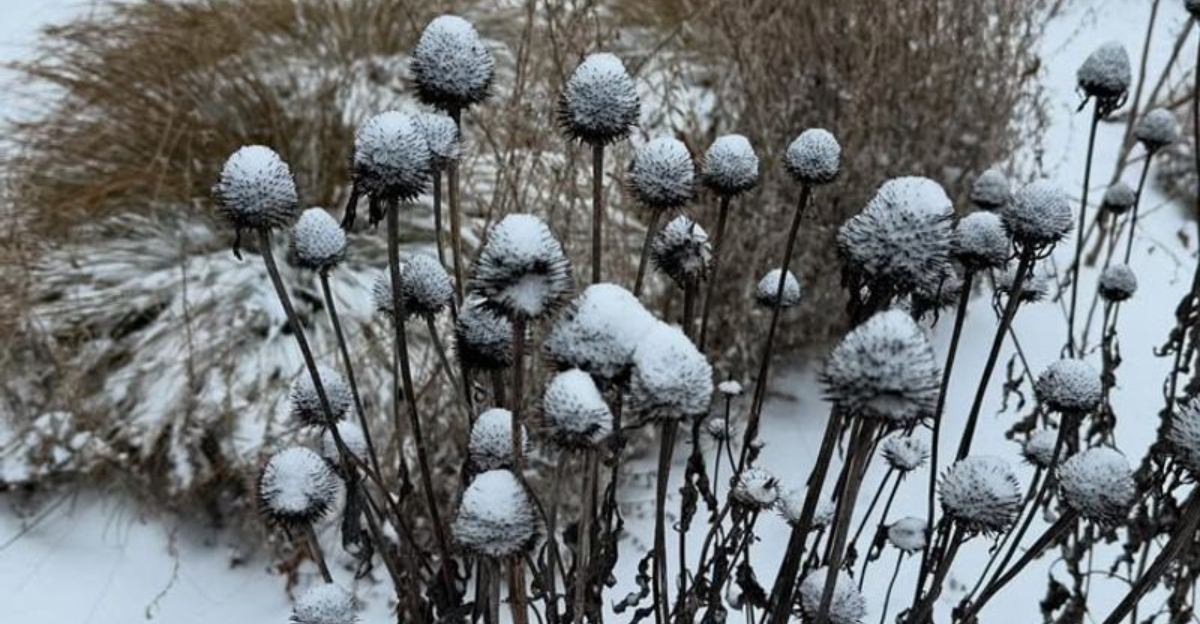
Perennials are the backbone of many Illinois gardens—but leaving them uncut through winter can lead to more problems than you think.
While it may seem harmless to let foliage stand, ignoring pruning can result in weak growth, fewer blooms, and even disease problems once spring arrives.
Skip the winter cleanup, and your garden may pay the price in spring.
Old, dead, or crowded stems block sunlight, trap moisture, and create a playground for pests and fungi.
When spring comes, these neglected perennials struggle to thrive, producing fewer flowers and looking messy rather than vibrant.
Proper winter or early spring cutting clears the way for fresh growth and ensures stronger, healthier plants.
Neglecting your perennials now can mean a disappointing garden later.
For Illinois gardeners, understanding the importance of cutting back perennials isn’t just about appearances—it’s about giving plants the best chance to flourish.
A little effort in winter leads to bigger blooms, healthier roots, and a garden that truly shines.
Spring success starts with winter maintenance—don’t skip it!
More Plants Survive Illinois’ Freeze–Thaw Winters

Illinois winters are notoriously unpredictable, swinging wildly between freezing temperatures and sudden warm spells that confuse even the hardiest plants.
When you leave perennial foliage standing through the cold months, you create a natural insulation layer that protects the crown and root zone from these dramatic temperature swings.
The stems and leaves act like a cozy blanket, trapping air pockets that buffer against extreme cold and prevent the soil from heaving during freeze-thaw cycles.
This protection is especially crucial for plants like coneflowers, black-eyed Susans, and ornamental grasses that have shallow root systems vulnerable to exposure.
Without this natural shield, roots can be pushed out of the soil during thaws, leaving them exposed to drying winds and the next hard freeze.
The standing foliage also catches snow, which provides additional insulation and moisture when it melts.
Gardeners who embrace this approach often notice fewer gaps in their spring borders and less need for replacement plants.
The survival rate increases dramatically because the plants remain anchored and protected throughout winter’s worst mood swings.
By spring, these well-insulated perennials emerge stronger and ready to grow, having weathered the season with nature’s own protective system intact.
Perennials Wake Up With Stronger Root Systems

Root development doesn’t stop when the weather turns cold, and leaving perennials uncut allows them to channel energy downward rather than wasting it on recovery from pruning wounds.
Throughout fall and winter, plants continue slowly building their underground network, storing carbohydrates and nutrients in their roots that will fuel explosive spring growth.
The intact stems above ground actually help guide this process, acting as pathways for nutrient transport even as they appear dormant.
When gardeners cut back perennials in fall, they interrupt this natural cycle and force plants to seal off wounds and redirect resources.
This creates stress at a time when plants should be focusing on storage and preparation.
Uncut perennials, by contrast, maintain their full vascular system, allowing sugars produced during late fall photosynthesis to travel efficiently to the roots.
Come spring, these plants wake up with extensive, well-established root systems that can immediately access water and nutrients.
They grow faster, produce more blooms, and show greater resilience against spring droughts or late cold snaps.
The difference is visible within weeks of the growing season starting, as uncut perennials quickly outpace their trimmed counterparts in both size and vigor, rewarding patient gardeners with robust, healthy plants.
Beneficial Insects Return In Higher Numbers
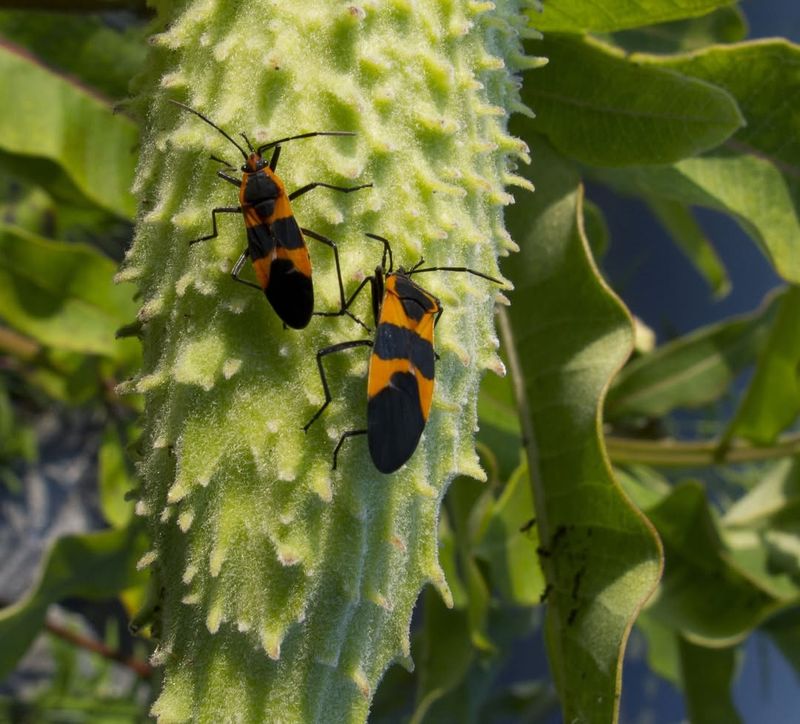
Standing perennial stems and seed heads become winter hotels for countless beneficial insects that Illinois gardens desperately need.
Native bees, ladybugs, lacewings, and predatory beetles seek out hollow stems and dried foliage to overwinter, emerging in spring hungry and ready to pollinate flowers or hunt garden pests.
When you cut back perennials in fall, you eliminate these crucial shelter sites and drastically reduce the beneficial insect population available for spring pest control.
Research shows that gardens with standing vegetation support up to seven times more native bee species than those cut to the ground.
These early-emerging bees are essential for pollinating fruit trees and early spring flowers, giving your entire landscape a head start.
Ladybugs and other predators that survive winter in your garden stems will immediately begin controlling aphids and other pests before populations explode.
The ecological benefit extends beyond your property line, as your garden becomes a refuge that supports regional insect populations.
By spring, you’ll notice more butterflies, bees, and beneficial wasps visiting your flowers, creating a balanced ecosystem that requires fewer interventions from you.
This natural pest management system is both effective and free, powered entirely by the simple choice to let nature’s helpers find shelter in your uncut perennials through the harsh Illinois winter.
Spring Growth Starts Earlier And More Evenly

Perennials left standing through winter experience a smoother transition into spring growth, avoiding the shock that comes with fall pruning.
The intact plant structure allows for gradual acclimation to changing light levels and temperatures, with growth hormones already positioned throughout the plant rather than having to regenerate from scratch.
This head start means earlier emergence and more uniform growth across all your perennial beds.
Plants that were cut back in fall must first heal, then rebuild their above-ground structure before they can begin producing flowers or significant foliage.
This process delays their spring appearance by two to four weeks compared to uncut counterparts.
Meanwhile, uncut perennials simply shed their winter covering and reveal fresh growth that was already developing beneath the protective layer of old stems.
The evenness of growth is equally impressive, as all plants in a grouping tend to emerge at similar times rather than staggering their appearance over several weeks.
This creates a more cohesive, intentional-looking garden design right from the start of the season.
Gardeners appreciate not having bare spots or uneven heights disrupting their carefully planned color schemes and textures, making the entire landscape appear more mature and established even in early spring months when growth is just beginning.
Less Soil Erosion After Snow And Heavy Rain
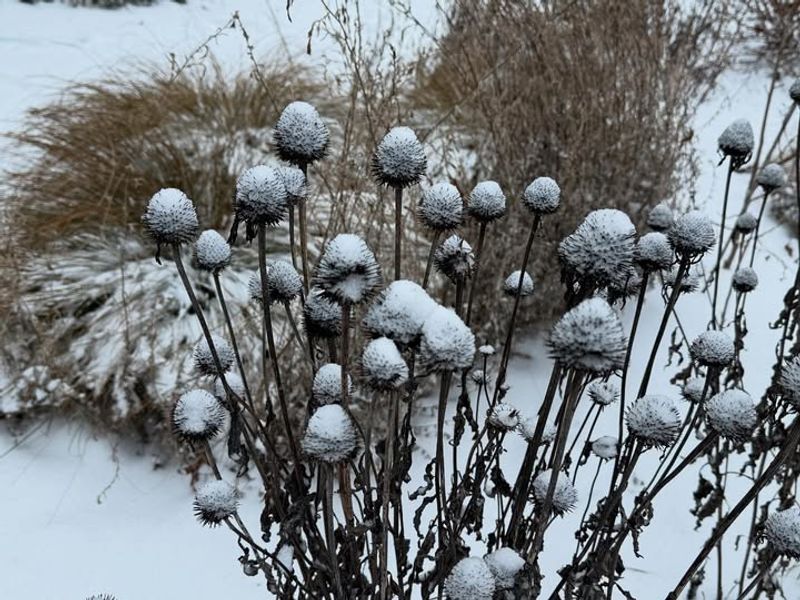
Standing perennial stems and foliage create a natural framework that holds soil in place during Illinois’s wet spring season.
When winter snow melts or spring rains arrive, uncut plants act as miniature dams, slowing water flow and allowing it to soak into the ground rather than rushing across the surface.
This erosion control is particularly valuable on slopes or in areas where soil tends to wash away, protecting both your garden investments and local waterways from sediment pollution.
The root systems of uncut perennials remain fully intact and active, gripping soil firmly even during freeze-thaw cycles that can loosen earth around cut plants.
These roots create channels that help water infiltrate deeply rather than pooling or running off, improving soil structure and reducing compaction.
The combination of above-ground and below-ground plant material creates a living erosion control system far more effective than bare soil or mulch alone.
Gardeners notice cleaner pathways, less mud tracked into the house, and better water retention in their beds when they leave perennials standing.
The plants catch and filter rainwater naturally, depositing nutrients where they’re needed and preventing valuable topsoil from washing into storm drains.
This environmental benefit extends beyond aesthetics, contributing to healthier local ecosystems and reducing the need for additional erosion control measures like expensive hardscaping or repeated mulch applications.
Fewer Plants Are Damaged By Late Frosts
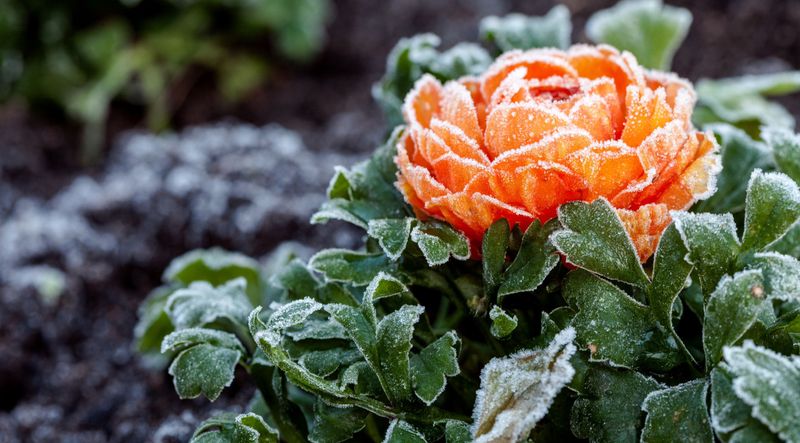
Illinois gardeners know that spring can be deceptive, with warm weeks suddenly interrupted by hard frosts that threaten tender new growth.
Perennials left uncut through winter maintain their protective layer of old foliage longer into spring, shielding emerging shoots from these dangerous temperature drops.
The dried stems and leaves create a microclimate around new growth that can be several degrees warmer than the surrounding air, often making the difference between survival and severe damage.
This protection is particularly valuable for plants that emerge early, like hostas, daylilies, and bleeding hearts, which are vulnerable to frost damage on their fresh leaves.
The old foliage breaks up cold air movement and prevents frost from settling directly on tender tissues, acting like a natural cold frame.
Even after you eventually trim away the winter growth, the extra weeks of protection allow new shoots to harden off gradually rather than facing sudden exposure.
Gardeners who leave their perennials standing report fewer blackened leaves, less growth setback, and more consistent bloom timing across their gardens.
The plants simply experience less stress from temperature fluctuations, allowing them to develop normally rather than repeatedly recovering from frost injury.
This natural protection system requires no extra work, no covering with sheets on cold nights, and no worrying about weather forecasts, making spring gardening considerably less stressful for both plants and people.
Birds And Pollinators Stick Around Longer
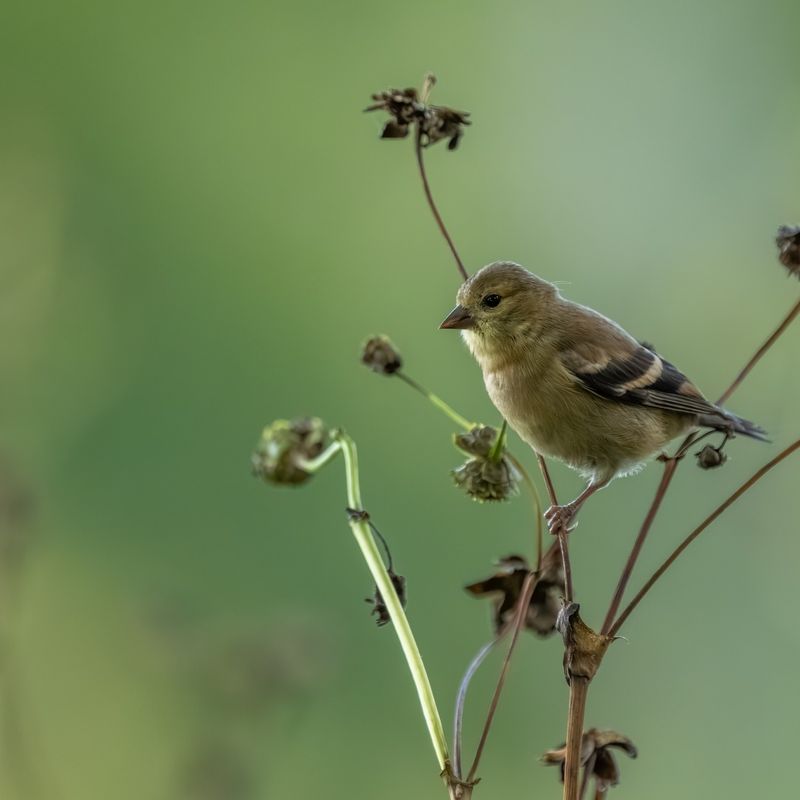
Seed heads left standing on perennials provide critical food sources for birds throughout winter and into early spring when natural food is scarce.
Goldfinches, juncos, sparrows, and other seed-eating birds flock to gardens with uncut coneflowers, black-eyed Susans, and ornamental grasses, finding nourishment that helps them survive until insects and fresh seeds become available.
These bird visitors also consume thousands of insect eggs and larvae, providing natural pest control that benefits your entire garden ecosystem.
The presence of overwintering insects in standing stems attracts insect-eating birds like chickadees, nuthatches, and woodpeckers, which carefully search every dried stalk for protein-rich meals.
This constant bird activity creates a lively, engaging winter and spring garden rather than a barren landscape.
As spring progresses, these established bird populations remain in the area, nesting nearby and continuing their pest control services throughout the growing season.
Pollinators benefit equally from uncut perennials, as early-emerging native bees and butterflies find both shelter and the season’s first nectar sources in gardens that retained winter structure.
These insects stay loyal to reliable food sources, returning repeatedly and bringing others to your garden.
The result is a vibrant, biodiverse landscape buzzing with life from the earliest spring days, creating connections between your garden and the larger ecosystem that benefit both wildlife and plant health throughout the entire growing season.
Spring Cleanup Becomes Faster And Easier
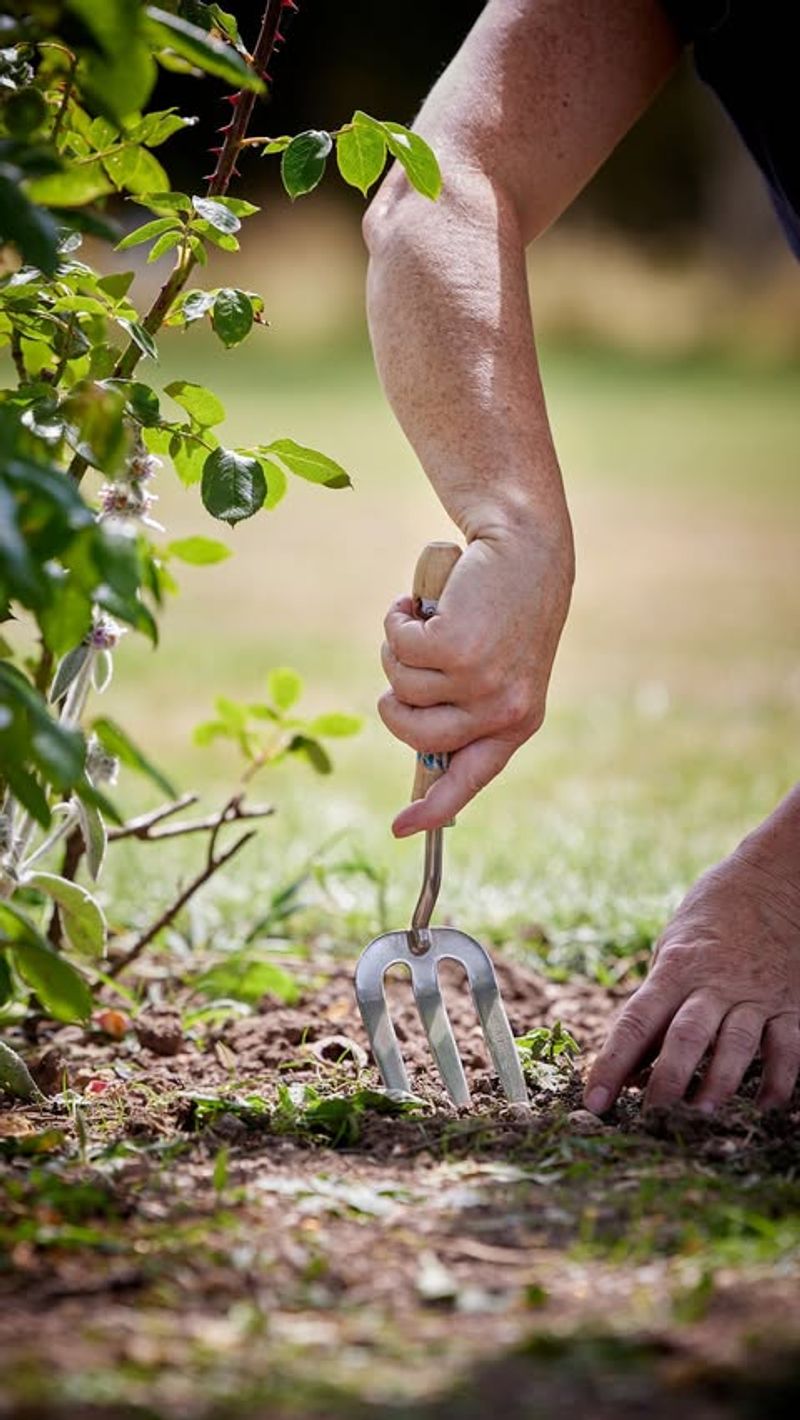
Waiting until spring to cut back perennials actually simplifies garden maintenance, concentrating all cleanup work into one efficient session when weather is pleasant and growth patterns are obvious.
Instead of working in cold, unpredictable fall weather and then having to clean up again in spring anyway, you can tackle everything at once when you can clearly see which plants survived winter and where new growth is emerging.
This timing allows for more precise cutting that avoids damaging tender shoots.
Spring-dried perennial foliage is often more brittle and easier to cut than the tougher, greener stems of fall, making the physical work less strenuous.
The material breaks down faster in compost piles because it has been naturally weathered and partially decomposed over winter.
Many gardeners find they can simply rake away loose material and do minimal cutting, as winter weather has already done much of the breakdown work for them.
The psychological benefit is equally valuable, as spring cleanup feels like a fresh start rather than a melancholy end-of-season chore.
You’re working alongside your garden’s natural awakening, able to immediately see the results of your efforts as new growth emerges.
This single cleanup session also means less overall time spent on maintenance, freeing you to focus on planting, dividing, and enjoying your garden rather than repeatedly tidying the same spaces across multiple seasons.
The Garden Looks Fuller And Healthier All Season
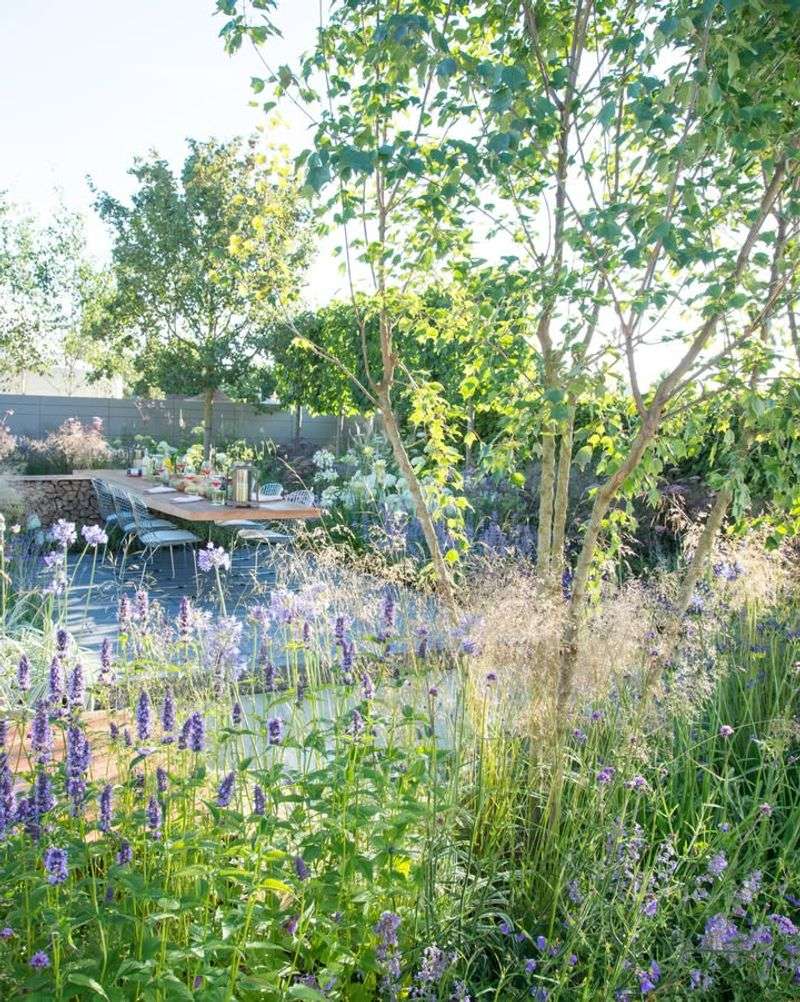
Perennials that overwintered with their foliage intact emerge as fuller, more robust plants with better branching and more abundant blooms.
The energy savings from not having to regrow from severely cut crowns translates directly into more vigorous above-ground growth, creating that lush, established look that gardeners spend years trying to achieve.
These plants fill their spaces more completely, reducing gaps and creating the cohesive, flowing appearance that marks a mature, well-designed landscape.
The health benefits extend throughout the entire growing season, as plants with stronger root systems and less spring stress maintain their vigor even during summer heat and occasional drought.
They’re more resistant to diseases and pests because they’re not weakened by early-season setbacks.
The fuller growth also means better weed suppression, as perennials quickly shade the soil and outcompete unwanted plants for resources, reducing your maintenance workload significantly.
Visitors to gardens where perennials were left uncut often comment on how established and professional the landscape appears, unaware that this impressive result came from doing less work rather than more.
The plants simply look healthier because they are healthier, having followed their natural growth cycle without interruption.
This approach creates gardens that reward patience with beauty, proving that sometimes the best gardening strategy is simply trusting nature’s wisdom and letting plants do what they’ve evolved to do best.