This Is What North Carolina Gardenias Need Before Summer Heat Arrives
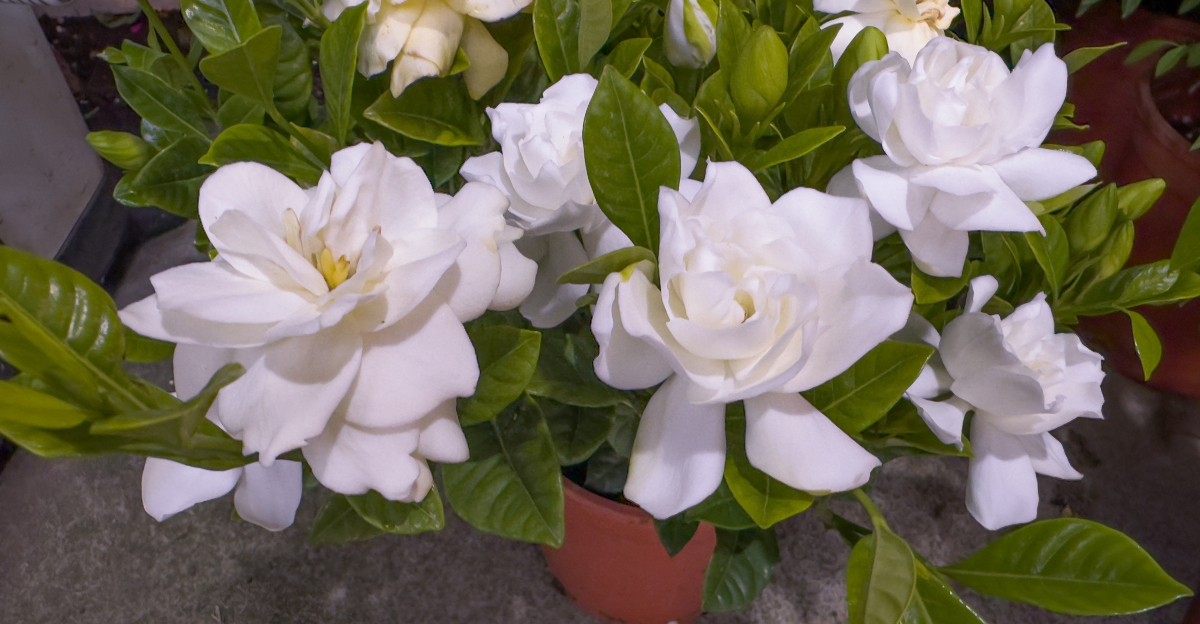
Gardenias are one of the most fragrant and visually striking shrubs a North Carolina gardener can grow, but they are not forgiving of neglect heading into summer.
The weeks before heat and humidity fully settle in across the state are the most important window for setting gardenias up to perform well through the toughest part of the season.
Miss this window and the problems show up fast, yellowing leaves, reduced blooms, and stress that takes months to recover from. What gardenias need right now is specific and straightforward.
A few targeted tasks done before summer arrives make a visible difference in how the shrub looks and performs from June through September.
Gardeners who handle this preparation consistently are the ones with gardenias that bloom heavily and stay healthy while others on the same street are struggling through the heat.
1. Gardenias Need Consistent Moisture Before Heat Intensifies
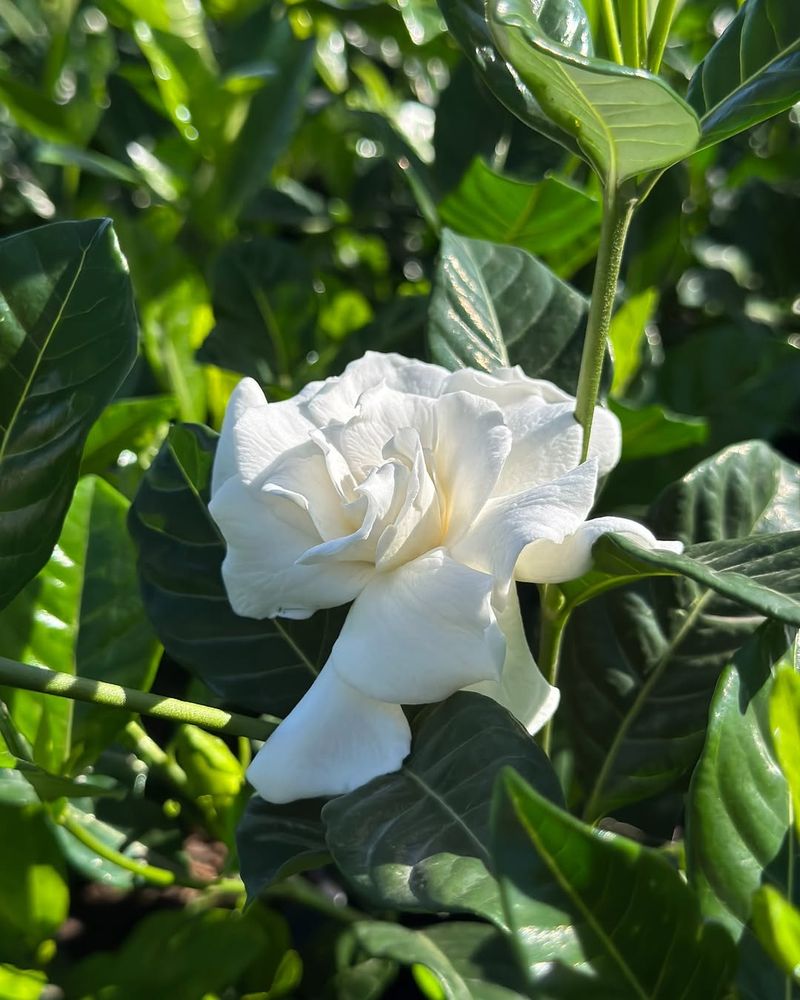
Watering gardenias the right way before summer hits is one of the smartest things you can do as a gardener. Gardenia jasminoides has a shallow root system, which means it pulls moisture from just the top few inches of soil.
When spring watering is inconsistent, those roots get stressed fast, especially once July humidity and heat arrive.
Sandy coastal soils in North Carolina drain quickly, so gardenias planted near the coast may need watering two to three times a week during dry spring stretches. Piedmont clay holds moisture longer but can become compacted and waterlogged if overwatered.
The goal is steady, even moisture, not wet feet and not bone-dry soil.
Container gardenias dry out the fastest because their roots have nowhere else to go. Check containers every day during warm spring weather and water when the top inch of soil feels dry.
Raised beds fall somewhere in the middle, draining better than clay but drying faster than in-ground plantings. Using a moisture meter takes the guesswork out completely and helps you water only when the plant actually needs it.
Consistent spring watering builds strong, deep roots that can handle the stress of a North Carolina summer much more reliably.
2. Acidic Soil Is Essential For Healthy Gardenias
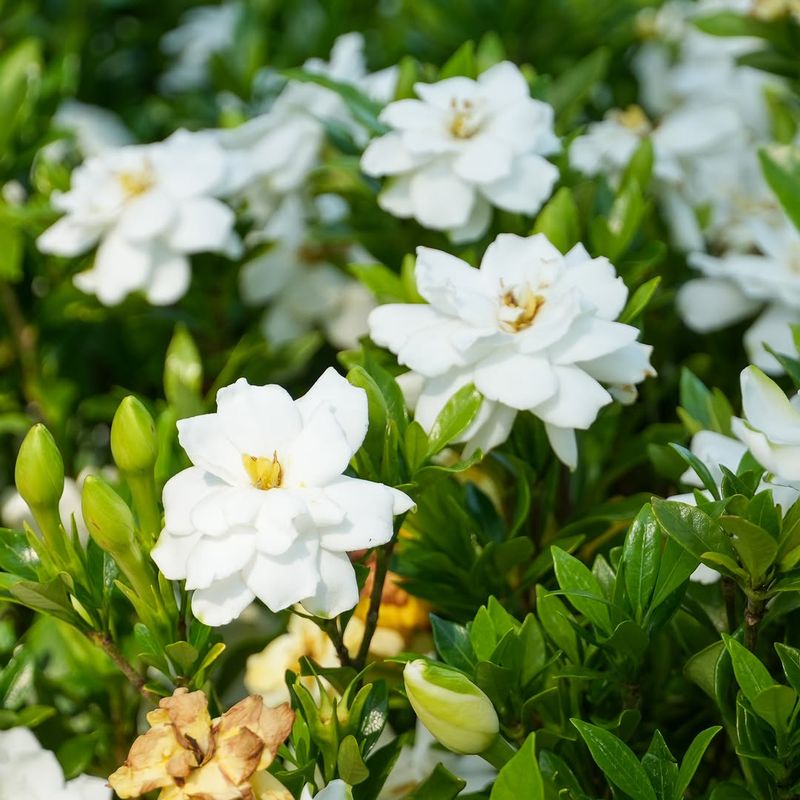
Few things frustrate a gardener more than a gardenia with yellow leaves when it should be covered in white blooms. That yellow foliage is almost always a sign that the soil pH has drifted too high.
Gardenia jasminoides needs soil that stays between 5.0 and 6.0 on the pH scale, and anything above that makes it harder for the plant to absorb iron and other nutrients it depends on.
North Carolina soil varies widely. Coastal plain soils tend to be naturally acidic, but Piedmont and western soils often lean more alkaline, especially near concrete foundations or areas with heavy limestone rock.
Getting a soil test through your local NC Cooperative Extension office is the most accurate way to know exactly where your pH stands before summer arrives.
Once you know your numbers, lowering pH becomes straightforward. Elemental sulfur worked into the soil several weeks before planting or around established plants can bring pH down gradually over time.
Your North Carolina Garden Changes Every Week. Your Plan Should Too.
Gardening in North Carolina changes quickly throughout the season. Every Friday you’ll receive a simple weekly plan showing exactly what to plant, prune, fertilize, harvest, and protect so you never miss the right timing.
Acidifying fertilizers designed for gardenias and azaleas also help maintain the right range season after season. Adding pine bark mulch or pine needle mulch around your plants naturally contributes small amounts of acidity over time too.
Healthy soil chemistry means your gardenia can actually use the nutrients you give it, which shows up in rich green leaves and generous blooms all summer.
3. Mulch Helps Protect Gardenia Roots During Southern Summers
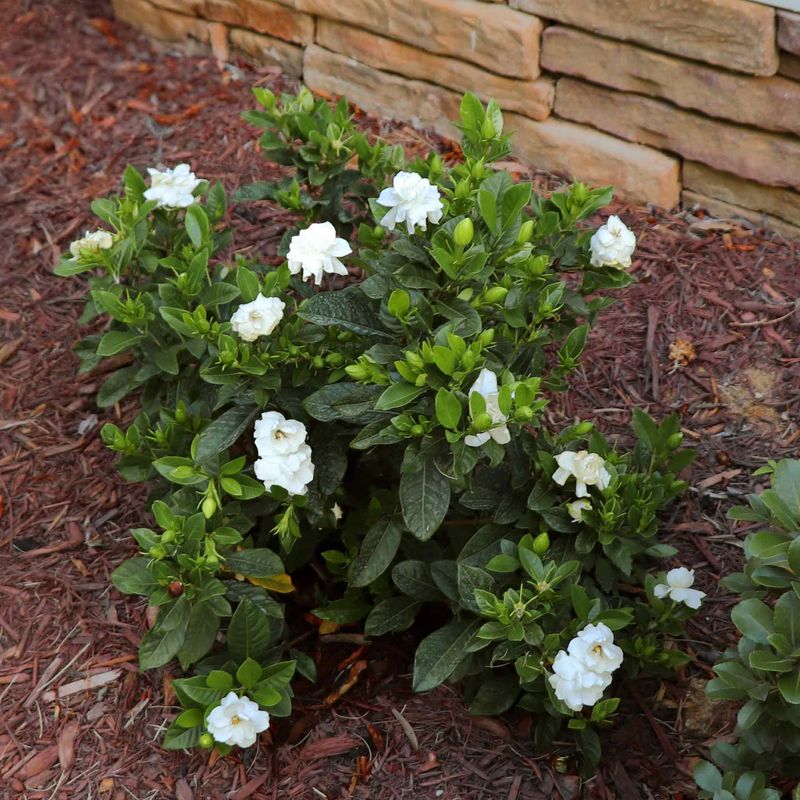
Spreading a fresh layer of mulch around your gardenias before summer arrives might be the single easiest thing you can do to protect them.
Gardenia jasminoides has shallow roots that sit close to the soil surface, making them especially vulnerable to heat and moisture loss once temperatures climb.
A good mulch layer acts like a blanket, keeping the soil cooler and holding moisture in longer between waterings.
Pine bark mulch and pine straw are both excellent choices for gardenias because they break down slowly and contribute mild acidity to the soil over time.
Aim for a mulch layer about two to three inches deep around each plant, spreading it out to the drip line where the roots actually spread.
Thicker layers can limit airflow and cause problems, so more is not always better here.
One important detail that many gardeners overlook is keeping mulch pulled back from the base of the stem. Mulch piled against the stem traps moisture against the bark, which can lead to rot and invite fungal issues.
Leave a small gap of two to three inches between the mulch and the plant stem. Refresh your mulch each spring because it breaks down over winter and loses much of its effectiveness.
A consistent mulch routine gives your gardenias a real advantage heading into the hottest months of the year.
4. Morning Sun Helps Gardenias Bloom Better
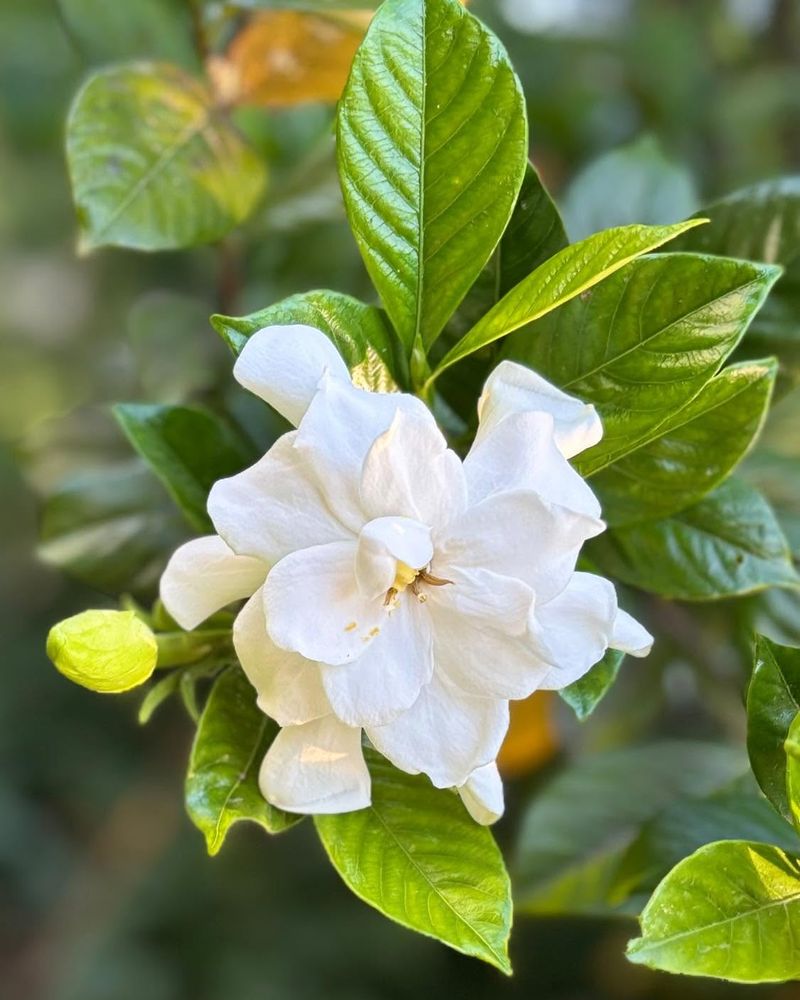
Sunlight placement is one of the most underrated decisions a gardener makes when choosing where to put a gardenia.
Gardenia jasminoides performs best with bright morning sun and some protection from harsh afternoon rays, especially in North Carolina where summer afternoons can be brutally hot and intense.
Morning light encourages strong bud development and lush foliage without cooking the leaves.
Along the coast, gardenias can handle more sun because sea breezes keep temperatures a little more moderate. In the Piedmont, afternoon shade from a tall deciduous tree or a fence line makes a real difference in how well plants hold up through July and August.
In the western mountain regions, gardenias are more cold-sensitive, but the slightly cooler summer temperatures give gardeners a bit more flexibility with sun exposure.
Placing gardenias on the east or southeast side of a home is often ideal because they get full morning sun and natural shade as the afternoon progresses. South-facing spots with no shade often cause leaf scorch and bud drop during peak summer heat.
West-facing walls amplify heat from reflected sunlight and radiated warmth off siding or brick, which stresses plants quickly.
Spending a few minutes walking your yard and watching how sunlight moves across different areas before you plant can save you a season of frustration and keep your gardenias blooming beautifully.
5. Heavy Spring Fertilizer Can Cause Problems Later In Summer
It feels natural to want to feed your gardenias generously in spring when everything is growing fast and looking great.
But too much fertilizer, especially nitrogen-heavy formulas applied in large amounts, pushes gardenias into producing soft, lush new growth that struggles badly once summer heat and humidity settle in.
Gardenia jasminoides needs balanced feeding, not a nutrient overload.
Soft growth produced by heavy spring fertilizing is more vulnerable to fungal problems, insect pressure, and heat stress. The plant essentially grows faster than it can harden off, leaving it in a weakened state right when conditions get toughest.
Moderation in early spring and consistent light feeding through the season produces much steadier, more resilient plants.
A slow-release fertilizer formulated specifically for acid-loving plants like gardenias and azaleas is a reliable choice. Apply it once in early spring following package directions, and avoid pushing another heavy dose right before summer begins.
A light supplemental feeding in mid-spring with a water-soluble fertilizer can support healthy bud development without overloading the plant.
Always water deeply after fertilizing to help nutrients move into the root zone and reduce any risk of root irritation from concentrated salts.
Feeding gardenias thoughtfully rather than aggressively leads to stronger plants, richer foliage, and more consistent flowering throughout the summer season in North Carolina gardens.
6. Airflow Matters More Than Many Gardeners Realize
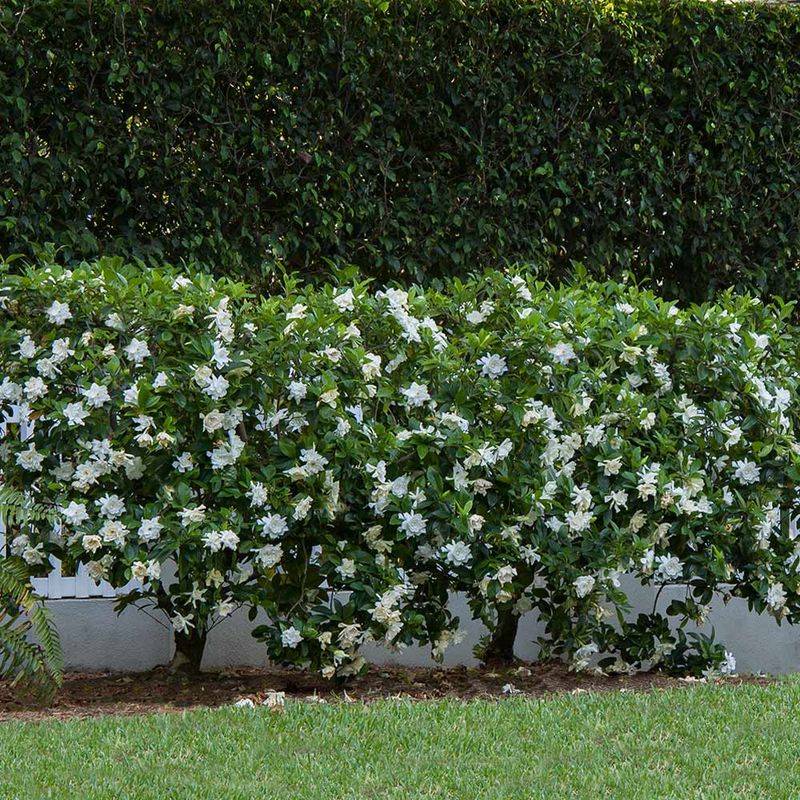
Humidity in North Carolina during summer is no joke, and gardenias planted in tight, crowded spaces feel that humidity most.
Gardenia jasminoides is susceptible to fungal issues like sooty mold, leaf spot, and powdery mildew, all of which thrive when warm moist air gets trapped around dense foliage.
Good airflow is not just a preference for gardenias, it is a genuine necessity.
Foundation plantings are one of the most common spots where gardenias get overcrowded. When shrubs are planted too close together or too close to a wall, air cannot circulate freely through the canopy.
Moisture lingers on leaves overnight, creating the perfect environment for fungal spores to settle and spread. Spacing gardenias at least four to six feet apart, and keeping them a similar distance from walls, makes a big difference.
Light pruning in early spring helps open up the interior of each plant so air can move through the canopy more freely. Removing crossing branches and any stems that grow inward toward the center of the shrub improves both airflow and light penetration.
Avoid heavy pruning in late spring when buds are already forming, since that removes the flowers you have been waiting all year to enjoy.
Thoughtful placement and regular light shaping keep Gardenia jasminoides healthier through the long humid stretch of a North Carolina summer without much extra effort.
7. Gardenias Need Good Drainage Before Summer Storm Season Begins
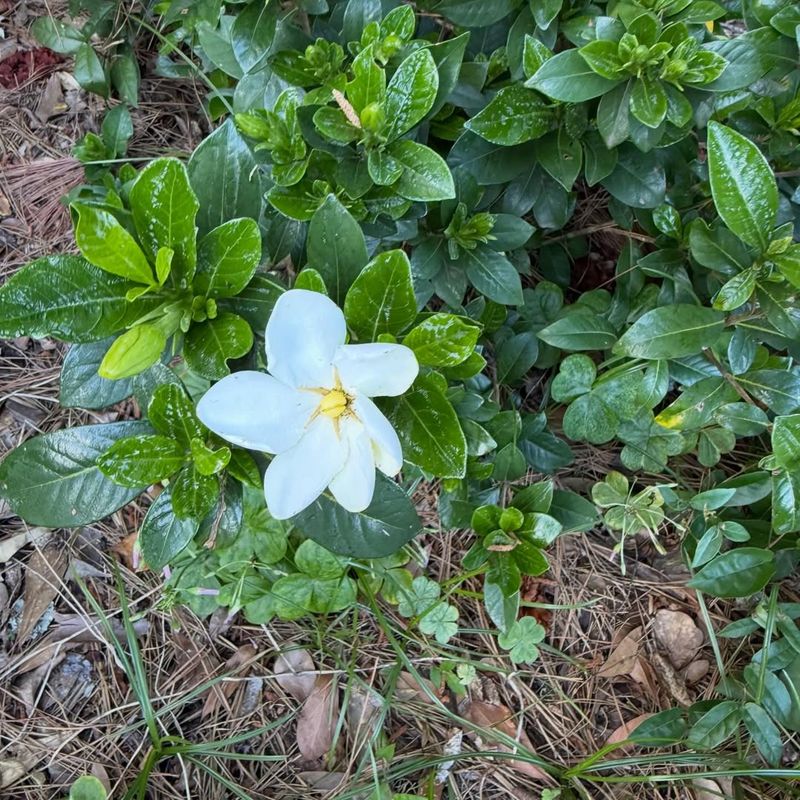
Summer storm season in North Carolina brings heavy rainfall that can dump inches of water in just a few hours. If your gardenias are sitting in poorly drained soil when those storms roll through, the roots can suffer quickly.
Gardenia jasminoides needs soil that drains well between waterings, and standing water around the root zone is one of the fastest ways to weaken an otherwise healthy plant.
Clay soil is common across much of the Piedmont and parts of eastern North Carolina, and it holds water far longer than gardenias prefer. Amending clay with coarse sand, aged compost, or pine bark fines before planting improves drainage significantly.
For established gardenias already struggling in clay, creating a slight berm or raised planting area around the plant can help redirect excess water away from the root zone.
Raised beds are one of the best long-term solutions for North Carolina gardeners dealing with drainage challenges.
Filling a raised bed with a well-draining mix of compost, pine bark, and loamy soil gives gardenias the ideal growing environment and makes watering much easier to manage.
Containers with drainage holes are another excellent option because you control the soil completely. Sloped garden areas naturally shed water faster, so positioning gardenias on gentle slopes can also reduce waterlogging risk.
Solving drainage problems before summer storms arrive protects your plants during the wettest and hottest stretch of the growing season.
8. Cleaning Off Old Flowers Helps Gardenias Stay Healthier In Humid Weather
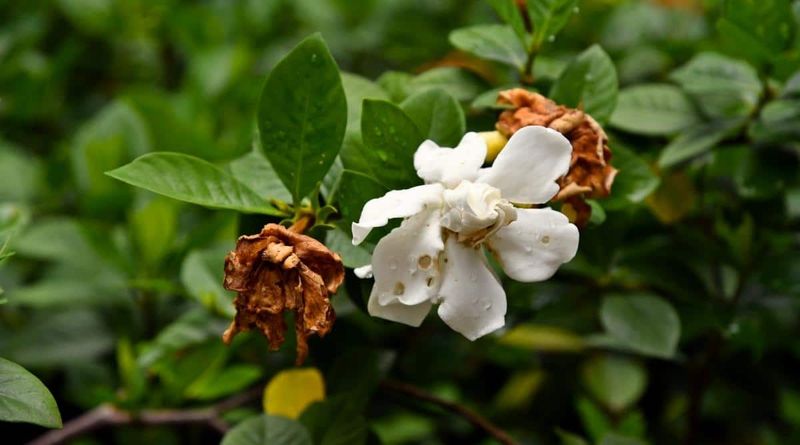
Gardenias are showstoppers when they bloom, but those gorgeous white flowers do not age gracefully. As blooms fade, they turn brown and papery, and in humid North Carolina weather, old flower material can become a real problem if left on the plant.
Gardenia jasminoides benefits noticeably from regular flower cleanup throughout the blooming season.
Faded blooms trap moisture against stems and leaves, and in the humid conditions that define North Carolina summers, that trapped moisture creates an inviting environment for fungal issues.
Botrytis blight, a gray fuzzy mold that affects many flowering plants, can move from spent blooms onto healthy foliage if cleanup is neglected.
Removing old flowers promptly reduces that risk considerably.
The good news is that removing spent blooms off gardenias is simple and quick. Pinch or snip each spent bloom just below the base of the flower, removing it cleanly without tearing at the stem.
Do this every few days during peak bloom to keep plants looking tidy and reduce the buildup of decaying material. Dropping the removed blooms into a compost pile or garden waste bag keeps them away from the plant.
Some gardeners also give their plants a gentle rinse with a garden hose during dry spells to wash off dust and pollen that accumulate on leaves. A clean, well-maintained plant handles summer humidity much more comfortably than one left to manage on its own.
9. North Carolina Gardenias Often Need Protection From Late Afternoon Heat
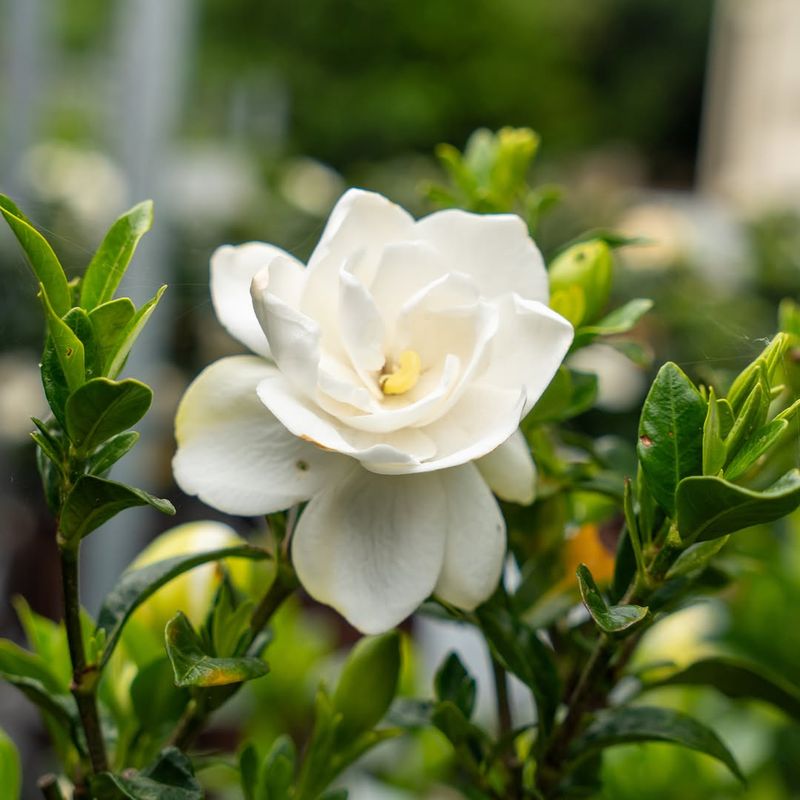
Anyone who has walked across a sun-baked driveway in July knows how intense radiated heat can get in North Carolina.
Gardenias planted near pavement, brick walls, or concrete surfaces face that same intense heat every afternoon, and Gardenia jasminoides is surprisingly sensitive to reflected and radiated warmth.
Plants in these spots often show signs of stress by midsummer even when they are watered regularly.
Reflected heat from light-colored concrete and brick can push temperatures near the plant several degrees higher than the surrounding air temperature. Leaves may curl, buds may drop before opening, and foliage can develop a dull or washed-out appearance.
Moving a gardenia away from these heat-reflective surfaces is the most direct fix, though transplanting during summer is hard on any shrub.
For gardenias already in heat-exposed spots, a few practical strategies help reduce the impact. Watering deeply in the early morning gives roots access to moisture before afternoon heat peaks.
Adding a thick mulch layer keeps soil temperatures lower during the hottest part of the day. Temporary shade cloth stretched over plants during extreme heat events can protect foliage without blocking enough light to affect growth long-term.
When planning new plantings, choose spots where structures or trees cast shade specifically during the late afternoon hours.
That simple placement decision can mean the difference between a gardenia that thrives all summer and one that barely holds on until fall arrives.
10. Root Competition From Large Trees Can Weaken Gardenias By Summer
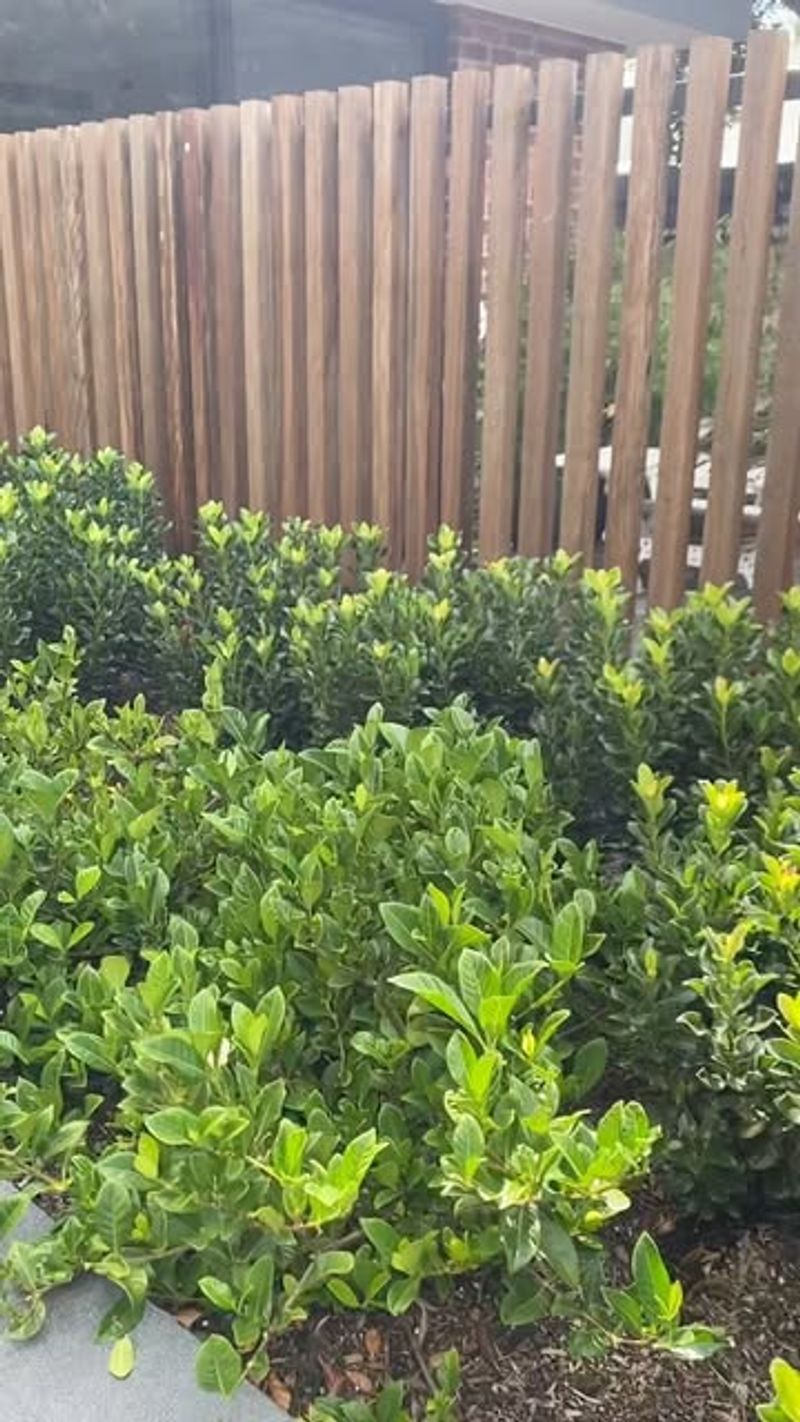
Planting gardenias under or near large trees seems like a great idea at first. The shade looks perfect, the setting feels lush, and the combination looks beautiful in early spring.
But by midsummer, that picture often changes. Large shallow-rooted trees like maples, sweetgums, and elms compete aggressively with Gardenia jasminoides for both moisture and nutrients, and gardenias usually come out on the losing end of that competition.
Tree roots spread far beyond the visible canopy, sometimes extending two to three times the width of the tree overhead.
Those roots are incredibly efficient at pulling moisture from the surrounding soil, leaving gardenias with far less water than they need during hot dry stretches.
Nutrient competition adds another layer of stress, since both plants draw from the same soil reserves.
Spacing gardenias at least eight to ten feet from the trunk of large trees gives roots more room to grow without constant competition.
Where space is limited, deep watering two to three times per week during dry summer weather helps compensate for what tree roots pull away.
A generous mulch layer three inches deep slows moisture loss from the soil surface and gives gardenia roots a slightly better chance of staying hydrated.
Container gardenias placed near trees sidestep root competition entirely since they have their own dedicated soil.
Understanding how tree roots behave underground helps you make smarter planting decisions that set your gardenias up for a healthy, productive summer.