This Is What Ohio Law Says About Leaves Falling From A Neighbor’s Maple Tree
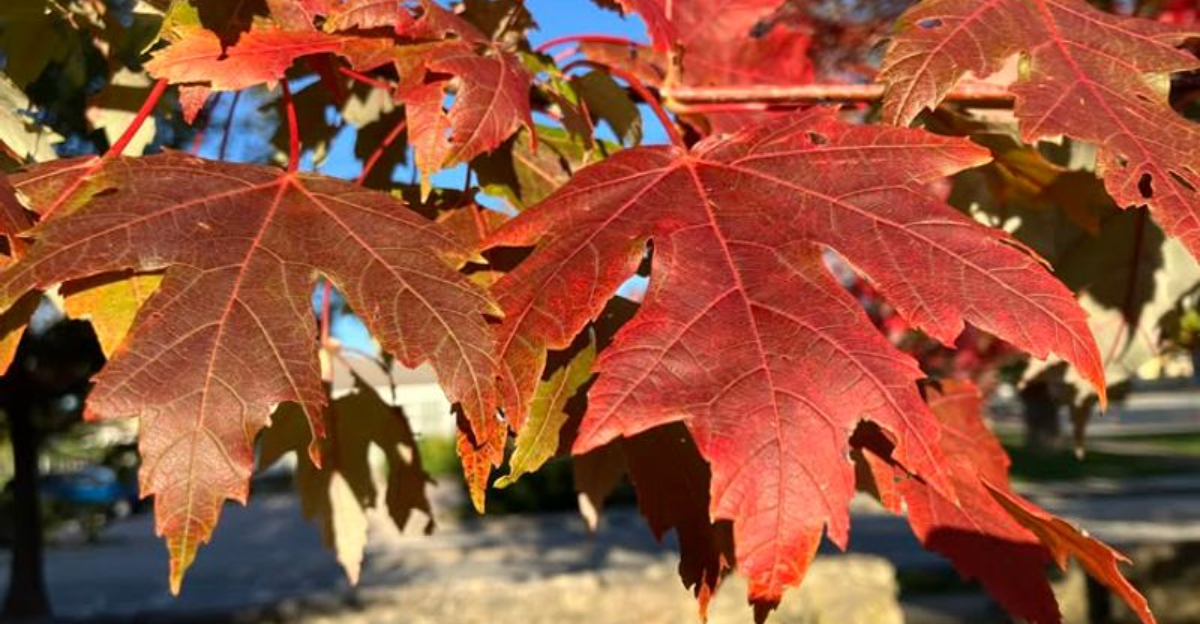
When autumn sweeps across Ohio, maple leaves start dropping faster than a sneeze in cold season, and not all of them stay on the tree that grew them.
Many homeowners watch piles build up from a neighbor’s towering maple and wonder who is on the hook for the cleanup.
The sight can stir frustrations, friendly debates, and a few raised eyebrows across property lines.
Falling leaves may look harmless, but they can clog gutters, smother grass, and turn sidewalks into slippery traps.
Some neighbors assume the mess should be handled by whoever owns the tree, while others believe the wind makes the rules.
Misunderstandings can spread like wildfire, turning a simple seasonal chore into a simmering backyard feud.
Ohio law cuts through the confusion with clear guidance.
It draws a line between natural events and true damage, giving homeowners a firm footing when dealing with runaway leaves.
Instead of relying on myths or neighborly rumors, the law spells out what counts as responsibility and what counts as routine yard care.
Knowing how Ohio handles leaf fallout helps avoid tension, protect property, and keep the peace on both sides of the fence as the maples do what they do best each fall.
1. You Own The Leaves Once They Land On Your Property
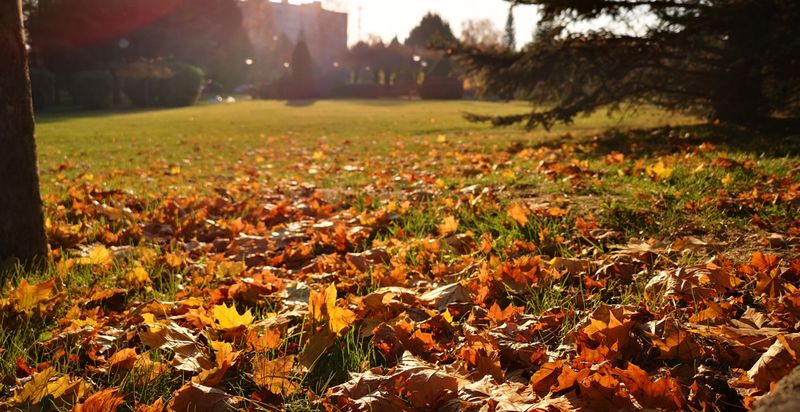
Property ownership in Ohio comes with certain responsibilities that many people don’t think about until fall arrives.
Once leaves from your neighbor’s maple tree cross the property line and land in your yard, they legally become your problem to handle.
The law treats fallen leaves the same way it treats rain, snow, or other natural occurrences that affect your property.
Ohio courts have consistently ruled that homeowners cannot force their neighbors to clean up leaves that blow onto their land from nearby trees.
Even if the maple tree sits entirely on your neighbor’s side of the fence, you’re still responsible for managing the leaves that end up on your side.
This principle applies throughout the state, from Cleveland to Cincinnati, and reflects a broader legal concept about natural conditions.
Many residents feel frustrated by this rule, especially when a neighbor’s large tree dumps piles of leaves into their yard every autumn.
However, the law views this as part of normal property ownership.
You can rake them, mulch them, or bag them for collection, but you cannot demand that your neighbor do the work for you.
Understanding this basic principle helps set realistic expectations about fall yard maintenance in Ohio neighborhoods.
2. Your Neighbor Doesn’t Have To Trim Branches Over Your Property
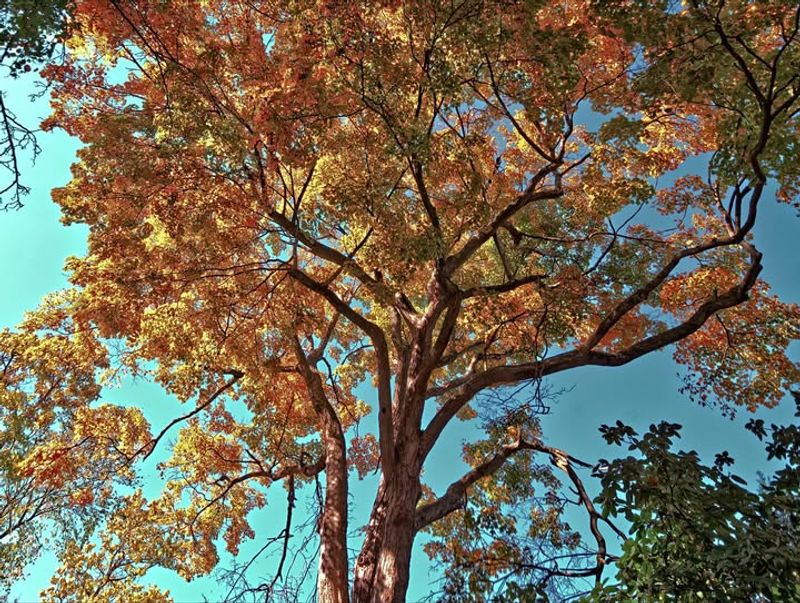
Overhanging branches can be a source of tension between neighbors, particularly when those branches belong to a large maple tree that drops thousands of leaves each season.
In Ohio, property owners are not legally required to trim tree branches that extend over a neighbor’s property line.
The tree owner has no obligation to cut back branches just because they might drop leaves, seeds, or twigs onto your land.
However, Ohio law does give you the right to trim branches that hang over your property yourself, as long as you don’t damage the tree or trespass onto your neighbor’s property to do it.
You must perform any trimming from your own side of the property line, and you’re responsible for disposing of whatever you cut.
Some homeowners choose to hire professional tree services to handle this work safely, especially when dealing with tall maple trees.
Before you grab your saw, consider talking to your neighbor first.
A friendly conversation can prevent misunderstandings and might even lead to a shared solution.
Your neighbor might agree to split the cost of professional trimming, or they might prefer to handle it themselves.
Throughout Ohio communities, good communication often solves these situations better than strict enforcement of legal rights.
3. Blocked Gutters Are Still Your Responsibility To Clear
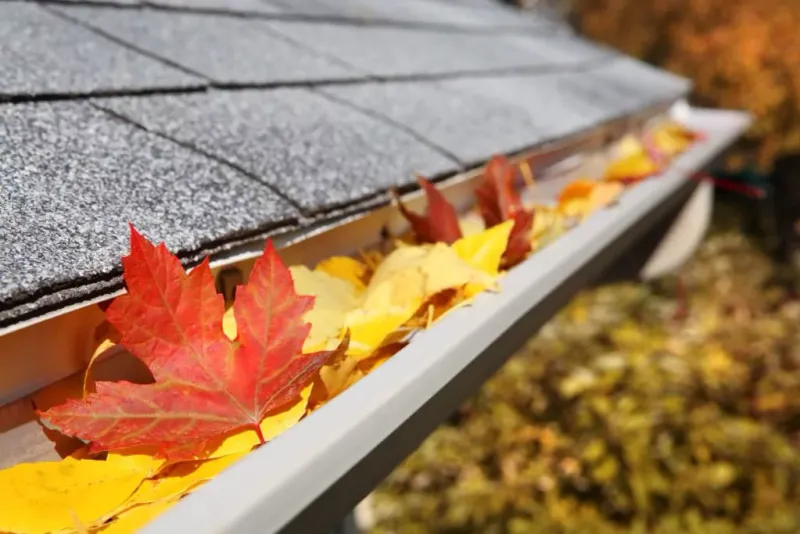
Fall brings a common problem to homes across Ohio: gutters filled with maple leaves that can cause water damage if left unchecked.
Even when every single leaf clogging your gutters came from your neighbor’s tree, you’re still the one responsible for cleaning them out.
The law doesn’t distinguish between leaves from your own trees and leaves that blew in from somewhere else.
Clogged gutters can lead to serious issues like water backing up under your roof shingles, ice dams forming in winter, or water pooling around your foundation.
Ohio homeowners need to stay on top of gutter maintenance regardless of where the leaves originated.
Most insurance policies won’t cover damage caused by neglected maintenance, even if you argue that the leaves came from a neighbor’s property.
Setting up a regular cleaning schedule during fall can help you stay ahead of the problem.
Many Ohio residents clean their gutters at least twice during autumn, especially if they live near large maple trees.
You might also consider installing gutter guards, which can reduce the amount of debris that gets inside.
While these solutions require time and sometimes money, they’re more practical than trying to hold your neighbor legally responsible for leaves that end up in your gutters.
4. You Cannot Sue For Normal Leaf Drop
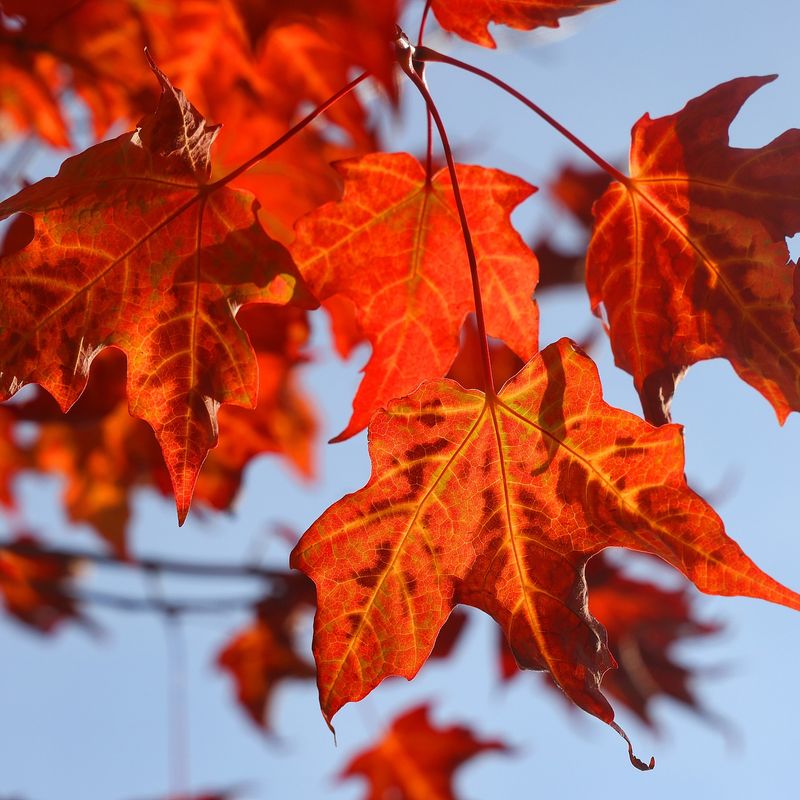
Some homeowners get so frustrated with their neighbor’s maple tree that they consider taking legal action.
Ohio law is clear on this point: you cannot successfully sue a neighbor simply because their tree drops leaves onto your property.
Courts view falling leaves as a natural occurrence that comes with living in an area with trees, and they generally won’t award damages for this common situation.
Legal action might only succeed in extreme circumstances where a tree is diseased, dangerous, or causing actual property damage beyond normal leaf drop.
For example, if a diseased maple tree threatens to fall on your house, you might have grounds for legal intervention.
But the mere inconvenience of raking extra leaves doesn’t meet the threshold for a successful lawsuit in Ohio courts.
Filing a lawsuit over leaves would likely cost you far more in legal fees than you’d ever recover, and it would certainly damage your relationship with your neighbor.
Ohio judges have dismissed numerous cases where homeowners tried to claim damages from neighboring trees.
Instead of pursuing legal action, focus on practical solutions like improving your lawn care routine or installing landscaping features that make leaf cleanup easier.
Building positive relationships with neighbors throughout Ohio communities proves far more valuable than fighting over falling leaves.
5. The Tree Owner Controls Decisions About Their Tree
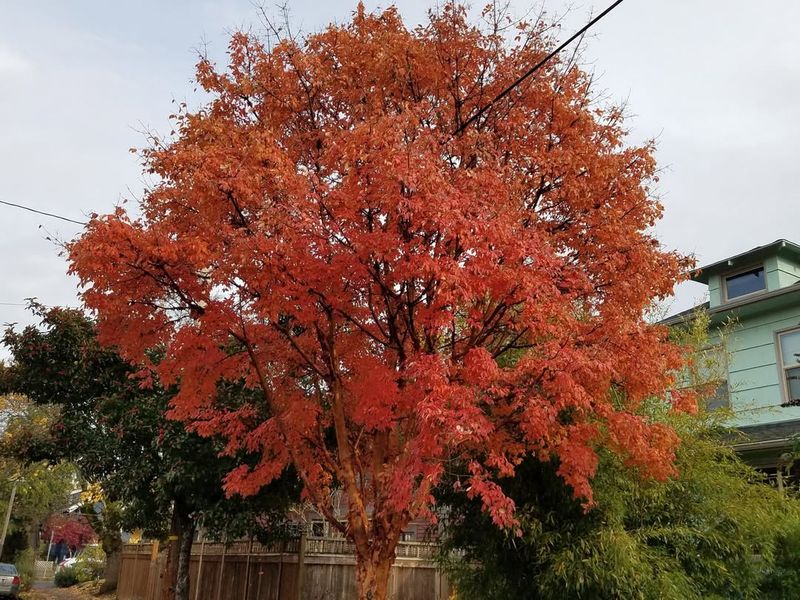
A maple tree growing entirely on your neighbor’s property belongs to them, and Ohio law gives them complete control over decisions about that tree.
You cannot force them to remove it, heavily prune it, or take any action just because you don’t like dealing with the leaves it produces.
Property rights protect their ability to keep trees on their own land, even when those trees affect nearby properties.
This legal principle applies throughout Ohio, whether you live in a suburban neighborhood in Columbus or a rural area outside Toledo.
Your neighbor can choose to keep their maple tree exactly as it is, and they don’t need your permission or approval.
They’re also not required to consult with you before planting new trees on their property, even if those trees might eventually drop leaves into your yard.
The only exceptions involve trees that pose genuine safety hazards or violate local ordinances about tree placement.
Some Ohio municipalities have rules about how close trees can be to property lines or power lines, but these regulations focus on safety rather than convenience.
If you believe a neighbor’s tree violates local codes, you can contact your city or township officials to investigate.
Otherwise, accepting that your neighbor has the right to maintain trees on their property helps prevent unnecessary conflict over something as natural as falling leaves.
6. Local Ordinances May Require Leaf Removal From Streets
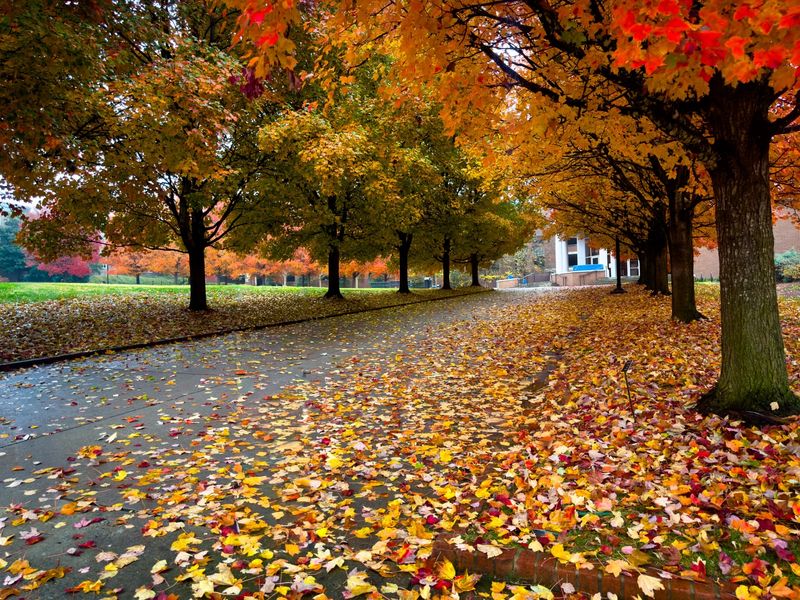
While Ohio state law doesn’t force your neighbor to clean up leaves on your property, many local communities have ordinances about leaves in public spaces.
Cities and towns across Ohio often require residents to keep leaves from blocking streets, storm drains, and sidewalks.
These rules apply to everyone, regardless of where the leaves originally came from.
Raking leaves into the street might seem like an easy solution, but it can actually violate local laws in many Ohio municipalities.
Leaves in storm drains can cause flooding problems, and piles of leaves in streets create hazards for drivers and cyclists.
If leaves from your property (including those that fell from your neighbor’s tree) end up blocking public areas, you could face fines or citations from local authorities.
Check with your city or township to understand the specific rules in your area.
Some Ohio communities provide leaf collection services during fall, with designated pickup dates and guidelines about how to prepare leaves for collection.
Others require residents to bag leaves or take them to composting facilities.
Communities like Akron, Dayton, and smaller towns throughout the state each have their own systems.
Following these local regulations protects you from penalties and helps keep Ohio neighborhoods safe and accessible for everyone during the busy fall season.
7. Shared Trees On Property Lines Follow Different Rules
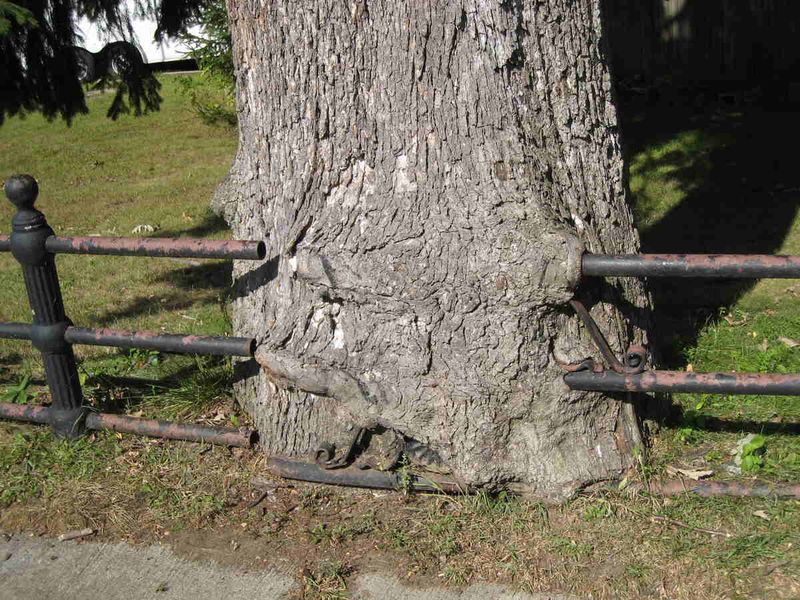
What happens when a maple tree grows right on the property line between your yard and your neighbor’s?
Ohio law treats these boundary trees differently than trees that clearly belong to one property owner.
When a tree trunk straddles the property line, both neighbors typically share ownership of that tree, along with shared responsibility for its care and maintenance.
Both property owners must agree before removing or significantly pruning a shared tree in Ohio.
If one neighbor wants to cut down the boundary maple tree but the other wants to keep it, the person who wants to keep it usually wins.
Courts generally protect trees unless they pose clear dangers.
Both neighbors also share the costs of maintaining shared trees, including professional trimming or removal if it becomes necessary.
Disputes over boundary trees can get complicated, so clear communication becomes especially important in these situations.
If you’re unsure whether a maple tree belongs entirely to your neighbor or sits on the property line, consider hiring a surveyor to determine the exact boundary.
Many Ohio homeowners find that investing in a professional survey prevents years of disagreement and confusion.
When neighbors share ownership of a tree, cooperation and compromise work better than trying to enforce individual preferences.
The leaves from a shared tree become both neighbors’ responsibility, making it fair for both parties to contribute to fall cleanup efforts.
8. Good Communication Beats Legal Action Every Time
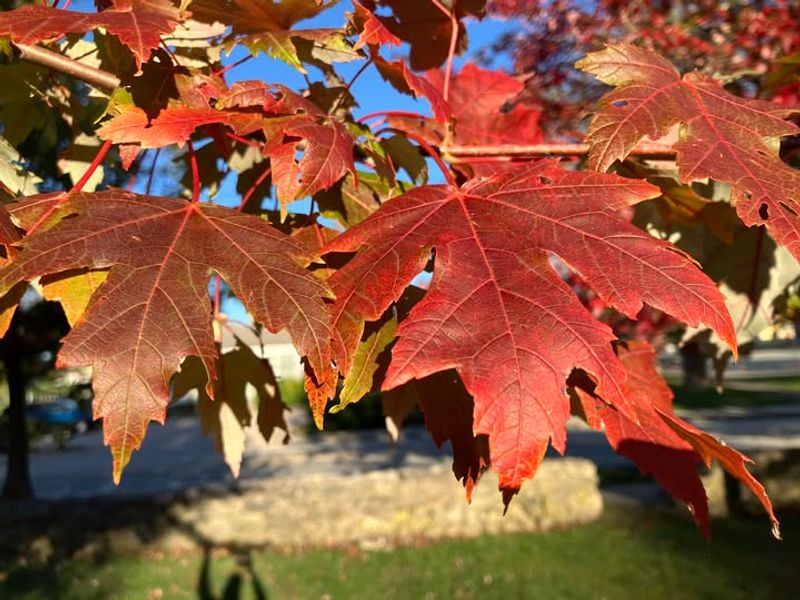
Ohio law provides a framework for handling disputes about trees and leaves, but the best solutions usually come from simply talking to your neighbors.
A friendly conversation can accomplish more than any legal action when it comes to managing leaves from a neighbor’s maple tree.
Most people are willing to work together when approached respectfully and given a chance to understand your concerns.
Start by introducing yourself if you haven’t already built a relationship with your neighbor.
Explain the situation calmly, focusing on finding solutions rather than assigning blame.
Your neighbor might not realize how many leaves their tree drops into your yard, or they might be happy to help with cleanup occasionally.
Some Ohio neighbors work out arrangements where they share the cost of yard services or take turns handling leaf removal in areas affected by boundary trees.
Remember that you might need your neighbor’s cooperation on other issues in the future, so maintaining a positive relationship matters beyond just the current leaf situation.
Being a good neighbor yourself, perhaps by offering to help with their yard work sometimes or being flexible about minor issues, encourages them to reciprocate.
Throughout Ohio communities, from small towns to big cities, people who communicate openly and treat each other with respect find workable solutions to property issues that legal action could never achieve.