This Is When A Retaining Wall In Your Colorado Garden Requires A Permit
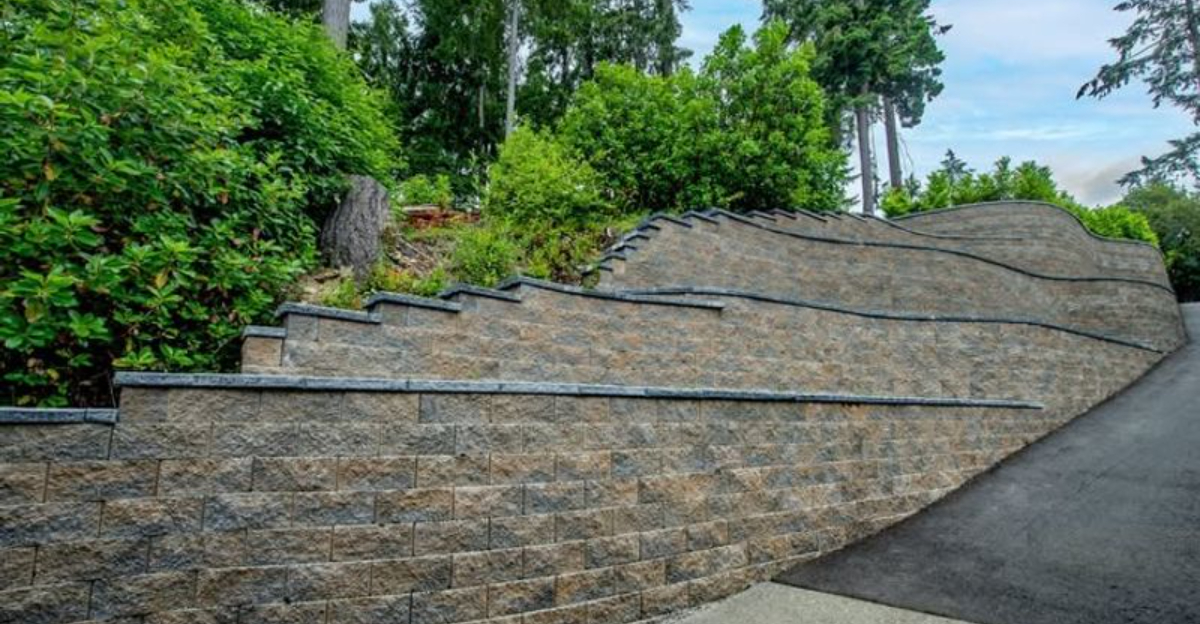
Adding a retaining wall to a Colorado garden can feel like a smart and simple upgrade. It helps control slopes, manage drainage, and create usable space where there once was uneven ground.
But what many homeowners don’t realize is that a retaining wall isn’t always just a landscaping feature. In Colorado, some retaining walls are treated as structures, and that means a permit may be required before any digging begins.
Overlooking this step can turn a helpful project into a stressful situation. A retaining wall may look harmless, but permits often depend on height, location, and what the wall is supporting.
Building without approval can lead to fines, forced removal, or problems when selling your home. Not every retaining wall needs a permit, but assuming none do is a risky move.
A little research now can save a lot of trouble later. Knowing the rules before you build protects your investment and your peace of mind.
Many Colorado homeowners are surprised by how quickly permit rules can apply. Retaining walls can affect drainage, neighboring properties, and safety.
Understanding when a permit is required helps you plan smarter, build with confidence, and avoid costly mistakes that could have been prevented from the start.
When Your Wall Exceeds Three Feet In Height
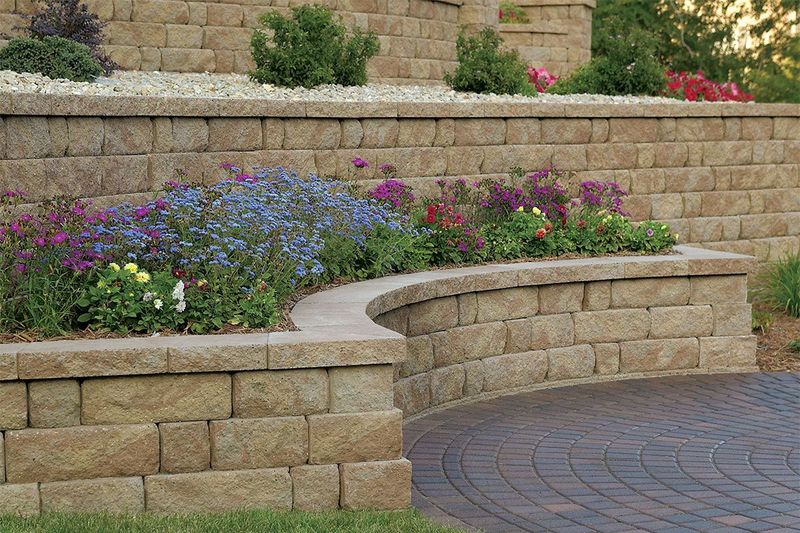
Height is the most common trigger for retaining wall permits across Colorado. Most municipalities set the threshold at three feet, measured from the lowest point of the ground to the top of the wall.
Once your structure crosses this line, you will need to contact your local building department for approval. The reason behind this rule makes perfect sense when you think about the physics involved.
Taller walls hold back significantly more soil weight, creating greater pressure that requires proper engineering to prevent collapse.
Many homeowners in Denver, Colorado Springs, and Fort Collins have learned this lesson the hard way. They built walls just a few inches over the limit without permits, only to face expensive corrections later.
The three-foot rule applies to the finished height, not the exposed portion above ground. If your wall sits partially below grade, you still measure from the bottom of the foundation to the top edge.
Some Colorado counties use a four-foot threshold instead, so always check your specific area regulations. Boulder County, for example, has slightly different requirements than Jefferson County.
When planning your project, consider building just under the height limit if you want to avoid the permit process entirely.
However, splitting one tall wall into multiple shorter terraced walls might still require approval if they are too close together. The cumulative effect matters to building inspectors.
Professional contractors familiar with Colorado regulations can help you design walls that either meet permit requirements properly or stay within the no-permit zone legally.
Getting caught with an unpermitted tall wall can result in fines ranging from $500 to several thousand dollars, plus the cost of bringing everything up to code or removing it completely.
When Your Wall Supports A Surcharge Load
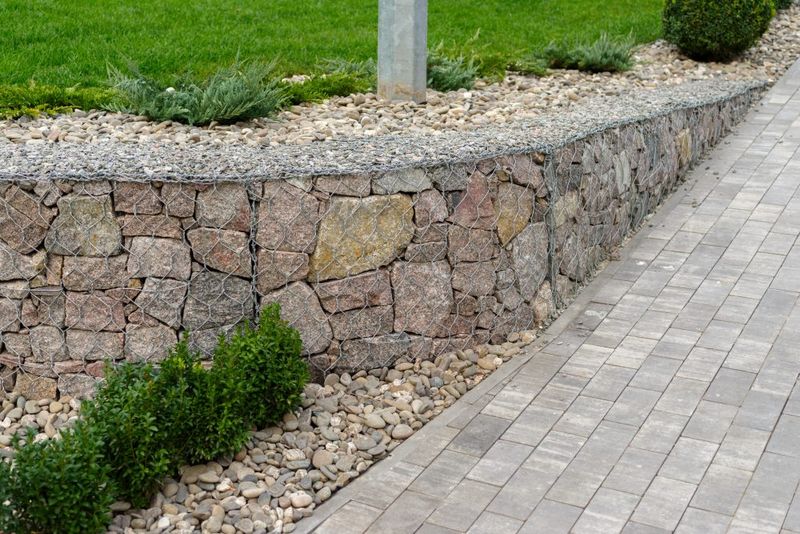
Surcharge loads sound technical, but the concept is straightforward. Any additional weight on top of or behind your retaining wall beyond normal soil creates a surcharge.
This includes driveways, patios, sheds, decks, or even heavy equipment storage areas. Colorado building departments require permits for walls supporting these extra loads regardless of height in many cases.
The additional pressure changes the engineering requirements dramatically, making proper design and inspection necessary for safety.
Picture a retaining wall in your Lakewood or Aurora backyard that holds back soil for a patio where you park your car. That vehicle weight transfers through the patio down to the wall, multiplying the forces it must resist.
Without proper reinforcement and drainage, walls under surcharge loads can fail catastrophically. Building officials want to ensure your structure can handle these stresses before you invest time and money into construction.
Even decorative elements like large planters, hot tubs, or outdoor kitchens placed near the top of a retaining wall create surcharge conditions. The general rule is that anything within a distance equal to the wall height behind the wall counts as a surcharge.
If your wall is two feet tall and you place a heavy planter one foot behind it, you have created a surcharge situation requiring permit review.
Colorado soil conditions vary greatly from the clay-heavy Front Range to the sandy areas near the plains. These soil types respond differently to surcharge loads, making local engineering review even more important.
Your building department will likely require structural calculations from a licensed engineer before issuing a permit for walls supporting surcharges. This professional review protects your investment and ensures your wall will not become a liability.
When Your Wall Sits Near Property Lines
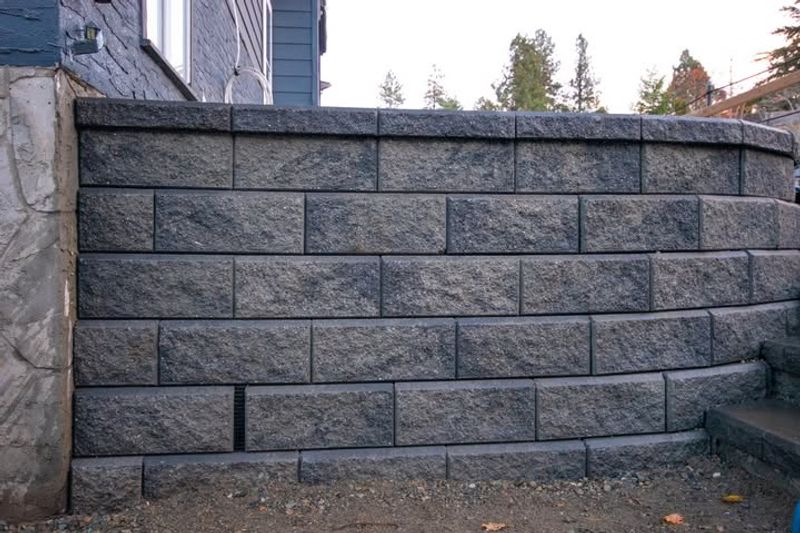
Location matters just as much as size when it comes to retaining wall permits in Colorado. Building near property boundaries triggers special requirements because your wall affects neighboring properties.
Most cities and counties require setbacks ranging from three to ten feet from property lines for retaining walls, and building closer than this almost always requires a permit and possibly an easement agreement. The setback rules protect your neighbor from potential wall failure, drainage issues, and property access problems.
Consider what happens if your wall fails near a property line. Soil could slide onto your neighbor’s land, damaging their landscaping, structures, or creating safety hazards.
Colorado law takes property rights seriously, and building departments act as mediators to prevent disputes. Even if your wall is under the height threshold, proximity to boundaries can trigger permit requirements.
Some municipalities in the Colorado Springs area require permits for any retaining wall within five feet of a property line, regardless of height.
Shared property line walls present even more complicated situations. Both property owners typically need to agree in writing, and the wall must meet setback requirements or receive a variance.
Fort Collins and Boulder have particularly strict rules about boundary walls because of their focus on neighborhood compatibility and safety.
Your building department will review site plans showing exact wall placement relative to property pins before issuing permits.
Smart homeowners survey their property lines before planning retaining walls. The cost of a survey is far less than the expense of moving a completed wall that violates setback rules.
Working with your neighbors early in the planning process can prevent conflicts and make the permit process smoother. Some Colorado counties even require neighbor notification as part of the permit application for walls near property lines.
When Your Wall Affects Drainage Patterns
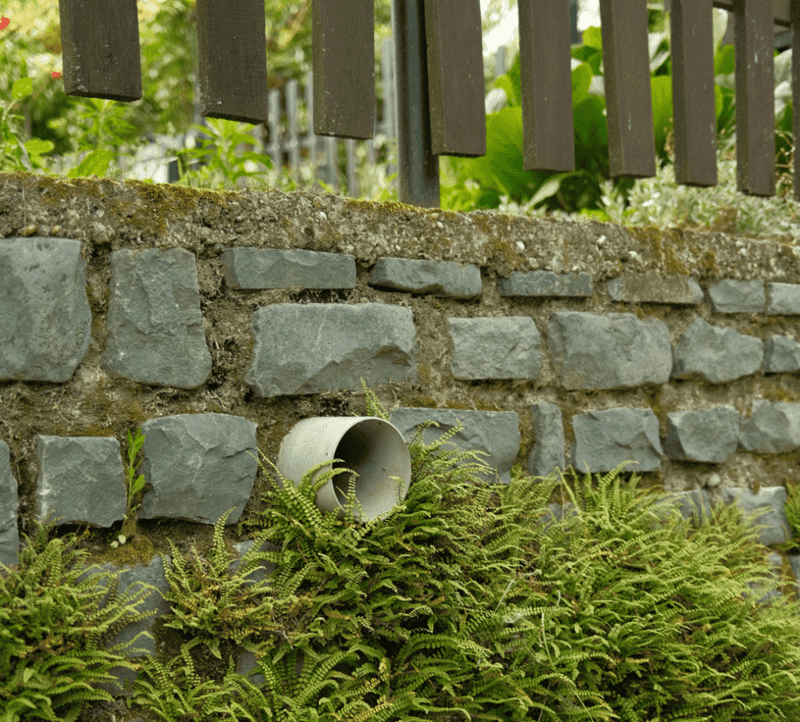
Water management is a huge concern in Colorado, where sudden rainstorms and snowmelt can create serious drainage problems.
Retaining walls naturally alter how water flows across your property, and any wall that significantly changes drainage patterns requires a permit.
Building departments need to ensure your wall includes proper drainage features and will not direct water onto neighboring properties or create flooding issues.
Colorado regulations specifically address this because poor drainage causes foundation problems, erosion, and property damage.
Every retaining wall holds back soil that contains moisture. Without adequate drainage systems behind the wall, water pressure builds up and can cause structural failure.
Weep holes, drainage pipes, and gravel backfill are standard requirements for permitted walls. When you apply for a permit in Denver or Arvada, inspectors will verify these drainage elements are included in your plans.
They will also check that your wall does not concentrate runoff in ways that harm neighboring properties or public right-of-ways.
Natural drainage paths exist across every property, even if you cannot see them clearly. Installing a retaining wall that blocks or redirects these flows without proper planning can create serious problems during Colorado’s intense spring runoff season.
Your local building department reviews drainage impacts as part of the permit process, sometimes requiring engineering studies for walls in sensitive areas. Properties near streams, wetlands, or designated drainage easements face extra scrutiny.
Unpermitted walls that cause drainage problems can result in liability for property damage to neighbors. If your wall directs water into a neighbor’s basement or causes erosion on their land, you could face expensive lawsuits on top of permit violations.
The permit process helps you avoid these scenarios by ensuring proper drainage design from the start. Colorado building codes reference specific drainage requirements based on soil type and local precipitation patterns.
When Your Wall Is Part Of A Larger Grading Project
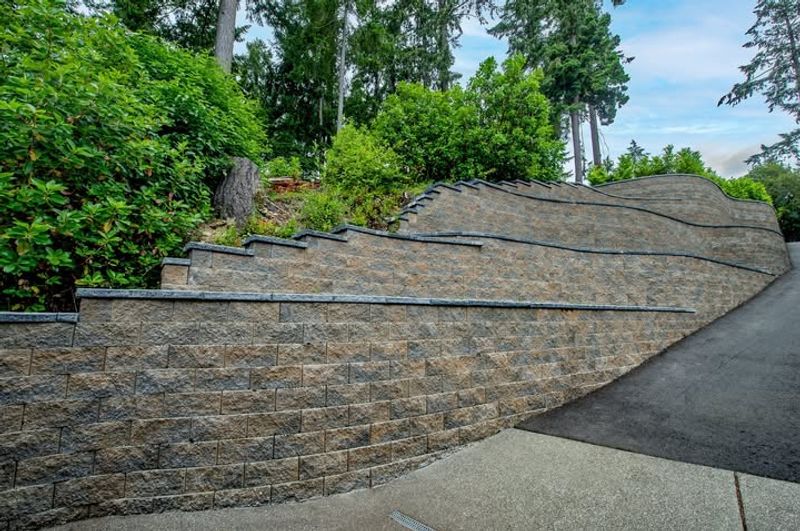
Grading permits cover extensive earth moving and land reshaping projects. When your retaining wall is part of a larger effort to change your property’s elevation or contours, you will need permits even if the wall itself might otherwise be exempt.
Colorado municipalities treat comprehensive grading projects differently than simple landscaping because they can affect entire neighborhoods.
Moving more than 50 cubic yards of soil typically triggers grading permit requirements in most Front Range communities, and retaining walls built as part of these projects fall under the same regulations.
Homeowners in hilly Colorado areas like Golden or Evergreen often need extensive grading to create usable yard space. These projects involve cutting into slopes, building up flat areas, and constructing retaining walls to hold everything in place.
The walls become structural components of the overall grading plan rather than standalone landscape features. Building departments want to review the entire project to ensure stability, proper drainage, and compliance with erosion control requirements.
Your grading permit application will include details about soil removal, compaction methods, temporary erosion controls, and permanent stabilization measures including retaining walls. Inspectors will visit at various stages to verify the work matches approved plans.
This process protects you from contractors who might cut corners and ensures your investment creates a stable, long-lasting result. Colorado’s variable soil conditions and steep terrain make this oversight particularly important.
Some homeowners try to avoid grading permits by doing work in small phases, but building departments watch for this tactic. If inspectors determine your phased work is really one large project split up to avoid permits, you can face stop-work orders and fines.
The better approach is to work with the permit process from the beginning. Licensed engineers and experienced contractors familiar with Colorado grading requirements can help design projects that meet all regulations while achieving your landscaping goals efficiently.
When Local Ordinances Have Special Requirements
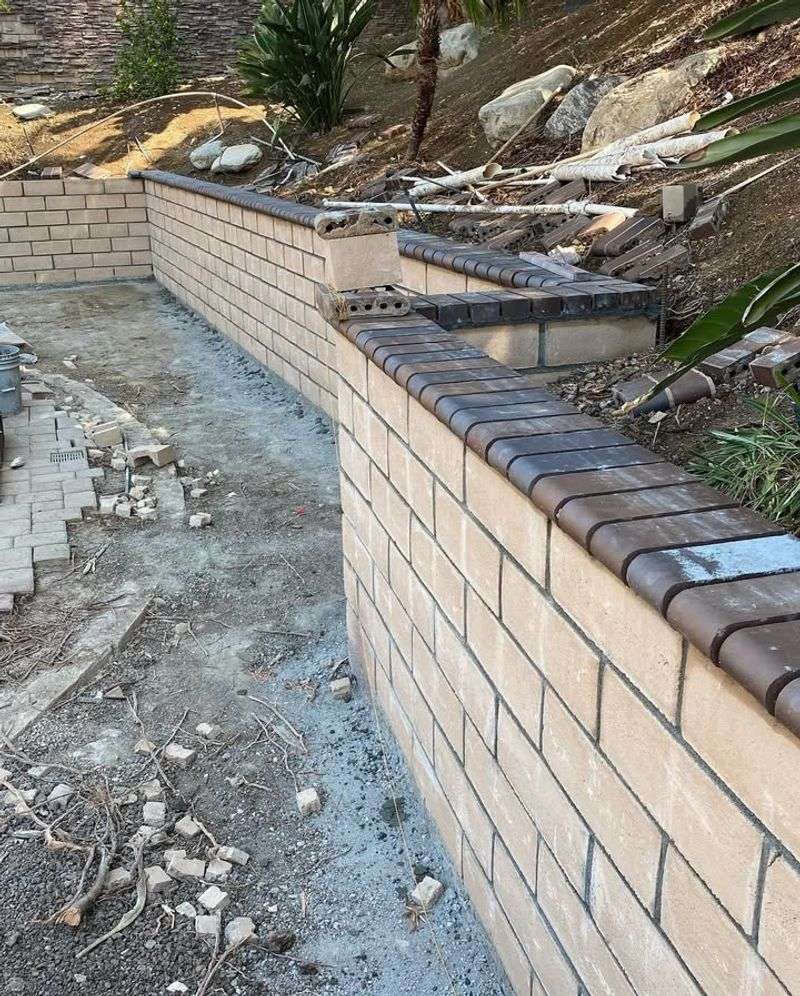
Colorado’s home rule authority means individual cities and counties can create their own building codes beyond state minimums. What requires a permit in Westminster might not need one in Thornton, even though they are neighboring communities.
Some municipalities have special requirements for retaining walls based on local geology, historical preservation concerns, homeowner association rules, or specific neighborhood covenants.
Always check with your local building department before starting any retaining wall project, regardless of what general Colorado rules suggest.
Mountain communities like Breckenridge and Vail have additional concerns about slope stability and avalanche zones that affect retaining wall permits. These towns may require permits for smaller walls than Front Range cities because of unique terrain challenges.
Historic districts in places like Colorado Springs or Denver’s older neighborhoods might have design review requirements on top of standard building permits. Your wall might need to match certain materials or styles to maintain neighborhood character.
Homeowner associations add another layer of requirements that work alongside municipal permits. Your HOA in Highlands Ranch or Castle Rock might prohibit certain wall types, require specific colors or materials, or mandate architectural review before you can even apply for a city permit.
Failing to get HOA approval first can leave you with a permitted wall that violates your covenants, creating a different kind of legal problem. Smart planning includes checking all applicable rules before designing your project.
Some Colorado counties have minimal building departments in rural areas, but that does not mean anything goes. You still need to follow state building codes and may need to hire private inspectors to verify compliance.
Agricultural properties have different rules than residential lots, and working land may have exemptions that suburban properties do not. The complexity of overlapping jurisdictions makes professional guidance valuable.
Experienced local contractors and landscape architects know the specific requirements for your area and can help navigate the permit maze successfully.