This Is Why Deer Love Michigan Gardens (And How You Can Stop Them)
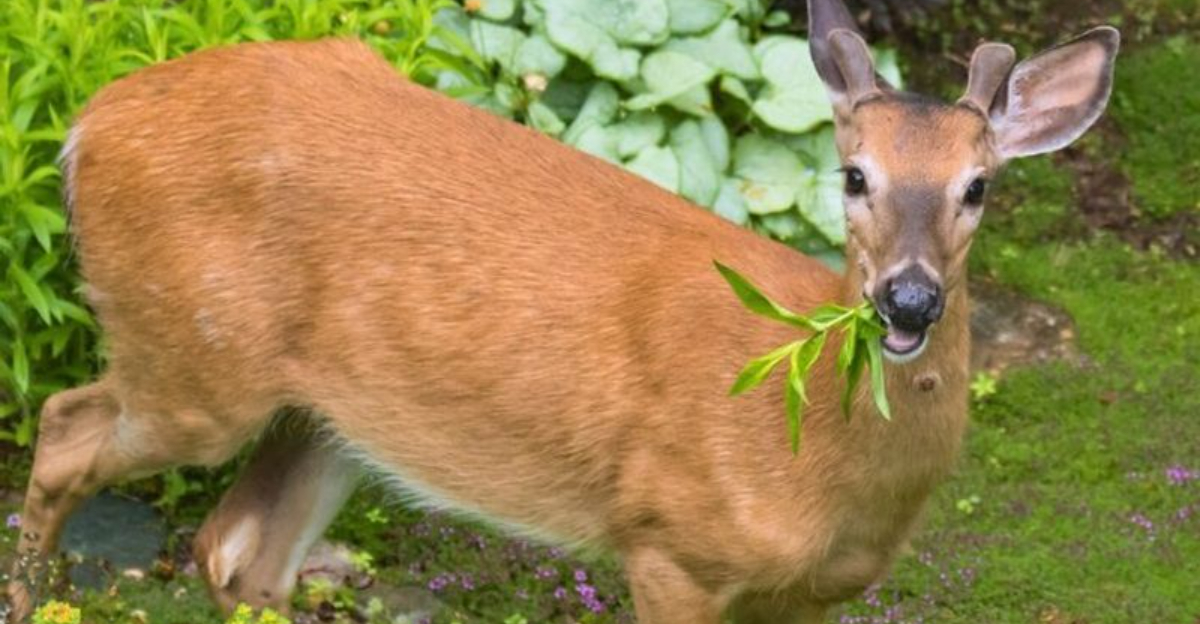
Step outside one morning in Michigan and you might feel that sinking feeling. Perfectly nibbled leaves, missing flowers, and a garden that looks like it hosted a midnight buffet. Deer have a talent for finding the best yards, and it is not random luck.
Your plant choices, watering habits, and even the layout of your space can quietly invite them in. Add soft new growth from spring rains and mild evenings, and your garden becomes a five star restaurant.
The good news is that once you understand what attracts deer, it becomes much easier to make your yard less appealing without turning it into a fortress.
Small changes in planting, spacing, and scent control can make a noticeable difference fast. If you are tired of sharing your harvest and want your garden back, this is the strategy you need to know.
Deer Are Opportunistic Feeders
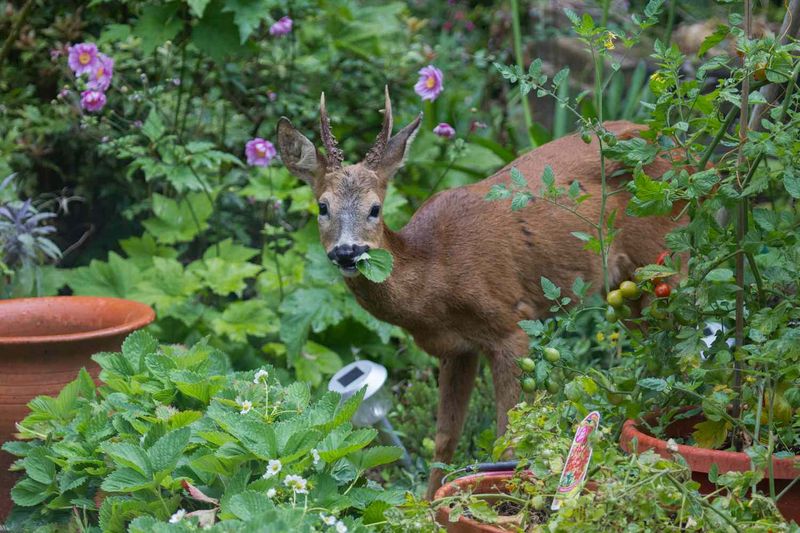
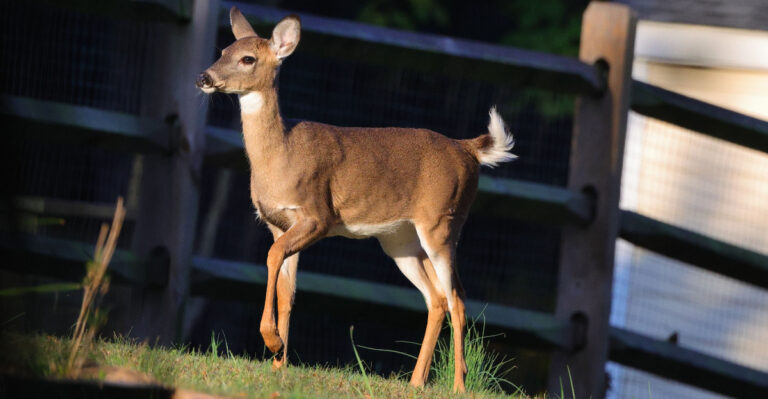
White-tailed deer have earned their reputation as nature’s ultimate snackers. These animals aren’t picky eaters when hunger strikes. Your garden represents an all-you-can-eat buffet that’s simply too tempting to pass up.
Michigan’s native deer population has adapted remarkably well to suburban environments. They’ve learned that human-cultivated spaces offer concentrated nutrition in small areas.
Unlike foraging through forests for scattered wild plants, your garden presents everything in one convenient location.
Gardens contain protein-rich vegetables, energy-packed fruits, and tender ornamental flowers. Deer need substantial nutrition, especially does nursing fawns during spring and summer. A single deer can consume six to eight pounds of vegetation daily.
Your carefully fertilized soil produces lush, nutrient-dense plants. These cultivated varieties often contain more sugars and proteins than wild alternatives. Deer quickly recognize this quality difference and return repeatedly to productive feeding sites.
The variety in typical Michigan gardens also appeals to deer dietary needs. They naturally rotate between different plant types to balance their nutrition.
Your mixed plantings of vegetables, herbs, and flowers provide this diversity in one spot, making your yard an irresistible destination for hungry deer throughout the growing season.
Tender Shoots And Seedlings Are Preferred
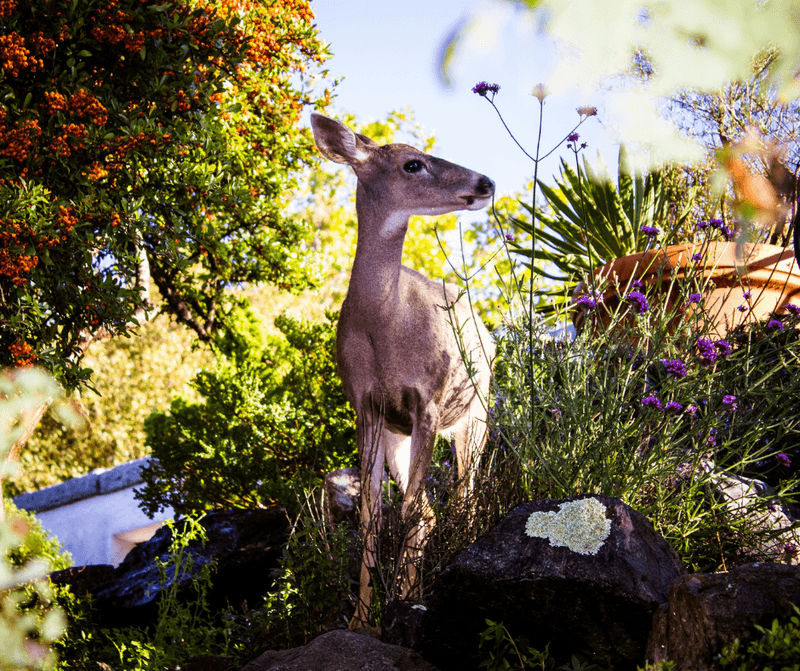
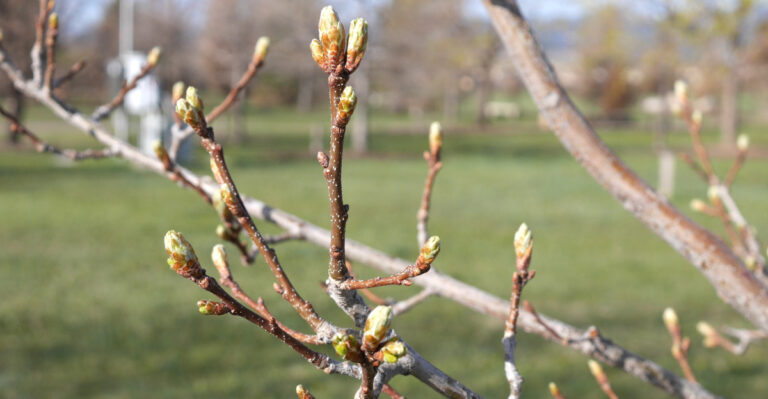
Springtime brings excitement for gardeners and deer alike. New growth emerges with incredible tenderness and flavor. Young plants pack concentrated nutrients into soft, easily digestible tissue that deer find absolutely irresistible.
Seedlings lack the tough cellulose and defensive compounds found in mature plants. Their cellular structure breaks down effortlessly during digestion. This means deer extract maximum nutrition with minimal effort, making your spring plantings prime targets.
Michigan’s growing season creates a predictable pattern of vulnerability. April through June sees gardens filled with delicate transplants and emerging perennials. Deer have learned this seasonal timing through generations of browsing behavior.
Young vegetable plants like lettuce, beans, and squash practically melt in a deer’s mouth. Flower buds on hostas, tulips, and daylilies offer sweet rewards. Even woody ornamentals produce succulent new branch tips that deer eagerly strip away.
The problem intensifies because deer browsing often removes growing points. This stunts plant development or eliminates it entirely. A single night’s feeding can undo weeks of careful gardening.
Protecting vulnerable young plants becomes essential for Michigan gardeners who want their gardens to reach maturity and produce the intended harvest throughout summer.
Garden Smell And Accessibility

Your garden broadcasts an aromatic invitation across the neighborhood. Deer possess remarkable olfactory abilities, detecting plant scents from considerable distances.
Fragrant herbs, blooming flowers, and ripening produce create scent trails that guide deer directly to your yard.
Cultivated gardens concentrate aromatic plants in ways nature never does. Basil, roses, and flowering vegetables release volatile compounds that travel on evening breezes. Deer follow these chemical breadcrumbs straight to the source.
Most residential landscapes lack meaningful barriers between wild spaces and gardens. Deer simply walk through unfenced yards as easily as crossing forest clearings.
Suburban development has actually created ideal habitat with food sources close together and minimal obstacles.
Garden placement often compounds the problem. Many Michigan homes back onto wooded areas or parks. Your vegetables sit mere steps from deer bedding areas. This proximity eliminates travel risk and energy expenditure.
Landscaping choices inadvertently create deer highways through properties. Mulched paths, mowed grass, and open layouts provide easy navigation. Deer prefer traveling where movement is quiet and effortless.
Your manicured yard offers both compared to dense underbrush. The combination of concentrated food sources, attractive scents, and easy access makes typical Michigan gardens nearly impossible for deer to resist once they’ve discovered them.
Fruit And Vegetable Appeal
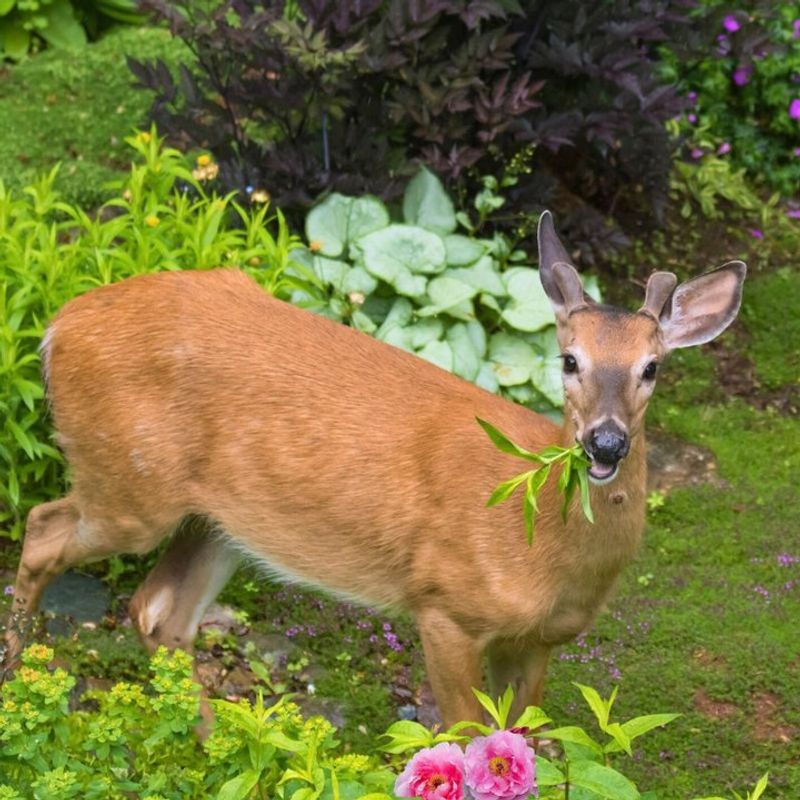
Imagine cultivating perfect tomatoes only to find them half-eaten overnight. Frustrating doesn’t begin to describe it. Fruits and vegetables represent candy stores for deer, especially when natural food sources dwindle during challenging seasons.
Tomatoes top the deer preference list in Michigan gardens. Their sugar content and soft texture make them favorite targets. Peppers, despite their mild heat, also attract consistent browsing.
Strawberries, blueberries, and raspberries disappear quickly once deer discover them. Early spring and late fall create critical periods of scarcity.
Natural browse becomes limited when snow covers ground vegetation or before spring greenery emerges. Your garden’s cultivated produce provides essential calories during these lean times.
Deer possess excellent memory for reliable food locations. Once they’ve enjoyed your garden’s offerings, they’ll return regularly. They often follow established routes through neighborhoods, visiting productive gardens like scheduled stops on a delivery route.
The concentrated planting style of home gardens works against gardeners. Instead of scattered wild fruits, you’ve created dense patches of desirable food. Deer can consume significant quantities without traveling far.
Your vegetables also ripen predictably, unlike wild foods that fruit sporadically. This reliability makes gardens dependable resources that deer incorporate into their regular feeding patterns throughout Michigan’s growing season.
Seasonal Food Scarcity
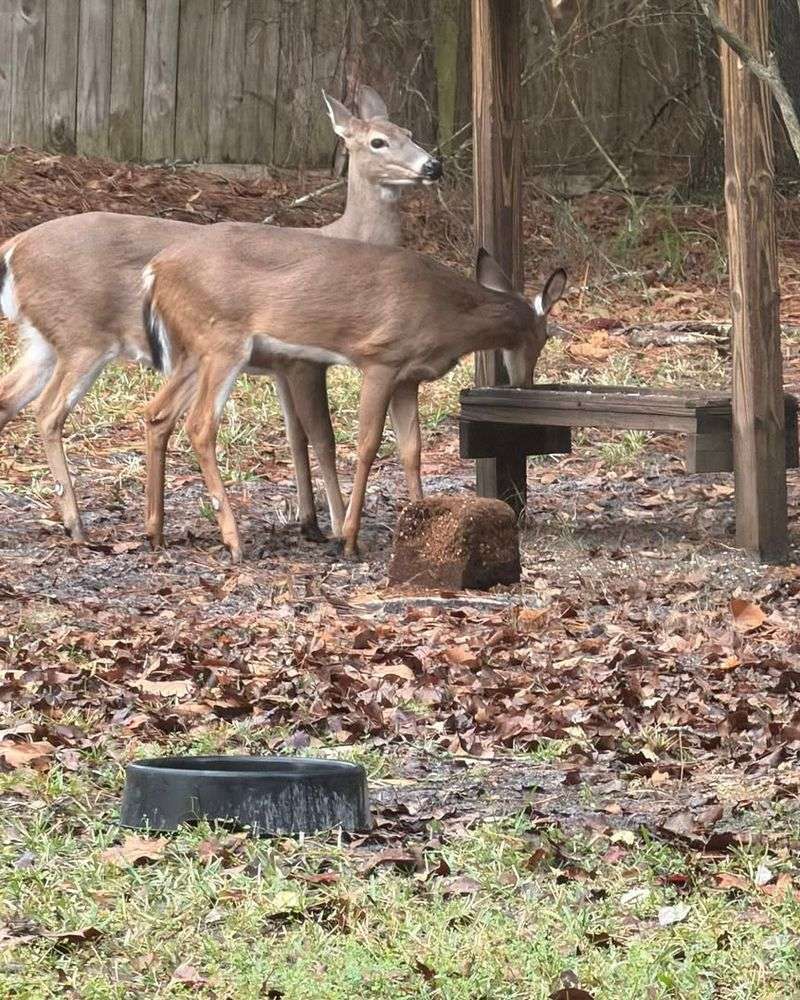
Winter transforms Michigan into a challenging environment for wildlife. Deep snow buries ground vegetation while harsh temperatures increase caloric needs. Deer struggle to find adequate nutrition when natural browse becomes scarce or inaccessible.
Late winter through early spring represents the most critical period. Deer have depleted fat reserves built during autumn.
Natural food sources remain limited until new spring growth emerges. Your garden’s early plantings or overwintered vegetables become emergency rations.
Michigan’s climate creates a predictable hunger cycle. February and March push deer toward residential areas seeking supplemental nutrition. Even dormant garden beds attract browsing on woody stems, bark, and any remaining vegetation.
Early fall also brings increased garden pressure. Deer instinctively consume extra calories to prepare for winter. They actively seek high-energy foods like your ripening vegetables and fruits. This biological imperative overrides caution about human proximity.
Drought conditions worsen the situation during any season. When natural plants become stressed and less nutritious, deer expand their search radius. Your irrigated garden produces lush growth regardless of rainfall patterns.
This reliability makes gardens critical resources during environmental stress. Understanding these seasonal patterns helps Michigan gardeners anticipate when their plants face greatest risk and plan protection strategies accordingly.
Lack Of Natural Predators
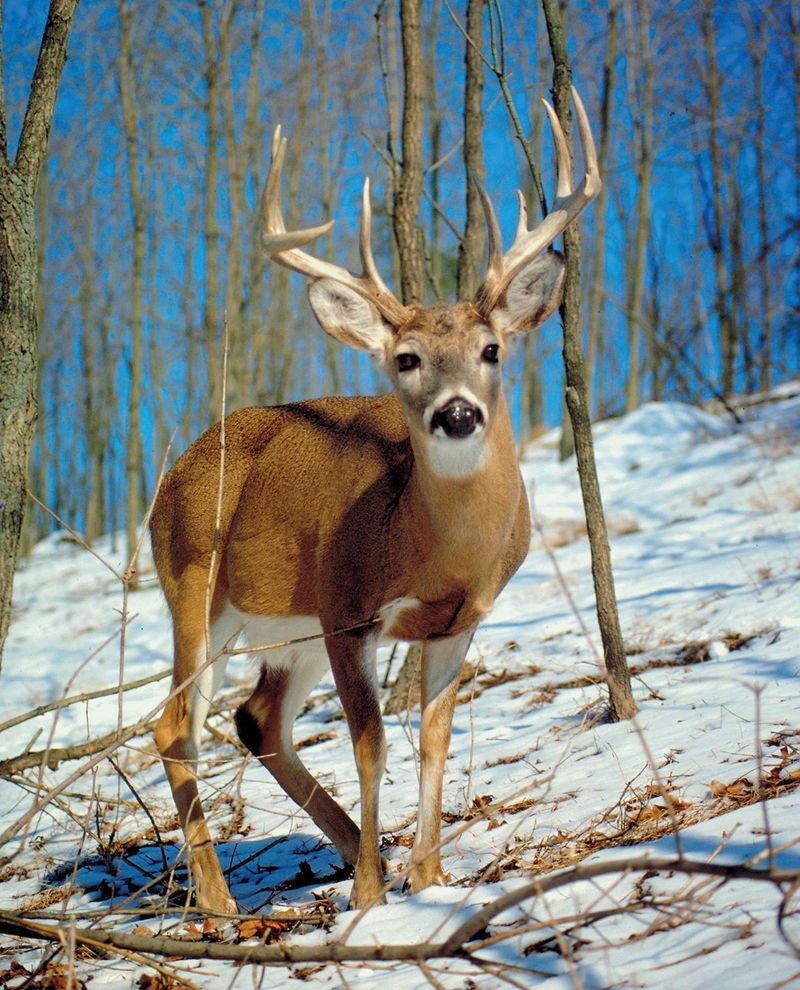
Michigan’s deer population has exploded in suburban areas over recent decades. This growth stems largely from predator absence. Wolves and cougars once regulated deer numbers naturally but have largely disappeared from populated regions.
Suburban and rural residential areas create predator-free zones. Deer recognize these spaces as safe havens. They’ve learned that human presence doesn’t typically threaten them directly.
This security encourages deer to linger and feed extensively. Without predation pressure, deer populations exceed the landscape’s natural carrying capacity.
More deer means increased competition for available food. Your garden becomes increasingly important as wild forage gets depleted by overpopulation.
Does produce twins or even triplets when nutrition is adequate. Suburban areas with gardens and landscaping support higher reproductive rates. Each generation grows bolder about approaching human spaces.
Young deer learn garden-raiding behavior from their mothers. Michigan’s hunting regulations don’t adequately reduce populations in many residential areas.
Discharge ordinances prevent firearms use near homes. Deer quickly learn these boundaries and concentrate in protected zones.
Your neighborhood likely harbors more deer than surrounding huntable lands. This population density guarantees garden pressure will remain constant.
Until predator dynamics change or management strategies improve, Michigan gardeners must accept that deer will remain persistent, numerous, and constantly hungry for garden produce.
Effective Physical Barriers Work Best
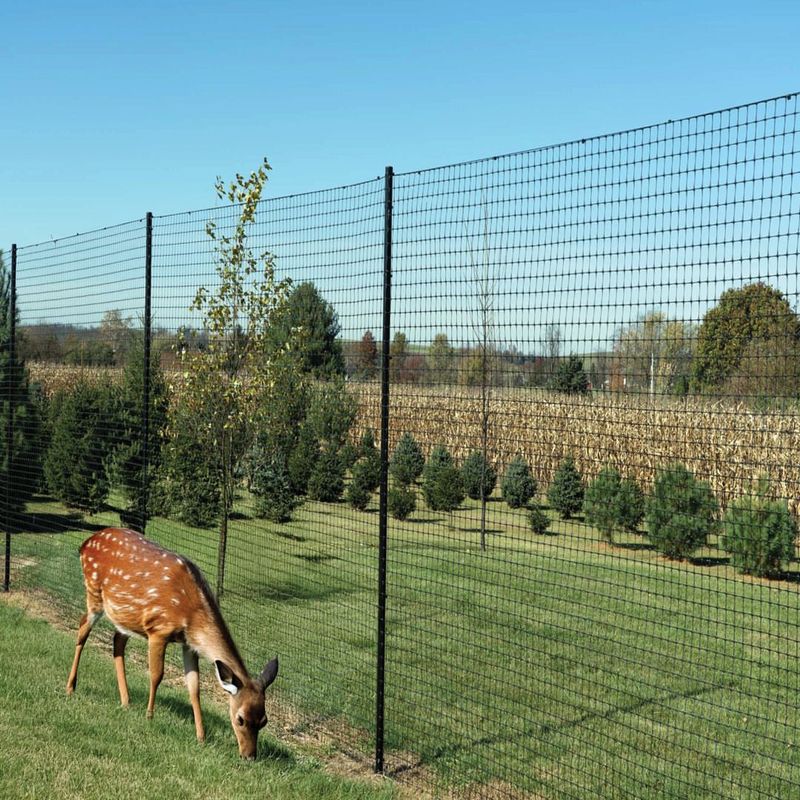
Fencing remains the most reliable long-term solution for deer problems. Properly designed barriers physically prevent access rather than relying on deterrents. Height matters significantly when excluding determined deer from your Michigan garden.
Standard four-foot fences provide false security. White-tailed deer easily clear six-foot obstacles when motivated. Professional recommendations specify eight-foot minimum height for reliable exclusion.
Some gardeners succeed with seven-foot fences in areas with less pressure. Fence design offers several effective options. Solid wooden privacy fences work well but cost more. Welded wire or woven wire fencing provides economical alternatives.
Black polypropylene mesh becomes nearly invisible while effectively blocking deer. Angled or double-fence designs exploit deer psychology.
Deer hesitate to jump when they can’t clearly see landing zones. Two parallel four-foot fences spaced three feet apart confuses their depth perception effectively.
Electric fencing offers another proven approach. Peanut butter-baited tape trains deer to avoid the barrier. Three-strand systems provide adequate protection once deer learn to respect them. Solar chargers make installation feasible anywhere.
Focus protection on highest-value plants if complete garden fencing isn’t feasible. Individual cages protect tomatoes, berry bushes, and prized ornamentals. Removable netting covers vegetable beds during vulnerable growth stages.
Strategic barriers save labor and expense while protecting your most important Michigan garden investments.
Repellents Can Reduce Browsing
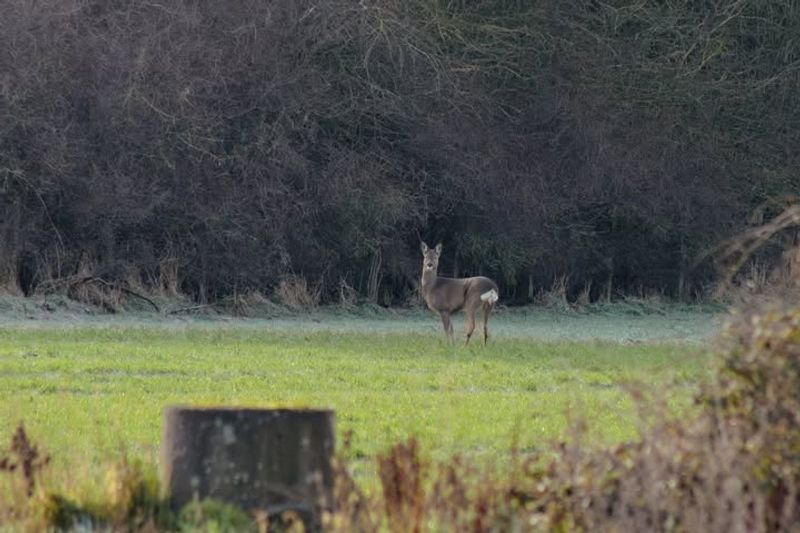
Chemical deterrents offer practical solutions when fencing isn’t possible. Repellents work through smell or taste to make plants unappealing. Success requires understanding product types and maintaining consistent application throughout the growing season.
Odor-based repellents use scents deer find threatening or unpleasant. Products containing predator urine, putrescent egg solids, or garlic create avoidance zones. Deer associate these smells with danger or spoiled food.
Application around garden perimeters establishes protective boundaries. Taste-based repellents coat plant surfaces with bitter or irritating compounds.
Deer sample treated vegetation and learn to avoid it. These products require thorough coverage of all plant parts. New growth needs retreatment as it emerges.
Commercial products generally outperform homemade remedies. Professional formulations include sticking agents that resist weathering. They’re specifically tested for effectiveness against deer.
Investment in quality repellents pays off through better protection. Michigan’s weather patterns demand frequent reapplication. Rain washes away protective coatings. Heavy dew reduces effectiveness.
Snow covers treated areas completely. Plan on reapplying every two weeks during active growing seasons, more often during wet periods.
Rotation between different repellent types prevents habituation. Deer may eventually tolerate familiar scents. Alternating products maintains effectiveness.
Combining repellents with other strategies like motion-activated sprinklers creates layered defense. No repellent provides perfect protection, but consistent use significantly reduces browsing damage on Michigan gardens.
Habitat Modification Deters Deer
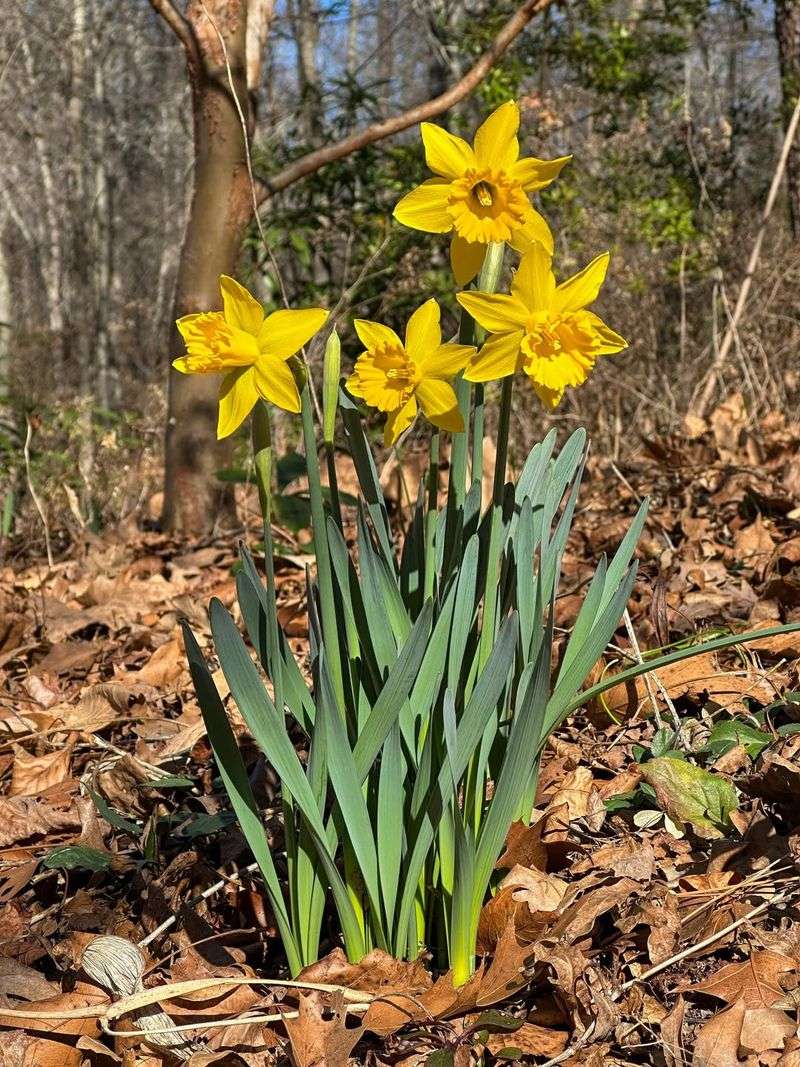
Changing your landscape’s appeal to deer requires strategic thinking. Long-term success comes from making your property less attractive than neighboring areas. This approach reduces deer traffic through comprehensive environmental management.
Plant selection dramatically influences deer presence. Certain species naturally resist browsing through texture, taste, or toxicity. Incorporating more deer-resistant plants gradually reduces garden appeal.
Daffodils, foxglove, lavender, and Russian sage typically escape damage in Michigan gardens.
Remove attractions that draw deer initially. Brush piles and dense shrubs provide cover that deer prefer. Fallen fruit from trees creates feeding opportunities.
Eliminating these features makes your yard less hospitable. Deer favor properties offering both food and security.
Reduce transition zones between wild areas and gardens. Clear sight lines eliminate the cover deer prefer when approaching.
They hesitate to cross open spaces where they feel exposed. Strategic pruning and vegetation management creates psychological barriers.
Consider sacrificial plantings away from priority areas. Clover patches or less-important ornamentals might satisfy deer elsewhere on your property. This redirects browsing pressure from vegetables and prized flowers.
Timing landscape changes with deer behavior patterns improves effectiveness. Spring modifications disrupt established feeding routes before summer gardening begins. Consistent yard maintenance prevents deer from establishing comfortable patterns.
Combined habitat modifications don’t guarantee deer elimination but significantly reduce garden pressure across Michigan properties over time.