This Is Why Lizards Are Gathering Near Garden Walls In Arizona Yards
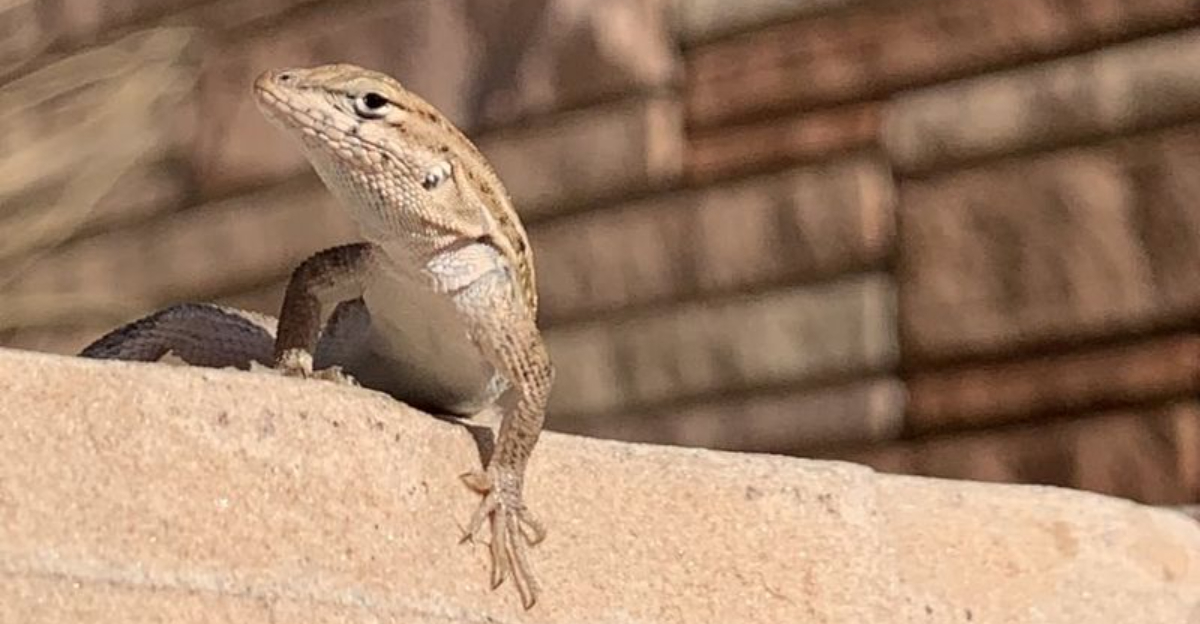
Lizards are a common sight in Arizona yards, but many homeowners notice that they consistently gather near garden walls rather than open spaces.
This behavior is not random. Garden walls create ideal microclimates in desert environments, offering warmth, shade, and safety all in one place.
Stone, brick, and block walls absorb heat throughout the day and release it slowly after sunset, helping cold-blooded lizards regulate their body temperature more efficiently.
Cracks, gaps, and ledges also provide quick escape routes from predators.
In addition, insects tend to cluster near walls, especially when outdoor lighting or irrigation is present, creating an easy food supply.
Together, these conditions make walls attractive resting and hunting zones.
While their presence can surprise homeowners, most lizards are harmless and actually beneficial, helping control insects naturally.
Understanding why lizards favor garden walls allows Arizona homeowners to decide whether to encourage their presence or adjust landscaping and maintenance practices to reduce activity without causing harm.
Garden Walls Retain Warmth After Sunset
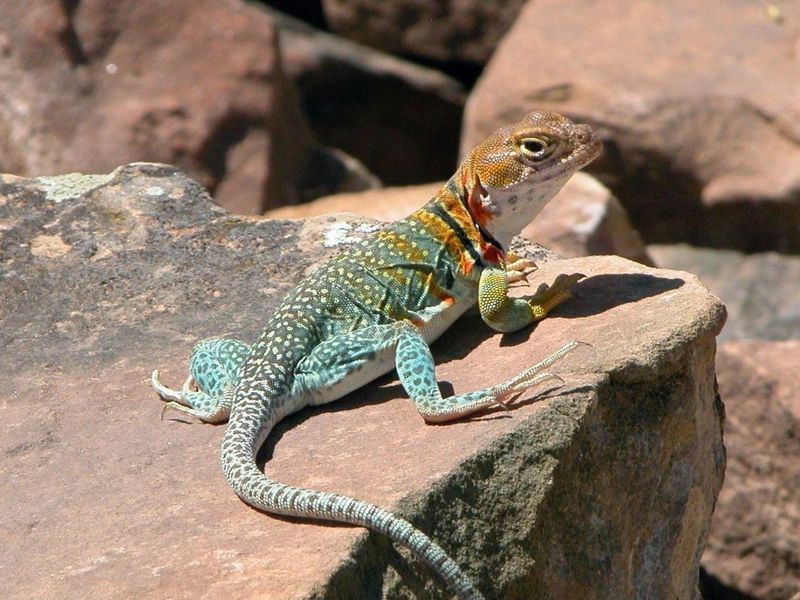
Stone and block structures work like natural heaters for cold-blooded creatures.
Throughout the day, these materials soak up sunshine and store thermal energy in their dense surfaces.
When evening arrives and temperatures drop, the walls slowly release this stored warmth into the surrounding air.
Lizards depend entirely on external heat sources to regulate their body temperature, making these warm surfaces irresistible.
Without internal heating systems like mammals have, reptiles must seek out warm spots to maintain their energy levels.
A wall that stays warm after dark extends their active hours and helps them digest food more efficiently.
This thermal advantage is especially valuable during cooler months when daytime temperatures barely reach comfortable levels.
Arizona’s desert nights can be surprisingly chilly, even after blazing hot days.
Garden walls bridge this temperature gap perfectly.
Your landscaping features essentially create a thermal oasis that lizards instinctively recognize and return to repeatedly.
The longer a wall has been exposed to direct sunlight, the more heat it retains.
South-facing and west-facing walls collect the most intense rays and become prime real estate for temperature-seeking reptiles.
Walls Provide Protection From Predators
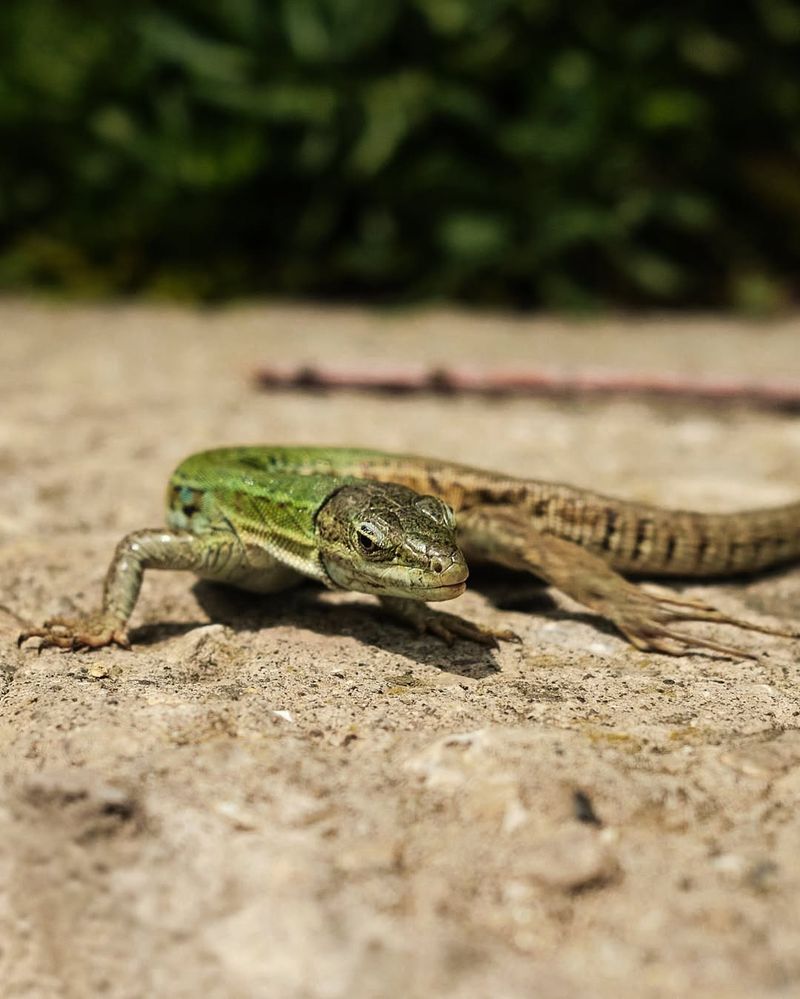
Cracks between blocks and narrow ledges become lifesaving escape routes when danger approaches.
Birds of prey, snakes, and larger mammals constantly hunt for small reptiles in Arizona yards.
Garden walls offer countless tiny refuges where predators simply cannot follow.
A gap barely wider than a pencil provides perfect security for a slender lizard body.
These architectural features mimic the natural rock formations where lizards evolved their defensive behaviors.
When a shadow passes overhead, a lizard can vanish into a crevice in less than a second.
The vertical nature of walls also gives lizards excellent sightlines to spot approaching threats from multiple directions.
Perched on a wall edge, they can monitor ground activity while remaining out of reach.
This strategic positioning allows them to feed and bask while maintaining constant vigilance.
Textured surfaces on stucco or rough stone create additional grip for quick climbing escapes.
Even smooth surfaces work well since lizard toe pads are remarkably adapted for vertical movement.
The combination of hiding spots and escape routes makes garden walls function like fortified castles for these small reptiles.
Insects Gather Along Wall Surfaces
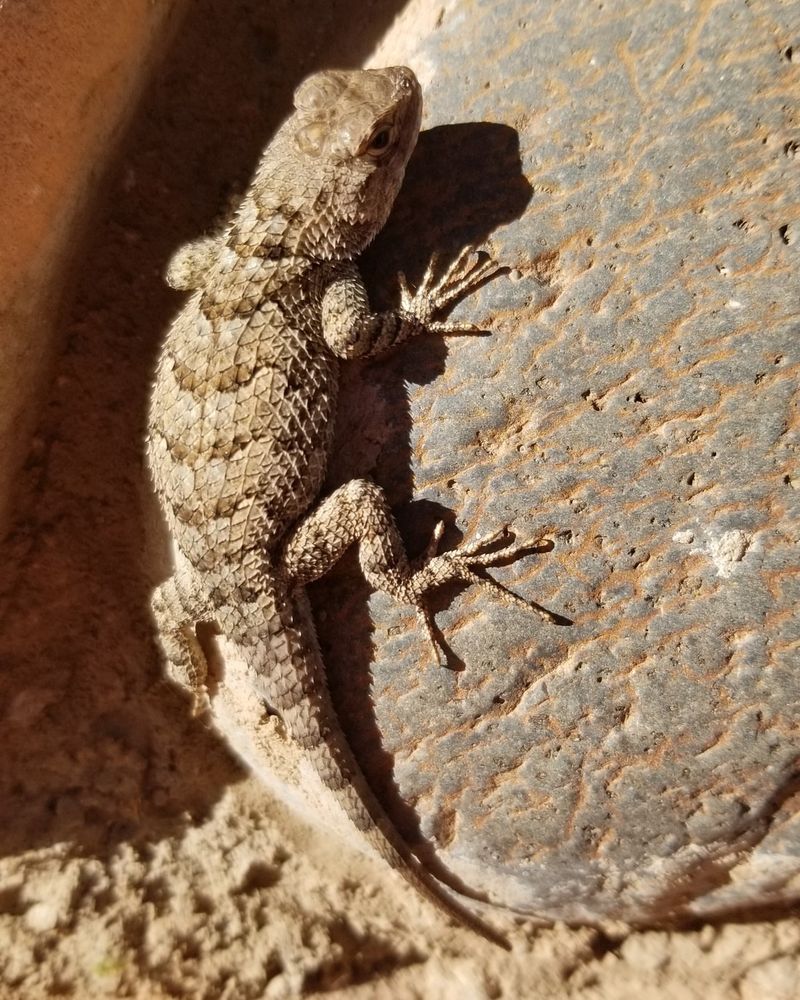
Outdoor lighting fixtures mounted near walls create irresistible beacons for flying insects after dark.
Moths, beetles, and other bugs swarm around these light sources, providing an easy buffet for hungry lizards.
The warmth radiating from walls also attracts crawling insects that seek comfortable nighttime temperatures.
Ants march along wall bases, spiders build webs in corners, and crickets hide in gaps between stones.
For lizards, this concentration of prey means less energy spent hunting and more successful meals.
Rather than searching randomly across open ground, they can patrol a short section of wall and find abundant food.
This efficiency is crucial for small animals with high metabolic demands.
Garden walls essentially function as insect highways, channeling prey into predictable pathways.
Lizards learn these patterns quickly and stake out the most productive hunting spots.
Moisture from irrigation systems near walls further increases insect activity by creating humid microclimates.
Bugs need water just like any other creature, so damp areas around wall foundations become gathering points.
Smart lizards position themselves where food sources naturally concentrate, and garden walls provide exactly that advantage.
Walls Create Shaded Daytime Retreat Zones
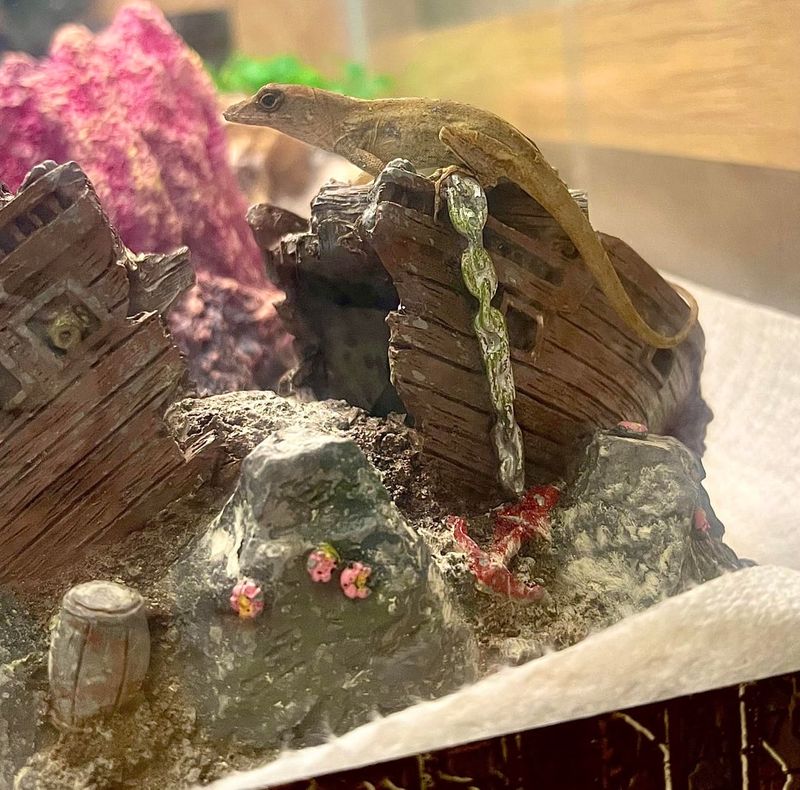
Even desert-adapted reptiles need breaks from Arizona’s intense midday sun.
Garden walls cast shadows that shift throughout the day, offering moving bands of shade.
Lizards actively shuttle between sunny and shaded areas to fine-tune their body temperature.
Too hot, and they risk overheating; too cold, and their digestion slows dangerously.
The north side of a wall provides cooler refuge during peak afternoon heat.
Overhangs, decorative caps, and textured surfaces create additional shaded pockets at various heights.
This variety allows lizards to select the exact temperature zone they need at any given moment.
Behavioral thermoregulation is their primary survival strategy, and walls make this process remarkably efficient.
A lizard can bask in full sun on the wall’s top edge, then scoot down into shadow within seconds.
This flexibility prevents dangerous temperature extremes while keeping them close to food sources and shelter.
During the hottest summer months, shaded wall areas may be several degrees cooler than open ground.
That temperature difference can mean the contrast between comfortable activity and life-threatening heat stress.
Your garden wall essentially functions as a climate control system for these resourceful reptiles.
Irrigated Beds Near Walls Increase Insect Activity
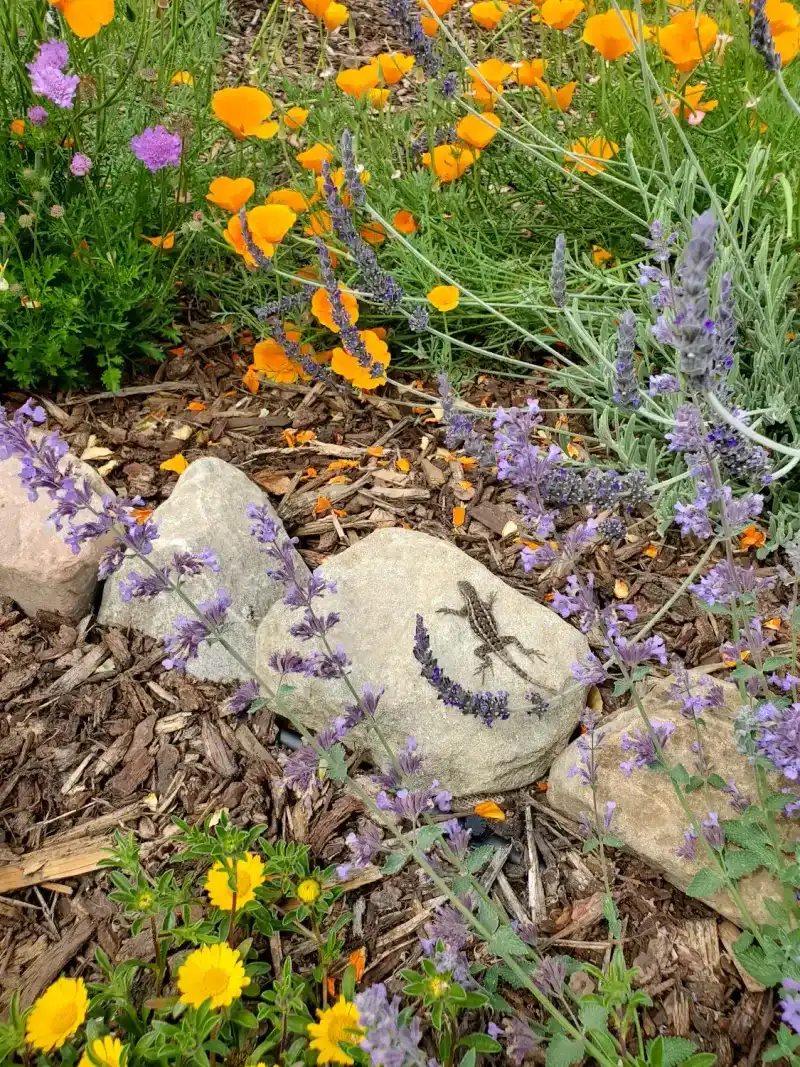
Watered gardens adjacent to walls create lush microclimates that teem with invertebrate life.
Moisture-loving bugs flock to these areas, dramatically increasing the available food supply for lizards.
Mulch beds retain dampness and harbor pill bugs, earwigs, beetles, and countless other small creatures.
Flowering plants attract pollinators, while vegetable gardens draw aphids and other plant-feeding insects.
Lizards patrol the junction between wall and garden bed, harvesting this abundance with minimal effort.
The combination of water, vegetation, and wall structure creates an ecosystem hotspot in your yard.
Drip irrigation lines often run along wall foundations, maintaining consistent moisture levels that support diverse insect populations.
Decomposing plant material in mulch provides food for decomposer insects, which in turn become lizard prey.
This food web concentration makes wall-adjacent gardens prime hunting territory.
Lizards quickly learn to associate the sound and sight of irrigation systems with increased feeding opportunities.
Some individuals establish regular patrol routes that coincide with watering schedules.
Your carefully maintained garden beds inadvertently create a lizard cafeteria that operates throughout the growing season.
Vertical Surfaces Support Basking Behavior
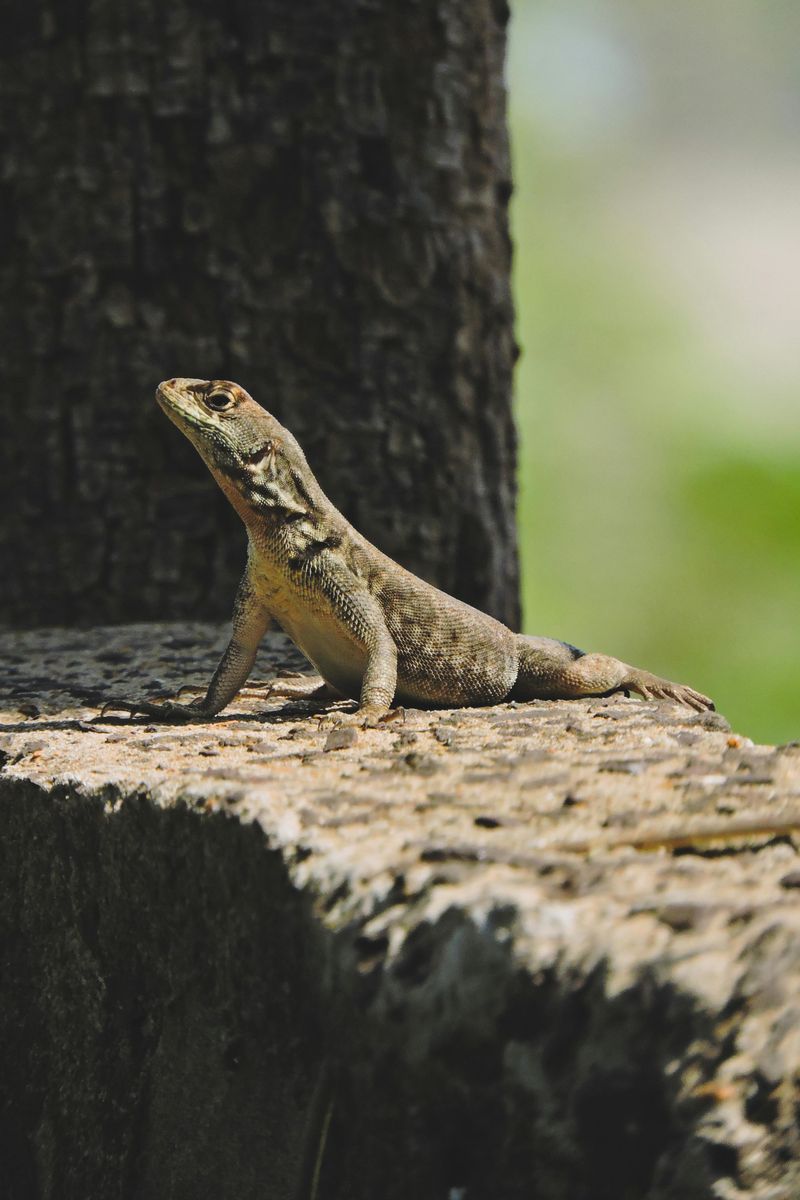
Lizards instinctively seek elevated positions that maximize sun exposure while maintaining escape options.
Garden walls offer perfect vertical basking platforms that angle toward the sun’s path.
A lizard clinging to a wall can orient its body to capture maximum solar radiation.
This positioning heats them faster than lying on horizontal ground surfaces.
The vertical angle also keeps them visible to potential mates while remaining alert to threats.
Blood circulation patterns in lizard bodies work efficiently when they’re positioned upright against surfaces.
Wall-basking allows them to warm their core temperature quickly after cool nights.
Once properly heated, they can hunt effectively and digest previous meals.
Textured wall surfaces provide excellent grip for extended basking sessions without muscle fatigue.
Rough stucco, natural stone, and scored concrete all offer secure footholds.
Morning basking on east-facing walls jumpstarts their metabolism for the day ahead.
Afternoon sessions on west-facing walls prepare them for evening hunting activities.
The strategic use of vertical surfaces demonstrates the sophisticated thermoregulatory behaviors these reptiles have evolved over millions of years.
Low Human Disturbance Zones Form Along Walls
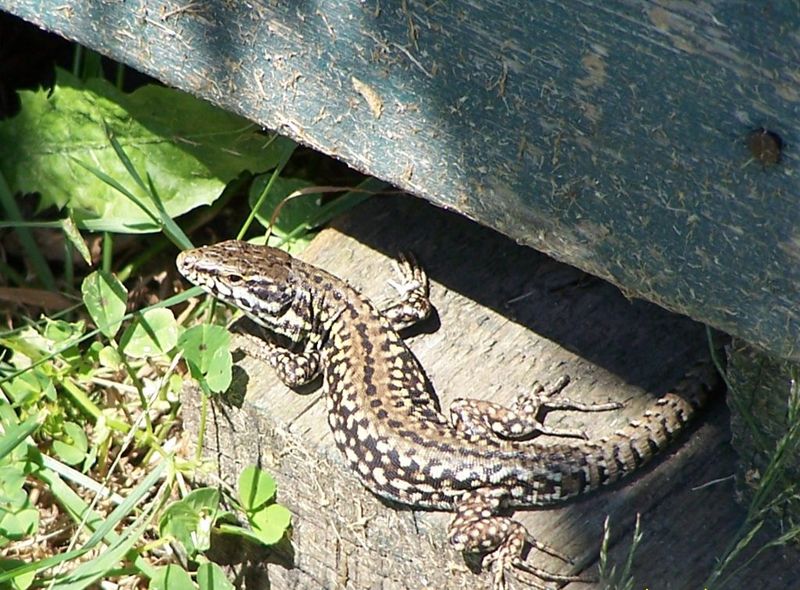
Yard edges where walls stand receive far less foot traffic than central lawn and patio areas.
People naturally walk through the middle of spaces, leaving perimeter zones relatively undisturbed.
Lizards are highly sensitive to vibrations and movement, so quieter areas become preferred habitat.
Garden walls typically mark property boundaries or separate functional yard zones.
These transitional spaces see occasional maintenance activity but remain calm most of the time.
Consistent disturbance from pets, children, and yard work drives wildlife away from high-traffic zones.
Wall areas offer predictable peace that allows lizards to establish territories and routines.
Once they identify a secure location with reliable resources, they return repeatedly.
Territorial males defend prime wall sections against rivals, indicating the value of these low-disturbance areas.
Females seek out quiet spots for courtship and egg-laying activities.
The psychological comfort of reduced human presence cannot be overstated for these cautious creatures.
Your garden wall creates a buffer zone where wildlife can thrive without constant stress from nearby human activity.
This sanctuary effect makes walls function as wildlife corridors within residential landscapes.
Wall Crevices Offer Nesting And Egg Laying Sites
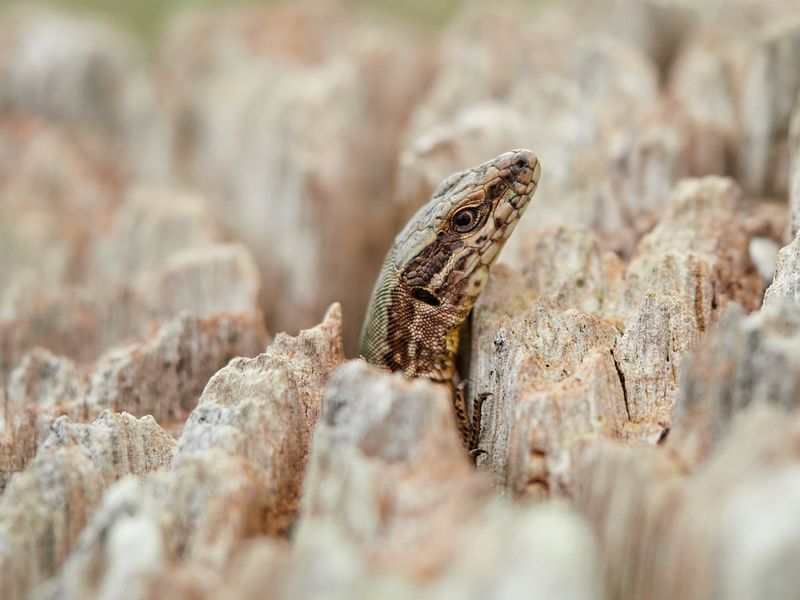
Female lizards face critical challenges when selecting sites to deposit their eggs.
Temperature stability, protection from predators, and appropriate moisture levels all factor into this vital decision.
Gaps between wall blocks and behind loose stones provide sheltered chambers that meet these requirements perfectly.
Desert environments offer few naturally occurring cavities suitable for reptile reproduction.
Garden walls inadvertently replicate the protected rock crevices that wild lizards would search for extensively.
Once eggs are laid, the thermal mass of surrounding stone helps maintain consistent incubation temperatures.
Extreme temperature swings can damage developing embryos, but wall interiors remain relatively stable.
The same cracks that offer predator protection for adults also shield vulnerable eggs from discovery.
Successful reproduction in previous seasons creates generational attachment to specific wall sections.
Young lizards often remain near their hatching sites, establishing new territories adjacent to their birthplace.
This pattern concentrates lizard populations around walls with optimal nesting features.
Your garden wall may be supporting multiple generations of the same family lineage without you even realizing it.
Protecting these nesting sites ensures continued lizard presence to help control insect populations naturally.
Rock And Block Walls Mimic Natural Desert Habitat
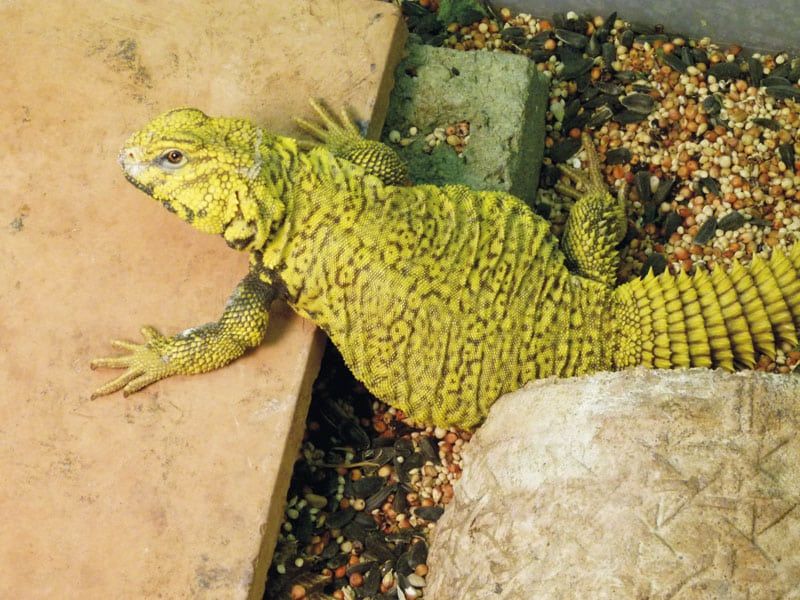
Arizona’s native lizards evolved in landscapes dominated by rocky outcrops, cliff faces, and boulder fields.
Garden walls constructed from stone or concrete blocks closely resemble these ancestral environments.
The texture, thermal properties, and structural complexity trigger instinctive habitat recognition in lizards.
When they encounter your garden wall, their genetic programming identifies it as suitable territory.
Natural selection has favored individuals that efficiently locate and utilize rock formations for survival.
Your landscaping features tap into millions of years of evolutionary adaptation.
Rough surfaces replicate the feel of natural stone that lizards grip instinctively.
Crevice patterns, even in manufactured blocks, mimic the fractures found in desert rock formations.
Color variations in natural stone walls blend with lizard camouflage patterns developed for rocky environments.
This visual continuity helps them feel secure while remaining inconspicuous to predators.
The permanence of walls also matches the stability of natural rock features that lizards rely upon.
Unlike temporary vegetation or shifting sand, walls provide consistent landmarks within their territories.
By building garden walls, homeowners accidentally recreate the exact habitat features that make desert landscapes suitable for reptile populations.
Warm Microclimates Form Near South And West Facing Walls
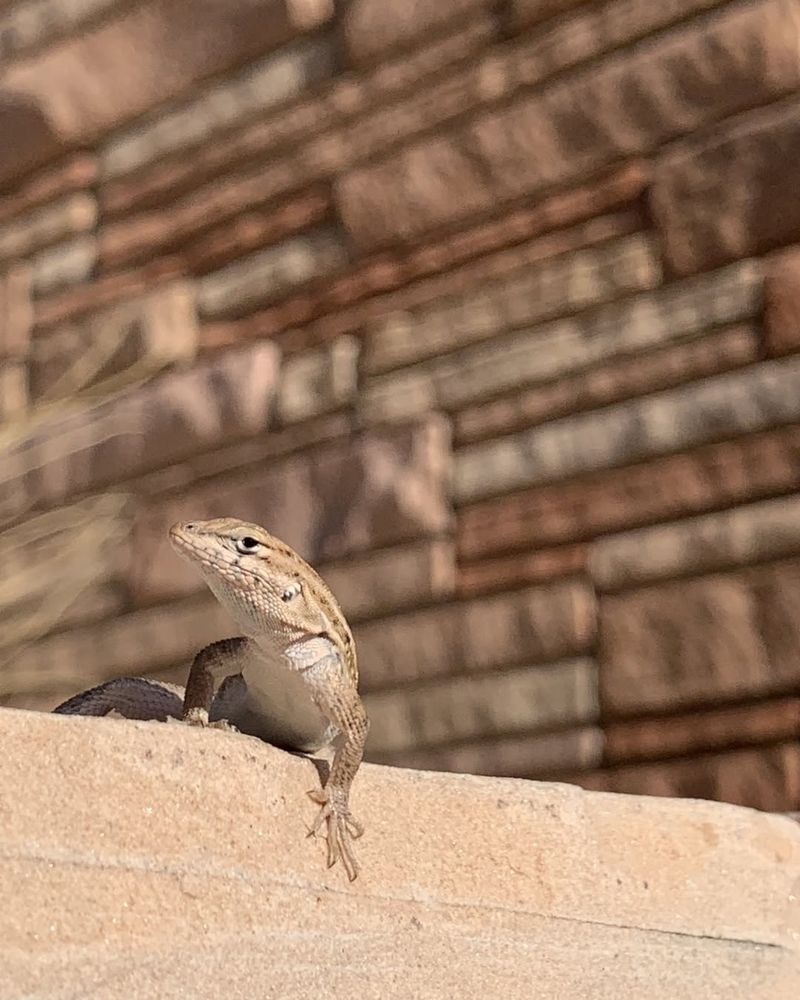
The sun’s path across the sky creates dramatically different conditions on various wall orientations.
South-facing walls receive direct sunlight for the longest daily periods, accumulating maximum thermal energy.
West-facing walls capture intense afternoon rays when temperatures peak.
These orientations create the warmest microclimates in your entire yard.
During cooler seasons, these warm zones become critical survival resources for cold-blooded reptiles.
Spring and fall temperatures may feel mild to humans but remain challenging for lizards trying to maintain activity.
A few extra degrees of warmth near a sun-soaked wall can extend their active season by weeks.
Winter basking opportunities on south walls allow some species to remain active year-round in Arizona.
The microclimate effect extends several feet from the wall surface, creating a warm buffer zone.
Vegetation near these walls also benefits from extra warmth, growing more vigorously and attracting additional insects.
Lizards recognize these premium locations and compete for access to the warmest wall sections.
If you notice particularly high lizard concentrations, check the wall orientation—you’ll likely find they’re favoring south and west exposures.
Understanding these patterns helps explain why certain garden areas host more wildlife than others.