This Is Why Michigan Homeowners Are Planting Hostas Near Their Front Doors
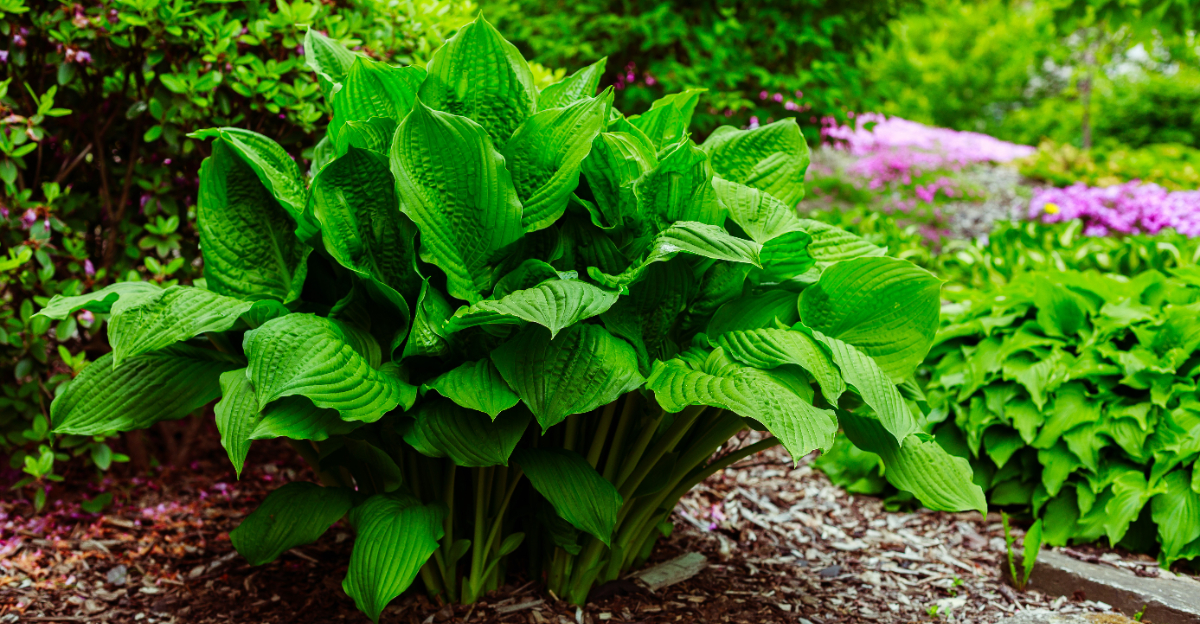
Hostas, known for their bold, textured leaves and graceful shapes, are becoming a favorite choice for framing doorways and entry paths across Michigan.
These leafy perennials thrive in Michigan’s climate, especially in shady spots where many other plants struggle, making them both practical and beautiful.
Beyond their good looks, hostas bring real convenience. They return reliably each spring, require little maintenance once established, and create a clean, polished look that instantly improves curb appeal.
Their lush foliage softens hard edges around steps, walkways, and porches, turning ordinary entrances into inviting outdoor spaces.
With countless varieties offering different sizes, colors, and leaf patterns, it is easy to create a welcoming, low effort landscape that looks great season after season.
Shade Tolerance Makes Them Ideal For Front Doors
Most Michigan homes have front doors that face directions with limited sunlight. North-facing entrances rarely see direct sun, while covered porches create natural shade zones.
Traditional flowering plants struggle in these conditions, leaving homeowners frustrated with sparse growth.
Hostas change everything because they actually prefer shade. These perennials evolved in forest understories where dappled light is the norm.
They’ve adapted to thrive with just a few hours of morning sun or bright indirect light all day long.
Your front entrance might receive only two hours of direct sunlight daily. That’s perfectly fine for hostas, which will flourish where sun-loving plants would languish. The leaves stay vibrant and full throughout the growing season.
Michigan’s tree-lined neighborhoods create additional shade challenges for landscaping. Mature maples and oaks cast shadows that move throughout the day.
Hostas handle these shifting light patterns beautifully, making them reliable performers. Homeowners appreciate plants that work with existing conditions rather than against them. No need to trim trees or redesign your porch for better sun exposure.
Simply plant hostas and watch them thrive in the shade you already have, creating lush greenery exactly where you need it most.
Provide Yearly Reliable Foliage
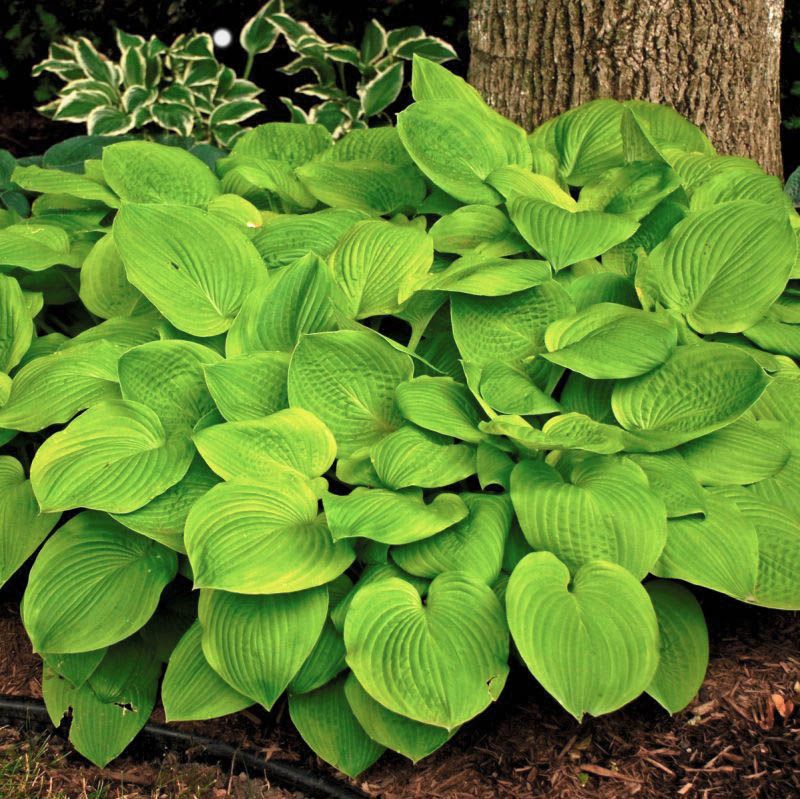
Spring brings exciting changes to Michigan gardens every year. Hostas emerge reliably as temperatures warm, sending up tightly rolled shoots that unfurl into beautiful leaves. This predictable return makes planning your landscape much easier.
Unlike annuals that require replanting each season, hostas are true perennials. Their root systems survive underground through harsh Michigan winters.
When soil temperatures reach about 50 degrees, new growth begins automatically without any effort from you.
By late May, your hostas will have fully developed their foliage. The leaves expand rapidly during spring’s cool, moist weather.
Throughout summer, they maintain their attractive appearance, creating a constant backdrop of greenery near your entrance.
This reliability saves both time and money year after year. You won’t spend weekends replanting your front entrance garden every spring.
The hostas handle regrowth on their own, returning stronger and larger each season as the clumps mature.
Michigan’s unpredictable spring weather doesn’t phase established hostas either. Late frosts might damage early shoots, but the plants quickly recover and send up replacement growth.
This resilience means your front door landscaping stays attractive without constant attention or worry about weather setbacks affecting your investment.
Come In Various Sizes To Fit Small Or Large Spaces
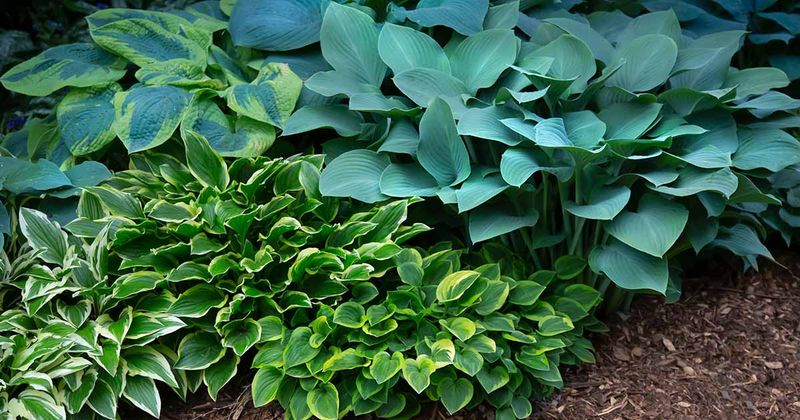
Front door areas come in all shapes and configurations. Some Michigan homes have narrow walkways with just inches of planting space. Others feature wide foundation beds that stretch several feet from the house.
Hosta varieties range dramatically in mature size. Miniature types like ‘Blue Mouse Ears’ grow only six inches tall and wide.
These tiny treasures fit perfectly in tight spots between sidewalks and steps where larger plants would overwhelm the space.
Medium-sized hostas reach 12 to 18 inches in height and spread. These work beautifully for standard foundation plantings, creating substantial presence without blocking windows or pathways.
They’re the goldilocks option for most front entrance situations. Giant hostas make bold statements in spacious areas. Varieties like ‘Empress Wu’ can reach four feet tall with leaves nearly two feet long.
These dramatic specimens anchor larger landscapes and create focal points that draw the eye toward your entrance.
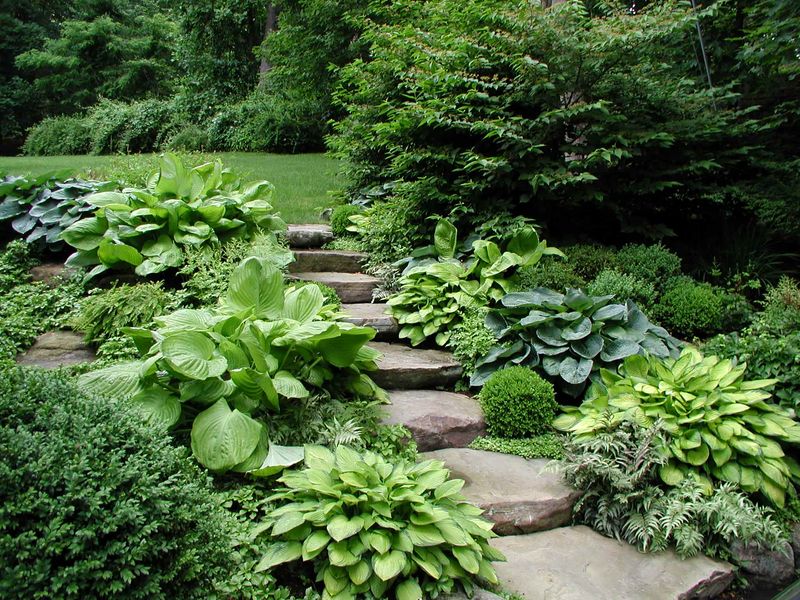
Homeowners can mix different sizes for layered effects too. Place smaller hostas along path edges with medium varieties behind them and giants as backdrops.
This tiered approach creates depth and visual interest while maximizing your available planting space efficiently and attractively.
Offer Attractive Foliage Colors And Textures
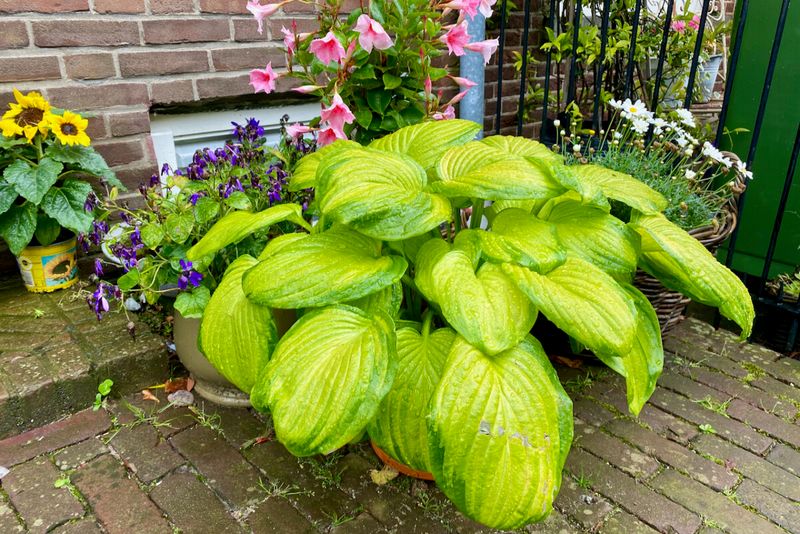
Flowers come and go, but foliage provides season-long beauty. Hostas excel at delivering visual interest through their leaves rather than blooms. The color palette available spans from deep forest green to bright chartreuse gold.
Blue-green hostas like ‘Halcyon’ have a powdery coating that creates stunning cool tones. These varieties pair beautifully with brick or stone exteriors common on Michigan homes.
The blue hues provide sophisticated contrast against warm building materials. Golden hostas bring sunshine to shady spots. Varieties with chartreuse or yellow leaves brighten dark corners naturally.
They reflect available light, making entrance areas feel more open and inviting even in deep shade.
Variegated patterns offer the best of multiple colors. White-edged leaves create crisp, clean looks that complement painted trim.
Center-variegated types with gold or cream splashes add complexity and movement to the landscape composition.
Leaf texture adds another dimension entirely. Some hostas have smooth, glossy surfaces that catch light beautifully.
Others feature deeply ribbed, puckered leaves that create dramatic shadows and depth. Combining different textures in one planting area creates rich, layered interest that holds attention throughout the growing season.
Low Maintenance And Easy To Grow
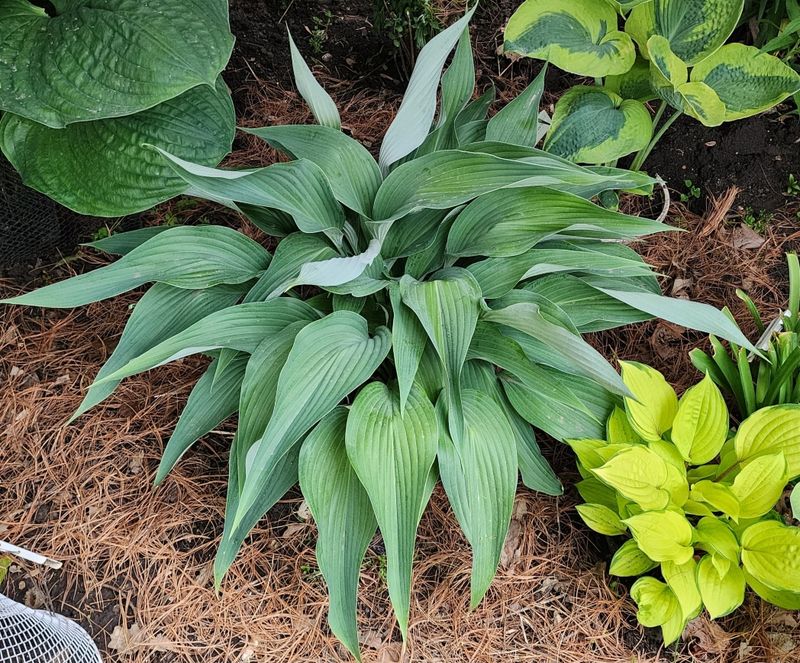
Busy homeowners need plants that don’t demand constant attention. Hostas fit perfectly into low-maintenance landscape plans.
Once established, they require minimal intervention to stay healthy and attractive throughout the season.
Michigan soils vary from sandy to clay-heavy compositions. Hostas adapt to most soil types as long as drainage is reasonable.
They’re not fussy about pH levels either, tolerating the slightly acidic conditions common in areas with pine trees.
Watering needs are moderate and forgiving. During typical Michigan summers with regular rainfall, established hostas rarely need supplemental irrigation.
Even during dry spells, weekly deep watering keeps them looking fresh without daily attention.
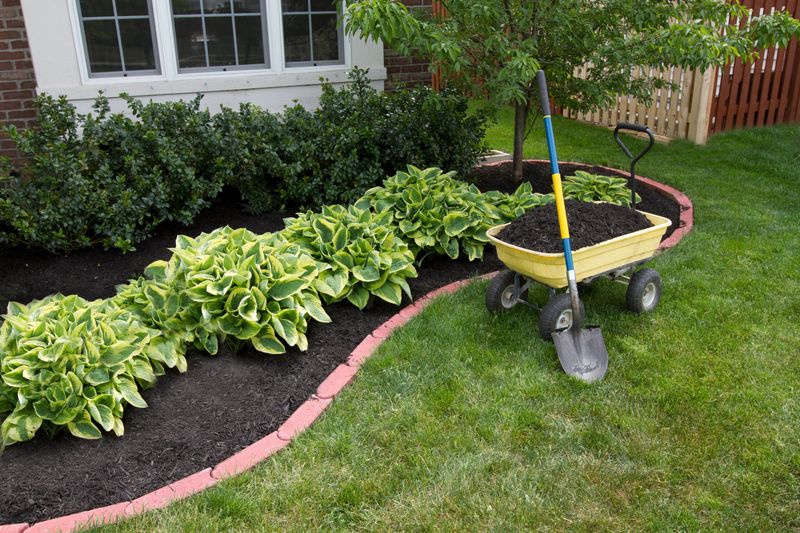
A spring application of mulch provides multiple benefits with one simple task. The organic layer suppresses weeds, retains moisture, and breaks down to feed the soil. Two to three inches of shredded bark or compost does the job beautifully.
Fertilizing is optional rather than essential for hostas. A light feeding in spring encourages robust growth, but these perennials perform well even without it.
They’re not heavy feeders like roses or vegetables that demand regular nutrient schedules to thrive and produce.
Provide Seasonal Interest With Summer Flowers
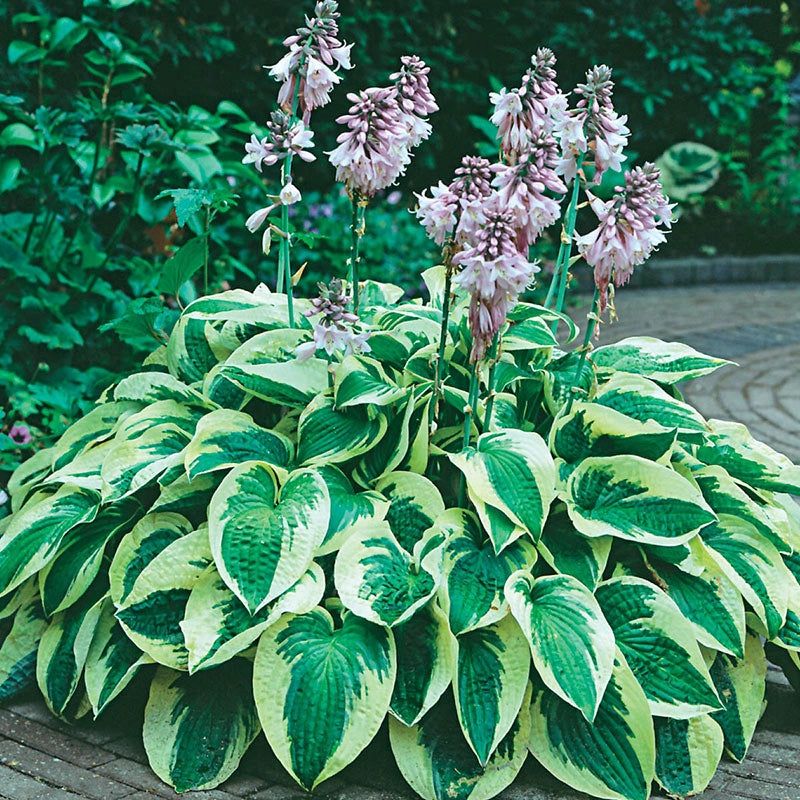
While hostas are primarily foliage plants, their flowers add unexpected charm. Tall scapes rise above the leaves in mid to late summer, extending the visual interest upward. These vertical elements break up the horizontal mass of foliage.
Flower colors typically range from white to various shades of lavender and purple. The tubular or bell-shaped blooms open progressively along the spike over several weeks.
This extended flowering period means your entrance enjoys blooms for a month or more.
Pollinators find hosta flowers irresistible. Bees visit regularly for nectar, creating gentle activity near your door.
Hummingbirds occasionally stop by lighter-colored varieties, adding delightful wildlife encounters to your daily routine.
Some varieties are particularly noted for their fragrant flowers. These scented types perfume the air around your entrance during bloom time.
The fragrance is pleasant without being overwhelming, creating a subtle welcome for visitors approaching your door.
After flowering, you can remove the spent scapes or leave them standing. Some homeowners enjoy the architectural quality of the dried seed heads through fall.
Others prefer the cleaner look of removing them, which also prevents unwanted seedlings from sprouting throughout the garden bed the following spring.
Help Soften Hardscape Near Entrances
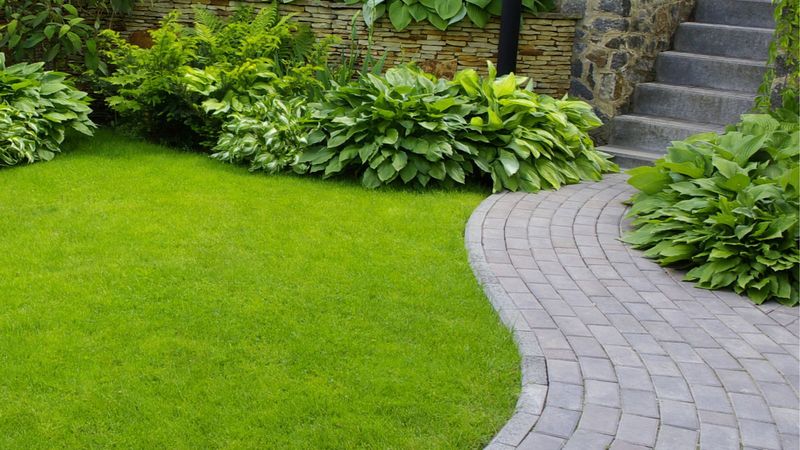
Concrete walkways and foundation walls create necessary but harsh lines around entrances. These hard surfaces serve practical purposes but can make homes feel unwelcoming.
Strategic plantings bridge the gap between structure and nature. Hostas excel at this softening role because of their broad, arching leaves. The foliage spills gently over path edges, blurring the sharp transition between pavement and soil.
This creates a more organic, flowing appearance that feels intentionally designed. Foundation plantings traditionally hide the visible portions of home foundations. Hostas perform this function beautifully while remaining proportionate to the space.
They don’t grow tall enough to block windows but provide sufficient mass to conceal concrete or block foundations.
Steps and retaining walls benefit from hosta plantings too. Placing them at different levels creates visual continuity between elevation changes.
The plants guide the eye naturally from one level to the next rather than emphasizing abrupt drops or rises.
The overall effect transforms utilitarian hardscape into cohesive landscape design. Your entrance stops looking like a simple concrete path to a door.
Instead, it becomes an inviting journey through greenery that welcomes visitors and makes your home feel more connected to its surroundings.
Cold-Hardy For Michigan Winters
Michigan winters test plants with temperatures that regularly drop below zero. Many popular perennials struggle or fail entirely in USDA Zones 3 through 5 that cover the state.
Finding reliably hardy plants becomes essential for successful landscaping. Hostas are exceptionally cold-tolerant perennials. Most varieties thrive in Zones 3 through 8, making them perfect for every corner of Michigan.
Their root systems withstand frozen soil conditions that would destroy less hardy species. The plants go dormant naturally as fall temperatures drop. Leaves yellow and collapse, which signals the plant to move energy into underground rhizomes.
This dormancy is protective, allowing the plant to survive harsh conditions without damage.
A simple mulch layer provides additional winter protection. Two to three inches of shredded leaves or bark over the crown insulates roots from extreme temperature fluctuations.
This covering also prevents frost heaving that can push plants out of the ground. Come spring, hostas emerge reliably from their winter rest. The cold period actually benefits them, as many varieties need chilling hours to perform their best.
You’ll never worry about replanting your front entrance garden because harsh weather eliminated your hostas overnight or during extended cold snaps.