This Is Why Some Pennsylvania Houseplants Decline In Early Spring (Plus Easy Fixes)
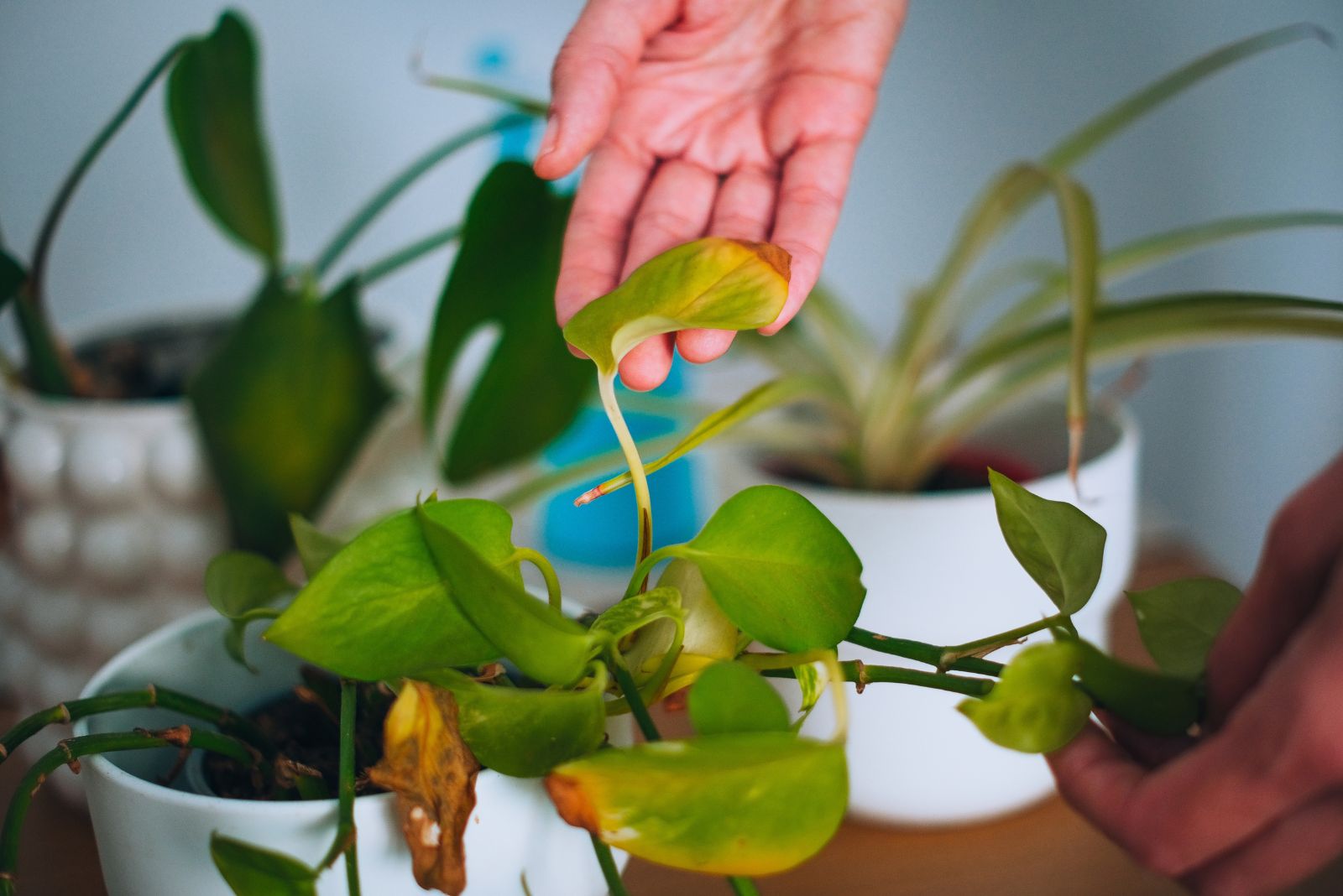
Have you ever noticed that some of your houseplants start looking worse just as spring arrives? Leaves turn yellow, growth slows down, and plants that seemed perfectly happy during winter suddenly appear stressed.
It can feel confusing, especially when the days are getting longer and you expect everything to start thriving again.
Early spring brings several changes inside the home. Sunlight becomes stronger, indoor temperatures shift, and watering habits often stay the same even though plants are beginning to wake up from their slower winter phase.
These small changes can throw certain houseplants off balance. The good news is that most of these problems are easy to fix once you understand what is happening. A simple adjustment in light, watering, or placement can help plants recover quickly.
With a little attention, those struggling houseplants can bounce back and grow healthier as the new season continues.
1. Inconsistent Light Exposure
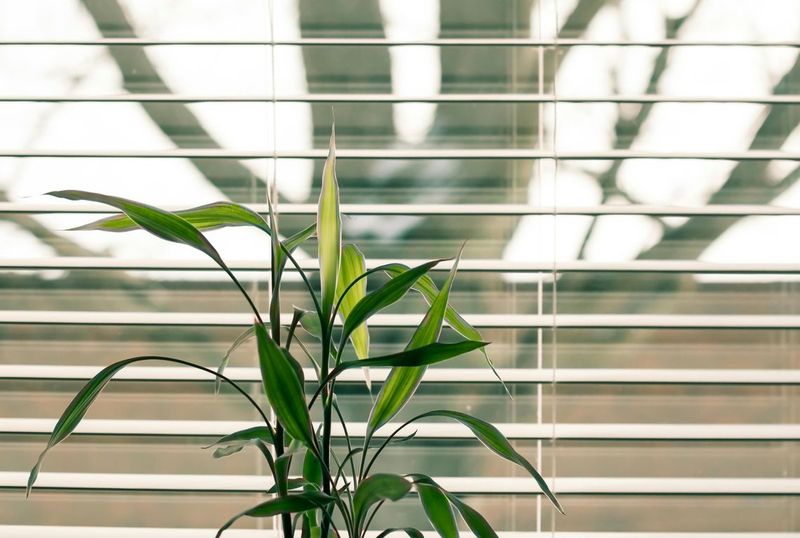
Picture this: your plant sat in a dim corner all winter, barely getting enough light to survive. Now, suddenly, the days are getting longer and sunnier in Pennsylvania, and your plant has no idea how to handle it.
That kind of dramatic shift in light can cause real stress, showing up as yellowed leaves, scorched spots, or even leaf drop.
In winter, plants in Pennsylvania homes often adapt to low light conditions. Their leaves and stems adjust to function with less sunlight.
When early spring arrives and the light intensity increases, plants can struggle to keep up with the change, especially if the shift happens quickly.
The good news is that fixing this problem is pretty simple. Start by moving your plants a little closer to a bright window over the course of one to two weeks. Do not rush the process. Gradual exposure helps plants adjust without going into shock.
If your windows get very strong direct sunlight, hang a sheer curtain to soften the rays. This works especially well for tropical plants that prefer bright but indirect light.
Keep an eye out for any brown or crispy patches on the leaves, which usually means too much direct sun.
For plants that really need extra light, a full-spectrum LED grow light set to run about ten to twelve hours a day can be a great solution. Many Pennsylvania plant owners swear by them during the transition from winter to spring.
2. Overwatering Due To Temperature Changes
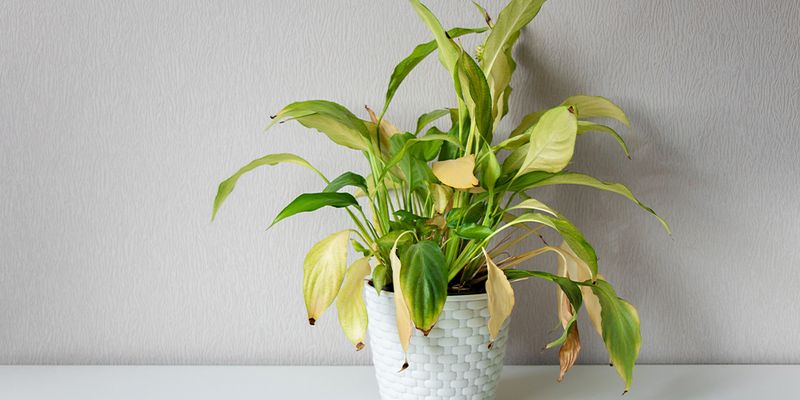
Overwatering is one of the sneakiest problems for houseplants in early spring, and it catches a lot of Pennsylvania plant owners off guard. Here is why it happens: during the cooler months, soil takes much longer to dry out.
If you keep watering on your usual schedule without adjusting for the slower evaporation rate, you end up with soggy roots.
Wet soil that stays wet for too long can lead to root rot, which makes it nearly impossible for plants to absorb the water and nutrients they actually need. You might notice wilting even though the soil feels damp, which is a classic sign that roots are struggling.
Checking soil moisture before every watering session is the easiest fix. Just stick your finger about an inch or two into the soil.
If it still feels moist, wait a few more days before watering. For succulents and cacti, wait until the top two to three inches are completely dry.
Good drainage is also super important. Make sure every pot has drainage holes at the bottom so extra water can escape freely.
If you have a pot sitting in a saucer, empty that saucer after watering so the roots are not sitting in standing water.
During early spring in Pennsylvania, temperatures inside homes can still swing quite a bit. Those fluctuations affect how fast soil dries.
Staying flexible with your watering schedule rather than sticking to a strict routine will keep your plants much healthier.
3. Low Humidity Levels
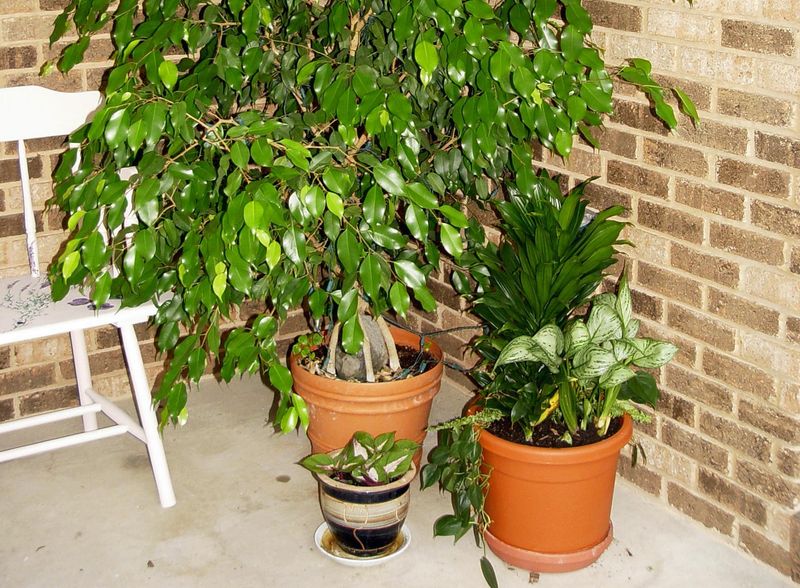
Humidity is something a lot of plant owners forget about, but your houseplants sure do not. Many popular indoor plants, like peace lilies, ferns, and pothos, originally come from tropical regions where the air is naturally moist.
Pennsylvania homes in early spring can be surprisingly dry, especially if the heating system is still running on cooler nights.
Low humidity shows up in plants as brown leaf tips, curling edges, or crispy patches that seem to appear out of nowhere. If you notice these signs, dry air is often the culprit. The fix does not have to be complicated or expensive.
One of the easiest solutions is grouping your plants together. When plants are close to each other, they release moisture through their leaves, which slightly raises the humidity in that small area. It is a simple trick that actually works pretty well.
A cool-mist humidifier placed near your plant collection is another excellent option. Running it for a few hours each day can make a noticeable difference, especially during those early spring weeks when Pennsylvania heating systems are still cycling on and off.
You can also place your pots on shallow trays filled with pebbles and a little water. As the water evaporates, it adds moisture to the air right around your plants.
Just make sure the bottom of the pot is sitting above the water line, not submerged in it, to avoid overwatering issues at the same time.
4. Shock From Temperature Fluctuations
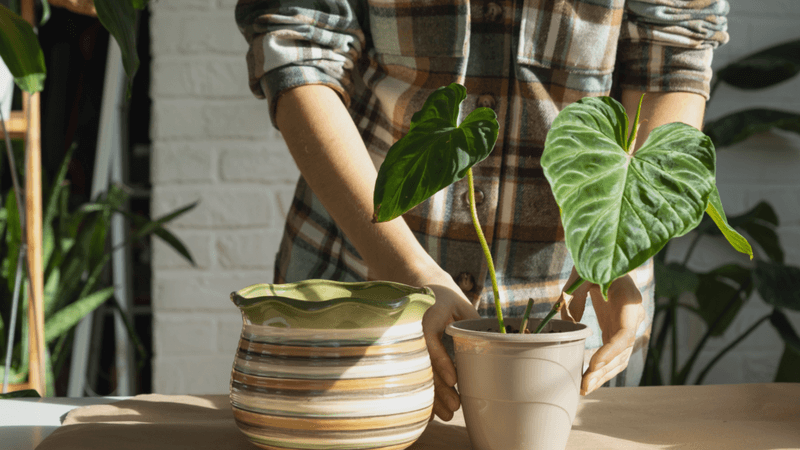
Early spring in Pennsylvania is notorious for its unpredictable weather. One day it is warm and sunny, and the next morning there is a frost warning.
While you might enjoy those cozy temperature swings, your houseplants definitely do not. Sudden temperature changes can send plants into shock, causing wilting, leaf drop, and slow growth.
Most common houseplants prefer steady temperatures between 60 and 75 degrees Fahrenheit. When temps drop below 55 degrees, even for a short time, sensitive plants can react badly.
Cold drafts from windows or doors are especially harmful because they can chill roots and stems quickly.
Keeping plants away from drafty spots is a smart first step. Check around windows and exterior doors for any cold air leaks, especially on chilly Pennsylvania nights.
Moving plants even a foot or two away from these spots can reduce their exposure to temperature swings significantly.
Heating vents are another thing to watch out for. Hot, dry air blowing directly onto plants can cause just as much stress as cold drafts.
Position plants so they get the warmth of a heated room without sitting directly in the path of any vent.
Using a simple indoor thermometer can help you monitor the temperature near your plants throughout the day and night. If you notice big swings, consider using thermal curtains at night to help stabilize the environment.
Giving your Pennsylvania houseplants a consistent, stable space to live in during early spring makes a world of difference in how well they bounce back.
5. Pest Infestations
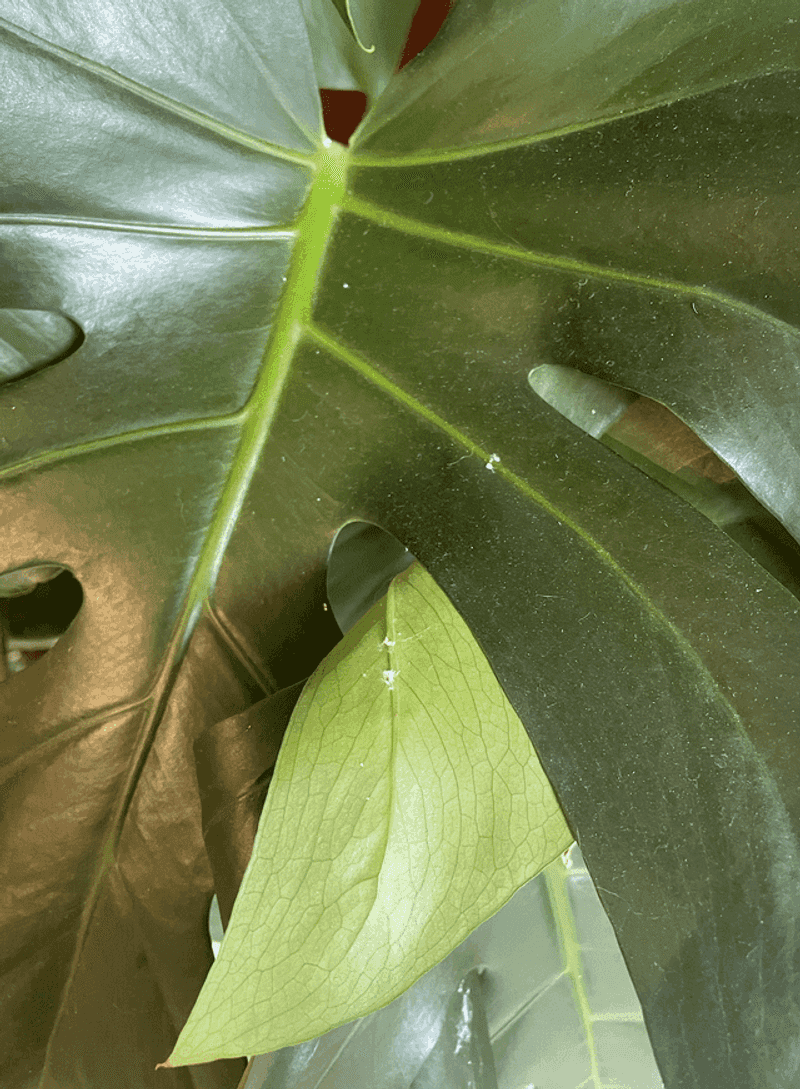
Warmer days in early spring are a welcome change for Pennsylvania residents, but they also wake up some unwanted guests. Pests like spider mites, aphids, and mealybugs become much more active as temperatures rise indoors.
These tiny insects can spread fast and cause serious damage before you even notice they are there.
Spider mites leave behind fine webbing on leaves and cause tiny yellow or white speckles. Aphids tend to cluster on new growth and make leaves look sticky and curled.
Mealybugs look like small white cotton tufts, usually hiding in leaf joints or under leaves. All of these pests feed on plant sap, which weakens the plant over time.
Catching them early is the best way to handle the situation. Make it a habit to inspect your plants at least once a week, especially on the undersides of leaves where pests love to hide. Early detection means smaller infestations and easier treatment.
Insecticidal soap spray is a safe and effective option for most common houseplant pests. Neem oil is another popular choice among Pennsylvania plant owners because it works on a wide range of insects and is safe to use around pets and kids.
Always follow the product label instructions carefully. If one plant shows signs of infestation, isolate it from the rest of your collection right away. Pests spread quickly between plants that are grouped closely together.
Keeping infected plants separate until they are fully treated protects the rest of your indoor garden from the same problem.
6. Soil Compaction And Nutrient Depletion
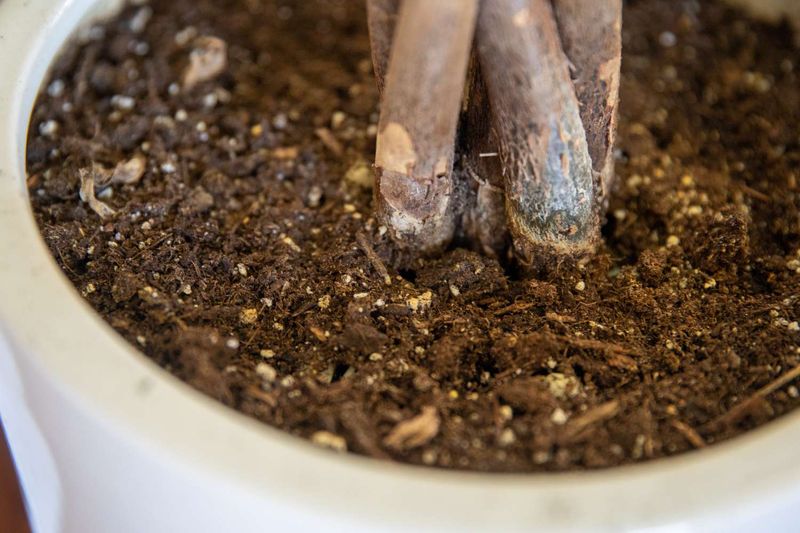
Over a long Pennsylvania winter, the soil inside your plant pots goes through a lot. Repeated watering compresses the soil particles over time, making the mix dense and compact.
Compacted soil does not drain well, and it also limits how much oxygen reaches the roots, which plants need just as much as water.
On top of that, the nutrients naturally present in potting soil get used up over months of plant growth. By early spring, many houseplants are essentially sitting in exhausted soil that no longer provides what they need to grow strong and healthy.
This is why some plants look tired and sluggish even when you are doing everything else right.
Repotting is the most effective solution. Choose a pot that is one size larger than the current one and fill it with fresh, high-quality potting mix suited to your plant type.
When you remove the plant, gently loosen the root ball and trim away any soft or discolored roots you find.
Early spring is actually a great time to repot because plants are just starting their active growing season.
Fresh soil gives roots room to spread and access to new nutrients right when they need it most. Most houseplants benefit from being repotted every twelve to eighteen months.
Adding a slow-release fertilizer to the fresh potting mix gives plants an extra boost. Pennsylvania plant owners often find that a balanced fertilizer applied in spring helps their houseplants bounce back quickly and put out healthy new growth throughout the season.
7. Increased Growth And Stress
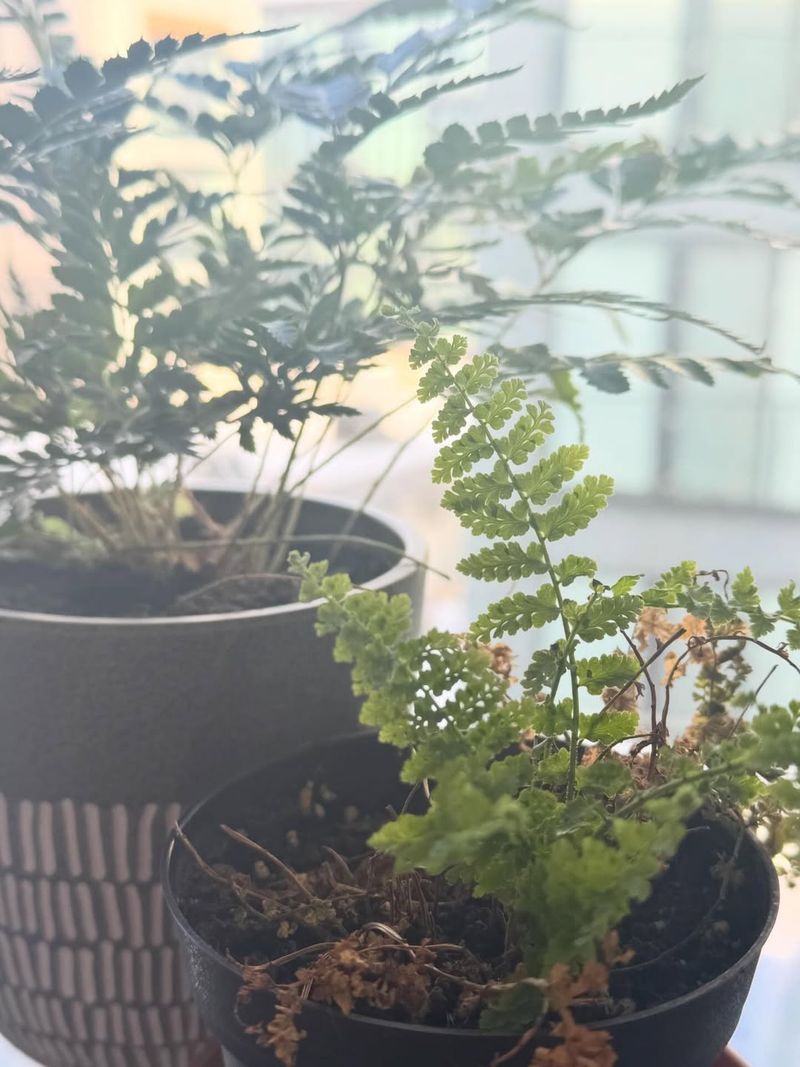
Spring is like an alarm clock for houseplants. As daylight hours increase across Pennsylvania, plants naturally start waking up from their slow winter state and pushing out new growth.
That sounds like a good thing, but it can actually create stress if the plant has not been well cared for during the colder months.
A plant that went through winter without enough light, water, or nutrients may not have the energy reserves needed to support a big growth push.
You might notice new leaves coming in small, pale, or misshapen. Stems can look stretched or weak. The plant is trying its best, but it is running on empty.
The fix here is about supporting the plant without overwhelming it. Start by making sure it has the right amount of light for its type and that watering is on track.
Then introduce a light dose of balanced, water-soluble fertilizer diluted to about half the recommended strength.
Avoid the temptation to over-fertilize thinking it will speed things up. Too much fertilizer at once can actually burn roots and cause more stress.
A gentle, consistent approach works much better and gives plants time to adjust to the new growing conditions.
Many Pennsylvania plant owners find that simply being patient and consistent in early spring is the most powerful thing they can do. Check on your plants regularly, make small adjustments as needed, and let them set their own pace.
With the right support, most houseplants recover beautifully and thrive all the way through summer and beyond.