This Is Why You Should Grow Ninebark Along Your Fence In Ohio
A fence line in an Ohio yard often ends up overlooked, filled with plants that never quite earn their spot. Ninebark has a way of changing that without asking for much in return.
It settles in quickly, handles Ohio’s ups and downs, and brings a kind of quiet structure that makes the whole space feel more intentional. Even a simple planting along a fence can shift how your yard looks and feels through the seasons.
There is a reason more Ohio gardeners keep coming back to this one. Once it is in place, that empty stretch starts to feel like one of the strongest parts of the landscape.
1. Ninebark Stays Tough In Wind Snow And Neglected Corners
Physocarpus opulifolius, commonly known as ninebark, is one of those plants that seems almost built for the kind of punishment Ohio weather dishes out on a regular basis. Wind-whipped fence lines, hard freezes, and spots that get ignored for months at a stretch are all conditions this shrub handles without missing a beat.
Ohio winters can be unpredictable, swinging from mild stretches to sudden deep freezes. Many shrubs planted along exposed fence lines suffer dieback or lose their shape after a rough season.
Ninebark holds its structure through cold snaps and comes back strong in spring without needing coddling or emergency pruning.
Drought tolerance is another standout quality once the plant gets established, usually after its first full growing season. You do not need to babysit it through dry summer spells the way you might with more delicate ornamental shrubs.
That makes it genuinely low-effort in the long run.
For exposed fence lines along property edges, roadsides, or windward sides of the yard, ninebark is a reliable choice. The arching branches flex rather than snap under ice and snow load, and the root system anchors well even in variable soil conditions.
Plant it on the north or west side of a fence where wind is strongest and let it do what it does naturally. Spacing plants about six feet apart gives each one room to fill out while still providing solid coverage within two to three growing seasons.
2. Peeling Bark Creates Texture That Stands Out In Winter
Walk past a ninebark in January and you will notice something most shrubs simply cannot offer: genuine visual interest even after every leaf has dropped. The exfoliating bark peels away in papery, curling strips to reveal rich reddish-brown inner bark underneath, creating a layered, textured look that catches the eye in an otherwise flat winter landscape.
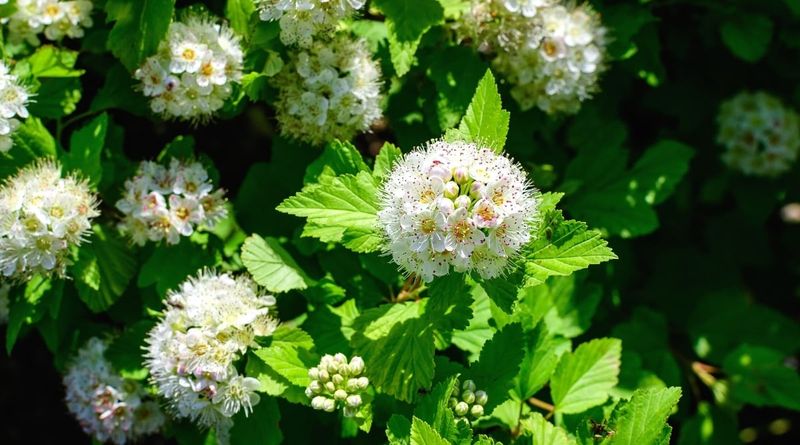
This multi-season appeal is one of the reasons Ohio gardeners keep coming back to ninebark. Spring brings clusters of white to pale pink flowers that pollinators love.
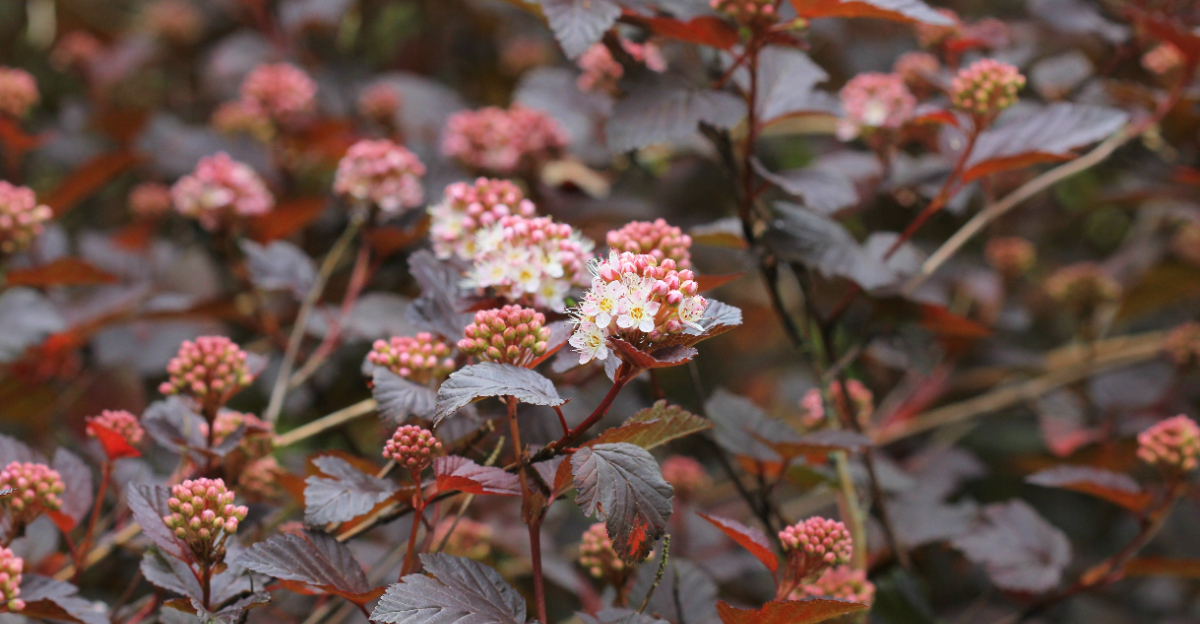
Summer offers bold foliage in shades ranging from deep burgundy to bright chartreuse depending on the cultivar. Fall adds reddish-pink seed capsules that cling to the branches and provide color long after the leaves are gone.
But winter is where the bark really earns its keep. When everything else along your fence looks like a bundle of sticks, ninebark stands out with actual structure and color.
The contrast between the peeling outer bark and the warm inner tones is subtle but genuinely attractive, especially against a backdrop of snow or a weathered wooden fence.
Placement matters if you want to enjoy this feature. Try positioning ninebark where it is visible from a window, a patio, or a frequently used walkway.
The winter silhouette looks especially striking when morning light hits the branches at a low angle. You get four seasons of something worth looking at without planting four different shrubs to achieve it.
3. Fast Growth Fills Fence Lines Faster Than Most Native Shrubs
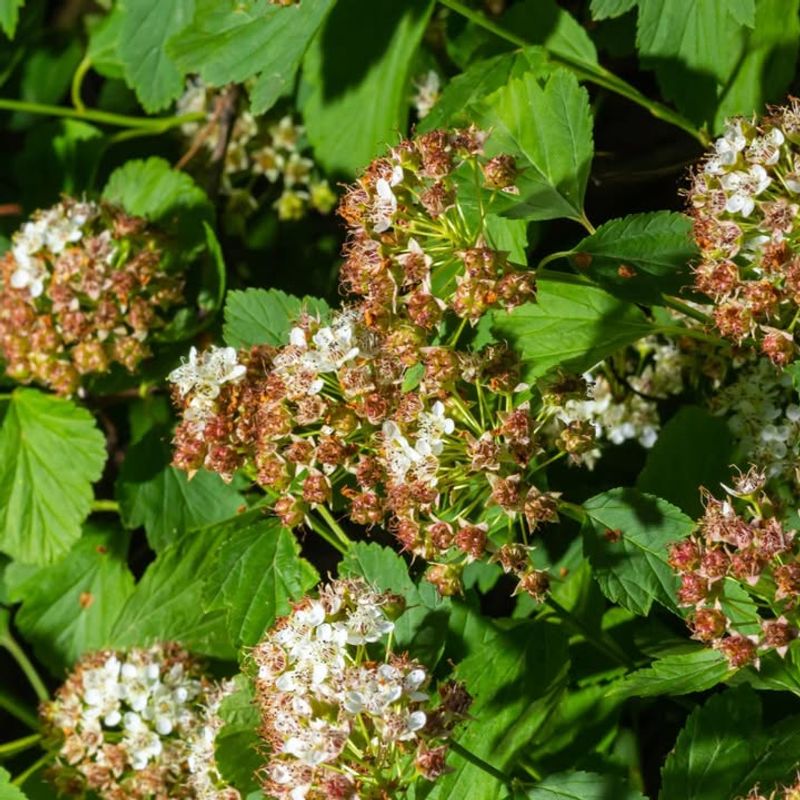
Patience is a virtue in gardening, but nobody wants to stare at a sparse fence line for a decade waiting for privacy. Ninebark grows at a relatively fast pace compared to many other native shrubs, which tend to take their time establishing before they really push upward and outward.
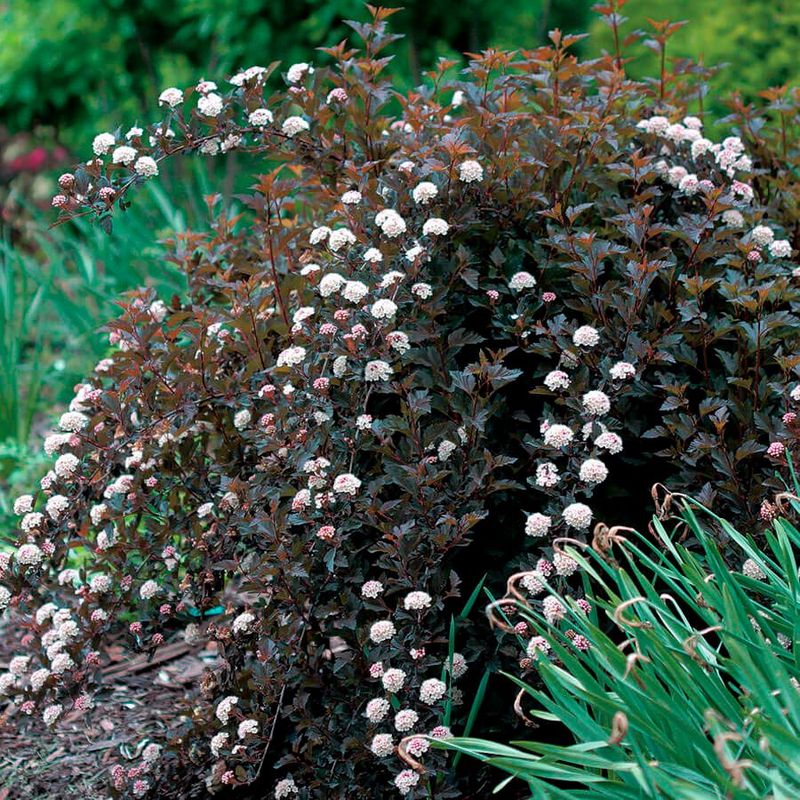
Depending on the cultivar, mature plants typically reach anywhere from six to ten feet tall and nearly as wide. Compact varieties like Tiny Wine stay closer to five feet, while larger selections like Diablo or Center Glow can easily hit eight to ten feet with a similar spread.
That range gives Ohio homeowners real flexibility based on how much vertical coverage they need along a fence.
In good conditions with adequate sunlight and reasonable soil, you can expect meaningful growth within the first two to three years after planting. By year four or five, a properly spaced row of ninebark plants creates a dense, layered screen that provides genuine privacy and wind buffering without requiring constant attention.
For faster coverage, space plants about four to five feet apart instead of the standard six. They will fill in more quickly and the canopies will knit together sooner.
Just keep in mind that tighter spacing may require light pruning in later years to keep airflow moving through the plants and reduce any risk of fungal issues in humid Ohio summers. Overall, the growth rate makes ninebark one of the more practical native options for fence line screening.
4. Handles Heavy Clay And Wet Spots Without Struggling
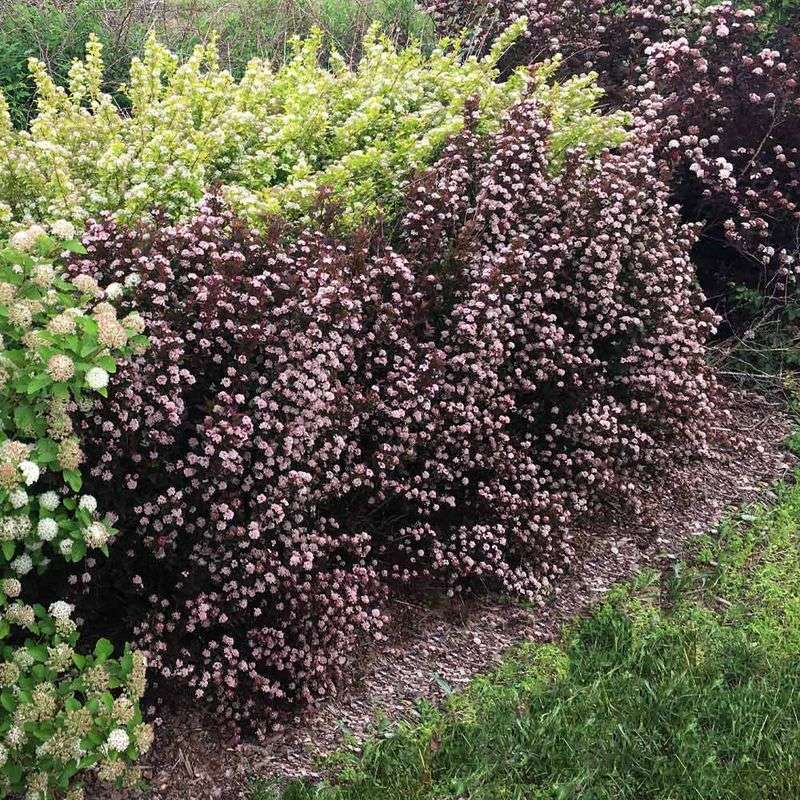
Heavy clay soil is a fact of life across much of Ohio, and it creates real problems for shrubs that need well-drained, loose conditions to stay healthy. Roots suffocate, water pools after rain, and plants that seemed fine in spring start looking stressed by midsummer.
Ninebark sidesteps most of those issues with a soil tolerance that is genuinely impressive.
Clay does not faze it. Neither do spots that stay soggy for a few days after a heavy rain.
While ninebark is not a true wetland plant and should not sit in standing water permanently, it handles temporarily wet or poorly drained areas far better than most ornamental shrubs you might consider for a fence line. That flexibility is a big deal in Ohio, where spring rains can turn low spots into temporary ponds.
The shrub also adapts to loam and sandy soils, making it useful across different parts of the state where soil composition varies. You rarely need to do extensive soil prep before planting.
If the soil is extremely compacted, loosening it with a fork and mixing in a small amount of compost can help with initial establishment, but major amendments are usually not necessary.
Avoid over-amending with rich compost or fertilizer, as overly fertile conditions can push soft, floppy growth that is less wind-resistant. Ninebark performs best when it is not overfed.
Lean soil suits it well, which is good news for anyone dealing with the kind of tough, unforgiving clay that discourages most other planting choices.
5. Older Stems Add Structure While New Growth Keeps It Full
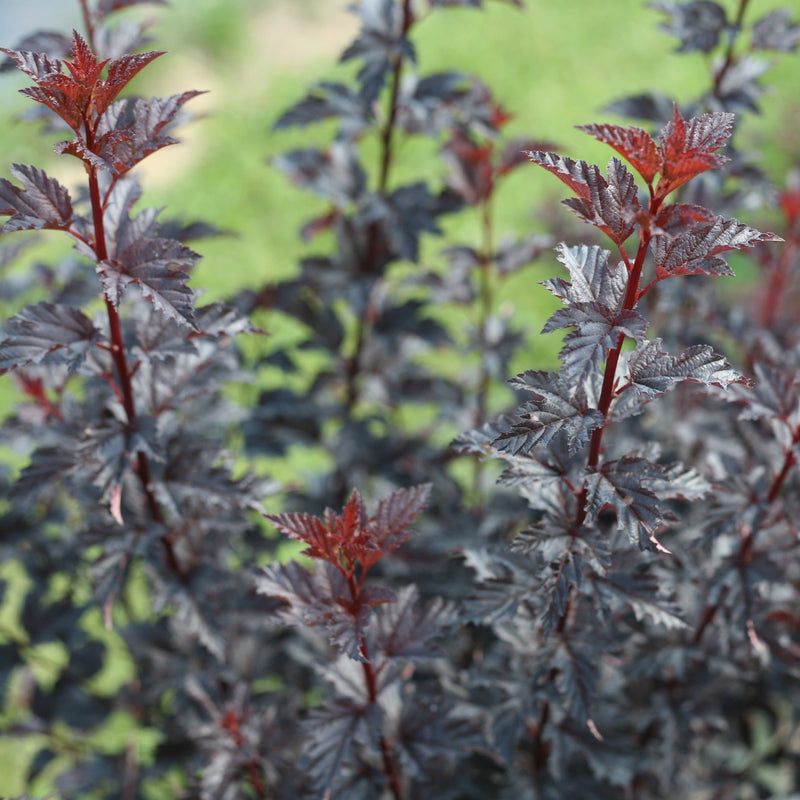
Few shrubs manage the balance between structure and fullness as naturally as ninebark does. The multi-stem growth habit means you get several woody trunks rising from the base, each branching outward in an arching pattern.
Older stems develop that distinctive exfoliating bark and provide the visual backbone of the plant, while younger shoots constantly emerge from the base to fill gaps and keep the overall shape dense.
This self-renewing quality is genuinely useful along a fence line. Even if a few older stems get damaged by ice or a rough winter, the plant compensates by pushing new growth from the crown.
You end up with a shrub that maintains its presence without you having to intervene every season to keep it looking full.
Selective pruning is the best approach to manage this habit. Every two to three years, remove the oldest, thickest stems at the base in late winter before new growth starts.
This encourages fresh, vigorous shoots to take their place and prevents the center of the plant from becoming too woody or congested. You do not need to do a full shearing, which can actually work against the natural form.
Thinning rather than topping is the key principle. Cutting ninebark back hard like a formal hedge tends to produce a stubby, awkward shape and reduces the graceful arching quality that makes it attractive.
Work with the natural structure instead of against it, and the plant rewards you with layered, textured growth that looks intentional without requiring constant upkeep.
6. Works As A Loose Hedge Without Constant Trimming
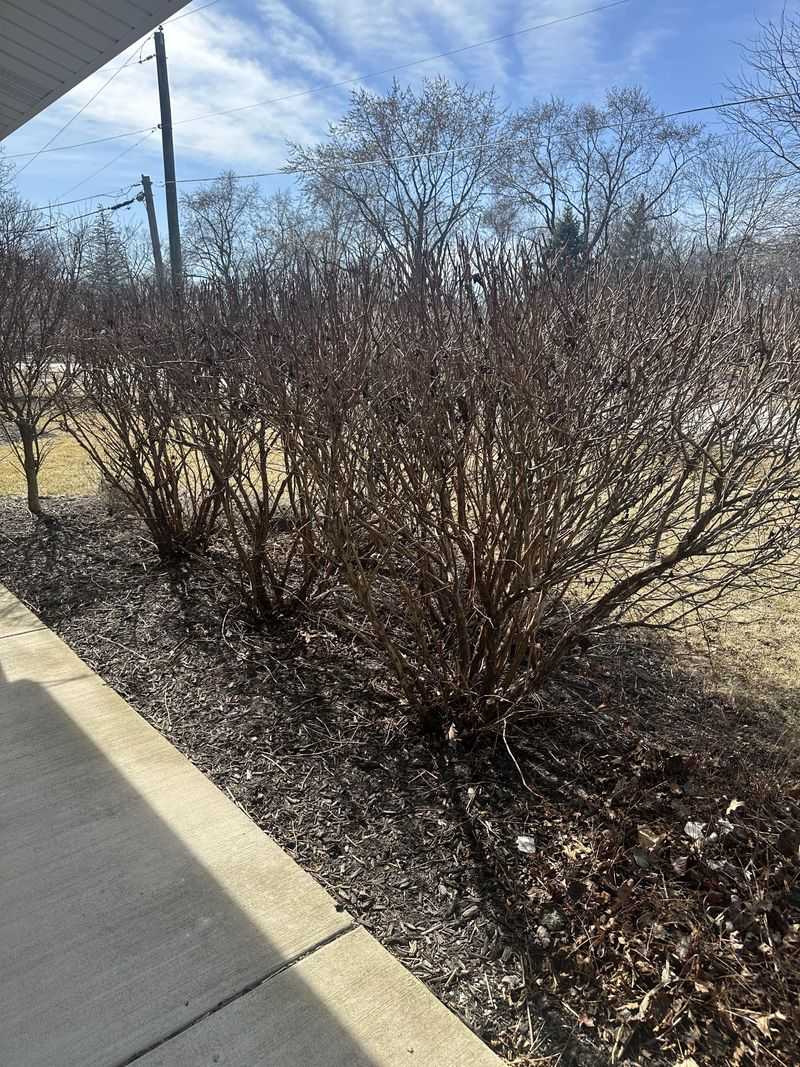
Not every fence line calls for a perfectly clipped, ruler-straight hedge. In fact, for a lot of Ohio homeowners, that kind of formal look requires more time, tools, and patience than the result justifies.
Ninebark offers a different approach: a natural, informal screen that fills in solidly without demanding regular shearing to stay attractive.
The arching branch structure creates a layered, slightly wild silhouette that works well in relaxed backyard settings, along property edges, or anywhere you want coverage without a manicured feel. The plant naturally grows outward and upward in a rounded, fountain-like form that blends well with other native plantings, ornamental grasses, or even vegetable garden borders.
Because ninebark does not require tight trimming to look presentable, the maintenance commitment drops significantly compared to boxwood, privet, or other common hedge plants. An annual light cleanup in late winter or early spring, removing any withered or crossing branches, is usually all it takes to keep things tidy.
That is a significant time savings over a full growing season.
The key to getting the most from this quality is to resist the urge to over-prune. Letting ninebark grow into its natural shape produces the best screening effect and the most attractive silhouette.
If specific branches start extending too far into a pathway or encroaching on a neighbor, selective cuts are easy to make without disrupting the overall form. Think of it less as hedge maintenance and more as occasional guidance.
The plant handles the rest on its own terms and looks better for it.
7. Native Shrub That Blends Easily Into Ohio Landscapes
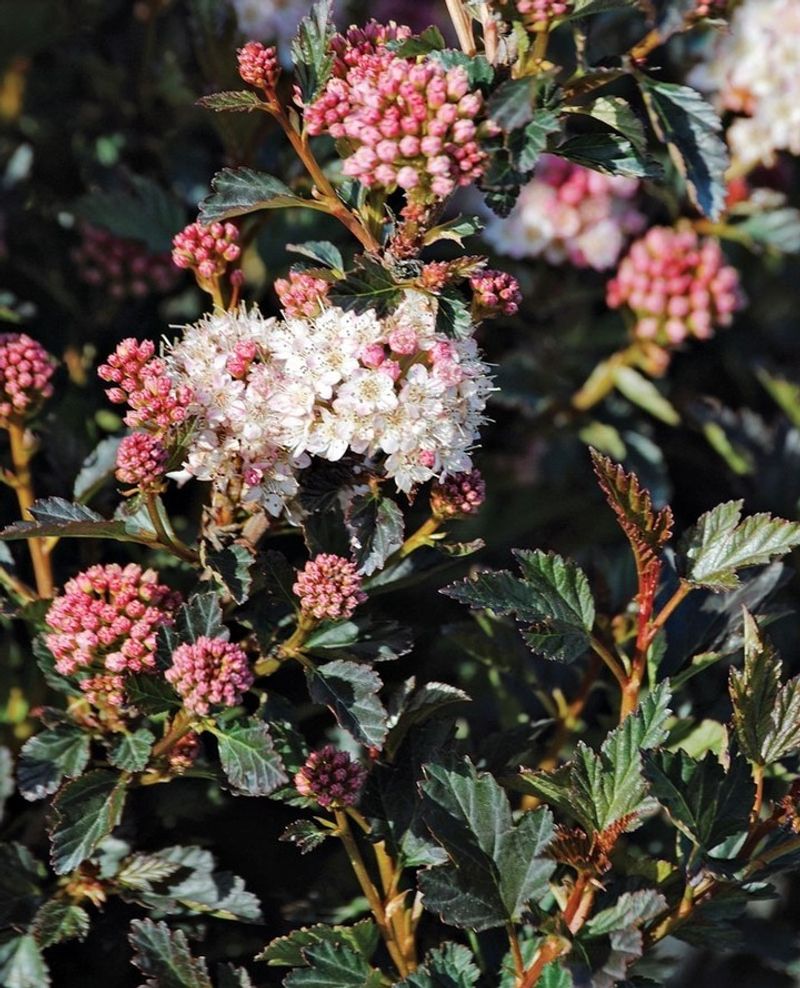
Growing a plant that actually belongs in Ohio is worth more than most homeowners realize until they see the difference it makes. Ninebark is native to the eastern and central United States, including Ohio, which means it evolved alongside the local insects, birds, and soil conditions found here.
That natural fit shows up in how easily it establishes and how well it supports the surrounding ecosystem.
Pollinators are among the biggest beneficiaries. The spring flower clusters, which appear in late May to early June in most Ohio locations, draw native bees, bumblebees, and a range of butterfly species.
The dense foliage provides cover and nesting opportunities for birds throughout the warmer months, and the persistent seed capsules offer a food source into fall and early winter. Ohio State University Extension recognizes ninebark as a valuable native shrub for home landscapes, citing its ecological contributions alongside its practical toughness.
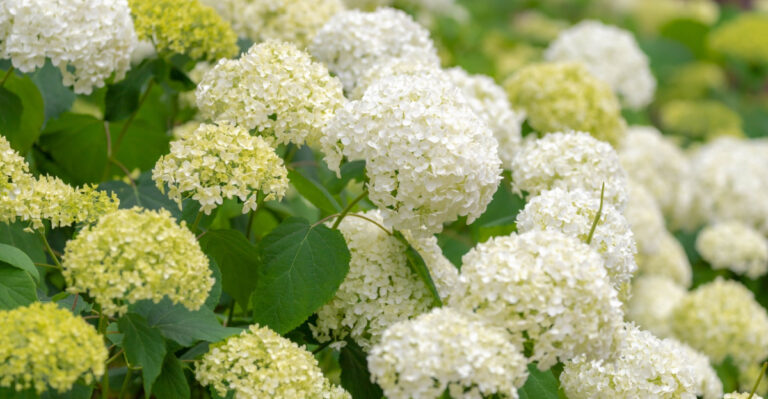
Blending ninebark with other Ohio natives creates a cohesive, habitat-friendly fence line that looks intentional rather than patched together. Wild bergamot, prairie dropseed grass, and smooth hydrangea all pair well with ninebark along a sunny fence.
The combination extends the bloom season, supports a wider range of pollinators, and creates layered structure from ground level up through the shrub canopy.
Choosing native plants is also a practical long-term decision. Plants adapted to local conditions need less watering, less fertilizing, and less overall management than non-native alternatives.
Ninebark delivers on all of those fronts while actively contributing to the health of Ohio’s local wildlife communities.