This Is Why Your Arizona Tomatoes Split Before You Can Pick Them
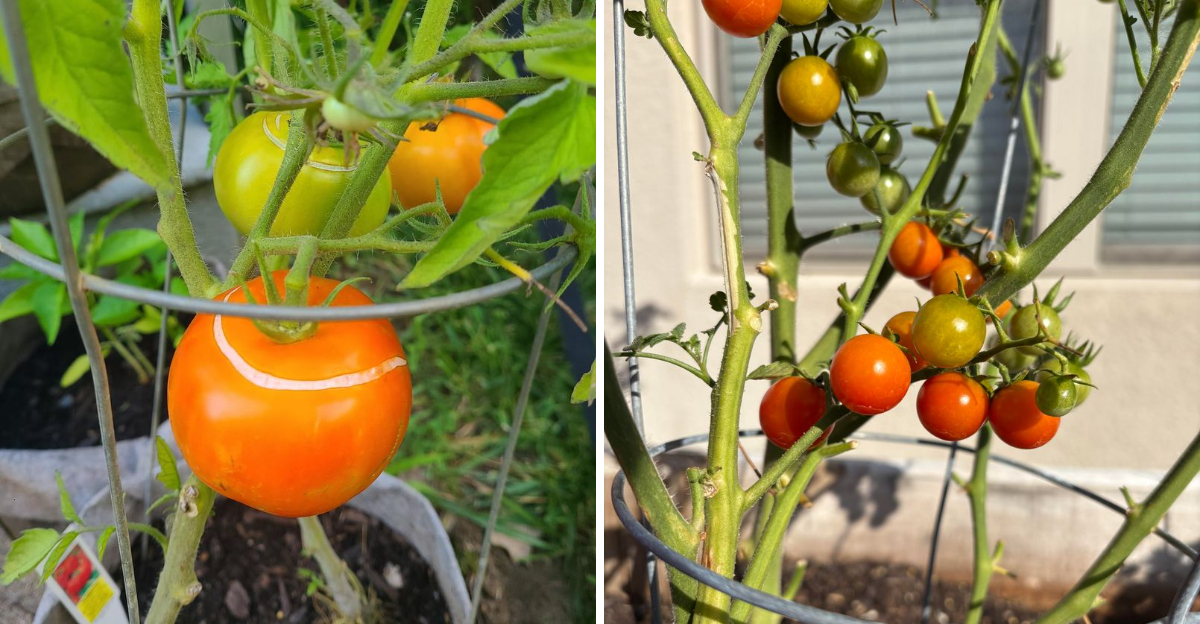
Tomatoes in Arizona gardens can look strong and healthy right up until the moment they are almost ready to harvest, then sudden changes appear on the fruit that catch many gardeners by surprise.
Everything seems on track one day. The next day the tomatoes no longer look the same and something clearly shifts in how they are developing.
This kind of situation shows up more often during intense stretches of the season when weather conditions and plant stress do not stay steady for long.
Many gardeners notice it right at the final stage of ripening, which is usually when expectations are highest and timing feels the most important.
1. Sudden Deep Watering Causes Tomato Skins To Crack
Watering your tomatoes feels like the most caring thing you can do, but doing it all at once after skipping a few days can actually backfire badly.
When tomato plants suddenly receive a large amount of water after a dry spell, the fruit absorbs moisture faster than the skin can stretch.
That rapid internal pressure is what causes those ugly cracks to split outward from the stem.
Arizona summers are intense, and soil dries out incredibly fast in the desert heat. Gardeners often go a day or two without watering, then try to make up for it with a long, deep soak.
That pattern puts enormous stress on the fruit, especially tomatoes that are already close to full size and nearing ripeness.
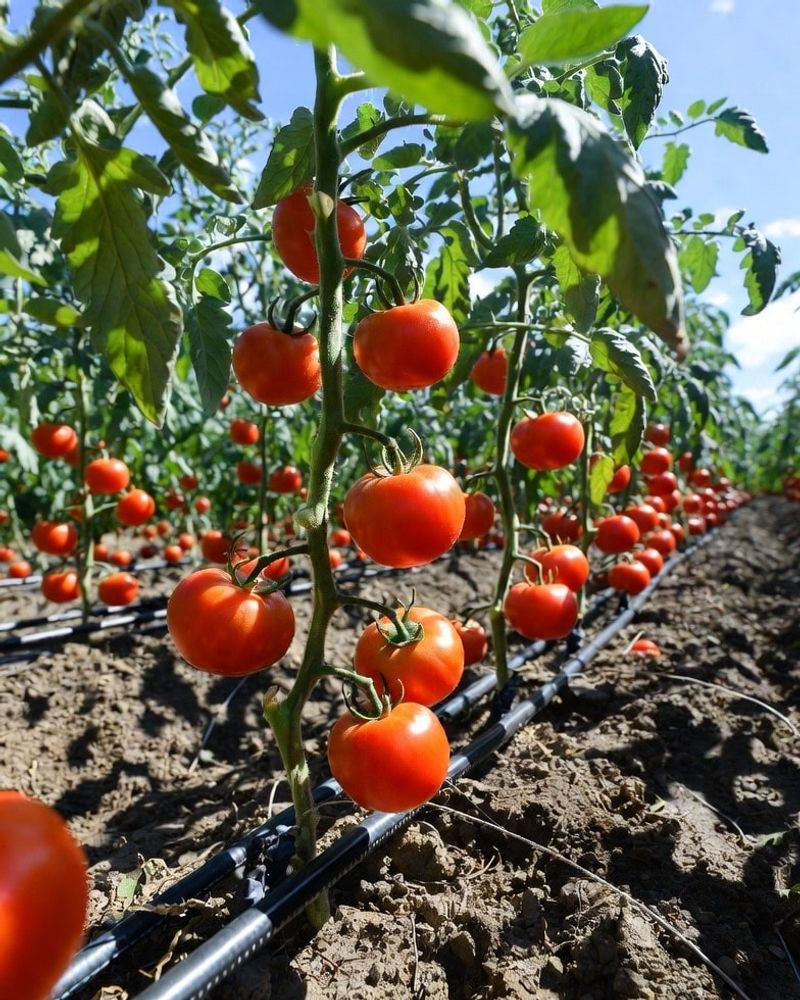
Keeping your watering schedule steady and consistent makes a real difference. Drip irrigation works especially well in Arizona because it delivers small, regular amounts of moisture directly to the root zone.
Soaker hoses are another solid option that keeps the soil evenly moist without flooding the plant all at once.
If you water by hand, try splitting your session into two shorter waterings rather than one long one.
2. Extreme Heat Makes Ripening Tomatoes Split Faster
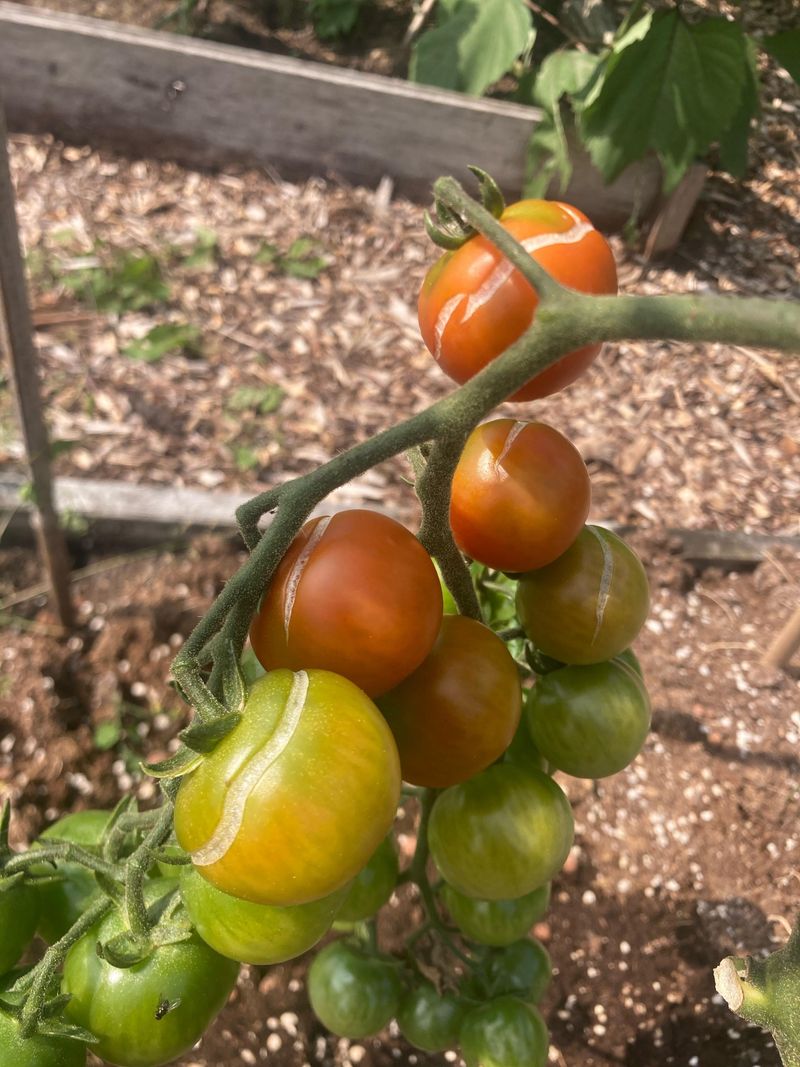
Arizona heat does not just make gardening uncomfortable for you. It actively speeds up the ripening process inside your tomatoes, and that speed creates serious problems.
When temperatures soar past 100 degrees Fahrenheit, tomatoes ripen from the inside out at an accelerated rate. The flesh softens and expands rapidly while the outer skin struggles to keep up.
Skin elasticity decreases as tomatoes mature. A fruit that is nearly ripe has less flexible skin than one that is still green and firm.
Combine that reduced flexibility with the extreme heat Arizona gardeners deal with from June through September, and you have a perfect recipe for splitting before the tomato ever reaches your kitchen.
Shade cloth can be a genuinely useful tool during peak summer months. A 30 to 40 percent shade cloth placed over your tomato plants during the hottest part of the afternoon helps slow down that rapid ripening process.
It will not drop temperatures dramatically, but it reduces the intensity of direct sun hitting your fruit.
Harvesting tomatoes slightly early is another practical strategy worth considering. If a tomato is showing good color and feels slightly soft when you press it gently, picking it and letting it finish ripening indoors keeps it safe from cracking on the vine.
Your Arizona Garden Changes Every Week. Your Plan Should Too.
Gardening in Arizona changes quickly throughout the season. Every Friday you’ll receive a simple weekly plan showing exactly what to plant, prune, fertilize, harvest, and protect so you never miss the right timing.
3. Fast Growth After Monsoon Moisture Stresses Tomato Fruit
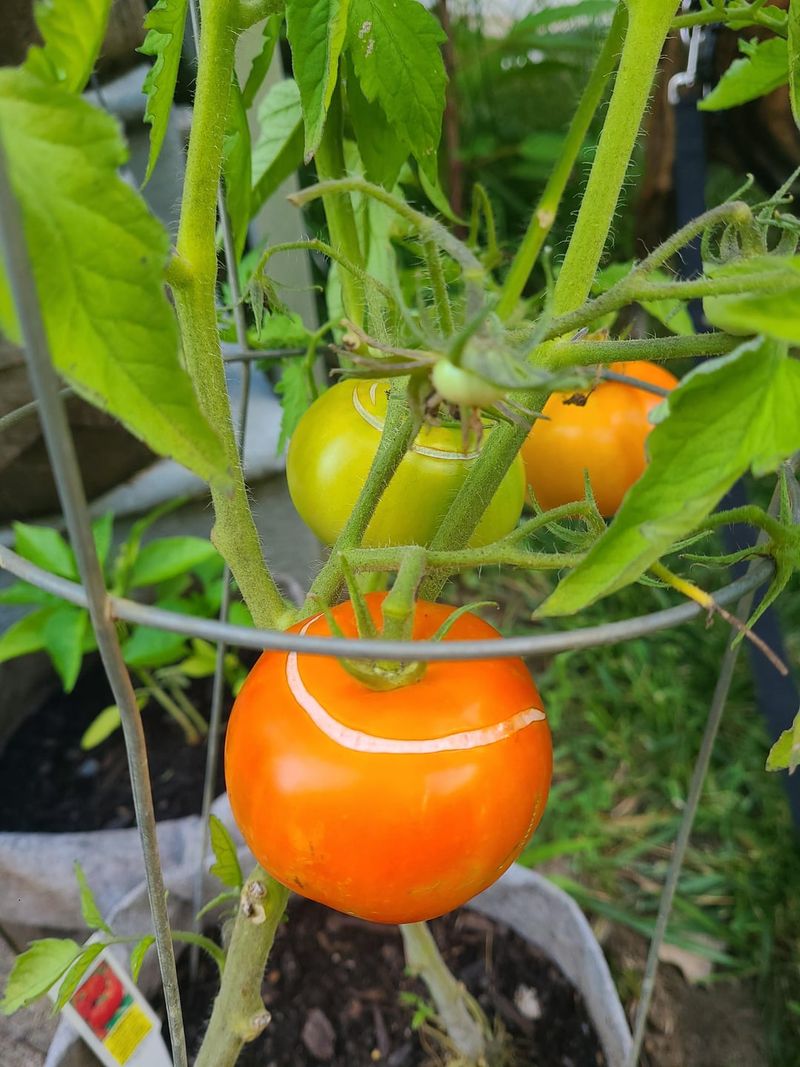
Arizona’s monsoon season arrives like a switch flipping. One week it is bone dry and scorching, then suddenly the sky opens up and dumps inches of rain in just a few hours.
Tomato plants that have been slowly grinding through drought conditions suddenly get flooded with moisture, and the fruit responds almost immediately with a surge of rapid growth.
Cells inside the tomato fill with water faster than the outer skin can accommodate. Picture a balloon being inflated too quickly.
The skin simply cannot expand at the same rate the flesh is swelling, so it splits along the weakest points, usually radiating outward from the stem end or running in long vertical lines down the side of the fruit.
Mulching around your tomato plants before monsoon season starts helps buffer that sudden moisture surge. A thick layer of straw or wood chip mulch slows the rate at which rainwater soaks into the soil, giving the plants a slightly more gradual intake.
It is not a perfect fix, but it reduces the shock of going from dry to saturated in a matter of hours.
Monitoring your plants closely during and right after monsoon rains is important. Harvest any tomatoes that are showing good color before a major storm rolls through your area.
4. Overripe Tomatoes Split More Easily On The Vine
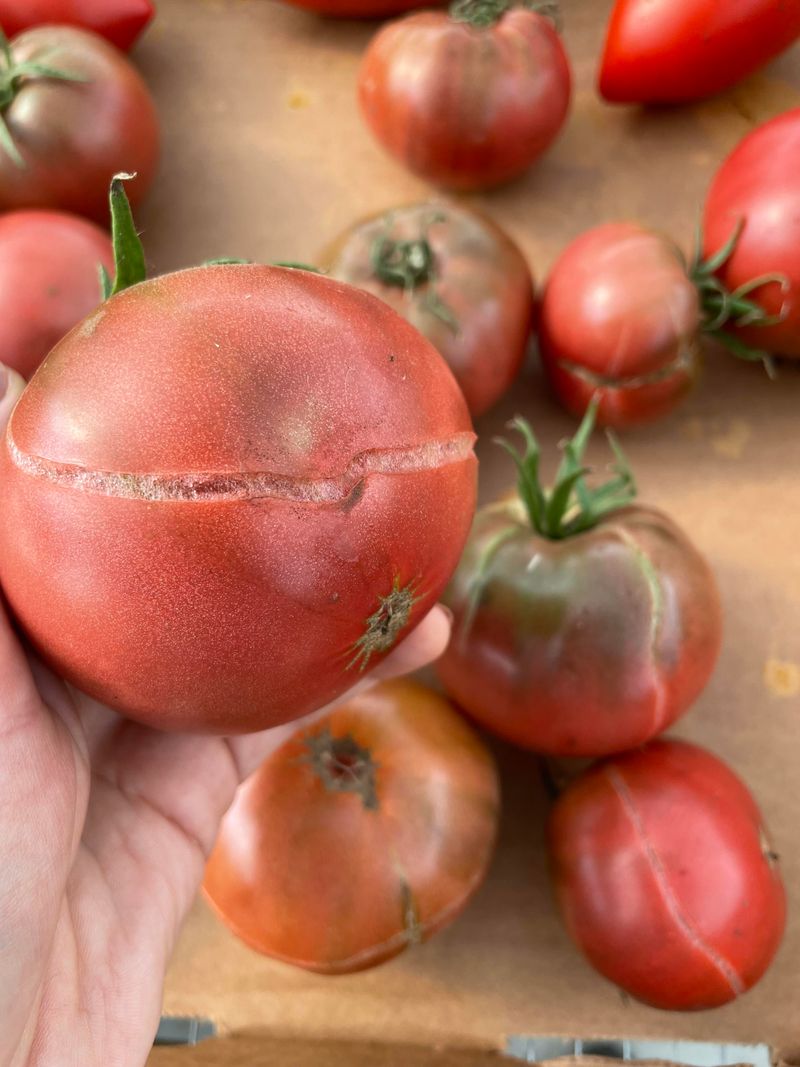
Leaving tomatoes on the vine too long is a habit that costs Arizona gardeners a lot of fruit every season. Once a tomato reaches full ripeness, the skin becomes thinner, softer, and far less resistant to pressure.
Any fluctuation in moisture, whether from irrigation or an afternoon monsoon shower, can push that overripe fruit past its limit almost instantly.
Ripe tomatoes are genuinely fragile. Most people think of cracking as a problem that happens to nearly-ripe fruit, but overripe tomatoes are actually the most vulnerable.
By the time a tomato is fully soft and deeply colored, its skin has already started to break down at a cellular level. Even minor moisture uptake can trigger immediate splitting.
Checking your garden every single day during peak ripening season is not optional in Arizona. A tomato that looks perfect in the morning can be overripe and splitting by late afternoon, especially during hot summer stretches when ripening accelerates dramatically.
Building a daily harvest routine protects your crop more reliably than almost any other strategy.
Pick tomatoes as soon as they show full color and give slightly under light pressure. Letting them finish the last stage of ripening on your kitchen counter, away from direct sunlight, preserves both the texture and the flavor.
5. Inconsistent Soil Moisture Weakens Developing Tomato Skins
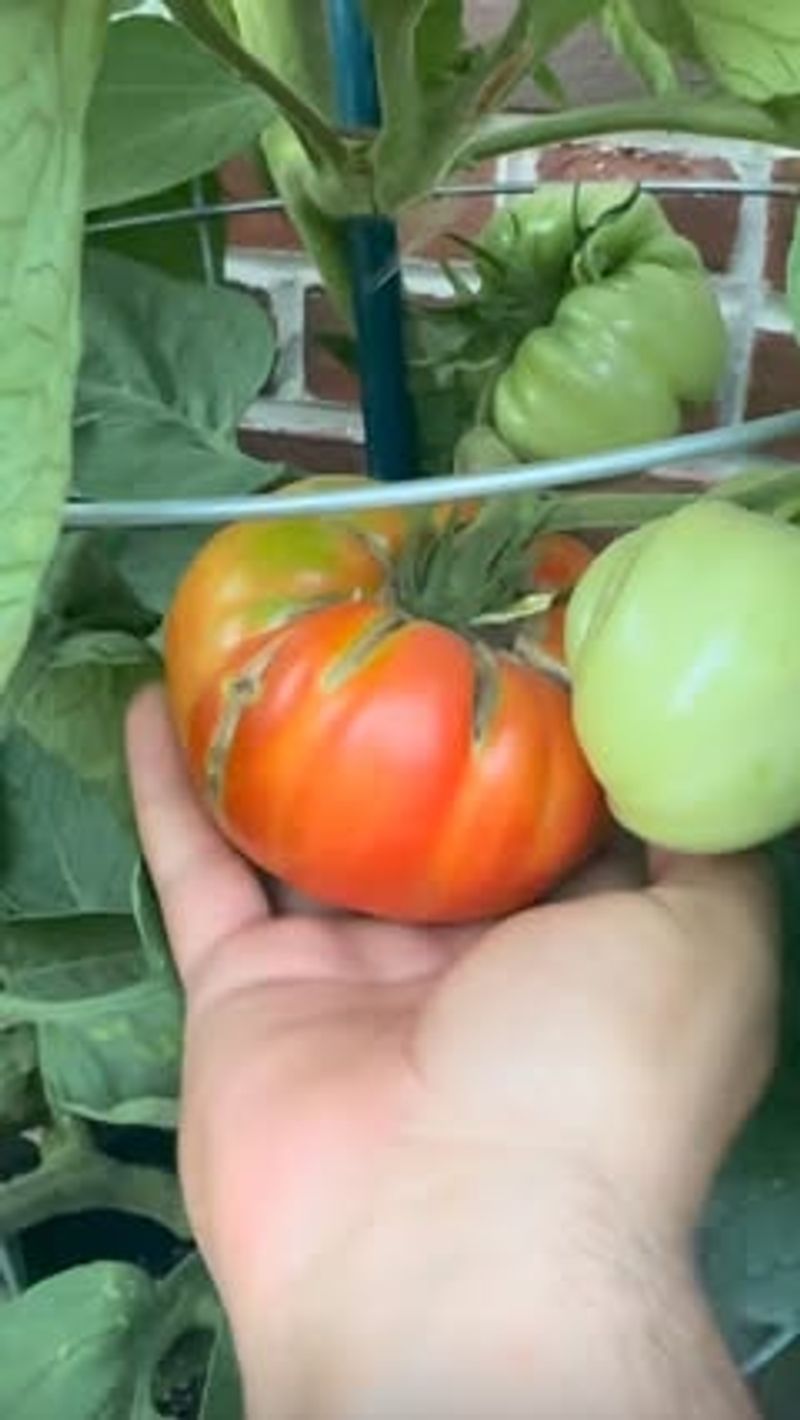
Soil that swings between soaking wet and bone dry does something damaging to tomatoes that most gardeners never connect to cracking.
When moisture levels fluctuate dramatically during the time a tomato is actively developing and growing, the skin forms unevenly.
Some layers thicken and toughen while others stay thin, creating weak spots that split under pressure later.
Arizona soil tends to be sandy or caliche-heavy in many areas, which makes consistent moisture retention genuinely difficult. Sandy soil drains extremely fast, meaning the root zone can go from saturated to dry within a day.
Caliche layers underneath the topsoil block drainage in other spots, creating waterlogged pockets that confuse the plant’s water uptake patterns.
Amending your soil with compost is one of the most practical things you can do to improve moisture consistency. Compost helps sandy soil hold water longer and improves drainage in dense, compacted soil.
Working in a few inches of good compost before planting and topdressing throughout the season makes a noticeable difference in how evenly your soil retains moisture.
A soil moisture meter is a worthwhile investment for Arizona gardeners dealing with splitting problems. Guessing when to water is far less reliable than actually checking the moisture level a few inches below the surface.
6. Heavy Irrigation After Dry Soil Increases Cracking Problems
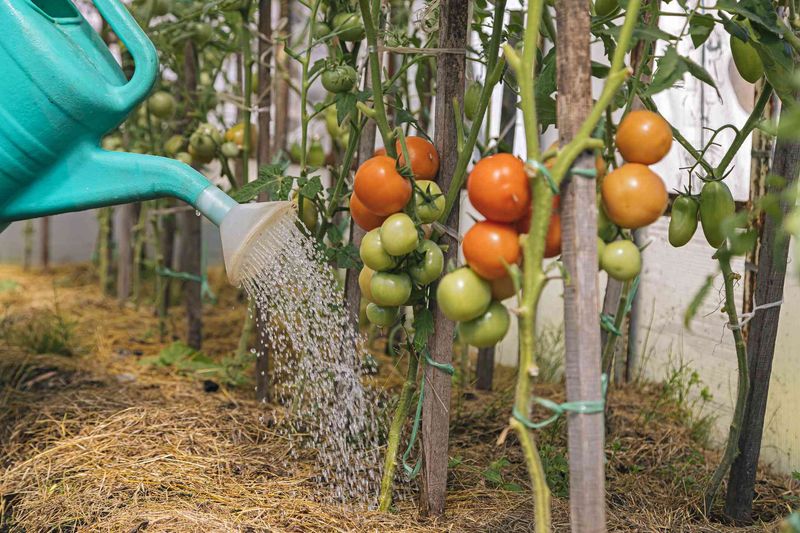
Running your drip system for twice as long as usual because you forgot to water yesterday is a setup for cracking, even if it feels like the responsible move. Dry soil does not absorb water evenly.
Water rushes through channels in the soil and reaches the root zone in an uneven, patchy way, causing the plant to take up moisture in sudden bursts rather than a steady flow.
Roots that have been sitting in dry soil are primed to absorb aggressively the moment water becomes available. That aggressive uptake sends a flood of moisture directly into the fruit, which is already under pressure from Arizona’s intense heat.
The combination of parched roots suddenly drinking deeply and a nearly ripe tomato struggling to expand is exactly what causes cracking to happen.
Letting your soil dry out completely between waterings is the core mistake to avoid. Checking soil moisture before each watering session keeps you from accidentally letting it get too dry.
A simple finger test works fine for most gardeners. Push your finger about two inches into the soil near the base of the plant.
If it feels dry at that depth, water now rather than waiting another day.
Mulch helps here too, working to slow evaporation and keep the soil from reaching that bone-dry state between waterings.
7. Thin Skinned Varieties Often Split In Summer Heat
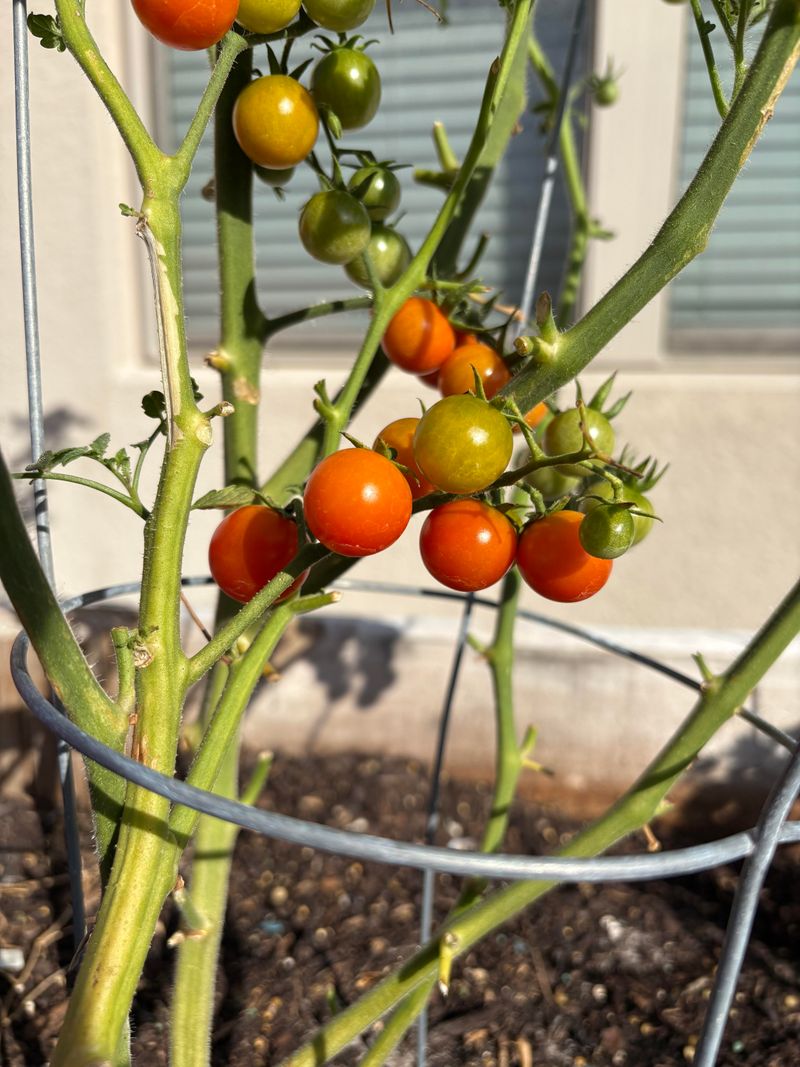
Not every tomato is built to survive an Arizona summer.
Thin-skinned heirloom varieties like Cherokee Purple, Brandywine, and many other beloved heirlooms produce incredible flavor, but their skins are genuinely fragile under the stress of extreme heat and inconsistent moisture.
Choosing the wrong variety for your region can make cracking almost unavoidable, no matter how carefully you water.
Heirloom tomatoes were developed in cooler, more temperate climates where skin thickness mattered less. Arizona conditions are a completely different challenge.
The combination of scorching temperatures, intense sun, and the dramatic moisture swings that come with monsoon season creates pressure that thin-skinned varieties simply cannot handle as well as thicker-skinned types.
Varieties bred specifically for heat tolerance and crack resistance perform significantly better in Arizona gardens. Look for types labeled crack-resistant on seed packets or plant tags.
Celebrity, Solar Fire, and Heatmaster are examples of varieties that have been developed with conditions similar to Arizona in mind. Heatmaster in particular was specifically bred to set fruit and resist cracking under high-temperature stress.
Growing heirlooms in Arizona is still possible if you love them, but it requires extra attention.