This Is Why Your Ohio Hydrangeas Look Healthy But Won’t Flower
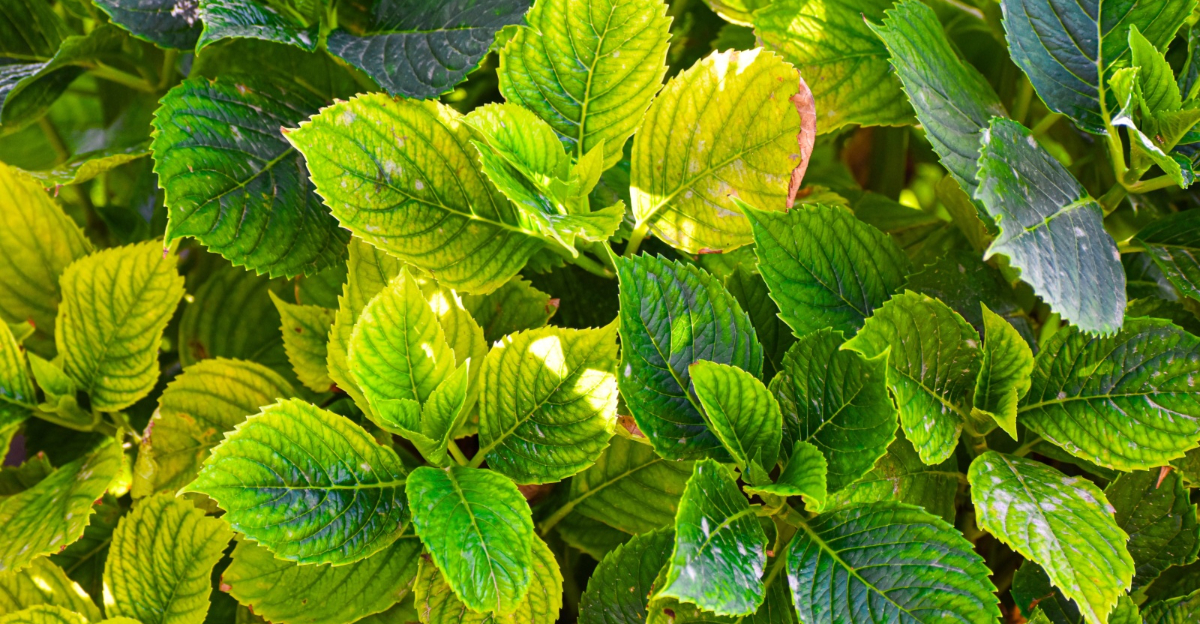
Your hydrangea is big, green, and packed with healthy leaves… yet somehow the blooms never show up. Sound familiar?
You are not alone. Across Ohio, homeowners are growing gorgeous plants that refuse to flower, and the reason usually has nothing to do with fertilizer or bad luck.
One small mistake in timing, placement, or pruning can shut down bloom production for an entire season. The worst part?
Most gardeners do this without realizing it and wonder why their shrubs keep teasing them year after year. Imagine stepping outside to massive colorful blooms instead of endless leafy growth.
That result is closer than you think. Once you understand what actually triggers hydrangeas to set buds in Ohio’s climate, everything changes.
If your plant looks healthy but keeps skipping flower season, this might explain exactly what is holding it back.
1. Bad Pruning Timing Destroys Bloom Potential
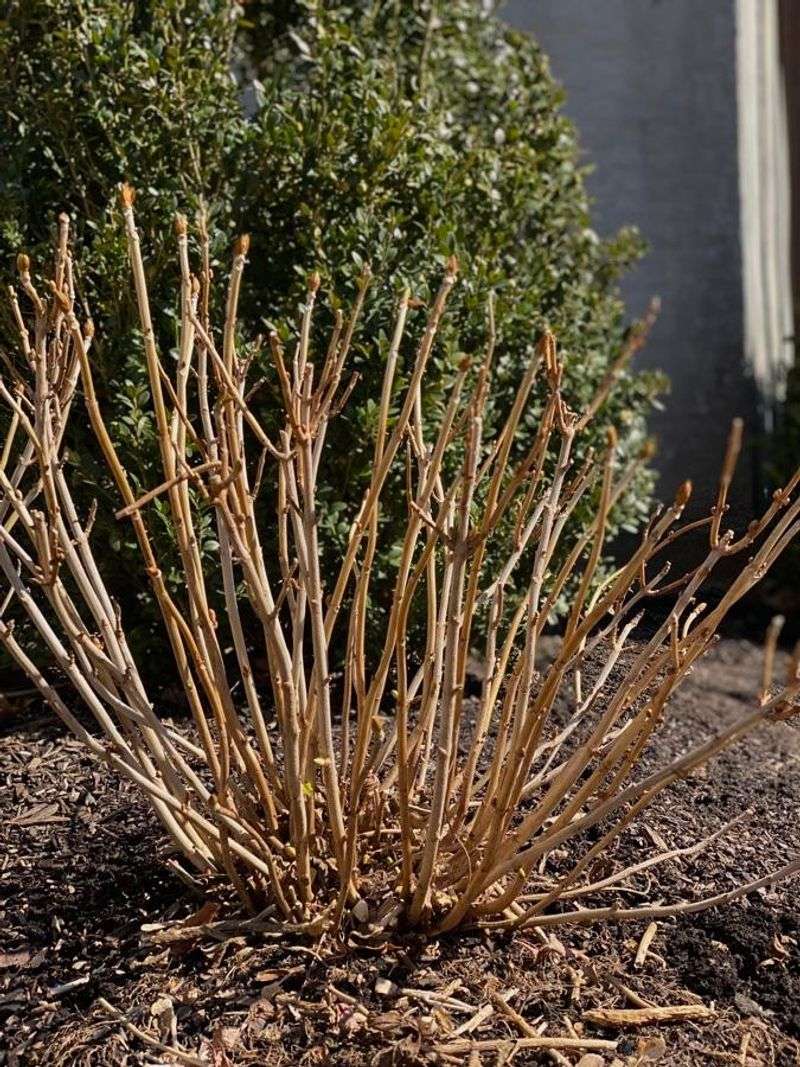
Cutting back your hydrangeas at the wrong time ranks as the number one reason they won’t flower in Ohio gardens. Many varieties set their flower buds on old wood from the previous season.
When you trim these stems in fall or early spring, you’re actually removing next summer’s blooms before they even have a chance to develop.
Bigleaf hydrangeas and oakleaf types are especially sensitive to pruning timing. They form their buds in late summer and carry them through winter.
A well-meaning trim in March might make your plant look tidy, but it also removes every potential flower.
Timing matters more than technique when it comes to hydrangea care. Most Ohio gardeners should wait until right after blooming finishes to do any major pruning.
This gives the plant plenty of time to set new buds for next year.
Some newer reblooming varieties can flower on both old and new wood, which gives you more flexibility. However, even these types produce their best display on old wood.
Learning your specific hydrangea variety helps you avoid accidentally cutting away your blooms.
If you must tidy up your plants, stick to removing damaged wood and spent flowers only. Save any significant pruning for right after the blooming period ends in late summer.
This simple timing adjustment can transform a leafy green bush into a flowering showpiece.
2. Late Frosts Wipe Out Flower Buds
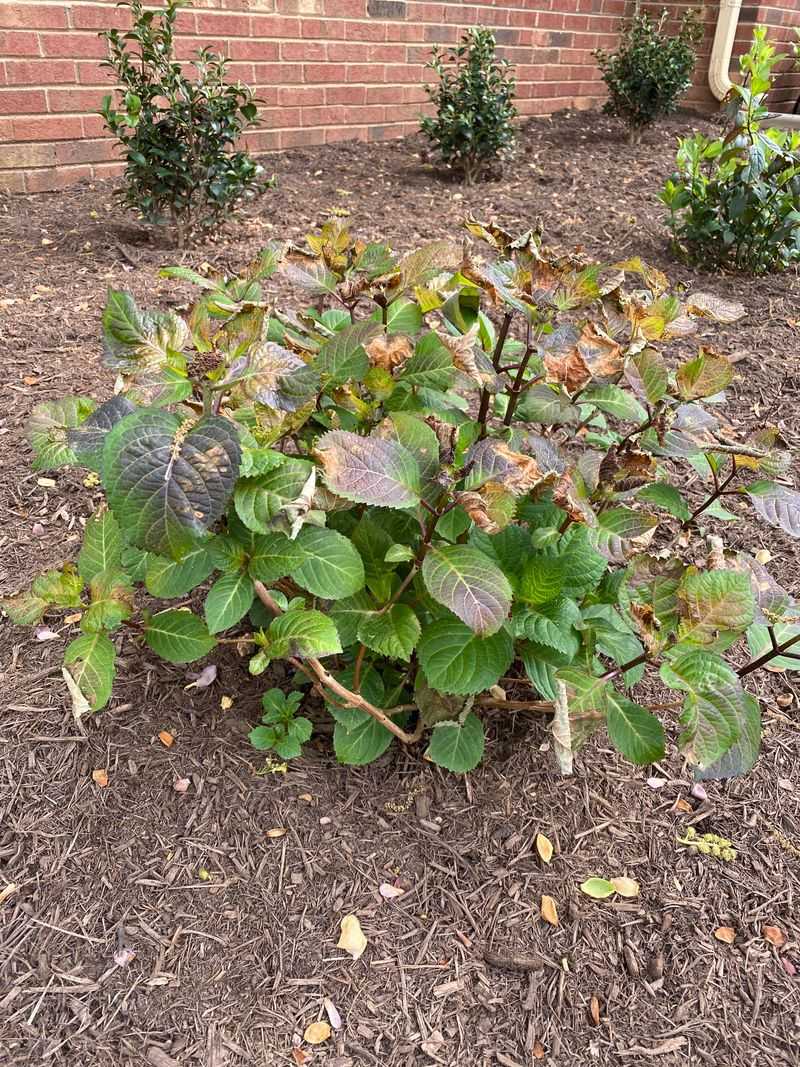
Spring weather in Ohio can be tricky, with warm days followed by sudden freezing nights. These late frost events cause serious damage to tender hydrangea buds that have already started swelling.
The buds might look fine at first, but they’ve actually been damaged beyond recovery and won’t develop into flowers.
Hydrangea flower buds are much more vulnerable to cold than the woody stems and leaves. Even a brief dip below freezing can destroy them completely.
You’ll notice the damage as buds turn brown or black, shrivel up, or simply stop developing as temperatures warm.
Location plays a huge role in frost protection across Ohio. Plants near buildings or under tree canopies often escape damage that hits exposed bushes in open areas.
Northern-facing spots tend to warm up more slowly in spring, which can actually protect buds from starting too early.
Covering your hydrangeas with sheets or burlap when frost threatens can save your blooms. Check weather forecasts carefully during April and early May, when Ohio often experiences these damaging cold snaps.
Remove covers during the day to prevent overheating.
Choosing cold-hardy varieties bred for Midwest conditions helps reduce frost problems. Smooth hydrangeas and panicle types bloom on new wood, making them much more reliable in areas with unpredictable spring weather.
They start fresh each season instead of relying on vulnerable overwintering buds.
3. Too Much Shade Stops Flowering
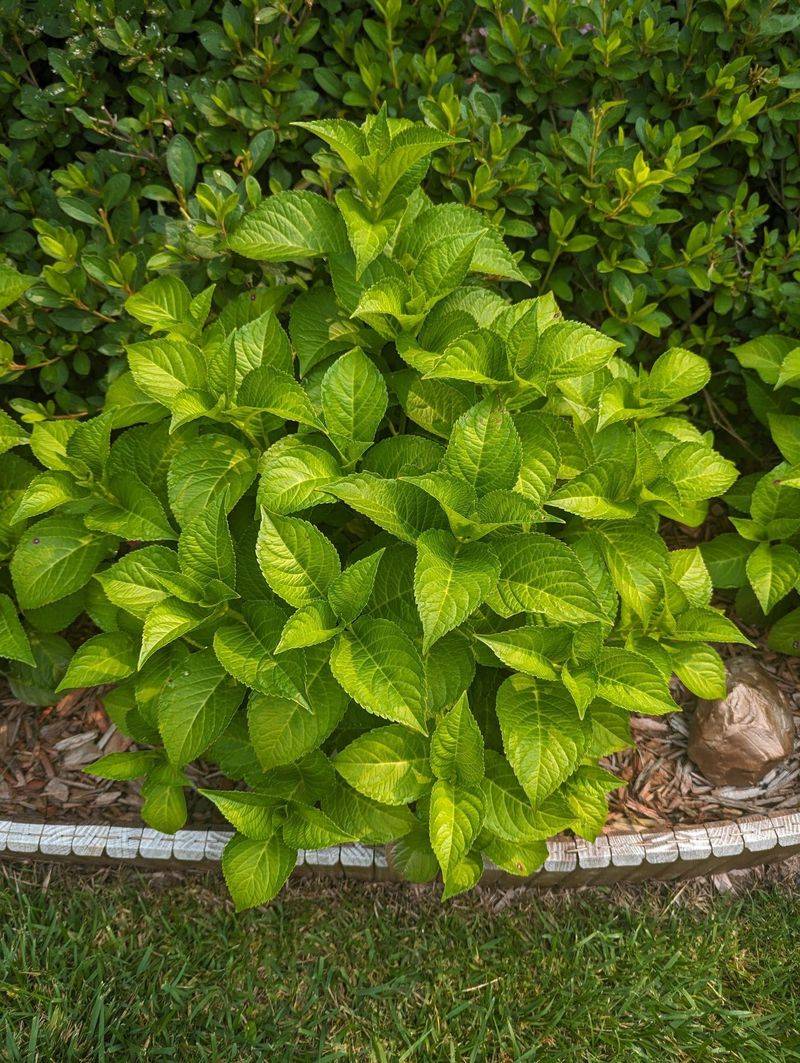
Hydrangeas need the right balance of sun and shade to produce flowers. While these plants appreciate some protection from harsh afternoon sun, too much shade sends them into survival mode.
They’ll focus all their energy on growing leaves to capture whatever light they can find, completely skipping flower production.
Most hydrangea varieties perform best with morning sun and afternoon shade in Ohio. This gives them the energy they need for blooming while protecting delicate petals from scorching.
Plants tucked under dense tree canopies or on the north side of buildings often get insufficient light.
Watch how sunlight moves across your yard throughout the day. Areas that seem bright enough in morning might be completely shaded by afternoon.
Hydrangeas typically need at least four to six hours of sunlight daily to bloom well, though some varieties tolerate more shade than others.
Panicle hydrangeas can handle more sun than bigleaf types, making them great choices for sunnier spots. Oakleaf varieties work well in partial shade but still need some direct light.
Smooth hydrangeas fall somewhere in the middle, adapting to various light conditions.
If your hydrangeas are stuck in too much shade, consider transplanting them to a brighter location. Fall is the best time for moving established plants in Ohio.
You can also try trimming back overhanging branches to let more light reach your bushes without completely relocating them.
4. High Nitrogen Feeds Leaves Instead Of Blooms
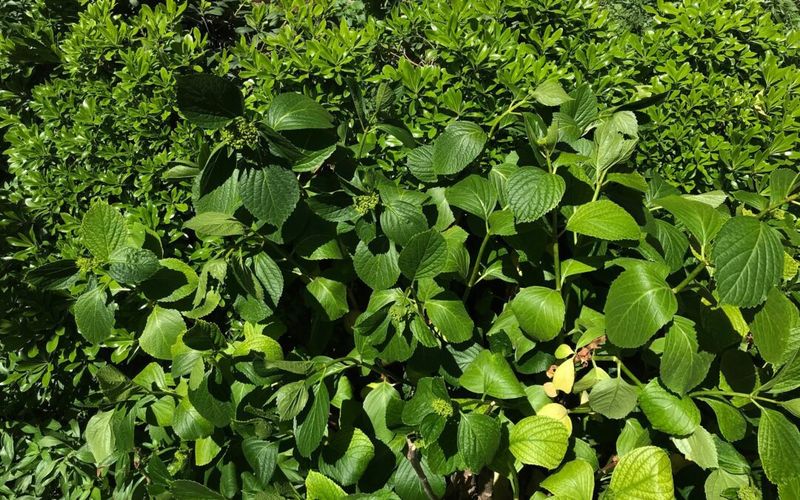
Fertilizer seems like it should help plants bloom better, but the wrong type actually prevents flowering. High nitrogen fertilizers push hydrangeas to produce lots of lush, green leaves at the expense of flower buds.
Your plant ends up looking incredibly healthy while completely ignoring its blooming duties.
Nitrogen is the first number on fertilizer packages, and lawn fertilizers typically contain very high amounts. When lawn fertilizer drifts onto nearby hydrangea beds, or when gardeners mistakenly use it on ornamental plants, it creates this exact problem.
The plants grow big and green but refuse to flower.
Hydrangeas actually need more phosphorus than nitrogen for good bloom production. Phosphorus is the middle number on fertilizer labels and supports flower and root development.
A balanced fertilizer or one slightly higher in phosphorus works much better than nitrogen-heavy products.
Ohio soils often contain adequate nitrogen naturally, especially in areas with lots of organic matter. Adding more through fertilizer becomes unnecessary.
Many successful hydrangea growers use very little fertilizer, relying instead on compost and mulch to provide gentle, balanced nutrition.
If you’ve been feeding your hydrangeas heavily, stop for a season and see what happens. The excess nitrogen will gradually work its way out of the soil.
Switch to a bloom-boosting fertilizer formulated for flowering shrubs, applied sparingly in early spring. Compost worked into the soil provides slow-release nutrients without the bloom-blocking nitrogen overload.
5. Winter Damage Targets Buds First
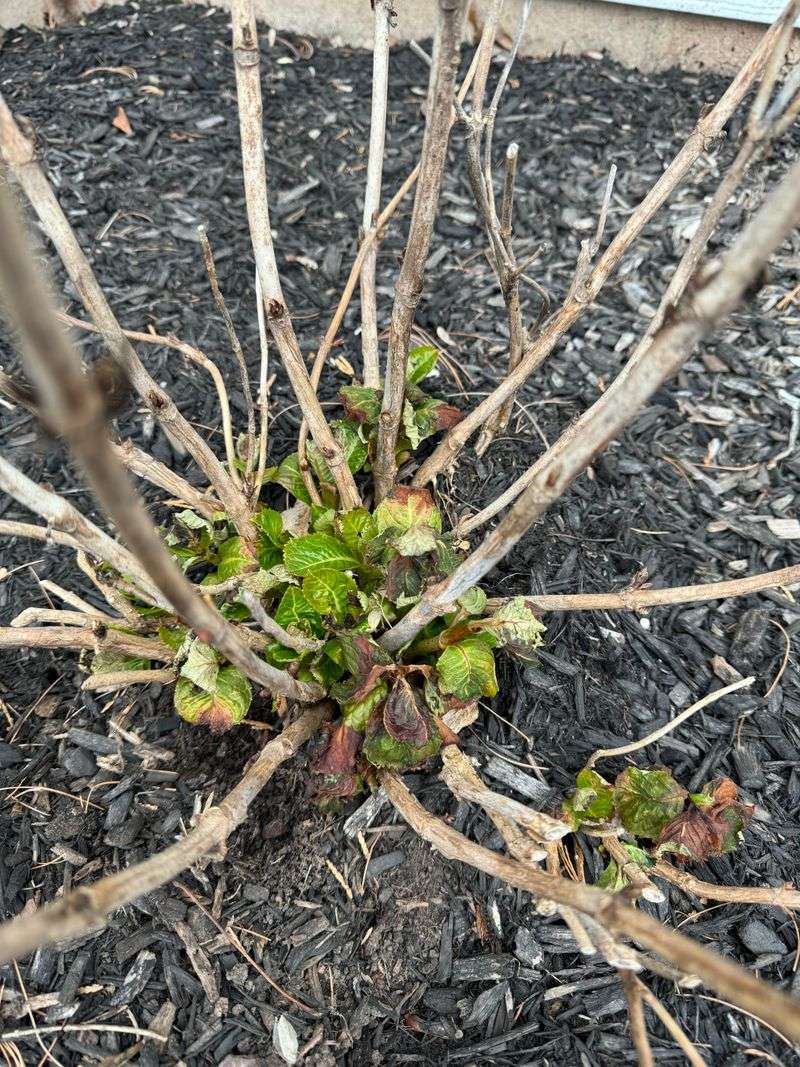
Ohio winters can be brutal on hydrangeas, especially during years with extreme cold or dramatic temperature swings. While the main plant structure might survive just fine, the tender flower buds often don’t make it through.
This leaves you with a perfectly healthy-looking bush come spring that produces zero blooms.
Temperature fluctuations cause more damage than steady cold in many cases. When warm spells trick buds into breaking dormancy early, they become vulnerable to the next cold snap.
This pattern happens frequently across Ohio, where January might bring a 60-degree day followed by single digits the next week.
Wind and lack of snow cover make winter damage worse. Exposed buds dry out and freeze more severely than protected ones.
Areas of your yard that stay snow-covered longer often see better bud survival because snow acts as insulation.
Mulching heavily around the base of your hydrangeas before winter helps protect the lower buds and roots. Pile mulch several inches deep in a wide circle, keeping it pulled back slightly from the main stems.
This creates a protective blanket that moderates soil temperature.
Burlap wraps or wire cages filled with leaves can shield entire plants in especially harsh locations. These barriers break the wind and trap warm air around the buds.
Remove protection gradually in spring as temperatures stabilize to avoid shocking the plant with sudden exposure to elements.
6. Old Wood Confusion Ruins Flower Cycles
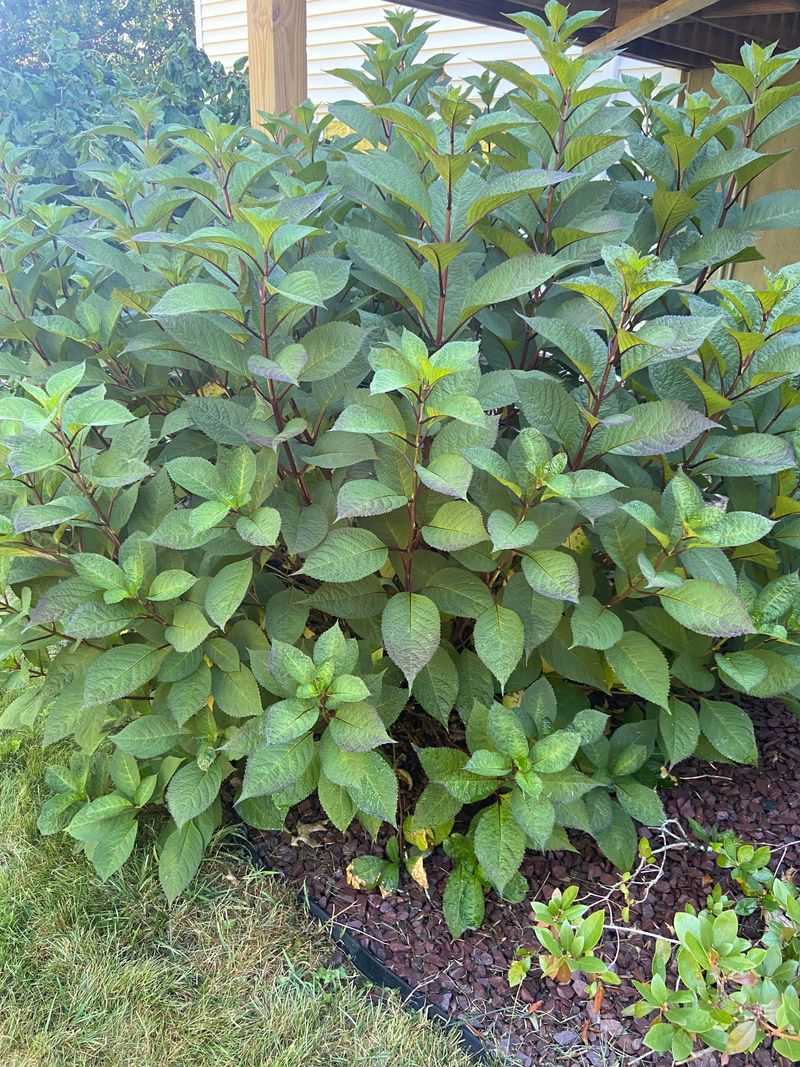
Understanding the difference between old wood and new wood bloomers prevents countless flowering problems. Old wood hydrangeas bloom on stems that grew the previous year, while new wood types flower on current season’s growth.
Treating an old wood variety like a new wood one guarantees you’ll remove all the flower buds.
Bigleaf hydrangeas, including mopheads and lacecaps, almost always bloom on old wood. These popular varieties dominate Ohio gardens but confuse many growers.
Oakleaf hydrangeas also fall into the old wood category, setting their buds in late summer for next year’s show.
Panicle and smooth hydrangeas bloom on new wood, making them much more forgiving. You can cut these back hard in early spring without losing any flowers.
They’ll grow fresh stems and bloom the same season, which explains why they’re so reliable in Ohio’s challenging climate.
Some modern cultivars claim to bloom on both old and new wood, offering the best of both worlds. However, even these perform better when you preserve some old wood.
The biggest, earliest blooms still come from buds that overwintered on last year’s stems.
Check plant tags or research your specific variety to know which category it falls into. This simple step prevents years of frustration and disappointment.
Once you know what type you have, you can adjust your pruning and care routine accordingly for maximum flowering success.
7. Dry Soil Blocks Bud Formation
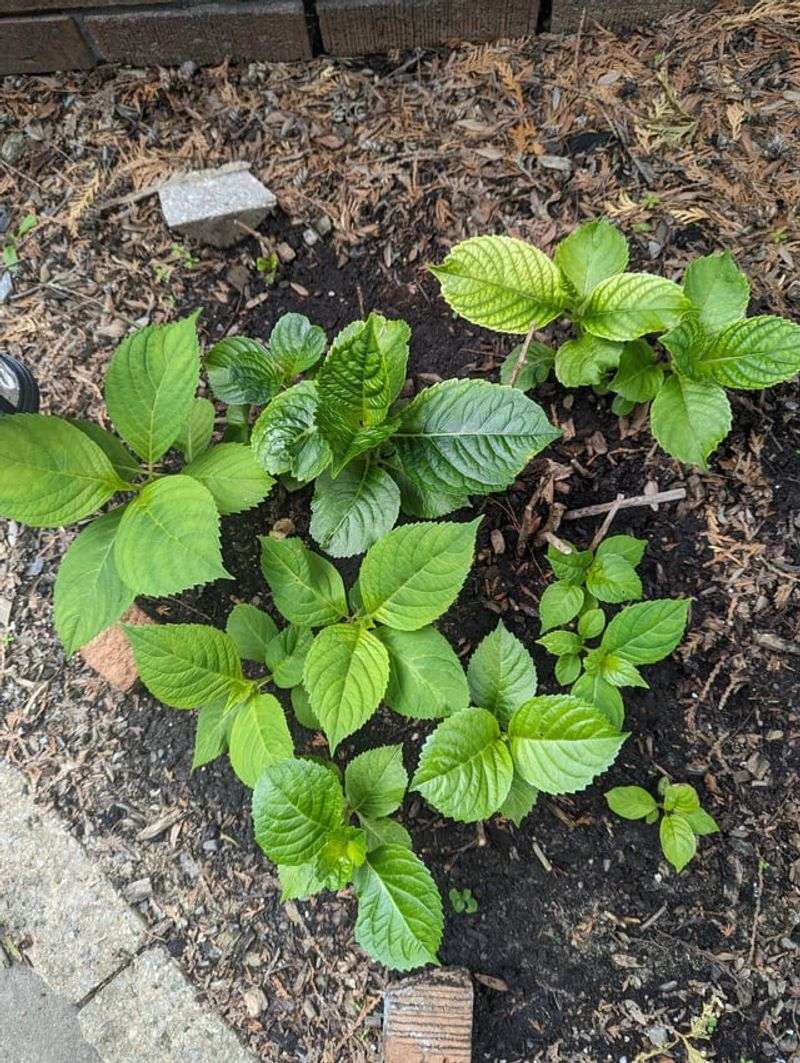
Hydrangeas earned their name from the Greek words for water vessel, and they live up to it. These plants need consistent moisture to form flower buds, especially during the critical late summer period when next year’s blooms develop.
Drought stress during bud formation means no flowers the following season, even if the plant survives.
Ohio summers can bring extended dry periods that stress hydrangeas severely. When soil moisture drops too low, plants shift into survival mode and stop investing energy in flower bud production.
They focus entirely on keeping existing leaves alive and maintaining basic functions.
The timing of drought matters tremendously. Dry conditions in July and August directly impact next year’s flowering on old wood varieties.
New wood bloomers suffer when spring and early summer turn dry, preventing current season bud development. Either way, inadequate water means fewer or no blooms.
Hydrangeas growing in containers or sandy soils face even greater moisture challenges. These situations require more frequent watering than plants in ground-level beds with heavier soil.
Mulch helps tremendously by reducing evaporation and keeping soil temperatures moderate.
Deep watering once or twice weekly works better than frequent shallow sprinkling. Encourage roots to grow deep where moisture stays more consistent.
Soaker hoses or drip irrigation deliver water efficiently right to the root zone without wasting it on leaves. Morning watering allows foliage to dry before nightfall, reducing disease problems while keeping roots happy.
8. Poor Soil Starves Bloom Production
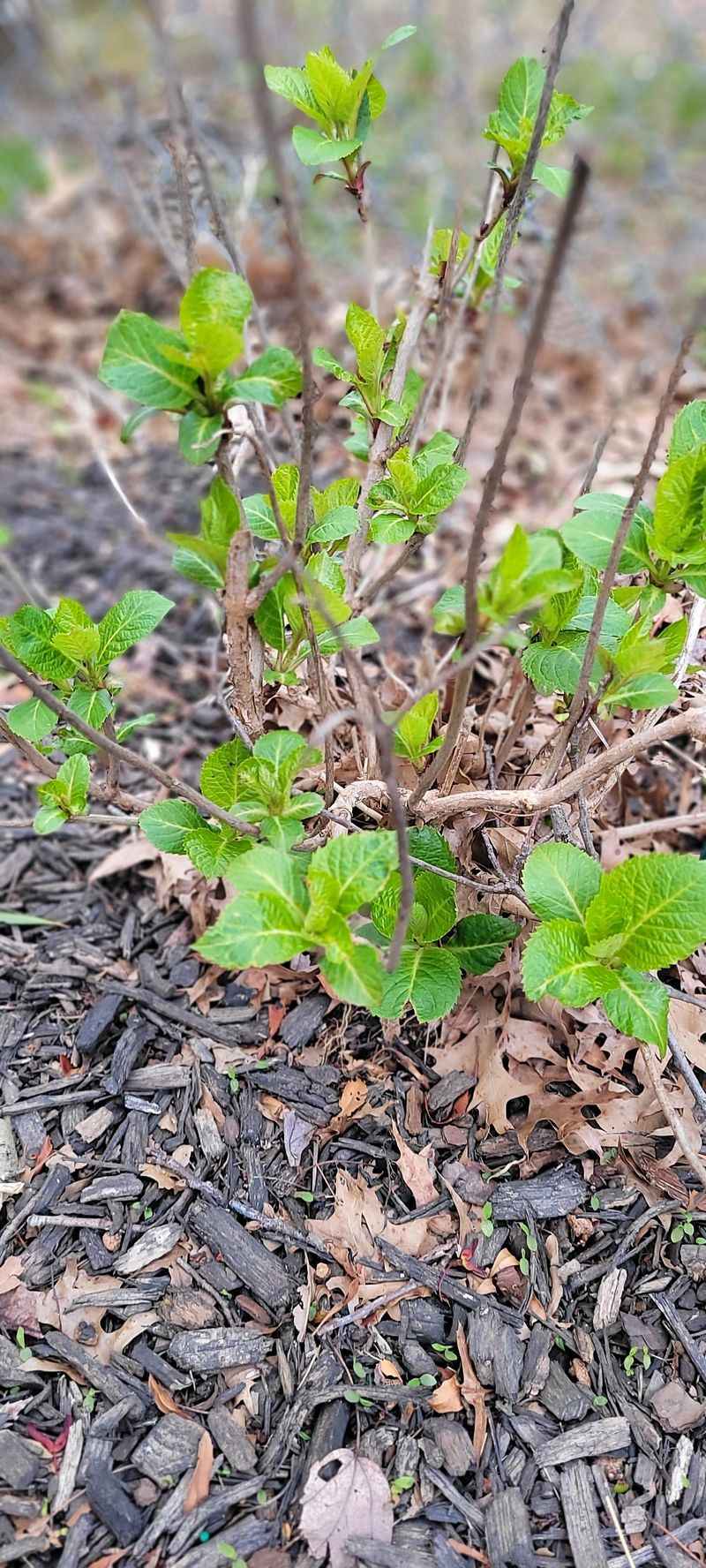
Soil quality affects every aspect of plant health, and hydrangeas are particularly sensitive to what’s happening underground. Heavy clay soils common across much of Ohio can suffocate roots and prevent proper nutrient uptake.
Compacted soil blocks both water and air movement, creating conditions where flowering becomes impossible even when the plant looks decent.
Hydrangeas prefer rich, well-draining soil loaded with organic matter. They struggle in pure clay that stays waterlogged or in sandy soil that drains too quickly.
Either extreme prevents the steady moisture and nutrient availability these plants need for bloom production.
Soil pH plays a crucial role beyond just affecting flower color. Extremely acidic or alkaline conditions lock up nutrients, making them unavailable to plant roots.
Most hydrangeas perform best in slightly acidic to neutral soil, though they can adapt to a range of conditions.
Testing your soil reveals exactly what you’re working with and what amendments might help. Ohio State University Extension offices offer affordable soil testing services.
Results tell you pH levels and nutrient availability, taking the guesswork out of soil improvement.
Amending soil with compost improves both clay and sandy conditions. Compost lightens heavy clay while adding water-holding capacity to sand.
Work several inches of quality compost into the planting area before setting hydrangeas, then add more as mulch annually. This steady organic matter input creates ideal conditions for robust flowering over time.