This January Yard Clean-Up In Georgia Makes Spring Work Much Easier
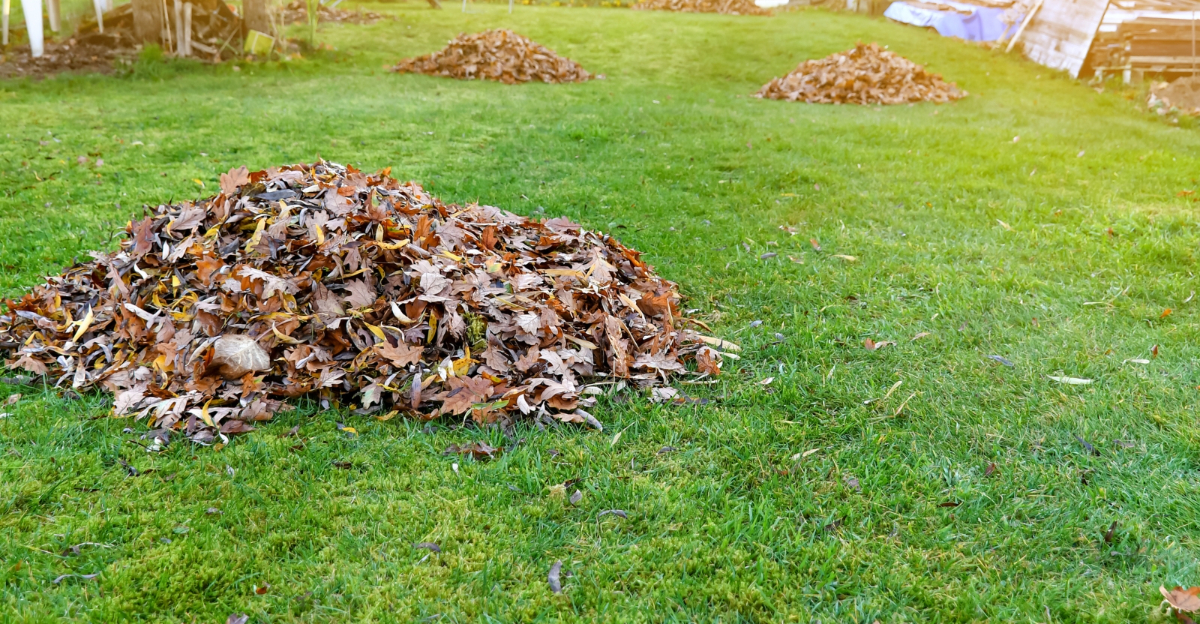
January yard clean-up in Georgia gets ignored because winter never feels urgent here, yet that choice quietly reshapes how stressful and chaotic spring ends up becoming.
What stays on the ground now almost always turns into heavier, wetter, harder-to-handle work once temperatures rise and growth accelerates.
Leaves, broken branches, and collapsed plant material continue piling up well past December, especially with Georgia’s mix of rain, wind, and mild cold snaps.
When debris is left in place through winter, soil stays cooler longer, moisture hangs around where it shouldn’t, and early growth starts behind before planting season even opens. That delay doesn’t disappear on its own, it stacks onto every task that follows.
Spring already moves fast in Georgia, with narrow planting windows and sudden warm spells that don’t wait.
Clearing beds in January shifts the hardest work into a slower, more forgiving part of the year, when weather cooperates and timing pressure barely exists.
That early reset is what makes spring feel organized and manageable instead of rushed and overwhelming.
1. Clearing Fallen Leaves And Dormant Plant Debris In January
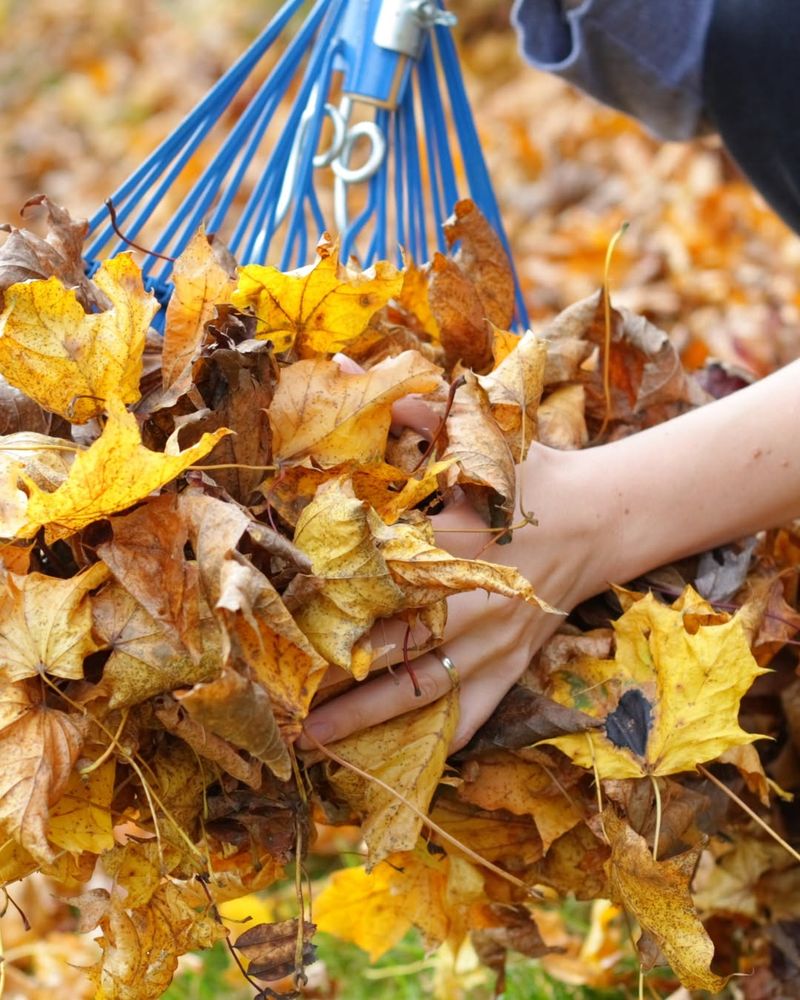
Most people think of fall as leaf season, but plenty of material keeps dropping through December. Branches crack off during cold snaps, flower stalks collapse, and wind scatters more debris across Georgia lawns well into winter.
Getting all that stuff off your property now prevents it from smothering new growth when temperatures rise.
Rakes and leaf blowers make quick work of what piled up over the holidays. You can bag everything for curbside pickup or start a compost pile if your neighborhood allows it.
Either way, exposing bare soil to sunlight helps warm the ground faster come February.
Georgia winters rarely stay frozen for long, so you won’t be fighting ice or snow. Mild afternoons give you perfect conditions to haul away leftover plant material without sweating through your shirt.
Clearing paths and garden beds now also reveals what needs attention before planting season kicks off.
Old stalks and soggy leaves create hiding spots for insects that damage tender shoots in spring. Removing them reduces pest pressure later on.
Your yard looks tidier too, which makes neighbors happy and gives you a head start on curb appeal.
Bare beds dry out faster after rain, so soil won’t stay muddy as long. That means you can walk around without creating ruts or compacting wet ground.
Better drainage also helps roots breathe and prevents fungal issues that thrive in damp conditions.
Some debris hides under shrubs or along fence lines where it’s easy to miss. Take time to check those spots and pull out anything stuck in corners.
A thorough cleanup now saves you from discovering unpleasant surprises when you’re ready to plant flowers.
2. Why Old Yard Debris Slows Spring Growth
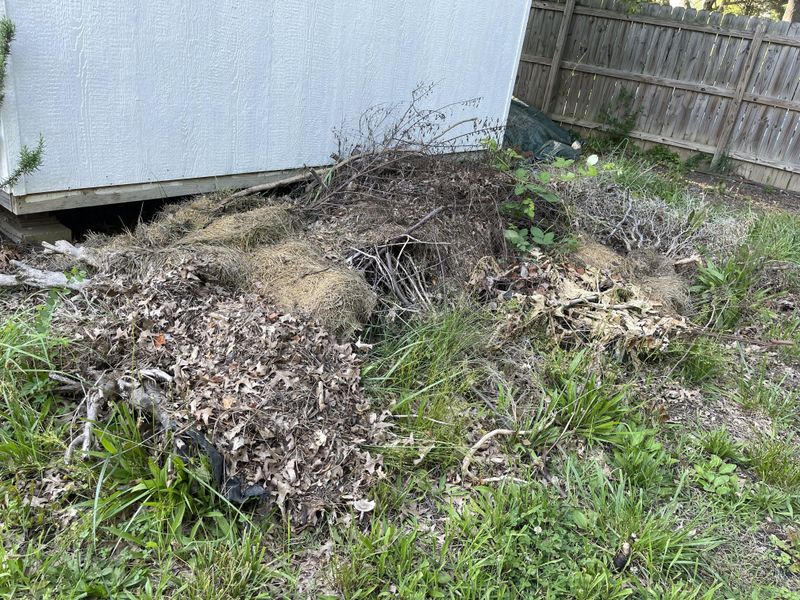
Thick layers of leftover leaves and stems act like a blanket that keeps soil cool and damp. Sunlight can’t penetrate the mess, so the ground takes longer to warm up in Georgia’s early spring.
Seeds and bulbs need heat to sprout, and anything blocking the sun delays that process by weeks.
Decomposing plant matter also ties up nitrogen as it breaks down. Microbes in the soil grab available nutrients to fuel their work, leaving less for new roots to absorb.
Your plants end up competing with bacteria for food, which stunts early growth and makes everything look scraggly.
Wet debris forms a dense mat that prevents air circulation around the soil surface. Roots need oxygen just as much as water, and suffocating them under soggy leaves weakens plants before they even emerge.
Poor airflow also encourages mold and mildew, which spread quickly in humid Georgia conditions.
Old stalks and twigs create obstacles that make it hard to spread mulch or fertilizer evenly. You’ll waste time moving piles around instead of focusing on productive tasks.
Uneven coverage means some areas get too much amendment while others get none, leading to patchy growth.
Leftover debris also hides the true condition of your soil. You can’t tell if beds need leveling or if erosion created low spots until you clear away the mess.
Discovering problems in March means scrambling to fix them when you should be planting, which throws off your entire schedule.
Georgia’s spring rains can turn matted leaves into a slimy, slippery hazard. Walking on them compacts the layer even more, making it harder for seedlings to push through.
You’ll also track mud and muck everywhere, which adds unnecessary cleanup to your already busy routine.
Removing old debris in January gives soil time to settle and microbes time to stabilize. By the time planting season arrives, your beds are ready to support vigorous growth instead of fighting against leftover barriers.
3. How Winter Moisture Turns Piles Into Problems
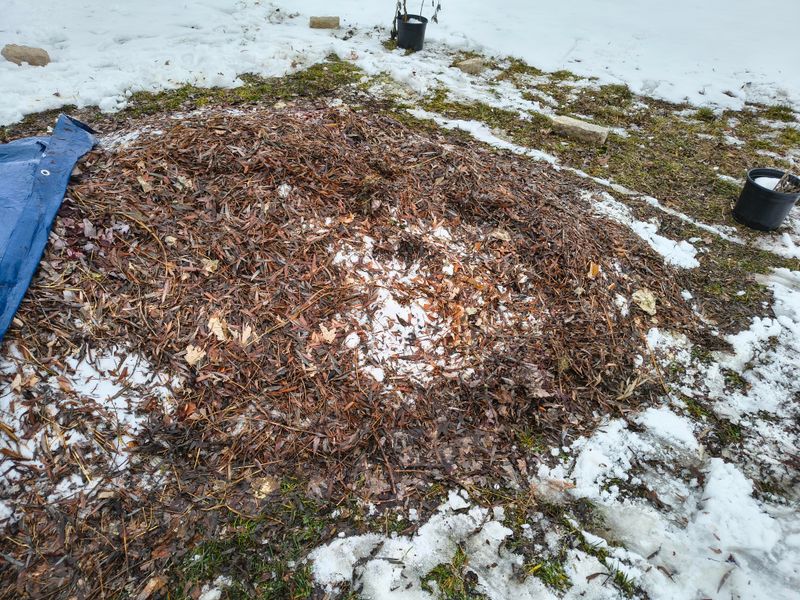
Georgia’s winter brings plenty of rain, and all that moisture soaks into leaf piles and plant debris. What starts as dry, fluffy material quickly becomes a soggy, heavy mess that’s much harder to move.
Wet leaves clump together and stick to everything, making cleanup take twice as long if you wait until spring.
Constant dampness also creates ideal conditions for fungal spores to multiply. Mold spreads through piles and onto nearby plants, setting the stage for disease outbreaks when warmer weather arrives.
Once fungi establish themselves, they’re tough to eliminate and can ruin entire beds.
Piles of wet debris trap moisture against the ground, keeping soil saturated even during dry spells. Roots sitting in waterlogged conditions can’t breathe properly and start to rot.
Georgia lawns and gardens need good drainage to thrive, and soggy piles work against that goal.
Decomposition speeds up in wet conditions, which sounds helpful until you realize it attracts pests. Slugs, snails, and other moisture-loving creatures move into damp piles and then migrate to your plants when spring arrives.
They munch on tender shoots and leaves, undoing all your hard work.
Wet leaf piles also develop unpleasant odors as they break down. The smell isn’t just gross—it signals anaerobic decay, which produces compounds that can harm nearby plants.
Clearing piles in January prevents that stinky situation and keeps your yard smelling fresh.
Heavy, waterlogged debris is harder on your back and takes more energy to haul away. A pile that weighed ten pounds in November might weigh thirty pounds by February.
Tackling the job while material is still relatively dry saves your muscles and speeds up the process.
4. What Stays Hidden Under Untouched Ground Cover
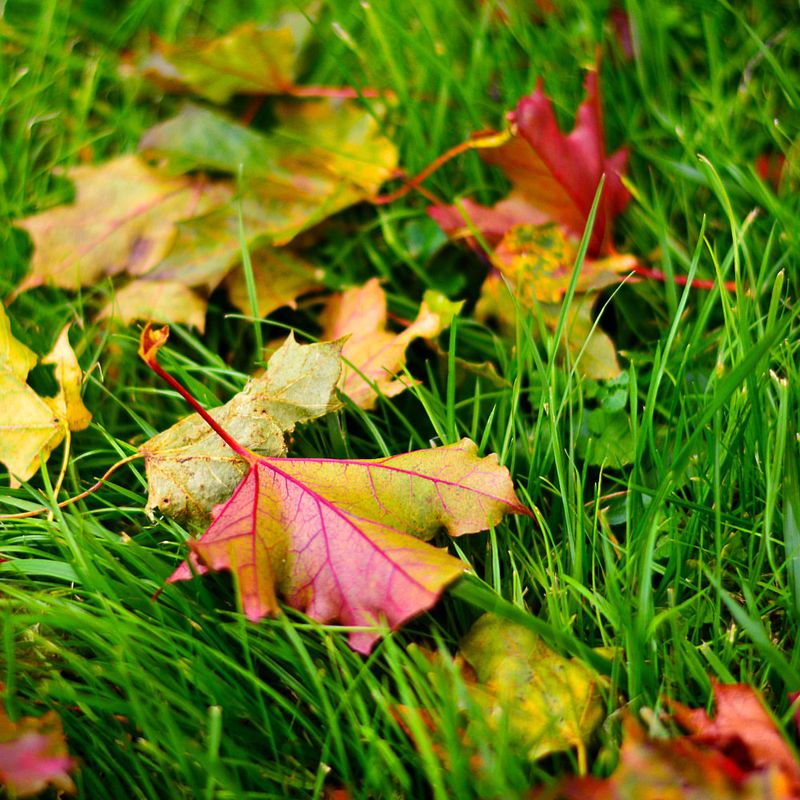
Lifting away layers of leaves and debris often reveals surprises that need attention. Broken sprinkler heads, cracked pavers, and damaged edging all hide under ground cover, waiting to cause bigger problems.
Finding them in January gives you time to schedule repairs before the spring rush.
Georgia’s mild winters keep some pests active, and they love burrowing under protective layers. Voles, mice, and insects set up nests where they’re safe from predators and weather.
Clearing debris exposes their hiding spots and encourages them to move elsewhere before they multiply.
Weeds also take advantage of the shelter that untouched ground cover provides. They germinate quietly under the mess, building strong root systems while you’re not looking.
By the time you notice them in spring, they’re already established and much harder to remove.
Soil erosion sometimes goes unnoticed until you clear away debris and see where dirt has washed away. Low spots and exposed roots need correction before planting, and January gives you time to bring in topsoil or adjust grading.
Waiting until spring means rushing through fixes that deserve careful attention.
Leftover garden tools, stakes, and ties often get buried under leaves and forgotten. Discovering them now prevents accidental damage when you start digging or tilling.
Rusty metal and broken plastic also pose safety hazards that are better removed sooner than later.
Fungal growth on soil surfaces can hide under layers of plant material, spreading silently through winter. Once exposed to air and sunlight, many fungi slow their spread or go dormant.
Georgia’s sunny January days help dry out damp spots and reduce disease pressure.
5. Why Georgia Winters Are Ideal For Early Clean-Up
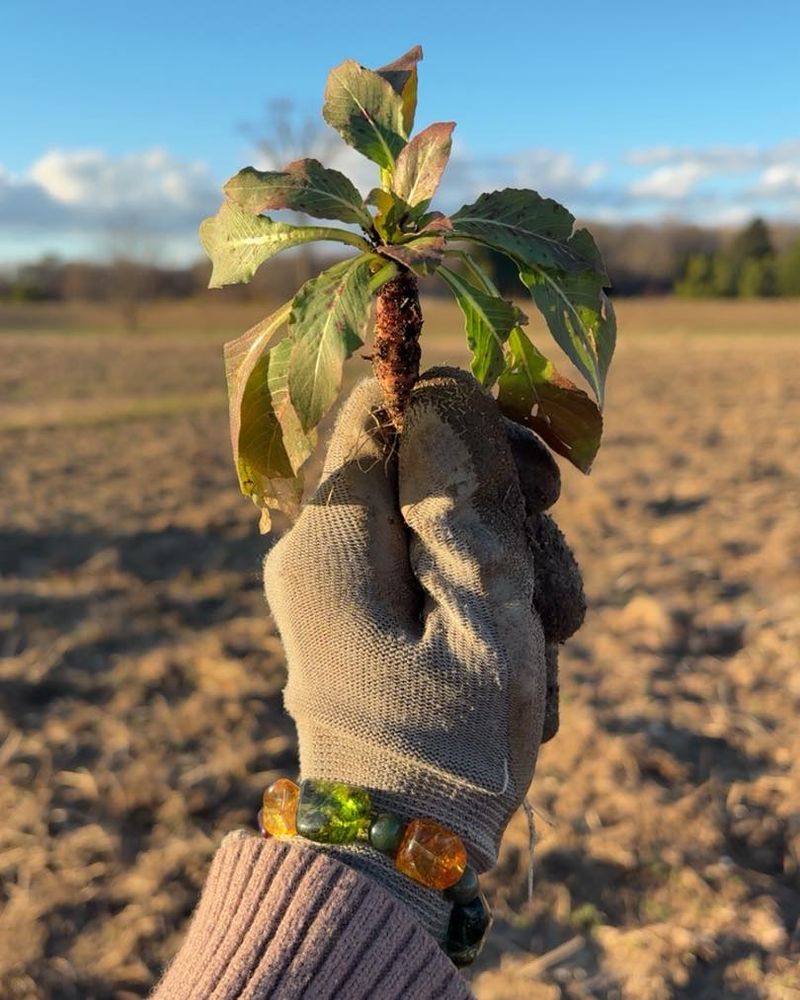
Unlike northern states where snow and ice make outdoor work miserable, Georgia enjoys relatively mild winter temperatures. Many January days reach the fifties or even sixties, which is comfortable enough for several hours of yard work.
You won’t need heavy coats or insulated gloves, just a light jacket and some basic tools.
Shorter daylight hours might seem like a drawback, but they actually help pace your work. You’re less likely to overdo it and strain yourself when the sun sets earlier.
Tackling cleanup in manageable chunks over a few weekends feels more sustainable than marathon sessions in spring.
Georgia’s winter soil stays workable because it rarely freezes solid. You can still rake, dig, and move materials without battling frozen ground.
This flexibility lets you address multiple tasks—clearing debris, amending beds, and planning layouts—all in the same timeframe.
Pests and diseases are less active in cooler weather, which makes cleanup safer for you and your plants. You won’t stir up as many biting insects or breathe in as much mold as you would during humid spring months.
Cooler air also feels refreshing instead of stifling, making the work more enjoyable.
Winter cleanup happens during a quieter season when landscaping companies and garden centers aren’t slammed with customers. If you need supplies or professional help, you’ll find better availability and sometimes even discounts.
Georgia’s off-season pricing can save you money on mulch, compost, and other amendments.
Neighbors are less active outdoors in winter, so you can work without feeling rushed or self-conscious. There’s no pressure to keep up with everyone else’s spring planting schedule.
You set your own pace and focus on doing the job right instead of racing against the calendar.
Early cleanup also gives you a mental boost during the slower months. Instead of feeling cooped up indoors, you get outside and accomplish something tangible.
That sense of progress carries over into other areas of life and makes the wait for spring feel shorter.
6. How January Clean-Up Reduces Spring Weeds
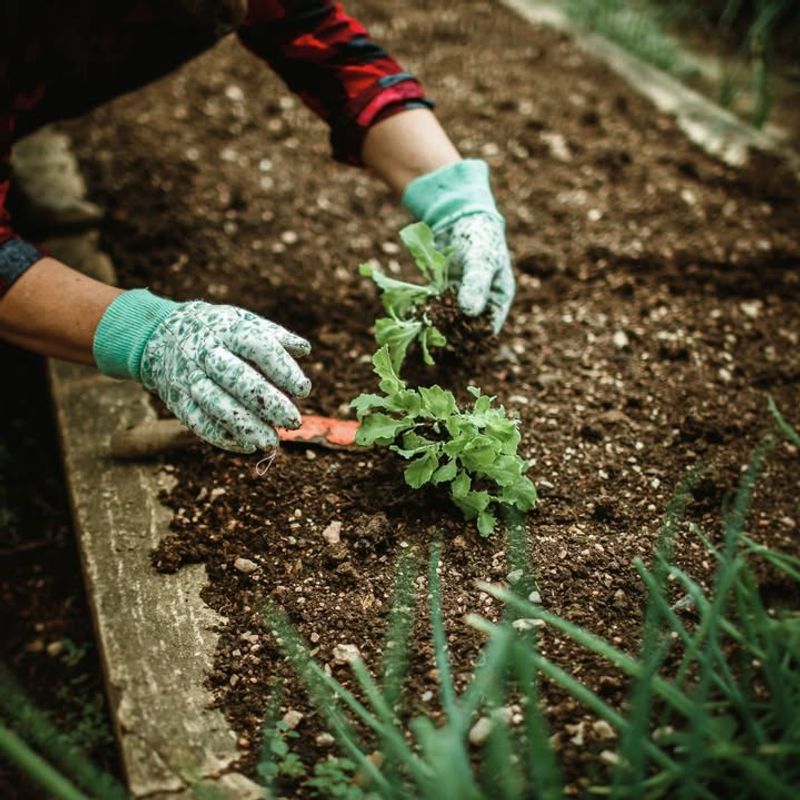
Many weed seeds need light to germinate, and clearing debris exposes them to conditions that trigger sprouting. That might sound counterproductive, but it actually works in your favor.
Seeds that sprout in January face cooler temperatures and shorter days, which weakens them and makes them easier to pull.
Georgia’s winter weather fluctuates enough to stress early weeds without supporting vigorous growth. A few warm days might coax seedlings to emerge, but then a cold snap slows them down.
By the time spring arrives, these weeds are already struggling and pose less competition to your desired plants.
Removing leaf cover also eliminates the protective layer that helps weed seeds survive winter. Exposed seeds get eaten by birds, washed away by rain, or dried out by sun and wind.
Fewer surviving seeds mean fewer weeds to battle when you start planting.
Clearing debris now also lets you apply pre-emergent herbicides or mulch in late winter. These barriers prevent new weeds from sprouting, giving your intentional plants a head start.
Timing matters with pre-emergents, and January cleanup ensures you can apply them at the right moment.
Some weeds are perennials that spread through underground roots or runners. Spotting them in January while they’re dormant makes it easier to trace their extent and remove entire networks.
Waiting until spring means dealing with lush green growth that hides the connections between plants.
Georgia’s mild winters keep certain weeds actively growing, especially cool-season varieties like chickweed and henbit. Clearing debris exposes them so you can pull or treat them before they set seed.
Stopping reproduction now prevents hundreds of new weeds from appearing in spring.
Bare soil also warms faster in late winter, which encourages desirable plants to sprout ahead of weeds.
7. Less Spring Cleanup Means Faster Planting
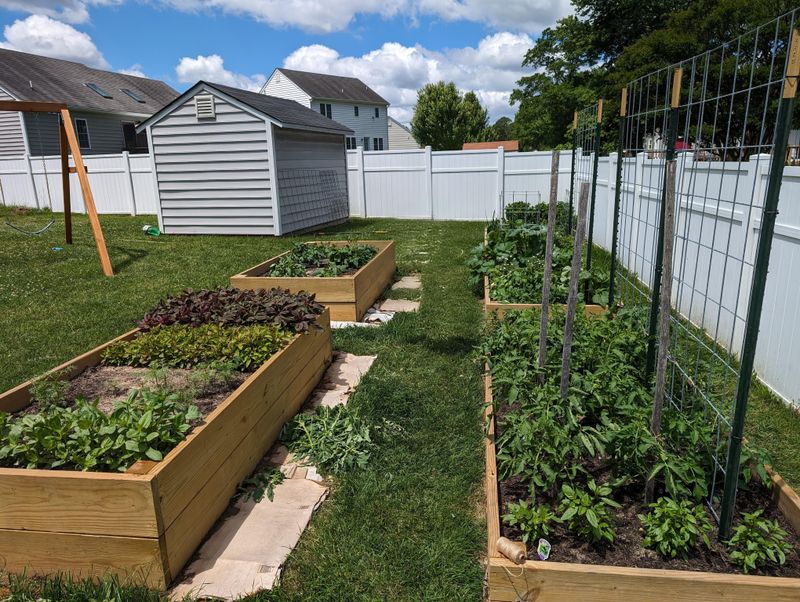
Spring in Georgia arrives fast, and before you know it, prime planting windows open and close. If you’re still raking leaves and hauling debris in March, you’ll miss the best time to put in cool-season crops and early flowers.
January cleanup clears your schedule so you can focus on productive tasks when they matter most.
Preparation is half the battle in gardening, and clean beds are ready for immediate planting. You can walk outside, grab your seeds or transplants, and get them in the ground without any preliminary work.
That spontaneity makes gardening more enjoyable and less of a chore.
Georgia’s spring weather can be unpredictable, with sudden heat waves or late cold snaps. Having your beds ready means you can take advantage of perfect planting days whenever they appear.
You won’t waste good weather on cleanup when you could be sowing seeds or setting out seedlings.
Less cleanup also means less fatigue, which keeps your energy high for the tasks that require more attention. Digging holes, amending soil, and watering all demand focus and physical effort.
If you’re already exhausted from raking, the quality of your planting suffers.
Faster planting also extends your growing season. Getting crops in the ground early gives them more time to mature before summer heat stresses them.
Georgia’s long, hot summers can be tough on plants, so every extra week of cool weather counts.
Clean beds also make it easier to visualize your planting layout. You can see the full space and plan where each variety will go without mental clutter.
That clarity leads to better design decisions and more efficient use of available area.
8. Small January Effort Saves Weeks Of Spring Work
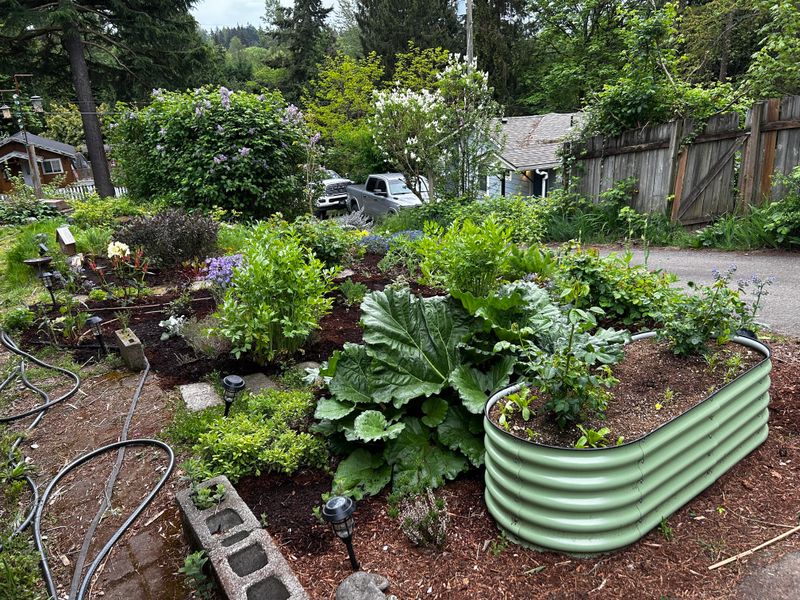
A few hours of work in January can eliminate entire weekends of labor in March and April. The math is simple: removing dry, loose debris now takes less time than dealing with wet, compacted material later.
Georgia’s mild winter weather makes the job easier, so you get more done in less time.
Spring brings competing demands on your schedule, from family activities to home maintenance projects. Yard work often gets squeezed into whatever time remains, which leads to rushed, incomplete jobs.
Finishing cleanup in January frees up spring weekends for other priorities or simply relaxing.
The psychological benefit of getting ahead can’t be overstated. Walking into spring with a clean, organized yard feels empowering and sets a positive tone for the season.
You’ll approach planting with confidence instead of dread, which makes the entire experience more rewarding.
January cleanup also prevents the snowball effect where small tasks pile up into overwhelming projects. One neglected bed turns into three, then five, until you’re facing a full weekend of backbreaking work.
Staying on top of maintenance keeps everything manageable and stress-free.
Georgia’s growing season is long and productive, but it demands consistent attention. Every hour you save on cleanup is an hour you can spend weeding, watering, or harvesting.
Those productive activities yield tangible results, while cleanup just gets you back to neutral.
Small efforts also build momentum that carries through the year. Completing January cleanup motivates you to tackle other garden tasks, like pruning, fertilizing, or building new beds.
Success breeds more success, creating a positive cycle that improves your entire property.
Avoiding spring cleanup also means avoiding the worst weather for outdoor work. March and April can be rainy and muddy in Georgia, making yard work messy and unpleasant.
January offers drier, cooler conditions that are far more comfortable for physical labor.