This Lawn Height Fix In April Helps Your Grass Stay Healthier In Georgia
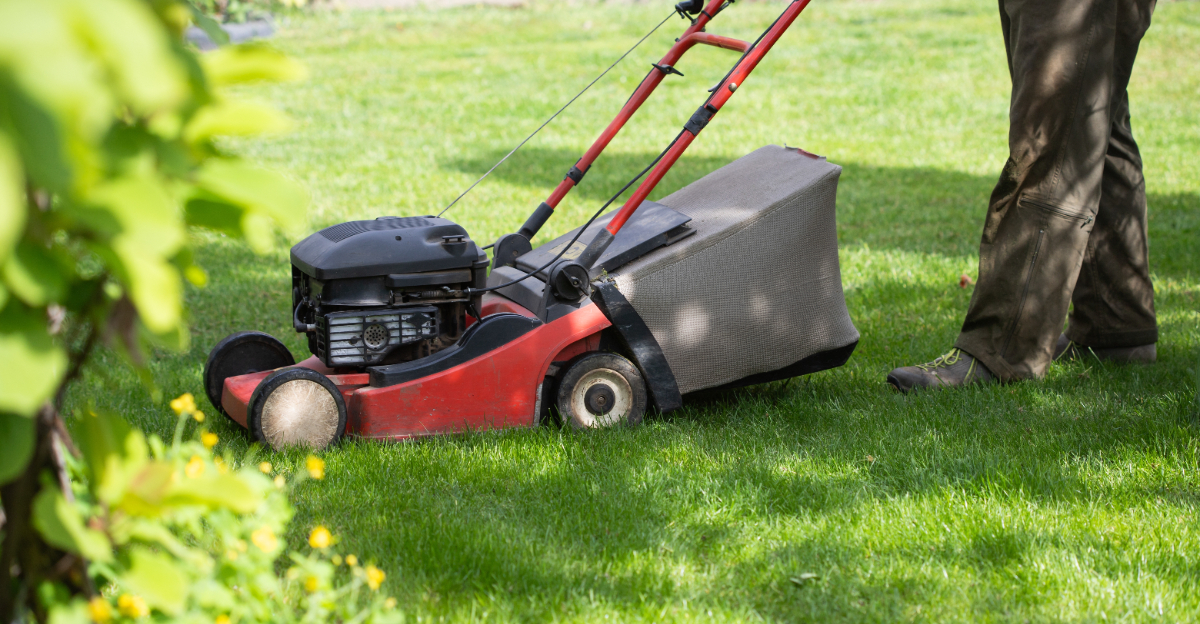
Green lawns in Georgia can lose that thick, even look faster than expected once warmer days settle in. Color may still appear fine, yet the way grass grows can shift quickly beneath the surface.
Early spring care shapes how the lawn responds later. Small details during this period influence density, moisture retention, and how well the grass holds up as temperatures continue to rise.
Old habits from cooler weeks do not always support what the lawn needs right now. Keeping the same approach can lead to uneven patches and weaker growth that becomes harder to correct over time.
One simple change can help maintain a more consistent look and support stronger grass through the weeks ahead, especially as conditions become more demanding.
1. Raising Mowing Height In April Helps Grass Stay Healthier
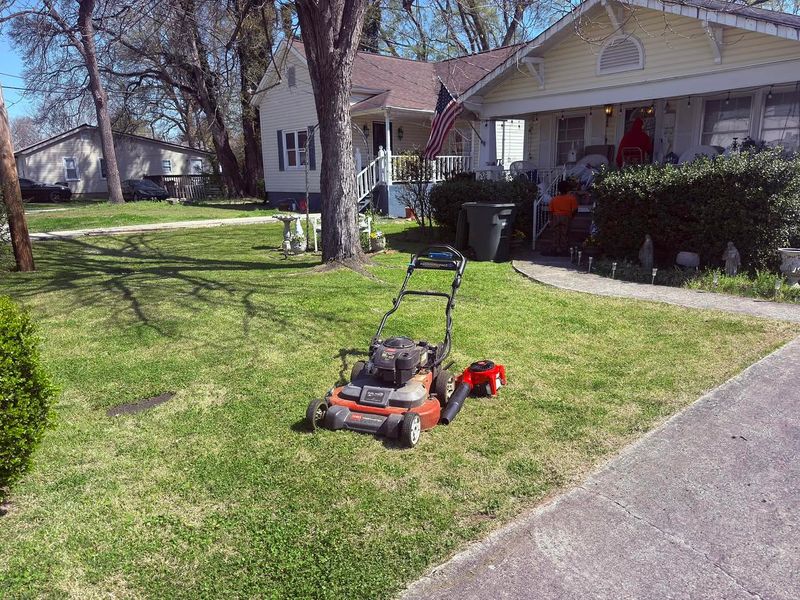
April in Georgia is not just another month on the calendar — for your lawn, it is a turning point. Warm-season grasses are pushing out new growth, and how you cut them right now can shape the entire season ahead.
Raising your mowing height by even half an inch during April gives your grass blades more surface area to absorb sunlight. More sunlight means faster, stronger photosynthesis, which feeds the roots and helps the grass spread thicker across your yard.
Georgia summers are brutal. Temperatures regularly climb into the 90s, and drought stress can set in fast.
Grass that gets cut too short in spring enters summer already weakened, with shallow roots and thin coverage. Adjusting upward in April builds a buffer against that stress before it hits.
For Bermuda grass, aim for 1.5 to 2 inches. Zoysia does well between 1.5 and 2.5 inches.
Centipede grass prefers staying around 2 inches. St. Augustine, common in South Georgia, likes it a bit taller at 3 to 4 inches.
Each grass type has a sweet spot, and April is the right time to find it.
Sharp mower blades matter too. Dull blades tear the grass instead of cutting cleanly, leaving ragged edges that stress the plant and invite fungal problems.
Check your blades before the season ramps up fully. A clean cut in April is one of the simplest investments you can make in a healthier Georgia lawn.
2. Taller Grass Helps Protect Roots From Stress
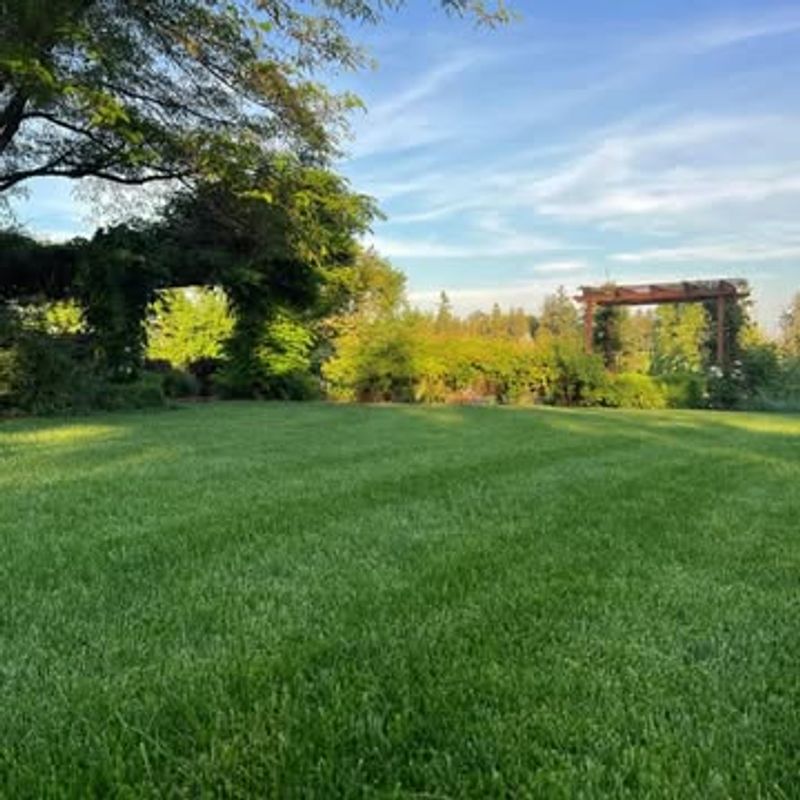
Root depth is everything when Georgia summer heat arrives. Grass that gets cut too short is forced to spend energy regrowing blades instead of pushing roots deeper into the soil.
Taller grass in April changes that equation completely.
When blades are left slightly longer, the plant naturally directs more energy downward. Roots grow deeper, which means they can access moisture and nutrients sitting further below the surface.
During dry stretches, that depth is what keeps your lawn alive and green while shorter-cut neighbors start showing brown patches.
Shallow roots are vulnerable roots. A lawn cut at one inch or less has almost no buffer when temperatures spike or rainfall drops off.
Raising the height to the appropriate range for your grass type gives those roots room and time to establish before the heat arrives in full force.
Soil temperature also plays a role here. Taller blades shade the ground beneath them, keeping soil slightly cooler.
Cooler soil holds moisture better and supports healthier microbial activity, both of which feed directly into root strength. In Georgia, where soil can bake quickly in May and June, that shade effect matters more than most people realize.
Consistency is key throughout April. Avoid the temptation to scalp the lawn one week and then let it grow wild the next.
Steady, moderate cuts at the right height give roots a stable environment to grow strong. Treat your mower height setting like a tool, not an afterthought, and your Georgia lawn will respond.
3. Higher Cutting Keeps Moisture In The Soil Longer
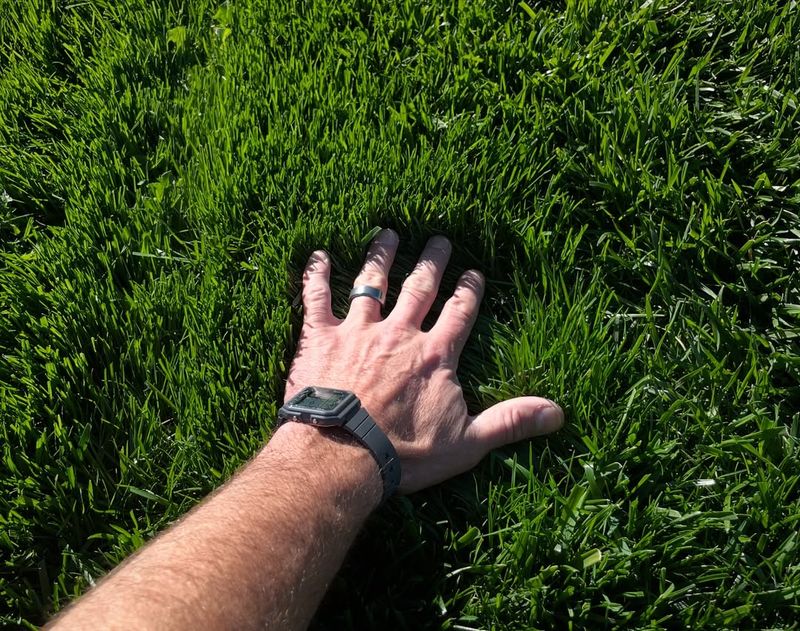
Water is never guaranteed in Georgia, and April weather can swing from soaking rain to dry stretches without much warning. Keeping grass a little taller is one of the most practical ways to hold onto soil moisture between watering sessions or rain events.
Longer blades act like a natural canopy over the soil. They block direct sunlight from hitting the ground, which slows down evaporation significantly.
On a warm April afternoon, bare or thinly covered soil can lose moisture within hours. Grass with some height keeps that moisture locked in longer, giving roots consistent access to water throughout the week.
Established Georgia lawns typically need about one inch of water per week, including rainfall. When soil moisture evaporates quickly from a scalped lawn, you end up needing to water more frequently just to maintain the same baseline.
Taller grass reduces that demand and makes your irrigation or rainfall go further.
Mulching your clippings back into the lawn adds another layer of moisture retention. Short clippings from properly cut grass break down quickly and help form a light organic layer on the soil surface.
This layer holds a bit of extra moisture and feeds the soil at the same time.
Across Georgia, water restrictions during dry summers are not uncommon. Building moisture-retention habits in April, when conditions are still mild, prepares your lawn to handle tighter water availability later in the season.
A small change in cutting height now can reduce your water use and keep your lawn looking strong through the driest months.
4. Leaving Grass Taller Reduces Lawn Stress In Spring
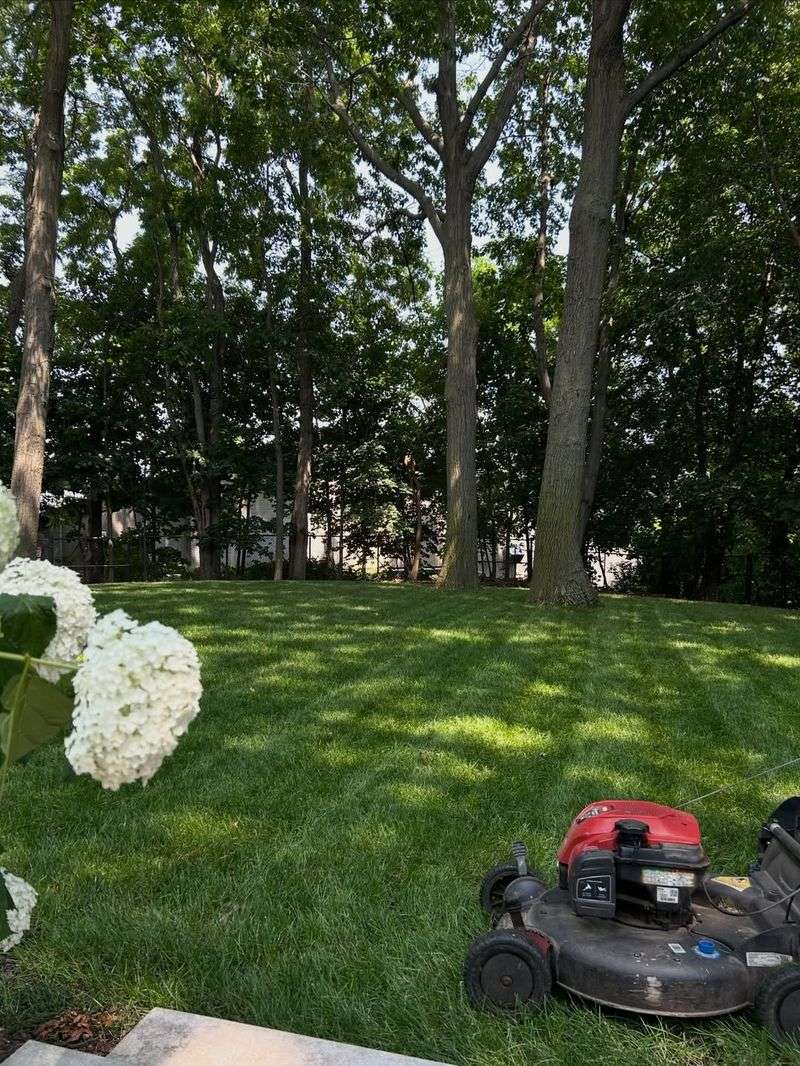
Spring is not as gentle on grass as it looks. Georgia lawns coming out of winter dormancy are already under pressure, pushing new growth while dealing with temperature swings, fluctuating rainfall, and occasional late cold snaps.
Cutting them too short adds unnecessary stress to an already demanding recovery period.
Every time you mow, the grass experiences some degree of shock. Cut off too much at once, and the plant has to redirect energy from root growth to replacing lost leaf tissue.
Leaving blades at a reasonable height reduces how much the plant loses with each mow, keeping recovery time short and stress levels low.
One rule worth following every single time you mow: never remove more than one-third of the blade height in a single session. If your grass has grown to three inches, cut it back to two, not one.
Breaking this rule even once in April can set back growth significantly and leave thin, stressed patches that weeds are quick to move into.
Georgia’s clay-heavy soils in many areas can compact easily, and stressed grass has a harder time pushing through compacted ground. Keeping the lawn at the right height reduces surface stress and supports better air and water movement through the soil profile.
Spring is also when weed pressure builds fast. A dense, healthy canopy of taller grass shades the soil and blocks weed seeds from getting the light they need to sprout.
Less stress on the grass means thicker coverage, and thicker coverage is your best natural defense against weeds taking hold in April.
5. Proper Height Supports Stronger Lawn Growth
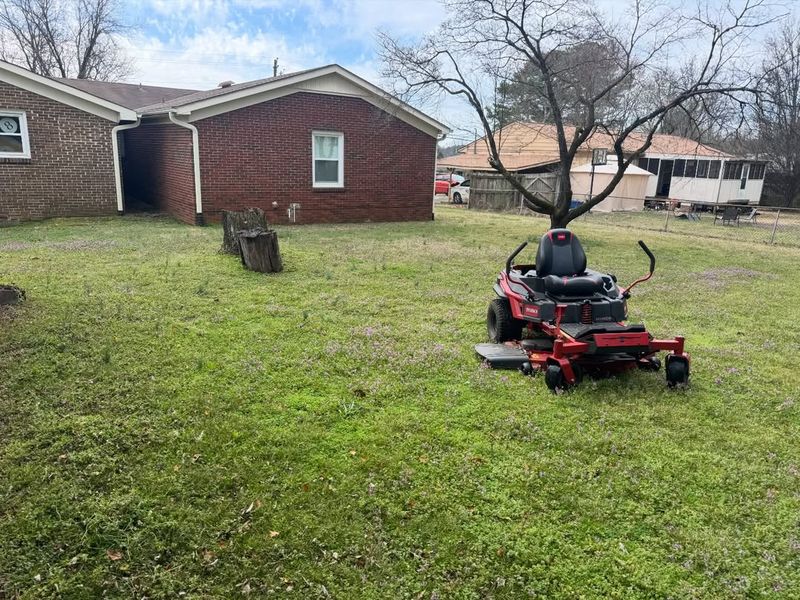
Strong growth does not happen by accident. Behind every thick, healthy Georgia lawn in summer is a foundation built during spring, and April mowing height is a big part of that foundation.
Grass cut at the right height develops a denser canopy over time. Each blade gets adequate sunlight without competing too hard with neighbors.
Photosynthesis runs efficiently, nutrients move freely, and the lawn fills in lateral gaps faster. That density is what gives a lawn its full, lush appearance by May and June.
Bermuda grass is especially responsive to height management. Cut it consistently at 1.5 to 2 inches during April, and it spreads aggressively through stolons, filling in bare spots and building a thick mat.
Cut it shorter, and that lateral spread slows down while the plant focuses on recovering leaf tissue instead.
Zoysia, another popular choice across Georgia, rewards patience and proper height. At 1.5 to 2.5 inches, Zoysia builds a tight, wear-resistant surface that holds up well through foot traffic and summer heat.
Cutting it too low weakens that tight structure and opens the surface to weed invasion.
Fertilization and watering matter, but they work better when mowing height is dialed in correctly. Nutrients applied to a lawn cut at the right height get used efficiently for growth.
Applied to a scalped or overly stressed lawn, they often go to waste or encourage weed growth instead. Getting the height right in April means everything else you do for your Georgia lawn works better too.
6. Taller Blades Help The Lawn Stay More Resilient
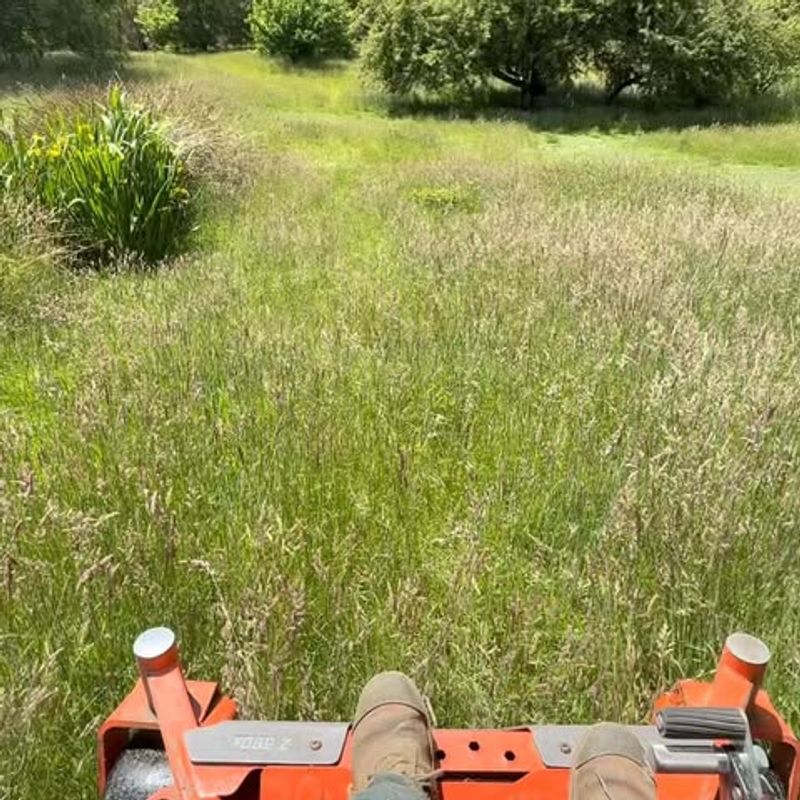
Resilience is not something you add to a lawn with a product. It gets built over weeks of consistent, smart care, and mowing height is one of the most direct levers you have in April.
A lawn with taller blades has more stored energy. Each blade is a solar panel, capturing sunlight and converting it into food for the plant.
More blade means more energy, and more energy means a faster recovery from anything that damages the turf, whether that is foot traffic, a dry week, or a pest outbreak.
Georgia lawns face real challenges. Fire ants, chinch bugs, and fungal issues like brown patch are all capable of doing serious damage.
A lawn that enters summer already weakened from poor spring mowing practices has very little ability to push back. Taller blades heading into the hot season give the grass a fighting chance to recover quickly when problems arise.
Foot traffic is another factor worth thinking about in April. Kids playing outside, pets running around, outdoor gatherings — spring activity picks up fast.
Grass cut at the right height handles that traffic far better than a scalped lawn. The blades cushion the impact and the root system stays intact under pressure.
Resilience also shows up in color. A lawn maintained at proper height through April tends to hold its green color longer into summer compared to one that was cut too aggressively in spring.
In Georgia, where brown lawns are almost expected by August, starting the season right in April can keep your yard looking noticeably better than the rest of the street.
7. Keeping Grass Slightly Taller Improves Overall Lawn Health
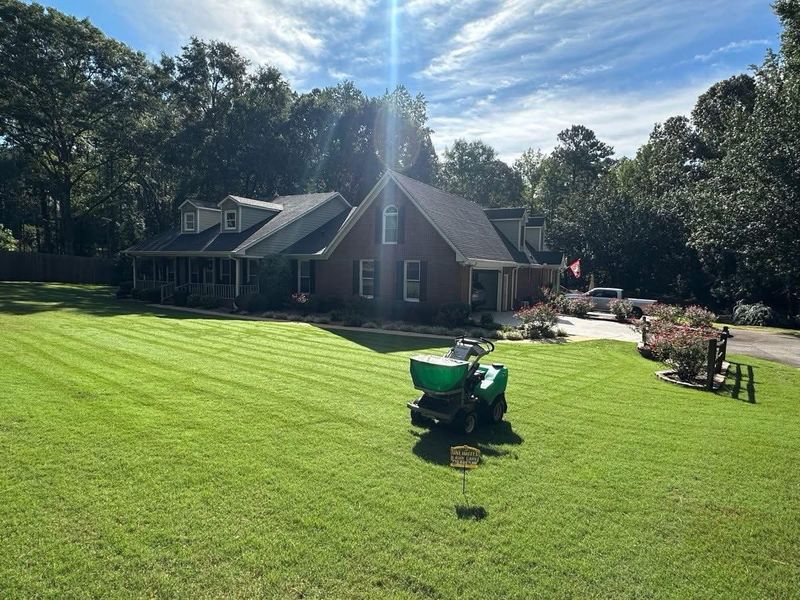
Pull back and look at the big picture, and the case for keeping grass slightly taller in April is hard to argue with. Every major benefit, from water retention to root depth to weed suppression, points in the same direction.
Overall lawn health is not one thing. It is the combined result of dozens of small decisions made week after week.
Mowing height might seem minor, but it influences almost every other aspect of how your lawn performs. Get it wrong and you are fighting uphill all season.
Get it right and the lawn practically takes care of itself.
Weed pressure drops when grass is thick and tall enough to shade the soil. Fungal problems are less likely when the lawn is healthy and stress levels are low.
Pest damage recovers faster when the grass has the energy reserves to push back. All of these benefits stack on top of each other when you maintain the right height consistently through April.
Georgia homeowners often spend a lot on fertilizers, weed control, and irrigation trying to fix problems that better mowing habits could have prevented. Raising the blade height costs nothing and takes about thirty seconds to adjust.
It is one of the highest-return changes you can make to your lawn care routine.
Start April with a clean mower, sharp blades, and the right height setting for your specific grass type. Stick with it through the month, mow on a regular schedule, and watch how much better your Georgia lawn looks as summer approaches.
Small habits, done consistently, build the healthiest lawns.