This Low-Water Landscaping Style Is Taking Over Oregon Gardens In 2026
Oregonians have spent decades perfecting the art of the lush, emerald-green lawn, but the tides are officially turning.
If you’ve taken a stroll through Portland or Bend lately, you might notice that the classic grass carpet is disappearing in favor of something much more intentional.
We’re talking about Oregon Xeroscaping, a movement that swaps thirsty turf for native perennials, structural stone, and drought-tolerant beauties that actually thrive in our unpredictable Pacific Northwest climate.
It isn’t just about saving a few bucks on the utility bill, though that part is definitely a win. This shift is about creating a garden that looks incredible even when the summer heat cranks up.
Forget those dusty, barren rock yards you see in the desert; the 2026 version of low-water living is packed with texture and vibrant colors.
Let’s look at why your neighbors are ditching the mower and how you can get that high-end look without breaking a sweat.
What Is A Gravel Garden?
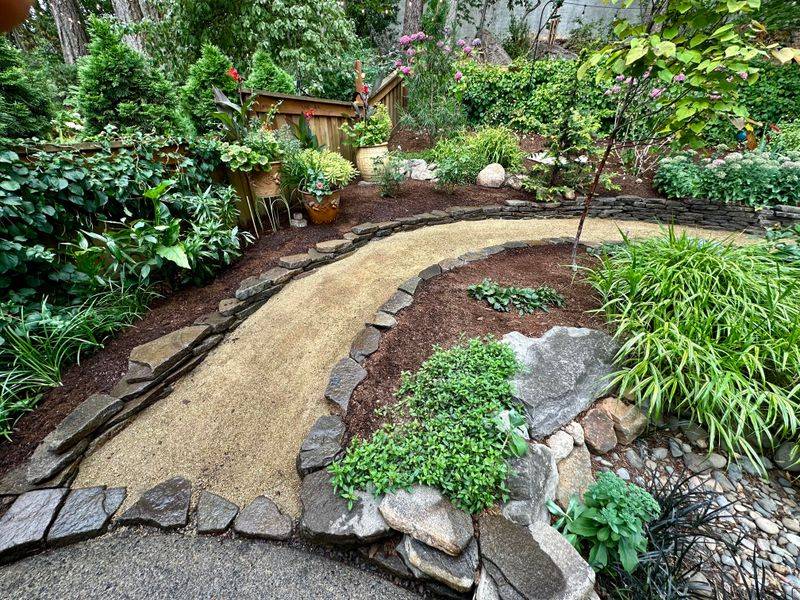
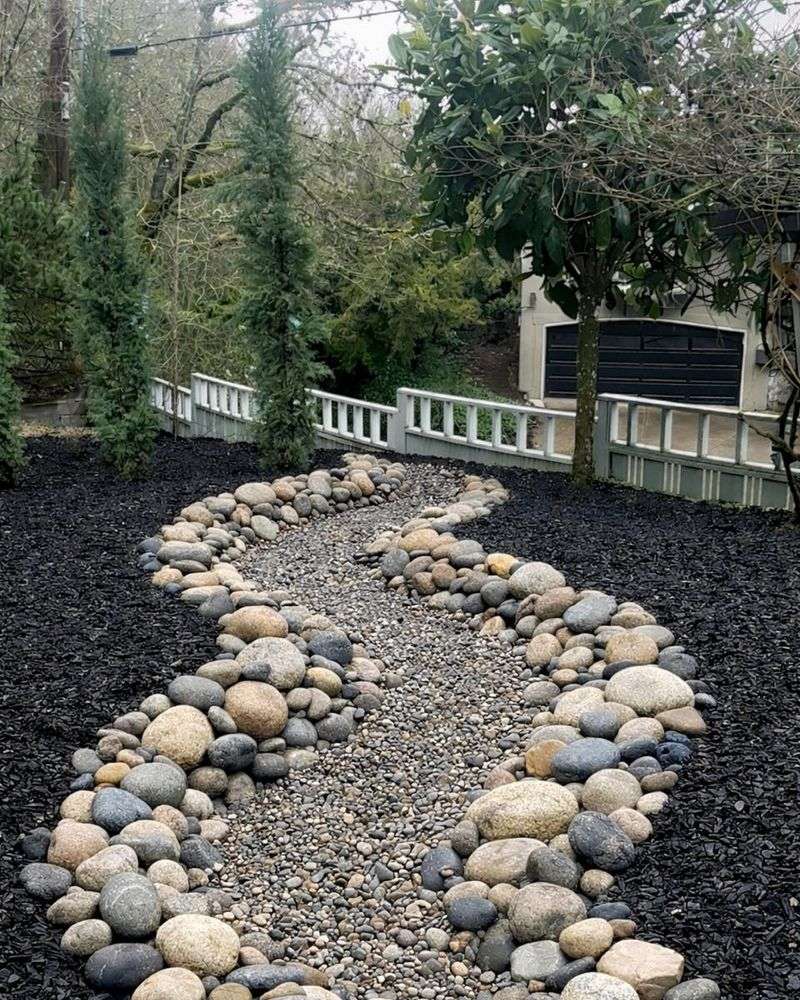
Picture a front yard with smooth river rocks, clusters of lavender, and wispy ornamental grasses swaying in the breeze. That is a gravel garden, and it is one of the most talked-about landscaping styles in Oregon right now.
At its core, a gravel garden replaces traditional grass or mulch with gravel or crushed stone as the ground cover.
The style comes from dry Mediterranean and steppe climates, where plants must survive on very little rain. Designers and homeowners in Oregon have adapted this idea beautifully.
They combine decorative gravel with drought-tolerant plants, native shrubs, and bold rock features to create yards that look intentional and polished.
Gravel gardens are not just about rocks. They are a whole design philosophy built around working with nature rather than against it.
You choose plants that already love dry conditions. You skip the irrigation sprinklers.
You let the landscape breathe. In Oregon, where summers are getting hotter and water bills keep climbing, this approach makes a lot of practical sense.
It is low-effort, high-reward gardening that looks great year-round without constant upkeep.
Why Gravel Works In Oregon
Oregon has a split personality when it comes to weather. The western side, including Portland and the Willamette Valley, gets plenty of rain in winter but turns surprisingly dry from June through September.
Central Oregon cities like Bend get even less moisture overall. Gravel gardens are perfectly matched to this kind of climate pattern.
When rain does fall, gravel lets water pass through quickly and soak into the soil below. This reduces puddles, prevents runoff, and helps recharge groundwater.
During dry summers, the gravel acts like a barrier that slows down evaporation from the soil, keeping plant roots cooler and more hydrated than bare dirt would.
It also handles Oregon’s occasional freezing winters well, since it does not crack or shift the way concrete sometimes does. From the coast to the high desert, gravel works across Oregon’s many microclimates.
That flexibility is a big reason why this landscaping style is spreading so quickly across the state in 2026.
How It Saves Water
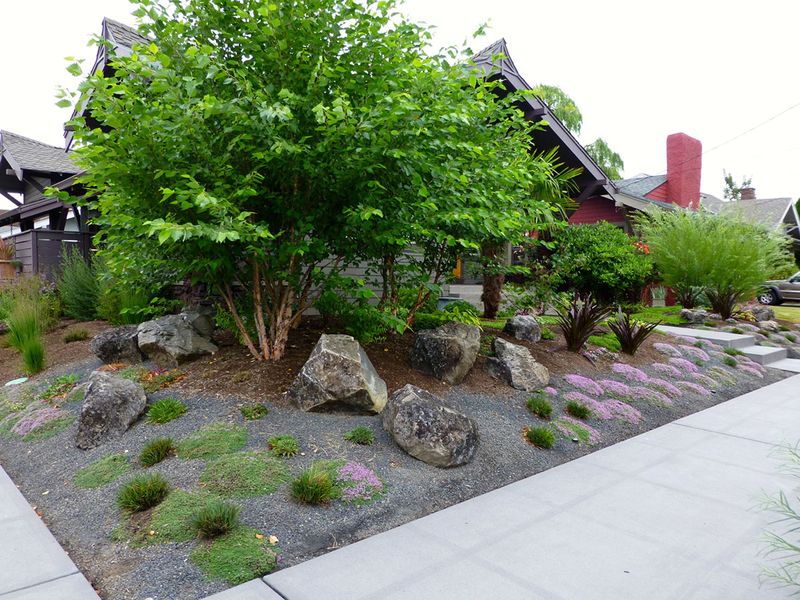
Water conservation is one of the biggest reasons Oregon homeowners are making the switch to gravel gardens. A traditional lawn needs regular soaking to stay green, especially during Oregon’s dry summers.
A gravel garden, on the other hand, can thrive on rainfall alone once the plants are established. That difference adds up fast on your water bill.
Gravel reduces evaporation from the soil surface by creating a physical barrier between the ground and the hot summer air. Studies have shown that mulched and graveled beds can retain soil moisture significantly longer than bare soil.
Pair that with drought-tolerant plants that store water in their roots or leaves, and you have a system that is almost self-sufficient.
Many Oregon gravel garden owners also use drip irrigation for the first year or two while plants get established. Smart controllers can adjust watering schedules based on the weather, so not a single drop goes to waste.
After that initial period, most plants need little to no extra watering. Leach Botanical Garden in Portland is a great local example of how native and drought-adapted plants can flourish beautifully without heavy water use.
Saving water has never looked this good.
Why Lawns Are Being Replaced
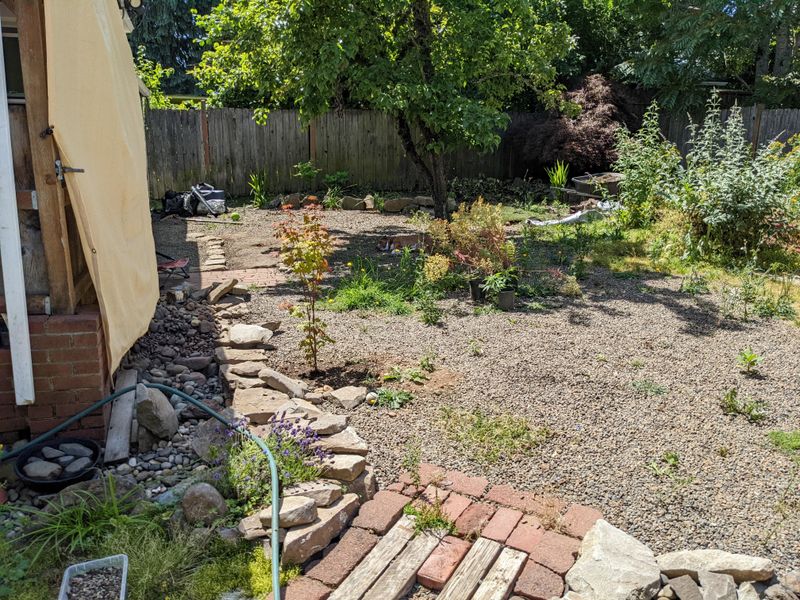
Lawns had a great run, but in Oregon in 2026, they are losing ground fast. Literally.
Homeowners are ripping out grass and replacing it with gravel gardens, and the reasons go well beyond water savings. Traditional lawns are a lot of work.
They need mowing, fertilizing, aerating, and constant watering just to look decent.
Then there is the cost. Keeping a lawn green through an Oregon summer can mean running sprinklers multiple times a week.
Water rates have been climbing across Oregon cities, and many municipalities now offer rebates to homeowners who remove their lawns and replace them with low-water alternatives. That financial incentive is pushing a lot of people to finally make the switch.
There is also an environmental side to this. Lawns often need pesticides and synthetic fertilizers that can wash into local waterways when it rains.
Gravel gardens with native plants support pollinators like bees and butterflies instead. The Oregon Garden in Silverton showcases water-conscious landscaping that also benefits local wildlife.
More Oregonians are realizing their yard can be both beautiful and ecologically responsible. Replacing a lawn with a gravel garden is one of the most impactful changes a homeowner can make in 2026.
The Plants That Suit It Best
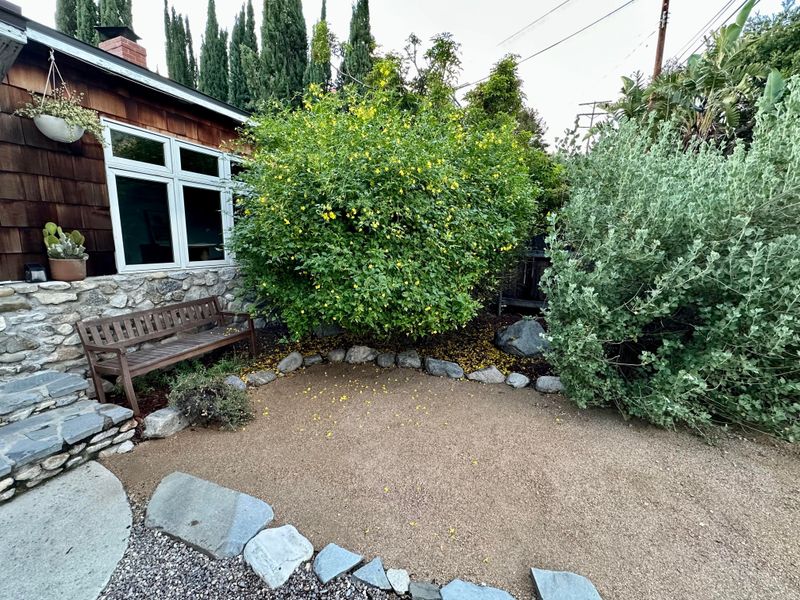
Choosing the right plants is where a gravel garden really comes to life. The best picks are tough, love the sun, and do not mind going without water for stretches at a time.
Lucky for Oregon gardeners, there are plenty of gorgeous options that check all those boxes.
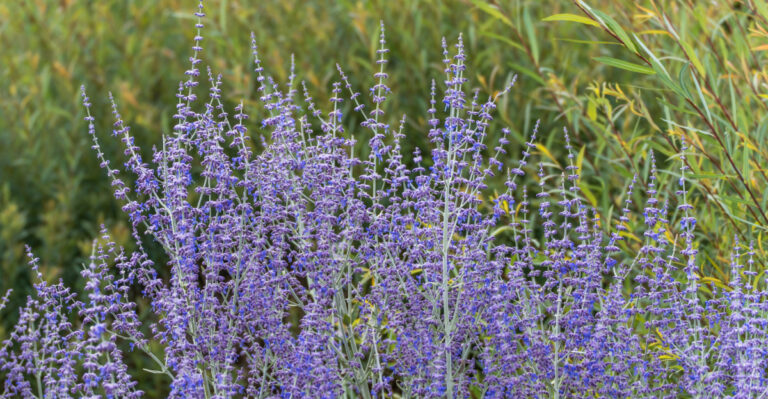
Lavender is a top choice. It thrives in well-drained gravel soil, smells incredible, and brings in pollinators all summer long.
Ornamental grasses like Miscanthus sinensis add movement and texture without needing much care. Sedum, also called stonecrop, is practically made for gravel gardens with its fleshy leaves that store water naturally.
Native Oregon plants are especially smart picks. Gaura lindheimeri, a native perennial, blooms in delicate white and pink flowers and handles dry summers with ease.
Yarrow, sage, and catmint are other low-water favorites that look stunning against a gravel backdrop. Dwarf conifers and ornamental shrubs like Russian sage add year-round structure.
The trick is to layer plants of different heights and textures so the garden feels full and dynamic even without grass.
Oregon State University Extension Service offers plant lists tailored specifically to different parts of Oregon, which makes finding the right combinations much easier.
How To Get The Look
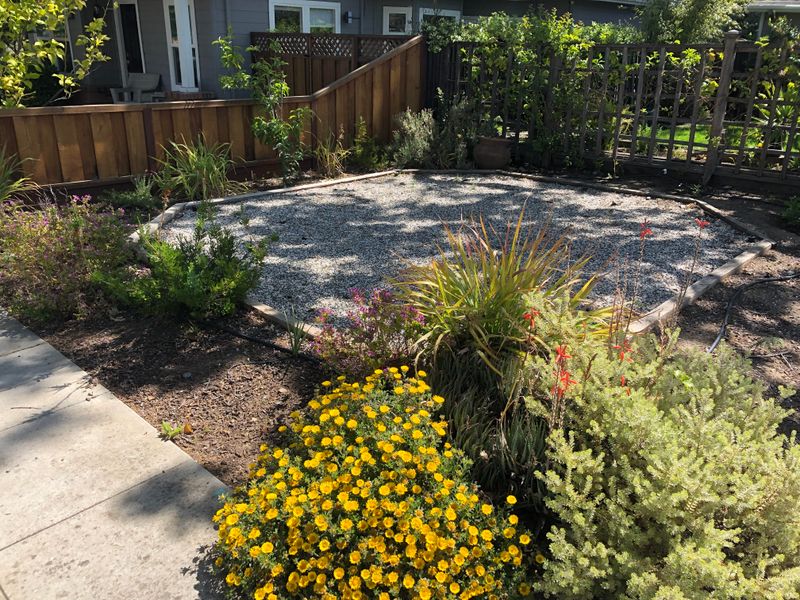
Starting a gravel garden does not require a landscape degree or a huge budget. Many Oregon homeowners tackle it as a weekend project.
The basic steps are straightforward, and the results can be stunning even for beginners.
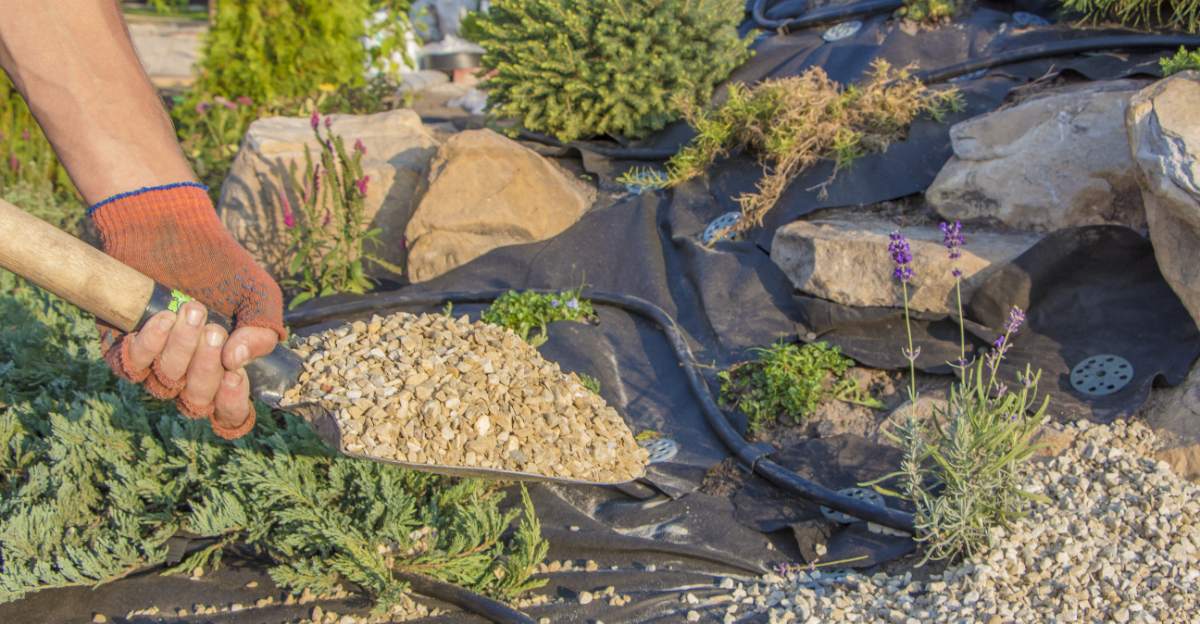
Start by removing existing grass or plants from the area. Lay down a permeable landscape fabric to help keep weeds from pushing through the gravel.
Then add a layer of your chosen gravel, anywhere from two to four inches deep works well. Decomposed granite, pea gravel, and crushed basalt are popular choices in Oregon because they are locally available and look natural in the Pacific Northwest setting.
Next, plan your plant placement before digging holes. Think about height, color, and bloom times so something is always looking good.
Cut holes in the landscape fabric, plant your drought-tolerant selections, and backfill with a mix of native soil and grit for good drainage. Add larger decorative rocks or boulders for visual anchors.
Finish with a clean edge border to keep gravel from spreading onto paths or driveways. The whole project can transform a boring patch of lawn into a striking, water-smart garden in just a weekend.
Local nurseries across Oregon can help you pick plants suited to your specific area.
Why It’s Easy To Maintain
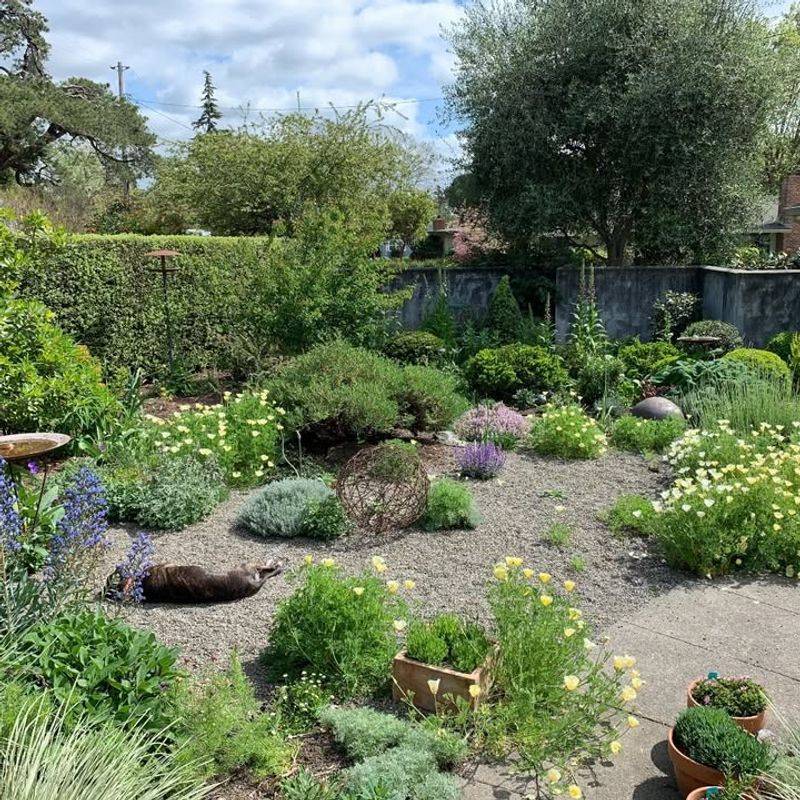
One of the best things about a gravel garden is how little attention it needs once it is set up. Compared to a traditional lawn, the difference in maintenance time is dramatic.
No mowing. No edging.
No weekly watering schedules in the summer heat. For busy Oregon homeowners, that is a game changer.
Weeds are the main thing to watch for, but the combination of landscape fabric and a thick gravel layer keeps most of them from getting a foothold. The few that do pop up are easy to pull from loose gravel, especially after rain softens the ground.
Some gardeners do a quick once-over every few weeks and call it done.
Plants in a gravel garden tend to stay healthier too, because the growing conditions match what they naturally prefer. Drought-tolerant plants that are forced to grow in soggy, over-watered lawn soil often struggle.
In a gravel garden, they get the drainage and lean conditions they love, which means less disease and fewer pest problems. Topping up the gravel every few years keeps things looking fresh.
Beyond that, a gravel garden in Oregon basically takes care of itself, giving you more time to enjoy your outdoor space instead of constantly working on it.
Why This Trend Is Growing
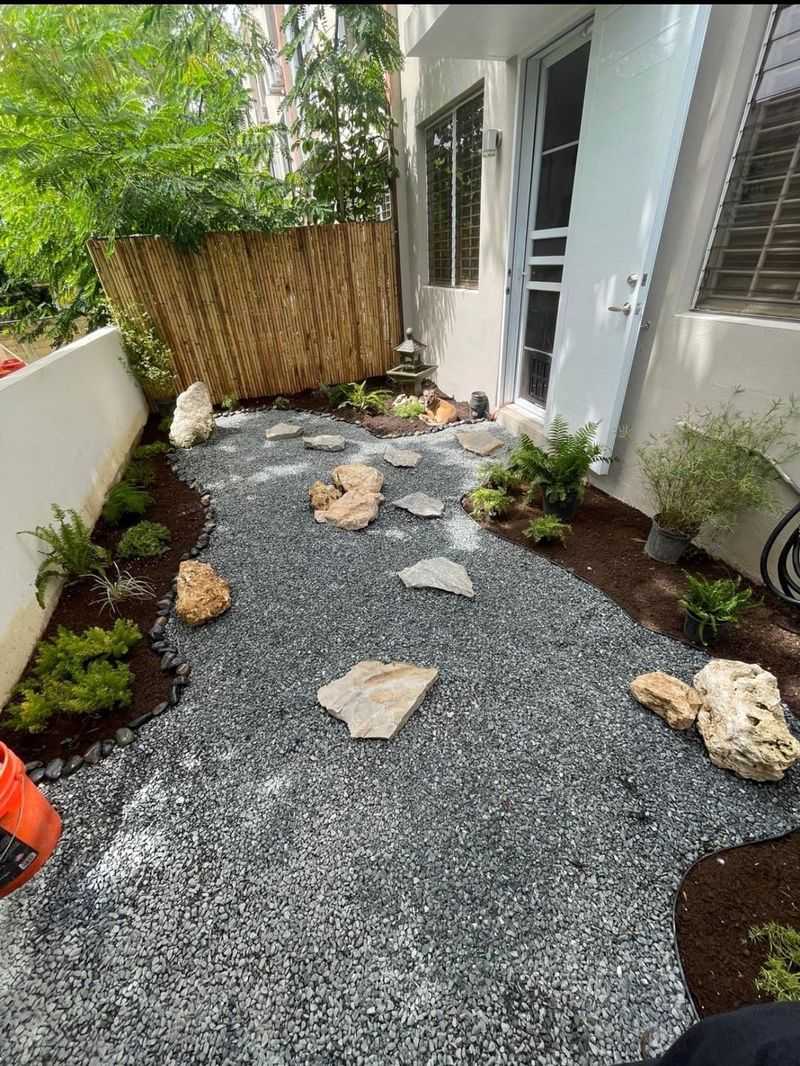
Across Oregon, from Portland neighborhoods to Bend subdivisions, gravel gardens are becoming a familiar and welcome sight. The trend is not slowing down either.
In fact, landscape designers say demand for low-water yard makeovers has increased sharply heading into 2026, and the reasons behind that growth are easy to understand.
Climate change is a real driver. Oregon summers are hotter and longer than they used to be, and drought conditions are more common.
Homeowners are adapting by choosing landscapes that do not need constant water to look good. Local governments are helping too, with rebate programs and water-use restrictions that make low-water landscaping a smart financial move as well as an environmental one.
Social media has also played a role. Stunning photos of gravel gardens packed with blooming lavender and swaying grasses have inspired a whole new generation of Oregon gardeners.
Resources like the Oregon Garden in Silverton and Leach Botanical Garden in Portland give locals a chance to see these ideas in action before committing to their own yards. The gravel garden trend is not just a passing fad.
It is a practical, beautiful, and forward-thinking response to the world Oregon is living in right now, and it is only going to keep growing.