This March Feeding Mistake Is Hurting Oregon Lilacs
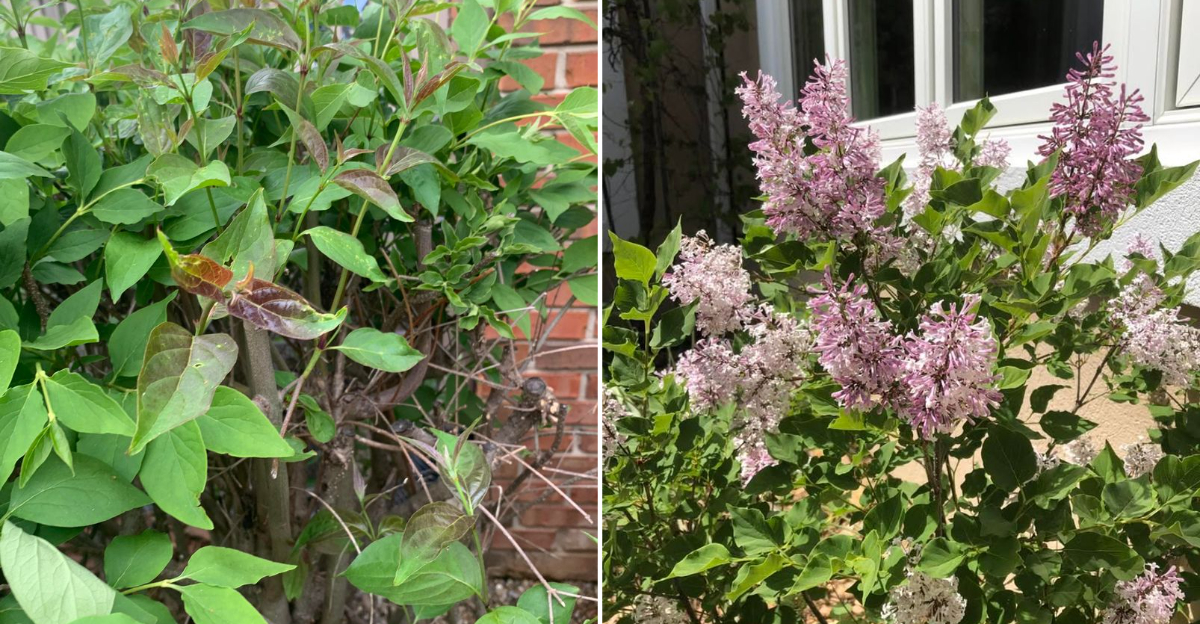
Lilacs have a reputation for being easygoing, which makes it extra frustrating when they suddenly don’t bloom like they used to.
One year they’re covered in fragrant flowers, and the next… lots of leaves, not much else.
If that sounds familiar, there’s a good chance a simple spring habit is to blame. It usually happens in March, right when new growth starts. The instinct is to “help” the plant along with a bit of fertilizer.
Seems harmless enough, but this is where things quietly go off track. Instead of setting up a strong bloom season, this one mistake can actually steer your lilac in the opposite direction.
More growth, fewer flowers, and a plant that looks healthy but feels a little disappointing when bloom time rolls around.
The good news is it’s easy to fix once you know what’s going wrong. And it can make a huge difference in how your lilacs perform this year.
1. The Common March Feeding Mistake
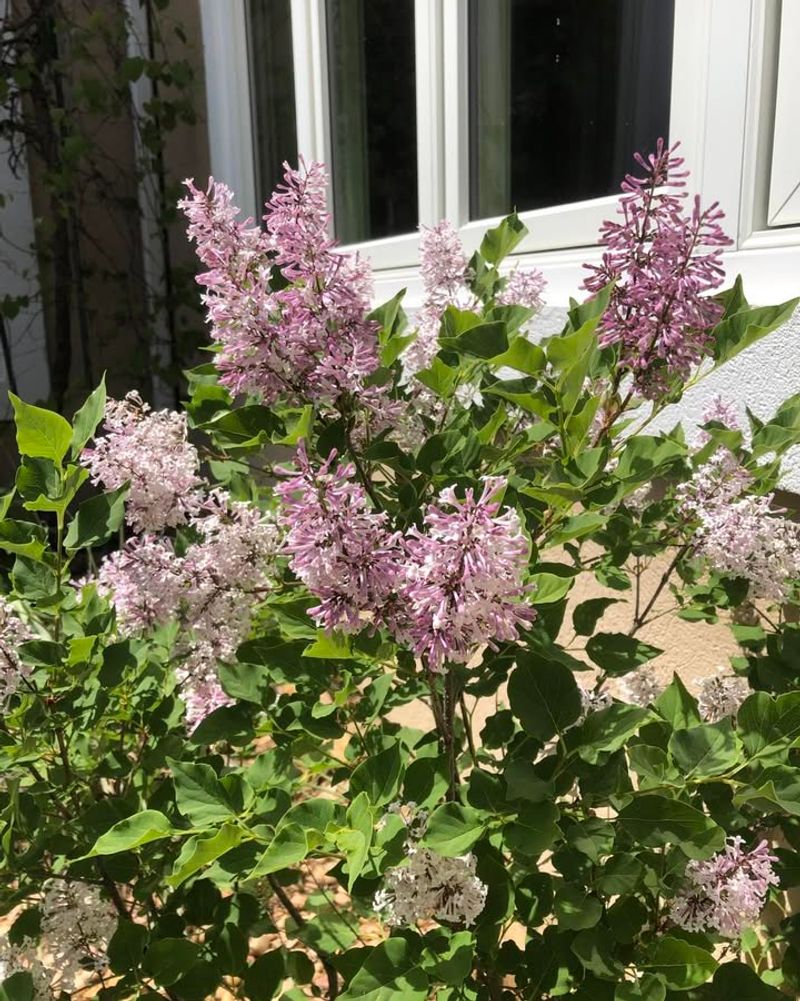
Picture this: it is early March in Oregon, the days are getting slightly longer, and you feel the urge to get out and feed your garden. So you grab a bag of fertilizer and head straight for your lilac bushes.
It feels like the right thing to do, but it is actually one of the most common mistakes Oregon gardeners make every single year.
Lilacs in early March are still dormant. Their roots have not woken up yet.
They are not ready to absorb nutrients from the soil. When you add fertilizer at this stage, those nutrients just sit in the soil or wash away with Oregon’s spring rains before the plant can use them at all.
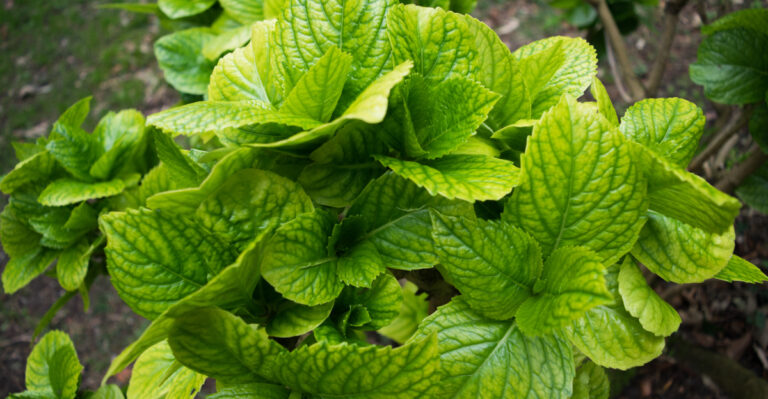
Even worse, a sudden burst of fertilizer can trick the plant into pushing out soft, tender new growth too early. That new growth is extremely vulnerable to late frosts, which are very common across Oregon in March and even into April.
That tender growth can get damaged fast, setting your lilac back weeks. Waiting just a little longer makes a huge difference for your blooms this season.
2. Why Lilacs Don’t Need Heavy Fertilizer

Lilacs are surprisingly tough and independent plants. Unlike roses or vegetable gardens that need regular feeding to perform well, lilacs are actually low-maintenance shrubs that thrive without a lot of extra nutrients.
Many experienced Oregon gardeners have learned this the hard way after years of over-fertilizing.
Most Oregon soils already contain enough natural nutrients to support a healthy lilac. When you add heavy fertilizer on top of already decent soil, you are giving the plant far more than it needs.
Too much of a good thing can confuse the plant’s natural growth cycle and cause real problems with flowering.
Healthy lilacs that get little to no fertilizer often produce more blooms than heavily fed ones. That might sound surprising, but it makes perfect sense once you understand how lilacs work.
They put their energy into flowers when they are slightly stressed, not when they are swimming in nutrients. In fact, many Oregon gardeners who stopped fertilizing their lilacs altogether reported seeing more blooms the very next season.
Less really can be more when it comes to feeding these classic shrubs.
3. Too Much Nitrogen, Fewer Blooms

Nitrogen is the nutrient most people think of when they grab a bag of fertilizer. It makes plants grow fast and look lush and green.
But for lilacs, too much nitrogen is a serious problem that leads directly to fewer flowers on your bush.
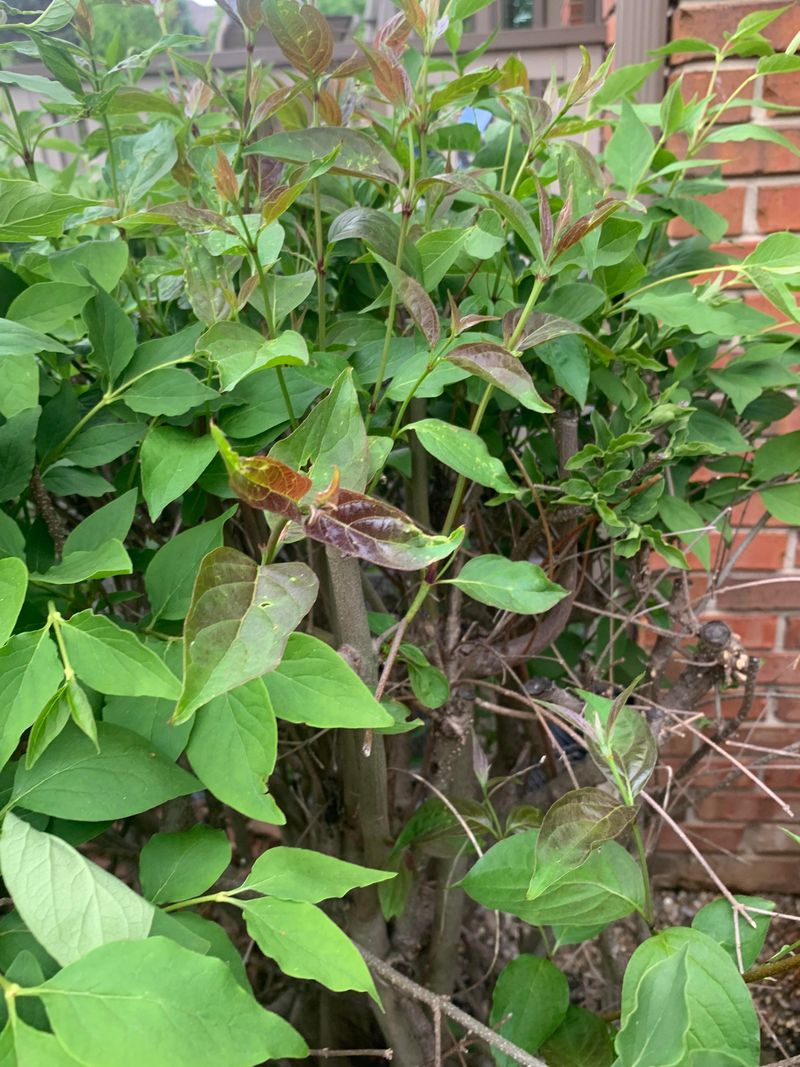
When a lilac gets a heavy dose of nitrogen, it responds by pushing out lots of leafy green growth. The plant pours its energy into stems and leaves instead of setting flower buds.
By the time spring arrives, you end up with a big, bushy, green shrub with almost no blooms to show for all your effort and money spent on fertilizer.
Oregon gardeners dealing with this issue often wonder what went wrong. The answer is usually sitting right in the garage next to the lawnmower.
High-nitrogen lawn fertilizers are sometimes accidentally used on nearby shrubs, or gardeners apply all-purpose fertilizers with too much nitrogen content. If you do choose to feed your lilacs, always look for a low-nitrogen or balanced formula.
Better yet, skip the nitrogen-heavy products entirely and let your Oregon lilacs do what they naturally do best.
4. How Overfeeding Disrupts Flower Buds
Flower buds on a lilac are actually formed the previous summer, not in spring. That is one of the most important things to understand about these plants.
By the time March rolls around in Oregon, those buds are already set and just waiting for the right moment to open up.
Overfeeding in early March can interfere with that delicate process. A sudden rush of nutrients sends mixed signals to the plant.
Instead of supporting the existing flower buds, the extra energy gets redirected into pushing out new vegetative growth. The flower buds can stall, shrink, or fail to open properly as a result.
Think of it like waking someone up in the middle of a deep sleep and handing them a huge meal. The timing is completely off, and the body does not know what to do with it.
Lilacs need a calm, gradual transition from dormancy into active growth. Flooding them with fertilizer in early March disrupts that natural rhythm.
Protecting those already-formed flower buds means holding back on feeding until the plant is truly ready, which in Oregon usually means waiting until mid to late April at the earliest.
5. Why You’re Getting Only Leaves

Nothing is more disappointing than watching your lilac bush leaf out beautifully every spring and then produce zero flowers. If this has been happening in your Oregon garden for more than one season, overfeeding is one of the first things to look at.
Lilacs shift their energy based on what is available to them. When nitrogen levels in the soil are high, the plant goes into full growth mode.
It builds stems, expands its canopy, and pumps out leaf after leaf. Flowering gets pushed to the back burner because the plant is too busy growing everything else.
Another thing worth knowing is that lilacs need a proper cold period during winter to trigger blooming. Oregon’s mild winters in some coastal areas can sometimes reduce that chill time.
But even in areas with enough cold, overfeeding can override the bloom trigger entirely. If your soil has been fertilized heavily for several years in a row, it may take a season or two of holding back before your lilac returns to its natural blooming pattern.
Patience and restraint with fertilizer are two of the best tools an Oregon gardener can have in their spring toolkit.
6. When Lilacs Actually Need Feeding

Timing is everything when it comes to feeding lilacs. Skipping the March rush and waiting until mid to late April is a much smarter approach for Oregon gardeners.
By that point, soil temperatures across most of Oregon have climbed to around 60 to 70 degrees Fahrenheit, which signals that roots are actively working again.
That is the sweet spot for fertilizing. The plant is awake, the roots are absorbing water and nutrients, and any fertilizer you apply will actually be used rather than washed away by rain or locked in cold soil.
Applying a balanced, low-nitrogen fertilizer at this stage can give your lilac a gentle boost without pushing it into overdrive.
Young lilac plants that are still getting established may benefit from a light feeding once a year during this window. Mature lilacs, especially those that are already blooming well, often do not need any fertilizer at all.
A soil test is a great first step for Oregon gardeners who are unsure. Knowing exactly what your soil already has means you will never over-apply nutrients again, and your lilacs will reward you with more blooms than you thought possible.
7. What To Do Instead For Better Blooms
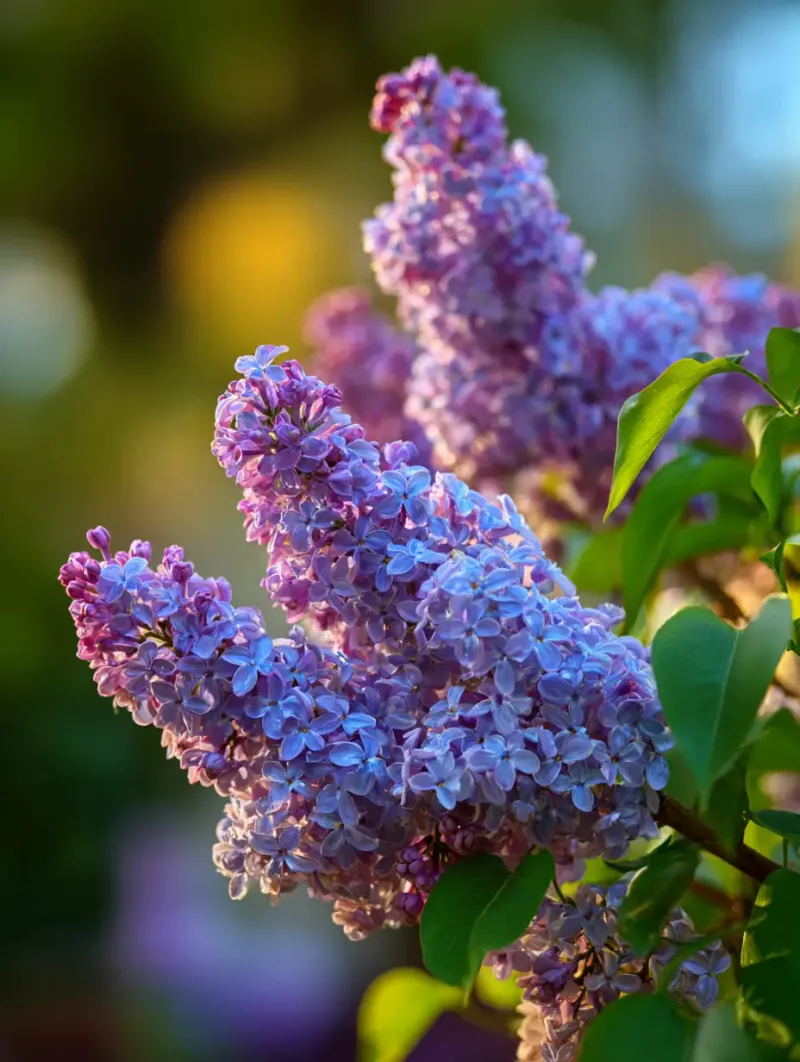
Forget the heavy fertilizer routine and try a few simpler approaches that actually work better for Oregon lilacs. Start with a layer of compost around the base of your shrub.
A two to three inch layer of aged compost added in early spring feeds the soil slowly and naturally without any risk of over-stimulating the plant.
Pruning is another powerful tool that gets overlooked. Right after your lilac finishes blooming, trim away the spent flower clusters and any withered or crossing branches.
This encourages the plant to set strong new buds for next year. Skip this step and the plant puts energy into seed production instead of flower buds, which means fewer blooms the following spring.
Watering consistently during dry Oregon summers also makes a big difference. Lilacs need moisture during the summer months when they are quietly setting next year’s flower buds.
Letting them dry out too much during that stage can reduce blooming significantly. Sunlight matters too.
Make sure your lilac gets at least six hours of direct sun daily. Between smart pruning, good compost, regular summer watering, and patience with fertilizer timing, your Oregon lilacs can reward you with stunning, fragrant blooms every single year.