This March Lawn Aeration Mistake Could Cost Ohio Homeowners
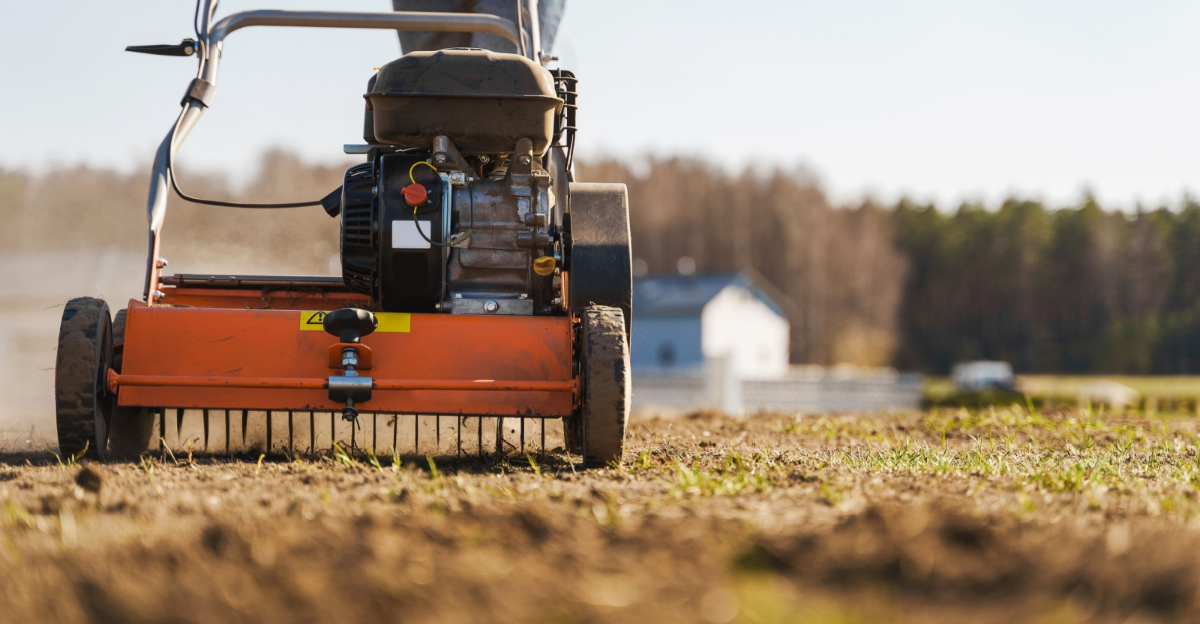
Did you aerate your Ohio lawn last spring, only to watch it struggle a few weeks later? At first it seems like the perfect spring task.
The snow is gone, the soil feels softer, and giving your grass some breathing room sounds like exactly what it needs.
Plenty of homeowners fire up the aerator in March hoping for thicker, greener turf by summer. But lawns don’t bounce back just because the calendar says spring.
Get the timing wrong, and the grass can end up stressed, thin, and fighting weeds instead of thriving. In many cases, the problem isn’t aeration itself, the real mistake is doing it too early.
1. Aerating Too Early Can Damage Your Lawn
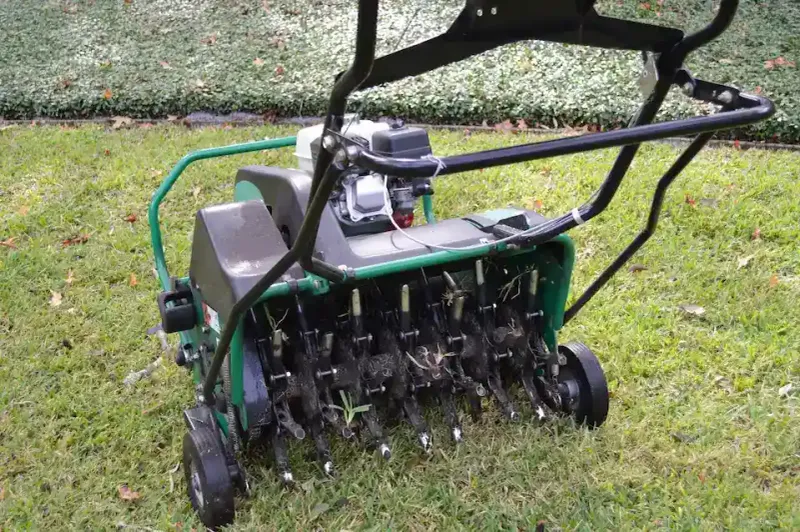
It is a mild Saturday morning in early March, the snow has melted, and you are ready to fire up the aerator. It feels like the perfect time.
But beneath that surface, Ohio soil tells a very different story.
In early March, Ohio lawns are often still in a semi-frozen or saturated state. The freeze-thaw cycle that dominates Ohio winters leaves soil structurally weak and highly vulnerable.
When you push an aerator over waterlogged ground, the machine does not loosen the soil effectively. Instead, it smears and compacts the wet layers beneath the surface, making drainage worse, not better.
Cool-season grasses like Kentucky bluegrass and tall fescue, which are common across Ohio, are still dormant or just barely waking up in early March. Their root systems are fragile and not yet actively growing.
Forcing aeration on dormant turf stresses the grass crowns and can leave open wounds in the soil that dry out before new roots can fill them.
Ohio State University Extension recommends waiting until soil temperatures consistently reach 50 to 55 degrees Fahrenheit before aerating cool-season lawns. Rushing the process by even a few weeks can undo months of careful lawn preparation and set your yard back significantly for the entire season.
2. Identify When Soil Is Ready For Aeration
Knowing when your soil is actually ready to be aerated is one of the most practical skills an Ohio homeowner can develop. The good news is that you do not need expensive equipment to figure it out.
Start with the screwdriver test. Push a standard screwdriver about six inches into the ground.
If it slides in with moderate resistance, your soil is moist enough to aerate effectively. If it barely moves, the ground is still too dry or frozen.
If it sinks in with almost no effort, the soil is too wet and will compact under the weight of the aerator.
Another reliable method is the footprint test. Walk across your lawn and look back at your footprints.
If the grass springs back within a few seconds, the turf is healthy and firm enough to handle aeration. If the footprints stay pressed down, the grass is still too weak or the soil too soft.
Soil temperature is equally important. Inexpensive soil thermometers are available at most Ohio garden centers and give you an accurate reading at root depth.
Aiming for consistent soil temps of 50 to 55 degrees Fahrenheit protects your turf and ensures that aeration actually delivers the results you are looking for this spring.
3. Use The Right Aeration Equipment
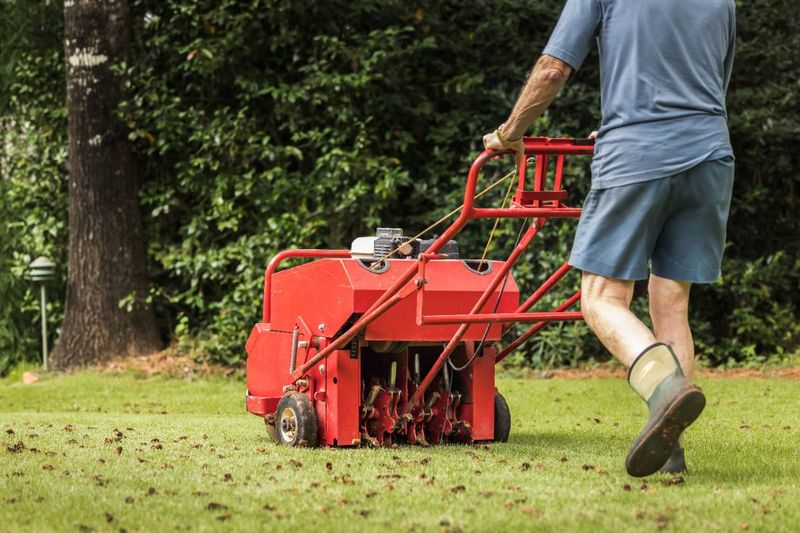
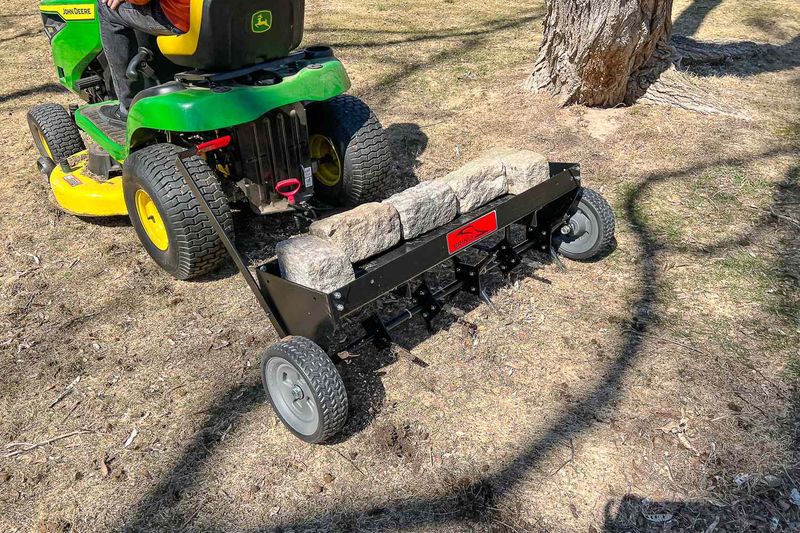
Not all aerators work the same way, and picking the wrong one is a mistake that Ohio homeowners make more often than you might think. The tool you choose has a direct impact on whether your lawn actually benefits from the process.
Core aerators, also called plug aerators, remove small cylinders of soil from the ground. Those plugs break down naturally over a few weeks, returning organic matter to the surface while creating genuine space for air, water, and nutrients to reach the root zone.
This method is strongly recommended by lawn care professionals across Ohio, especially for clay-heavy soils common in central and northwest Ohio.
Spike aerators, on the other hand, simply punch holes into the soil without removing any material. While they are cheaper and easier to use, spike aerators can actually increase compaction around each hole by pushing soil sideways rather than removing it.
For lawns with moderate to heavy compaction, spike aerators offer limited benefit and can sometimes make things worse.
For most Ohio homeowners, renting a walk-behind core aerator from a local equipment rental shop is the most cost-effective and results-driven option. Many Ohio hardware stores offer weekend rentals at reasonable rates, making core aeration accessible even for homeowners who do not want to invest in owning the equipment outright.
4. Time Aeration With Fertilization And Overseeding
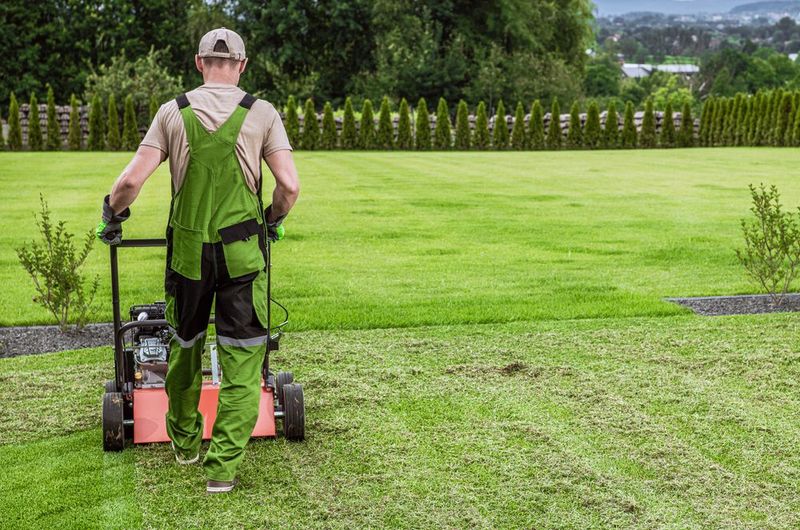
Aeration alone is a solid lawn care move, but pairing it with fertilization and overseeding turns a good effort into a great one. Timing all three tasks together is where Ohio homeowners can really maximize their spring lawn investment.
When you aerate first, the holes left in the soil act like tiny highways for grass seed and fertilizer. Seed dropped right after aeration falls into those channels and makes direct contact with loosened soil, dramatically improving germination rates compared to spreading seed on an unaeated surface.
Ohio State University Extension data shows that overseeding after aeration can improve grass establishment by as much as 50 percent in compacted or thin lawn areas.
Fertilizer applied immediately after aeration also reaches the root zone more efficiently. A slow-release nitrogen fertilizer applied in late April or early May, once soil temps are right, feeds emerging grass without encouraging weeds to take over.
Timing matters here too. Applying fertilizer too early in March, before grass is actively growing, wastes product and can contribute to nutrient runoff.
A smart Ohio lawn care calendar looks something like this: test soil in late March, aerate in mid-to-late April when conditions are right, then overseed and fertilize within 48 hours. Following this sequence consistently each spring builds a thicker, healthier lawn that handles Ohio summers with far less stress.
5. Aeration Helps Only If Grass Is Active
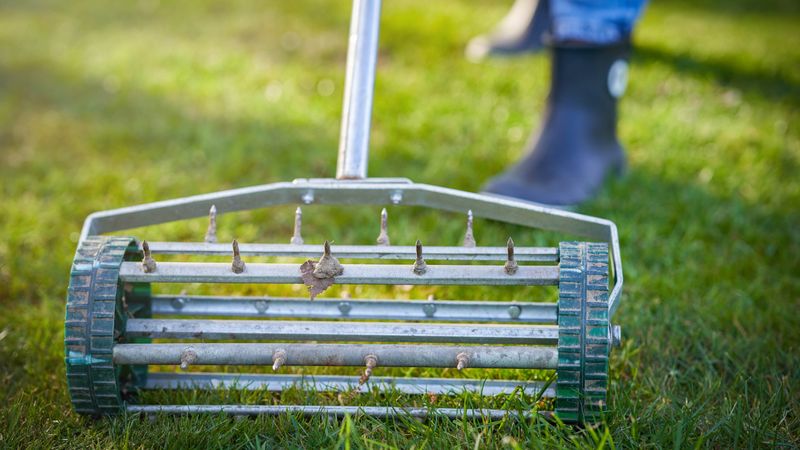
Here is something a lot of Ohio homeowners do not realize until it is too late: aerating dormant grass does almost nothing positive for your lawn. In fact, it can cause problems that take weeks to recover from.
Cool-season grasses like tall fescue, perennial ryegrass, and Kentucky bluegrass go semi-dormant during Ohio winters. Even when temperatures rise briefly in early March, the root systems of these grasses are not yet actively taking in water or nutrients.
Aerating at this stage creates open soil channels that dry out quickly, and without active root growth to fill those gaps, the lawn becomes more susceptible to weed invasion and soil erosion.
Active grass growth is the key signal to watch for. Look for consistent green color spreading across your lawn, not just isolated green patches.
Actively growing grass will also respond noticeably to mowing, needing to be cut more frequently as temperatures rise. These are reliable signs that your turf has enough energy to benefit from and recover after aeration.
In Ohio, that window typically opens in mid-to-late April for most regions, though southern Ohio lawns may be ready a week or two earlier than northern Ohio properties near Lake Erie. Paying attention to your specific lawn rather than following a fixed calendar date is the most reliable approach for getting aeration timing right every spring.
6. Repair Compacted Areas Carefully
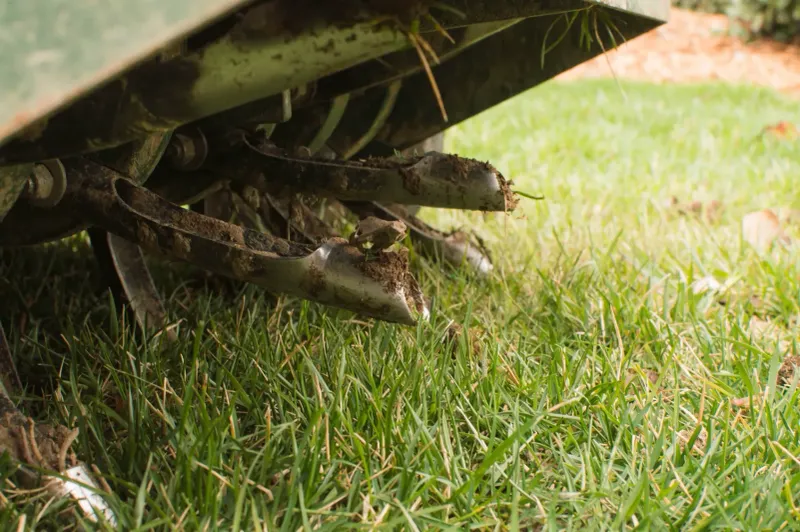
Maybe you already aerated a bit too early this March and you are noticing some rough patches. Before you panic, know that most early aeration damage on Ohio lawns is fixable with a little patience and the right approach.
Start by assessing the affected areas. If the soil looks smeared or the aeration holes have closed up due to wet conditions, give the lawn at least two to three weeks to dry out and stabilize before doing anything else.
Walking on waterlogged aerated soil repeatedly will only make compaction worse, so keep foot traffic off those sections as much as possible.
Once the soil has firmed up, you can do a light secondary aeration pass over the most compacted areas using a hand aerator or a small core aerator. This targeted approach avoids re-stressing the entire lawn while still addressing the problem zones.
Follow up with a light topdressing of compost mixed with coarse sand to help improve soil structure in those spots.
Overseeding bare or thin areas after the soil stabilizes is also a smart recovery move. Choose a grass seed blend suited to Ohio conditions, such as a quality tall fescue or bluegrass mix, and keep those areas consistently moist for the first two to three weeks.
With a little care, most Ohio lawns bounce back from early aeration mishaps well before summer arrives.
7. Plan For Next Spring To Avoid Early Mistakes
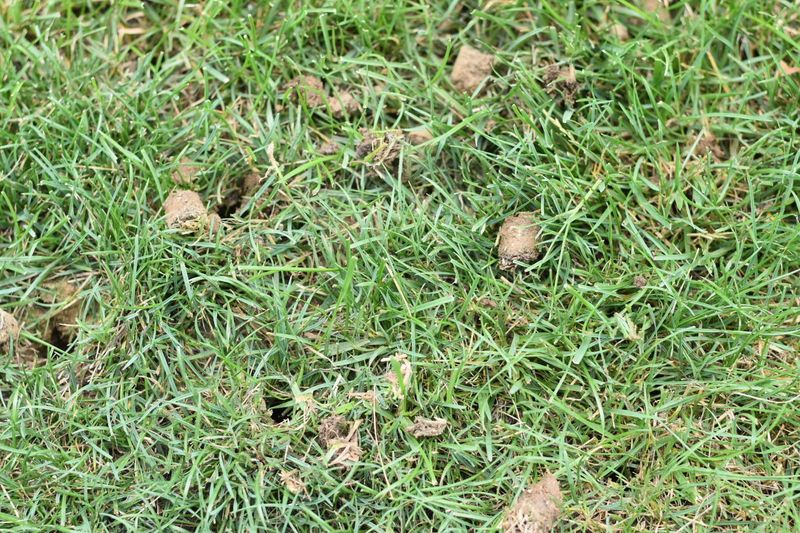
The best time to prevent next year’s aeration mistake is right now, while the lesson is still fresh. Ohio homeowners who take a few simple planning steps in the fall and early winter set themselves up for a much smoother spring lawn care season.
Start by bookmarking a reliable soil temperature map for Ohio. The Mesonet Ohio network and Ohio State University Extension both provide updated soil temperature readings by region throughout the year.
Checking these resources in early spring takes just a few minutes and removes all the guesswork about whether your soil is ready for aeration.
Also consider scheduling a soil test through your local Ohio State University Extension office in the fall. Soil tests reveal pH levels, nutrient deficiencies, and compaction tendencies specific to your property.
Armed with that data, you can choose the right fertilizer and amendment products to apply alongside aeration next spring, making every step more targeted and effective.
Finally, mark your calendar with a flexible aeration window rather than a fixed date. For most of Ohio, mid-to-late April is the sweet spot for cool-season lawn aeration.
Build in flexibility based on weather patterns, because Ohio springs are notoriously unpredictable. A plan that adapts to real conditions rather than a rigid date will protect your lawn year after year and keep it looking its best all season long.