This Michigan Arboretum Is A Must Visit On Your Next Trip
Right on the edge of Ann Arbor, Nichols Arboretum offers a refreshing break from busy city life where nature, history, and quiet beauty come together.
Locals simply call it the Arb, and for more than a century it has drawn visitors with its winding trails, open spaces, and ever changing seasonal color.
One moment you are walking beneath towering trees, the next you are surrounded by blooming gardens or peaceful views of the Huron River flowing below. Every visit feels a little different, shaped by weather, light, and the rhythm of the seasons.
Some come for long walks, others for photography, picnics, or a calm place to unwind. Whatever brings you there, the Arb leaves a lasting impression with its mix of natural charm and timeless atmosphere that keeps people returning again and again.
Experience A Historic Garden Established In 1907
Back in 1907, something special began when Esther and Walter Nichols donated land to create what would become one of Michigan’s most treasured green spaces. Their generous gift started a tradition of sharing nature’s beauty with everyone in the community.
The Arb grew from this thoughtful beginning into a living museum of plants and landscapes.
More than a hundred years have passed since those early days, yet the spirit of that original vision remains strong. Walking through the grounds today, you can feel the layers of history beneath your feet.
Generations of students, families, and nature lovers have explored these same paths and marveled at the same river views.
The Arboretum’s age gives it a character that newer parks simply cannot match. Mature trees tower overhead, their thick trunks telling stories of countless seasons.
Old garden beds hold heirloom varieties that connect us to the past. This historic foundation makes every visit feel like stepping into a storybook where nature and time blend beautifully together, creating memories that last forever.
Explore 128 Acres Of Scenic Natural Topography
The land at Nichols Arboretum rolls and dips in ways that surprise first-time visitors at every turn. Hills rise gently, then drop into cool ravines where shade plants thrive.
The terrain creates natural drama without needing any artificial design. Every slope offers a new perspective and another reason to pause and look around.
Walking these 128 acres feels like traveling through several different landscapes in one afternoon. You might climb a gentle hill to catch panoramic views, then descend into a quiet valley where birdsong echoes.
The Huron River borders the property, adding water’s peaceful presence to the mix. Photographers especially love how the varied ground creates interesting compositions at every angle.
This natural topography means no two visits feel quite the same. The changing elevations provide excellent exercise without feeling like a workout.
Families enjoy exploring different areas, discovering hidden corners and favorite spots. The landscape’s natural variety keeps things interesting whether you visit once or a hundred times, making each walk feel like a small adventure through Michigan’s beautiful terrain.
Discover Over 400 Plant Species
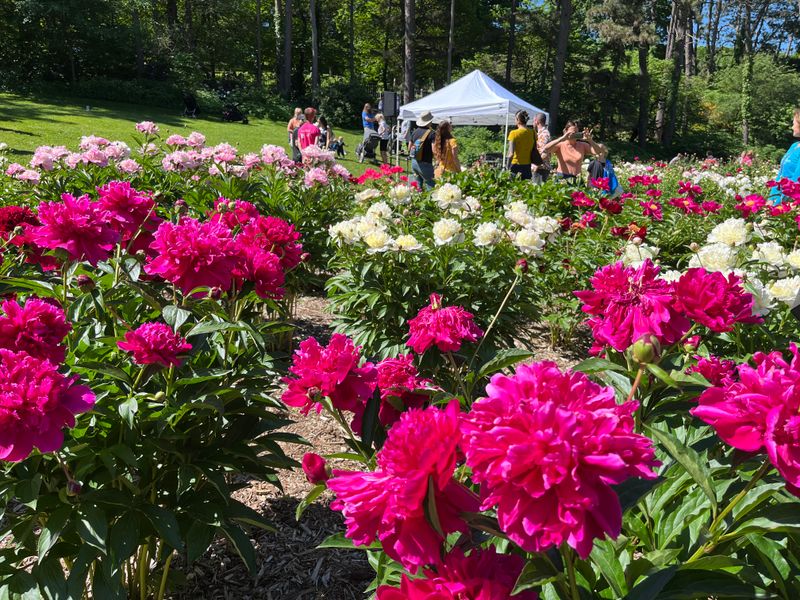
Plant enthusiasts find themselves in paradise when they explore the Arb’s incredible diversity. Over 400 different species grow throughout the grounds, representing Michigan’s native flora alongside carefully selected ornamental varieties.
Each season brings different plants into focus, creating an ever-changing display. Learning about these species helps visitors understand local ecosystems better.
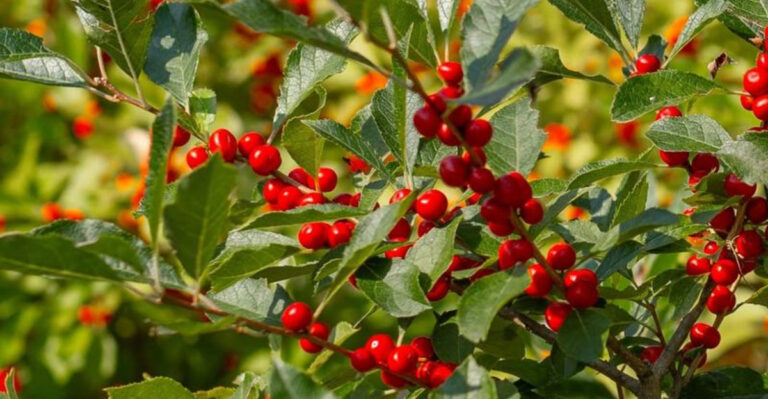
From towering oaks to delicate wildflowers, the collection spans the entire range of what grows well in this region. Native trees provide habitat for birds and insects, while specialty gardens showcase plants with particular growing needs or cultural significance.
Students studying botany use the Arb as an outdoor classroom. Home gardeners gather ideas for their own yards by seeing what thrives here.
The variety means something interesting catches your eye no matter when you visit. Spring ephemerals carpet the forest floor before trees leaf out.
Summer brings bold perennials into bloom. Fall showcases trees in their most colorful outfits.
Even winter reveals interesting bark textures and evergreen forms. This botanical richness makes the Arb valuable for education, conservation, and pure enjoyment of nature’s incredible diversity.
Enjoy University-Managed Conservation And Education
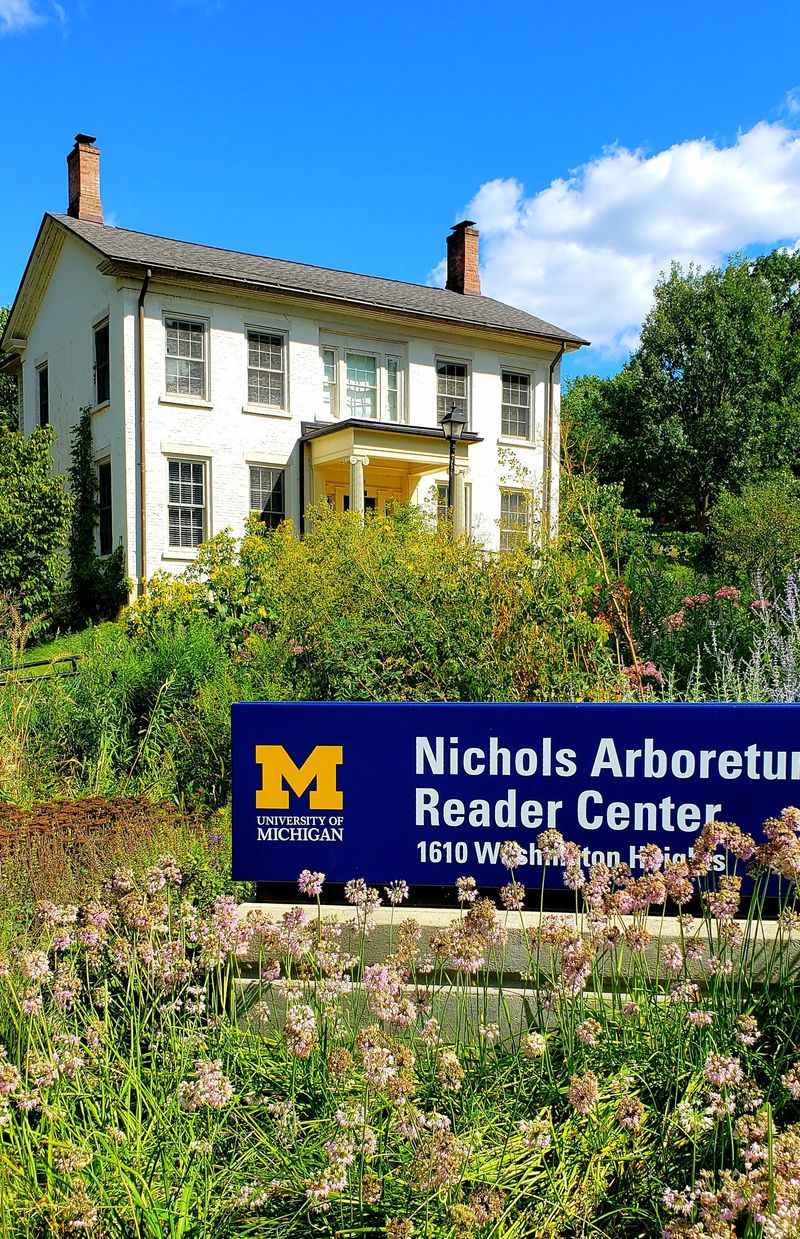
The University of Michigan’s careful management ensures the Arb remains beautiful and healthy for everyone. Professional staff and dedicated volunteers work year-round maintaining trails, managing plant collections, and protecting natural habitats.
Their expertise shows in every well-kept path and thriving garden bed. This level of care makes visiting pleasant and safe.
Educational programs connect visitors with nature in meaningful ways. Informative signs along trails identify plants and explain ecological relationships.
Workshops teach gardening skills and environmental awareness. School groups come for hands-on learning experiences they cannot get in regular classrooms.
The university’s resources support research that advances our understanding of plants and ecosystems.
Conservation efforts focus on preserving native species and restoring damaged habitats. Invasive plants get removed carefully to protect local flora.
Rain gardens manage stormwater naturally. These practices demonstrate how humans can care for land responsibly.
Visitors benefit from seeing conservation in action, learning approaches they might apply at home. The university’s commitment ensures the Arb will remain a vital green space for future generations to enjoy and learn from.
Walk Through The Famous Peony Garden
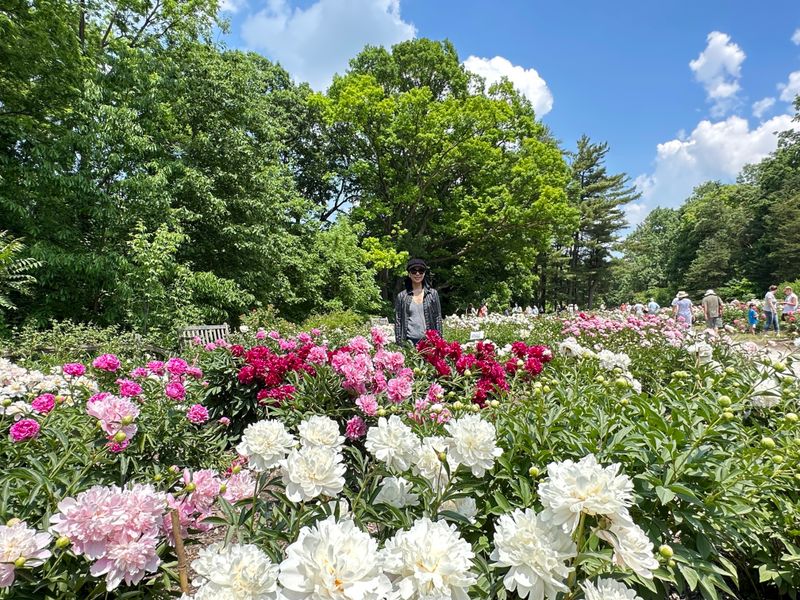
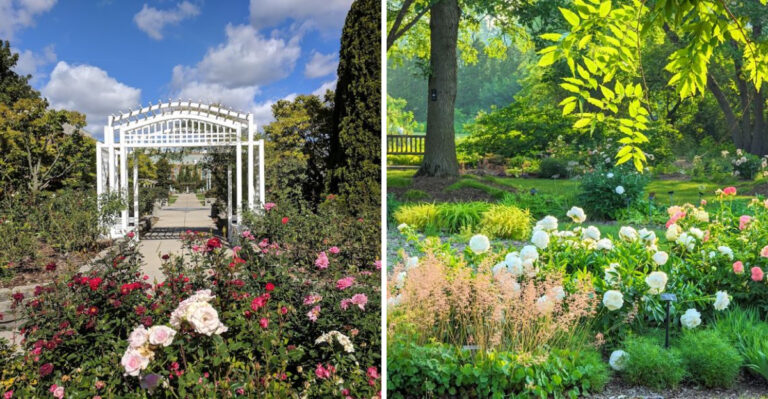
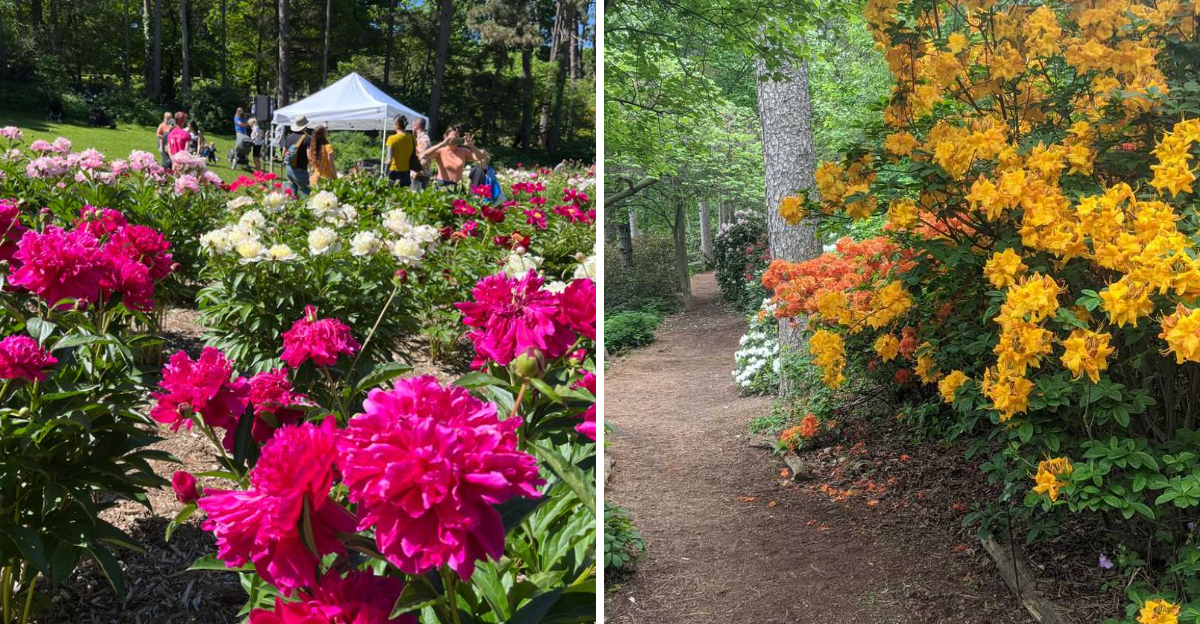
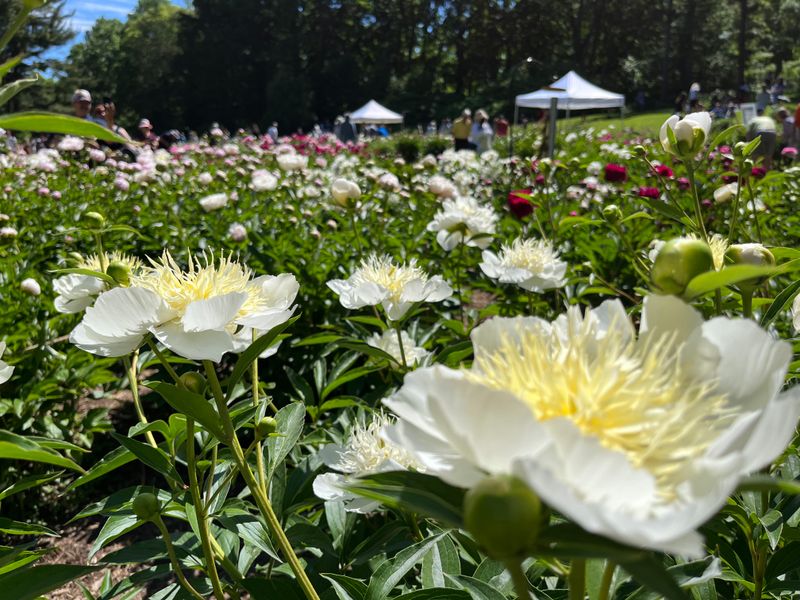
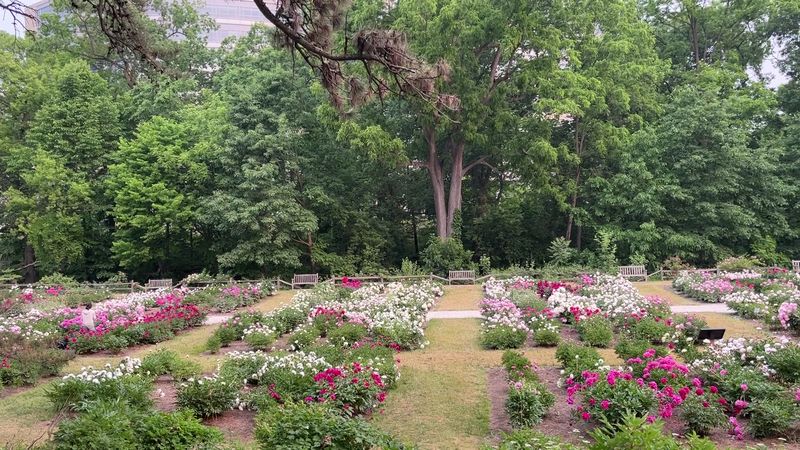
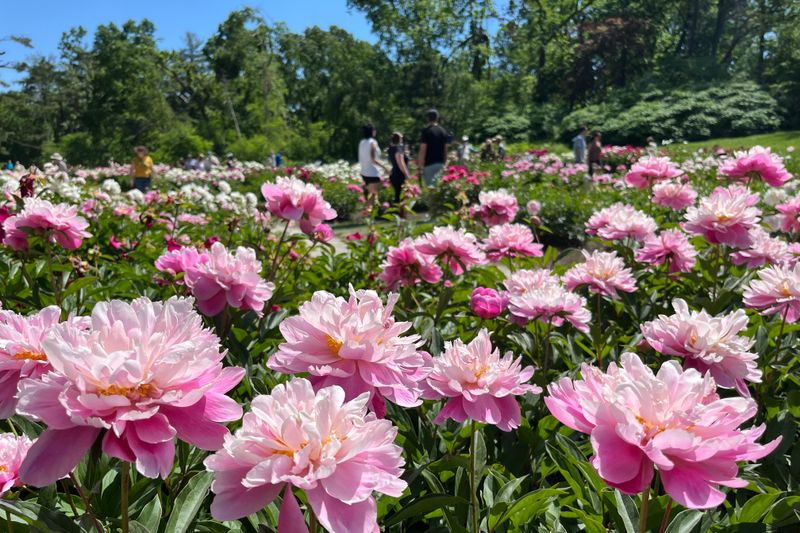
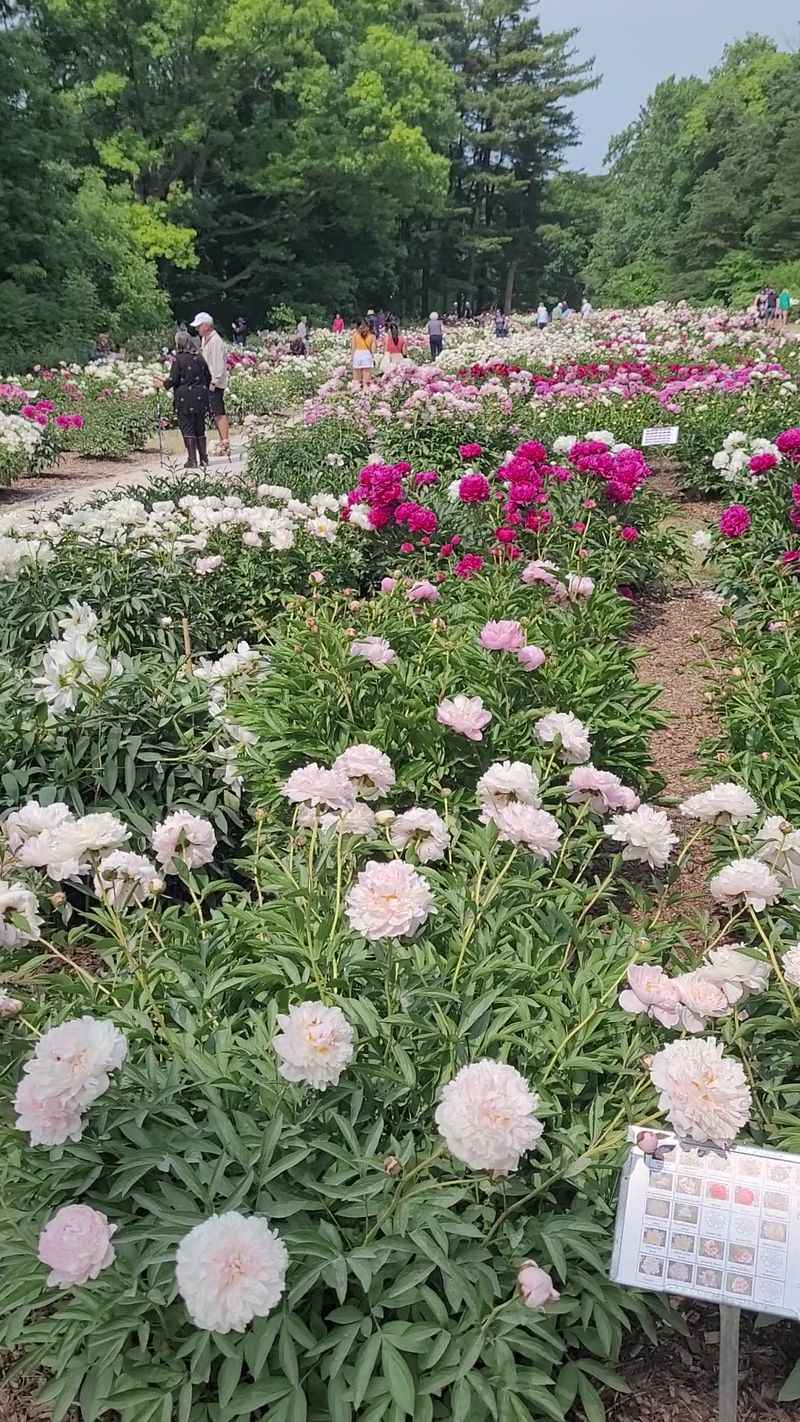
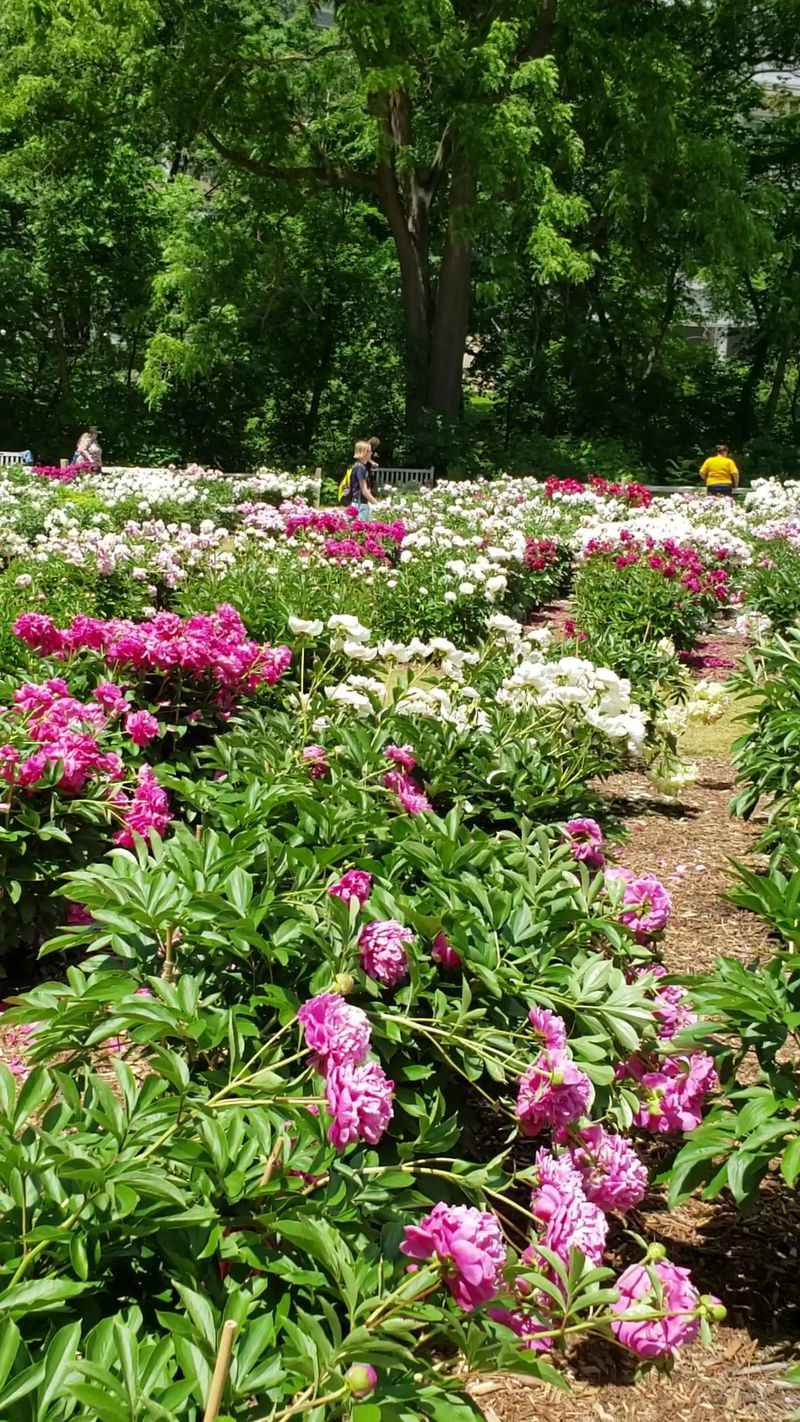
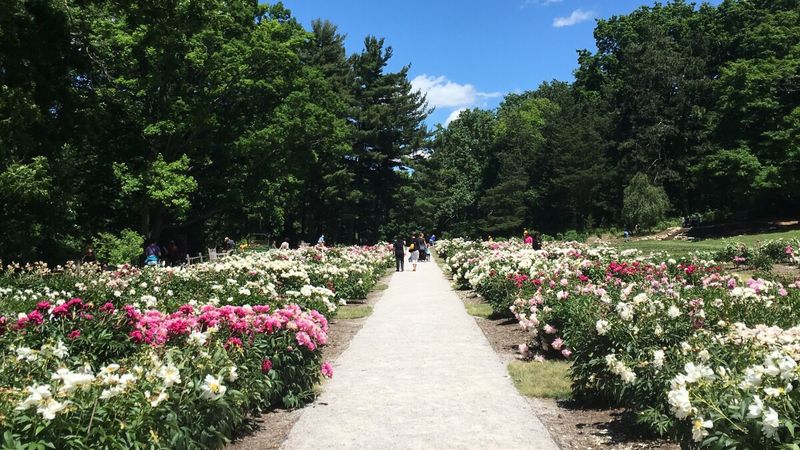
Late May brings magic to the Arb when hundreds of peonies burst into spectacular bloom. The Peony Garden becomes the star attraction, drawing crowds who gasp at the sheer abundance of flowers.
Heirloom varieties passed down through generations fill beds with colors ranging from pure white to deep burgundy. The sweet fragrance drifts on warm breezes, making the experience unforgettable.
These aren’t ordinary garden center peonies. Many plants represent rare or historic cultivars carefully preserved here.
Some bushes have bloomed for decades, their woody stems thick with age. Visitors can compare different flower forms, from simple singles to elaborate doubles packed with petals.
Photographers arrive early to catch morning light illuminating the blooms.
The display typically peaks during early June, though timing shifts slightly each year depending on weather. Planning a visit for this narrow window rewards you with one of Michigan’s finest floral shows.
Even after peak bloom, the garden remains attractive with healthy foliage and interesting plant forms. This collection represents horticultural heritage worth celebrating, offering inspiration for anyone who loves old-fashioned flowers with timeless beauty and charm.
Explore Specialized Gardens Like The Gateway And Shrub Collections
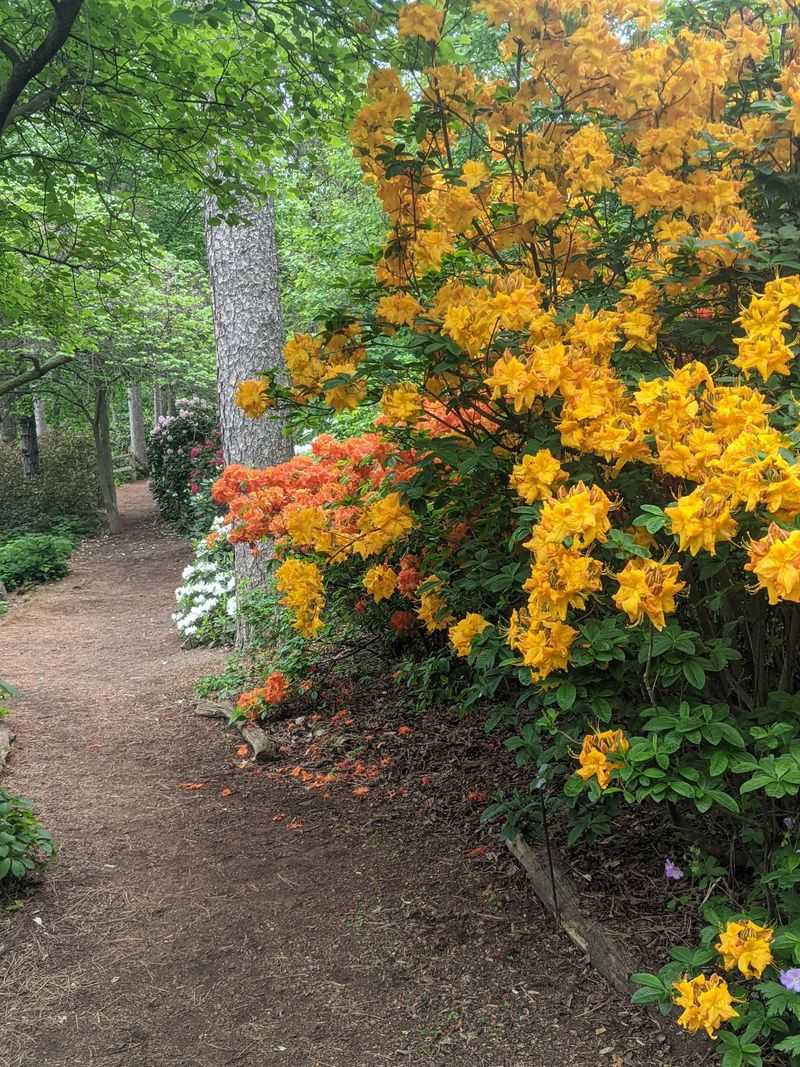
Beyond the famous peonies, several specialized garden areas showcase plants grouped by type or purpose. The Gateway Garden greets visitors with carefully designed beds demonstrating landscaping principles.
Shrub collections display woody plants in ways that highlight their unique characteristics. These curated spaces offer concentrated learning opportunities for plant lovers.
Each themed area tells its own story through thoughtful plant selection and arrangement. You might discover shrubs with interesting bark textures grouped together, or plants that attract pollinators arranged to show seasonal progression.
Design elements like pathways and seating invite you to slow down and really observe. These gardens work as outdoor classrooms where observation teaches as much as any book.
Home gardeners find tremendous inspiration walking through these collections. Seeing mature specimens helps you understand how plants look at full size, not just as small nursery pots.
Combinations that work well together spark ideas for your own yard. Labels provide names and growing information you can reference later.
These specialized areas prove that thoughtful plant selection creates beauty while serving educational purposes that benefit everyone who visits.
Enjoy 3.5 Miles Of Trails For Recreation
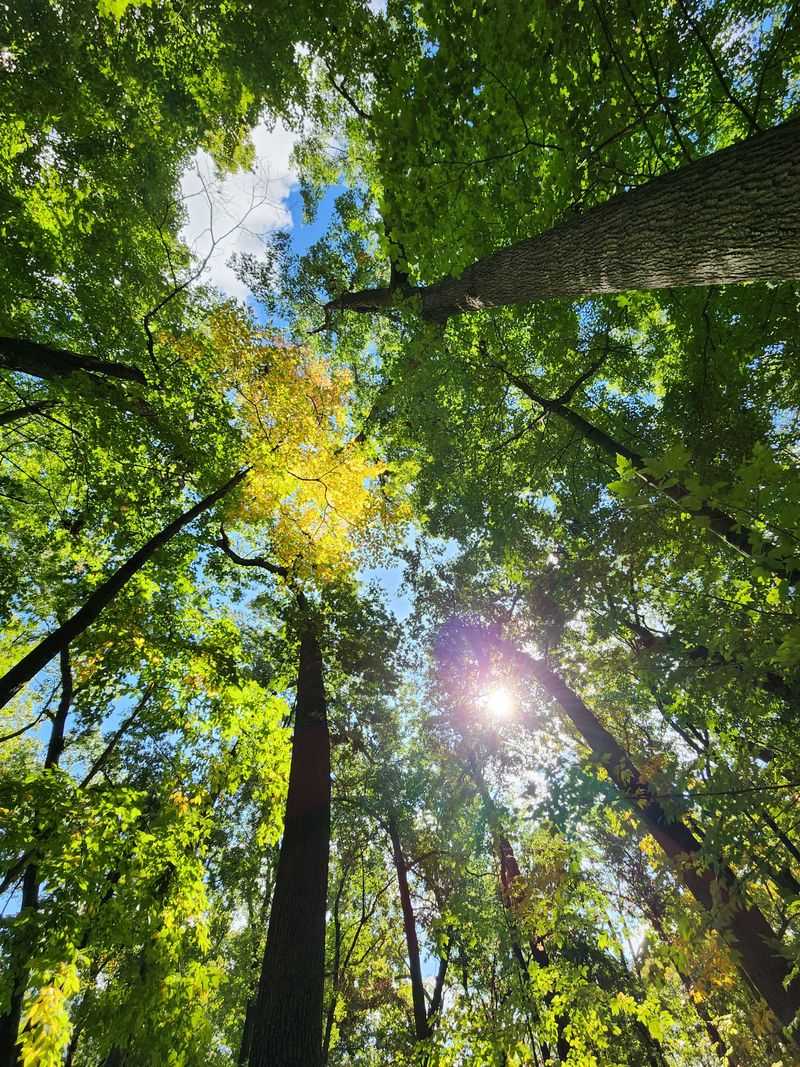
Three and a half miles of trails wind through every corner of the Arb, connecting all the major features. These paths range from wide, easy routes perfect for casual strolls to narrower trails that feel more adventurous.
Well-maintained surfaces make walking pleasant without destroying the natural character. The trail system lets you choose your own adventure based on time and energy.
Joggers appreciate the varied terrain that provides a good workout with beautiful scenery. Walkers enjoy meandering at their own pace, stopping whenever something catches their attention.
The trails take you through different habitats, from dense woodlands to open meadows and riverside areas. Each section offers unique sights and sounds that make the miles pass quickly.
Maps posted at key locations help visitors navigate without getting lost. The loop options mean you can make your visit as short or long as you prefer.
Benches along the way provide rest stops with pleasant views. These trails serve as the Arb’s circulatory system, giving access to everything special about this place while providing healthy outdoor recreation that anyone can enjoy regardless of fitness level or age.
Experience Year-Round Beauty
The Arb never closes for the season because something beautiful happens every month of the year. Spring explodes with wildflowers and flowering trees that signal winter’s end.
Summer brings lush greenery and the hum of insects visiting blooms. Each season offers distinct rewards for those who venture out to see what nature is doing now.
Fall transforms the landscape into a painter’s palette of reds, oranges, and golds. The varied tree collection ensures a long, dramatic autumn show.
Leaves crunch underfoot as you walk, and cool air feels refreshing after summer’s heat. This season draws photographers hoping to capture Michigan autumn at its finest.
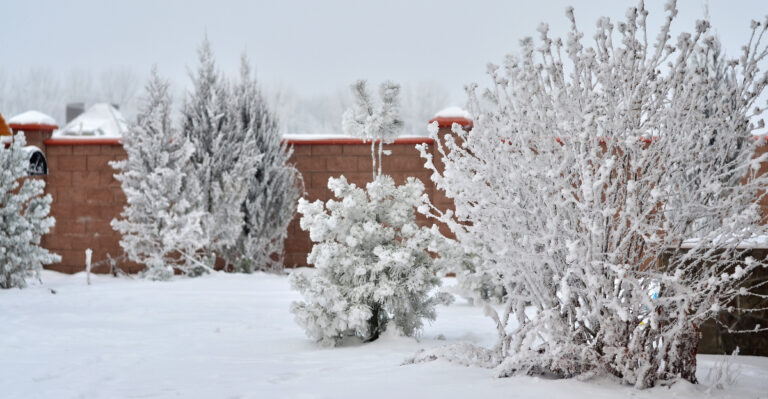
Winter surprises people who think parks shut down when snow falls. The Arb’s trails stay open, offering peaceful walks through quiet woods.
Snow outlines every branch, creating stark beauty against gray skies. Evergreens provide color when everything else rests.
The changing seasons mean you could visit monthly and always find something new to appreciate, making the Arb a four-season destination rather than just a warm-weather escape.
Take Advantage Of Free, Public Access
No admission fees or tickets stand between you and enjoying the Arb’s beauty. The gates open at sunrise and close at sunset every single day, welcoming anyone who wants to visit.
This generous policy reflects the original donors’ vision of sharing nature with the entire community. Everyone belongs here regardless of income or background.
Free access removes barriers that keep people from experiencing nature. Families can visit weekly without worrying about costs adding up.
Students find a quiet place to study outdoors. Retirees enjoy daily walks without membership fees.
The openness creates a democratic space where all community members can connect with the natural world.
Parking is available nearby, making arrival simple and convenient. No reservations or advance planning is needed for casual visits.
You can decide on a whim to spend an hour at the Arb and just show up. This accessibility makes the space truly public, serving its educational and recreational purposes for the broadest possible audience.
The free admission policy stands as one of the Arb’s most important features, ensuring nature remains available to everyone.
Observe Diverse Natural Habitats Along The Huron River
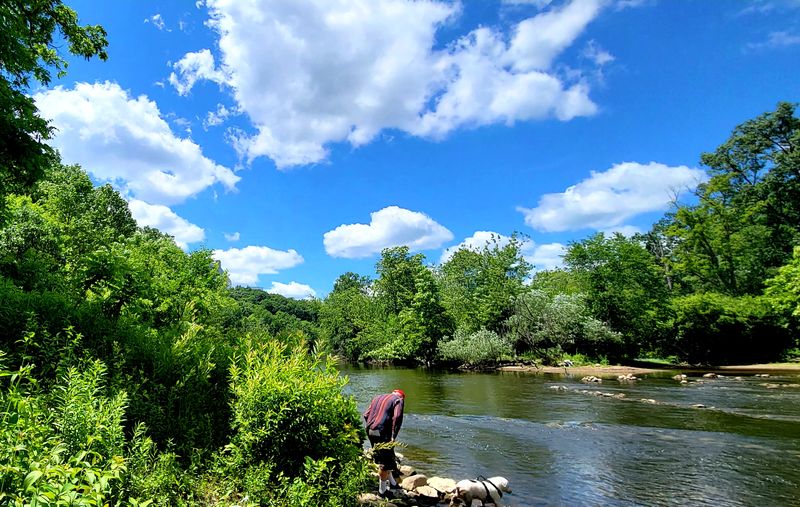
The Huron River’s presence creates a mosaic of habitats that wouldn’t exist without water nearby. Woodlands grow thick where the ground stays moist.
Wetland areas support plants adapted to soggy conditions. Restored prairie patches showcase native grasses and wildflowers. This habitat diversity attracts an impressive variety of wildlife.
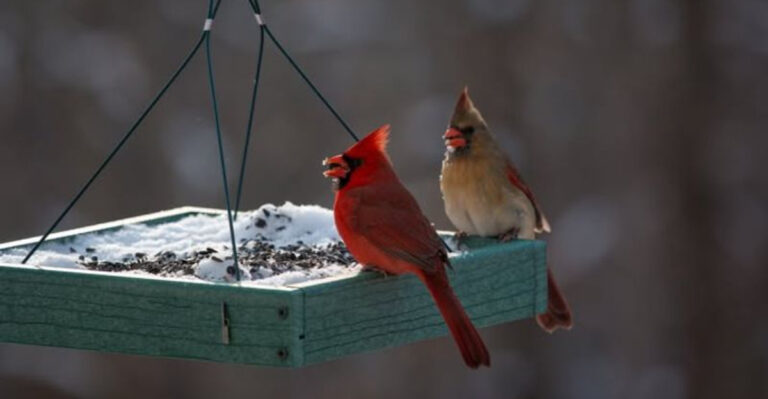
Birdwatchers bring binoculars hoping to spot species that depend on these ecosystems. Herons fish along the river’s edge. Songbirds nest in shrubby areas. Waterfowl paddle past during migration seasons.
The different habitats support different creatures, making the Arb valuable for animal observation as well as plant study.
Ecological restoration work has improved these natural areas over recent years. Native plants replace invasive species that once dominated.
Healthy habitats function better, supporting more diverse communities of plants and animals. Visitors can observe conservation in progress, seeing how careful management helps nature recover.
The riverfront ecosystems demonstrate connections between water, land, and living things, offering lessons about environmental health that extend far beyond the Arb’s boundaries into our larger world.
Attend Cultural Events Like Shakespeare In The Arb
Nature and culture blend beautifully when the Arb hosts special events throughout the year. Shakespeare in the Arb brings classic theater outdoors, with performances set against natural backdrops.
Audiences sit on blankets under trees, enjoying professional acting in a magical setting. These events add another dimension to what the Arb offers the community.
The combination of art and nature creates experiences you cannot get in traditional venues. Birds might sing during quiet moments.
Breezes rustle leaves as actors deliver their lines. Sunset light changes the mood as performances progress.
These natural elements become part of the show, enhancing rather than distracting from the production.
Cultural programming attracts people who might not otherwise visit the Arb. Theater fans discover the beautiful grounds.
Regular visitors enjoy seeing their favorite place used in new ways. Events build community connections, bringing diverse groups together in shared appreciation of both nature and human creativity.
The Arb’s willingness to host such programs demonstrates its role as more than just a plant collection, serving as a genuine community gathering place.
Plan Your Visit Around Seasonal Highlights
Timing your visit to match seasonal highlights maximizes what you’ll experience at the Arb. Knowing when peonies bloom or when fall color peaks helps you plan trips around the most spectacular displays.
Spring ephemerals appear briefly in April before trees leaf out. Late May through early June brings the peony explosion everyone talks about.
Fall foliage typically peaks in mid-October, though exact timing varies with weather patterns. Arriving during these windows means seeing the Arb at its most photogenic.
Social media and the Arb’s website often provide updates on what’s currently blooming or changing color. These resources help you choose the perfect moment for your visit.
Even off-peak times have their own appeal for visitors seeking quiet contemplation rather than crowds. Summer offers lush greenery and active wildlife.
Winter provides solitude and stark beauty. Understanding the seasonal rhythm helps you decide what experience you want.
Whether you chase peak blooms or prefer peaceful off-season walks, knowing what to expect enhances your visit and helps you appreciate the natural cycles that make the Arb endlessly interesting throughout the entire year.