This Mulching Mistake Could Cost You Your Plants This Spring In Oregon
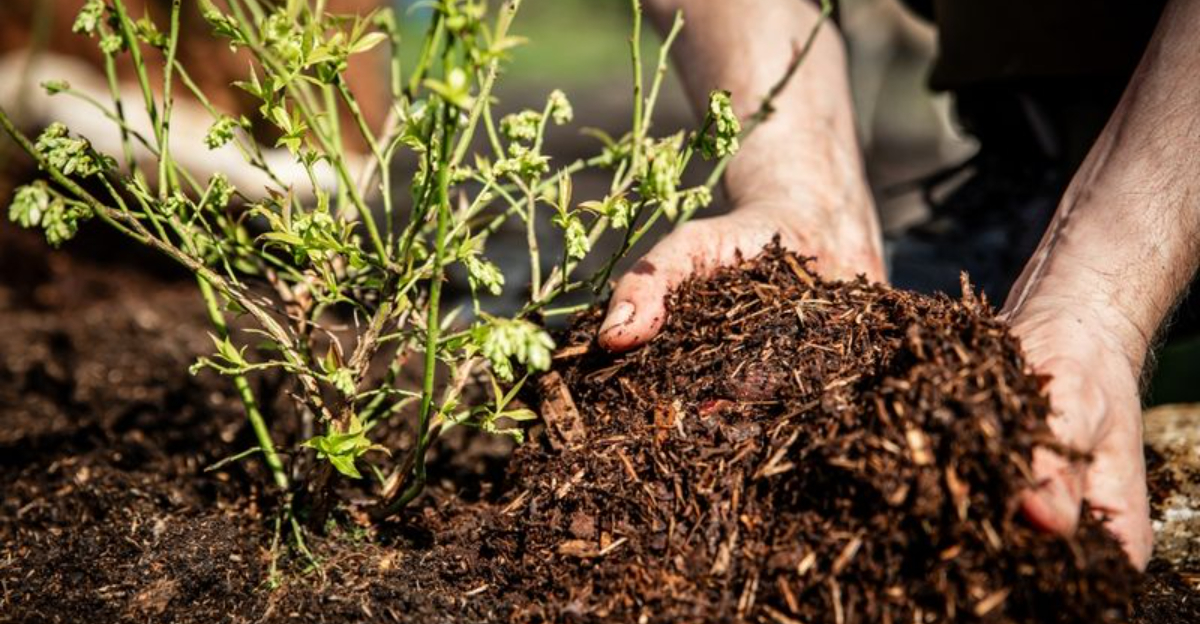
Spring in Oregon has a way of pulling us back into the garden. The rain softens the soil, everything starts to green up, and adding a fresh layer of mulch feels like one of the easiest ways to tidy things up.
It’s a simple task, and it usually feels like you’re doing your plants a favor.
But there’s one small detail that often gets overlooked. When mulch is piled right up against stems or mounded around trunks, it can cause problems that don’t show up right away.
In our damp Pacific Northwest climate, too much moisture around the base of plants can lead to rot, invite disease, and slowly weaken trees, shrubs, and perennials over time.
If you’ve ever spread mulch quickly just to get it done, you’re not alone. Most gardeners learn this the hard way.
A little space around the base of each plant can make a big difference, helping roots stay healthy and plants breathe as they grow.
1. The One Mulching Mistake Oregon Gardeners Make Every Spring
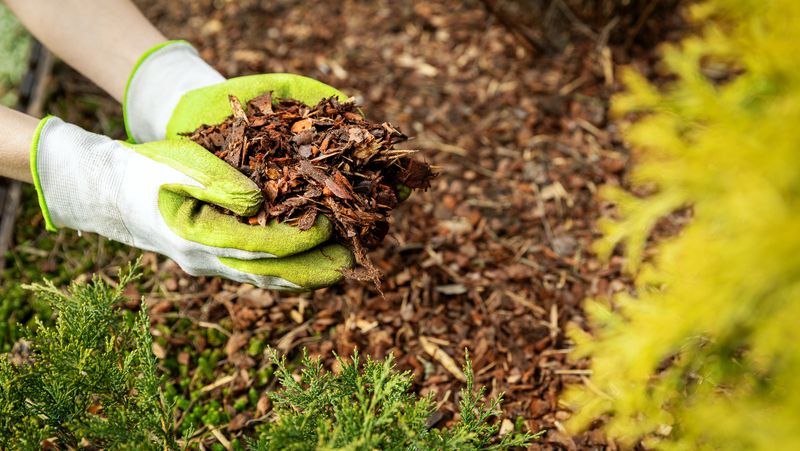
Every spring, gardeners across Oregon head to the nursery, load up on fresh mulch, and spread it generously around their plants. It looks tidy, smells earthy, and feels like progress.
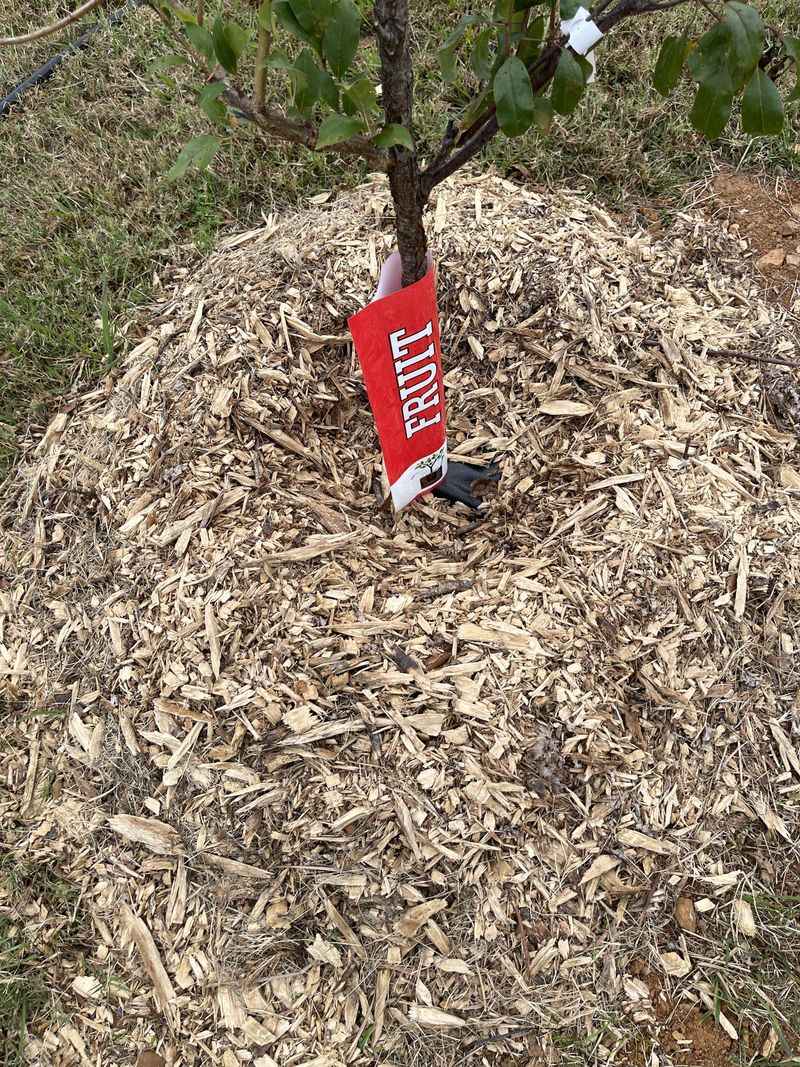
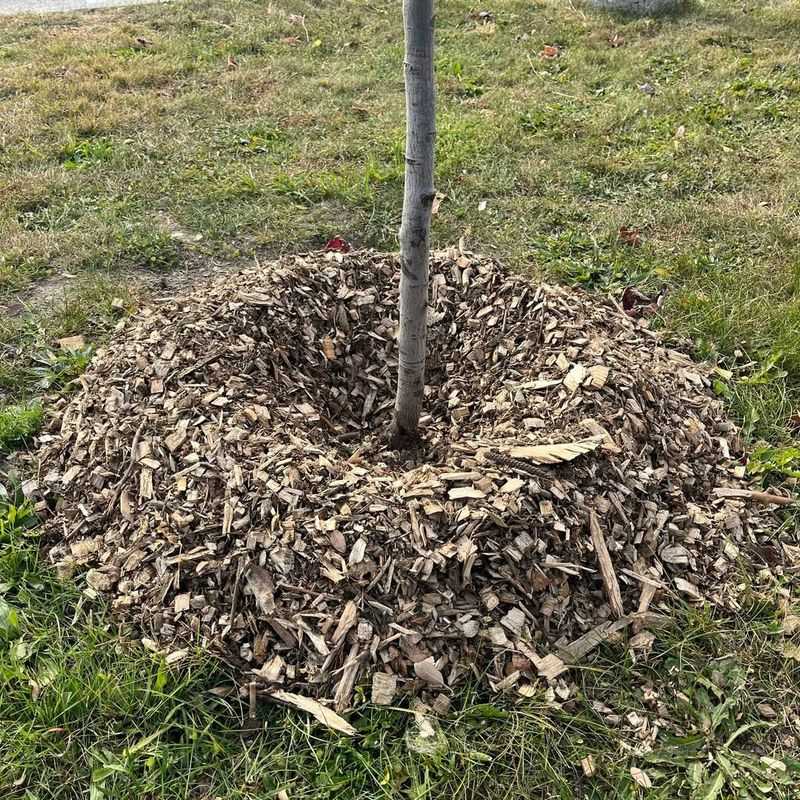
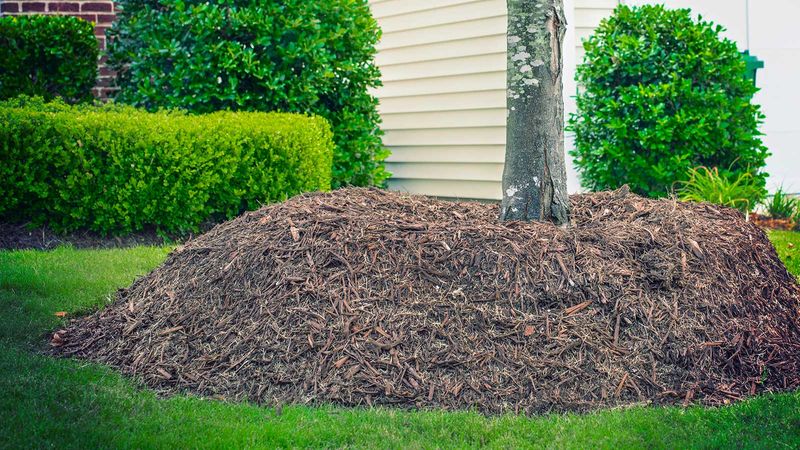
But many people unknowingly pile that mulch right up against the base of their trees, shrubs, and perennials, burying the stems and lower trunks under several inches of wood chips or bark. This practice is so common it even has a nickname among arborists: volcano mulching.
You’ve probably seen it a cone-shaped mound of mulch rising around a tree trunk like a miniature mountain. It looks intentional, even professional, which is why so many homeowners think it’s the right way to do things.
Unfortunately, burying stems and trunks in mulch is one of the most damaging things you can do to your plants. In Oregon’s wet climate, where rain lingers and humidity stays high for months, this mistake invites rot, fungal disease, and insect damage.
The very material meant to protect your plants ends up suffocating them instead. Oregon State University Extension warns against this practice repeatedly, yet it persists in gardens from Portland to Eugene.
The good news is that once you understand why it’s harmful, the fix is simple and immediate.
2. Why Piling Mulch Against Stems Seems Harmless
At first glance, piling mulch around your plants seems like a smart move. More mulch means more protection, right?
It looks neat, keeps weeds down, and gives your garden beds a finished, professional appearance. Many gardeners assume that if a little mulch is good, then more must be better.
Landscape crews and even some nursery workers reinforce this habit by creating those signature mulch volcanoes around trees and shrubs. Homeowners see it everywhere in parking lots, public parks, and neighbor’s yards so it must be correct.
The visual appeal is undeniable, and the thick layer of mulch feels like extra insurance against weeds and drought. But plant stems and trunks are not designed to be buried.
They need air circulation and should remain dry most of the time. When mulch piles up against bark, it holds moisture directly against the tissue, creating a damp, dark environment where fungi and bacteria thrive.
In drier climates, this mistake might take years to show symptoms. In Oregon, where spring rains are relentless and humidity lingers, the damage accelerates.
What looks harmless in April can lead to rot, cankers, and weakened plants by summer.
3. How Oregon’s Wet Climate Makes This Mistake Worse
Oregon’s climate is a blessing for gardeners who love lush growth and vibrant greenery. But that same wet, mild weather also creates ideal conditions for fungal diseases, rot, and pest problems.
When you pile mulch against plant stems in this environment, you’re essentially building a moisture trap that never fully dries out. From October through May, rain falls frequently, and even sunny days don’t always dry out the soil surface.
Mulch acts like a sponge, holding water against bark and stems for days or even weeks at a time. This constant moisture softens the protective outer layers of bark, making it easy for pathogens to invade.
Fungi like Phytophthora and Armillaria are common in Oregon soils, and they thrive in wet, poorly ventilated conditions. When mulch is piled high around a plant’s base, it creates the perfect environment for these organisms to attack. Once they establish, they spread through the roots and lower trunk, often killing the plant slowly over several seasons. In drier regions, improper mulching might cause minor stress. Here in the Pacific Northwest, it can be a death sentence. Oregon State University Extension emphasizes that proper mulch placement is critical in our climate.
4. What Happens To Roots And Stems When Mulch Is Too Close
When mulch sits directly against a plant’s stem or trunk, several harmful processes begin almost immediately. First, the constant moisture softens the bark, breaking down its natural defenses.
Bark is meant to be a protective barrier, but when it stays wet, it becomes vulnerable to fungal invasion and insect damage. Fungi that cause crown rot and root rot move quickly into softened tissue.
They colonize the base of the plant, cutting off nutrient flow and weakening the entire structure. You might not see symptoms for months, but by the time yellowing leaves or dieback appear, the damage is already extensive.
Mulch piled against stems can also encourage plants to develop roots in the wrong place. Instead of growing down into the soil, roots may grow up into the mulch layer, seeking oxygen and nutrients.
These shallow roots are weak, unstable, and vulnerable to drought and temperature swings. Insects like bark beetles and boring insects are attracted to stressed, weakened plants.
When they find soft, damp bark, they tunnel in easily, creating entry points for even more disease. The combination of moisture, fungal infection, and insect damage creates a downward spiral that’s hard to reverse once it starts.
5. Signs Your Plants Are Already Struggling
Recognizing the symptoms of mulch-related damage early can save your plants. The first signs are often subtle leaves that seem a little less vibrant, or new growth that’s slower than usual.
You might notice yellowing foliage on one side of the plant, or tips of branches that look dry and brittle even after a good rain. As the damage progresses, you’ll see more obvious symptoms.
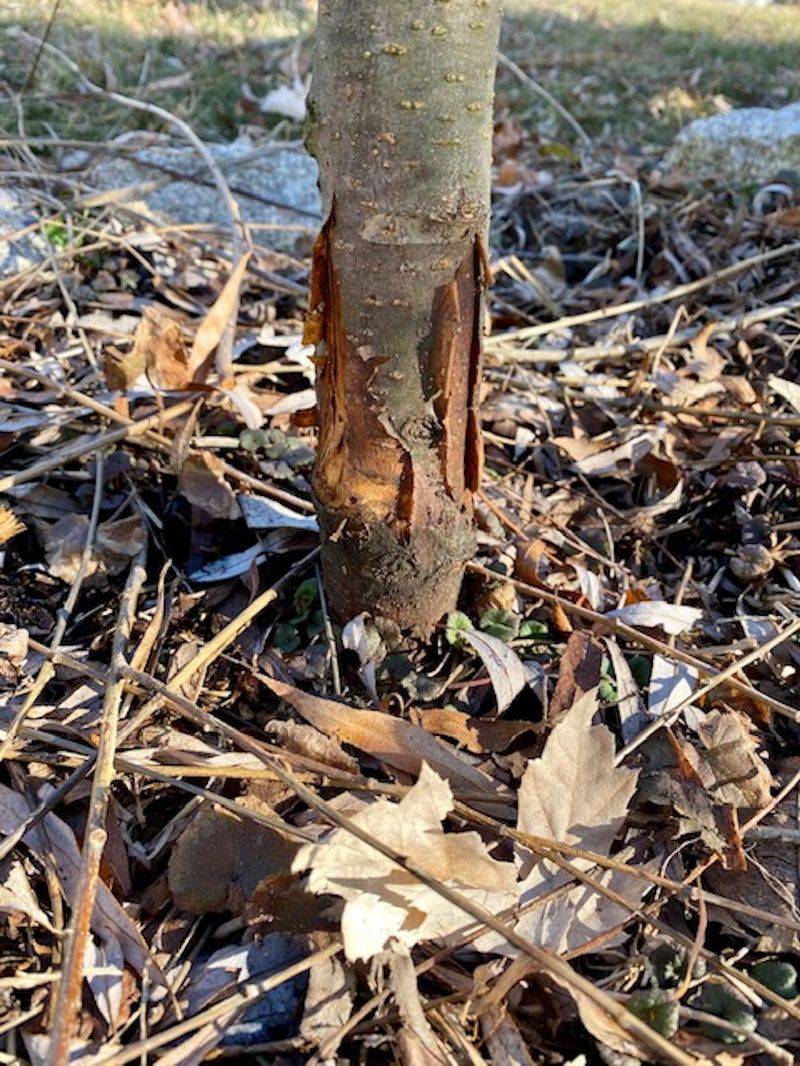
Bark near the base of the plant may look dark, soft, or slimy to the touch. If you gently scrape the outer layer, the tissue underneath might be brown or black instead of healthy green or white.
This discoloration indicates that rot has already set in. Mushrooms or fungal growth around the base of your plant are a red flag.
These organisms are feeding on decaying tissue, and their presence means the problem is advanced. You might also notice a sour or musty smell near the soil line, which indicates bacterial or fungal activity.
Branches may start dying back from the tips, and the overall growth of the plant slows or stops. In severe cases, the entire plant may collapse suddenly, especially during a windstorm, because the root system has been compromised.
Catching these signs early gives you the best chance of saving your plants.
6. Trees, Shrubs, And Perennials Most At Risk
Not all plants react the same way to improper mulching, but some are especially vulnerable in Oregon’s climate. Japanese maples, dogwoods, and fruit trees are highly susceptible to crown rot and bark damage when mulch is piled against their trunks.
These species have thin, sensitive bark that breaks down quickly when kept wet. Rhododendrons and azaleas, which are Oregon garden favorites, are also at high risk.
They prefer well-drained soil and good air circulation around their stems. When mulch is mounded around their base, it traps moisture and encourages root rot, which can kill these plants surprisingly fast.
Roses, hydrangeas, and other flowering shrubs suffer similarly. Their stems are not meant to be buried, and when they are, they become prone to fungal cankers and dieback.
Perennials like hostas, daylilies, and peonies can also rot at the crown if mulch is piled over their emerging shoots in spring. Even tough, native plants like Oregon grape and salal can struggle if mulch is applied incorrectly.
While they tolerate moisture better than some ornamentals, they still need air circulation around their stems. Young plants and newly transplanted specimens are especially vulnerable, as their root systems are not yet fully established.
7. How To Fix The Problem Without Replanting
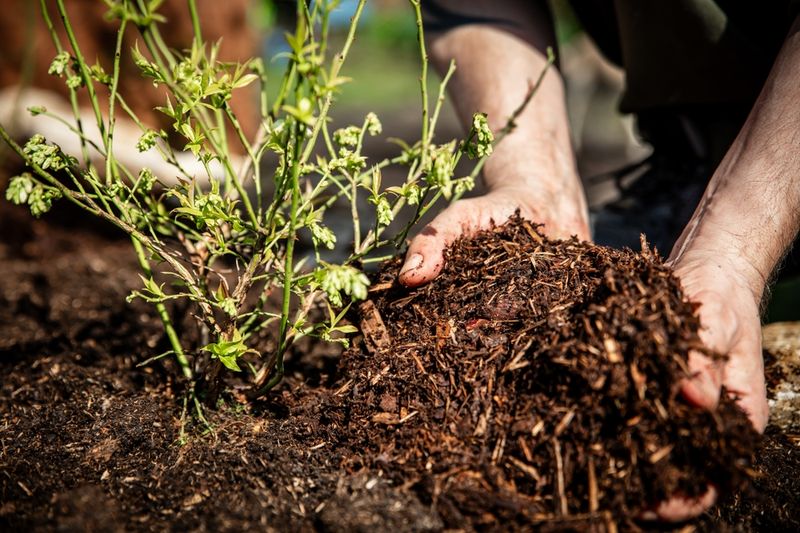
If you’ve been piling mulch against your plants, don’t panic, you can fix this problem right now without digging anything up. Start by pulling the mulch back from the base of each plant.
Use your hands or a small rake to gently move the mulch away until you can see the root flare or the point where the stem meets the soil. For trees, the root flare should be visible above the soil line.
This is the area where the trunk begins to widen as it transitions into roots. If you can’t see it, you’ve likely buried it under mulch or soil.
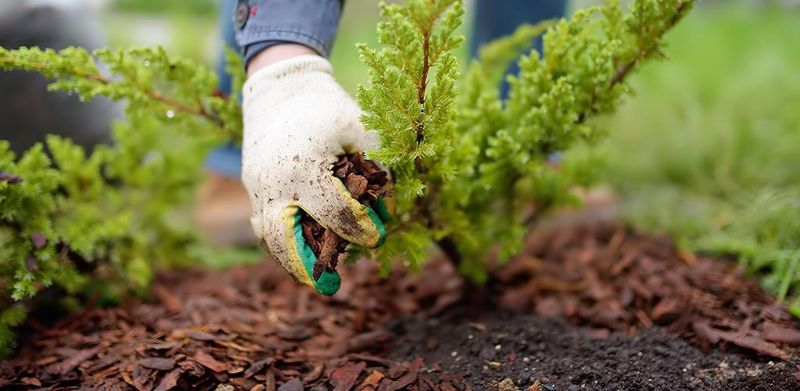
Carefully remove enough material to expose this area, being gentle so you don’t damage any roots. Once you’ve cleared the base, spread the mulch in an even layer around the plant, keeping it at least three to six inches away from the stem or trunk.
A good rule is to create a donut shape, not a volcano. The mulch should be no more than two to four inches deep, and it should taper thinner as it approaches the plant.
Check for any soft, rotted bark while you’re working. If you find damaged tissue, let it dry out and monitor the plant closely.
Most plants will recover if you catch the problem early enough.
8. The Right Way To Mulch In Oregon This Spring
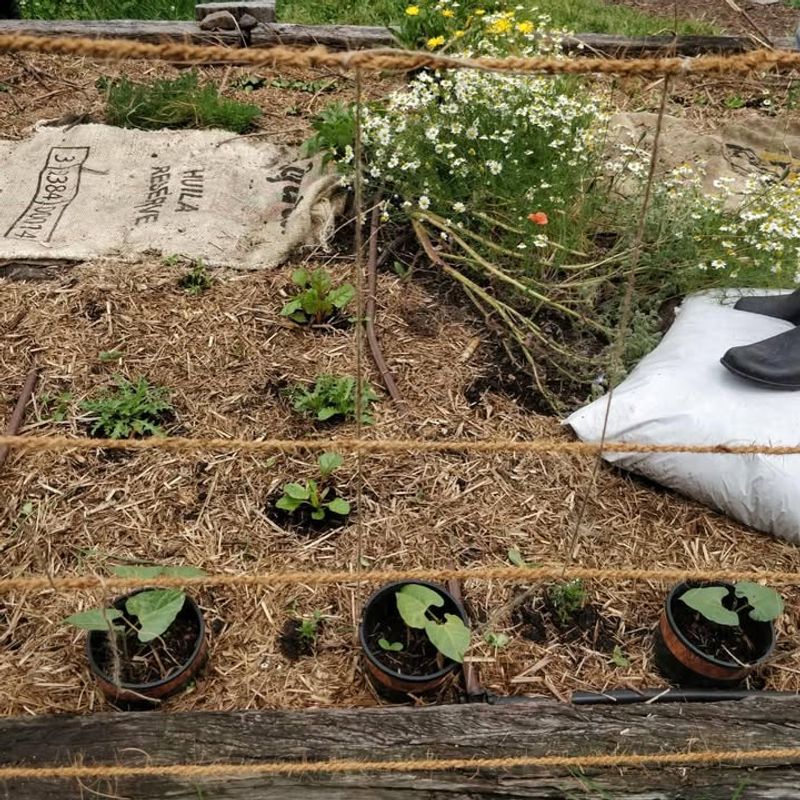
Proper mulching is simple once you know the rules. Start with clean, aged mulch, wood chips, bark, or compost work well in Oregon gardens.
Avoid fresh, hot mulch that’s still breaking down, as it can rob nitrogen from the soil and heat up too much near plant roots. Spread mulch in a two to four inch layer across your garden beds, keeping it well away from plant stems and tree trunks.
Imagine creating a protective blanket for the soil, not a coat for the plant. The mulch should extend out to the drip line of trees and shrubs if possible, covering the root zone without touching the bark.
Leave a clear gap of at least three to six inches around the base of every plant. This gap allows air to circulate, lets moisture evaporate, and prevents bark from staying damp.
For perennials, keep mulch away from the crown where new shoots emerge each spring. Refresh your mulch every year or two as it breaks down, but don’t just pile new mulch on top of old.
Rake the old layer to fluff it up, and add only enough new material to maintain a consistent depth. Following these guidelines will keep your plants healthy, your soil protected, and your garden thriving all season long.