This Native California Shrub Brings Hummingbirds To Your Garden
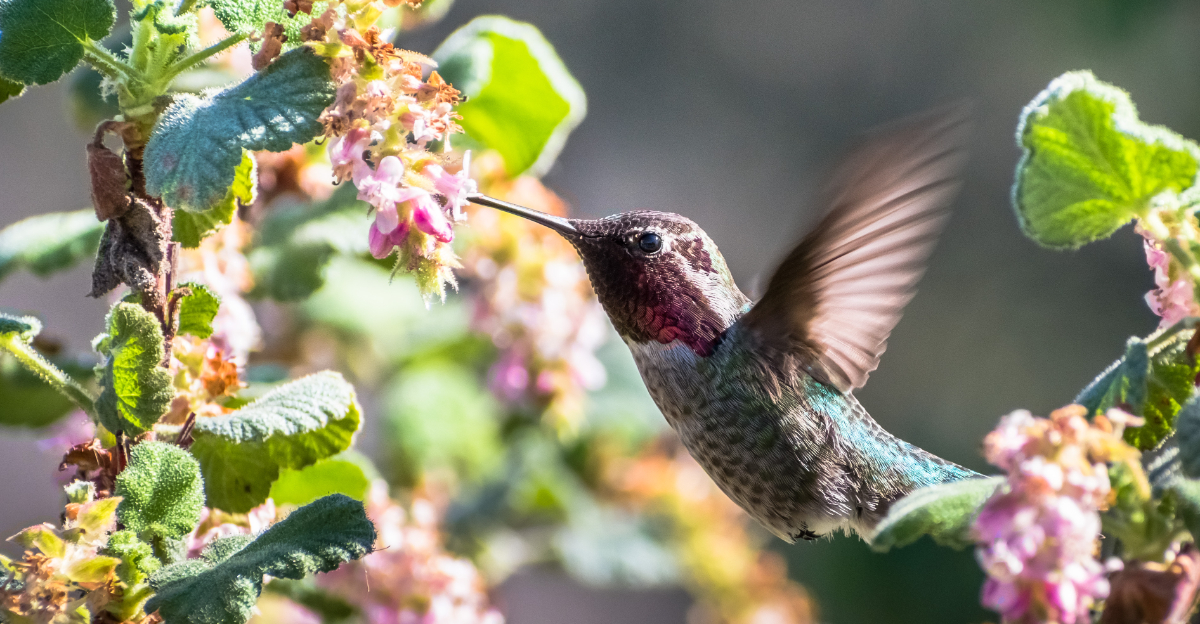
Late winter in California can feel quiet in the garden, but one native shrub knows exactly how to wake things up.
Chaparral currant bursts into bloom just when hummingbirds begin their seasonal search for nectar, covering its branches with dangling clusters of rosy pink flowers.
These early blossoms arrive ahead of most spring color, turning an otherwise sleepy landscape into a lively feeding stop for tiny, fast moving visitors. You might hear the soft hum of wings before you even spot them darting between blooms.
Beyond its wildlife appeal, this hardy native handles dry summers, poor soil, and tough conditions with ease, making it a natural fit for low water gardens. Add in soft green foliage and graceful branching, and you have a shrub that offers beauty plus purpose.
If you want motion, color, and life in your garden early in the season, chaparral currant quietly delivers in the most charming way.
1. Why Hummingbirds Can’t Resist The Blooms
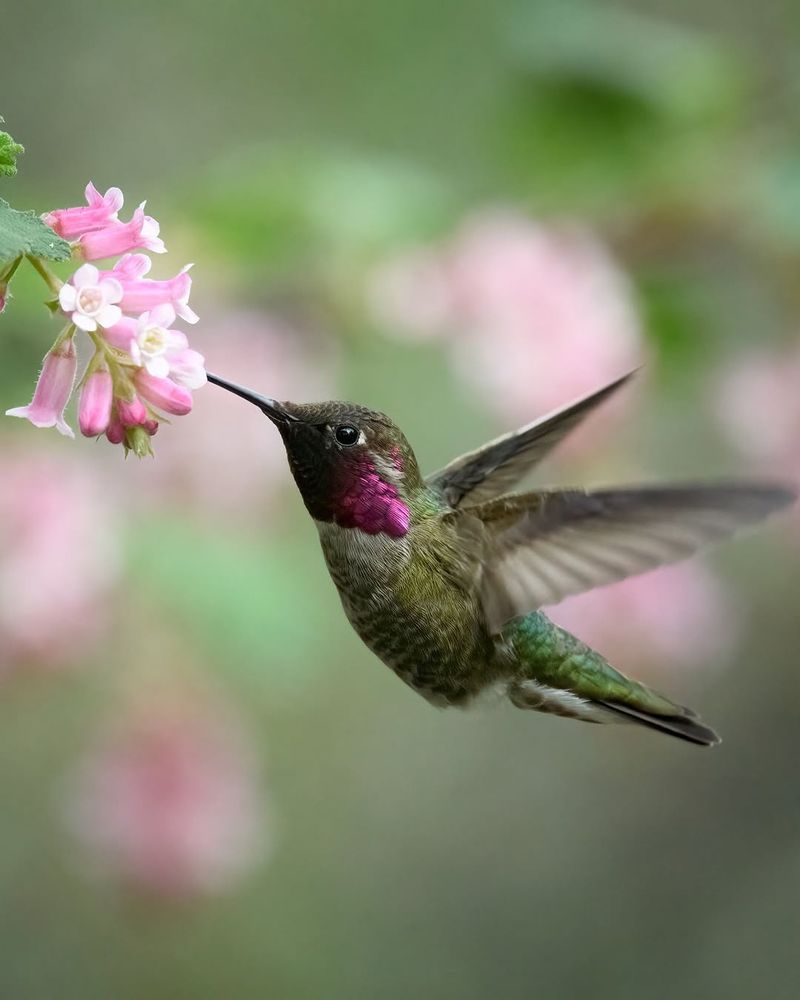
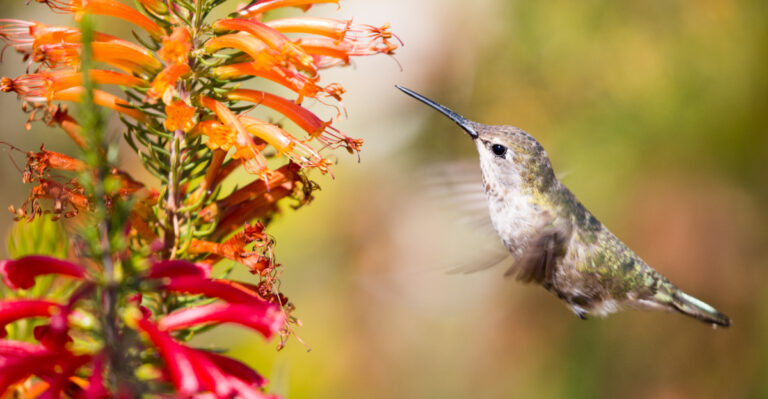
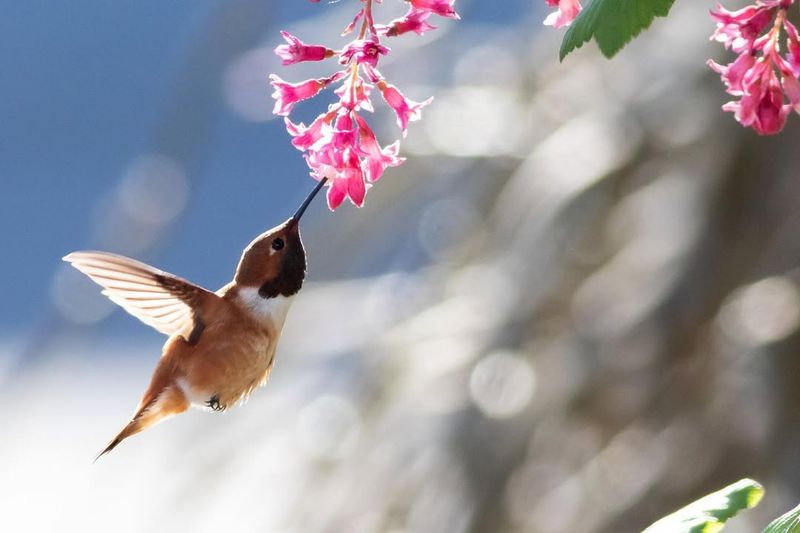
Hummingbirds have very fast metabolisms and must feed frequently throughout the day. Chaparral currant produces clusters of small, tubular pink flowers that match the feeding habits of hummingbirds.
These blooms contain nectar that provides an important energy source.
This shrub is especially valued for its bloom timing. While many garden plants flower later in spring, chaparral currant often begins blooming in late winter, sometimes as early as January or February depending on local conditions.
This early nectar source can be important for hummingbirds that overwinter locally or move through the area.
Flower color can also influence visitation. Hummingbirds are often attracted to red, pink, and orange tones, and the rosy-pink flowers of chaparral currant are commonly visited once discovered.
Individual birds may return repeatedly and sometimes defend productive feeding areas.
Beyond nectar, the branching structure provides perching sites where hummingbirds can rest between feeding bouts. They may sit nearby, watching their surroundings before returning to feed.
2. A Winter Nectar Source When Little Else Flowers
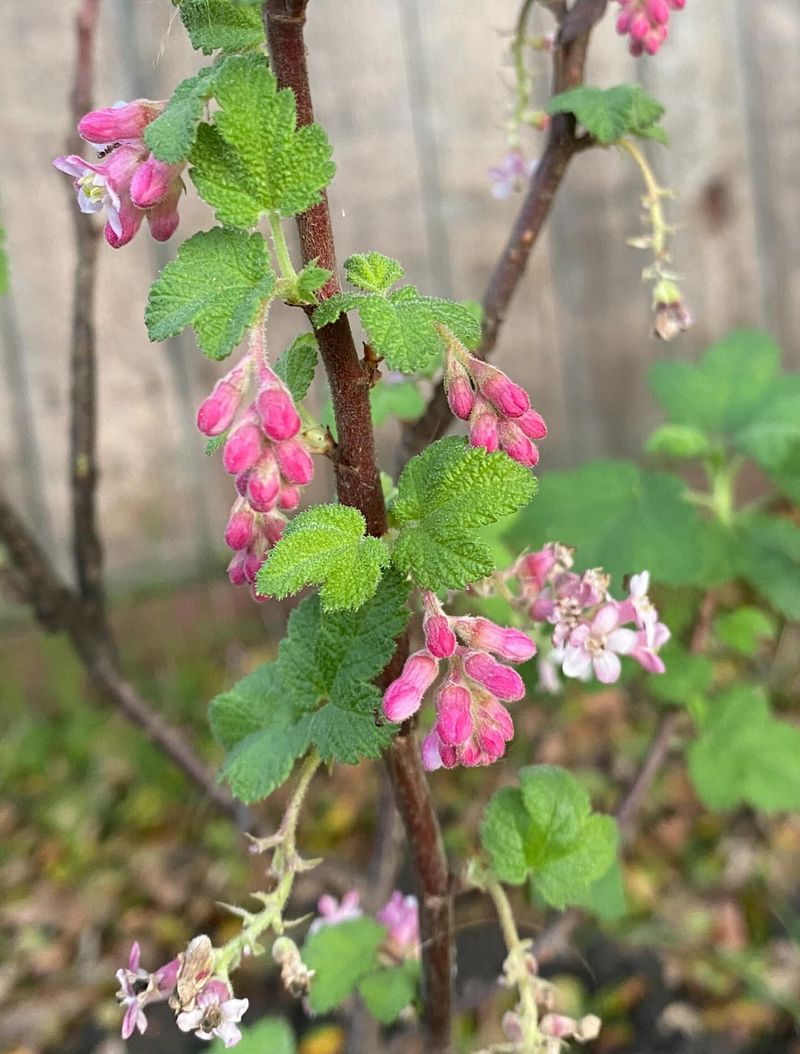
Many California gardens are quieter in winter, as herbaceous plants die back and fewer species are in bloom. Chaparral currant is notable because it flowers during this slower season, bringing color and activity to the garden.
Blooming from roughly January through March in many regions, this shrub provides an early-season nectar source for pollinators such as native bees and hummingbirds when fewer plants are flowering. Winter-blooming species can help support pollinators until spring resources become more abundant.
For hummingbirds, this timing can be beneficial. Anna’s hummingbirds are common in much of California and are present year-round, relying on available nectar sources through winter.
Other species may move through or appear early in the season and can also use early blooms when available.
Planting chaparral currant adds seasonal interest during cooler months, when fewer plants are in bloom. Winter hummingbird activity can bring movement and color to the garden, showing that well-planned California landscapes can remain lively across seasons.
3. Perfect For Dry, Low-Water California Gardens
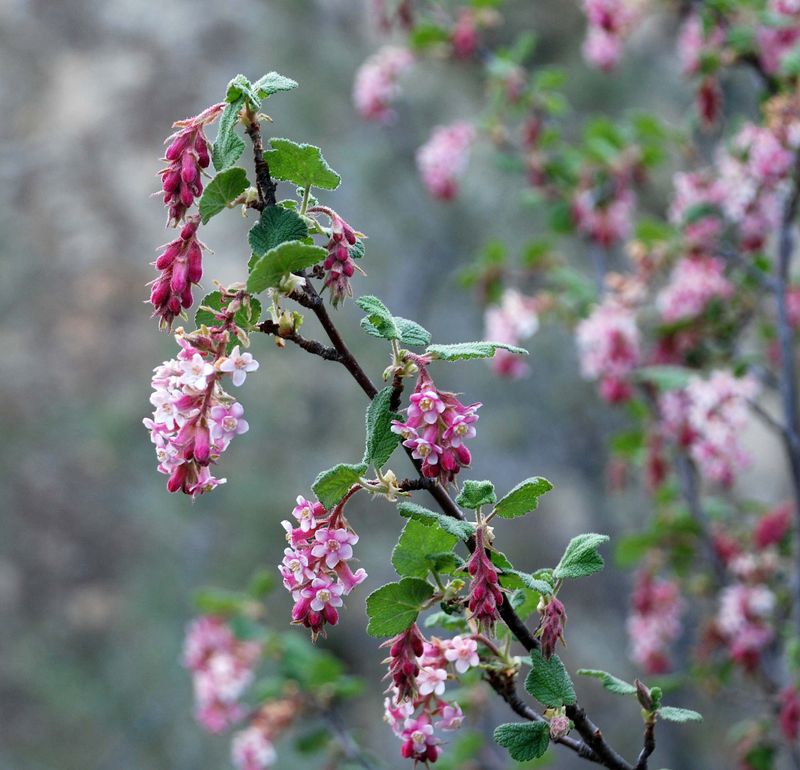
Water conservation is increasingly important in California, and chaparral currant is well suited to low-water landscapes. Once established, this shrub typically requires little supplemental irrigation during dry summers.
Its relatively deep root system helps it access moisture beyond the surface soil.
During the first one to two years, regular watering supports root establishment. Afterward, irrigation can usually be reduced, with occasional deep watering or reliance on seasonal rainfall depending on climate and site conditions.
This makes it useful for water-wise gardens, slopes, and areas where frequent watering is impractical.
The shrub is adapted to California’s Mediterranean climate, characterized by wetter winters and dry summers. Excess summer watering, particularly in poorly drained soils, can increase the risk of root or fungal problems.
Many established plants perform best with minimal summer irrigation.
Combining chaparral currant with other drought-tolerant natives can help create a resilient, low-water landscape that provides year-round interest while supporting local habitat.
4. How Big It Grows And Where To Plant It
Chaparral currant typically grows about four to six feet tall and similarly wide, forming a rounded, somewhat open shape. It is not a tightly formal shrub, so allowing space for its natural spread generally produces the best form.
This size makes it useful in several garden roles. It can serve as a mid-layer in mixed native plantings, function as an informal hedge, or stand alone where its winter flowers are easily seen.
Planting with adequate space from walkways or structures helps accommodate its looser growth habit.
When selecting a location, visibility can enhance enjoyment of visiting hummingbirds, especially near patios or windows. It can also be used on slopes where its root system may help stabilize soil while adding seasonal interest.
Chaparral currant tolerates partial shade but often flowers best with some sun, particularly in cooler or coastal areas. In hotter inland regions, some afternoon shade can be beneficial.
It combines well with other native shrubs such as ceanothus, toyon, and sages in habitat-oriented plantings.
5. Sun, Soil, And Care Made Simple
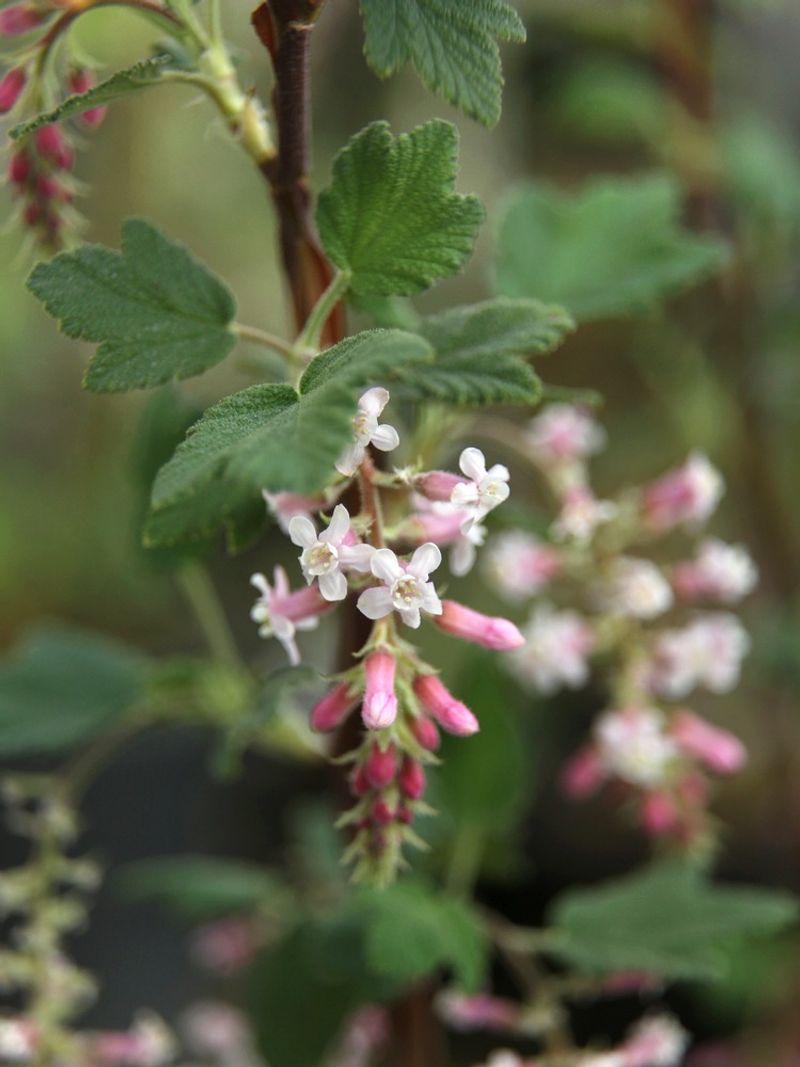
Chaparral currant is relatively adaptable, but a few key conditions support best performance. It prefers well-draining soil, and while many California gardens have sandy or rocky ground, heavier clay soils may require improved drainage, such as planting on a slight mound or modifying the site to prevent water from lingering around roots.
Sunlight needs vary by climate. In coastal regions, full sun is often suitable, while in hotter inland areas some afternoon shade can help reduce heat stress.
Morning sun with light afternoon protection often supports healthy foliage and consistent flowering.
Fertilizing is usually unnecessary. Excess nitrogen can promote leafy growth at the expense of flowers.
A light compost mulch around the base during establishment can provide mild nutrients and help moderate soil moisture. After establishment, the shrub typically grows well without additional feeding.
Avoid excessive watering, especially during summer. Yellowing leaves or poor vigor may indicate overly wet conditions.
Allow soil to dry somewhat between waterings, and remember that mature plants are adapted to California’s dry summer season with minimal irrigation.
6. When And How It Blooms Each Year
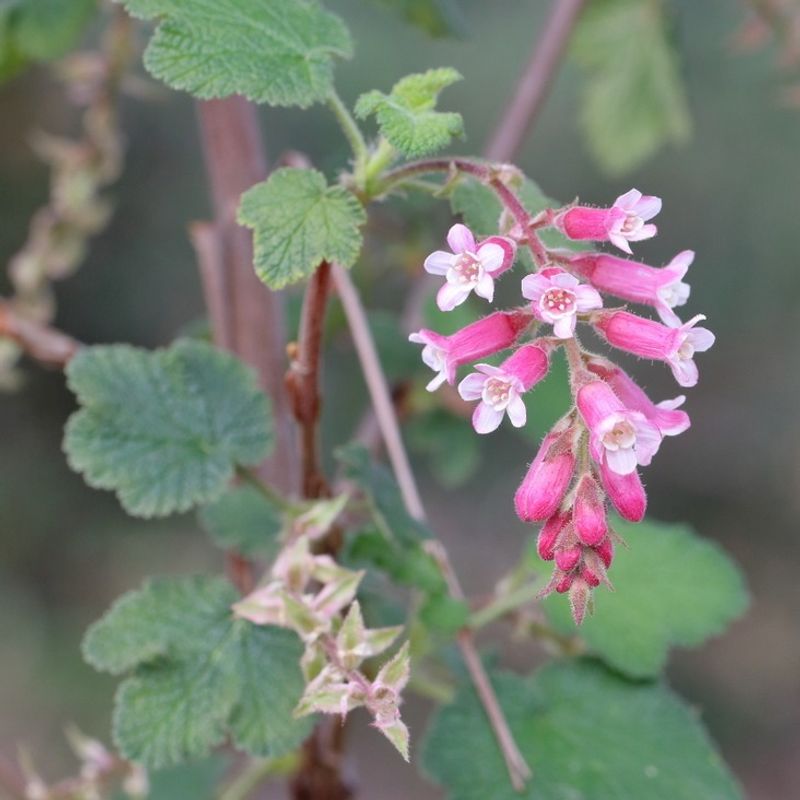
Bloom time for chaparral currant typically begins in late winter, often around January or February, though timing varies with local weather and microclimates. Coastal gardens may see earlier flowering, while colder inland areas sometimes begin later in the season.
The flowers form in drooping clusters along the branches, each bloom tubular and usually pink to rose in color. While not highly showy from a distance, they are noticeable up close and are commonly visited by hummingbirds.
Flowering can continue for several weeks before tapering off as spring progresses and other plants begin to bloom.
After flowering, the shrub may produce small berries that birds can use as a food source, adding to its wildlife value. Foliage generally remains present through spring and early summer, after which the plant often becomes less active during the hottest, driest period, which is typical for many California natives.
It is normal for the plant to appear somewhat less vigorous by late summer as it conserves moisture. With cooler weather and seasonal rains, foliage often improves and the shrub begins preparing for the next flowering cycle in its natural seasonal pattern.
7. Pruning Tips
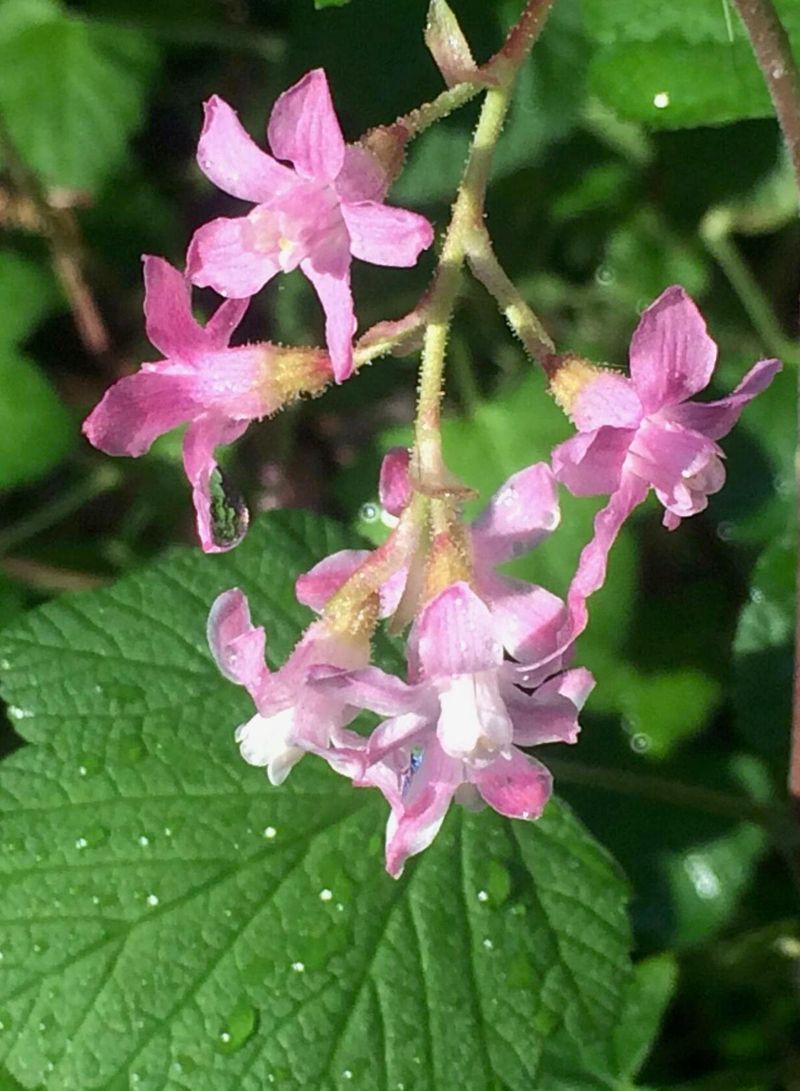
Chaparral currant doesn’t require heavy pruning, but a little attention after blooming helps keep it looking its best. Wait until the flowers have faded and visiting hummingbirds have shifted to other nectar sources, usually by late spring.
This timing helps avoid removing developing flower buds for the following season. Start by removing any withered, damaged, or crossing branches.
This improves air circulation and can help lower the chance of fungal issues, particularly in more humid coastal conditions. Then lightly shape the shrub if needed, but avoid shearing it into a tight formal form.
Chaparral currant generally looks best with its natural, open habit. If your shrub has become leggy or sparse, selective rejuvenation pruning by removing some of the oldest stems near the base can encourage new growth and improve fullness over time.
Avoid removing too much at once, as heavy pruning may stress the plant. Pruning in late summer or fall is usually discouraged because the shrub is preparing for its winter bloom cycle, and cutting it back then can reduce flowering.
Keep pruning tools clean and sharp so cuts heal properly.
8. Pairing It With Other Hummingbird Favorites
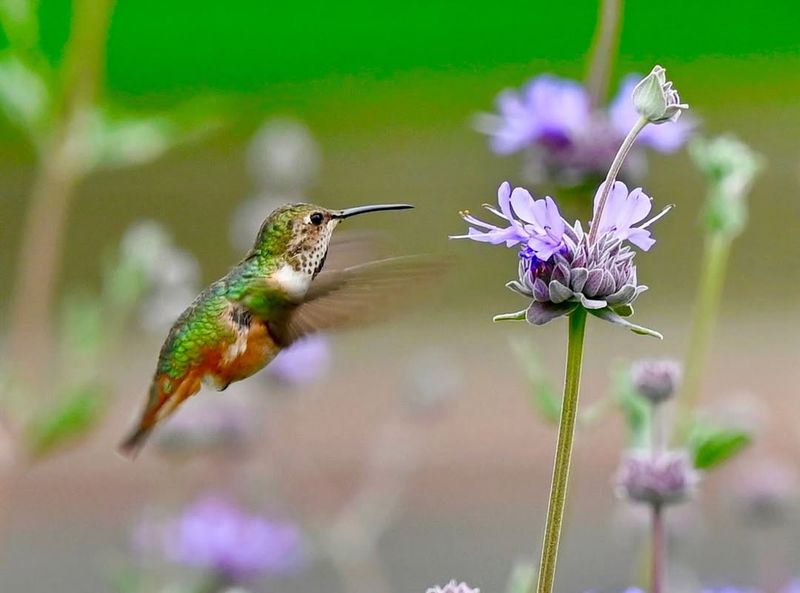
Creating a hummingbird-friendly garden involves planning bloom succession across the year. Chaparral currant provides nectar in winter and early spring, but combining it with plants that flower at other times helps maintain more consistent resources through the seasons.
California fuchsia pairs well by blooming from late summer into fall, when chaparral currant is typically not in flower. Its bright red tubular blooms are frequently visited by hummingbirds, and it is drought-tolerant once established.
Planting it nearby can help extend seasonal nectar availability.
Salvias are also strong companions. Species such as Cleveland sage, white sage, and hummingbird sage usually bloom from spring into summer, helping bridge seasonal gaps.
They generally prefer similar conditions, sun to partial shade, well-draining soil, and relatively low water once established.
Penstemons contribute upright form and tubular flowers that hummingbirds often use. Foothill penstemon and firecracker penstemon commonly bloom from spring into early summer, adding vertical contrast to broader shrubs like chaparral currant.
Ceanothus can provide early spring color and supports a wide range of pollinators, including native bees. While not primarily a hummingbird plant, it helps increase overall pollinator diversity, contributing to a more balanced and resilient garden habitat.