This Native Groundcover Is Replacing Grass In Pennsylvania Front Yards
More homeowners in Pennsylvania are starting to rethink the front lawn. Grass may be the classic choice, but it can also be one of the most demanding parts of the yard.
Between mowing, patching bare spots, watering during dry spells, and trying to keep everything looking neat, a traditional lawn often asks for more time and effort than people want to give. That is a big reason lower-maintenance alternatives are getting so much attention.
One of the most appealing options is Pennsylvania sedge, a native groundcover that offers a softer, more natural look while fitting beautifully into the local landscape. It does not try to mimic a perfectly trimmed suburban lawn, and that is part of its charm.
Instead, it creates a gentle, meadow-like effect that feels relaxed, attractive, and much easier to live with. It also handles shade better than many standard grasses, which makes it especially useful in front yards with trees or uneven light.
For homeowners who want less upkeep and a yard that feels more in tune with Pennsylvania conditions, this native plant is becoming a very smart alternative.
1. Pennsylvania Sedge, The Native Groundcover Replacing Grass
Picture a front yard that looks neat and green without the endless mowing, watering, and fertilizing that comes with a traditional lawn. That is exactly what Pennsylvania sedge, known scientifically as Carex pensylvanica, is offering homeowners across the state.
This native plant has been quietly growing in Pennsylvania forests for centuries, but now it is making its way into front yards in a big way.
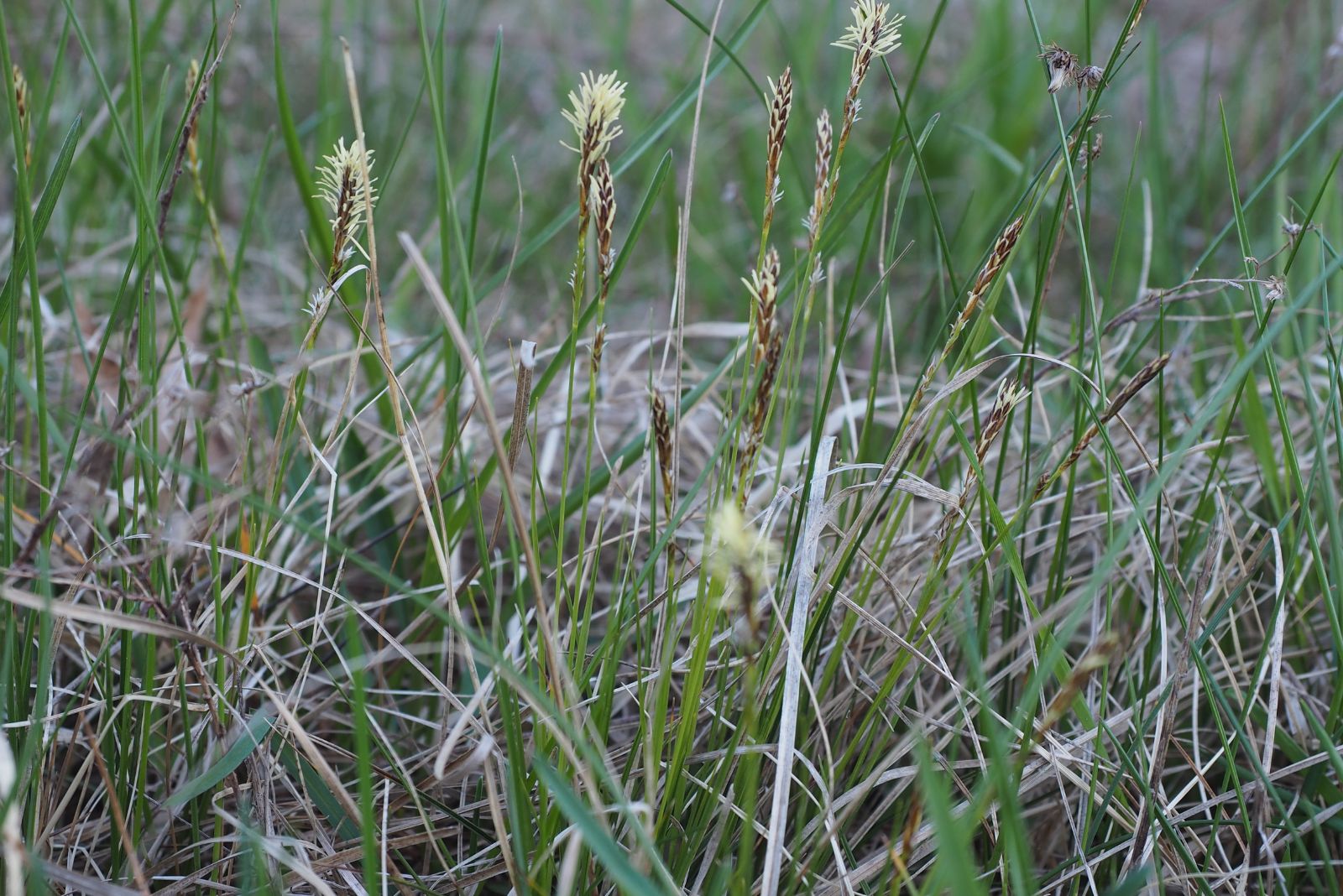
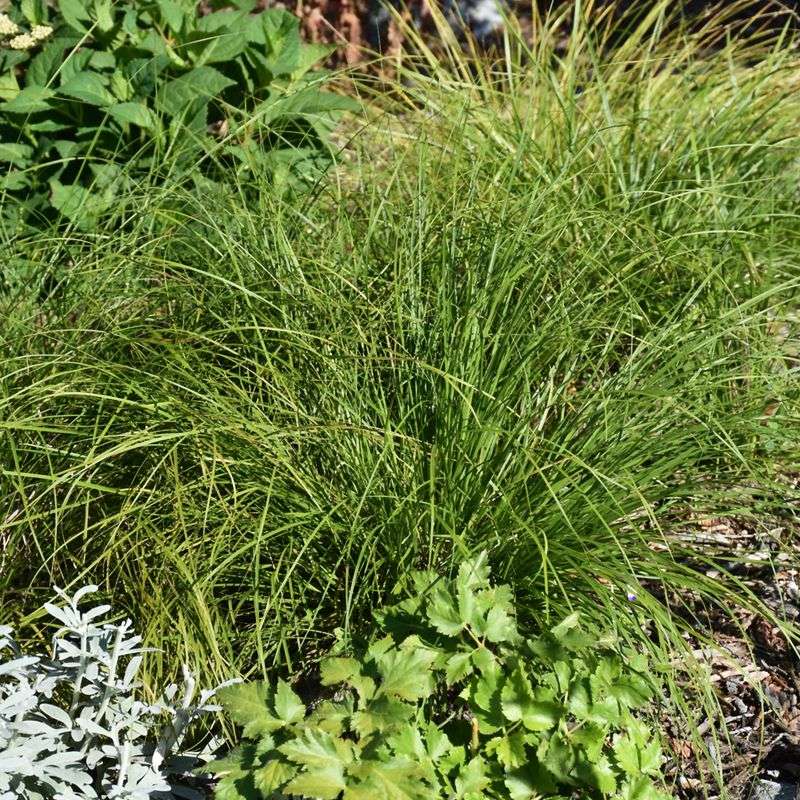
Pennsylvania sedge has a soft, fine texture that looks a lot like regular grass from a distance. Up close, it has a gentle arching shape that gives yards a relaxed, natural feel.
It grows in dense, low mats that stay around six to twelve inches tall without much trimming at all. Most homeowners who switch to it say their yard looks tidier with far less effort.
What really sets it apart is that it is native to this region. That means it evolved right here alongside Pennsylvania wildlife, soil, and weather patterns.
It does not need to be coaxed into growing the way non-native grasses do. It already knows how to thrive in the local climate.
Nurseries and garden centers across Pennsylvania are starting to stock it more regularly because demand keeps growing. Neighbors notice it in yards and start asking questions.
Once people learn how easy it is to maintain, many decide to try it themselves. It is a simple swap that makes a big difference in how a front yard looks and how much time you spend taking care of it every single week.
2. Why More Pennsylvania Homeowners Are Rethinking Traditional Lawns
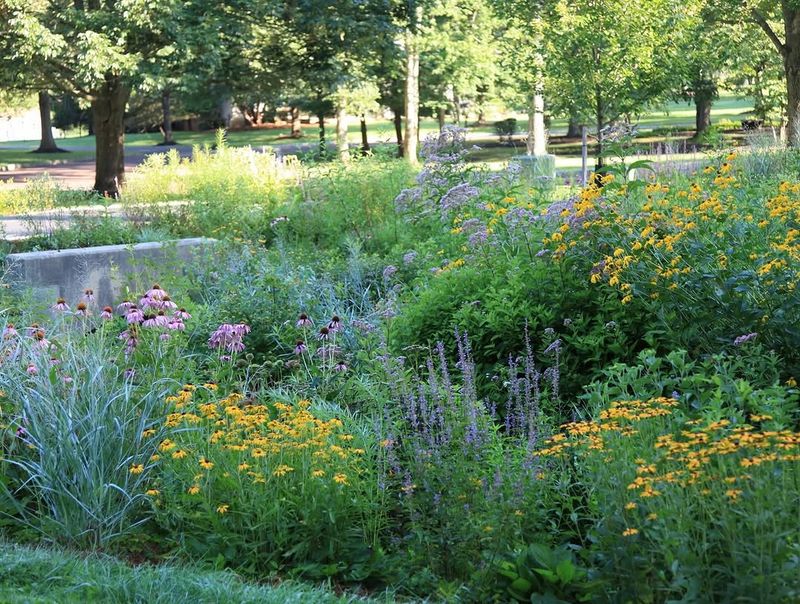
Keeping a traditional grass lawn looking good is a lot of work. Ask any Pennsylvania homeowner who has spent a summer weekend behind a mower in humid heat, and they will tell you the same thing.
Mowing, edging, watering, seeding bare patches, and spreading fertilizer adds up to hours of labor every single week during the growing season. For many people, that time and expense simply no longer feels worth it.
Pennsylvania has a lot of shady yards. Big oak, maple, and pine trees are common throughout the state, and traditional turfgrass like Kentucky bluegrass or fescue really struggles in those conditions.
Thin, patchy grass under trees is one of the most common lawn complaints heard at garden centers across Pennsylvania. No matter how much seed or fertilizer homeowners throw at those spots, the grass just never fills in the way they want it to.
Water use is another reason people are reconsidering. Keeping a traditional lawn green through a dry Pennsylvania summer means running sprinklers regularly.
That adds up on the water bill and puts pressure on local water resources. Many municipalities across the state have started encouraging residents to reduce lawn irrigation.
Beyond the practical side, there is a growing awareness that a perfectly manicured monoculture lawn does not do much for local birds, bees, or butterflies.
Pennsylvania homeowners who care about the environment are looking for alternatives that offer more ecological value. Native groundcovers like Pennsylvania sedge check all those boxes at once, making the decision to switch feel not just smart but genuinely rewarding.
3. What Makes Pennsylvania Sedge Different From Regular Grass
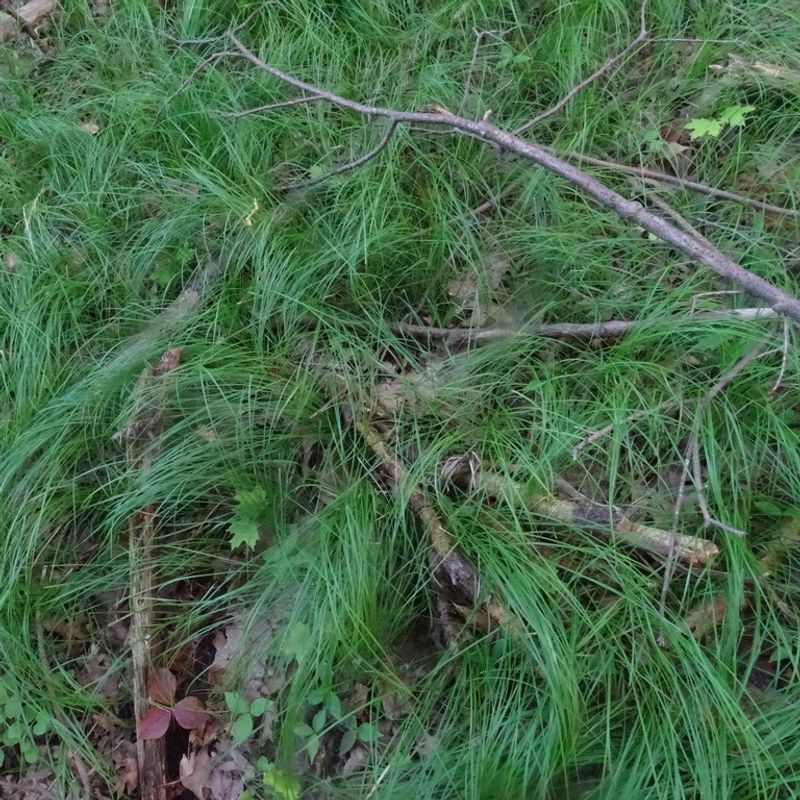
At first glance, Pennsylvania sedge and regular grass look pretty similar. Both are green, low-growing, and blade-like.
But spend a few minutes with each one, and the differences become clear pretty fast. Pennsylvania sedge belongs to the sedge family, not the true grass family, which means it has a slightly triangular stem and a softer, more arching growth habit than typical lawn grasses.
Regular turfgrass tends to grow upright and stiff, which is why it needs frequent mowing to stay tidy. Pennsylvania sedge, on the other hand, naturally arches over and stays low without much intervention.
Most homeowners only mow it once or twice a year, usually in early spring to refresh it before new growth comes in. That alone is a game-changer for people used to mowing every week.
The texture is another standout difference. Pennsylvania sedge has a fine, almost feathery feel that gives a yard a softer, more natural appearance.
It does not have that clipped, formal look of a traditional lawn. Some people love that relaxed quality because it makes a front yard feel more like a living landscape and less like a carpet that needs constant grooming.
Color-wise, Pennsylvania sedge stays a rich medium green through most of the year. It does not brown out in summer heat the way many traditional lawn grasses do in Pennsylvania.
It also holds its color well into fall, which keeps yards looking appealing longer into the season. For homeowners who want a beautiful yard with far less effort, this native plant offers a genuinely different and better experience.
4. Where It Grows Best In Pennsylvania Yards
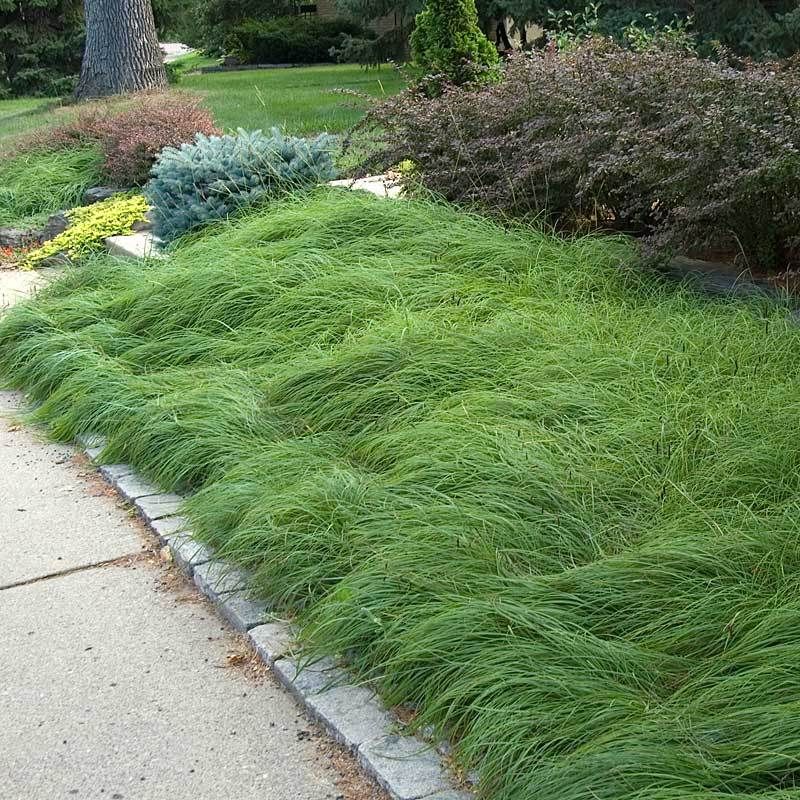
One of the biggest reasons Pennsylvania sedge is catching on so fast is simple: it grows where regular grass often refuses to. Shady spots under big trees are notoriously difficult for traditional lawn grass.
Pennsylvania sedge, however, actually prefers those conditions. It thrives in part shade to full shade, making it a natural fit for the wooded and tree-heavy yards that are so common throughout Pennsylvania.
If you have a large oak, maple, or beech tree casting shade over a chunk of your front yard, you already have the perfect growing conditions for this plant. It handles dry shade especially well, which is a notoriously tricky situation for most groundcovers.
Tree roots compete with other plants for moisture, creating dry pockets in the soil. Pennsylvania sedge handles that competition better than almost anything else you could plant there.
It also does reasonably well in sunnier spots, though it may need a bit more water during dry stretches when planted in full sun.
Across Pennsylvania, the most successful plantings tend to be in yards with a mix of sun and shade, which describes a huge number of residential properties throughout the state.
Soil type is fairly forgiving with this plant. It tolerates clay soil, which is extremely common in many parts of Pennsylvania, particularly in the central and western regions.
It can handle slightly acidic conditions too, which suits the soil profiles found under many Pennsylvania conifers and oaks.
Basically, if you have a tough spot where nothing else seems to grow well, Pennsylvania sedge is worth trying. It was practically made for these exact conditions.
5. Why It Appeals To Low-Maintenance Gardeners
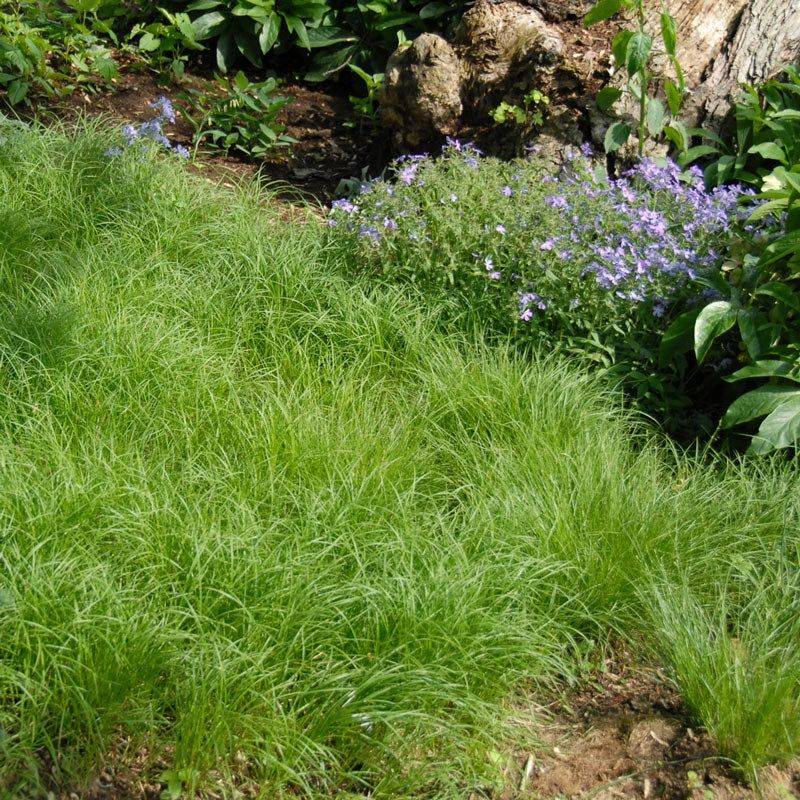
Not everyone wants to spend their weekends maintaining a lawn. For plenty of Pennsylvania homeowners, especially those who are busier, older, or simply more interested in enjoying their yard than working in it, a low-maintenance option is not just a nice idea.
It is a priority. Pennsylvania sedge fits that lifestyle perfectly, and that is a huge reason why it is spreading from yard to yard across the state.
Once established, this plant requires very little ongoing care. Watering needs drop significantly after the first season.
Because it is native to Pennsylvania, it has adapted over thousands of years to survive on natural rainfall patterns in the region. You do not need to run sprinklers all summer to keep it looking good. That saves both time and money on utility bills.
Fertilizing is another task that mostly disappears when you switch to Pennsylvania sedge. Traditional lawns need regular feeding to stay green and thick.
This native plant gets what it needs from the existing soil without much help. That means fewer trips to the garden center and fewer chemicals going into the ground.
Mowing frequency drops to just once or twice a year for most homeowners. Some people skip mowing entirely and find the plant looks perfectly fine left to its natural arching form.
Weeding is still necessary during the establishment period, but once the sedge fills in and forms a dense mat, it naturally crowds out many common weeds on its own.
For anyone in Pennsylvania who has dreamed of a yard that looks good without demanding constant attention, Pennsylvania sedge is genuinely one of the best options available right now.
6. Why It’s Becoming A Front-Yard Favorite
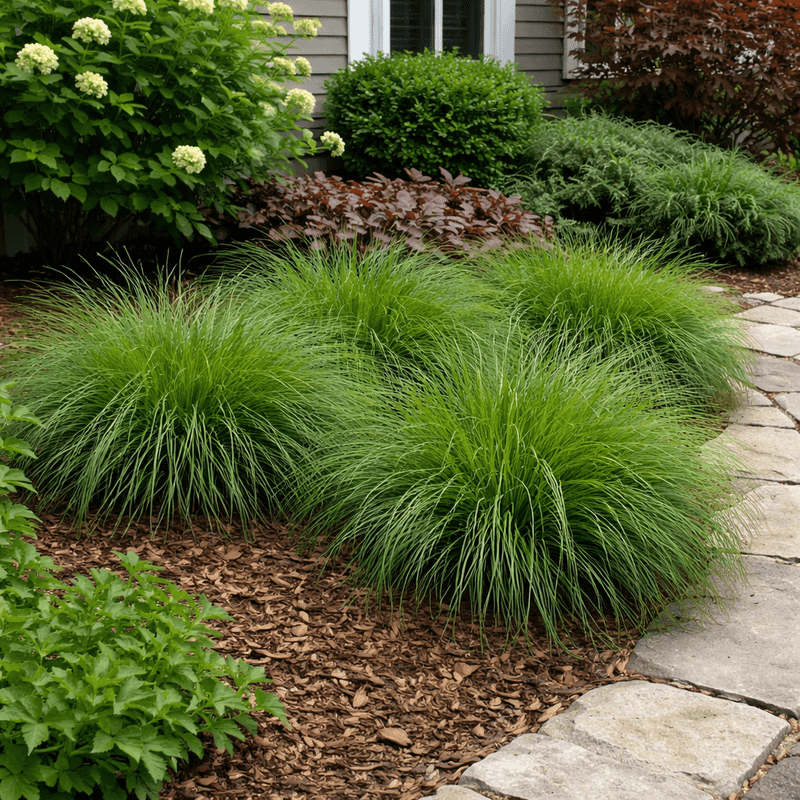
Something is shifting in Pennsylvania neighborhoods, and you can see it just by driving down a residential street. More and more front yards are featuring that soft, arching green look that comes from Pennsylvania sedge instead of a traditional mowed lawn.
It is a trend that started with environmentally conscious homeowners and has since spread to people who simply want a better-looking, easier-care yard.
Part of what makes it so appealing right now is the timing. Homeowners across Pennsylvania are paying more attention to native plants, pollinator gardens, and sustainable landscaping than ever before.
Pennsylvania sedge fits neatly into that mindset. It supports local insects, requires fewer resources, and connects a yard back to the natural landscape of the region in a way that non-native grasses never can.
Curb appeal is another factor driving its popularity. A front yard full of lush, green Pennsylvania sedge looks intentional and attractive.
It signals that the homeowner cares about their property and the environment. Neighbors notice, ask questions, and often end up planting it themselves.
That word-of-mouth momentum is one of the reasons it is showing up in more Pennsylvania communities every year.
Local native plant nurseries across Pennsylvania report that demand for Pennsylvania sedge has grown noticeably over the past several years.
Landscape designers are recommending it more frequently, and even some municipalities are promoting its use as part of green landscaping initiatives.
Whether you care about ecology, saving time, or just having a front yard that looks great with minimal effort, Pennsylvania sedge delivers on all fronts. It is not just a trend. For many Pennsylvania homeowners, it is the new standard.