This Native North Carolina Flower Attracts Dozens Of Pollinators To Your Garden
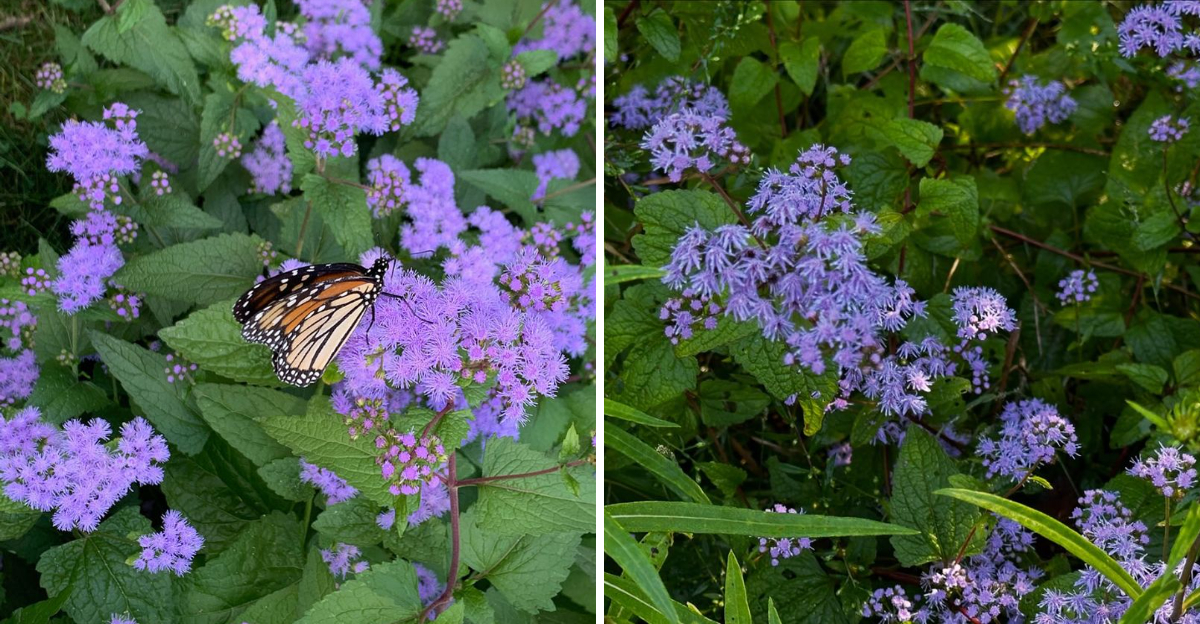
Some flowers look nice for a while and then fade into the background. Blue mistflower does the opposite.
Once it starts blooming, it can turn into one of the busiest spots in a North Carolina garden. Its soft blue flowers may seem gentle at first glance, but they have a way of pulling in attention from all directions.
Butterflies, bees, and other pollinators seem to flock to it, giving the garden more movement, color, and life. Because it is native, it also fits naturally into the landscape and handles local conditions better than many showy plants sold in stores.
That makes it a smart pick for gardeners who want beauty without constant trouble. If your yard feels a little too quiet or lacks that lively touch, this plant may be the one that changes everything and keeps the garden buzzing day after day.
1. Blooms When Many Plants Are Fading
Most gardeners know that late summer and fall can feel like a floral desert. Roses slow down, coneflowers go to seed, and garden beds start looking tired before the first frost even arrives.
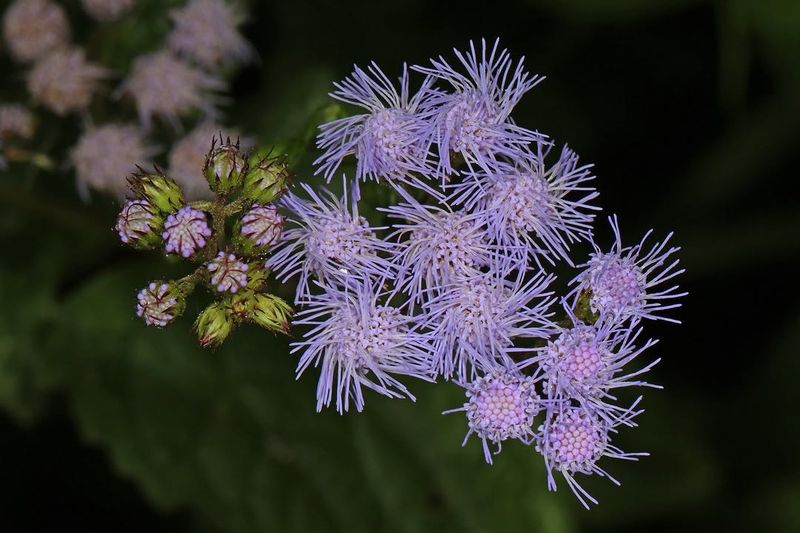
Blue Mistflower steps in right at that moment, bursting into bloom from August through October across North Carolina, filling a gap that very few other plants can cover.
That timing is not just beautiful for gardeners looking at their yards. It is genuinely critical for pollinators, which still need nectar sources well into autumn.
Monarch butterflies, for example, pass through North Carolina during their southward migration in September and October, and they actively seek out nectar-rich flowers like Blue Mistflower to fuel their long journey.
Without plants that bloom this late, those butterflies would struggle to find enough energy along the way.
Planting Blue Mistflower in your North Carolina garden means you are extending the pollinator season by weeks, not just days. When neighboring gardens have gone quiet and brown, yours will still be buzzing with life and color.
The blooms themselves are a soft blue-violet that almost glows in the lower autumn light, giving your landscape a fresh, unexpected burst of energy exactly when you need it most. For gardeners who love a long-lasting show, this plant is genuinely hard to beat.
2. Produces Dense Clusters Of Nectar-Rich Flowers
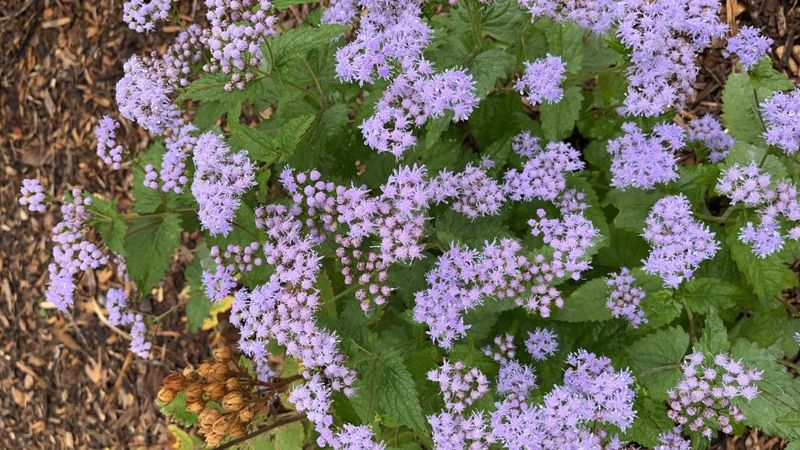
One look at Blue Mistflower in full bloom and you immediately understand why pollinators cannot resist it. The plant produces dense, rounded clusters of tiny tubular flowers that are packed so closely together they look almost like soft blue clouds floating above the foliage.
Each individual flower may be small, but together they create a landing platform that is practically irresistible to anything that flies.
The structure of these flower clusters is part of what makes them so effective at feeding pollinators.
Because the blooms sit close together in flat-topped bunches, multiple butterflies, bees, and skippers can feed from a single plant at the same time without crowding each other out.
A gardener standing nearby during peak bloom might count five, ten, or even more visitors all feeding at once, which is a genuinely exciting thing to watch unfold in your own backyard.
Beyond the visual appeal, the nectar inside those tiny flowers is rich and accessible, which is why Blue Mistflower ranks so highly among North Carolina native plant enthusiasts and wildlife gardeners alike. You do not need a huge space to enjoy this.
Even a small patch of Blue Mistflower planted in a sunny corner of your yard can attract dozens of pollinators throughout the season, making it one of the most productive plants per square foot you can grow in North Carolina.
3. Native Across North Carolina Landscapes
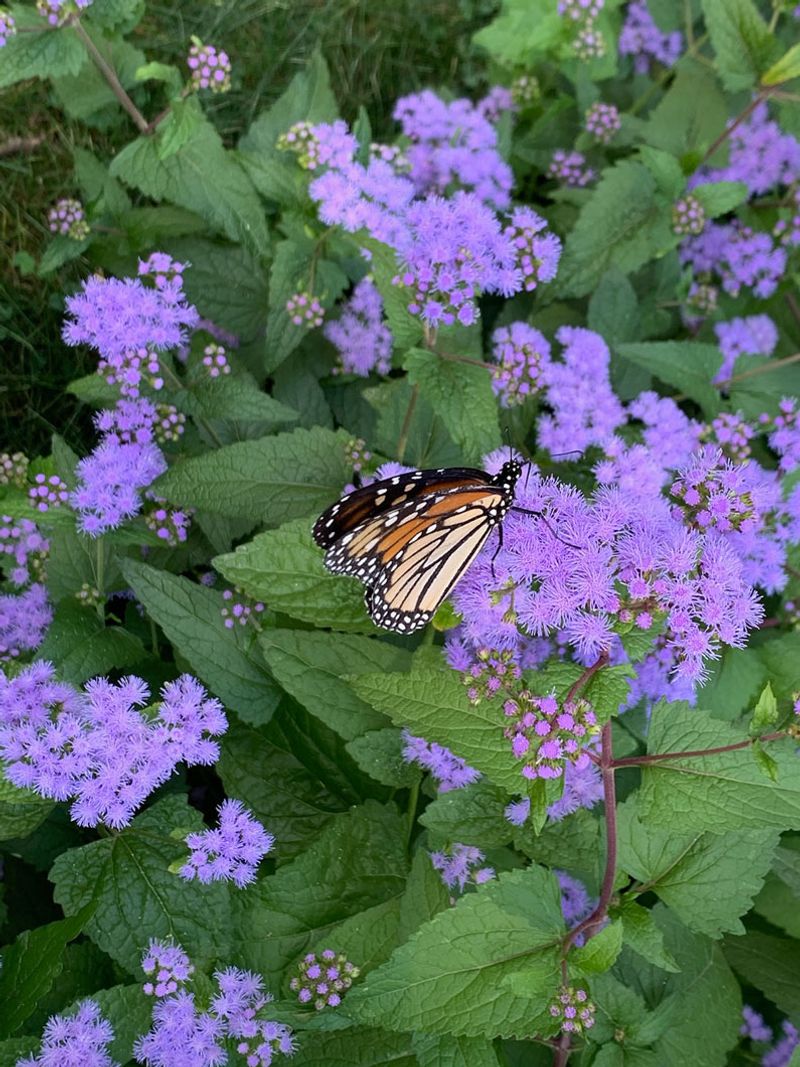
Few plants feel as at home in North Carolina as Blue Mistflower does. Found naturally throughout the Piedmont, coastal plain, and mountain regions, this native perennial has spent centuries adapting to the exact soils, rainfall, and sunlight patterns the state offers.
That long history of adaptation is exactly what makes it such a reliable garden plant today. In the wild, you will spot Blue Mistflower growing along stream banks, in moist open woodlands, and at the edges of meadows where light filters through surrounding trees.
These are places where moisture lingers and nutrients stay rich, giving the plant the steady conditions it loves most. Gardeners who mimic these natural settings almost always see the best results.
Because it evolved right here in North Carolina, Blue Mistflower does not need coddling or special soil amendments to perform well. It already knows how to handle the region’s humid summers, occasional drought spells, and seasonal flooding.
Planting a native like this means working with nature instead of against it, which saves time and effort in the long run. Whether you live near the coast, in the rolling Piedmont hills, or up in the western mountains, this plant fits naturally into your landscape without missing a beat.
4. Attracts Large Numbers Of Butterflies
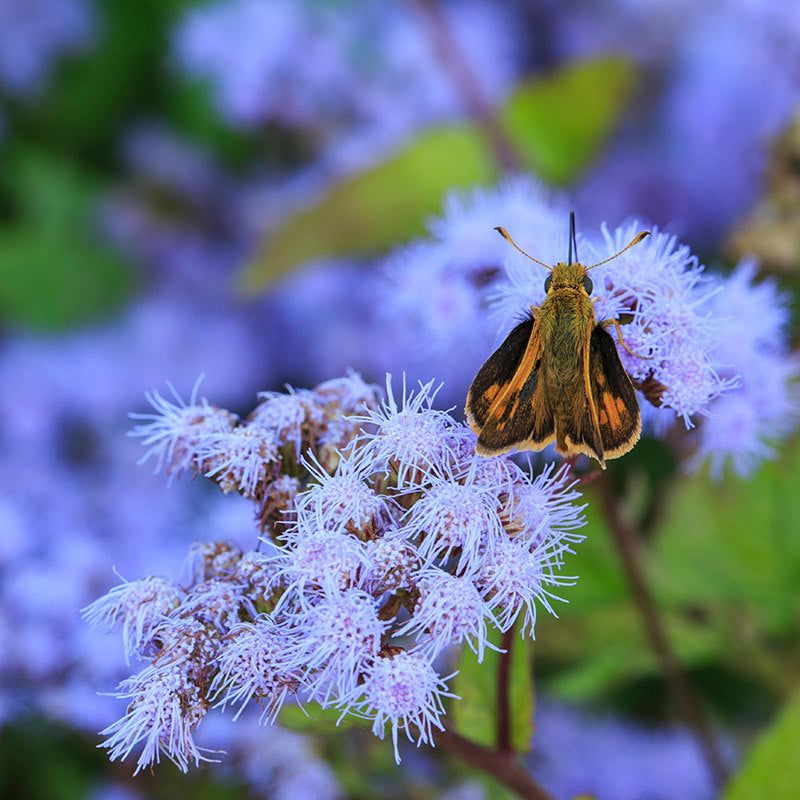
Ask any butterfly gardener in North Carolina what plant they count on most in the fall, and Blue Mistflower will come up again and again.
During peak bloom, it is not unusual to see a single established patch absolutely covered with butterflies, all nectaring at the same time in a way that almost looks choreographed. It is one of those garden moments that stops you in your tracks.
Monarch butterflies are among the most celebrated visitors, arriving in North Carolina during their autumn migration south toward Mexico.
They rely heavily on late-blooming native plants like Blue Mistflower to build up the energy reserves they need for such an extraordinary journey.
Alongside monarchs, you will often spot pearl crescents, cloudless sulphurs, painted ladies, and various swallowtail species all sharing the same blooms on a warm September afternoon.
What makes Blue Mistflower particularly special for butterflies is the combination of bloom timing and flower accessibility. The flat-topped clusters are easy to land on, and the nectar is plentiful throughout the long blooming window.
Gardeners who plant Blue Mistflower in groups rather than single specimens tend to attract even greater numbers, since a larger patch of color is more visible to passing butterflies.
Growing this plant in your North Carolina garden is honestly one of the simplest ways to create a reliable butterfly habitat without a lot of complicated planning or expense.
5. Supports Native Bees And Other Pollinators
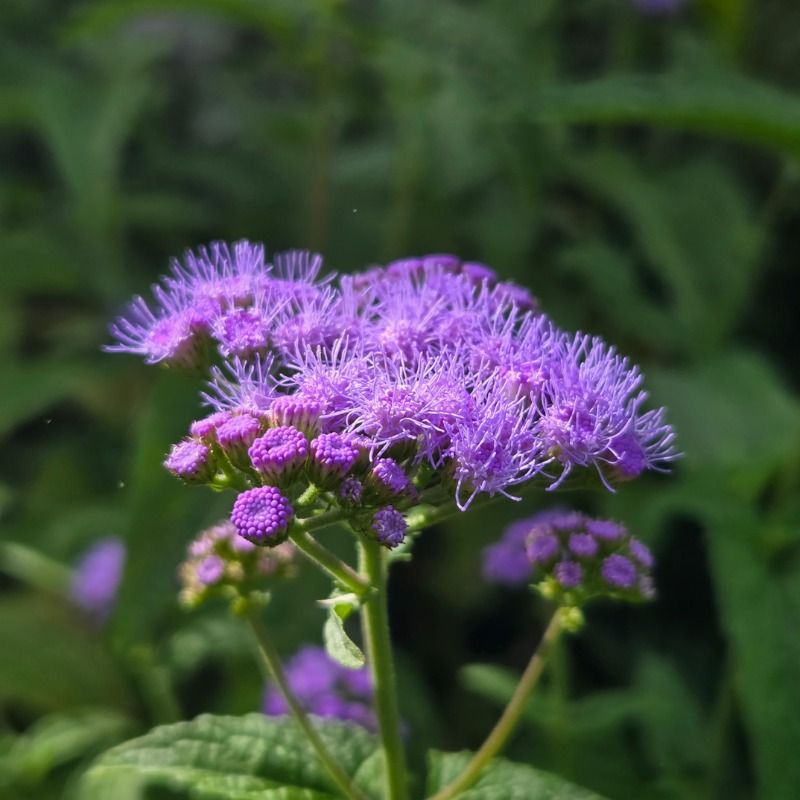
Butterflies tend to get most of the attention when people talk about Blue Mistflower, but native bees quietly steal the show too.
Bumblebees, sweat bees, mining bees, and several other native bee species visit the blooms regularly throughout the season, gathering both nectar and pollen to support their colonies heading into the colder months.
For North Carolina’s native bee populations, this plant is a genuine lifeline in late summer and fall.
Skippers are another group worth mentioning. These small, fast-flying insects look like a cross between a butterfly and a moth, and they are enthusiastic visitors to Blue Mistflower.
Because skippers are often overlooked in pollinator gardens, it is satisfying to know that planting this one native species supports them in a meaningful way. Even small metallic green bees, which many people do not even notice, work the flowers steadily throughout the day.
North Carolina ecosystems depend on a wide variety of pollinators, not just the charismatic ones. Blue Mistflower supports that full range, from the tiniest sweat bee to the largest bumblebee, making it an ecologically generous plant by any measure.
Adding it to rain gardens, native plant borders, or low spots in your yard creates a late-season feeding station that benefits the entire local pollinator community.
That kind of ripple effect is exactly what thoughtful, nature-friendly gardening in North Carolina looks like at its best.
6. Thrives In Moist Garden Conditions
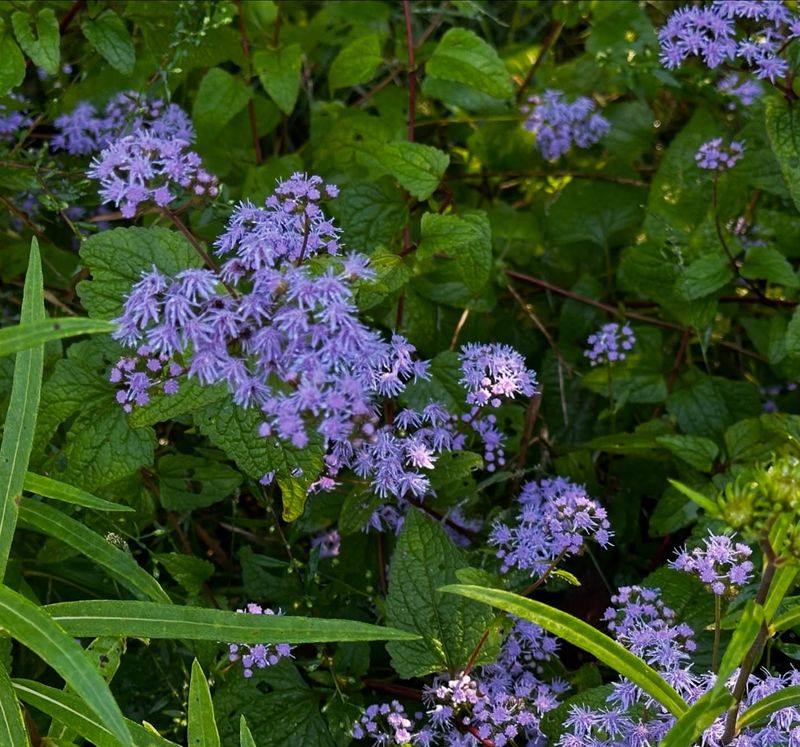
One of the most practical things about Blue Mistflower is that it actually thrives in the spots where many other garden plants struggle.
Low areas that collect rainwater, rain gardens designed to handle runoff, and garden beds near downspouts or drainage channels are exactly the kinds of places where this plant feels most at home.
Instead of fighting your landscape’s wet spots, you can plant Blue Mistflower and let it do what it does naturally.
In its wild habitat across North Carolina, Blue Mistflower grows along stream banks and in moist woodlands where soil stays consistently damp through much of the growing season. Mimicking those conditions in your garden is straightforward.
Consistent moisture is the key factor, though the plant can handle brief dry spells once it is well established. Loamy soils, sandy soils with organic matter, and even clay soils all work well as long as water does not sit stagnant for too long.
For homeowners dealing with drainage challenges in their North Carolina yards, this plant is an elegant and environmentally smart solution.
It handles the moisture, controls erosion along slopes and stream edges, and rewards you with spectacular fall blooms all at the same time.
Few plants manage to be so practically useful and so visually rewarding simultaneously. Once you see it thriving in a spot that used to be a muddy headache, you will wonder why you did not plant it sooner.
7. Spreads To Form Pollinator-Friendly Patches
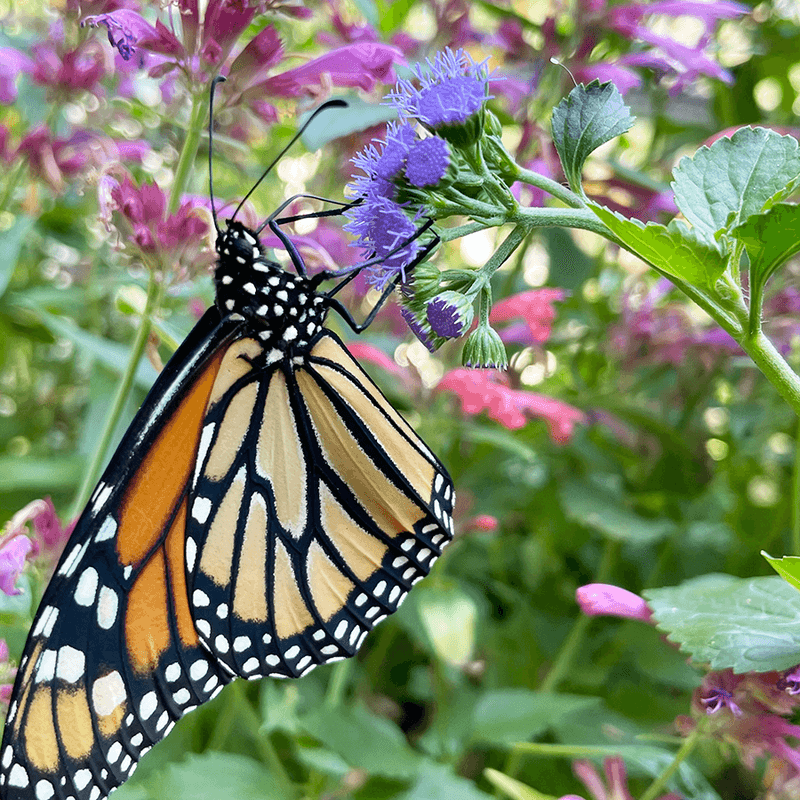
Blue Mistflower does not just sit in one place and stay politely contained. It spreads by underground stems called rhizomes, gradually expanding outward to form dense, lush colonies over time.
For gardeners who want to create a serious pollinator habitat in North Carolina, this spreading habit is one of the plant’s greatest strengths rather than a drawback to manage around.
A single plant purchased from a nursery can grow into a broad, flowering patch within just a few seasons. As the colony expands, it becomes more visible to passing butterflies and bees, which means more pollinators discover and use the patch with each passing year.
There is a kind of momentum to it that feels genuinely exciting to watch, especially during fall bloom when the entire colony lights up with blue-violet color and wings.
That said, Blue Mistflower’s spreading nature is worth keeping in mind when you choose where to plant it.
Giving it a dedicated space where it can expand freely, such as a naturalized border, a rain garden, or a wildlife habitat area in your North Carolina yard, tends to work better than tucking it between more restrained perennials.
If it ever spreads more than you want, dividing the clumps in early spring is easy and gives you extra plants to share with neighbors. Either way, the result is always more pollinators, more blooms, and a livelier garden overall.
8. Low Maintenance And Well Adapted To NC Climate
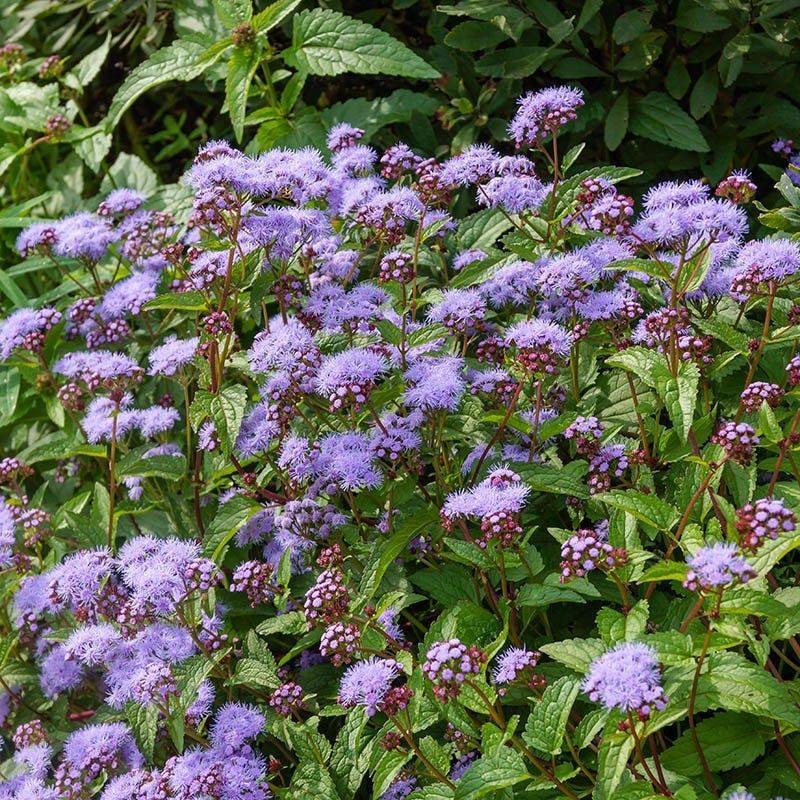
Gardening in North Carolina means dealing with hot, humid summers, unpredictable rainfall, and the occasional stretch of intense heat that can stress even tough plants.
Blue Mistflower handles all of that without complaint, which is a big reason why native plant enthusiasts across the state recommend it so consistently.
Once established, it simply grows, spreads, and blooms year after year with almost no intervention needed from you.
There are no complicated feeding schedules, no special soil treatments, and no demanding pruning routines to follow. Cutting the plant back to a few inches above the ground in late winter or very early spring is really the main task, and even that is optional in many North Carolina gardens.
The plant re-emerges reliably each spring and builds toward its spectacular fall bloom on its own schedule, following the seasonal rhythms it has followed for centuries across the eastern United States.
For busy gardeners, new gardeners, or anyone who wants beautiful results without constant effort, Blue Mistflower is a genuinely ideal choice.
It is also moderately resistant to deer browsing, which is a practical bonus for North Carolina gardeners in areas with active deer populations.
Planting a native, climate-adapted species like this is one of the smartest gardening decisions you can make, because you get maximum wildlife value, seasonal color, and year-round resilience all from one remarkably easygoing plant.