This Native North Carolina Wildflower Blooms For Months
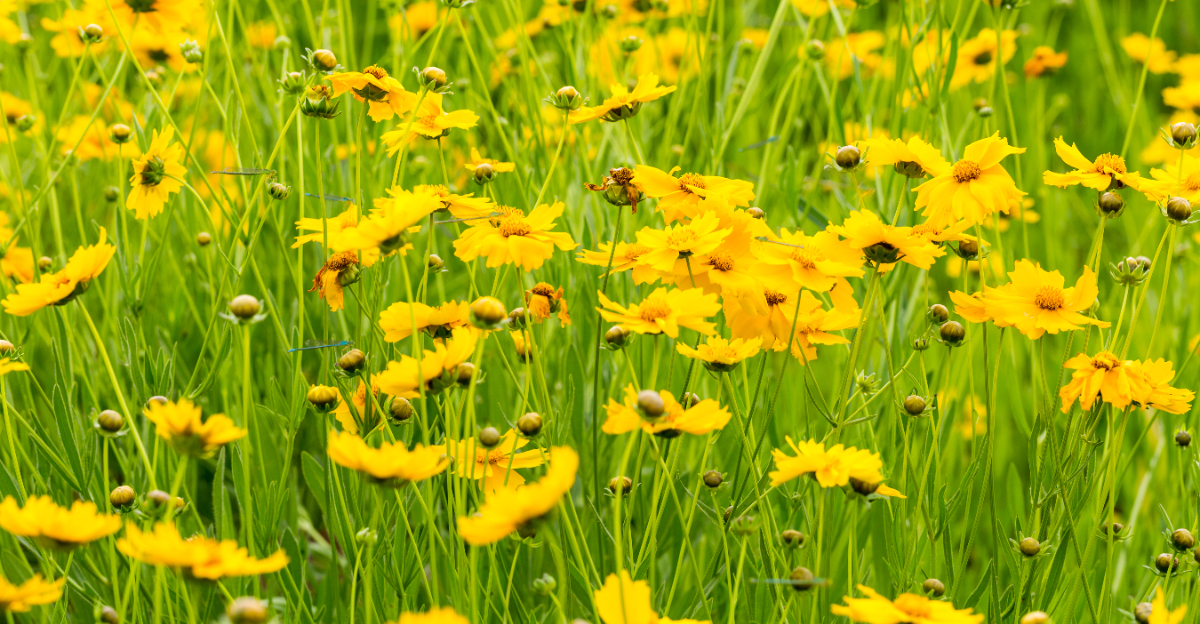
Bright patches of golden yellow often appear along roadsides and open fields across North Carolina each spring.
The cheerful wildflower responsible is Lanceleaf Coreopsis, a native plant that seems to glow in the sunshine. When it blooms, entire meadows can light up with color that feels unmistakably Southern.
Gardeners across the Piedmont, Coastal Plain, and foothill regions are beginning to welcome this wildflower into their own landscapes.
Lanceleaf Coreopsis is loved for its bright blooms, long flowering season, and ability to thrive with very little care.
Once established, it fits naturally into garden beds, pollinator gardens, and sunny borders. The plant does more than look beautiful. It also supports bees, butterflies, and other helpful pollinators that keep gardens healthy and productive.
With its toughness and vibrant color, it is easy to see why Lanceleaf Coreopsis is becoming a favorite in North Carolina gardens.
1. Lanceleaf Coreopsis Is Native To North Carolina
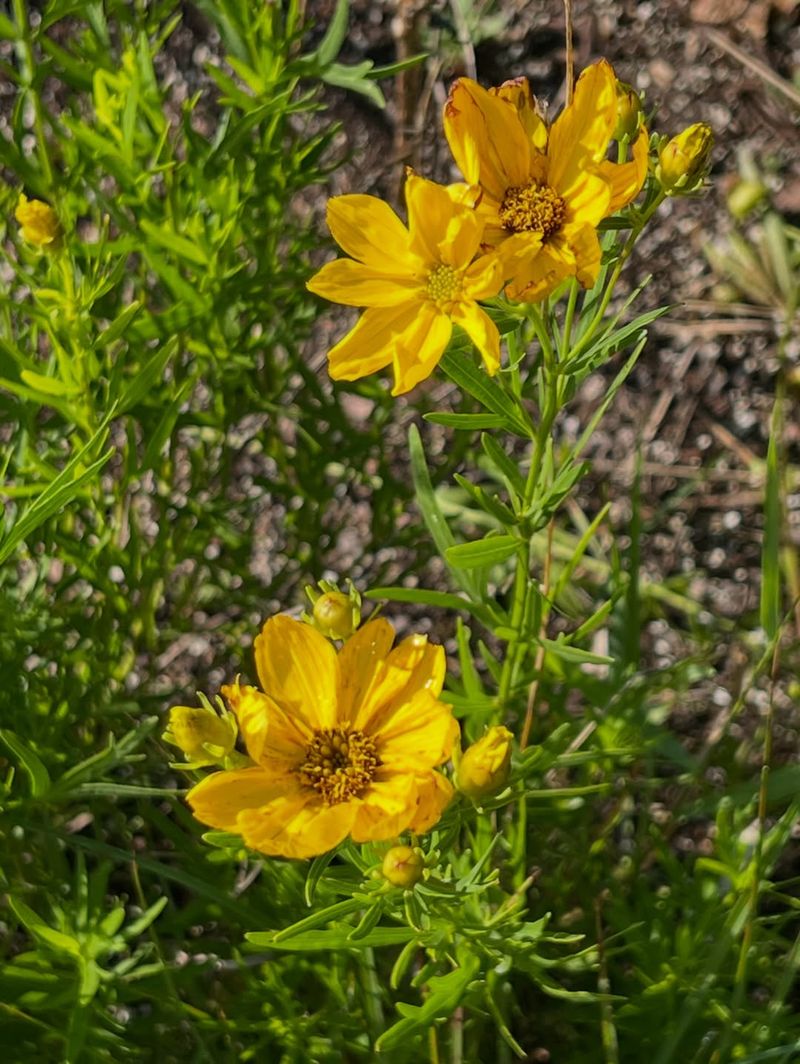
Long before anyone planted a garden, Lanceleaf Coreopsis was already growing wild across North Carolina.
This cheerful wildflower grows naturally in the Piedmont, the coastal plain, and even parts of the mountain foothills, popping up in open fields and sunny roadsides without any help from gardeners.
Being a native plant means it evolved right alongside North Carolina’s soils, rainfall patterns, and seasonal temperatures.
That history gives it a major advantage over plants brought in from other regions. It already knows how to handle dry spells, sandy soils, and hot Carolina summers without much complaint.
Native plants like Lanceleaf Coreopsis also support the local food web in ways that non-native species simply cannot match.
Local insects recognize the flowers and foliage, which makes the plant genuinely valuable to the surrounding ecosystem.
Growing a native wildflower is almost like giving nature a helping hand without doing much extra work yourself.
For gardeners across North Carolina, choosing a plant with such deep local roots is a smart move. It reduces the need for fertilizers, extra watering, and constant maintenance.
Once established, Lanceleaf Coreopsis tends to spread gently and fill a space with golden color year after year, making it one of the most rewarding native plants you can add to any sunny landscape.
2. The Bright Yellow Flowers Bloom For Weeks

Few wildflowers can match the sheer cheerfulness of Lanceleaf Coreopsis in full bloom.
Starting in late spring and carrying into early summer, those sunny yellow daisy-like flowers open up across the plant in waves, creating a bold splash of color that is hard to ignore from across the yard.
What makes this blooming season so special is how long it actually lasts. Under favorable growing conditions in North Carolina, the flowers can keep coming for several weeks without stopping.
Each stem produces multiple buds, so as one flower fades, another is already opening up right behind it.
The flowers themselves are a warm, golden yellow with slightly notched petals radiating out from a bright yellow center.
They sit on tall, slender stems that rise well above the narrow lance-shaped leaves below, giving the whole plant a light and airy appearance that looks fantastic in both wild and tended garden settings.
Gardeners who deadhead spent blooms, meaning they remove faded flowers before seeds fully form, can encourage even more flowers to appear throughout the season.
A little extra attention during the blooming period can stretch the color show noticeably. For anyone in North Carolina looking for a long-blooming native plant that practically manages itself, Lanceleaf Coreopsis is an easy and beautiful answer to that wish.
3. Full Sun Helps It Produce More Flowers
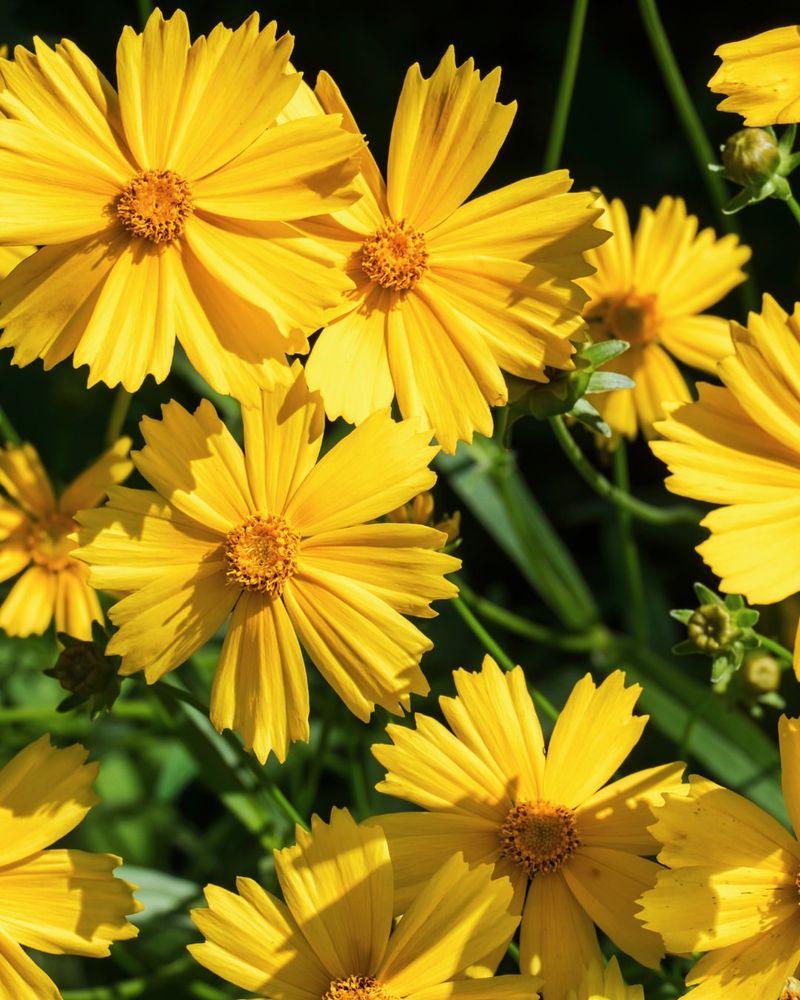
Sunshine is basically the secret ingredient for getting the most out of Lanceleaf Coreopsis. This wildflower genuinely thrives when it receives at least six hours of direct sunlight each day, and the more sun it gets, the more flowers it tends to push out throughout the season.
In North Carolina gardens, finding a sunny spot is usually not too difficult, especially in the Piedmont and coastal plain regions where open skies and warm temperatures are common.
Placing Lanceleaf Coreopsis in a south-facing bed or along a sunny fence line gives it the ideal conditions to really show off what it can do.
When plants are tucked into shadier spots, the results tend to be a little disappointing. Fewer flowers appear, stems can grow weak and floppy, and the overall plant looks less healthy than it should.
Full sun encourages strong, upright stems that hold those cheerful yellow blooms up high where everyone can see them.
Pairing Lanceleaf Coreopsis with other sun-loving native plants creates a vibrant, low-maintenance garden bed that works beautifully throughout the warm months.
Think about combining it with Black-eyed Susans or Purple Coneflowers for a layered look that keeps color going from spring through fall.
In North Carolina’s sunny landscapes, this wildflower is truly in its element when the sky is clear and the sun is strong.
4. This Wildflower Handles Heat Really Well
North Carolina summers can be seriously intense, with temperatures climbing high and humidity making everything feel even warmer.
Most garden plants start to struggle when the heat cranks up, but Lanceleaf Coreopsis handles those conditions with impressive ease. Once it gets established, this wildflower keeps going even when the thermometer climbs.
The plant’s natural habitat tells you a lot about its heat tolerance. Growing wild in open fields and roadsides across North Carolina’s Piedmont and coastal plain, it regularly experiences full summer sun with minimal shade and limited water.
Those tough conditions shaped a plant that simply does not give up when things get hot and dry.
For gardeners who want a reliable perennial that will not wilt dramatically during a summer heat wave, Lanceleaf Coreopsis is a genuinely solid choice.
While some other flowering plants need extra watering or afternoon shade to survive, this one tends to keep producing blooms right through the hottest weeks of the season.
Giving the plant a good deep watering during its first growing season helps it establish a strong root system before the heat arrives. After that first year, supplemental watering becomes much less necessary.
The roots grow deep enough to access moisture on their own, which is exactly the kind of low-effort, high-reward performance that makes Lanceleaf Coreopsis such a popular native perennial throughout North Carolina gardens.
5. The Plant Tolerates Poor Soil Conditions
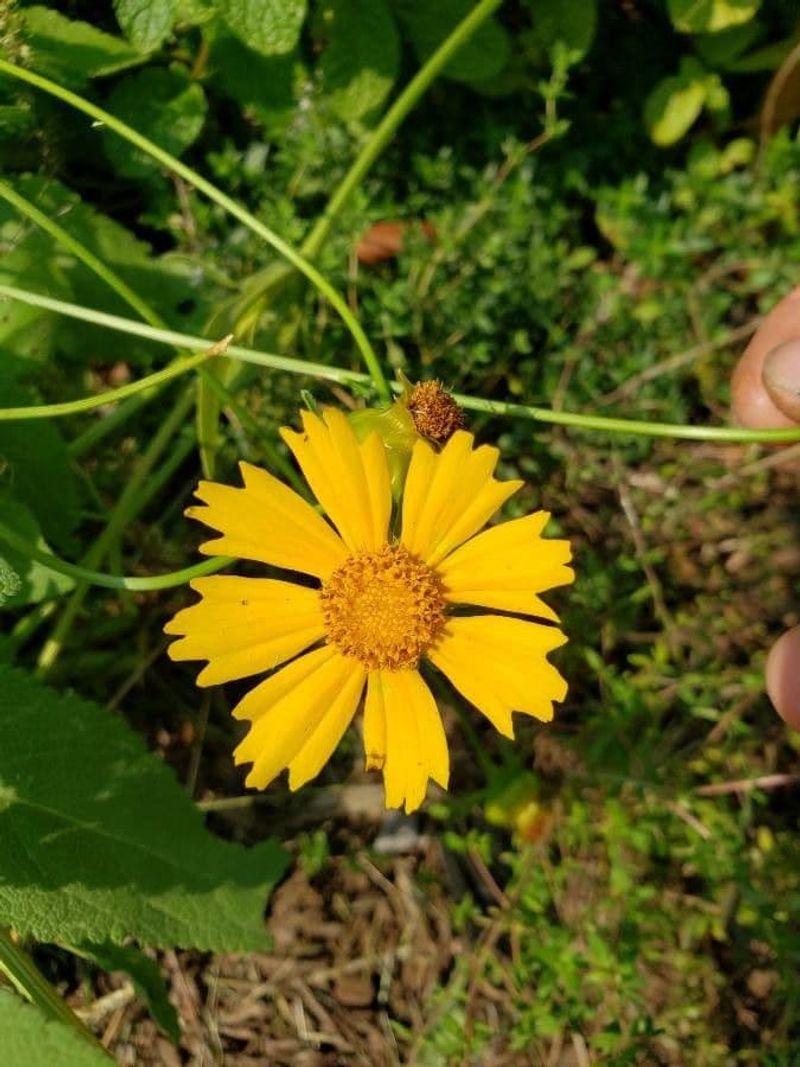
Not every gardener is blessed with rich, dark, perfectly fertile soil, and that is exactly where Lanceleaf Coreopsis shines.
This wildflower has a well-earned reputation for growing happily in sandy, rocky, or otherwise low-nutrient soils that would leave many other plants struggling to survive.
It is genuinely forgiving about where it puts down roots. In the wild across North Carolina, Lanceleaf Coreopsis naturally grows in open, disturbed habitats where the soil is often thin and sandy.
Roadsides, old fields, and dry slopes are common places to spot it growing without any human help at all.
That background means the plant is perfectly comfortable in conditions that most ornamental garden plants would reject outright.
Interestingly, adding too much fertilizer or planting this wildflower in overly rich garden soil can actually cause problems.
Extremely fertile conditions tend to push the plant toward producing lots of leafy growth at the expense of flowers.
Keeping the soil on the leaner side encourages the plant to channel its energy into blooming, which is exactly what you want.
For gardeners dealing with challenging spots in their North Carolina yards, whether that is a dry slope, a thin lawn edge, or a sunny strip of sandy ground, Lanceleaf Coreopsis is a practical and beautiful solution.
It fills tough spaces with golden color and requires almost no soil amendments to perform well year after year.
6. Pollinators Visit The Flowers Frequently
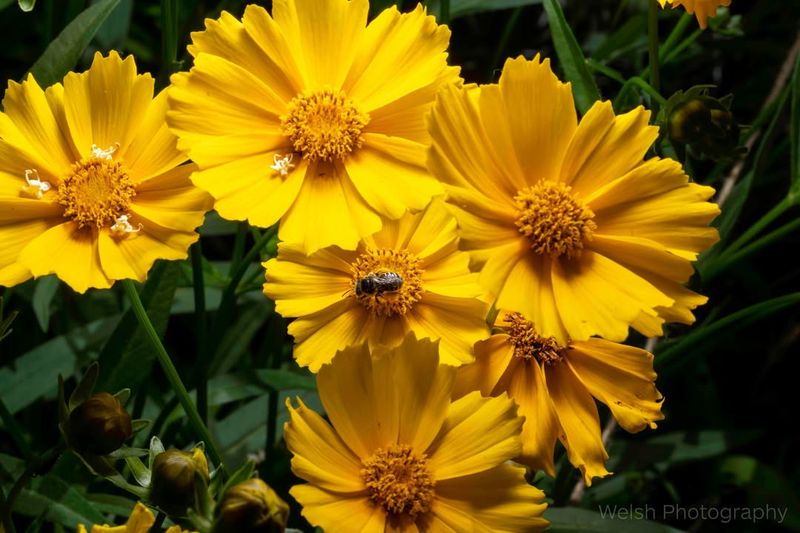
Walk up to a patch of blooming Lanceleaf Coreopsis on a warm North Carolina afternoon and you will almost certainly find it buzzing with activity.
Bees, butterflies, and other pollinators are strongly attracted to the open, nectar-rich flowers, making this wildflower one of the most wildlife-friendly plants you can grow in a sunny garden bed.
Native bees are especially fond of Lanceleaf Coreopsis. Bumblebees, sweat bees, and various solitary bee species all visit the blooms regularly to collect both nectar and pollen.
Since these bees are native to North Carolina, they have a long shared history with this plant, and the relationship between them is genuinely mutually beneficial.
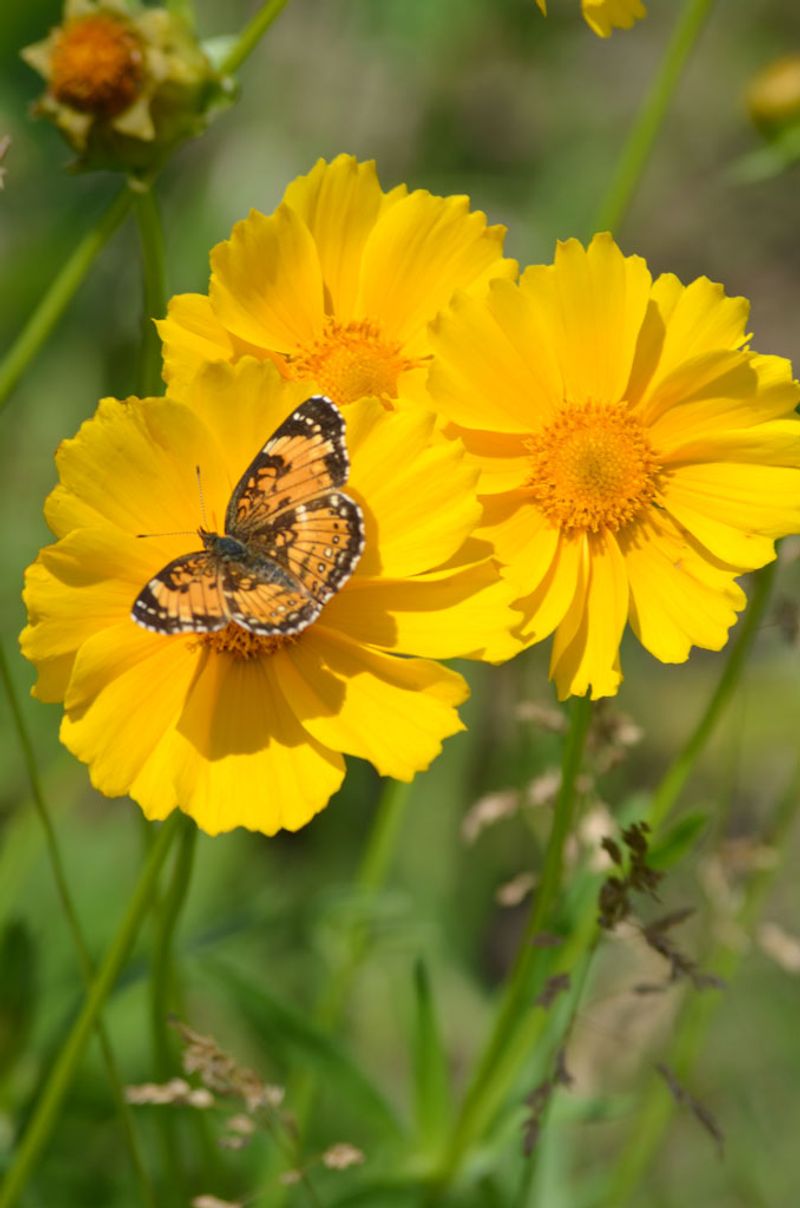
Butterflies also flock to the flowers throughout the blooming season. Species like the Pearl Crescent and various skippers are common visitors, adding even more movement and color to the garden.
Having a reliable nectar source like Lanceleaf Coreopsis helps support butterfly populations throughout the region, which benefits the broader ecosystem well beyond your own backyard.
Planting Lanceleaf Coreopsis as part of a dedicated pollinator garden in North Carolina is a fantastic idea.
Combine it with Wild Bergamot, Purple Coneflower, and Common Milkweed to create a diverse buffet of native blooms that keeps pollinators visiting from spring through fall.
A garden like that does not just look beautiful, it actively supports the health of the local environment in a meaningful way.
7. The Plant Returns Reliably Each Year
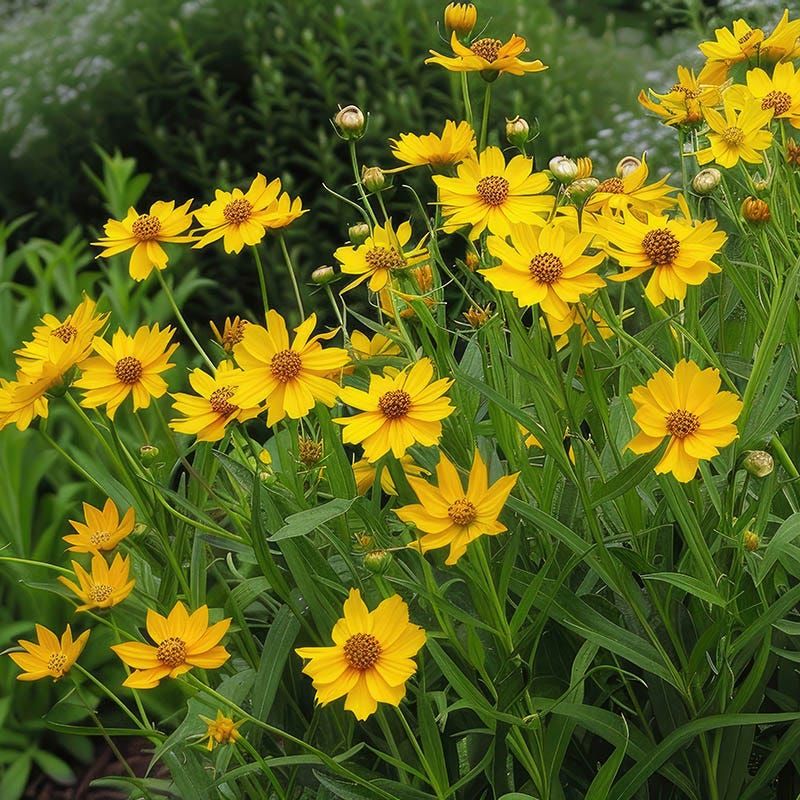
One of the most satisfying things about growing Lanceleaf Coreopsis is knowing it will come back every single year without you having to replant it.
As a hardy perennial, this wildflower grows in USDA Hardiness Zones 4 through 9, which covers the entire state of North Carolina from the coastal plain to the mountains.
Plant it once and enjoy it for many seasons to come. After the blooming season winds down in early summer, the above-ground parts of the plant gradually fade back.
But underground, the root system stays active and healthy, storing energy for the following spring.
When warmer temperatures return, new growth emerges from those established roots and the plant begins building up toward another season of golden blooms.
Over time, a well-established clump of Lanceleaf Coreopsis can slowly spread and fill a larger area, creating a more impressive display each year.
Gardeners can also divide established clumps every few years to create new plants and share them with neighbors or spread them to other parts of the yard. It is one of those plants that genuinely rewards patience.
Knowing that a plant will return year after year without a lot of fuss makes gardening feel much more rewarding and less stressful.
For North Carolina gardeners who want reliable, low-maintenance color in their spring and early summer landscapes, Lanceleaf Coreopsis is one of the most dependable native perennials available.
8. Seed Heads Support Local Birds
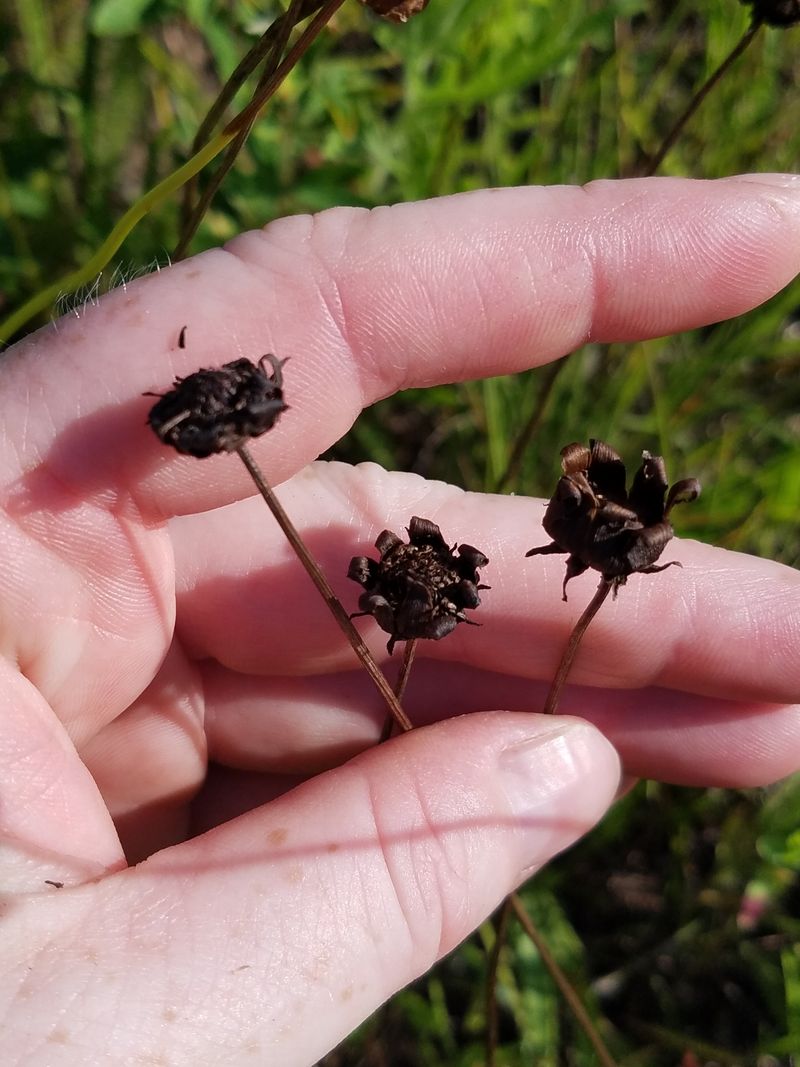
After the last flowers fade in early summer, Lanceleaf Coreopsis keeps giving back to the garden in a quieter but equally important way.
The spent flower heads develop into small, compact seed heads packed with tiny seeds that are a favorite food source for small songbirds, especially American Goldfinches visiting North Carolina gardens in late summer and fall.
Goldfinches are particularly well known for their love of coreopsis seeds.
Watch a patch of spent Lanceleaf Coreopsis on a clear August morning and you might catch a bright yellow goldfinch clinging to a seed head and picking it clean with impressive speed and agility.
It is one of those genuinely magical backyard wildlife moments that makes leaving seed heads standing totally worth it.
Resisting the urge to cut everything back right after blooming is the key to supporting these birds.
Leaving the seed heads intact through late summer and into fall gives birds a natural food source during a time when other resources can be less plentiful. It also adds a subtle textural interest to the garden even after the bright blooms are gone.
For North Carolina gardeners who want to attract more wildlife to their outdoor spaces, combining Lanceleaf Coreopsis with other seed-producing natives creates a genuine backyard habitat.
Birds, bees, and butterflies all benefit, and the garden becomes far more alive and interesting than a traditional planting of purely ornamental flowers ever could be.
9. Works Well In Native And Pollinator Gardens
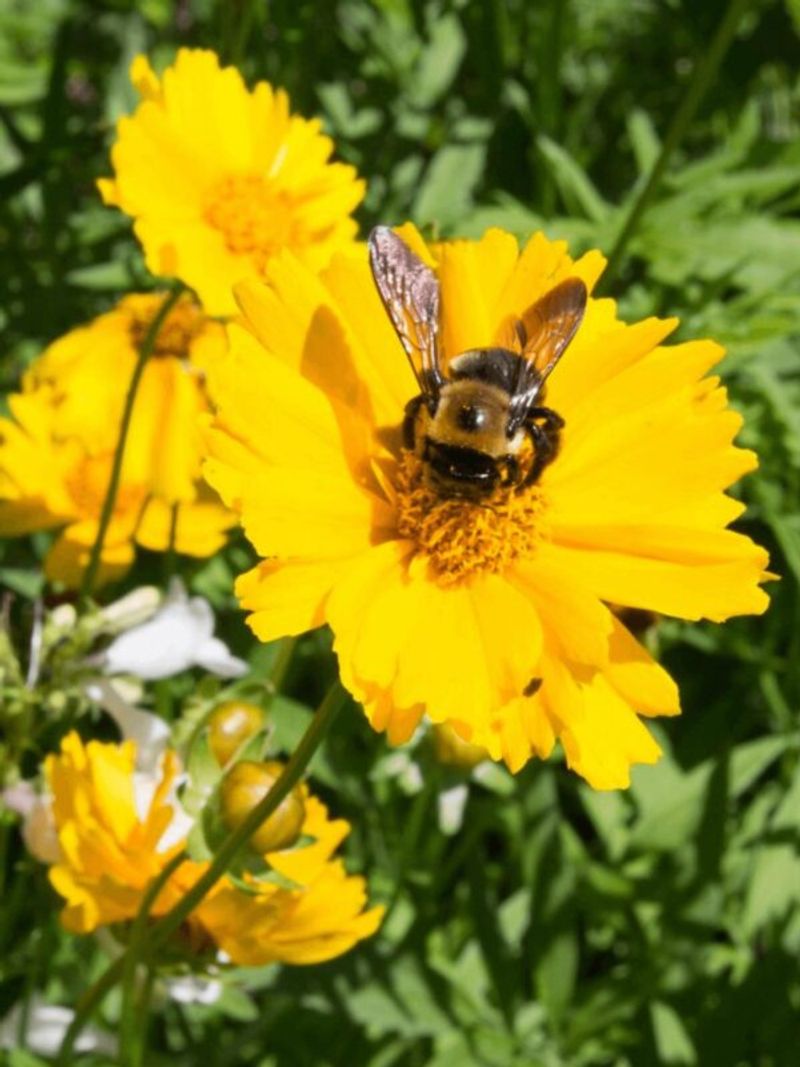
Versatility is one of Lanceleaf Coreopsis’s greatest strengths as a garden plant.
Whether you are designing a formal native plant border, a relaxed meadow-style landscape, a dedicated pollinator planting, or simply a sunny perennial bed, this wildflower fits naturally into the design without looking out of place.
In native plant gardens across North Carolina, Lanceleaf Coreopsis pairs beautifully with other regional favorites like Purple Coneflower, Black-eyed Susan, Wild Bergamot, and Little Bluestem grass.
These combinations create a layered, natural look that shifts and changes through the seasons, offering color, texture, and wildlife value all at once.
Pollinator garden designers especially appreciate how early Lanceleaf Coreopsis begins blooming relative to many other native perennials.
Its late spring flowers fill an important gap in the nectar calendar, providing food for bees and butterflies right when they need it most after emerging from winter.
Planting it alongside later-blooming natives ensures pollinators have something to visit from spring all the way through fall.
For meadow-style plantings, Lanceleaf Coreopsis naturalizes beautifully, spreading gently over time and creating sweeping drifts of golden yellow that look effortlessly wild and gorgeous.
Across North Carolina, from backyard gardens to community green spaces and school pollinator projects, this native wildflower continues to prove just how much beauty and ecological value one small, cheerful plant can bring to the world around it.