This North Carolina Arboretum Is A Must Visit For Garden Lovers
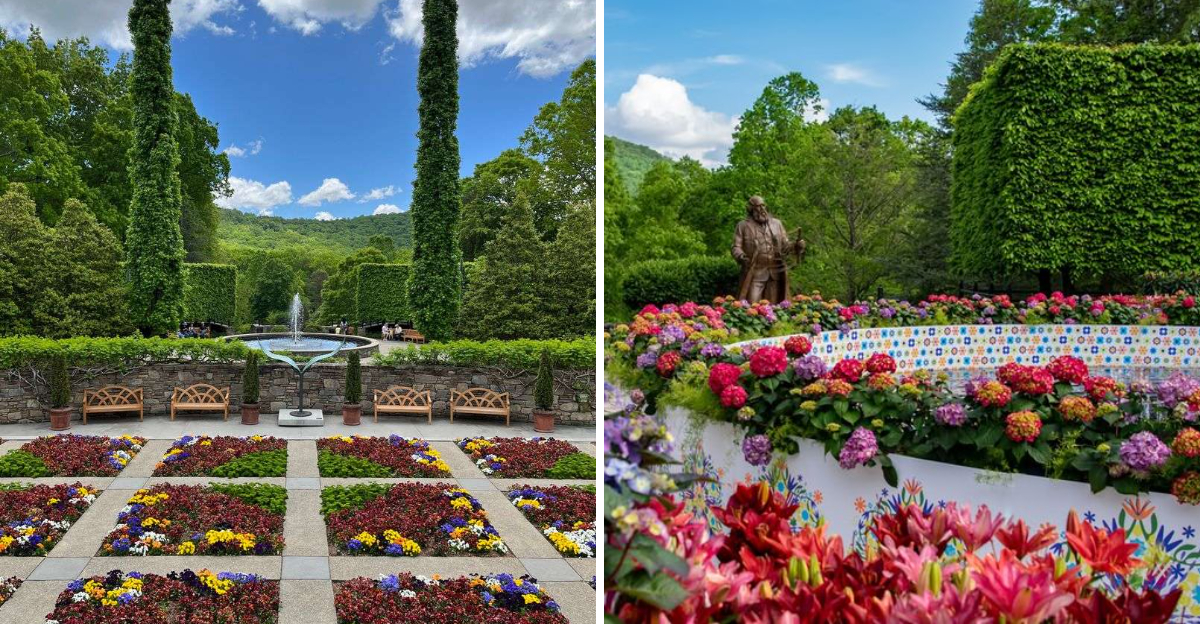
Set in the heart of the Blue Ridge Mountains, The North Carolina Arboretum opens the door to one of the most inspiring plant destinations in the Southeast.
This remarkable landscape blends carefully designed gardens with wild mountain beauty, creating a place where every path reveals something new.
Towering trees, seasonal blooms, and collections of native plants showcase how life thrives in highland conditions shaped by cool air, rich soil, and changing elevations.
Walking through the arboretum feels like stepping into a living classroom and a peaceful retreat at the same time.
Winding trails lead across forested slopes, open meadows, and curated garden spaces that highlight color, texture, and thoughtful design.
Gardeners find fresh ideas, nature lovers discover hidden details, and every visit brings a deeper appreciation for mountain ecosystems and the plants that call them home.
From vibrant seasonal displays to quiet woodland corners, the experience offers both beauty and insight.
It is a place where curiosity grows naturally, inspiration feels effortless, and the connection between landscape and plant life becomes unforgettable.
Located In The Asheville Highlands
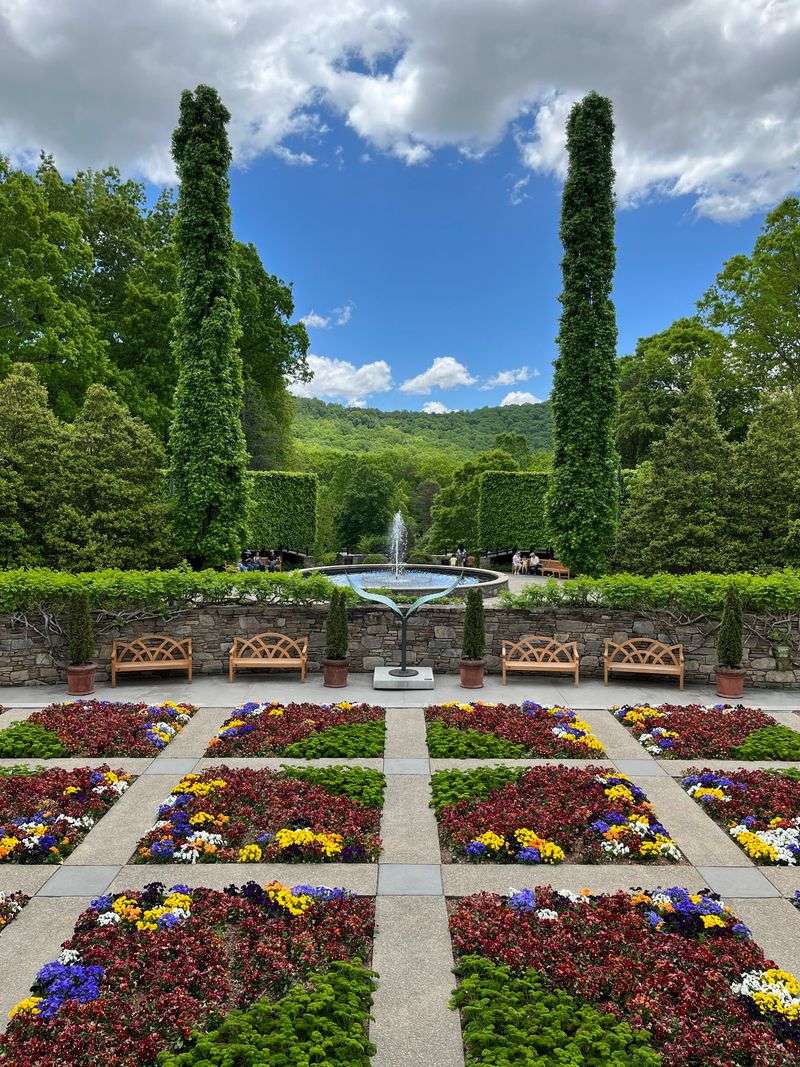
Perched high in the mountains, The North Carolina Arboretum sits at 20 Frederick Law Olmsted Way in Asheville, where the air feels crisp and fresh year-round.
The elevation here creates a unique growing environment that sets this garden apart from lowland botanical spaces.
Cool mountain breezes sweep through the grounds, making summer visits comfortable and pleasant. This highland location isn’t just about pretty views.
The cooler temperatures allow gardeners to cultivate plants that simply wouldn’t survive in warmer regions.
Appalachian natives flourish here alongside other temperate species that appreciate the mild summers and cold winters. Visitors immediately notice the difference when they arrive.
The mountain setting creates microclimates throughout the property, offering diverse growing conditions within a single location.
Some areas stay cooler and moister, while others receive more sun and warmth. The elevation also means seasonal changes arrive differently here compared to lower elevations.
Spring blooms may appear later, but they last longer in the cooler air. Fall colors shine brilliantly as temperatures drop, creating spectacular displays that draw photographers and nature enthusiasts from across the region.
This strategic location in the highlands makes the arboretum a living laboratory for mountain gardening.
Visitors gain valuable insights into selecting and growing plants suited to similar climates throughout the Appalachian region.
Focuses On Plants Adapted To Highland Conditions
Mountain plants possess remarkable characteristics that help them survive challenging conditions.
The arboretum celebrates these resilient species, showcasing varieties that handle frost, elevation changes, and temperature swings with ease.
Collections here demonstrate how plants adapt to life above the clouds. Appalachian natives take center stage throughout the grounds.
These tough performers evolved over thousands of years to thrive in mountain environments.
Rhododendrons burst into color each spring, while native azaleas paint the landscape in vibrant hues. Temperature fluctuations don’t faze these hardy specimens.
Morning frost might coat their leaves, yet by afternoon they bask in warm sunshine. This resilience makes them perfect choices for gardeners facing unpredictable mountain weather.
The collections also include temperate perennials from similar climates worldwide. Japanese maples flourish here, as do certain European woodland species.
These international additions help visitors understand that highland adaptation transcends geography. Moisture management becomes crucial at higher elevations.
Many featured plants demonstrate efficient water use while tolerating the humid conditions common in mountain valleys.
Their root systems anchor firmly in rocky soil, preventing erosion on slopes. Gardeners visiting from mountain communities find inspiration in every corner.
The plant selections prove that highland gardens can be just as lush and colorful as their lowland counterparts. Success simply requires choosing species that embrace rather than fight the mountain environment.
Features Extensive Native Plant Collections
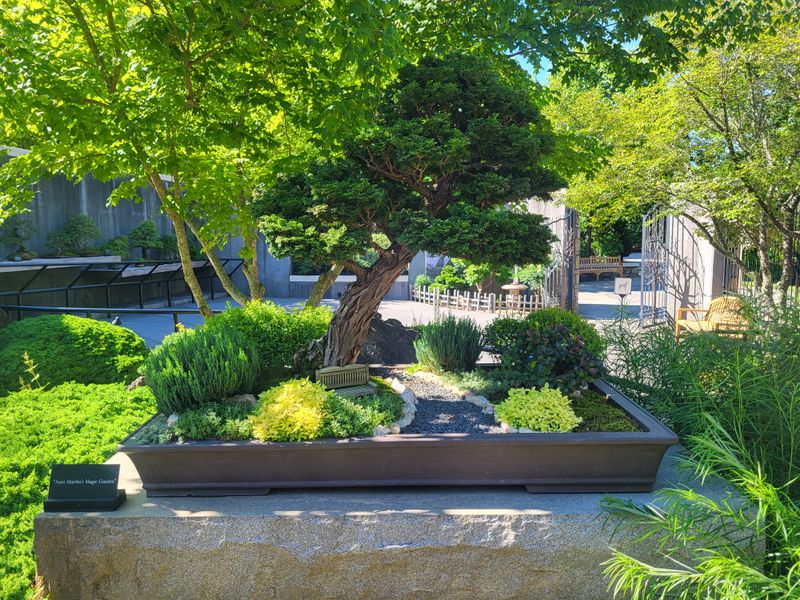
Walking through the native plant areas feels like stepping into North Carolina’s natural heritage. Every tree, shrub, and wildflower tells a story about the region’s ecological history.
These collections preserve botanical treasures that once covered the entire state before development changed the landscape.
Pollinators absolutely love these native gardens. Butterflies dance from bloom to bloom, while bees buzz contentedly among the flowers.
Native plants evolved alongside local insects, creating perfect partnerships that support entire ecosystems. The tree collections showcase magnificent specimens that define Appalachian forests.
Towering oaks, graceful dogwoods, and sturdy hickories demonstrate the diversity of North Carolina’s woodland heritage.
Each species plays a vital role in supporting wildlife and maintaining healthy forests. Shrub borders feature native beauties that offer year-round interest.
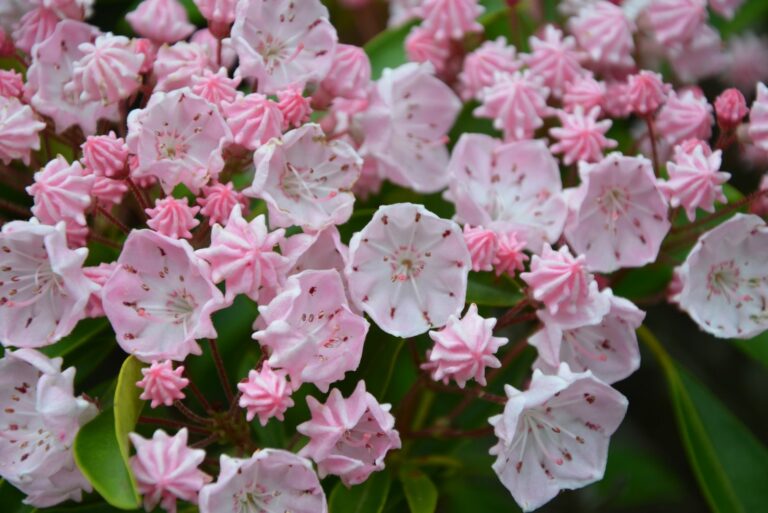
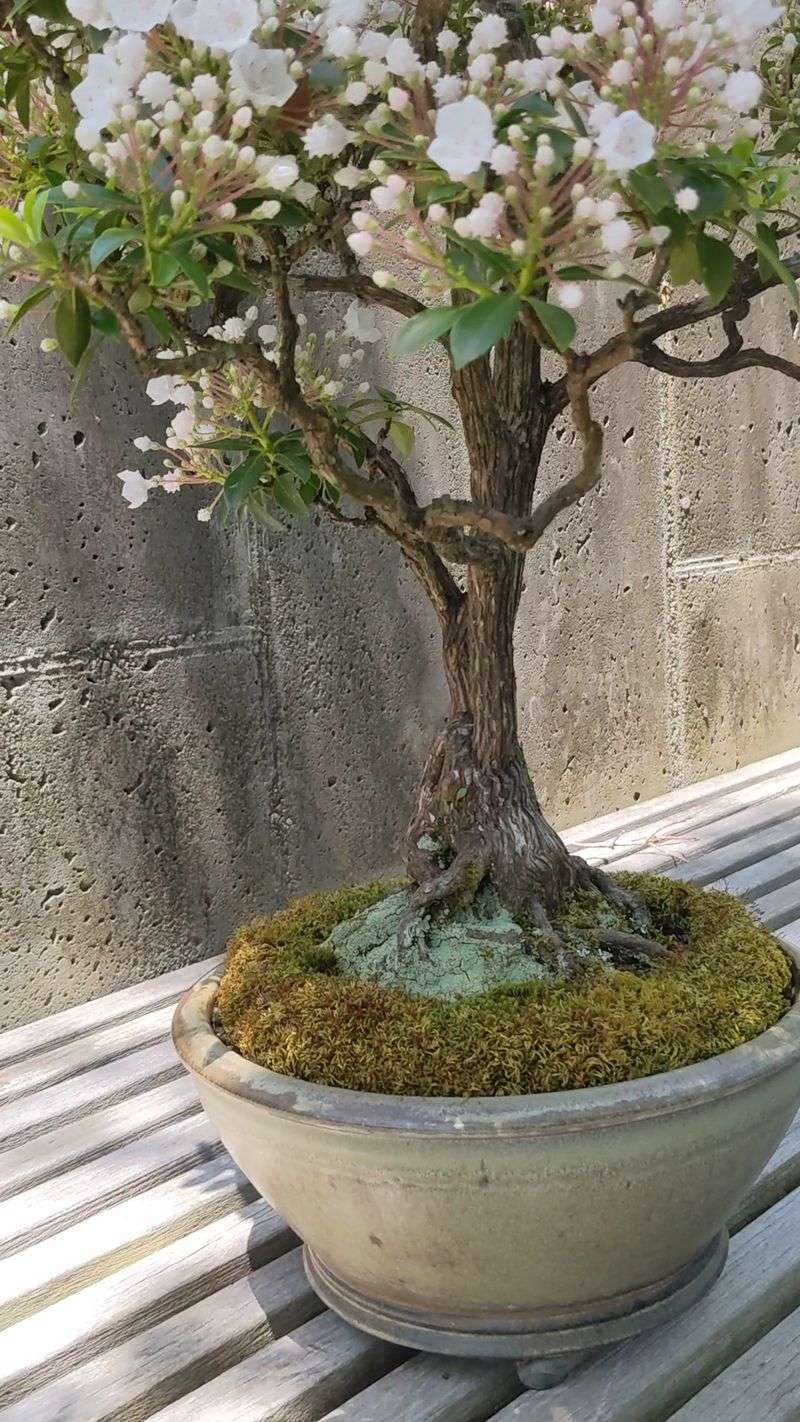
Winterberry holly produces brilliant red berries that feed birds through cold months. Mountain laurel creates stunning spring displays with clusters of pink and white flowers.
Perennial beds burst with native wildflowers that bloom in succession from early spring through fall.
Black-eyed Susans brighten summer days, while asters provide late-season color when most gardens fade. These tough plants require minimal maintenance once established.
Educational signage throughout the collections helps visitors identify plants and understand their ecological importance.
Learning about native species inspires many gardeners to incorporate them into home landscapes, creating wildlife corridors that benefit entire communities.
Includes Formal And Informal Gardens
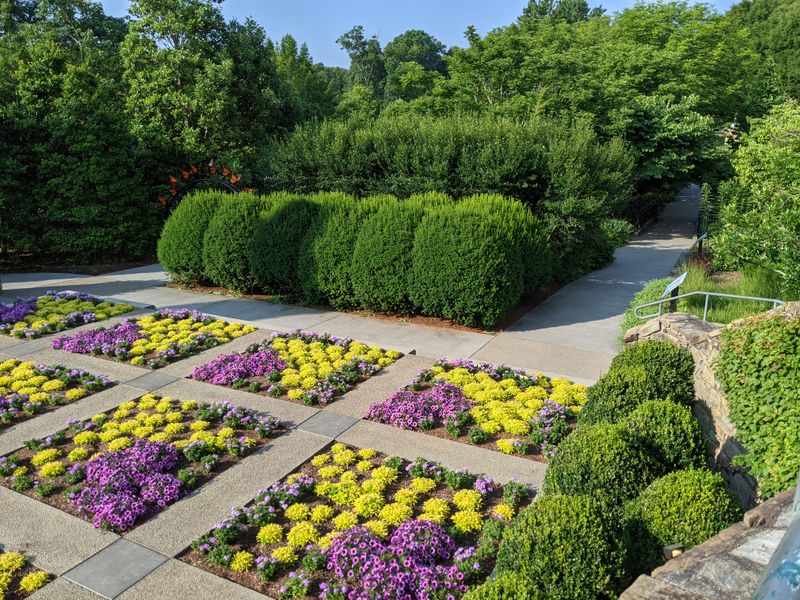
Contrast defines the garden experience here. Manicured formal spaces with geometric precision sit alongside wild, naturalistic areas that mimic mountain forests.
This diversity showcases different approaches to garden design, each with unique beauty and purpose. Formal gardens demonstrate classical design principles that have guided landscapers for centuries.
Symmetrical beds, carefully edged pathways, and precisely pruned plants create order and elegance. These spaces show how structure can enhance natural beauty rather than constrain it.
Color coordination in formal areas follows thoughtful schemes that please the eye. Cool blues and purples might dominate one section, while warm yellows and oranges energize another.
Seasonal plantings ensure continuous visual interest throughout the growing season. Naturalistic gardens offer a completely different experience.
Winding paths disappear into woodland settings where plants grow in seemingly random patterns. This intentional wildness actually requires careful planning to achieve the right balance.
Native plant communities thrive in informal areas, demonstrating how species naturally group together.
Ferns carpet shady spots beneath towering trees, while sun-loving wildflowers colonize open meadows. These gardens teach ecological relationships through observation.
Visitors gain valuable lessons from both styles. Formal gardens inspire those who love structured landscapes with clear boundaries.
Informal areas appeal to gardeners seeking low-maintenance designs that support wildlife. Many people discover they can blend both approaches in their own yards, creating spaces that feel both intentional and natural.
Offers Walking And Hiking Trails
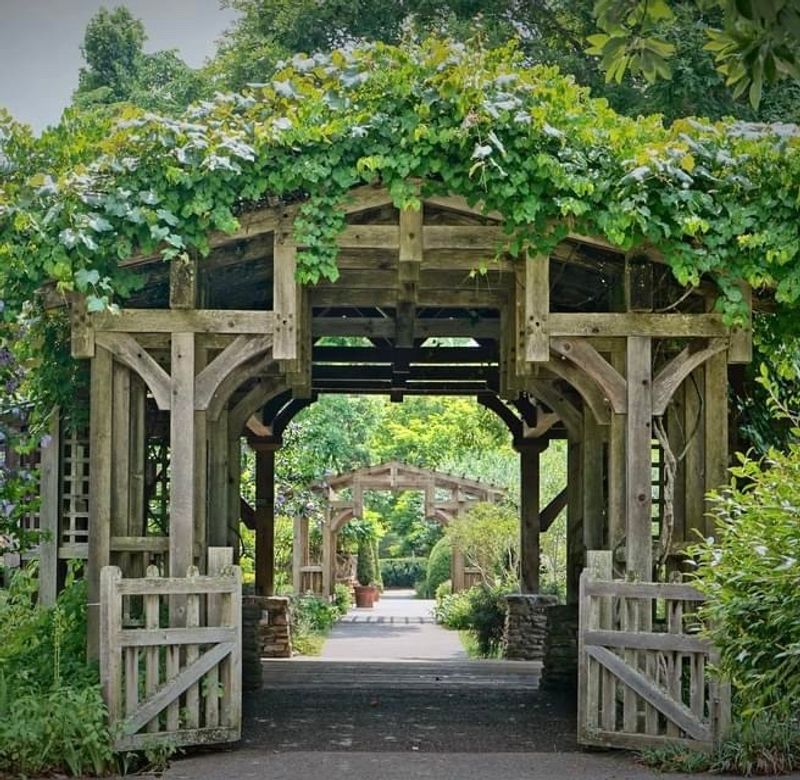
Miles of trails beckon explorers to venture beyond the cultivated gardens into wilder terrain.
These pathways provide access to diverse plant habitats that change with elevation and exposure. Every turn reveals new botanical discoveries waiting to be appreciated.
Easy strolls suit families with young children or visitors seeking gentle exercise. Paved surfaces and minimal elevation changes make these routes accessible to everyone.
Benches placed at scenic overlooks invite pausing to absorb the mountain views. More challenging trails climb hillsides and traverse rugged terrain.
These routes reward hikers with intimate encounters with mountain flora in natural settings. Seasonal wildflower displays transform the landscape throughout the year.
Spring brings an explosion of blooms along shaded trails. Trilliums carpet forest floors, while bloodroot and hepatica add delicate touches of color.
The cool mountain climate extends the blooming season, allowing multiple waves of flowers. Summer trails offer respite from heat under dense tree canopies.
Ferns unfurl their fronds, and native shrubs produce berries that attract songbirds. The sounds of nature replace urban noise, creating peaceful walking experiences.
Fall transforms trails into corridors of brilliant color. Maples, oaks, and hickories compete for attention with their stunning foliage displays.
Cooler temperatures make hiking especially pleasant during this season. Trail guides and interpretive signs enhance the educational experience.
Learning to identify plants in their natural habitats helps visitors become better observers of nature wherever they wander.
Supports Horticultural Research And Education
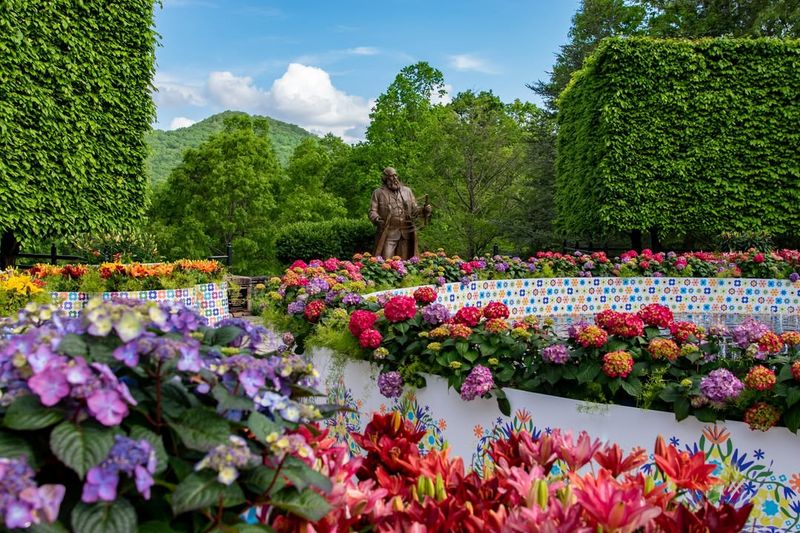
Scientific inquiry drives much of what happens behind the scenes here. Researchers study plant adaptation, testing which species perform best in mountain conditions.
Their findings help gardeners throughout the region make informed planting decisions. Workshops run throughout the year, covering topics from basic gardening to advanced propagation techniques.
Expert instructors share decades of accumulated knowledge with eager learners. Hands-on activities ensure participants gain practical skills they can apply immediately.
Native plant cultivation receives special attention in educational programs. Learning to grow regional species from seed helps preserve genetic diversity.
Participants discover that native plants often outperform exotic alternatives once established. Sustainable landscape practices form the foundation of many classes.
Water conservation, organic pest management, and soil health improvement techniques prepare gardeners for environmentally responsible practices.
These methods reduce chemical inputs while producing healthier plants. Guided tours led by knowledgeable staff reveal hidden gems throughout the grounds.
Tour guides explain plant relationships, seasonal changes, and garden maintenance strategies. Questions receive thoughtful answers based on years of practical experience.
Children’s programs introduce young people to plant science through fun, engaging activities.
Kids get their hands dirty planting seeds, observing insects, and exploring garden ecosystems. Early exposure to horticulture often sparks lifelong interests in plants and nature.
Research partnerships with universities extend the arboretum’s impact beyond its physical boundaries.
Collaborative studies advance understanding of mountain ecology and climate adaptation in plants.
Seasonal Plant Displays Highlight Resilient Flora
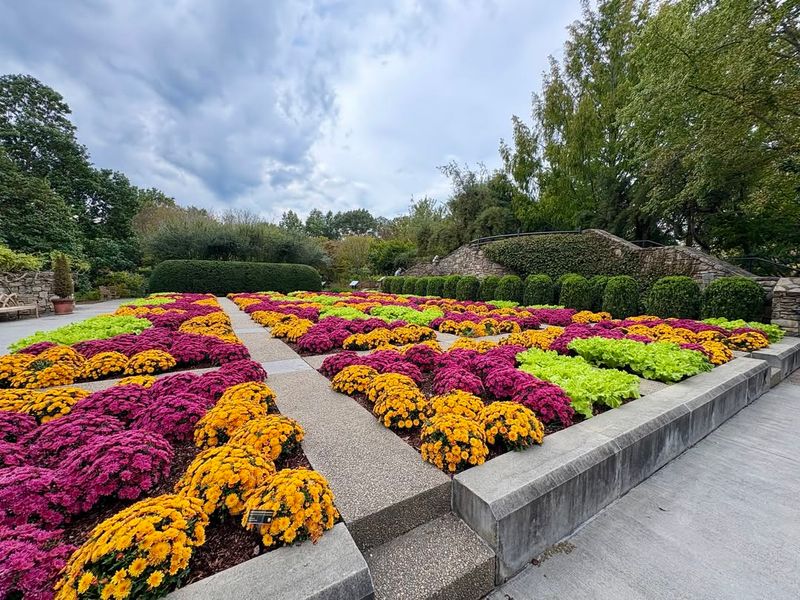
Timing your visit reveals completely different gardens depending on the season. Spring erupts with bulbs and early bloomers that have waited months beneath winter snow.
Daffodils nod cheerfully in breezes, while tulips stand at attention in vibrant rows. Cherry blossoms create clouds of pink and white that seem to float above the landscape.
These fleeting beauties remind visitors that some garden moments are precious precisely because they don’t last. Photographers flock here during peak bloom periods.
Summer brings lush growth and continuous flowering from heat-tolerant perennials. Coneflowers, black-eyed Susans, and daylilies thrive despite warm temperatures.
The mountain location keeps summer heat manageable, allowing plants to flourish without stress. Foliage becomes as important as flowers during summer months.
Hostas unfurl huge leaves in shady spots, while ornamental grasses add movement and texture to sunny beds. These plants demonstrate that gardens offer beauty beyond blooms.
Autumn steals the show with spectacular color displays that rival any in the country. Maples blaze red and orange, while oaks turn deep burgundy.
The cool mountain nights intensify pigment production, creating especially vivid hues. Winter reveals garden structure and evergreen beauty often overlooked during growing season.
Holly berries glow against snow, while ornamental grasses catch frost in delicate patterns. This season proves that well-designed gardens provide year-round interest.
Seasonal rotations demonstrate which plants deliver reliable performance throughout the year. Observing these cycles helps gardeners plan landscapes with continuous appeal.
Home To Collaborative Partnership Programs
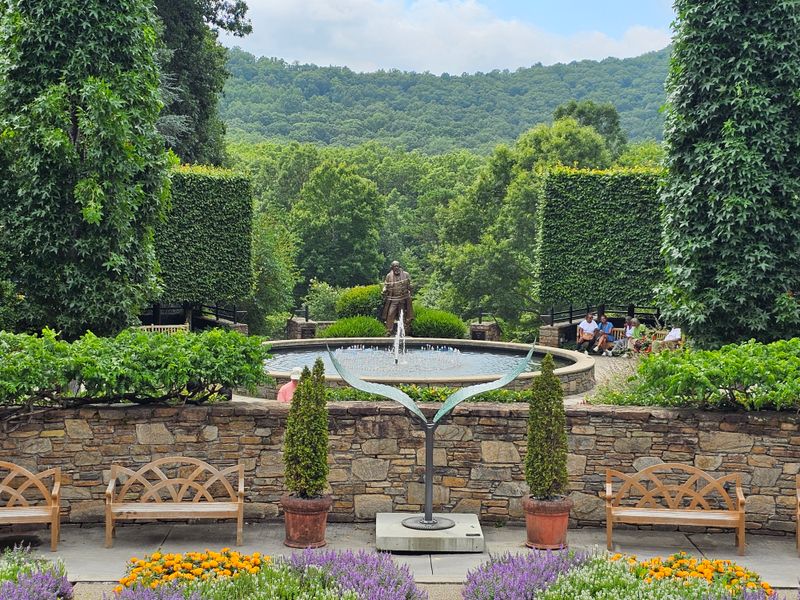
Collaboration amplifies the arboretum’s impact far beyond its mountain location. Partnerships with other botanical institutions create networks for sharing knowledge, plants, and resources.
These relationships benefit gardeners and researchers across multiple states. Rare plant exchanges allow the arboretum to acquire species difficult to obtain elsewhere.
Some partnerships focus on preserving endangered native plants through careful propagation programs.
These conservation efforts help protect botanical heritage for future generations. Joint research projects tackle questions too large for single institutions.
Studying plant responses to climate change requires data from multiple locations and elevations. Collaborative efforts produce more comprehensive results than isolated studies could achieve.
Educational programming expands through partnerships with schools and universities. Student groups visit regularly, conducting field studies and learning about mountain ecosystems.
These experiences inspire some young people to pursue careers in horticulture or environmental science. Professional development opportunities arise from partnership activities.
Staff members attend conferences, share best practices, and learn innovative techniques from colleagues at other institutions.
This continuous learning improves operations and visitor experiences. Public access to specialized plant collections increases through partnership agreements.
Rare cultivars developed at partner institutions may be displayed here, giving visitors chances to see plants unavailable elsewhere. These special exhibits generate excitement and draw repeat visitors.
Regional gardening communities benefit from the collective expertise partnerships provide.
Information flows freely between institutions, helping home gardeners solve problems and discover new plants suited to their conditions.
Provides Visitor Amenities For Garden Enthusiasts
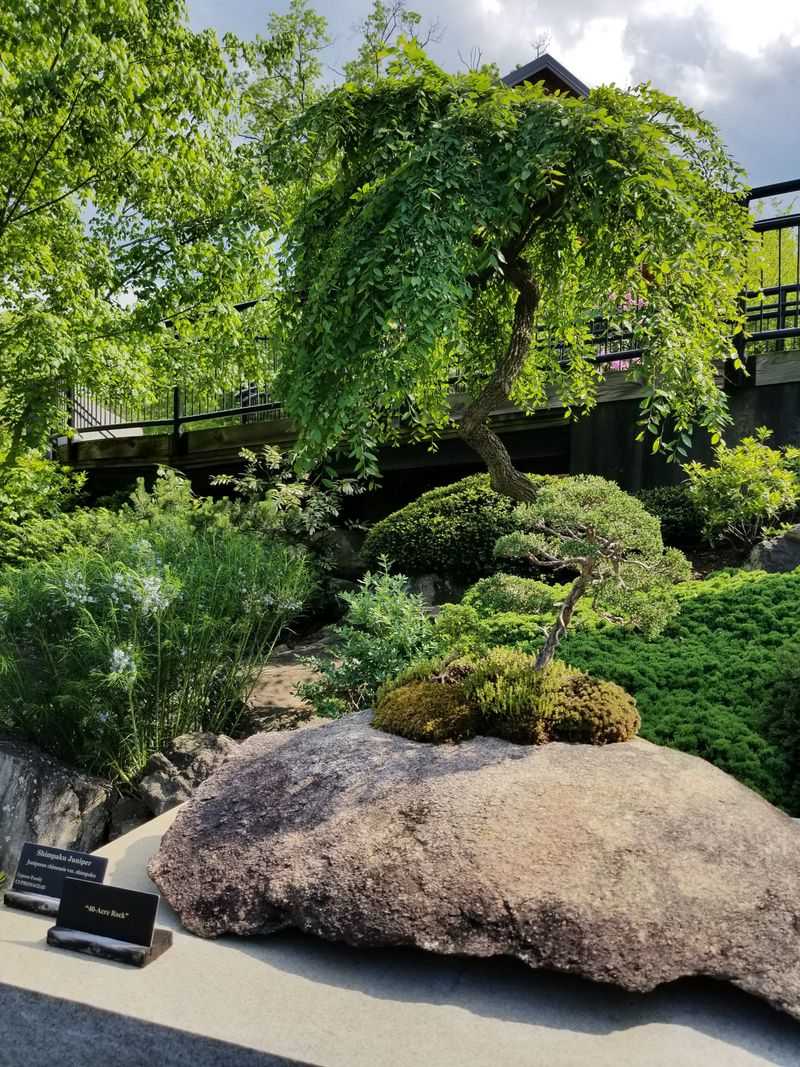
Comfort and convenience enhance every visit through thoughtfully planned amenities. The visitor center serves as command central, offering maps, exhibit information, and friendly staff ready to answer questions.
Clean restrooms and climate-controlled spaces provide welcome breaks during extended explorations. Indoor exhibits complement outdoor gardens with displays about plant science and mountain ecology.
Interactive elements engage children and adults alike, making learning fun rather than tedious. Rotating exhibits ensure repeat visitors always discover something new.
The gift shop tempts plant lovers with carefully curated selections. Books about native plants, gardening tools, and botanical artwork make perfect souvenirs or gifts.
Many visitors leave with seeds or small plants to grow in their own gardens. Outdoor learning spaces host classes and demonstrations in garden settings.
Covered pavilions provide shade during summer workshops, while remaining open enough to feel connected to nature. These venues make education comfortable regardless of weather conditions.
Informational signage throughout the grounds identifies plants and explains their characteristics.
QR codes on some signs link to additional online resources for those wanting deeper information. This layered approach accommodates different learning styles and interest levels.
Picnic areas invite visitors to extend their stays and enjoy meals surrounded by beauty. Families spread blankets on lawns while friends gather at tables beneath shade trees.
These spaces encourage people to slow down and savor the mountain environment. Accessibility features ensure everyone can enjoy the gardens.
Paved paths accommodate wheelchairs and strollers, while benches offer frequent resting spots.