This North Carolina Botanical Garden Should Be On Your Spring Visit List
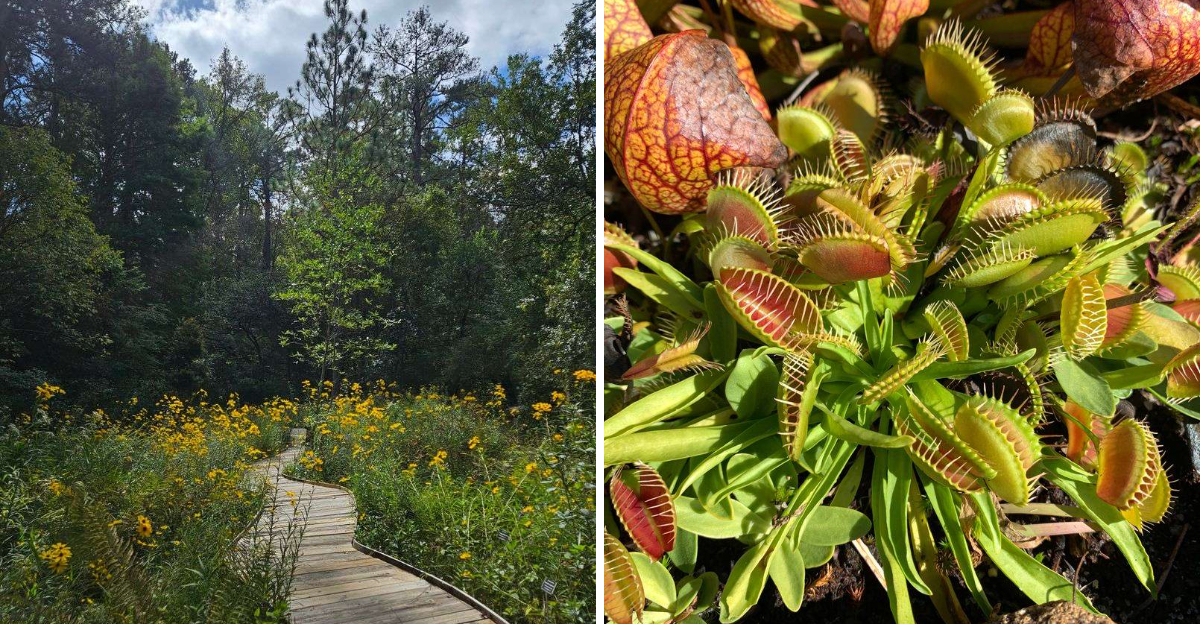
The moment you step into the North Carolina Botanical Garden, you enter a world where nature tells the story of an entire region through color, texture, and living beauty.
Located in North Carolina, this remarkable garden in Chapel Hill celebrates the rich diversity of native plants from the southeastern United States while creating a peaceful space that feels both inspiring and deeply connected to the natural world.
Every trail reveals carefully preserved landscapes that reflect authentic regional ecosystems, inviting visitors to slow down, observe, and appreciate the delicate balance of nature.
Beyond its visual charm, the garden plays an important role in conservation, education, and environmental awareness, making each visit both relaxing and meaningful.
Whether you are passionate about gardening, fascinated by native plants, or simply looking for a calm outdoor escape, the North Carolina Botanical Garden offers a refreshing experience that stays with you long after you leave.
Beautiful Native Plant Collections
North Carolina Botanical Garden has built its reputation around preserving and displaying plants that naturally grow in the southeastern United States. This focus makes the garden special and different from many other botanical spaces.
Visitors encounter authentic regional flora that evolved over thousands of years to thrive in local conditions.
The collections showcase incredible diversity, from woodland wildflowers to wetland species. Each plant tells a story about the natural heritage of the region.
Gardens are carefully designed to represent different native habitats, giving guests a comprehensive view of southeastern ecosystems.
Understanding native plants helps people make better choices for their own gardens and landscapes. These species support local wildlife, require less water, and adapt naturally to regional climate patterns.
The garden serves as both a conservation resource and an educational tool for the community.
Conservation efforts at the facility protect rare and threatened plant species from the region. Scientists and horticulturists work together to study these plants and develop strategies for their preservation.
Walking through these collections offers visitors a glimpse into the botanical richness that once covered much of the Southeast.
Every season brings new colors and textures to the native plant displays. Spring wildflowers give way to summer blooms, while fall foliage creates stunning visual displays.
This ever-changing landscape keeps each visit fresh and interesting throughout the year.
Free Public Admission
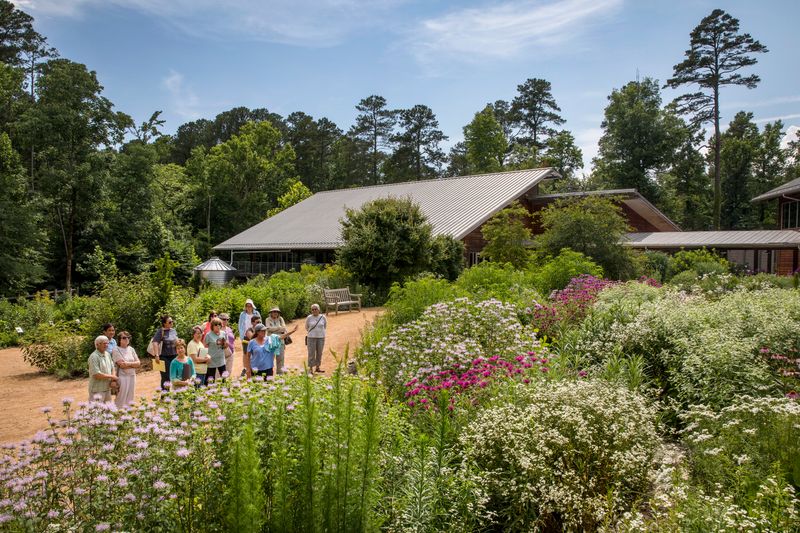
One remarkable aspect of North Carolina Botanical Garden is that it welcomes everyone without charging admission fees. This policy reflects the institution’s commitment to making nature education accessible to all community members.
Families, students, and nature enthusiasts can visit repeatedly without worrying about entrance costs.
The garden maintains regular hours throughout most of the year, allowing flexible visiting schedules. People can stop by for a quick walk during lunch breaks or spend entire afternoons exploring the trails.
This open-access approach encourages frequent visits and deeper connections with the natural world.
Free admission removes financial barriers that might prevent some people from experiencing botanical gardens. Children can develop an appreciation for plants and nature without their families facing economic constraints.
Schools and community groups benefit from this policy when organizing educational field trips.
While the garden is generally open year-round, visitors should check current hours and any temporary closures before planning trips. Holiday schedules and special maintenance periods occasionally affect access.
The garden’s website provides up-to-date information about operating hours and any planned closures.
This generous admission policy is made possible through university support, grants, and community donations. Visitors who appreciate the garden can contribute through voluntary donations or memberships.
These contributions help maintain the grounds and support ongoing conservation and educational programs for future generations.
Part Of The University Of North Carolina
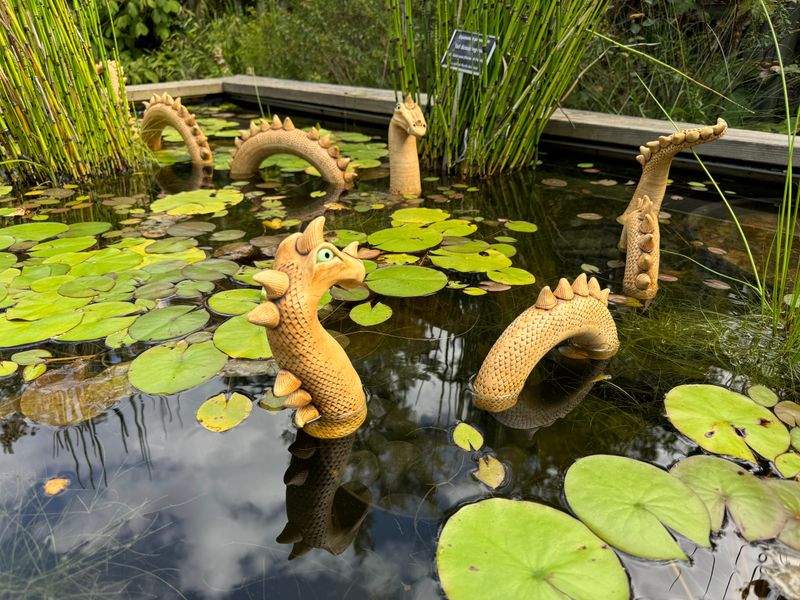
North Carolina Botanical Garden operates as an official unit of the University of North Carolina at Chapel Hill, creating unique opportunities for research and education. This university connection provides resources and expertise that enhance the garden’s mission.
Academic partnerships strengthen both the institution’s scientific credibility and its educational programming.
Students from various disciplines use the garden as a living laboratory for their studies. Biology, ecology, and environmental science courses incorporate hands-on learning experiences among the plant collections.
This real-world educational approach helps future scientists develop practical skills alongside theoretical knowledge.
The university affiliation supports important conservation research that extends beyond the garden’s physical boundaries. Faculty members and graduate students conduct studies on native plant ecology, habitat restoration, and sustainable landscaping practices.
These research projects contribute valuable information to broader conservation efforts across the region.
Being part of a major research university means the garden benefits from institutional infrastructure and long-term stability. This connection ensures continuity of conservation programs and maintains high standards for plant care and documentation.
The relationship creates a bridge between academic research and public engagement with nature.
Community members gain access to university-level expertise through the garden’s programs and resources. Lectures, workshops, and demonstrations often feature university faculty sharing their specialized knowledge.
This blend of academic rigor and public accessibility makes the garden an invaluable community resource located at 100 Old Mason Farm Rd, Chapel Hill, NC 27517, United States.
Focus On Conservation And Ecology
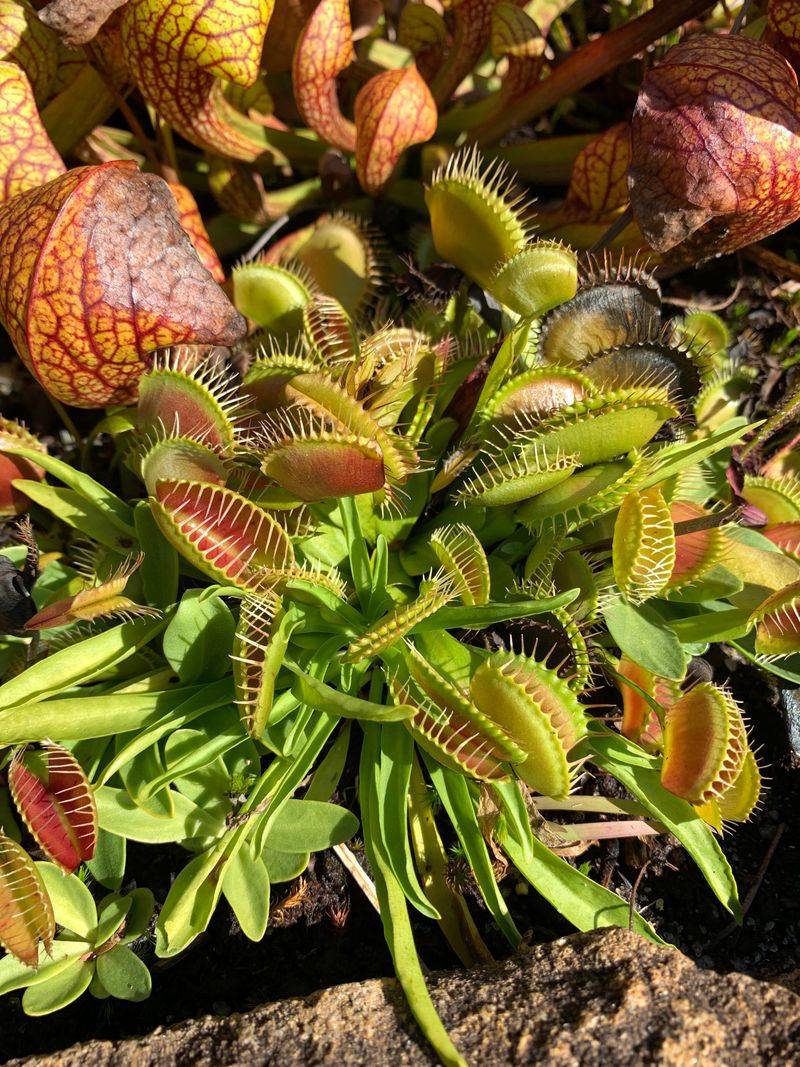
Conservation stands at the heart of everything North Carolina Botanical Garden accomplishes through its daily operations. The facility actively works to protect threatened plant species and preserve genetic diversity of native flora.
This mission extends far beyond simply displaying pretty flowers for visitors to admire. Habitat protection programs at the garden demonstrate how ecosystems function and why preserving natural areas matters.
Staff members work on restoring degraded habitats both within the garden and at partner sites throughout the region.
These practical conservation efforts show visitors what environmental stewardship looks like in action.
Educational programs teach people how individual choices affect broader ecological systems. Visitors learn about the connections between native plants, pollinators, soil health, and water quality.
Understanding these relationships helps people make more environmentally conscious decisions in their own yards and communities.
The garden collaborates with other conservation organizations to maximize its impact on regional biodiversity. These partnerships allow for coordinated efforts to protect rare species and important habitats.
Sharing resources and knowledge strengthens conservation outcomes across larger geographic areas.
Ecological research conducted at the garden contributes to scientific understanding of southeastern plant communities. Studies examine topics like pollinator relationships, climate adaptation, and invasive species management.
This research informs conservation strategies and helps predict how ecosystems might respond to environmental changes over time.
Scenic Nature Trails
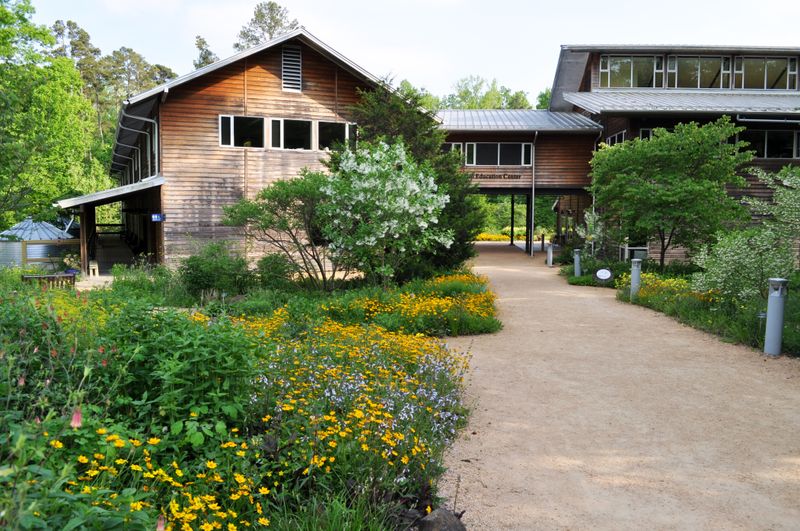
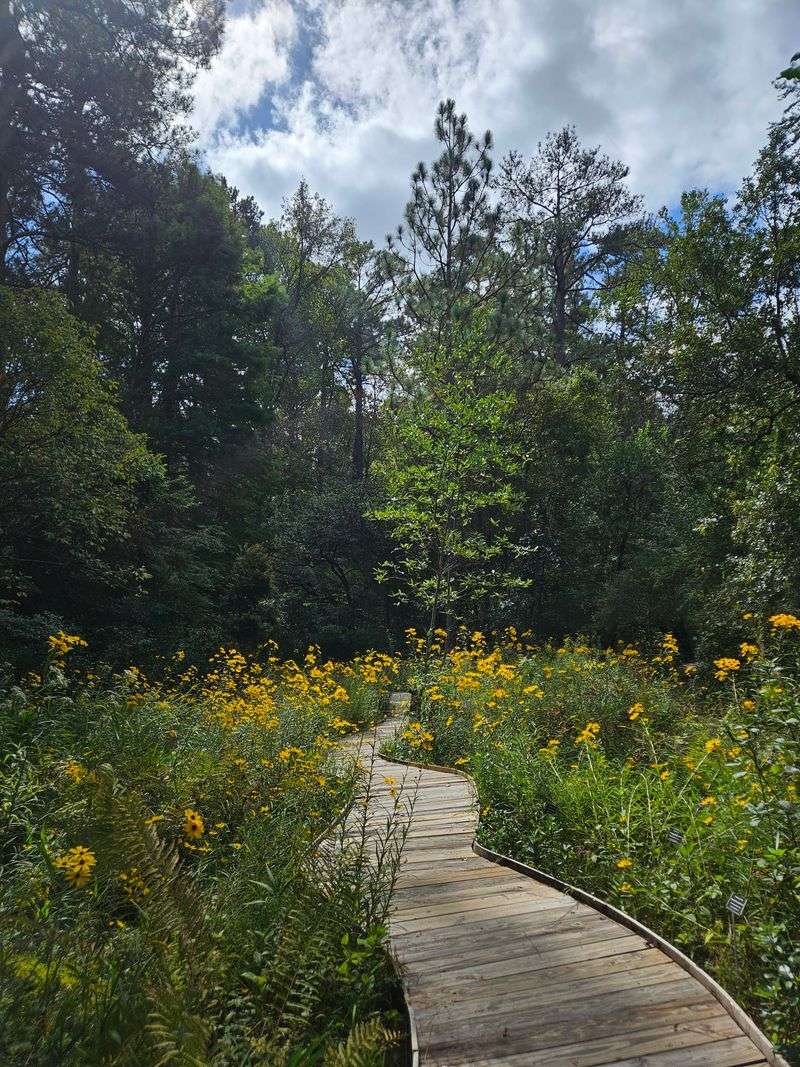
Walking trails wind through various natural habitats at North Carolina Botanical Garden, offering immersive experiences in authentic southeastern ecosystems. These paths take visitors through forests, meadows, and other plant communities that represent regional biodiversity.
Each trail provides a different perspective on native landscapes and their ecological importance.
The trails are designed to accommodate different visitor needs and interests. Some paths offer easy, accessible walks suitable for families with young children or people with mobility considerations.
Other routes provide longer journeys for those wanting more extensive exploration of the garden’s natural areas.
Interpretive signs along the trails help visitors identify plants and understand ecological relationships. These educational elements transform a simple walk into a learning experience about native flora and fauna.
People leave with greater knowledge about the natural world surrounding them in North Carolina.
Different seasons transform the trail experience as plants go through their annual cycles. Spring brings emerging wildflowers and fresh green foliage.
Summer offers lush growth and blooming species, while autumn displays colorful foliage and ripening seeds.
The trails provide peaceful settings for contemplation and stress relief away from urban noise. Many visitors appreciate the garden as a place for quiet reflection surrounded by natural beauty.
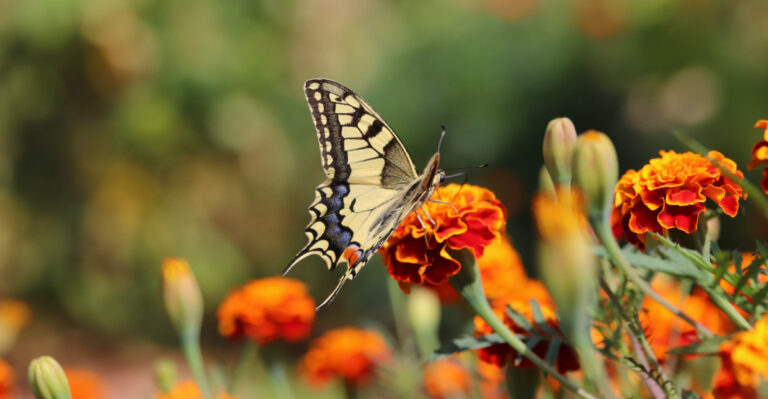
Birds sing from the trees, butterflies visit flowers, and the sounds of nature create a calming atmosphere.
Trail conditions reflect natural settings rather than highly manicured landscapes. This authentic approach helps visitors appreciate how native ecosystems actually function in the wild.
Educational Programs And Workshops
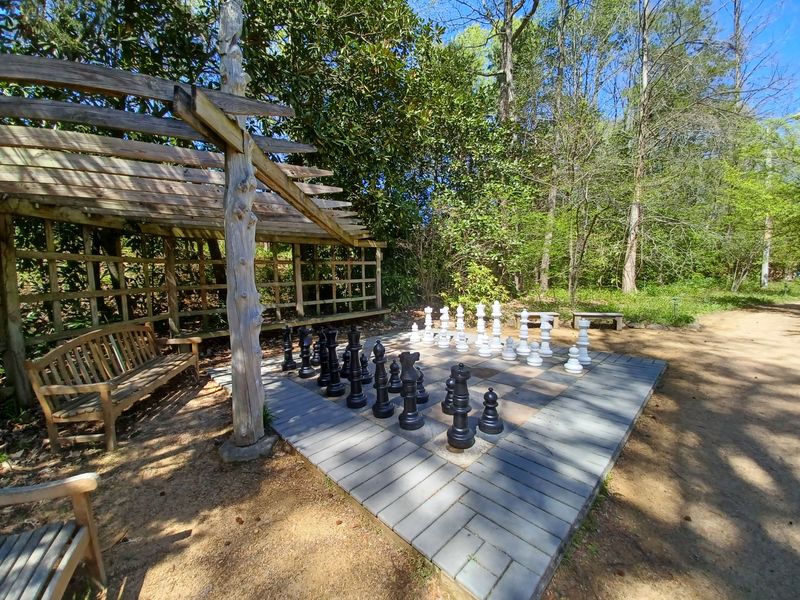
North Carolina Botanical Garden offers diverse educational programs designed to deepen public understanding of plants, gardening, and ecological principles. These learning opportunities serve people of all ages and experience levels.
Classes and workshops cover topics ranging from basic gardening techniques to advanced conservation strategies.
Expert instructors bring specialized knowledge to program participants through hands-on demonstrations and interactive sessions. Many teachers are university faculty, professional horticulturists, or experienced naturalists.
This high-quality instruction helps participants develop practical skills they can apply in their own gardens and communities.
Children’s programs introduce young people to the wonders of the plant world through age-appropriate activities. These experiences help kids develop early appreciation for nature and environmental stewardship.
Engaging young learners creates a foundation for lifelong interest in plants and ecology. Adult workshops address specific interests like native plant landscaping, sustainable gardening practices, and plant identification skills.
Participants learn from each other as well as from instructors, creating a community of practice around shared interests.
These connections often extend beyond individual classes into ongoing relationships. The garden’s educational mission extends to professional development for teachers and environmental educators.
Specialized programs help educators incorporate botanical and ecological content into their curricula.
This multiplier effect spreads plant knowledge throughout the broader community as teachers share what they learn with their students.
Program schedules vary throughout the year, with offerings responsive to seasonal gardening activities and community interests.
Seasonal Blooms And Changing Scenery
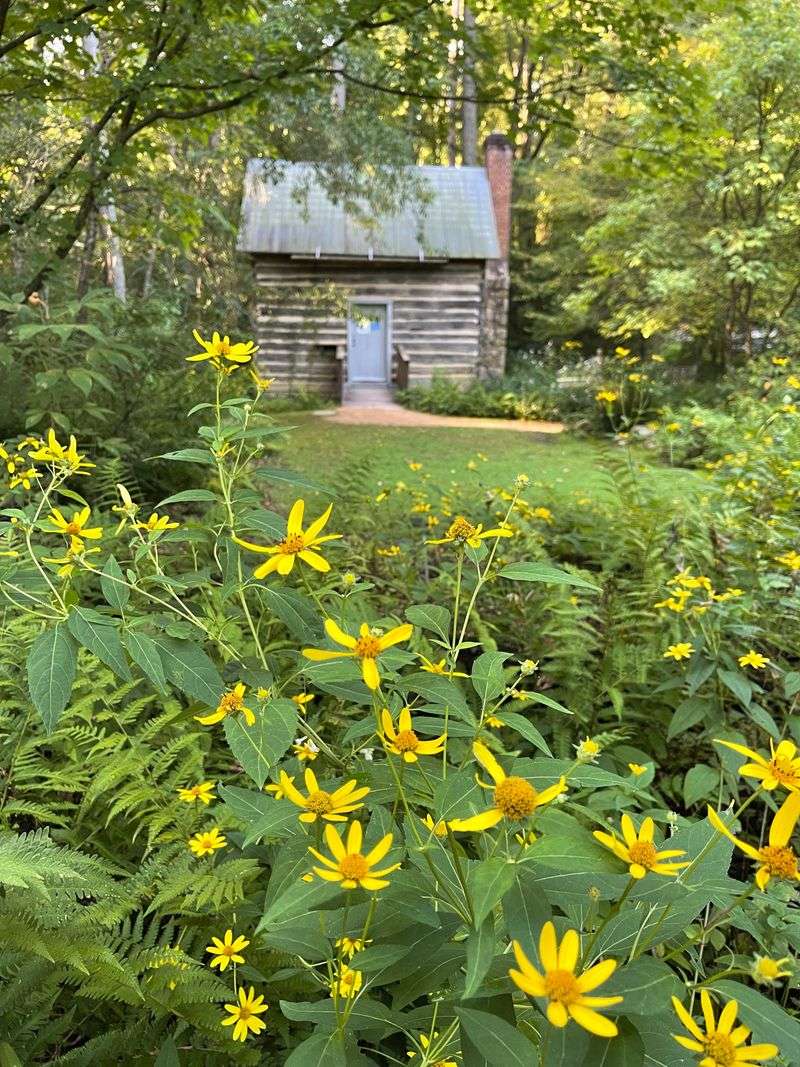
Each season brings dramatic transformations to North Carolina Botanical Garden as different plants bloom, fruit, and change with natural cycles. This constant evolution means every visit offers something new to discover and appreciate.
The garden never looks exactly the same way twice throughout the year. Spring arrives with early wildflowers pushing through warming soil, creating carpets of color in woodland areas.
Trilliums, bloodroot, and other ephemeral species bloom before tree canopies fully leaf out. This brief but spectacular display draws visitors eager to witness nature’s seasonal awakening.
Summer heat brings different species into their glory, with sun-loving plants dominating open meadow areas. Coneflowers, black-eyed susans, and other prairie species attract butterflies and bees.
The garden buzzes with pollinator activity during these warm months. Autumn transforms the landscape with changing foliage colors and ripening seeds and fruits.
Many native plants display brilliant fall colors that rival spring blooms for visual impact. This season also shows how plants prepare for winter dormancy.
Winter reveals the garden’s structural beauty as leaves fall and plant architecture becomes visible. Evergreen species stand out against dormant deciduous plants. Seed heads and dried grasses create subtle beauty in the quiet season.
Understanding these seasonal changes helps visitors appreciate the full annual cycle of plant life. Each season demonstrates different ecological processes and plant adaptations.
Regular visitors develop deeper connections by witnessing these natural rhythms year after year.
Wildlife And Natural Habitat
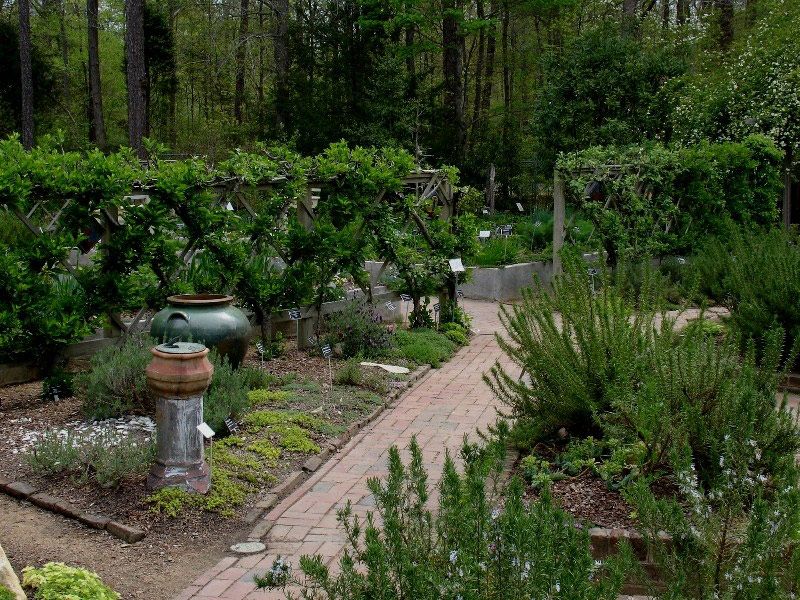
Native plant collections at North Carolina Botanical Garden create vital habitat for local wildlife species, especially birds, butterflies, and other pollinators. These creatures depend on native plants for food, shelter, and breeding sites.
The garden demonstrates how plant choices directly impact wildlife populations in any landscape.
Bird species frequent the garden throughout the year, attracted by seeds, insects, and cover provided by native vegetation. Observant visitors might spot woodpeckers, warblers, cardinals, and many other species during their walks.
The diverse plant communities support diverse bird populations with varied ecological needs.
Butterfly gardens showcase relationships between specific native plants and butterfly species. Many butterflies require particular host plants for their caterpillars to feed on.
Seeing these interactions helps visitors understand the intricate connections within healthy ecosystems.
Native bees and other pollinators find abundant resources in the garden’s flowering plants. These insects play crucial roles in plant reproduction and food production.
The garden serves as a refuge for pollinator populations facing challenges in more developed landscapes.
Observing wildlife interactions with plants provides endless fascination for nature enthusiasts and photographers. Each visit might reveal a new species or behavior. These experiences create memorable moments and deepen appreciation for biodiversity.
The garden’s approach to wildlife habitat demonstrates principles that homeowners can apply in their own yards. Creating wildlife-friendly landscapes with native plants benefits both people and nature.
Visitors leave inspired to make their own properties more welcoming to local wildlife species.
Peaceful And Educational Environment
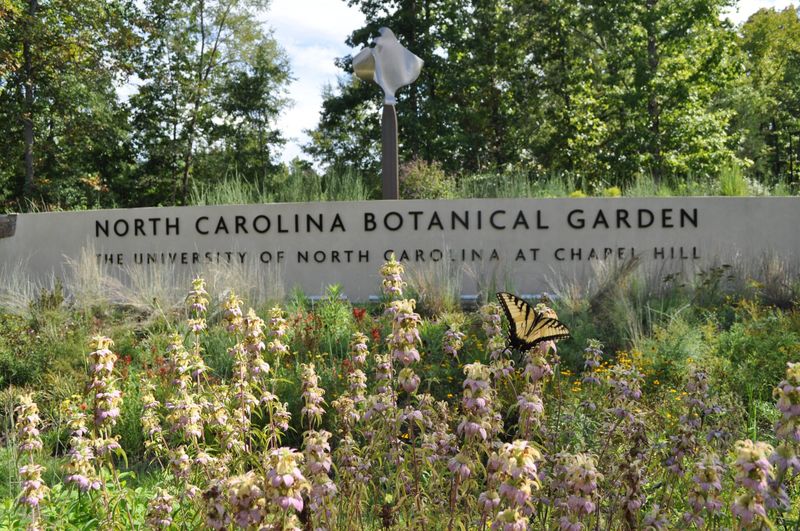
North Carolina Botanical Garden provides a calm sanctuary where visitors can escape everyday stress while engaging their minds with natural world learning. This combination of tranquility and education creates a unique atmosphere.
People find the space both relaxing and intellectually stimulating in ways that benefit mental and emotional wellbeing.
The garden’s quiet setting encourages mindful observation of plants, insects, and natural processes. Slowing down to notice small details reveals complexity and beauty often missed in rushed daily life.
This contemplative approach to nature connection offers valuable counterbalance to modern life’s hectic pace.
Educational elements throughout the garden inform without overwhelming, allowing visitors to learn at their own pace. Some people come primarily for peaceful walks, while others focus intensely on plant identification and ecological study.
The space accommodates both approaches and everything in between. Many visitors describe the garden as a place for personal renewal and reflection. Natural settings have documented benefits for stress reduction and mental health.
The garden provides these benefits while simultaneously expanding botanical and ecological knowledge.
Students find the environment conducive to studying and creative thinking. The combination of fresh air, natural beauty, and quiet atmosphere helps concentration and inspiration.
Many people discover that outdoor learning environments enhance retention and understanding of complex concepts.
The garden welcomes individuals, families, and groups seeking meaningful experiences with nature. This inclusive atmosphere makes everyone feel comfortable exploring and learning regardless of their previous botanical knowledge or experience level.
A Great Place To Learn About Native Plants
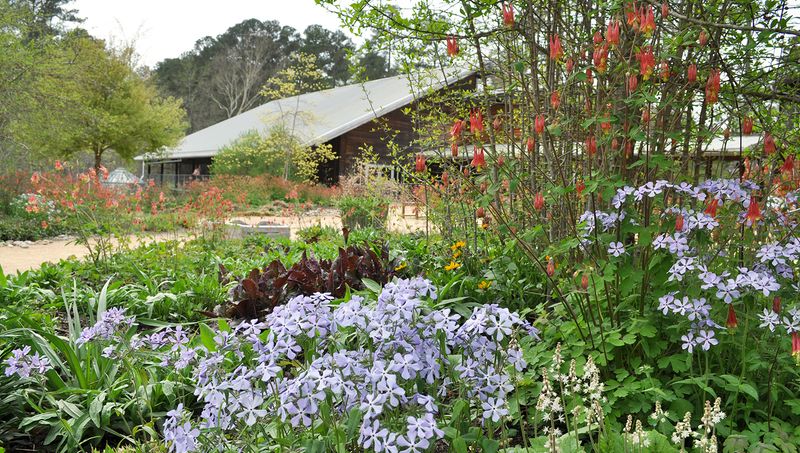
Visitors to North Carolina Botanical Garden gain practical knowledge about native plants that they can apply in their own landscapes and communities.
Understanding which plants naturally occur in the region helps people make informed decisions about sustainable gardening.
This knowledge contributes to broader environmental benefits beyond individual properties.
Native plants require less water once established because they evolved to thrive in local rainfall patterns. This adaptation makes them excellent choices for water-wise landscaping.
Gardeners who choose native species reduce their irrigation needs and contribute to water conservation efforts.
Local wildlife depends on native plants for survival, having evolved alongside these species over thousands of years. Planting natives in home gardens creates corridors and stepping stones for wildlife movement through developed areas.
These connections help maintain biodiversity even in suburban and urban environments.
The garden demonstrates how native plants can be both beautiful and functional in designed landscapes. Many people mistakenly believe native plants look wild or messy.
Seeing well-designed native plantings changes these misconceptions and inspires visitors to try native species at home.
Learning to identify native plants helps people recognize them in wild settings during hikes and nature walks. This skill deepens appreciation for natural areas and increases awareness of conservation needs.
Plant identification becomes an engaging hobby that enriches outdoor experiences. Staff and volunteers at the garden share their expertise generously with visitors seeking advice about native plant gardening.
This accessible expertise helps beginners overcome initial uncertainties about trying new plants.