This North Carolina Soil Trick Turns Coffee Grounds Into Garden Gold
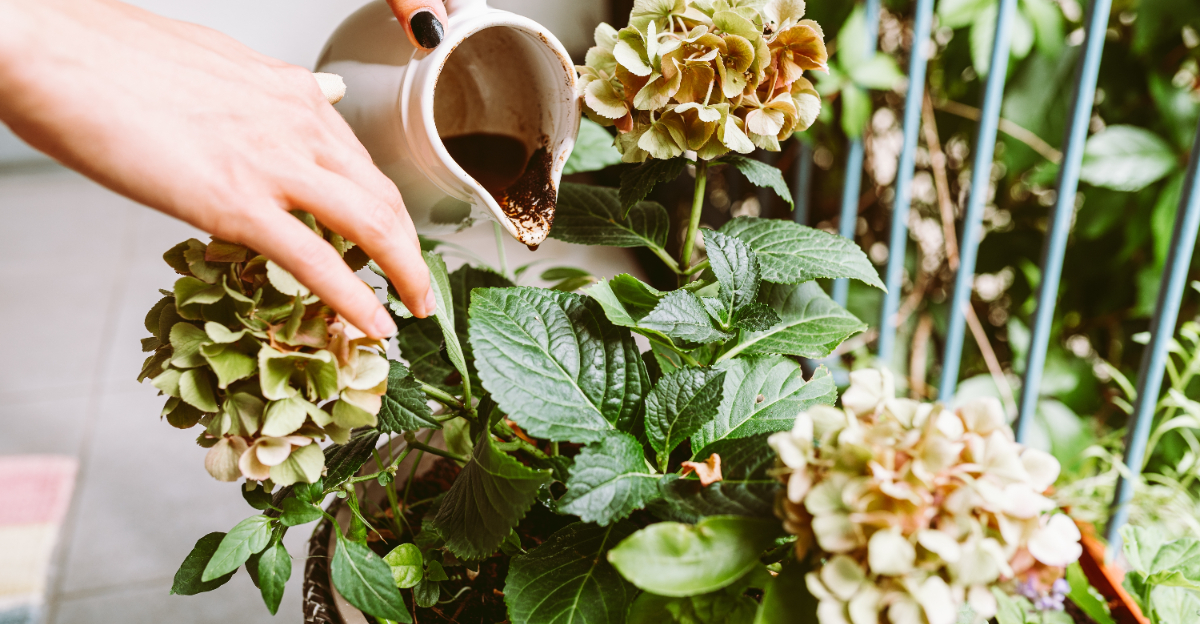
Most North Carolina gardeners throw away something every morning that their plants would gladly use. Used coffee grounds, the leftovers from a daily cup of coffee, can quietly improve soil and help gardens grow stronger throughout the season.
Instead of heading for the trash, those grounds can go straight into the garden where they begin working right away. Across North Carolina, soil conditions vary widely.
The sandy soils of the Coastal Plain behave very differently from the heavy red clay found across the Piedmont and into parts of the Mountain region.
Coffee grounds can help improve soil texture, support beneficial microbes, and create a better environment for plant roots.
Once you understand how this simple kitchen leftover works in the garden, it becomes clear why so many North Carolina gardeners are putting their coffee grounds to much better use.
1. Adds Organic Matter To Soil
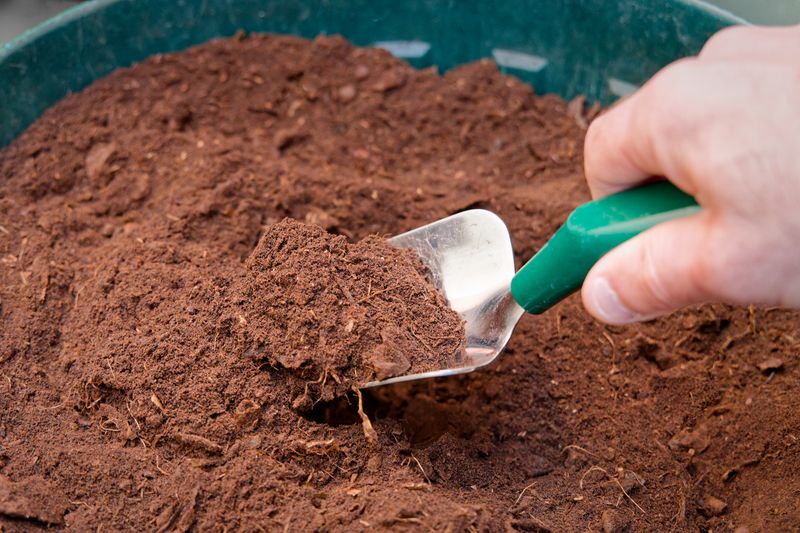
Sandy soil can feel like gardening on a beach, and for many North Carolina gardeners along the Coastal Plain, that is basically the reality. Water drains too fast, nutrients wash away quickly, and plants struggle to find what they need.
Coffee grounds change that equation in a surprisingly effective way. When you mix used coffee grounds into sandy NC soil, they act like tiny sponges. They hold onto moisture longer and create small air pockets that roots love.
Over time, they break down into rich organic matter that feeds the soil from the ground up.
Horticultural experts confirm that organic matter is one of the most important factors in healthy soil. Coffee grounds add carbon and nitrogen, both of which fuel the natural processes that keep soil alive and productive.
Even a small amount mixed in regularly makes a noticeable difference.
Gardeners in North Carolina who start incorporating grounds into their beds often notice that the soil becomes darker, looser, and easier to work with. Plants seem to perk up, and watering needs can actually decrease.
It is one of those upgrades that costs nothing extra, since the grounds come from your morning cup anyway. Spread them in, mix them gently, and watch your garden respond with energy and color.
2. Provides A Slow-Release Source Of Nitrogen
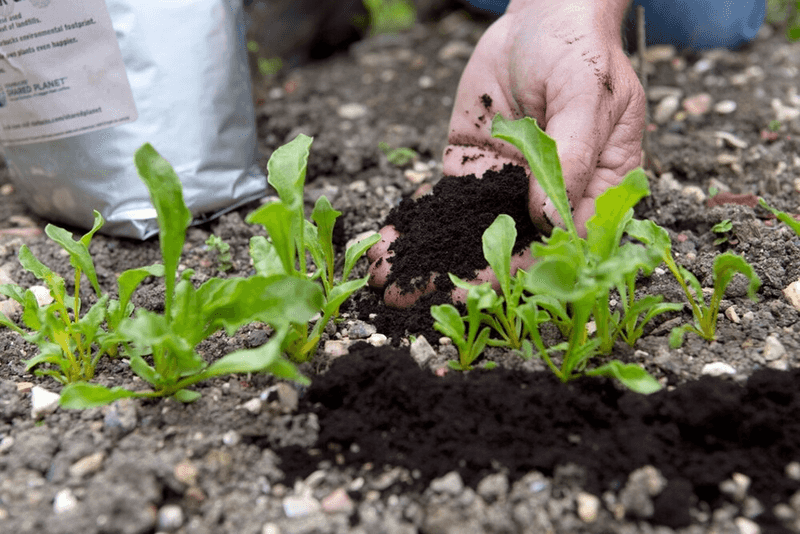
Plants are hungry, and nitrogen is one of their favorite meals. Without enough of it, leaves turn yellow, growth slows down, and your garden starts looking tired.
Coffee grounds bring nitrogen to the table in a way that is gentle and steady rather than overwhelming.
Unlike synthetic fertilizers that can burn roots with a sudden nutrient spike, coffee grounds release nitrogen slowly as they break down.
This slow-release action gives leafy vegetables like lettuce, kale, and spinach in North Carolina gardens a consistent food source over weeks and months.
The result is steady, vibrant growth that does not come in one big burst and then fade.
Research from NC State University Extension confirms that coffee grounds contain roughly 2 percent nitrogen by weight. That might not sound like a lot, but spread consistently across a garden bed, it adds up to meaningful nutrition for your plants.
Mixed into compost or worked directly into the top few inches of soil, the effect is real and measurable.
North Carolina vegetable gardeners especially benefit from this during the spring and fall growing seasons. Leafy greens thrive when nitrogen is available, and coffee grounds deliver it without the risk of chemical runoff.
You get healthier plants, better harvests, and a garden that feeds itself naturally from the inside out.
3. Enhances Soil Microbial Activity
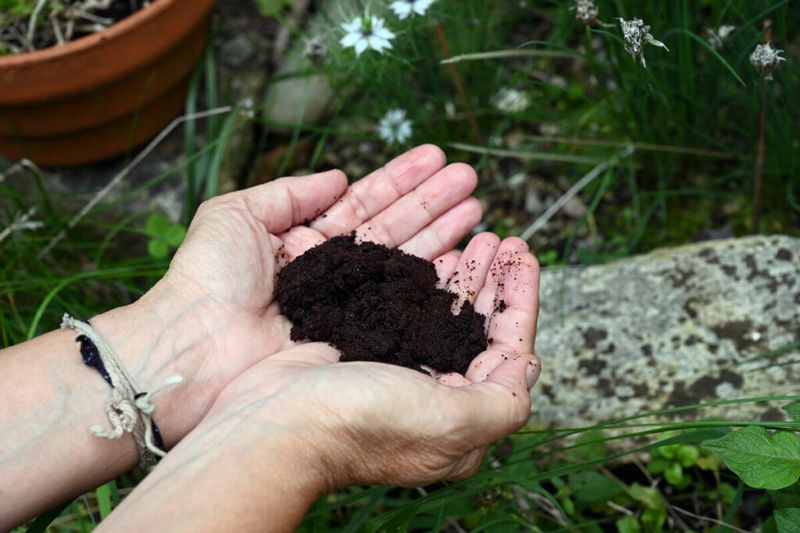
Beneath the surface of every healthy garden is a world buzzing with microscopic life. Bacteria, fungi, and other tiny organisms work constantly to break down organic matter and release nutrients that plants can absorb.
Coffee grounds give these underground helpers a serious energy boost.
When North Carolina gardeners add coffee grounds to their beds, microbial populations tend to increase noticeably.
Studies in soil ecology show that the organic compounds in coffee grounds serve as food for beneficial microbes, encouraging them to multiply and get to work faster.
More microbes mean faster nutrient cycling, which translates into healthier, more productive plants above ground.
Earthworms also respond enthusiastically to coffee grounds. These natural soil engineers tunnel through the earth, mixing layers together and improving aeration as they go.
Their presence is one of the clearest signs that a garden soil is genuinely healthy and balanced.
In North Carolina, where soil conditions vary widely from the mountains to the coast, building strong microbial activity is one of the smartest long-term investments a gardener can make.
Coffee grounds cost nothing beyond what you already spend on your morning brew, yet they contribute significantly to the underground ecosystem that powers your entire garden.
A thriving microbial community means your plants get fed more efficiently, grow stronger, and become more resistant to stress throughout the growing season.
4. Improves Drainage In Heavy Clay Soils
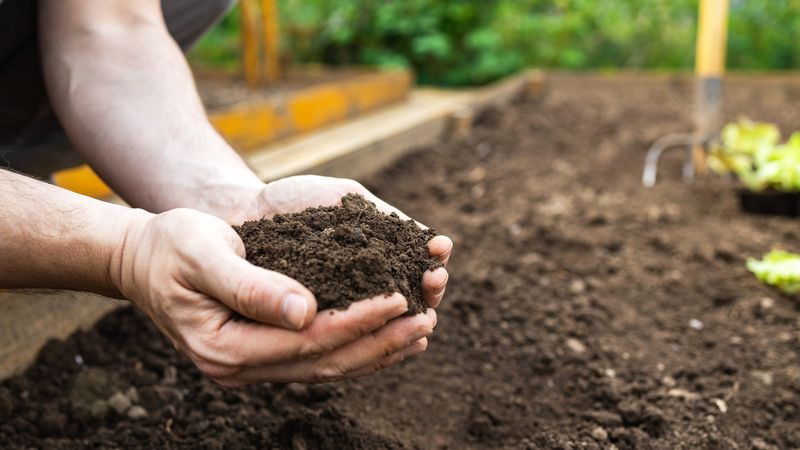
Red clay soil is practically a North Carolina tradition in the Piedmont and Mountain regions, but it comes with some serious frustrations.
Water pools on the surface, roots suffocate, and even the toughest plants can struggle to push through the dense, compacted ground. Coffee grounds offer a practical and affordable fix.
The gritty texture of coffee grounds helps break up the tight structure of clay particles when worked into the soil. Over time, this creates tiny channels and air pockets that allow water to drain more freely and roots to spread more easily.
Plants that once looked stressed in heavy clay often show remarkable improvement after a few amendments with coffee grounds.
NC State Extension horticultural guidance supports the use of organic matter, including coffee grounds, as part of a broader strategy to improve clay soil structure. The key is consistency.
Adding grounds regularly over multiple growing seasons gradually shifts the soil toward a more loamy, workable texture that roots actually enjoy.
Perennials and vegetables in North Carolina Piedmont gardens especially benefit from this treatment. Better drainage means less root rot, more oxygen at root level, and stronger plants overall.
Pair coffee grounds with compost and mulch for even faster improvement. The transformation does not happen overnight, but gardeners who stick with it consistently report soils that become easier to dig, plant in, and grow from season after season.
5. Encourages Earthworms
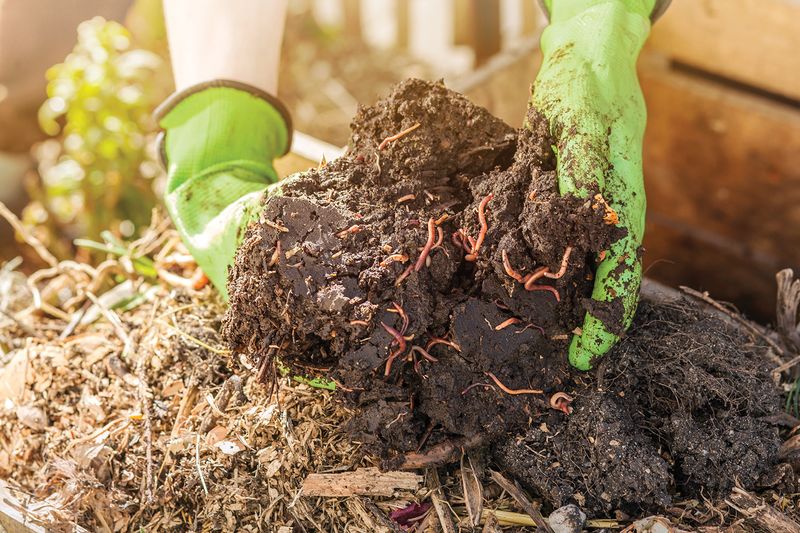
Earthworms are one of the most valuable allies any gardener can have, and coffee grounds happen to be one of their favorite attractions.
Sprinkling used grounds into your garden beds is like sending out a personal invitation for these underground workers to show up and get busy.
Research from the University of California Cooperative Extension found that earthworm populations increased in soils amended with coffee grounds compared to unamended soils.
In North Carolina gardens, where soil quality varies greatly across regions, attracting more earthworms can make a visible difference in how quickly the soil improves and how well plants perform.
Earthworms do more than just tunnel around. As they move through the soil, they mix organic matter deeper into the profile, aerate compacted layers, and leave behind castings that are loaded with plant-available nutrients.
Their activity essentially replaces expensive mechanical tilling in many garden situations.
Gardeners across North Carolina who add coffee grounds to their beds regularly often report seeing more earthworms within just a few weeks. That is a clear, encouraging sign that the soil ecosystem is strengthening.
More worms mean more aeration, better nutrient distribution, and faster organic matter breakdown. It all connects into a cycle that keeps giving back season after season.
Your morning coffee habit just became one of the most productive gardening tools you already own.
6. Can Act As A Mulch Layer
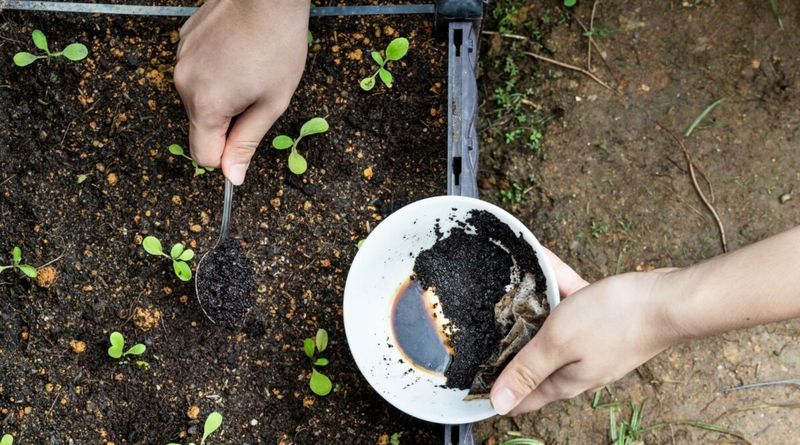
Mulching is one of the simplest ways to protect your garden, and most people do not realize that coffee grounds can pull double duty as a mulching material. A thin layer around your plants does more than you might expect from something headed for the compost bin.
Spread about a quarter-inch layer of used coffee grounds around tomatoes, peppers, and herbs in North Carolina gardens, and they start working immediately.
They help the soil hold onto moisture, which is especially valuable during the hot, dry stretches that hit NC summers hard.
The grounds also regulate soil temperature, keeping roots cooler during heat waves and warmer on chilly spring nights.
As the grounds decompose, they slowly release nutrients back into the soil, so they are pulling triple duty as mulch, moisture manager, and slow fertilizer all at once. That kind of multitasking is hard to beat for something that costs absolutely nothing extra.
One important tip from horticultural experts is to avoid applying a layer that is too thick. Grounds can compact when wet and form a crust that actually blocks water from reaching roots.
Keep it thin, mix it with other organic mulch like straw or wood chips, and refresh it periodically. North Carolina gardeners who use this approach often notice plants that look consistently healthier and require less frequent watering through the growing season.
7. Deters Some Pests Naturally
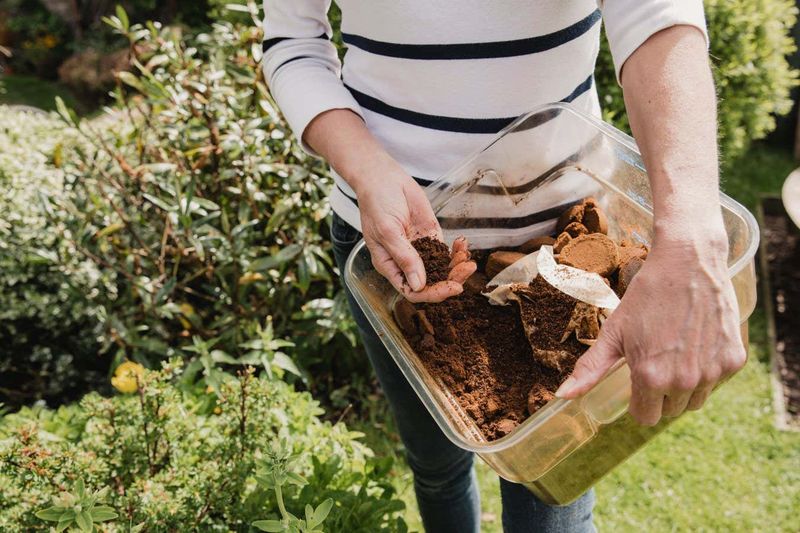
Slugs and snails can quietly wreck a vegetable garden overnight, leaving ragged holes in lettuce, kale, and tender seedlings before you even realize they have arrived.
North Carolina gardeners dealing with these slimy visitors have found a surprisingly simple solution sitting right next to the coffee maker.
Used coffee grounds create a gritty barrier that slugs and snails are reluctant to cross. The texture irritates their soft bodies, and some research suggests that caffeine compounds in the grounds may also act as a mild repellent.
Either way, gardeners who ring their beds with a line of grounds often see noticeably less slug damage compared to unprotected beds.
Pest management experts note that coffee grounds are not a guaranteed silver bullet against every garden pest, but they do offer a chemical-free option that is worth trying before reaching for commercial pesticides.
For North Carolina vegetable growers who prefer organic methods, this fits perfectly into a natural pest management approach.
Reapply grounds after heavy rain, since moisture can wash them away or reduce their effectiveness. Combining grounds with other physical barriers like copper tape can make the protection even stronger.
The best part is that while the grounds are busy deterring pests on the surface, they are simultaneously improving the soil below. Two benefits, zero cost, and no chemicals involved.
That is the kind of garden hack that earns its place in every North Carolina gardener’s routine.
8. Supports Acid-Loving Plants
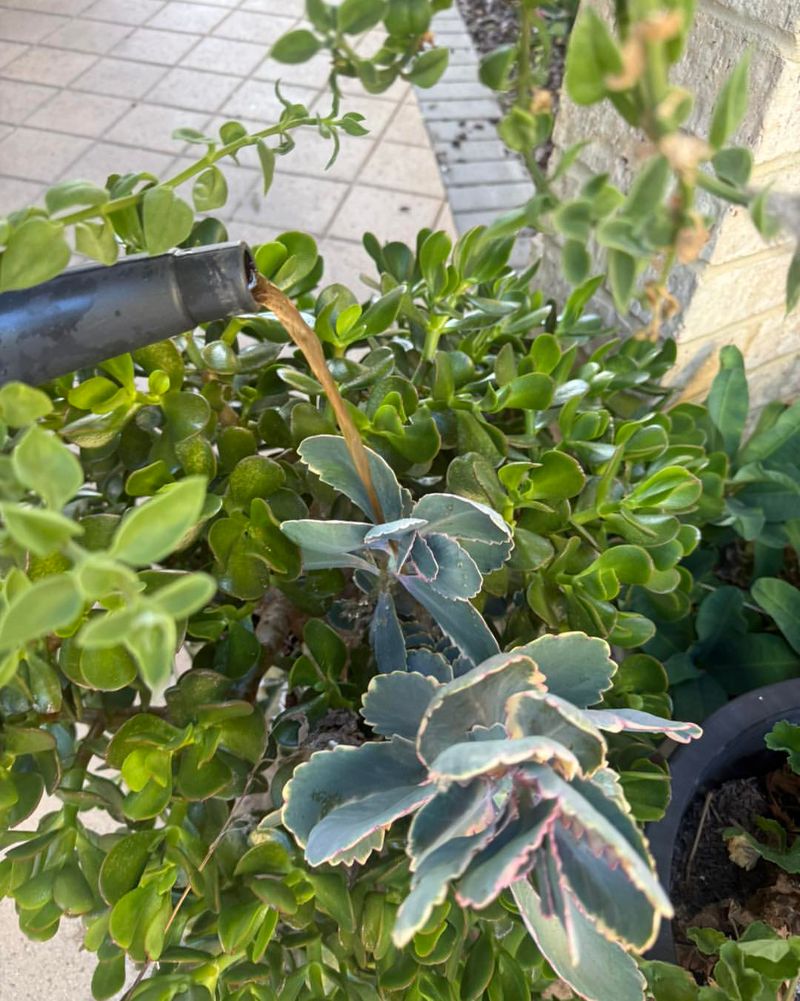
Blueberries, azaleas, and camellias are staples of North Carolina gardens, and they all share one thing in common: they thrive in acidic soil.
Getting the pH right for these plants can feel tricky, but coffee grounds offer a gentle, natural way to nudge the soil in the right direction.
Used coffee grounds have a pH that typically falls between 6.0 and 6.5, which is slightly acidic. Over time, regular applications can gradually lower the pH of neutral or mildly alkaline soils, creating conditions that acid-loving plants find ideal.
This is particularly useful in parts of North Carolina where the natural soil leans toward neutral or slightly alkaline.
It is worth noting that fresh, unbrewed coffee grounds are more acidic than used grounds, which have had much of their acidity extracted during brewing. Used grounds still contribute to acidification, but the effect is gradual rather than dramatic.
That actually makes them safer to use around established plants, since a sudden pH swing can stress roots.
North Carolina gardeners growing blueberries in raised beds or containers can benefit especially from consistent coffee ground amendments.
Azaleas and camellias planted in the landscape also respond well when grounds are worked into the surrounding soil each season.
Pair coffee grounds with elemental sulfur for faster acidification when needed, but for steady, low-risk pH management, grounds alone do a solid and reliable job.
9. Reduces Waste While Benefiting Gardens
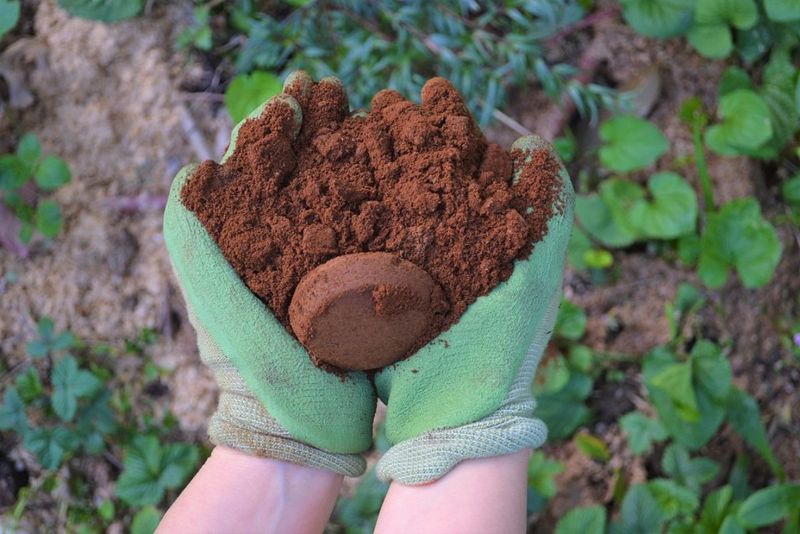
Every morning, millions of people brew a pot of coffee and toss the used grounds straight into the trash without a second thought.
In North Carolina alone, that adds up to an enormous amount of organic material heading to landfills when it could be heading to garden beds instead.
Using coffee grounds in the garden is one of the easiest ways to practice sustainable gardening without making any dramatic lifestyle changes. You already have the grounds.
You just need to redirect them from the trash can to the garden bed or compost pile. That single shift keeps organic waste out of landfills and puts valuable nutrients back into the earth where they belong.
Sustainable gardening organizations and NC State Extension both encourage gardeners to think of kitchen scraps as resources rather than waste. Coffee grounds fit perfectly into that mindset.
They are free, readily available, and genuinely useful, which makes them one of the most practical sustainability tools available to home gardeners.
Many North Carolina gardeners keep a small container near their coffee maker specifically for collecting used grounds throughout the week. By the weekend, they have enough to mix into a compost pile or sprinkle directly onto garden beds.
It takes almost no extra effort and creates a meaningful environmental benefit. Turning a daily waste product into garden gold is exactly the kind of smart, feel-good habit that makes gardening rewarding on every level.
10. Easy To Incorporate In Compost Or Directly
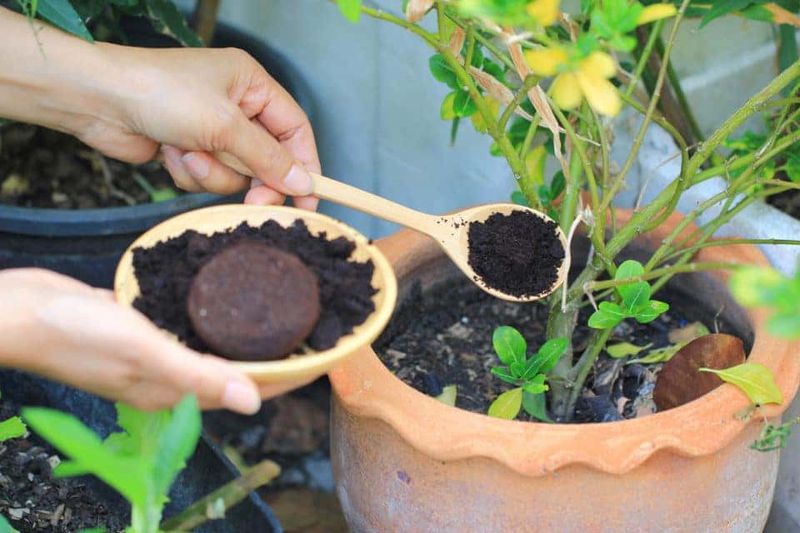
One of the best things about using coffee grounds in the garden is how flexible they are. You do not need special equipment, complicated instructions, or a lot of time to make them work.
North Carolina gardeners can choose between two straightforward approaches depending on what fits their routine best.
Adding grounds directly to garden beds is as simple as sprinkling them on the soil surface and working them in with a hand rake or trowel. Mix them into the top two to three inches of soil so they integrate properly rather than sitting on top and forming a crust.
This method works well for established beds and container gardens alike.
The second option is adding grounds to a compost pile, which is actually the approach most horticultural experts recommend. Coffee grounds are classified as a green material in composting terms, meaning they are nitrogen-rich.
Balance them with plenty of brown materials like dried leaves, cardboard, or straw to keep the compost pile working efficiently and avoid any unpleasant odors.
Either way, North Carolina gardeners end up with a soil amendment that improves texture, feeds microbes, and supports plant growth without spending extra money.
Composted grounds are especially powerful because they have already been partially broken down and are easier for plants to access quickly.
Whether you go direct or through compost, the results speak clearly through healthier plants, richer soil, and a garden that keeps improving with every season.