This One Change Makes California Gardens Look Instantly Better
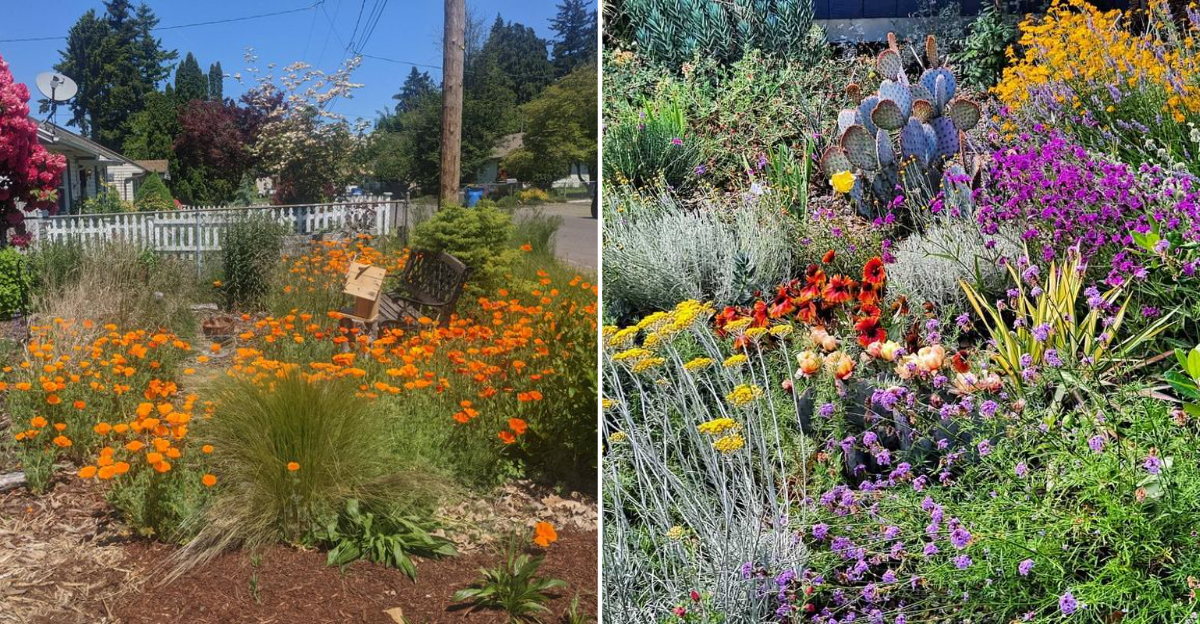
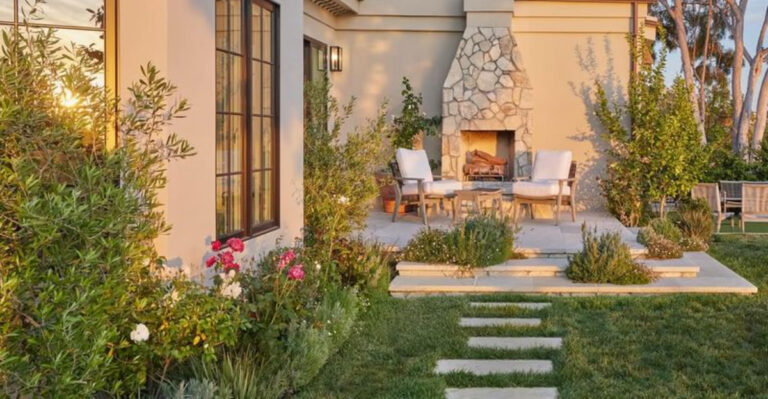
California gardens can go from “meh” to wow with one simple tweak. Adding colorful, native, drought-tolerant flowers instantly lifts a yard, creating vibrant focal points that pop against sun-baked soil and fading lawns.
These plants aren’t just eye-catching, they thrive in local conditions, need less water, and attract pollinators like bees and butterflies that make your garden feel alive.
You’ll notice blooms that last longer, textures that add depth, and natural combinations that somehow look effortless while being low-maintenance.
By planting smart and choosing species built for the climate, your garden becomes a sustainable oasis that stays beautiful through the hottest months.
Even small additions, like a patch of bright California poppies or a cluster of purple sages, can transform a dull corner into a showstopper.
One thoughtful change can make your outdoor space feel fresh, lively, and unmistakably Californian.
Why Color Makes All The Difference
Walking past a yard full of bright, cheerful flowers just feels good. Color does something powerful to a space.
It draws your eye in, makes things feel alive, and gives your whole property a welcoming, cared-for look. In California, where dry conditions can make yards look faded and tired, adding color is a total game changer.
Most people think they need a lot of water to grow beautiful flowers. That is simply not true.
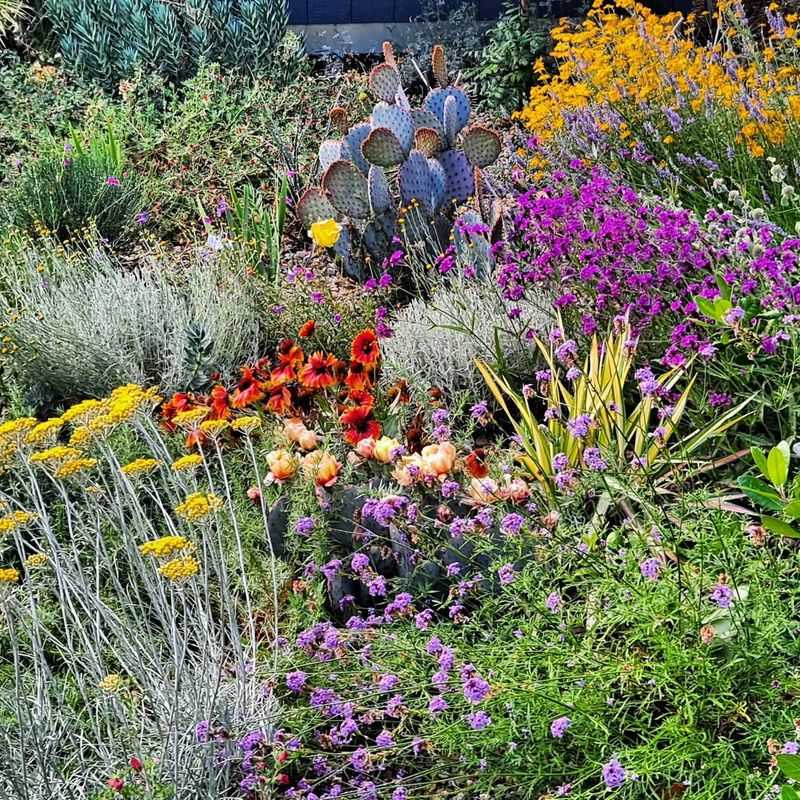
Native California flowers come in stunning shades of orange, red, purple, yellow, and blue. They grow naturally in this climate, so they stay vibrant even during hot, dry months.
Your neighbors will definitely notice the difference.
Color also affects how large or small a yard feels. Bright flowers near the front of a garden make the space pop and feel bigger.
Mixing warm and cool tones creates visual depth that looks professionally designed. You do not need to hire a landscaper to get those results.
Even a few well-placed plants can completely change the mood of your outdoor space. California gardens with native flowers tend to feel more connected to the natural landscape around them.
That connection makes everything look more intentional and beautiful. Starting with color is honestly the smartest first step any California gardener can take.
The Best Drought-Tolerant Flowers For California
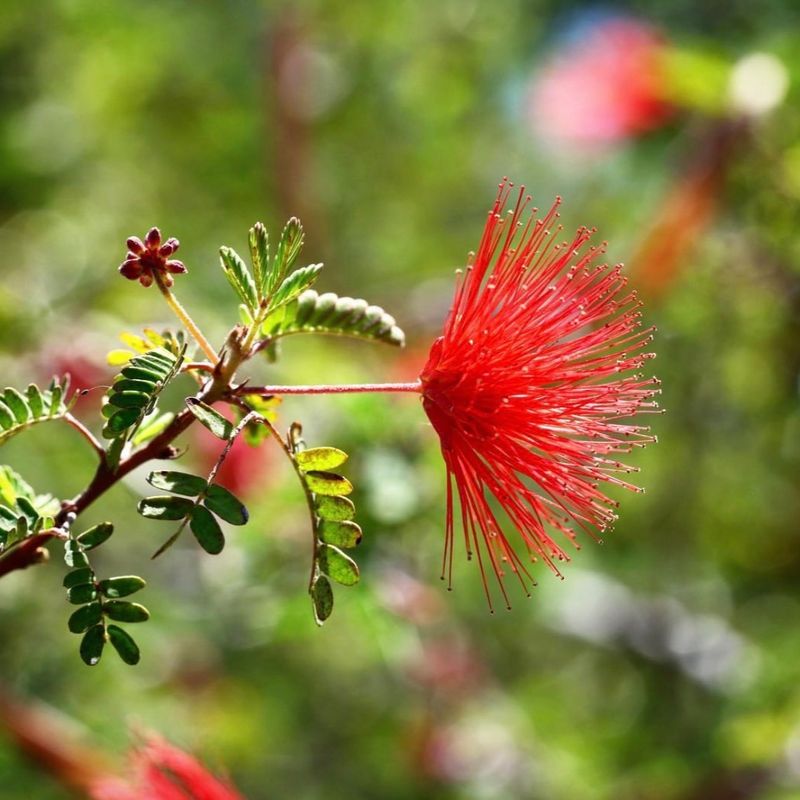
California is home to some truly stunning native flowers that barely need any water once they settle in. Knowing which ones to pick makes all the difference between a struggling garden and one that thrives all season long.
A few standout choices have earned serious love from California gardeners everywhere.
California Poppy, the official state flower, is hard to beat. Its bright orange petals glow in full sun, and it reseeds itself every year without any help from you.
Plant it once, and it keeps coming back. It loves well-drained soil and full sun, which is basically every California yard in summer.
Penstemon is another top pick. It produces tall, tubular flowers in red, pink, purple, and white.
Hummingbirds absolutely love it. The interesting thing about penstemon is that it actually gets more vibrant with less water.
That makes it perfect for California water restrictions.
Desert Marigold brings bold yellow blooms from spring all the way through fall. It handles poor soil and hot conditions without complaint.
Blue-eyed Grass adds soft blue-purple flowers that look like tiny irises and attract bees and butterflies. Together, these plants create a layered, colorful yard that feels both wild and well-designed.
California gardens really shine when these natives are in the mix.
Easy Blooms That Thrive In Hot Sun
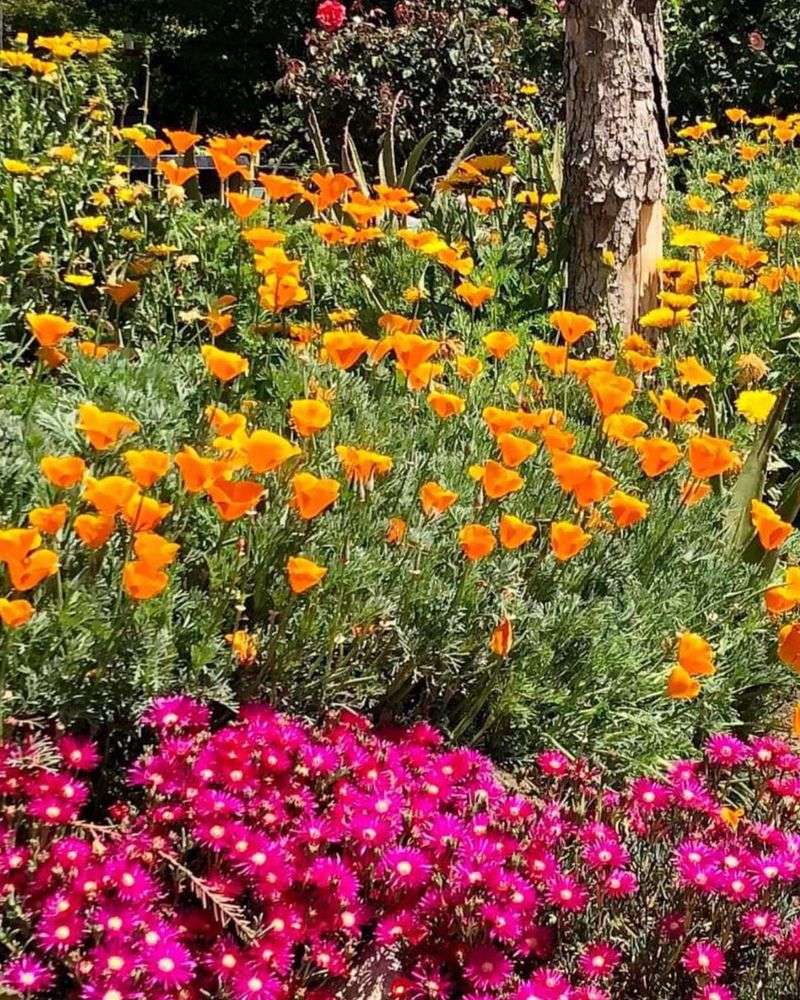
Not every flower can handle the intense California sun, but some were practically made for it. If your yard gets full sun most of the day, you are actually in a great position to grow some of the showiest blooms around.
Hot sun is not a problem when you choose the right plants.
California Fuchsia is one of those plants that truly loves the heat. It produces brilliant scarlet, trumpet-shaped flowers from late summer through fall.
That timing is great because most other flowers start fading just as California Fuchsia kicks into full gear. It fills that late-season color gap perfectly.
Desert Marigold is another sun-lover that refuses to quit. Bright yellow flowers cover the plant from spring through fall, and it handles dry, rocky soil with no complaints.
It is a tough plant with a cheerful personality. Even in the harshest California summers, it keeps blooming.
Blue-eyed Grass also handles full sun surprisingly well. Its delicate blue-purple flowers might look fragile, but this plant is stronger than it appears.
Pairing it with the bold yellows and reds of other sun-loving natives creates a beautiful contrast in any California yard. These easy-blooming plants take the stress out of gardening and replace it with pure, colorful reward all season long.
How To Mix Colors For Maximum Impact
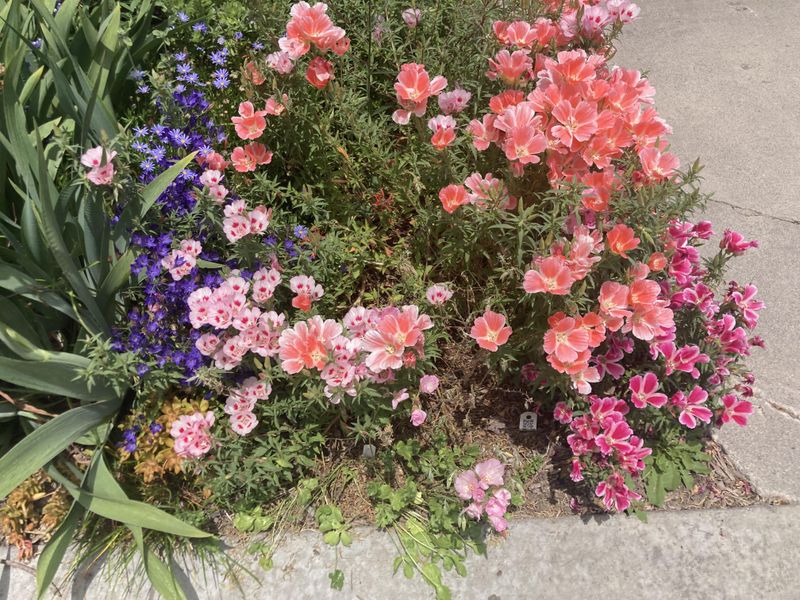
Mixing flower colors is kind of like putting together an outfit. When the colors work together, everything looks polished and intentional.
When they clash, it feels a little off. The good news is that native California flowers come in a range of colors that naturally complement each other beautifully.
Start with a warm base color like the bright orange of California Poppies. Then add a cool contrast like the blue-purple of Blue-eyed Grass or purple salvia.
That warm-cool combination creates visual tension in the best possible way. Your eye moves around the garden and never gets bored.
Yellow flowers like Desert Marigold act as a bridge between warm and cool tones. They brighten up the whole garden and make other colors pop even more.
Red penstemons add drama and height, giving the garden a layered, multi-dimensional look that feels professionally planned.
Grouping plants in odd numbers, like three or five of the same flower, looks more natural than planting them in pairs. Spreading color throughout the yard rather than keeping it all in one corner creates flow and movement.
In California, where outdoor spaces often serve as extra living rooms, a well-mixed garden feels like an extension of your home. A little thought about color placement goes a very long way.
Flowers That Attract Pollinators Too
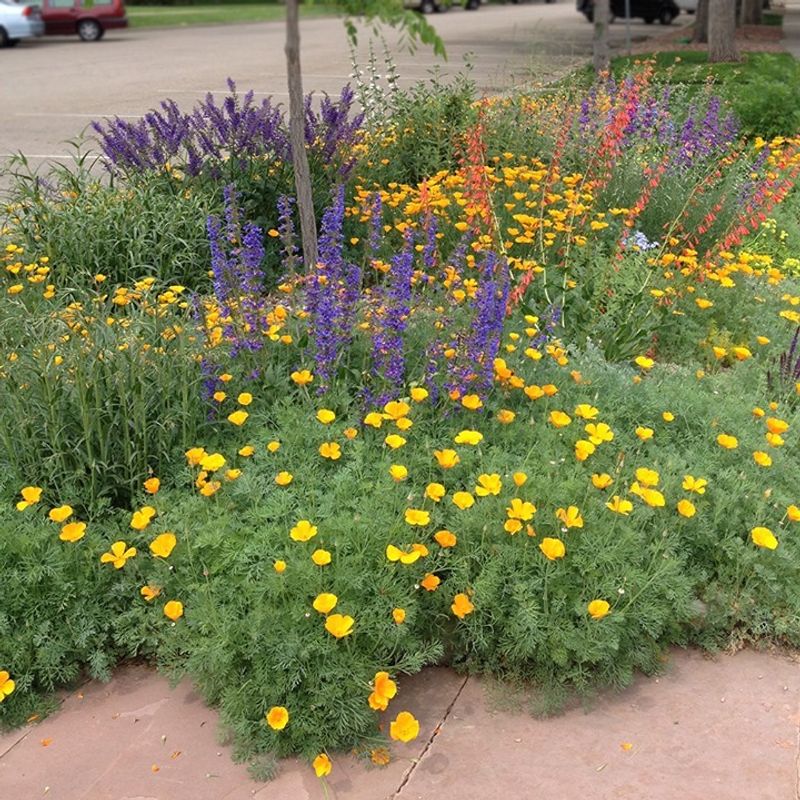
Here is something most people do not think about when planting flowers: the visitors that come along with them. Native California flowers do not just look beautiful.
They also bring butterflies, bees, and hummingbirds right into your yard. That kind of wildlife activity makes a garden feel truly alive.
Penstemon is a hummingbird magnet. The tubular shape of its flowers is designed perfectly for a hummingbird’s long beak.
Watching those tiny, fast-moving birds hover around red and pink penstemon blooms is genuinely exciting. It happens all season long and never gets old.
California Fuchsia doubles down on that hummingbird appeal by blooming in late summer and fall, right when hummingbirds are migrating through California. Planting it gives those birds a reliable nectar source during a critical time.
You are basically setting up a rest stop on their migration route.
Blue-eyed Grass and Desert Marigold bring in bees and butterflies. Bees are essential for keeping gardens and local food crops healthy.
Butterflies add their own kind of color and movement to the space. A yard full of pollinators feels like a small, thriving ecosystem.
In California, supporting local pollinators also helps the broader environment stay healthy and balanced. Planting native flowers is one of the easiest ways to make a real, positive difference right outside your front door.
Low-Maintenance Choices For Busy Gardeners
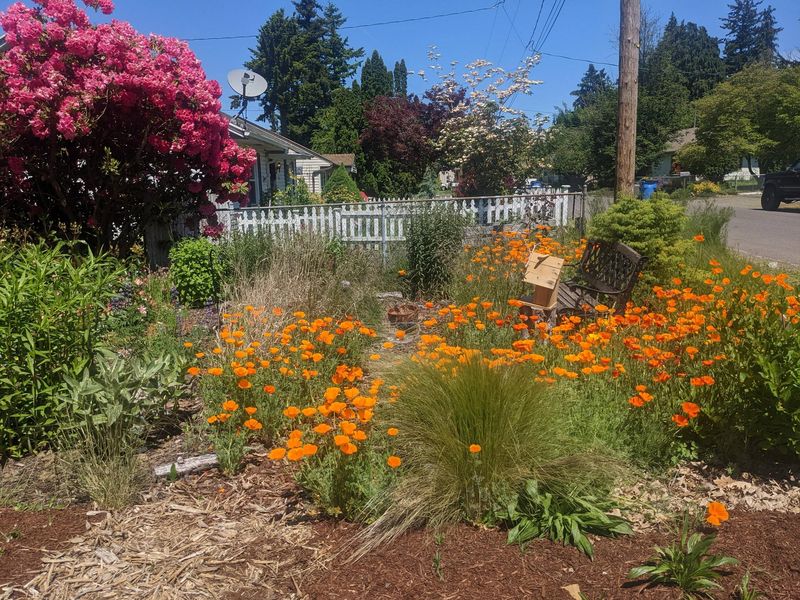
Not everyone has hours to spend in the garden every weekend. Life gets busy, and that is completely okay.
The beauty of native California flowers is that they were designed by nature to take care of themselves. Once established, most of them need very little attention from you.
California Poppies are the ultimate low-effort flower. Scatter the seeds in fall, water lightly a few times, and then step back.
They germinate on their own, bloom in spring, and reseed for next year without any intervention. It is basically gardening on autopilot, and the results look amazing.
Blue-eyed Grass is equally easygoing. It grows in clumps, spreads slowly on its own, and does not need pruning or special fertilizer.
Plant it in a sunny spot with decent drainage, and it handles the rest. It is the kind of plant that rewards neglect with steady, reliable beauty.
Penstemon and California Fuchsia are slightly more structured plants, but they still require very little care once established. An occasional light trim after blooming keeps them looking tidy.
In California, where water conservation is always a priority, these plants shine because they thrive on rainfall alone after their first season. Busy gardeners in California can have a stunning, colorful yard without sacrificing their weekends to constant upkeep.
That is a pretty great deal.
Quick Planting Tips For Instant Beauty
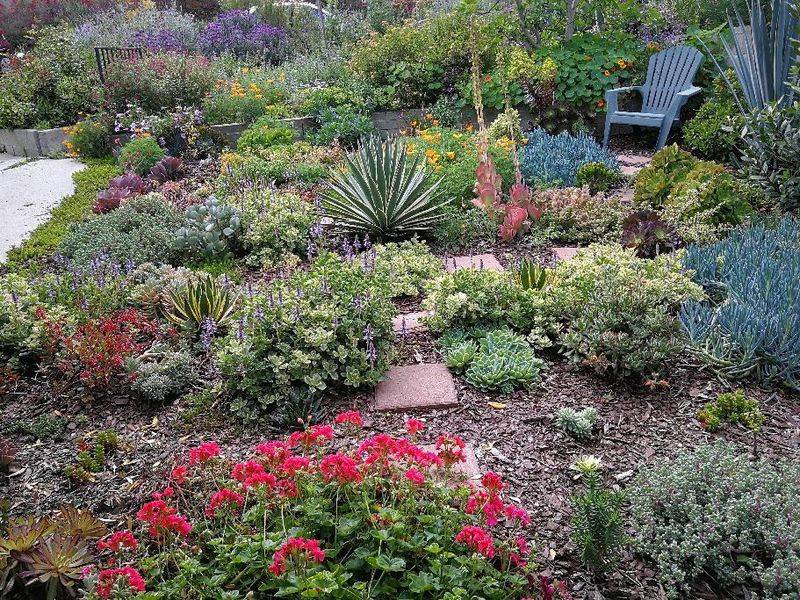
Getting started with native California flowers is easier than most people expect. A few simple steps can set your garden up for success from day one.
You do not need fancy tools or years of experience to get beautiful results fast.
Start by choosing a spot that gets at least six hours of direct sunlight each day. Most California native flowers love full sun and well-drained soil.
If your soil holds too much moisture, mix in some sand or gravel to improve drainage. That one adjustment can make a huge difference in how well your plants perform.
Plant in fall if possible. California winters are mild, and fall planting gives roots time to establish before the heat of summer arrives.
By spring, your plants will already be settled in and ready to bloom. Planting in fall also takes advantage of natural rainfall, which reduces how much you need to water manually.
Add a layer of mulch around your plants after planting. Mulch keeps moisture in the soil, reduces weeds, and regulates soil temperature.
Use about two to three inches and keep it away from the base of the stems. Water deeply once a week for the first few months, then pull back as plants establish.
Native California flowers are forgiving and resilient. With just a little setup effort, your yard can look bright, full, and beautiful within a single growing season.