This One Fertilizing Trick Makes California Tomatoes Bigger And Sweeter
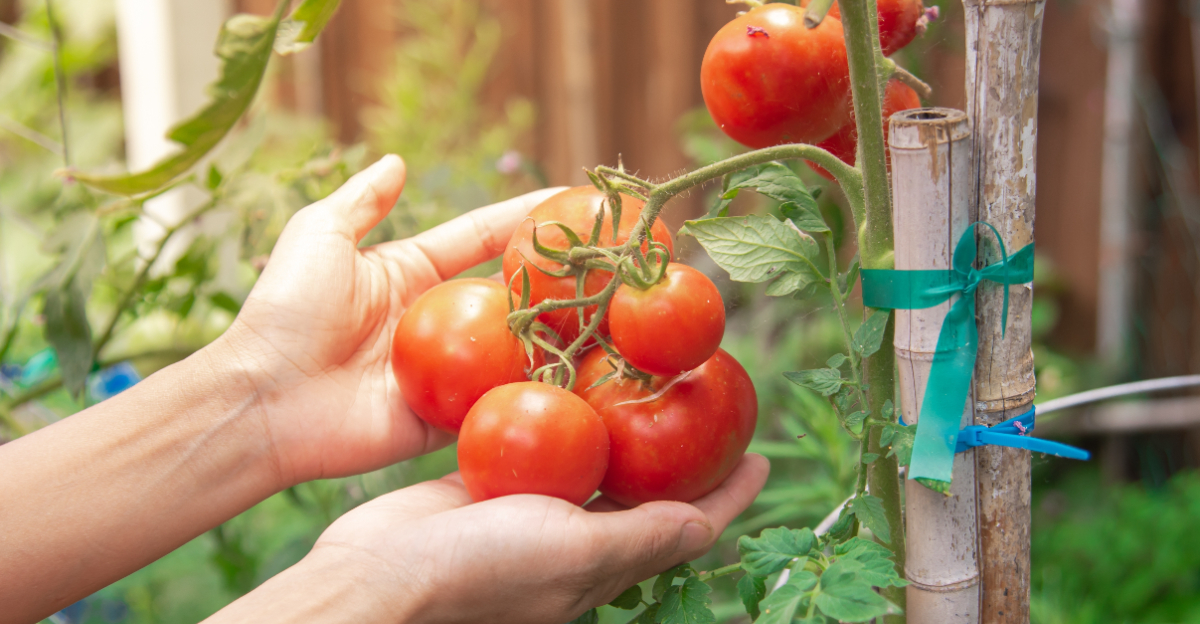
Big, juicy tomatoes don’t happen by accident, especially in California gardens where heat and fast growth can drain nutrients quickly. Potassium is the secret ingredient many gardeners overlook.
This powerhouse nutrient helps plants move sugars into developing fruit, creating better flavor, deeper color, and firmer texture. It also strengthens stems and improves disease resistance, which leads to healthier plants and heavier harvests.
Adding potassium at the right time can turn average tomatoes into standout producers. You don’t need expensive products or complicated schedules to see results.
A simple adjustment to your feeding routine can make a dramatic difference in size and sweetness. If your tomatoes look healthy but taste bland or stay small, potassium could be the missing piece.
Now is the perfect moment to give your plants the boost they need and set the stage for a truly impressive harvest.
1. Fertilizer Timing Is Important
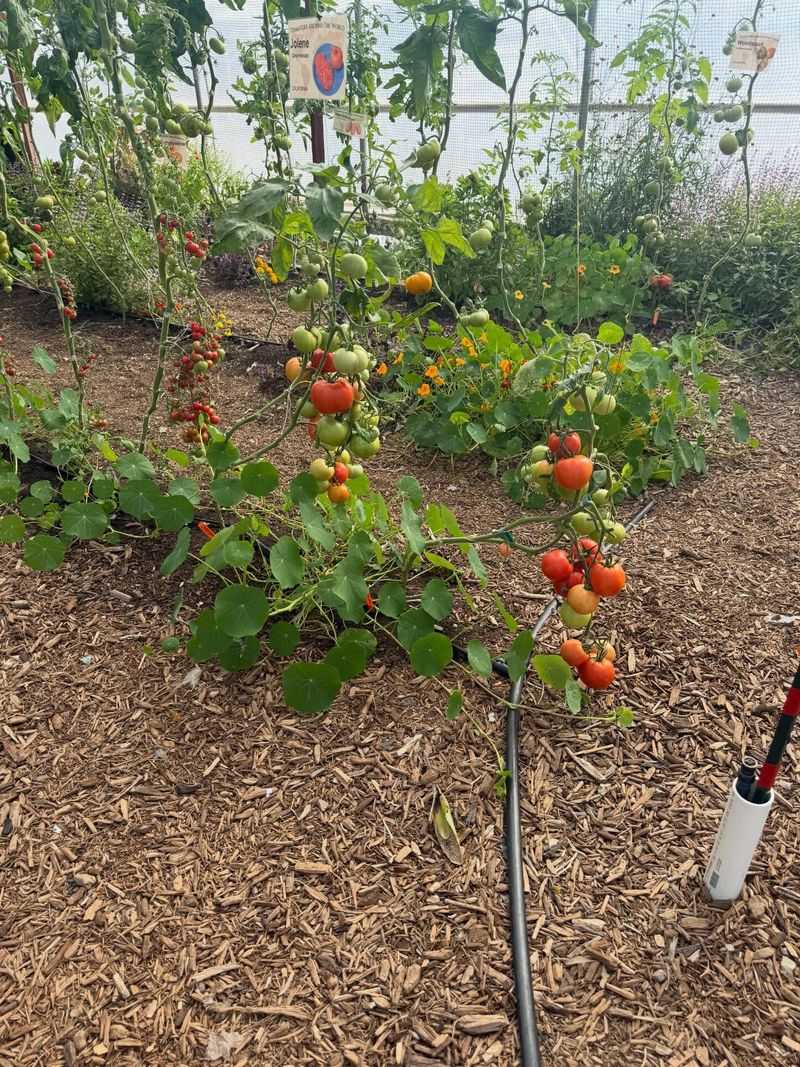
Most backyard growers apply the same fertilizer schedule from spring through fall, never adjusting for how California’s extreme temperature swings affect nutrient uptake.
Tomato plants behave completely differently in June coastal fog versus August Fresno heat, yet gardeners often follow generic fertilizing instructions written for milder climates.
When temperatures climb above 90°F regularly, plants shift their priorities from vegetative growth to survival mode, changing exactly which nutrients they can absorb efficiently.
Nitrogen-heavy fertilizers work beautifully during cool spring months when tomatoes focus on building stems and leaves. But once flowering begins, usually late May through June depending on your microclimate, continued high nitrogen actually reduces fruit quality.
Those lush green plants with few tomatoes result from mistimed feeding that pushes foliage instead of fruit development.
California’s low humidity and intense sun increase evapotranspiration rates dramatically compared to humid regions. This means nutrients flush through soil faster, especially in raised beds and containers where most home gardeners grow tomatoes.
Potassium, the key nutrient for fruit sizing and sugar production, leaches away quickly during frequent watering cycles necessary in our dry climate.
Timing potassium applications to coincide with flowering ensures plants access this nutrient exactly when fruit cells are dividing and expanding.
Miss this window by even two weeks, and you’ve lost your chance to influence final tomato size for that entire fruiting cycle.
2. One Nutrient Tomatoes Need During Flowering
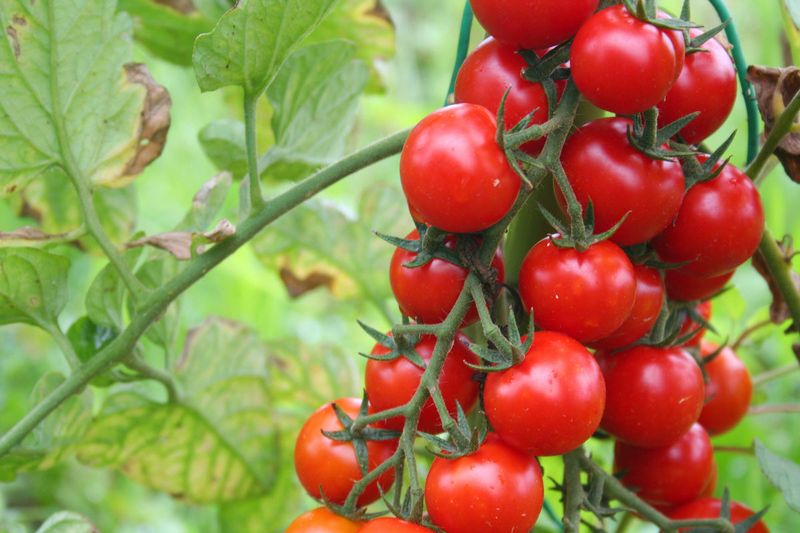
Walk past most garden center fertilizer aisles and you’ll see endless options boasting high nitrogen numbers, marketed for “vigorous growth” that sounds appealing.
But tomatoes entering their reproductive phase need something entirely different: potassium, sometimes listed as potash or the third number in fertilizer ratios.
While nitrogen builds leaves and phosphorus supports root development, potassium directly controls fruit cell expansion, wall thickness, and sugar accumulation within developing tomatoes.
Research from UC Cooperative Extension shows potassium activates over 60 enzymes involved in photosynthesis and carbohydrate movement.
When flowers open and tiny green fruit appear, potassium helps shuttle sugars from leaves into those developing tomatoes.
Without adequate potassium during this critical two-to-three-week window, fruit stays smaller because cell division happens but cells don’t enlarge properly. The result looks like normal tomatoes, just disappointingly undersized versions.
Sweetness suffers even more noticeably than size when potassium runs short. Sugar production in tomatoes depends on potassium-regulated enzyme systems that convert starches into fructose and glucose.
Bland, watery tomatoes often indicate potassium deficiency during fruit development rather than variety selection or watering problems.
California’s alkaline soils, common in many regions, can lock up potassium even when technically present, making supplemental applications during flowering essential.
Container-grown tomatoes face even greater potassium demands since frequent watering leaches this mobile nutrient rapidly from potting mixes.
3. When To Apply This Trick
Many gardeners fertilize on calendar schedules, applying nutrients every two weeks regardless of what their plants actually need.
This approach wastes fertilizer and misses the precise moment when potassium makes its biggest impact on fruit quality.
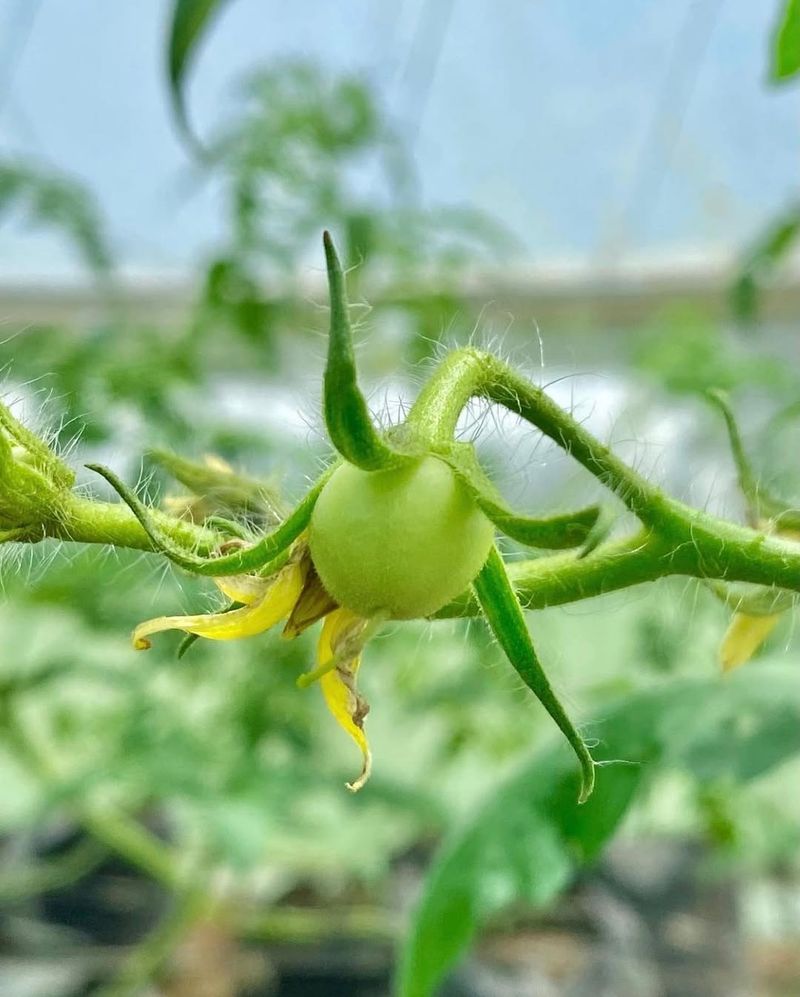
The ideal application window begins when you first notice flower clusters opening, typically showing bright yellow petals, and continues through the period when marble-sized green tomatoes appear on most branches.
In coastal California zones, this flowering window usually arrives mid-to-late June as temperatures finally warm enough for consistent fruit set. Inland valley gardeners see flowers much earlier, often by late May, because heat accumulates faster.
Desert regions like Coachella or Imperial Valley experience spring flowering as early as April before extreme summer heat shuts down pollination.
Regardless of your specific location, watch your plants rather than the calendar to time potassium applications correctly.
Apply potassium-focused fertilizer once at first flower, then repeat 10-14 days later as fruit begins sizing up. Two applications during this window provide enough potassium for the entire fruiting cycle without overfeeding.
Avoid applying potassium fertilizers during the vegetative growth phase before flowering, as excess potassium can interfere with calcium uptake and contribute to blossom end rot.
Similarly, don’t continue high-potassium feeding once fruit reaches full size and begins ripening, since plants no longer transport nutrients into mature fruit effectively.
The key lies in precision timing matched to your plants’ developmental stage, not generic monthly feeding schedules that ignore growth phases completely.
4. Boost Natural Sugar Production Fast
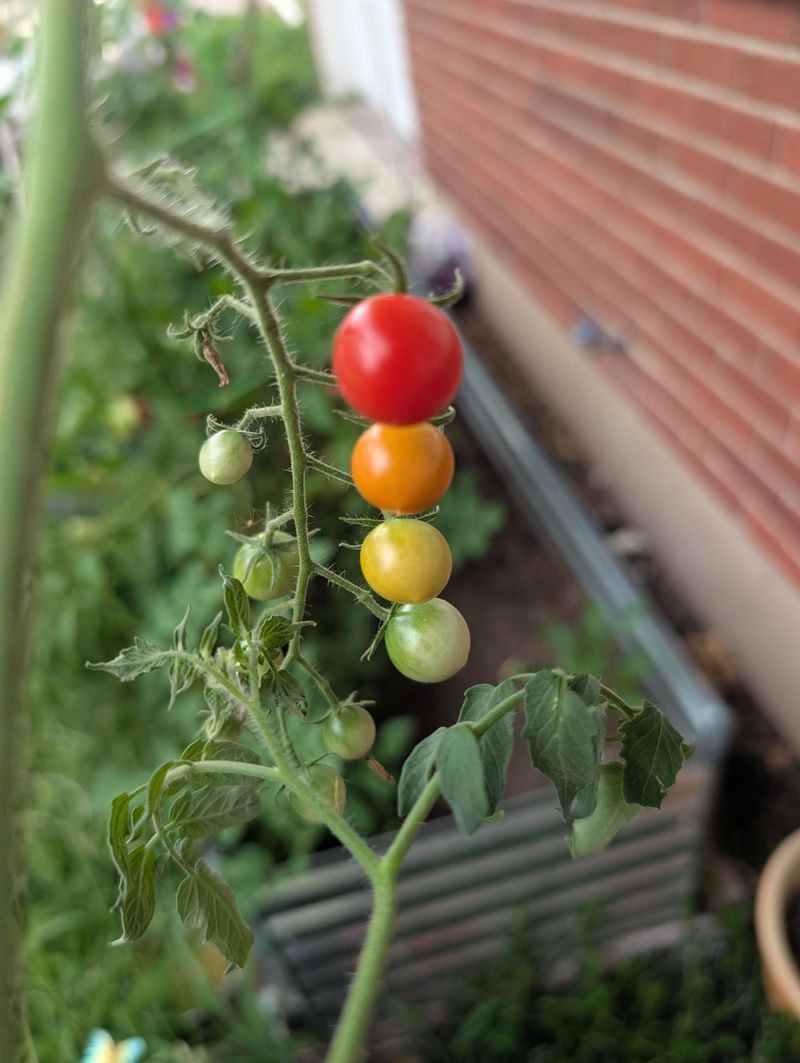
Sugar content in tomatoes isn’t just about variety selection, though genetics certainly matter.
The fertilization program during fruit development controls how much sugar actually accumulates in the fruit regardless of whether you’re growing a naturally sweet variety.
Potassium acts as the primary regulator of photosynthate movement, essentially controlling traffic flow of sugars from leaves where they’re produced into fruit where they’re stored.
When potassium levels remain adequate during the fruit sizing period, specialized proteins called sugar transporters work efficiently to pump glucose and fructose into developing tomatoes.
These transporters depend on potassium to maintain the electrical gradients that drive sugar movement across cell membranes.
Without sufficient potassium, sugar mostly stays in leaves or gets used for continued vegetative growth rather than concentrating in fruit.
This explains why tomatoes from the same plant can taste dramatically different depending on nutrient availability during their individual development periods.
California’s intense sunlight provides abundant energy for sugar production through photosynthesis, giving our tomatoes natural advantages over those grown in cloudier climates. But this advantage disappears if potassium deficiency prevents sugar transport into fruit.
Brix measurements, which quantify sugar concentration, typically increase by 1-2 points when potassium applications align with flowering compared to nitrogen-only feeding programs.
That difference translates to noticeably sweeter flavor that requires no additional water restriction or stress techniques.
The improvement comes purely from helping plants move existing sugars more efficiently into developing fruit through proper potassium nutrition during the critical window.
5. Organic vs Synthetic Options
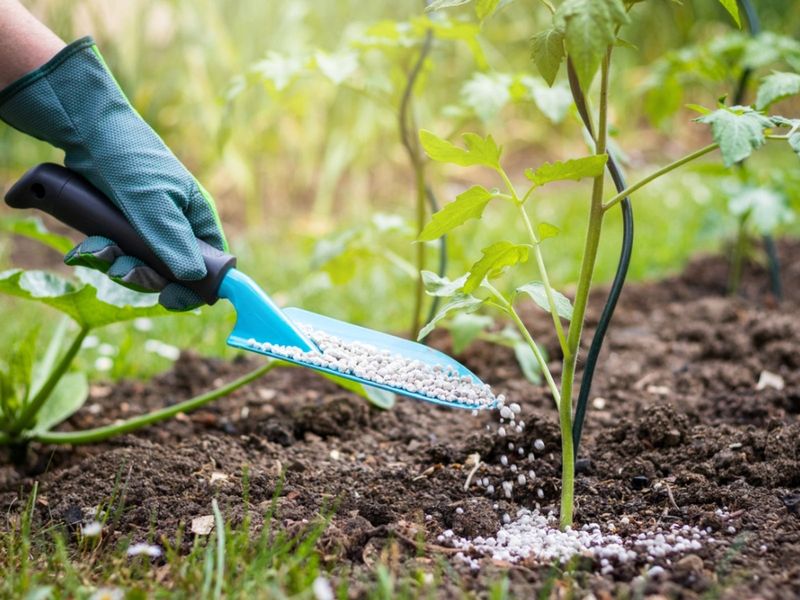
Choosing between organic and synthetic potassium sources often confuses gardeners who want effective results without unnecessary chemicals. Both approaches work well for tomatoes if you understand release rates and application timing.
Synthetic potassium sulfate (0-0-50) provides immediately available potassium that plants absorb within days, making it ideal for correcting deficiencies quickly during the flowering window.
Potassium chloride offers another fast-acting option, though chloride can accumulate in California’s low-rainfall soils over time.
Organic potassium sources release nutrients more slowly but offer additional benefits beyond pure potassium content. Kelp meal, derived from seaweed, typically contains 3-5% potassium plus trace minerals and growth hormones that support overall plant health.
Greensand provides 5-7% potassium along with iron and magnesium, particularly valuable in California’s alkaline soils where these micronutrients often run short.
Wood ash delivers 5-10% potassium but raises soil pH significantly, making it unsuitable for most California gardens where alkalinity already causes problems.
For practical application during tomato flowering, many experienced California gardeners combine approaches.
They apply synthetic potassium sulfate at first flower for immediate availability, then topdress with kelp meal or greensand two weeks later for sustained release through the fruiting period.
This hybrid strategy provides both quick response and long-term nutrition. Container gardeners benefit most from synthetic sources since organic materials sometimes create anaerobic conditions in confined potting mix volumes.
Regardless of source choice, apply potassium to moist soil and water thoroughly afterward to move nutrients into the root zone where plants can access them.
6. What Ruins Your Tomato Flavor
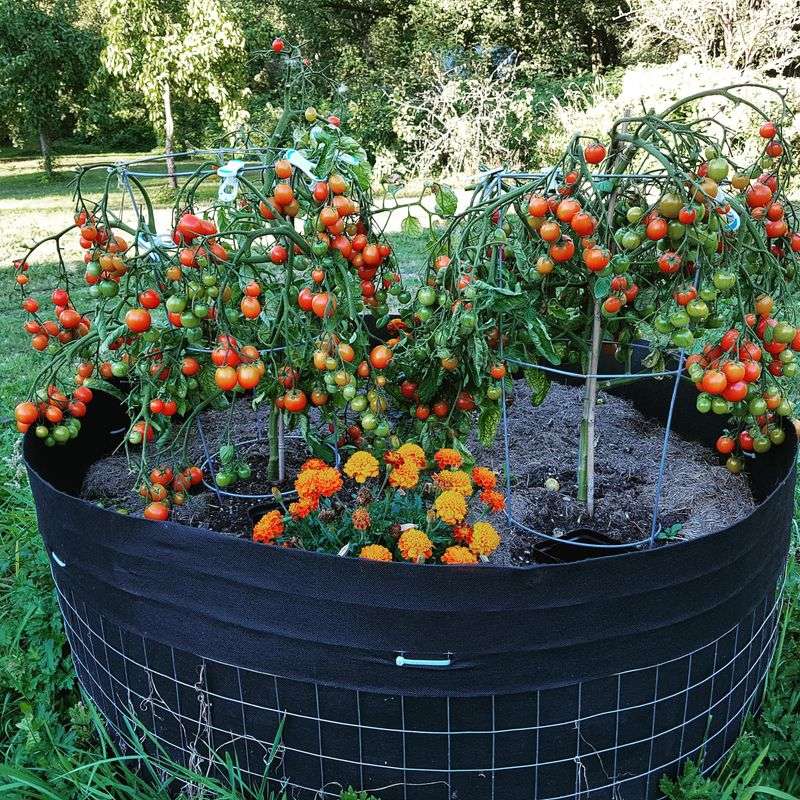
Over-fertilizing with nitrogen ranks as the single biggest mistake California tomato growers make when trying to boost production.
Those massive, dark green plants with minimal fruit result from continued high-nitrogen feeding past the vegetative growth stage.
Excess nitrogen during flowering diverts plant energy into leaf production instead of fruit development, and it dilutes sugar concentration in any tomatoes that do form.
Many gardeners see lush growth and assume they’re succeeding, not realizing they’ve actually sabotaged fruit quality.
Another widespread error involves applying potassium too late after fruit has already sized up. Once tomatoes reach full diameter and begin changing color, nutrient transport into fruit slows dramatically.
Potassium applied during ripening provides no benefit to those particular tomatoes, though it may help later fruit clusters. The critical window spans from first flower through the three-week period when fruit cells are actively dividing and expanding.
Applications outside this timeframe waste fertilizer without improving harvest quality.
Inconsistent watering compounds fertilization mistakes by creating erratic nutrient availability. California’s dry summers tempt gardeners to underwater tomatoes, then overcompensate with heavy irrigation that leaches potassium rapidly through soil.
This feast-or-famine pattern prevents steady potassium uptake during the flowering period. Drip irrigation or soaker hoses maintain consistent moisture that allows predictable nutrient absorption.
Finally, many growers ignore soil testing and guess at fertilizer needs, often applying nutrients already abundant while neglecting actual deficiencies.
A simple soil test before the growing season reveals whether your garden needs potassium supplementation or if other nutrients limit tomato performance more significantly.
7. Heat-Proof Growing Tips
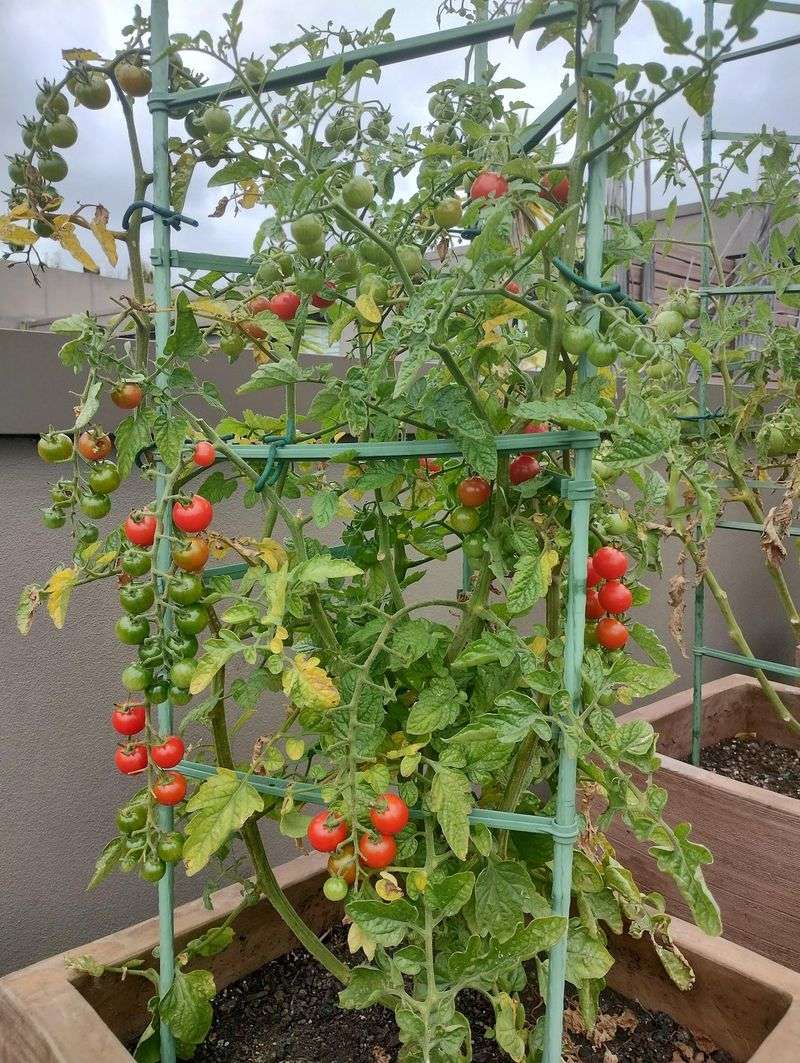
California’s summer heat creates unique challenges for potassium uptake that gardeners in milder climates never face. When soil temperatures exceed 85°F, root function slows and nutrient absorption decreases even when fertilizer is present.
Applying organic mulch 3-4 inches deep around tomato plants moderates soil temperature by 10-15 degrees, keeping roots active during heat waves.
Mulch also reduces water evaporation, maintaining more consistent moisture that improves potassium availability throughout the flowering period.
Timing fertilizer applications for early morning, before temperatures spike, helps nutrients move into soil solution before heat stress begins.
Watering immediately after fertilizing pushes potassium into the root zone where cooler soil temperatures allow better absorption.
Avoid fertilizing during afternoon heat when plants have closed their stomata and reduced metabolic activity. Some inland valley gardeners successfully apply liquid potassium fertilizers through drip irrigation systems during pre-dawn hours when roots function most efficiently.
Shade cloth rated at 30-40% provides relief during extreme heat events above 100°F when flower drop becomes likely.
Protecting flowers during potassium applications ensures pollination succeeds and fruit actually sets to utilize the nutrients you’re providing.
Container tomatoes benefit from moving to shadier locations during peak heat hours, though most need at least six hours of morning sun for adequate photosynthesis. Finally, consider splitting your tomato planting into spring and late-summer crops.
Early plantings fruit before peak heat, while transplants set out in July produce fall harvests when moderate temperatures allow better nutrient uptake and superior fruit quality from properly timed potassium applications.