This One January Yard Task In South Carolina Makes Spring Yard Work Easier
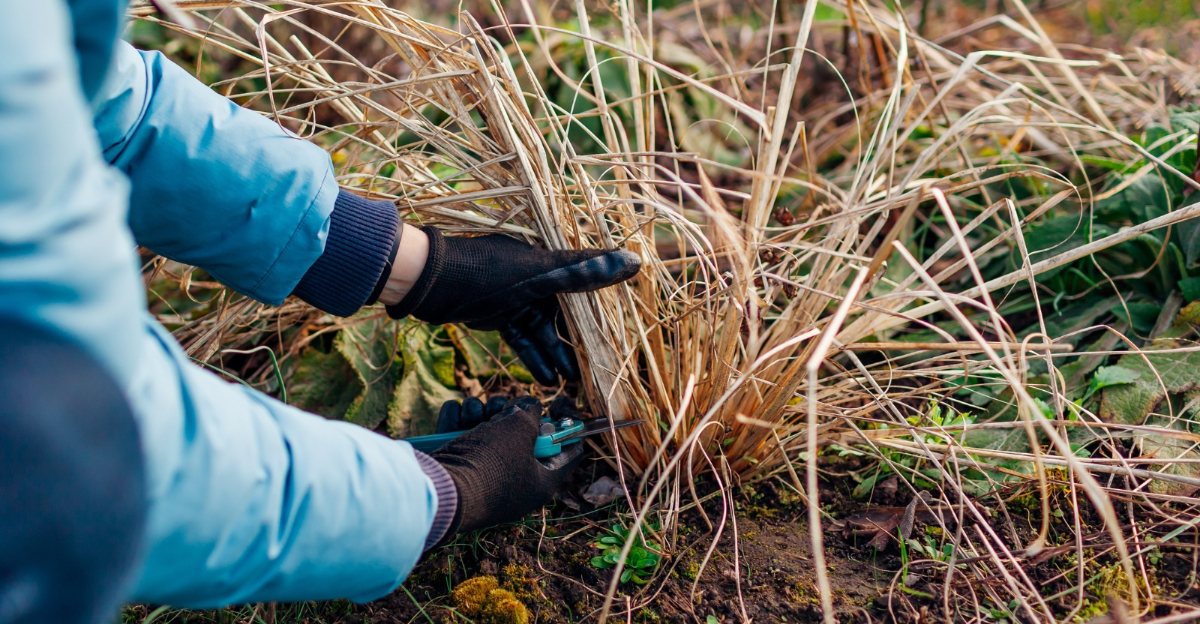
January yards in South Carolina may look calm on the surface, but winter quietly sets the stage for how difficult and time-consuming spring yard work will feel once growth begins.
One small task handled now can remove a surprising amount of frustration and extra labor before the busy growing season even gets underway.
Many homeowners wait until spring to deal with yard cleanup, not realizing how quickly warm temperatures cause leftover debris and clutter to become a bigger problem.
South Carolina’s mild winters allow leaves, stems, and organic material to linger instead of breaking down naturally. That slow breakdown creates hidden buildup that becomes harder to manage when plants start growing fast.
What feels like harmless clutter in January often turns into tangled growth, blocked soil, and uneven beds that demand more effort later.
Taking care of this task early clears space where plants need light, airflow, and room to grow without competition.
It also makes spring planting, mulching, and regular watering far easier to manage as the season ramps up.
A short winter effort can quietly reshape how smooth, efficient, and stress free the entire spring yard season feels.
1. Cutting Back Ornamental Grasses In January Simplifies Spring Cleanup In South Carolina
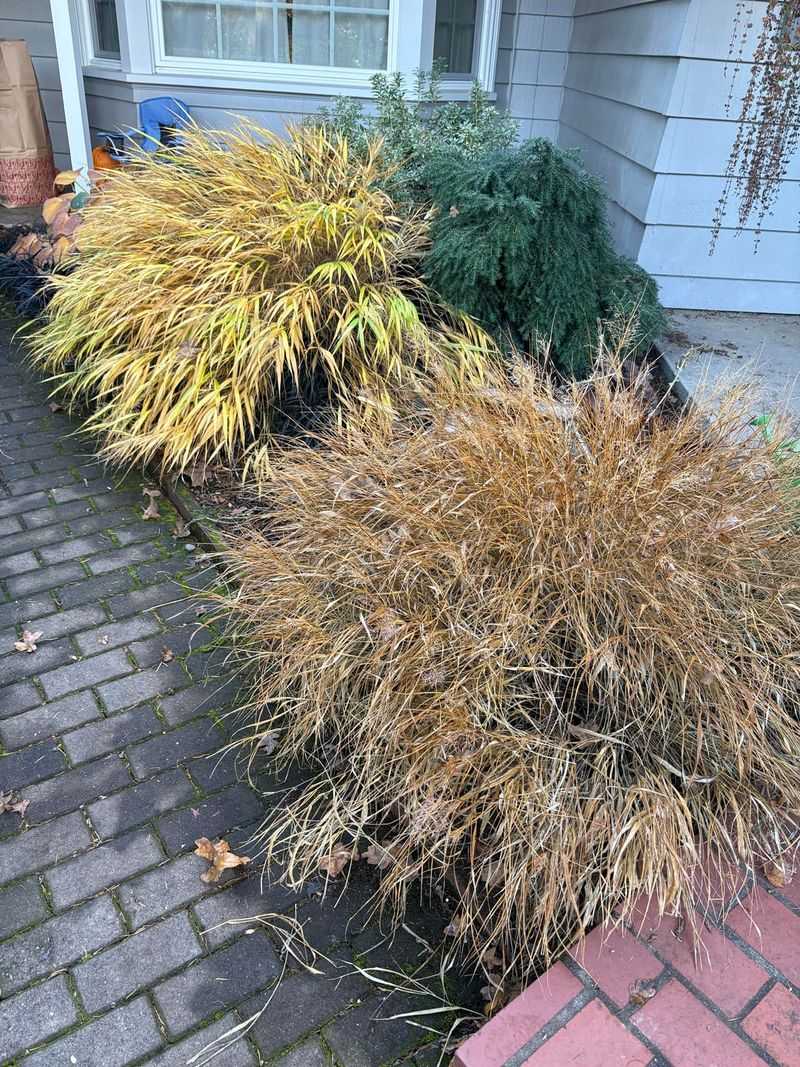
Ornamental grasses add texture and movement to yards all through fall and winter, but they eventually need attention. When blades turn brown and lose their structure, they become more work than beauty.
Tackling this task early saves hours of frustration later.
South Carolina gardeners who trim grasses in January avoid dealing with soggy, matted clumps in March or April. Wet spring weather makes old growth heavy and harder to cut cleanly.
Dry January conditions mean lighter, easier work with sharper results.
Removing last year’s foliage now clears the stage for fresh shoots to emerge without obstacles. New growth pushes through much faster when it doesn’t have to fight through dense, tangled layers.
Your grasses look tidier sooner and fill in more evenly.
Cleanup becomes simpler because you’re handling crisp, dry stalks instead of damp, decomposing material. Bagging or composting goes faster when the debris isn’t stuck together.
You’ll finish the job in half the time with far less mess.
This single step transforms a chaotic spring chore into a quick January project. South Carolina’s moderate winter temperatures make outdoor work comfortable rather than miserable.
You’ll thank yourself when neighbors are still wrestling with overgrown clumps while your yard already looks refreshed and ready for the season ahead.
2. Why January Is The Sweet Spot For This Task In South Carolina Yards
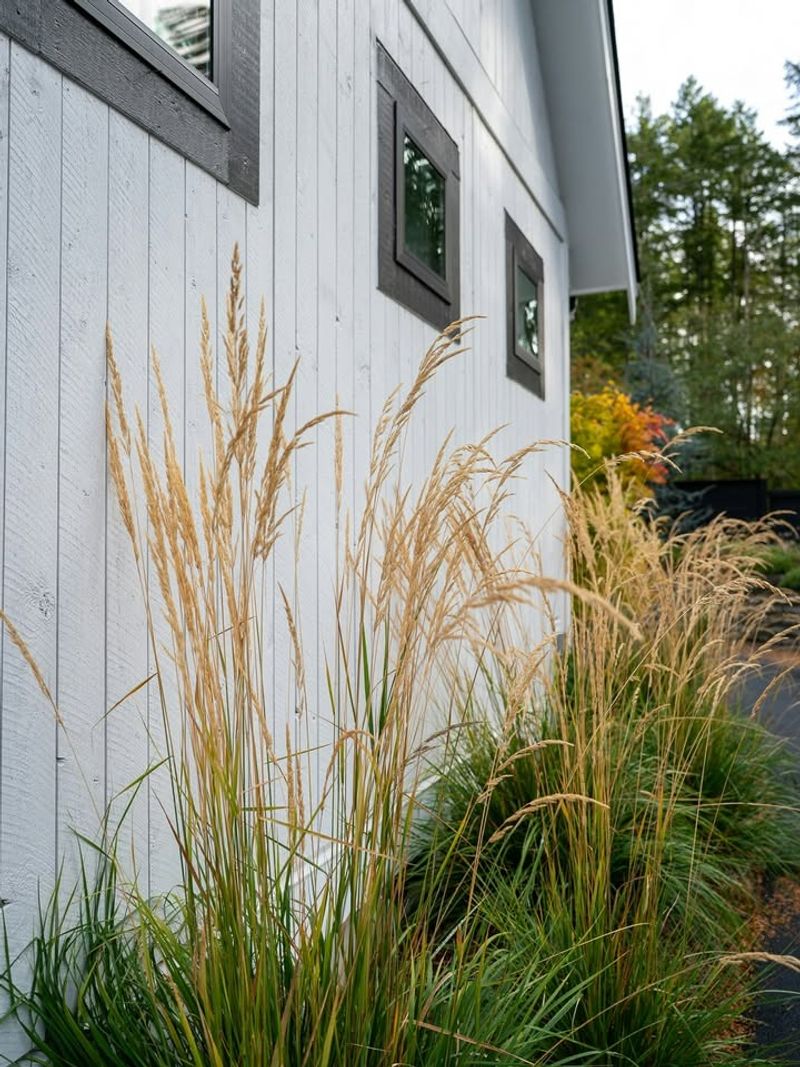
Timing matters more than most people realize when it comes to ornamental grass care. Too early and you risk cutting away foliage that still protects the crown from cold snaps.
Too late and new growth gets damaged along with the old.
January hits the perfect balance across most of South Carolina. Grasses have gone fully dormant by then, meaning they won’t suffer shock from trimming.
The worst of winter cold has usually passed, but spring growth hasn’t started yet.
Weather patterns in the state tend to cooperate during this month. You’ll often find stretches of dry, mild days ideal for outdoor projects.
Rain is less frequent than in late winter, so the ground stays firm and easier to work on.
Starting this task in January gives you breathing room before the spring rush begins. February and March fill up quickly with other garden prep, from pruning trees to preparing beds.
Knocking out grass trimming early means one less item competing for your attention later.
The grass itself benefits from January timing because it gets maximum recovery time before active growth resumes. Cuts heal over completely by the time temperatures warm up.
South Carolina’s climate allows this luxury that colder regions simply can’t match, making it smart to take advantage of the opportunity when it presents itself.
This early reset also makes it easier to spot spacing issues, thinning needs, or clumps that may need dividing later in the season.
When fresh shoots finally emerge, they come up clean and even, giving the landscape a more polished look from the very start of spring.
3. What Old Grass Blades Do When They’re Left Too Long
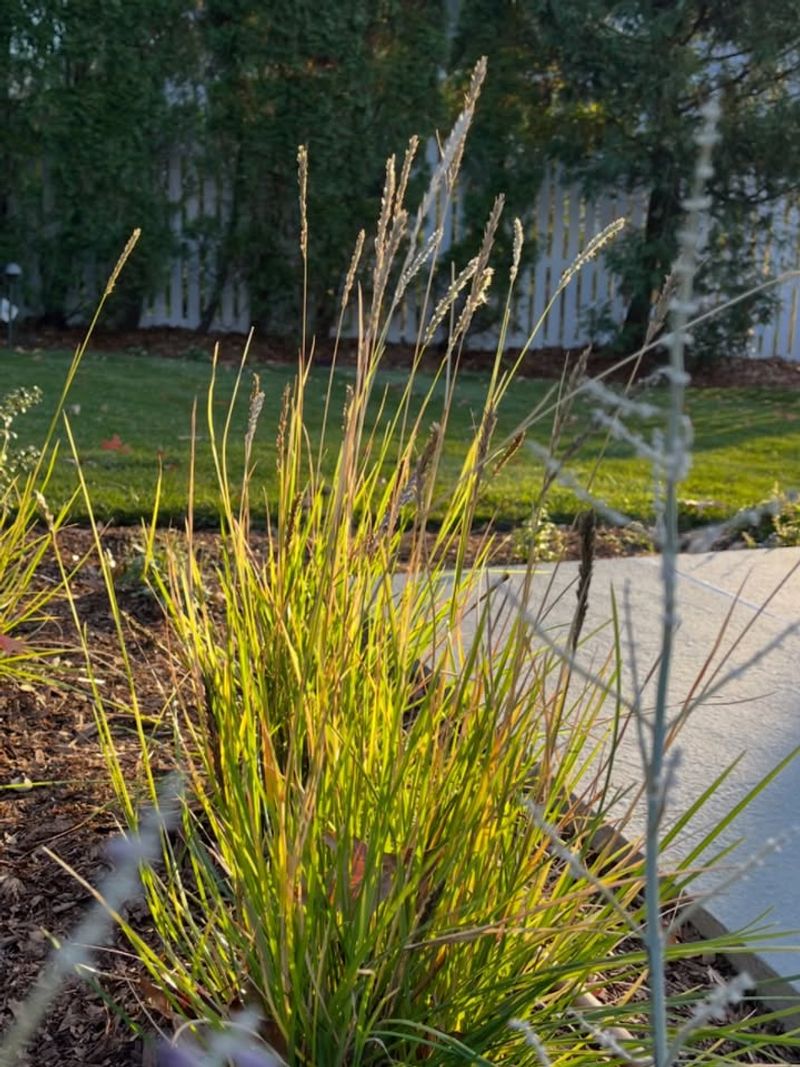
Neglecting to trim ornamental grasses creates problems that multiply as weeks go by. Old blades don’t simply disappear or blow away on their own.
Instead, they collapse inward and form a dense, suffocating layer around the plant’s center.
This matted material traps moisture against the crown, which can lead to rot and fungal issues. South Carolina’s humid spring weather makes the situation worse.
Air circulation drops to almost nothing when thick layers of old growth block airflow.
New shoots struggle to push through the barrier of decaying foliage. Some never make it to the surface at all.
Others emerge weak and pale from lack of light, creating patchy, uneven growth patterns that look messy all season long.
The longer you wait, the harder the job becomes. Old grass blades get tangled with new green growth, making it nearly impossible to cut one without damaging the other.
You end up with a frustrating, time-consuming task that could have been simple.
Delayed trimming also means more debris to handle at once. A single large clump of neglected grass can fill multiple yard waste bags.
South Carolina gardeners who put off this chore often regret it when they’re sweating through the work in April heat instead of enjoying comfortable January temperatures while the grasses are still dry and manageable.
4. How Early Cutbacks Help New Growth Start Cleanly
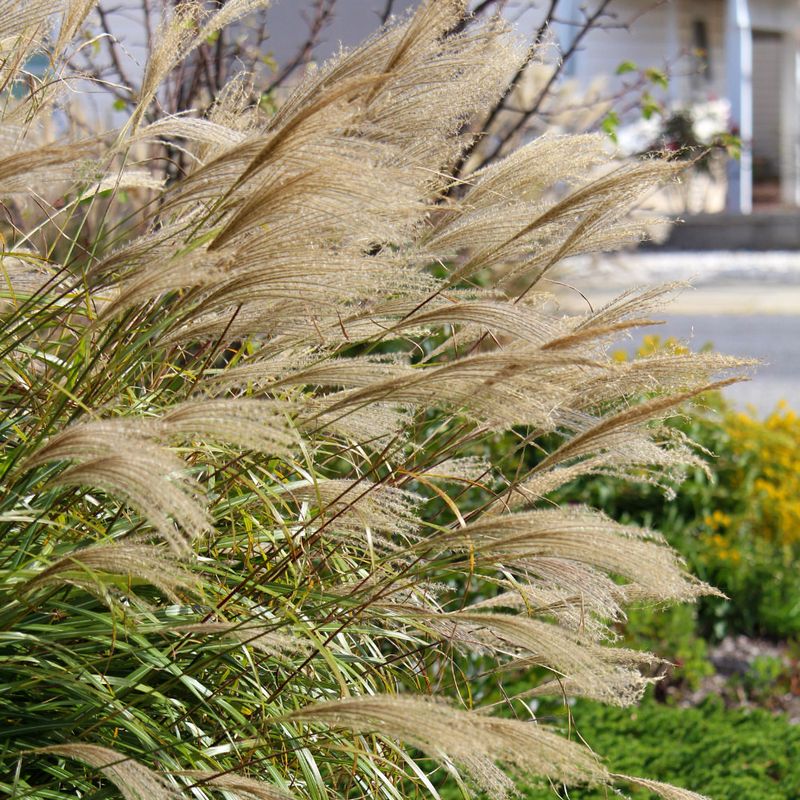
Fresh shoots need sunlight and space to develop properly from the moment they emerge. When you clear away old foliage in January, you’re essentially rolling out the welcome mat for spring growth.
Light reaches the soil surface immediately, warming it faster and encouraging earlier sprouting.
Clean cuts made well before the growing season allow the plant to focus all its energy on new blades. There’s no wasted effort trying to push through obstacles.
South Carolina grasses respond with vigorous, uniform growth that fills in quickly and evenly.
Removing brown material early also improves air circulation around the crown. This reduces the chance of fungal problems taking hold just as tender new growth appears.
Better airflow means healthier plants that resist common issues without extra intervention.
The visual difference becomes obvious within weeks. Grasses trimmed in January show bright green growth emerging in neat, circular patterns.
Untrimmed clumps produce sparse, irregular shoots that look thin and disappointing by comparison.
Early cutbacks give you a longer window to enjoy attractive foliage too. South Carolina’s extended growing season means grasses that start strong in early spring stay beautiful well into fall.
The simple act of January trimming sets up months of better performance, making your landscape look more polished with less ongoing effort throughout the year ahead.
5. Which Ornamental Grasses Respond Best To January Trimming
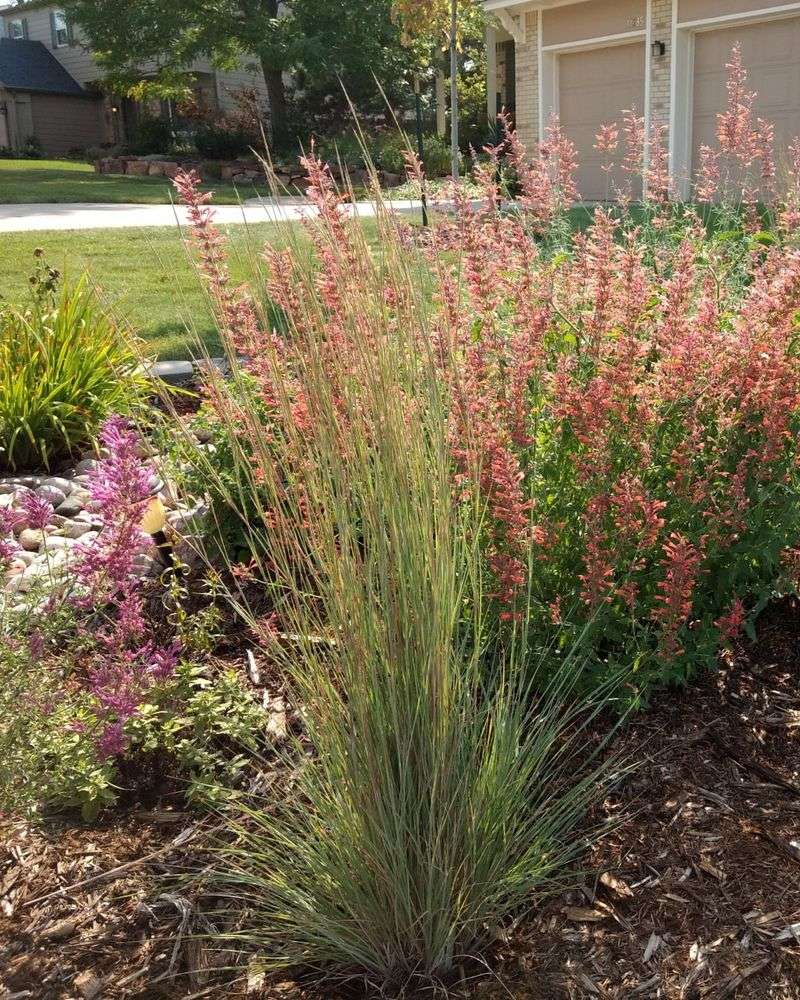
Not all ornamental grasses benefit equally from winter cutbacks, but many popular South Carolina varieties thrive with January attention. Maiden grass tops the list, responding with vigorous spring growth after a clean trim.
Its tall, graceful form looks even better when it starts fresh each season.
Fountain grass varieties also excel with January cutting. Both annual and perennial types produce fuller, more symmetrical clumps when old growth is removed during dormancy.
South Carolina gardeners appreciate how quickly these bounce back once warm weather arrives.
Muhly grass, especially the pink variety beloved across the state, benefits tremendously from late winter trimming. This native performer looks tidier and blooms more reliably when given a fresh start.
The airy texture develops better without old blades interfering.
Switch grass varieties handle January cutbacks beautifully. These tough natives tolerate a range of conditions and reward early trimming with dense, upright growth.
Their architectural presence strengthens when they’re not fighting through previous seasons’ debris.
Pampas grass, though controversial in some areas, responds well to January attention where it’s grown. Cutting back the massive plumes prevents them from becoming a tangled mess.
However, always check local regulations since this plant can be invasive in parts of South Carolina and may require careful management or alternative choices depending on your specific location and county guidelines.
6. How This One Step Reduces Mess Once Warm Weather Hits
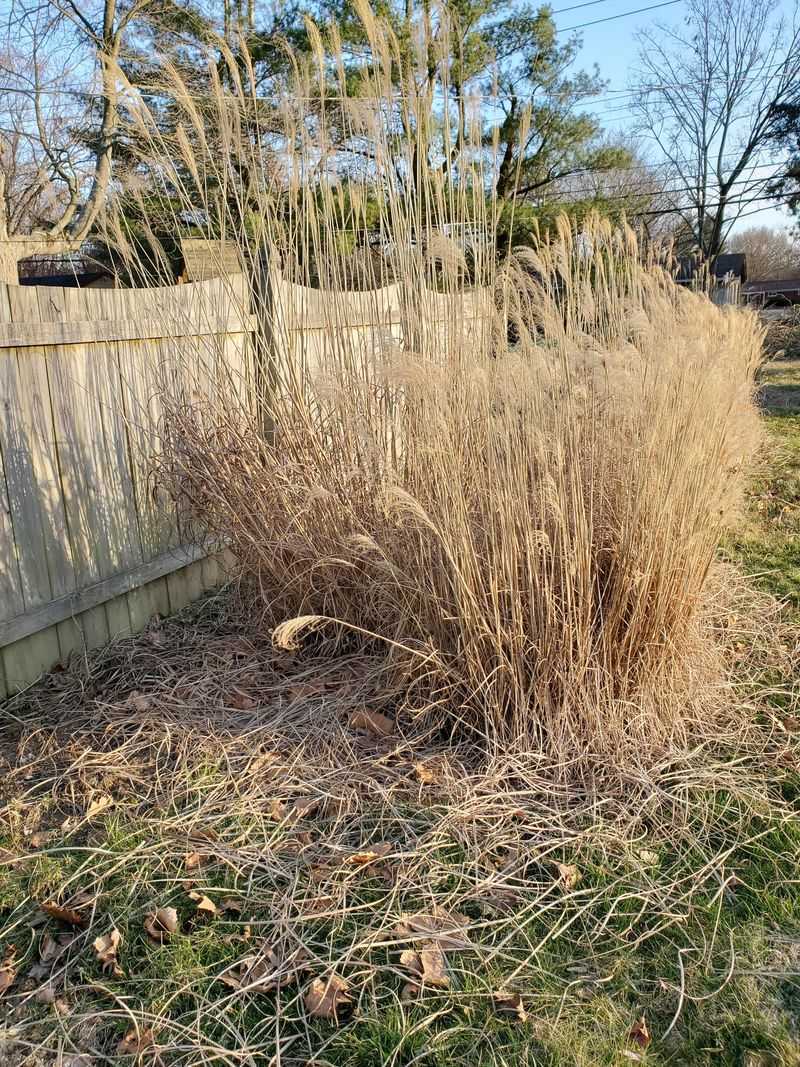
Spring brings plenty of yard work without adding extra complications. When ornamental grasses are already trimmed, you eliminate a major source of debris during the busiest season.
Old blades won’t scatter across your lawn every time the wind picks up or rain falls.
Untrimmed grasses shed constantly as new growth pushes out old material. This creates a perpetual cleanup problem that never seems to end.
South Carolina’s frequent spring storms make the situation worse, blowing loose blades into flower beds, across patios, and into gutters.
January trimming consolidates all that mess into one manageable session. You handle the debris on your schedule, not nature’s.
The material is dry and easy to bag or compost, unlike the damp, clingy stuff that accumulates in spring.
Your mowing routine stays cleaner too. Grass clippings don’t get mixed with long, tough ornamental blades that can clog mower decks.
Edges stay neater because there’s no overgrown grass flopping onto lawn areas.
Flower beds benefit as well since they’re not constantly invaded by blown-in grass debris. Mulch looks fresh longer without brown blades scattered across it.
South Carolina gardeners who trim in January spend more time enjoying their yards in spring and less time chasing after mess. The difference becomes especially noticeable during peak bloom season when you’d rather be admiring flowers than cleaning up grass litter.
7. What South Carolina’s Mild Winters Allow You To Do Earlier
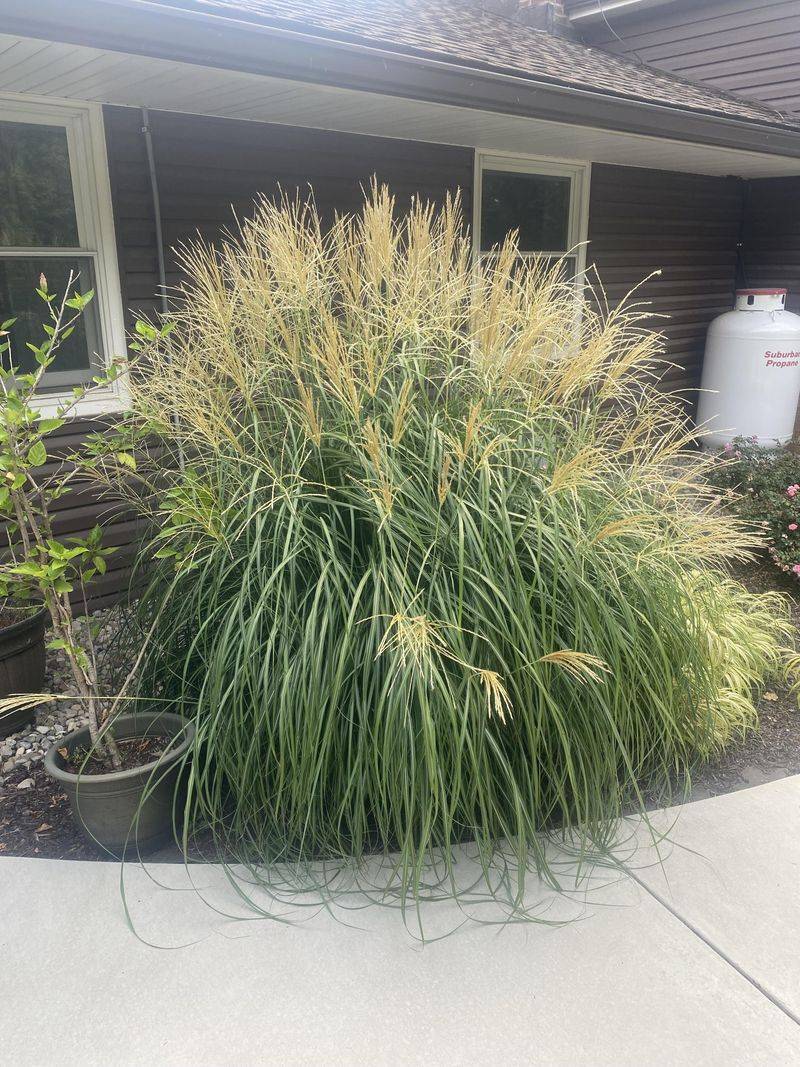
Geography gives South Carolina gardeners a distinct advantage when it comes to ornamental grass care. While northern states deal with frozen ground and snow-covered plants, you can work comfortably outdoors throughout January.
This head start makes a real difference in how your landscape performs.
Mild temperatures mean tools work better and hands stay nimble. Pruning shears cut cleanly through dry grass stalks without the brittleness that extreme cold creates.
You can take your time and do the job right without rushing to get back indoors.
The extended working season allows for flexibility too. If one January weekend brings rain, simply wait a few days for better conditions.
South Carolina typically offers multiple suitable windows throughout the month. Northern gardeners don’t have this luxury.
Early completion of grass trimming frees up time for other projects that benefit from late winter attention. You can move on to pruning shrubs, dividing perennials, or preparing vegetable beds while the weather cooperates.
The calendar works in your favor.
Plants themselves respond better to early intervention in this climate. Warmer soil temperatures mean faster healing and quicker resumption of root activity.
South Carolina grasses often show new growth by late February or early March, proving that January trimming was perfectly timed. This natural advantage shouldn’t be wasted by delaying the task until spring officially arrives on the calendar.
8. How A Clean Cut Now Prevents Tangled Growth Later
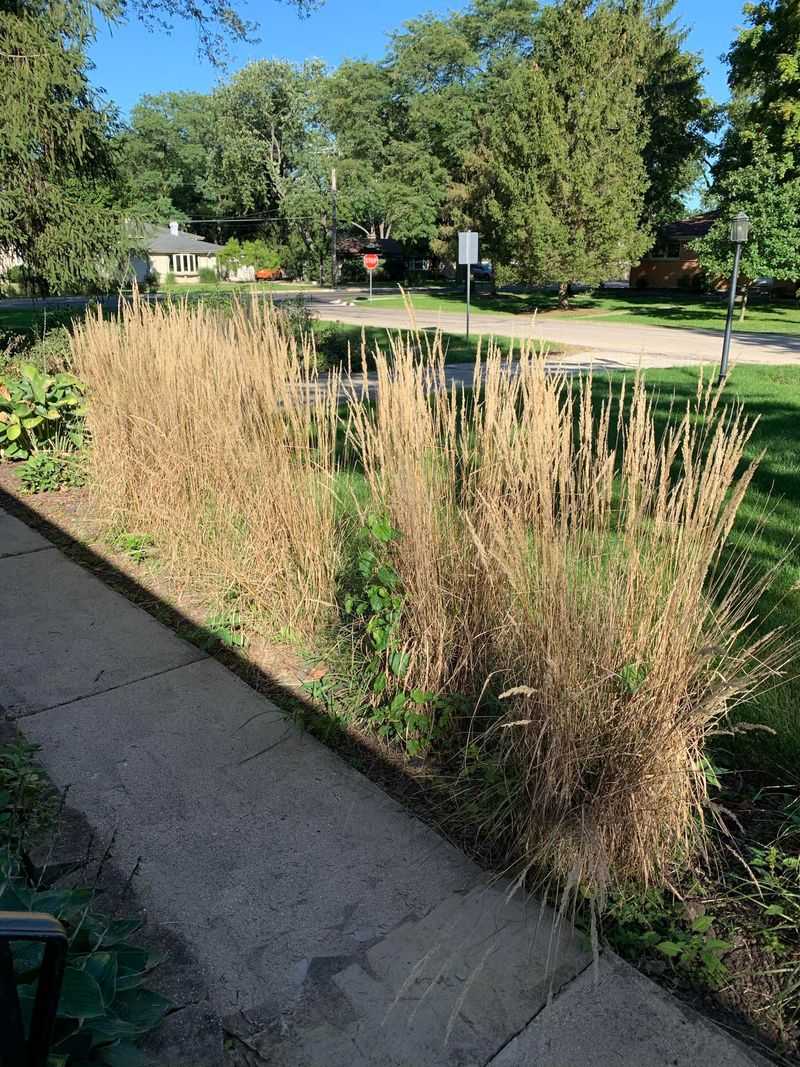
Precision matters when trimming ornamental grasses, and January conditions make precision easier to achieve. Dry, dormant foliage cuts cleanly without ragged edges that invite problems.
Each blade separates easily from its neighbors, allowing you to work methodically through the clump.
Spring trimming creates the opposite scenario. New growth mixes with old, making it impossible to cut one without damaging the other.
You end up with a hacked, uneven appearance that takes weeks to recover. South Carolina gardeners who wait too long often regret the compromised results.
A clean January cut establishes a uniform height across the entire clump. New shoots emerge at the same level, creating that attractive fountain shape ornamental grasses are known for.
Delayed or sloppy trimming produces lopsided, irregular growth that never quite looks right.
The cut itself heals better when made during dormancy. Plant tissues aren’t actively transporting nutrients, so there’s no weeping or stress response.
By the time growth resumes, the cut ends have sealed completely.
Tangled growth also harbors pests and disease more readily than clean, well-maintained clumps. Dense matted areas create perfect hiding spots for insects and fungal spores.
South Carolina’s humid climate amplifies these risks. January trimming removes potential problem zones before they become active, giving your grasses the healthiest possible start.
The investment of an hour or two now prevents months of struggling with plants that never quite thrive.