This One January Yard Tidy-Up In Arizona Saves Hours Of Work In Spring
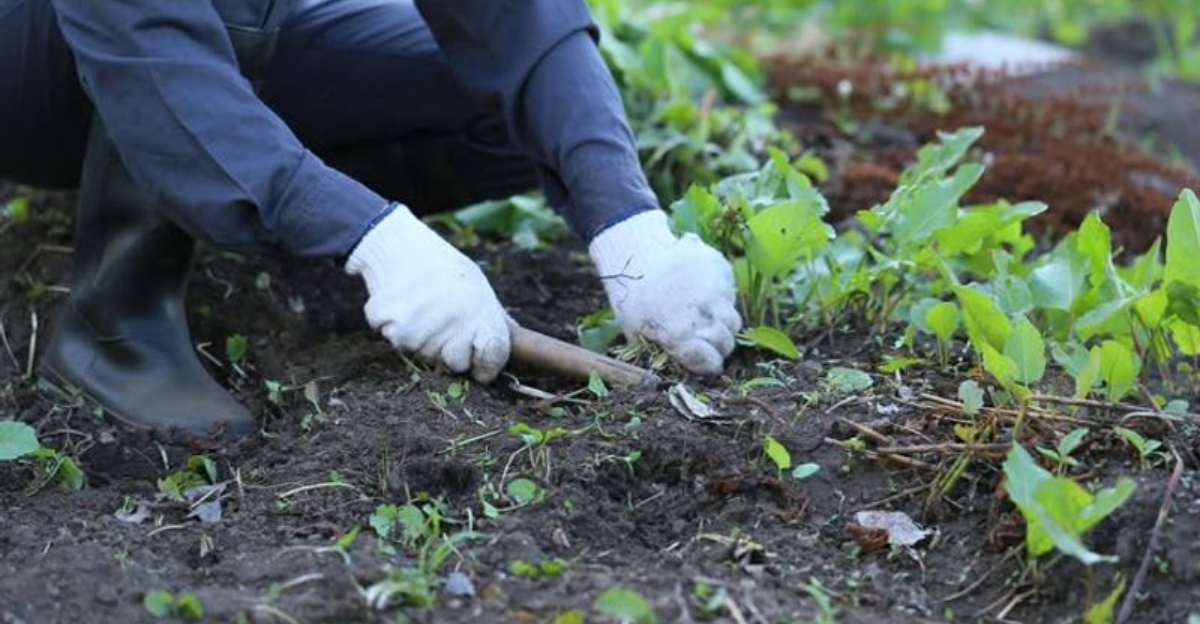
I’ll never forget tackling my yard last January in Arizona, thinking it was just another cold-weather chore. Little did I know, one simple tidy-up now would save me hours of work later when spring arrived.
Early preparation makes a huge difference in keeping plants healthy and gardens manageable. A little effort now pays off big time when the growing season starts.
This tidy-up involves clearing fallen leaves, trimming dead branches, removing weeds, and checking irrigation systems.
Taking these steps in January prevents spring pests, reduces cleanup, and gives plants a stronger start. Even small yards benefit from this early attention. Winter tasks done smartly set the stage for a smooth and productive spring.
Arizona homeowners who do this one yard task now enjoy easier maintenance and healthier, more attractive gardens in spring. Save time and stress later by tidying up your yard this January.
The Task Is Removing Winter Annual Weeds Early
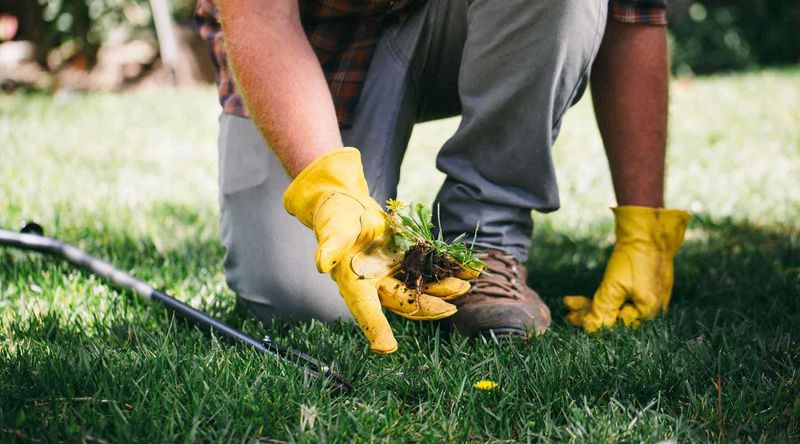
Winter annual weeds are sneaky invaders that sprout when fall and winter rains arrive in Arizona, taking advantage of cooler temperatures to establish strong root systems before most gardeners even notice them.
Unlike perennials that return year after year, these annuals complete their entire life cycle in one season, but they grow aggressively and spread seeds rapidly if left unchecked.
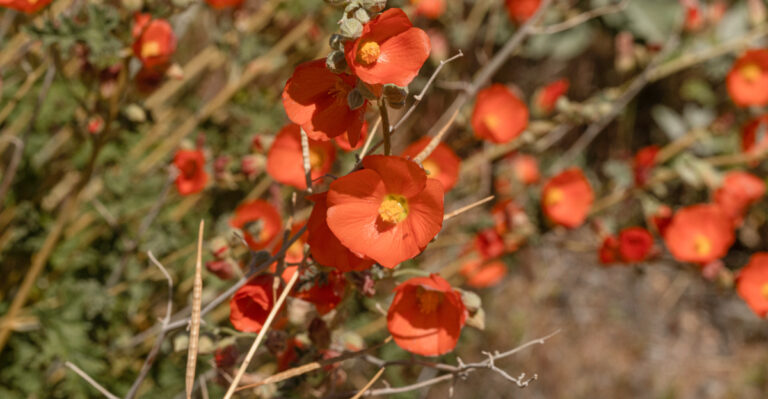
Common examples include London rocket with its tall yellow flowers, annual bluegrass that forms dense patches in lawns and pathways, cheeseweed or mallow with its round leaves and small pink blooms, and filaree that produces tiny purple flowers before releasing corkscrew-shaped seeds.
January offers an ideal removal window because these weeds are still young and manageable, having germinated in late fall but not yet reached their explosive spring growth phase.
Desert and urban yards across Arizona see these species pop up in garden beds, along walkways, in gravel areas, and even between pavers, competing with your desirable plants for water and nutrients.
Pulling them now means you avoid the backbreaking work of removing massive, seed-laden plants later when they have spread across your entire yard.
Recognizing these weeds early and acting quickly transforms your spring gardening experience from overwhelming to enjoyable, giving you more time to focus on planting flowers and vegetables instead of fighting invasive growth.
Cool Weather Makes Soil Easier To Work With
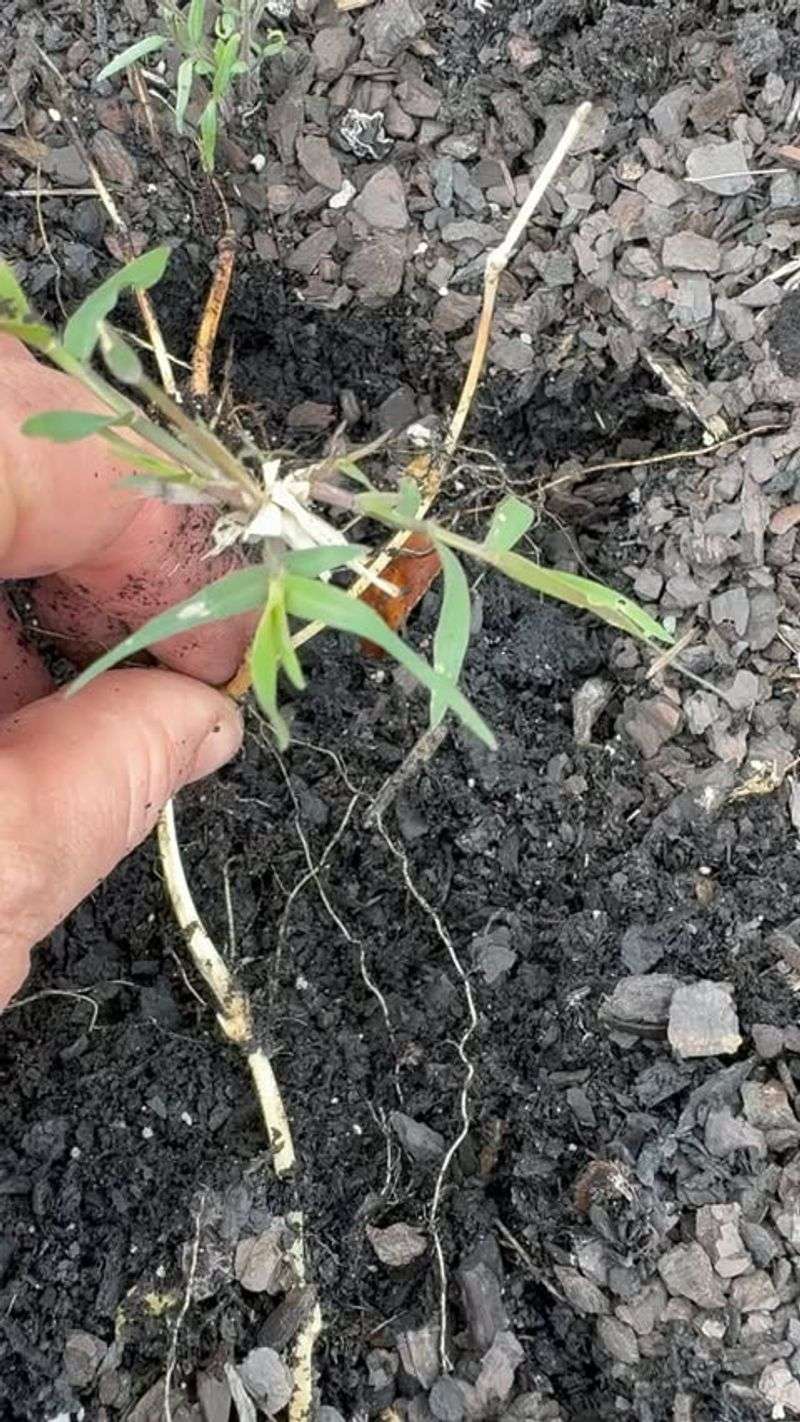
Anyone who has tried pulling weeds from Arizona soil in late spring or summer knows the frustration of battling rock-hard, compacted earth that refuses to release stubborn roots.
January changes everything because cooler temperatures and occasional winter moisture create softer, more workable soil conditions that make weed removal almost effortless by comparison.
The combination of lower evaporation rates and periodic rainfall means the ground retains moisture longer, allowing roots to slide out cleanly instead of breaking off and regrowing.
When soil is soft and slightly damp, you can grasp weeds near the base and pull them out completely with minimal effort, ensuring the entire root system comes up and preventing regrowth.
Contrast this with the concrete-like conditions of April and May when the soil dries out and hardens under increasing heat, forcing you to use tools like hoes or cultivators that require significantly more physical labor and time.
Working in comfortable January temperatures also means you can spend longer periods in the yard without exhaustion or heat-related discomfort.
This seasonal advantage extends to all types of Arizona landscapes, from traditional desert gardens with native plants to more irrigated areas with lawns and flower beds.
Taking advantage of winter soil conditions transforms a difficult chore into a manageable task that sets your landscape up for success throughout the entire growing season ahead.
Early Removal Reduces Rapid Spring Spread
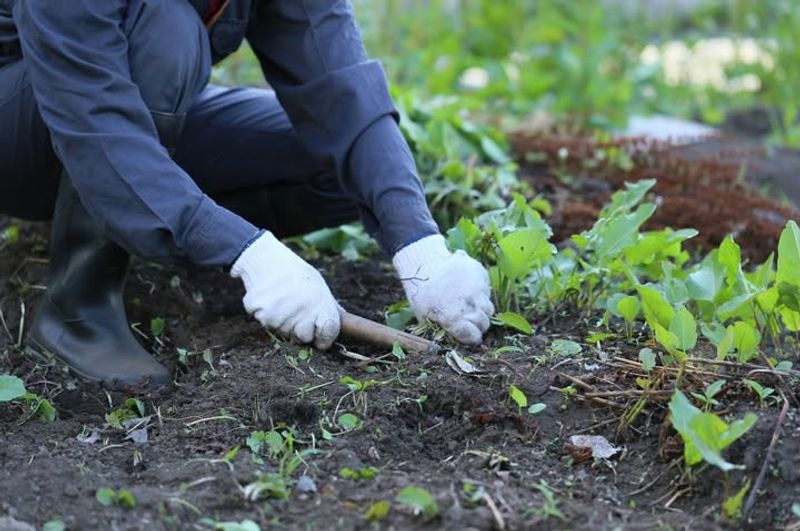
Winter weeds might look harmless in January when they are small and scattered, but they possess an incredible ability to explode in size and number once March and April temperatures begin climbing into the 80s and 90s.
These plants have evolved specifically to take advantage of the transition from winter to spring, using stored energy and established root systems to grow rapidly and produce thousands of seeds before summer heat arrives.
A single London rocket plant, for example, can shoot up several feet tall and release countless seeds that will germinate the following season, multiplying your weed problem exponentially.
By removing these invaders in January before they enter their rapid growth phase, you prevent the overwhelming spread that would otherwise consume hours of your time in spring when you would rather be planting tomatoes or setting out colorful annuals.
The difference between managing a few dozen small weeds in winter versus battling hundreds or thousands of large, seed-producing plants in spring is dramatic both in time investment and physical effort required.
Early intervention also protects your garden beds and pathways from becoming weed nurseries that continuously release new seeds throughout the growing season.
Making this small investment of time in January means you spend spring enjoying your yard instead of fighting an uphill battle against aggressive invaders that seem to appear faster than you can remove them.
It Helps Protect Water Efficiency
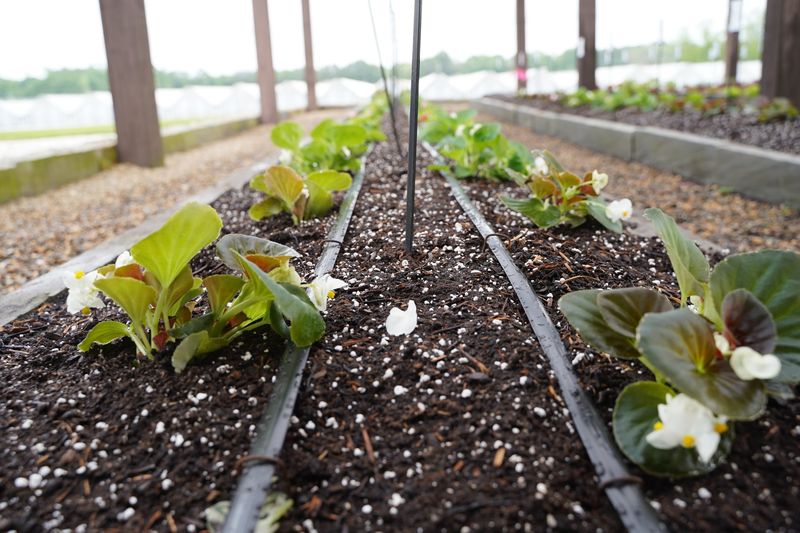
Water is precious in Arizona, and every drop counts when you are maintaining a landscape in one of the driest regions of North America.
Unmanaged weeds act as water thieves, tapping into irrigation systems and rainfall intended for your carefully chosen desert-adapted plants, vegetables, and ornamentals.
Winter annuals are particularly efficient at capturing water because they establish deep root systems during the cooler months when competition is low, positioning themselves to steal moisture from desirable plants as soon as spring arrives.
Removing these invaders in January means your irrigation water goes exactly where you want it, supporting the plants you actually care about rather than feeding aggressive weeds that provide no benefit to your landscape design.
This becomes especially important during Arizona’s dry spring months from March through May when rainfall is scarce and temperatures climb rapidly, increasing water demands for all plants.
A weed-free yard allows you to reduce overall water use while still keeping your landscape healthy and attractive.
The financial benefits add up too, as lower water consumption translates directly to reduced utility bills in a state where water costs continue rising.
Beyond the practical savings, efficient water use supports broader conservation efforts that help protect Arizona’s limited water resources for future generations, making your January weed removal an environmentally responsible choice that benefits both your yard and your community.
It Improves Mulch Performance
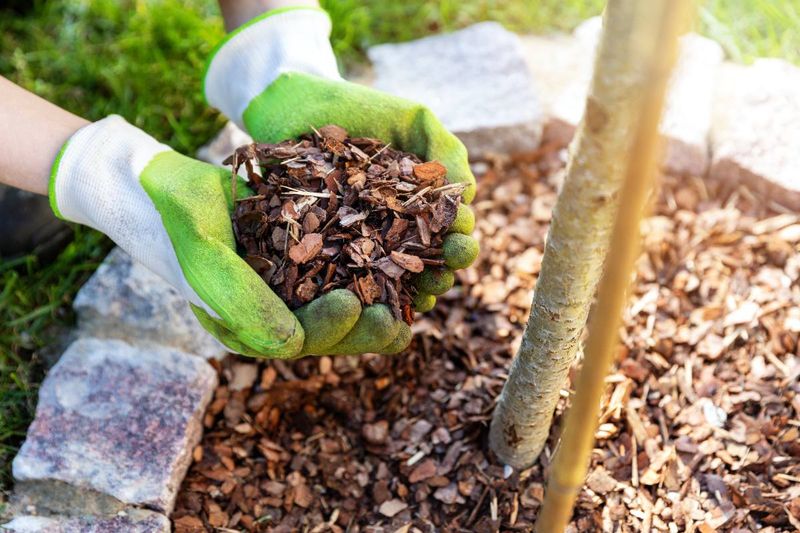
Mulch is a desert gardener’s best friend, providing crucial benefits like moisture retention, soil temperature moderation, and weed suppression, but it only works properly when applied to clean, weed-free soil.
Spreading mulch over existing weeds creates a bumpy, uneven surface that looks messy and fails to provide the protective barrier that makes mulch so valuable in Arizona gardens.
Weeds poking through mulch also create pathways for moisture loss and temperature fluctuations that undermine the very reasons you applied mulch in the first place.
Removing winter weeds in January before applying or refreshing your mulch layer allows the material to sit directly on the soil surface, creating a continuous blanket that blocks light from reaching weed seeds and helps soil retain precious moisture during hot, dry months.
This direct contact between mulch and soil also improves temperature control, keeping roots cooler in summer and warmer during occasional winter cold snaps that can stress sensitive plants.
The result is healthier plants that require less supplemental watering and show improved growth throughout the year.
Whether you prefer organic mulches like shredded bark or inorganic options like decorative rock, starting with a clean slate in January maximizes the return on your investment.
Your mulch layer will look neater, last longer, and perform better when it is not competing with weeds that break through and compromise its effectiveness across your entire landscape.
It Makes Spring Planting Faster And Cleaner
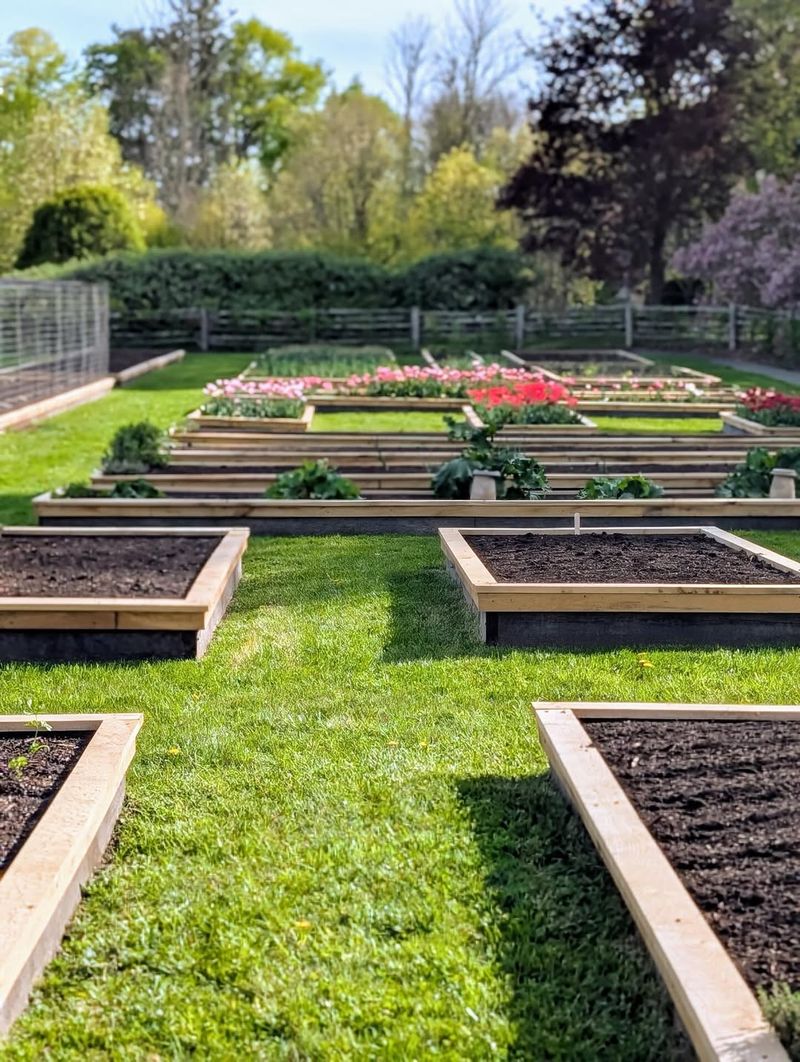
Picture this scenario: March arrives with perfect planting weather, you are eager to get tomato seedlings in the ground or set out colorful petunias, but first you have to spend hours clearing weeds from garden beds before you can even think about planting.
Frustrating, right?
Now imagine walking out to completely weed-free beds ready for immediate planting, allowing you to capitalize on ideal spring conditions without delay.
That is the gift you give yourself by tackling winter weeds in January.
Clean beds mean you can simply amend soil if needed, dig planting holes, and install new plants without the extra steps of weed removal, root extraction, and bed cleanup that eat up valuable time and energy.
This streamlined process is especially beneficial when you are working with transplants that need to get in the ground quickly or when weather windows are limited.
Arizona’s spring planting season can be surprisingly short before temperatures become too hot for many vegetables and annual flowers, so efficiency matters when you want to maximize your growing success.
The cleanliness factor extends beyond convenience to plant health, as weed-free beds reduce the risk of transplanting vegetables or flowers into soil harboring weed seeds that will immediately begin competing with your new additions.
Starting clean gives your spring plantings the best possible foundation for strong establishment and vigorous growth throughout the season ahead.
It Supports Healthier Landscape Plants
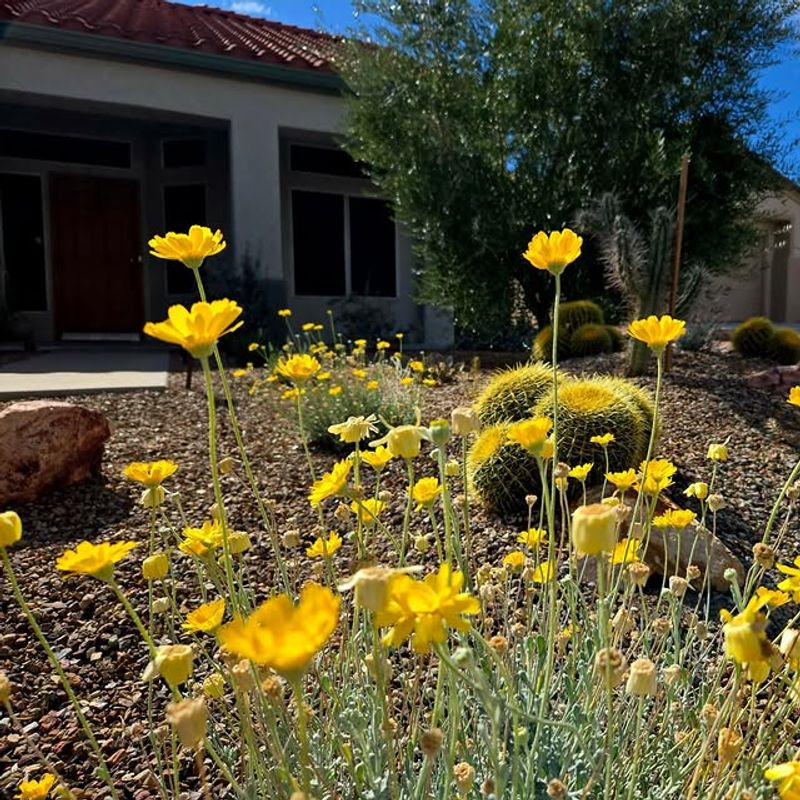
Arizona’s desert soils are notoriously low in organic matter and nutrients compared to the rich, dark earth found in other regions, which means every bit of available nutrition is precious for your landscape plants.
When winter weeds establish themselves and begin growing aggressively, they compete directly with your shrubs, trees, and perennials for these limited nutrients, essentially stealing food that should support the plants you carefully selected and invested in.
Removing weeds early eliminates this competition and allows your desirable plants to access the full nutrient supply available in the soil.
The benefits become especially noticeable in spring when plants enter their active growth phase and have high nutrient demands to support new leaves, flowers, and stems.
Shrubs like Texas sage and desert marigold, trees such as palo verde and mesquite, and perennials including penstemons and salvias all perform better when they do not have to fight weeds for resources.
You will see more vigorous growth, better flowering, and improved overall plant health when competition is minimized.
Healthier plants also show greater resilience against pests, diseases, and environmental stresses that challenge Arizona landscapes throughout the year.
The relatively small effort of January weed removal pays dividends in plant performance that last through multiple seasons, helping you build and maintain the attractive, thriving landscape you envisioned when you first started planning your desert garden.
It Reduces Maintenance Time During Hot Months
Arizona summers are legendary for their intensity, with temperatures regularly exceeding 110 degrees Fahrenheit in many areas and creating genuinely dangerous conditions for outdoor work during midday hours.
Completing labor-intensive yard tasks like weed removal in January when temperatures hover in the comfortable 60s and 70s means you avoid that brutal summer workload when every minute outside feels like an endurance test.
The time savings are substantial, but the health and safety benefits are equally important for Arizona gardeners who need to protect themselves from heat exhaustion and sun exposure.
By investing a few hours in January weed removal, you dramatically reduce the amount of time you will need to spend on yard maintenance during May, June, and July when outdoor work becomes physically challenging and potentially hazardous.
This proactive approach allows you to limit summer yard work to essential tasks like watering and quick inspections that can be completed during early morning or evening hours when temperatures are somewhat more tolerable.
You will appreciate this foresight when your neighbors are struggling through midday weed battles while you relax in air-conditioned comfort.
The strategy also supports better overall yard care because you are more likely to maintain consistent attention to your landscape when tasks are manageable and comfortable rather than overwhelming and miserable.
January cleanup sets a positive maintenance cycle that carries through the entire year, making desert gardening more enjoyable and sustainable for the long term.
It Improves Yard Appearance Before Spring Growth Starts
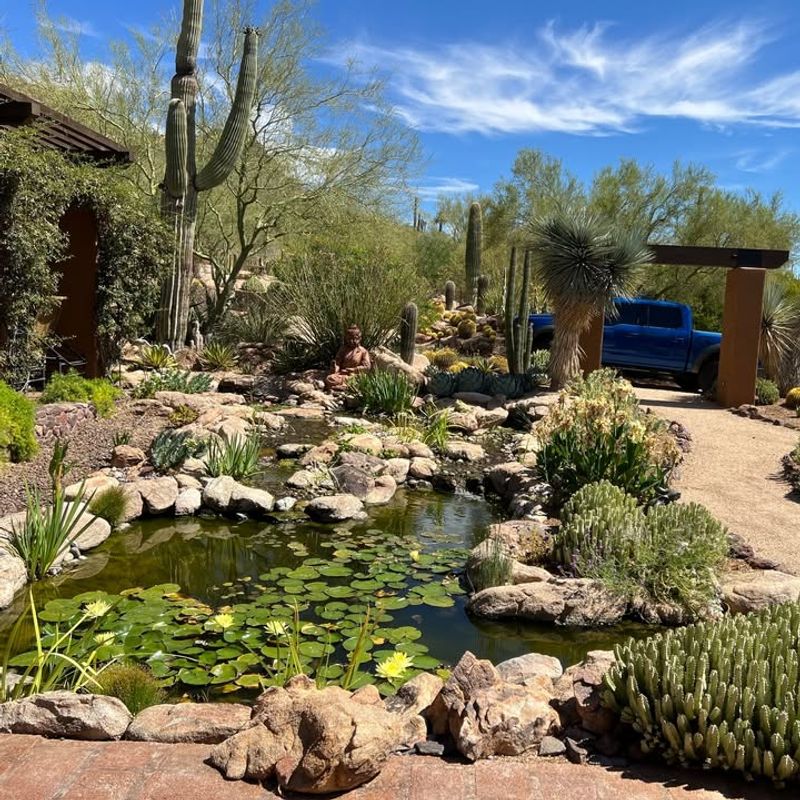
First impressions matter, and your yard creates the first impression visitors and passersby have of your home.
Clean, well-maintained garden beds and walkways signal that you care about your property and take pride in your landscape, while weedy, neglected areas suggest the opposite regardless of how nice the rest of your home might be.
Tackling winter weeds in January gives your landscape a fresh, organized appearance that lasts through the entire spring season as your desirable plants begin their growth cycle and flowering period.
The curb appeal benefits are particularly valuable for Arizona homeowners who may be considering selling their property or simply want to maintain neighborhood standards and property values.
Real estate professionals consistently emphasize that attractive landscaping significantly influences buyer perceptions and can actually impact home values, making landscape maintenance a smart financial investment beyond the simple enjoyment of a beautiful yard.
Clean beds and pathways also provide a much better backdrop for spring flowers and emerging foliage, allowing these features to shine without competition from messy weed growth.
Beyond property values, many Arizona homeowners simply feel more satisfied and relaxed when their outdoor spaces look tidy and intentional rather than chaotic and overgrown.
This psychological benefit should not be underestimated, as your home landscape affects your daily mood and sense of wellbeing every time you look out a window or step outside to enjoy the pleasant winter and spring weather Arizona is famous for.
It Works For Both Desert And Higher-Elevation Arizona Regions
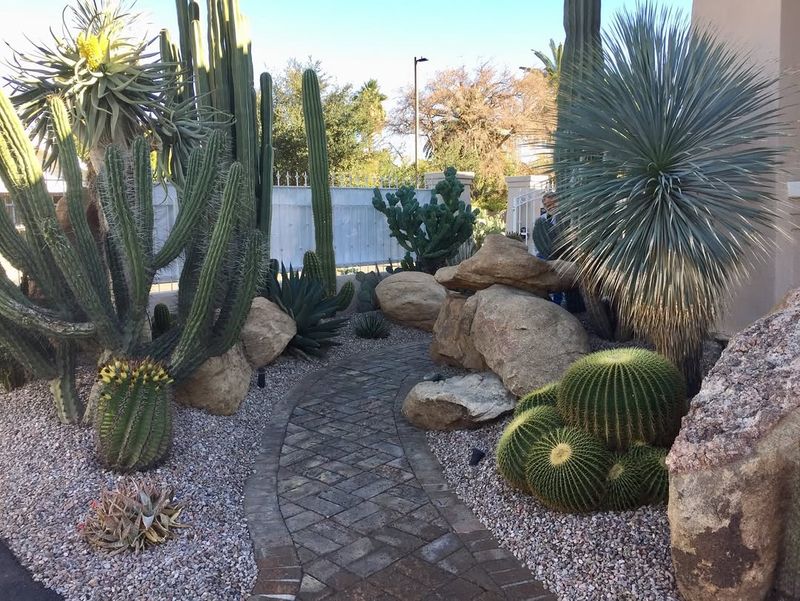
Arizona’s incredible geographic and climatic diversity means gardening strategies need adjustment depending on where you live, but January weed management offers benefits across the entire state with only minor timing modifications.
Low-desert areas including Phoenix, Tucson, and Yuma experience mild winter temperatures that allow winter annual weeds to grow actively throughout January, making this the optimal month for removal before spring heat triggers explosive growth.
These regions typically see daytime temperatures in the 60s and 70s during January, creating comfortable working conditions and soft soil that make weed removal efficient and effective.
Higher-elevation communities like Flagstaff, Prescott, and Payson experience colder winters with occasional snow and freezing temperatures that slow weed growth and may make January soil access difficult depending on specific weather patterns.
Gardeners in these areas can simply adjust their timing slightly later to February or early March when soil thaws and becomes workable, still capturing the benefits of early weed removal before spring growth accelerates.
The core principle remains the same regardless of elevation: removing winter weeds before they enter rapid spring growth saves substantial time and effort later.
This flexibility makes January weed management a truly statewide strategy that Arizona gardeners can adapt to their specific microclimates and conditions.
Whether you are dealing with saguaro-studded Sonoran Desert landscapes or pine-forested mountain gardens, early weed control sets you up for easier, more enjoyable gardening throughout the entire growing season ahead.