This One Mistake Is Ruining Ohio Blueberries In Spring
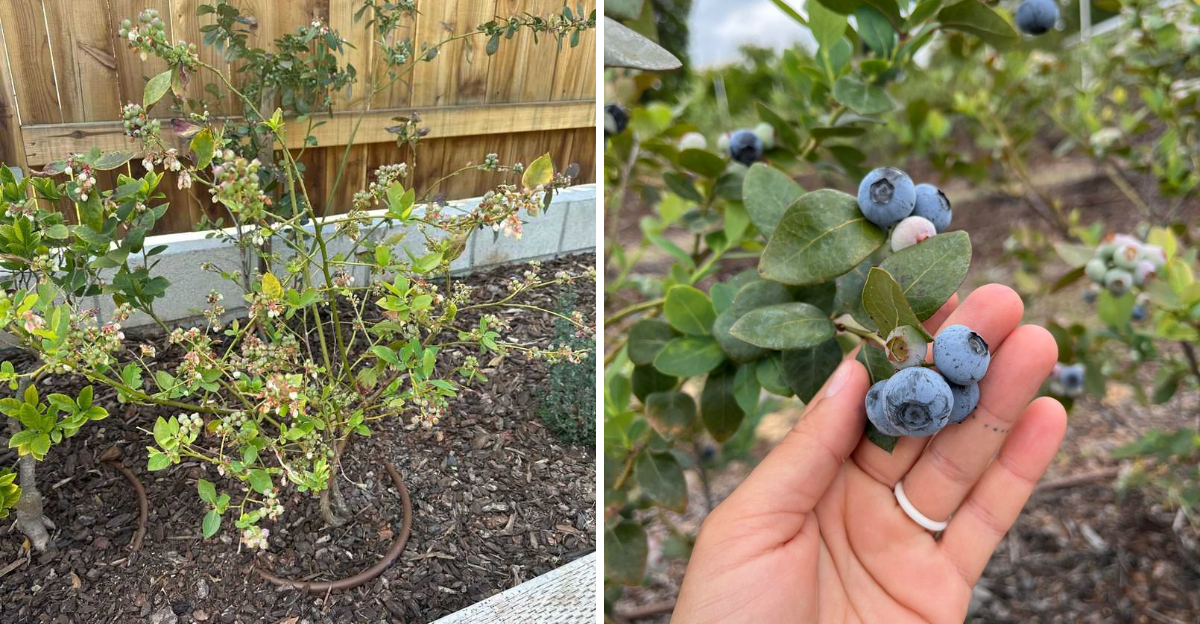
Stop gambling with your harvest before the season even begins. While Ohio gardeners wait for that first flush of blue, a single overlooked detail in spring often ruins the entire crop.
This silent mistake bypasses the soil and impacts the buds directly, leaving your bushes empty and your efforts wasted. Buckeye State weather is notorious for its mood swings, but your fruit production shouldn’t have to suffer.
Protecting your berries requires more than just water and sunlight. One common habit actually invites disaster, turning a promising start into a total washout for your berry patch.
To ensure a bucket full of fruit this July, address this critical error now. Trade that heartbreak for a bumper crop with these essential spring adjustments.
1. Planting Blueberries In Soil That Is Not Acidic Enough
Soil pH is the single most important factor affecting blueberry success in Ohio, and getting it wrong is the number one mistake home growers make. Blueberries are not like most garden plants.
They evolved in naturally acidic, woodland-type soils and simply cannot function well outside that environment. According to Ohio State University Extension, blueberries perform best in soil with a pH between 4.5 and 5.5.
Most Ohio soils, particularly in the central and western regions, naturally fall between 6.0 and 7.5, which is far too alkaline for blueberries to absorb the nutrients they need.
When pH climbs above 5.5, iron and manganese become chemically locked in the soil. Even if those nutrients are physically present, the roots cannot pull them in.
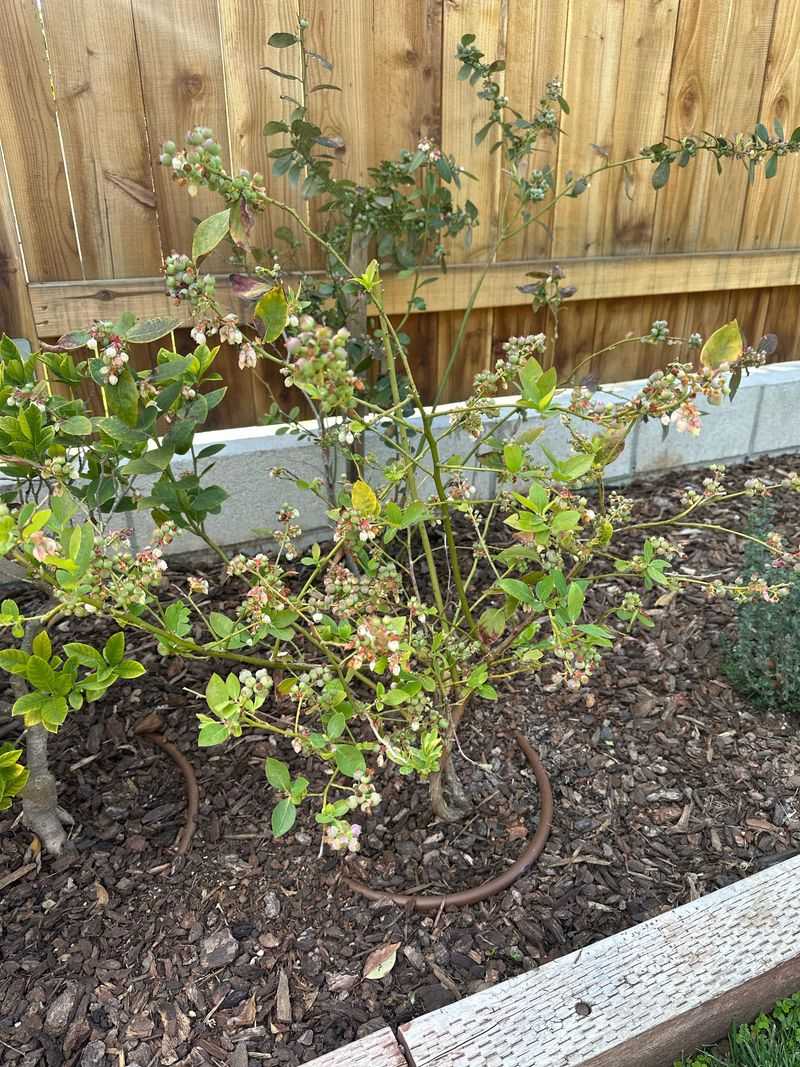
The result is weak, stunted growth and leaves that turn yellow between the veins, a condition called chlorosis. Fruit production drops sharply, and the plant spends its energy just trying to survive rather than setting berries.
Correcting pH before planting is far easier than trying to fix it around an established bush. Preparing a bed one full year in advance gives amendments time to work through Ohio’s dense clay-heavy soils.
Starting right makes every other spring task more effective.
2. Test Soil pH Before Bud Break In Ohio
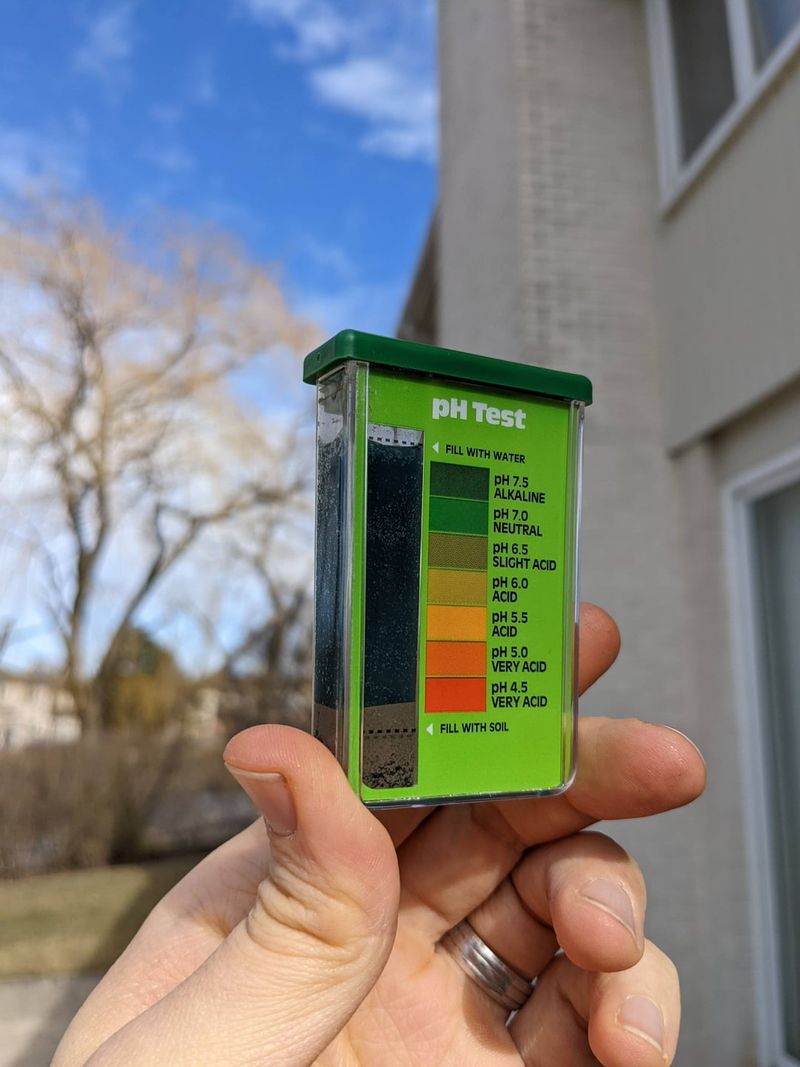
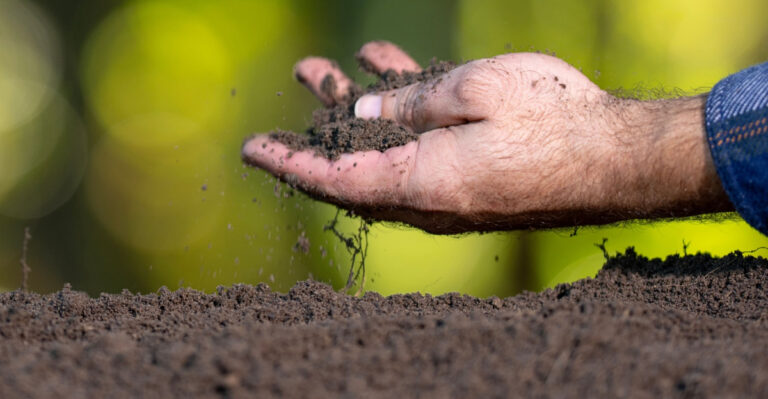
Early spring, before buds begin to swell and break, is the best window to test soil pH for blueberries in Ohio. Testing at this time gives you a clear picture of where your soil stands before the plant enters its most active growth phase.
Once growth kicks in, making amendments becomes more disruptive and slower to take effect. Getting ahead of bud break means you can act while the soil is still workable and the plant is still dormant.
Ohio gardeners have a straightforward option through OSU Extension’s local county offices. A basic pH test is inexpensive and provides results you can actually rely on, unlike some store-bought strips that give inconsistent readings.
Submitting a sample from several spots across your blueberry bed gives the most accurate overall picture.
Collect soil from the top six to eight inches, mix samples from at least five locations in the bed, and send them in a clean container. Results typically come back within one to two weeks, leaving plenty of time to plan amendments before the Ohio growing season accelerates in late April and May.
3. Amend With Elemental Sulfur Not Quick Fix Products

Elemental sulfur is the most reliable and cost-effective way to lower soil pH for blueberries in Ohio, and it works in a way that actually lasts. When sulfur granules are worked into the soil, naturally occurring bacteria convert them into sulfuric acid over time.
That process gradually brings pH down to the range blueberries need. It is slow, which is actually a strength, because it creates a stable, lasting change rather than a temporary dip.
A lot of garden centers sell acidic fertilizers marketed specifically for blueberries, azaleas, or rhododendrons. Those products can help maintain acidity once pH is already in range, but they are not strong enough to correct soil that is significantly too alkaline.
Relying on them alone in Ohio soils that start at pH 6.5 or higher is like trying to empty a bathtub with a teaspoon. The underlying chemistry does not shift enough to make a real difference.
OSU Extension recommends working elemental sulfur into the soil several months before planting, ideally in fall for spring planting. Rates depend on your soil’s current pH and texture.
Sandy soils need less sulfur than the clay-heavy soils common in much of Ohio. Always follow soil test recommendations rather than guessing at application rates.
4. Avoid Lime Near Your Blueberry Beds
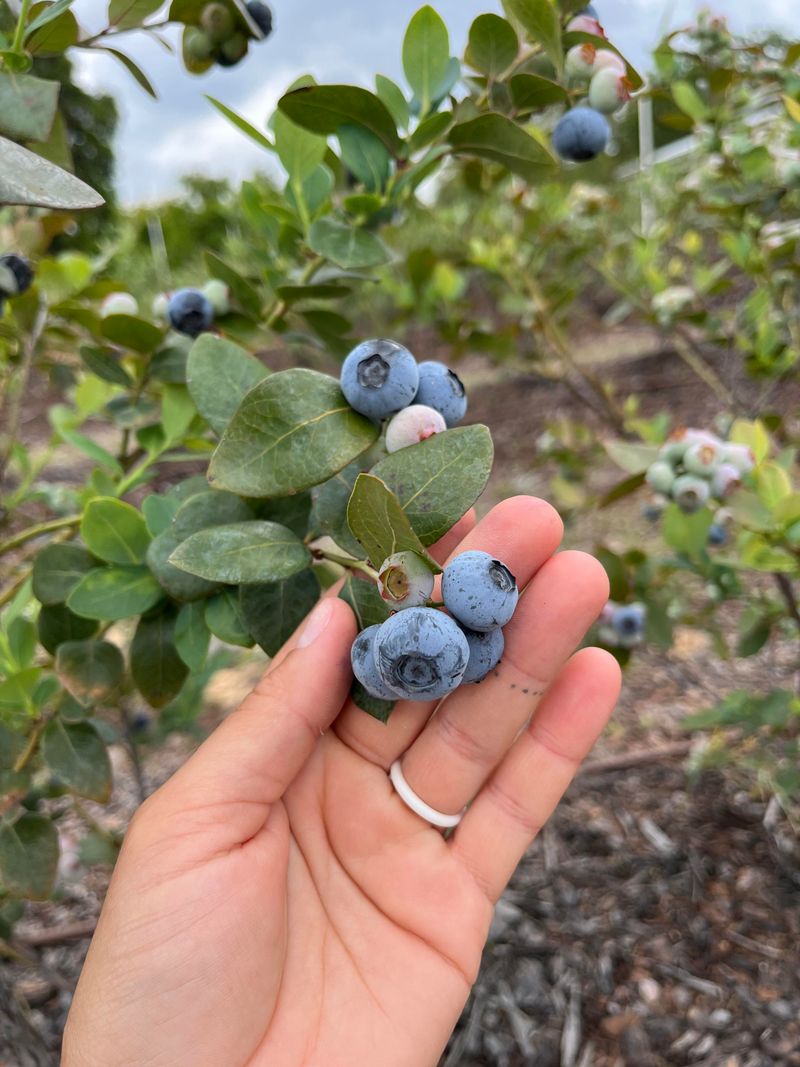
Lime is one of the most commonly applied products in Ohio lawn care, and for good reason. Turf grasses prefer a pH between 6.0 and 7.0, and lime raises pH efficiently.
The problem comes when lime is applied to lawn areas directly adjacent to blueberry beds. Lime does not stay put.
Rain, irrigation, and soil movement carry it toward neighboring planting areas over time, and even modest amounts can push blueberry bed pH above the acceptable range.
Many Ohio gardeners treat their lawns and garden beds as completely separate systems, but the soil beneath them is connected. Lime applied within ten to fifteen feet of a blueberry bed can gradually migrate and alter the chemistry you worked hard to correct.
If your lawn regularly receives lime treatments, consider creating a physical buffer using edging, a raised bed structure, or a gravel pathway to slow that migration.
Keeping records of where and when lime is applied on your property helps you track potential drift over time. If you share a yard with a neighbor who limes heavily, testing your blueberry bed soil each spring becomes even more critical.
Awareness of what is happening in the surrounding landscape is part of managing blueberries successfully in Ohio’s typical suburban and rural settings.
5. Mulch With Pine Bark To Maintain Acidity
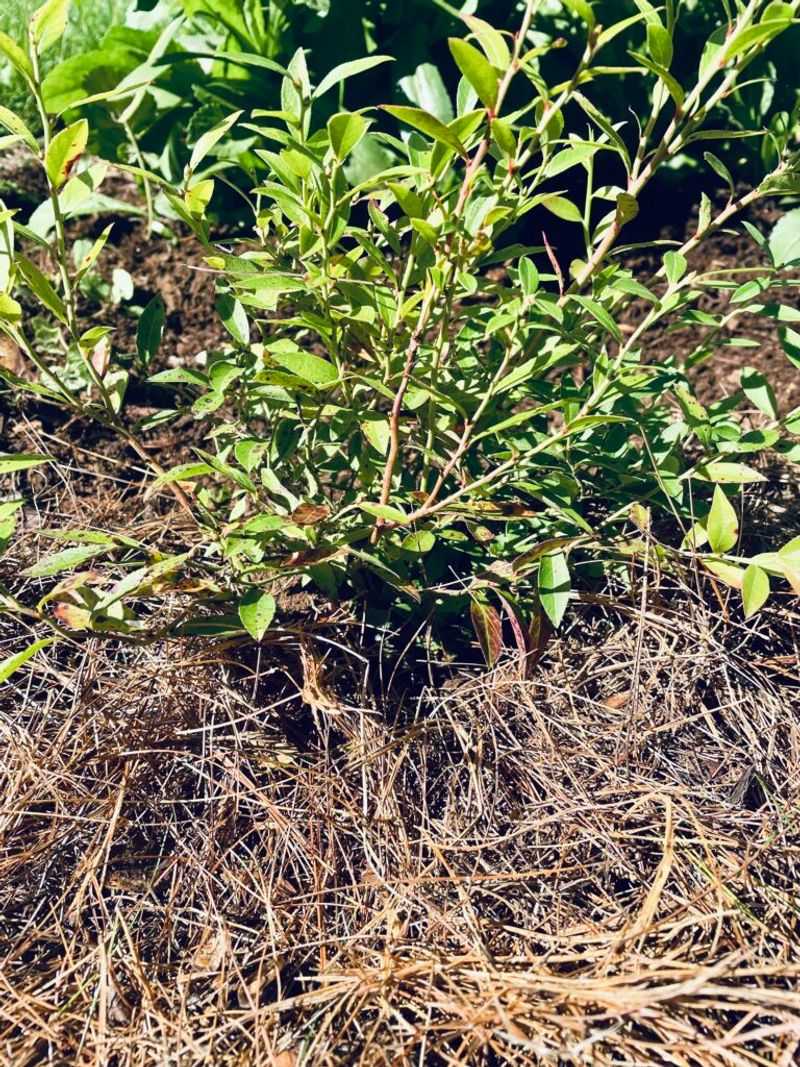
Mulch does more than keep weeds down around blueberry plants. The right mulch actively supports the acidic soil environment blueberries need and helps Ohio gardeners maintain the pH they worked to achieve.
Pine bark mulch and pine needle mulch are two of the best options for blueberry beds because they break down slowly and release mild acids into the soil as they decompose. Over a full growing season, that gradual release contributes to pH stability in a way that feels almost effortless.
Beyond acidity, pine bark mulch is excellent at retaining moisture, which matters a lot for blueberries in Ohio springs that can swing between wet and dry stretches unpredictably. Blueberries have shallow, fibrous root systems that dry out faster than most gardeners expect.
A four to six inch layer of pine bark keeps that root zone consistently moist without suffocating the roots.
Avoid using wood chips from hardwood trees or fresh grass clippings as mulch around blueberries. Hardwood chips can raise pH as they break down, which is the opposite of what you need.
Fresh grass clippings mat down and block airflow, creating conditions that invite fungal issues. Pine bark, applied fresh each spring, is a reliable, low-maintenance choice that earns its place in any Ohio blueberry planting.
6. Watch For Yellow Leaves As An Early Warning
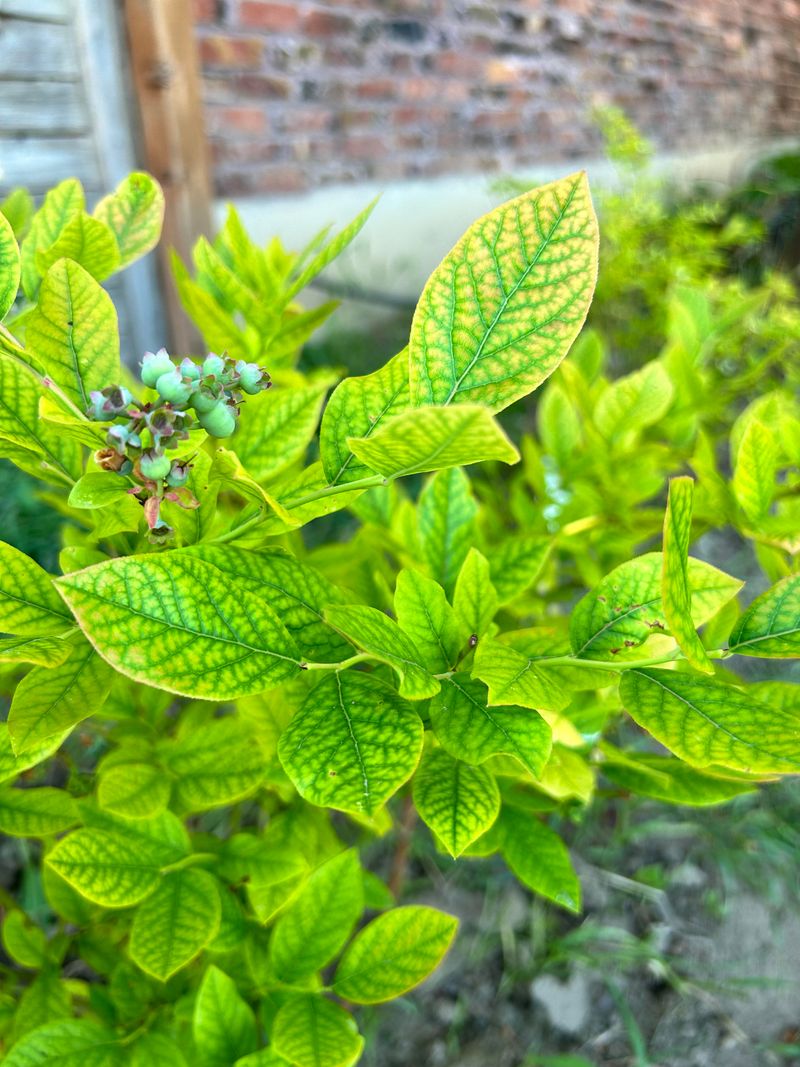
Yellow leaves on a blueberry bush are not a random mystery. In Ohio, they are almost always a signal that something is off with soil pH, and the pattern of yellowing tells you a lot.
Iron chlorosis, the most common deficiency linked to high pH, shows up as yellowing between the leaf veins while the veins themselves stay green. New leaves at the tips of branches are usually the first to show this pattern because iron is not mobile within the plant and cannot move from older tissue to new growth.
Manganese deficiency produces a similar look but tends to appear on slightly older leaves rather than the newest growth. Both conditions occur not because the soil lacks those nutrients but because high pH locks them in a form the roots cannot absorb.
Adding more fertilizer without correcting pH does almost nothing. The nutrients pile up in the soil but stay chemically unavailable.
Catching yellowing early in spring gives you time to respond before the growing season progresses too far. A foliar spray of chelated iron can provide temporary relief and buy time while longer-term soil corrections take effect.
Soil acidifiers applied around the drip line may also help stabilize the plant. But a soil test should always follow any visual symptoms to confirm what is actually happening beneath the surface.
7. Water Deeply But Never Let Roots Sit Soggy
Blueberries have some of the shallowest root systems of any fruiting plant commonly grown in Ohio. Most of the active roots sit in the top twelve to eighteen inches of soil, which means they respond quickly to both drought and excess moisture.
Spring in Ohio can be unpredictable, with stretches of heavy rain followed by dry, windy days. Keeping up with that variability requires paying attention rather than following a fixed watering schedule.
Deep, infrequent watering encourages roots to explore downward, making the plant more resilient during dry spells. Shallow, frequent watering keeps roots near the surface where they are more vulnerable.
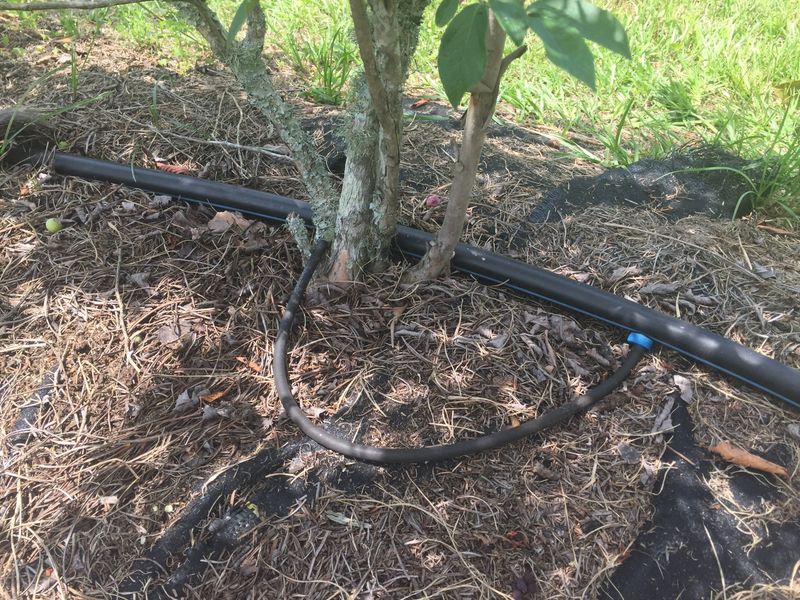
A slow drip irrigation system or a soaker hose delivers water directly to the root zone without splashing foliage, which helps reduce the risk of fungal leaf spot diseases that can flare up in Ohio’s humid spring conditions.
Poorly drained spots in the yard are a serious problem for blueberries. Roots sitting in waterlogged soil cannot access oxygen, and the plant declines quickly.
If your yard has heavy clay soil that holds water, consider building a raised bed or mound specifically for your blueberry planting. Mixing in organic matter like aged compost improves drainage while also nudging pH in the right direction over time.
8. Recheck Soil pH Every Spring In Ohio
Soil pH is not a set-it-and-forget-it measurement. Ohio soils have a natural tendency to drift upward in pH over time, especially in areas with calcareous subsoils or where irrigation water is high in minerals.
Even after you get your blueberry bed into the right range, that range can shift within a single growing season. Annual spring testing keeps you ahead of those changes before they cause visible problems in your plants.
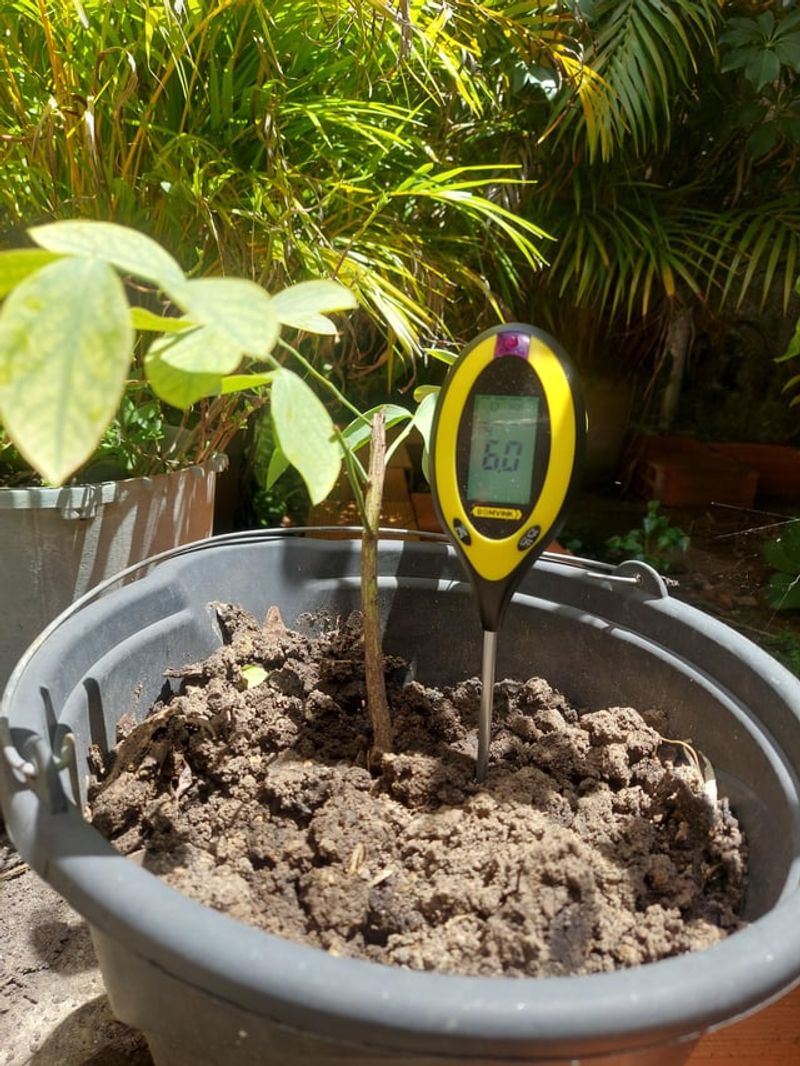
Testing every spring does not have to be complicated or expensive. A quality digital pH meter, calibrated correctly, works well for consistent year-to-year tracking right in your own yard.
For a more complete nutrient picture every two to three years, sending a sample to an OSU Extension-affiliated lab is worth the small cost. Those results include recommendations tailored to Ohio’s specific soil conditions and the crops you are growing.
Keeping a simple log of your pH readings, amendment applications, and plant performance each year creates a personal record that becomes genuinely useful over time. Patterns emerge.
You start to see how much sulfur your specific soil needs annually, how quickly pH drifts after a wet winter, and which parts of your bed need more attention. That kind of knowledge, built season by season, is what separates gardeners who struggle with blueberries from those who harvest buckets of them every summer in Ohio.